DLP vs FIDIC DNP, NEC defect correction and JCT rectification explained. Practical snag lists, contractor obligations, property management and close-out.
A practical guide to construction site handover: legal meaning, “Accessible Site” clause, risks of informal possession, a step-by-step checklist, and a free handover letter template.
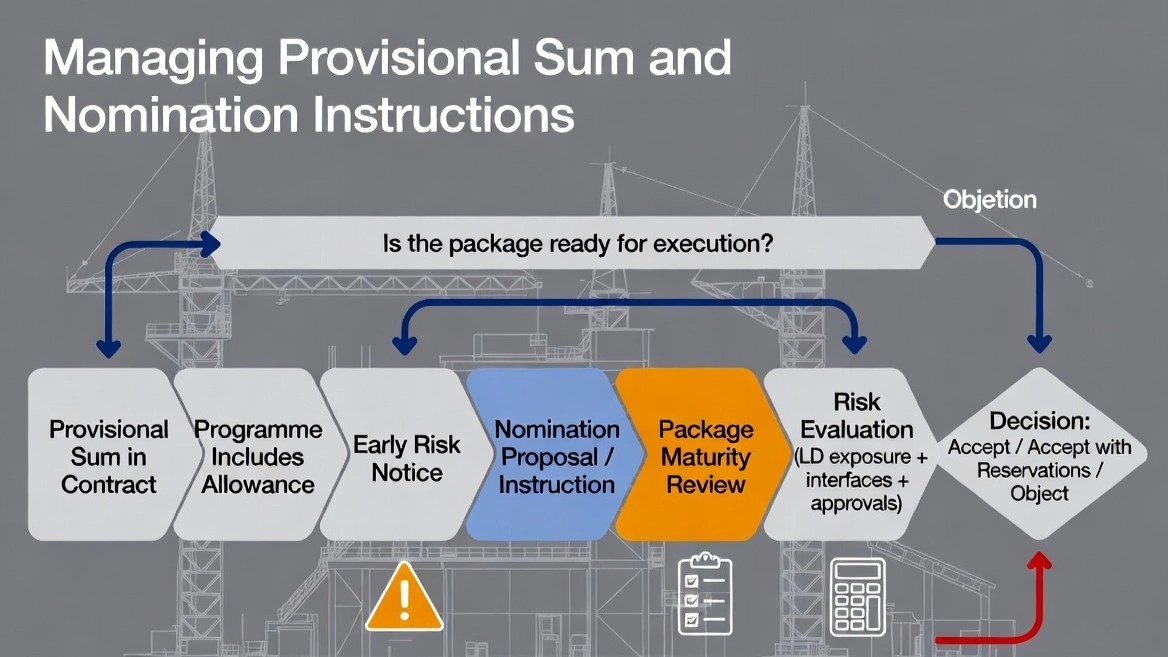
Understand provisional sums and nominated subcontractors in construction contracts, including FIDIC and JCT treatment, planning gaps, extension of time evidence, LD exposure, design-execution overlap risk, downloadable tools, and practical contract administration guidance.
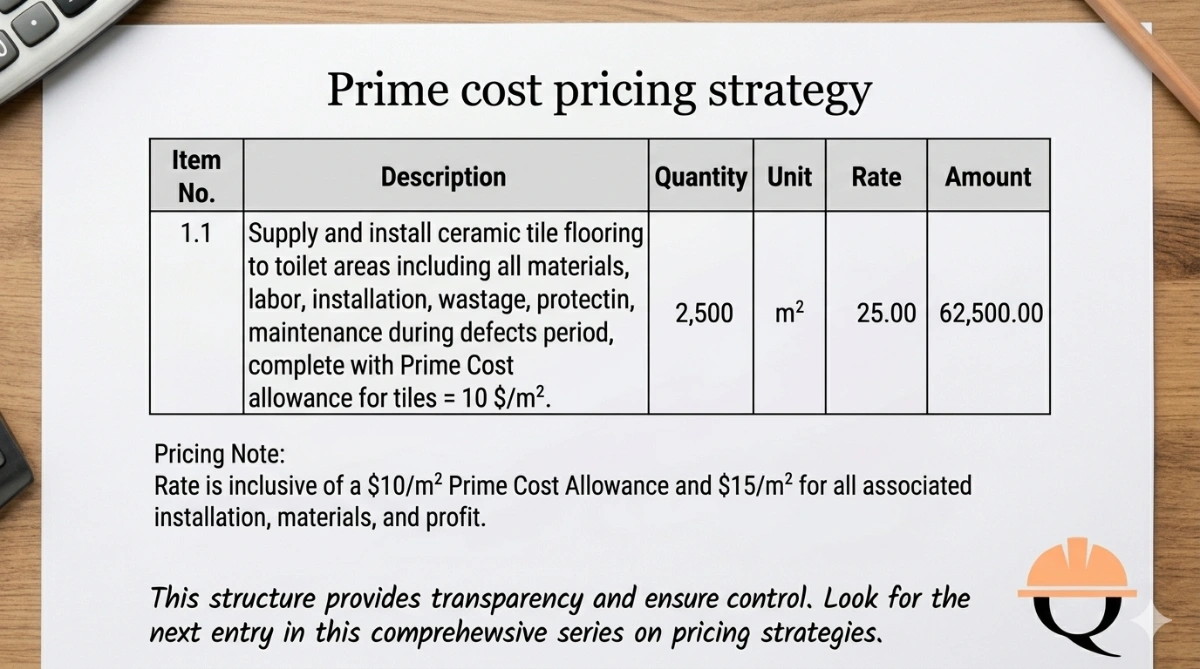
Learn how Prime Cost sums affect contractor risk, margin exposure, and BOQ pricing strategy. Includes real construction examples, split vs composite PC items, and OH&P placement guidance.
Explore the essentials of advance payments in construction contracts, including their purpose, legal provisions, and applications in FIDIC, NEC, and JCT frameworks. This article covers recovery formulas, mobilization payments, price adjustment clauses, and strategies for managing contractor cash flow and project risks. A valuable guide for professionals navigating construction finance and legal contracts.
Learn effective strategies for managing variation orders in construction projects. Access free, no-registration-required templates to streamline your change order processes and maintain project efficiency.
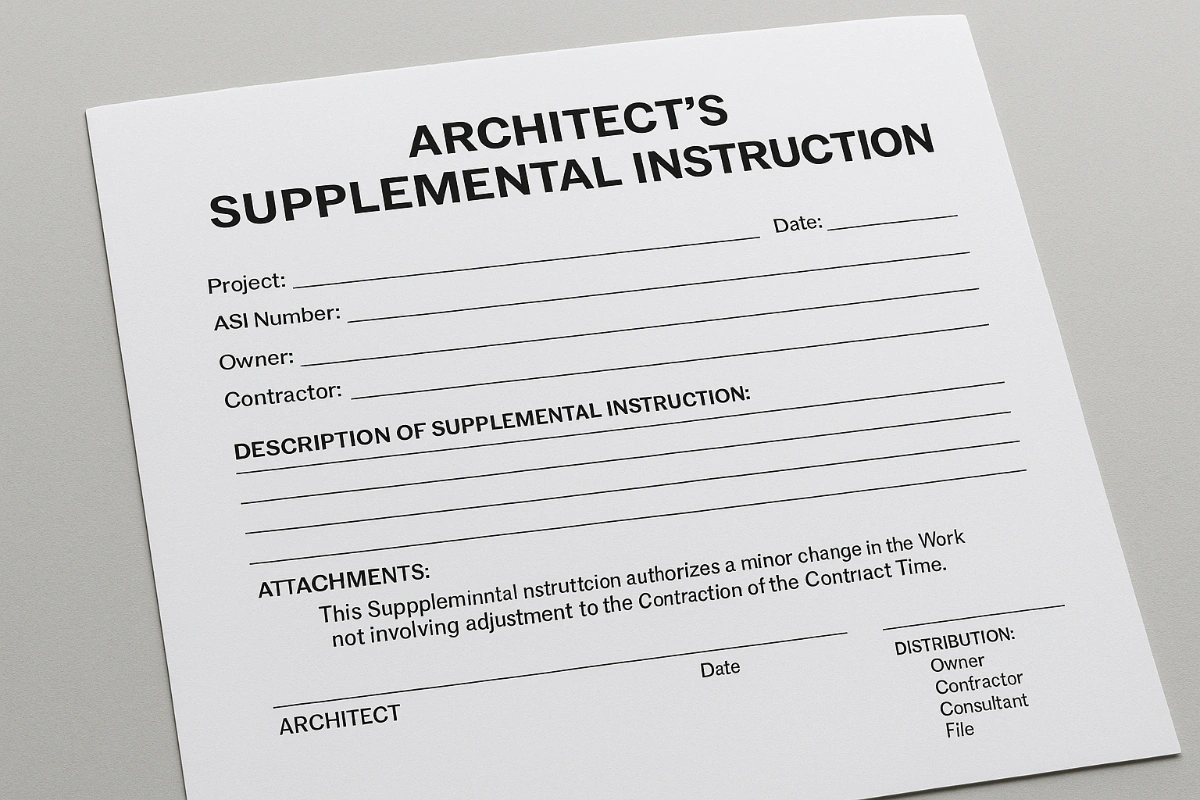
Learn what site instructions (Engineer’s, Architect’s, PM’s Instructions, ASI, Work/Field Orders) mean legally in FIDIC, JCT, NEC & AIA, with free forms.
An engineer's guide to understanding the importance of timely notices in construction projects, including best practices and the consequences of non-compliance.
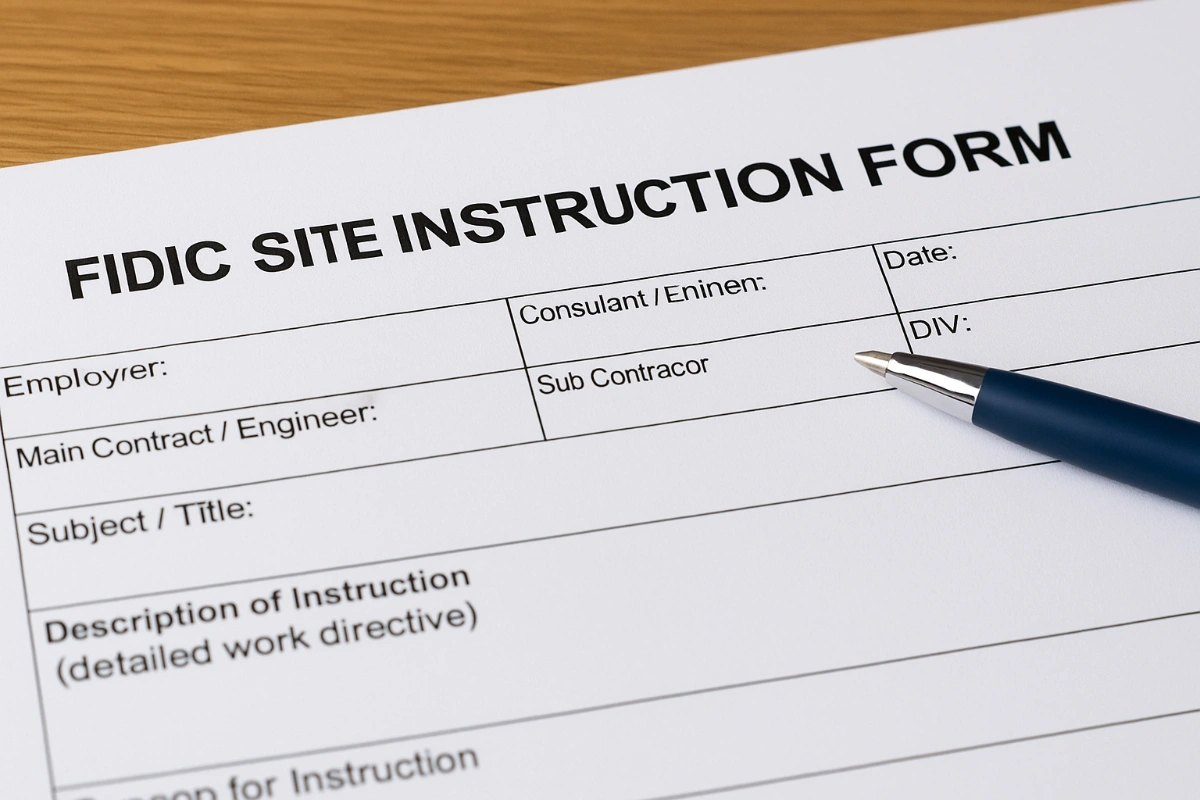
Download our free FIDIC Site Instruction form. Learn how to use it in any FIDIC edition, track variations, and protect against disputes with proper records.
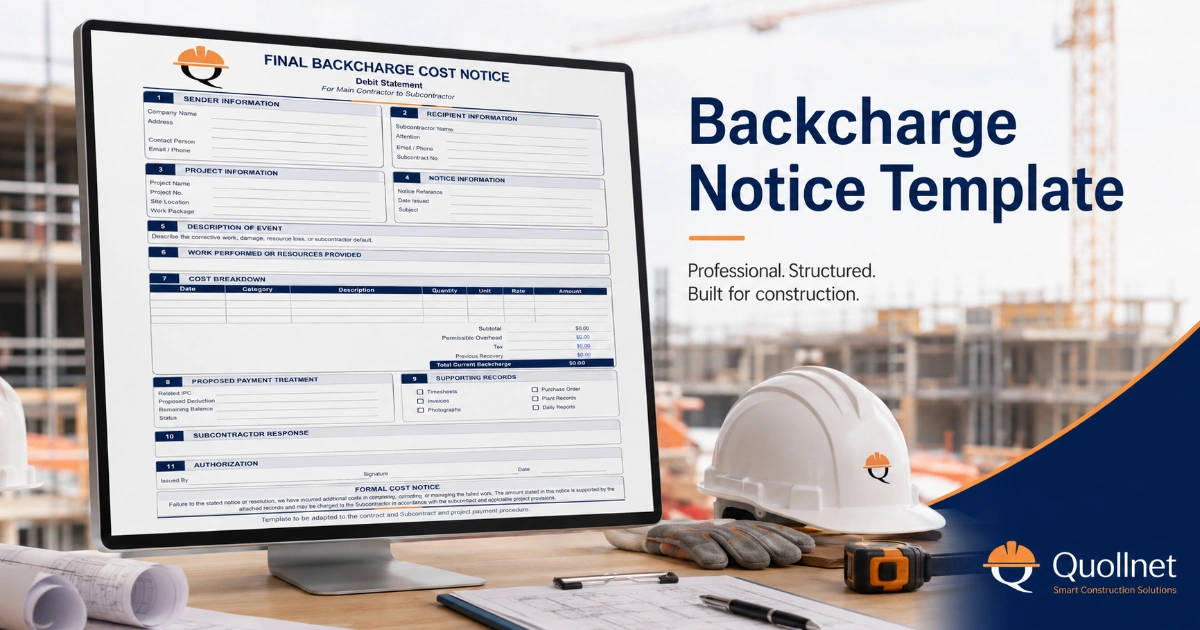
Download two construction backcharge notice templates in Excel and PDF: a Notice to Correct and Intent to Backcharge issued before corrective work, and a Final Backcharge Cost Notice issued after costs are incurred.
Learn the difference between site access and possession in construction, how delayed site handover affects EOT and cost claims, what to check before accepting handover, and how notices work under FIDIC, NEC, JCT, and similar contracts.
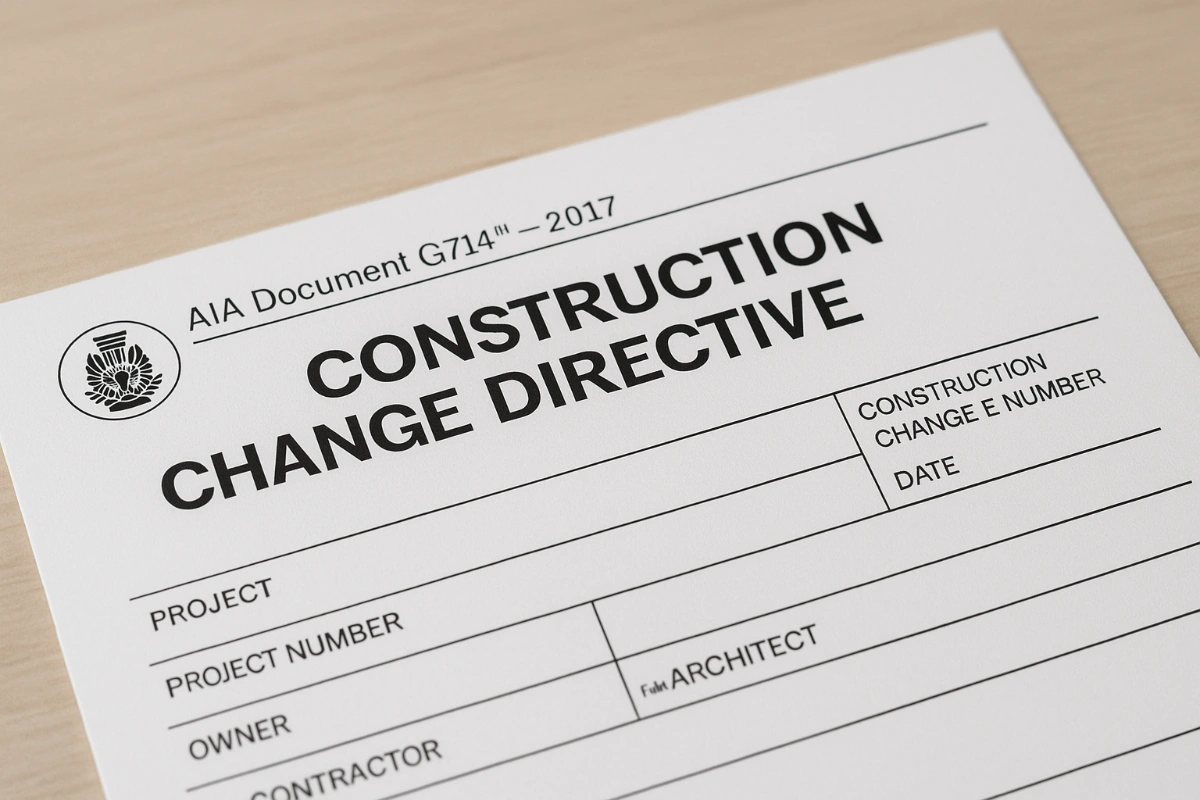
Download our free AIA Architect’s Supplemental Instruction (ASI) form. Learn how to use it for minor changes with no cost/time impact, per AIA contracts.
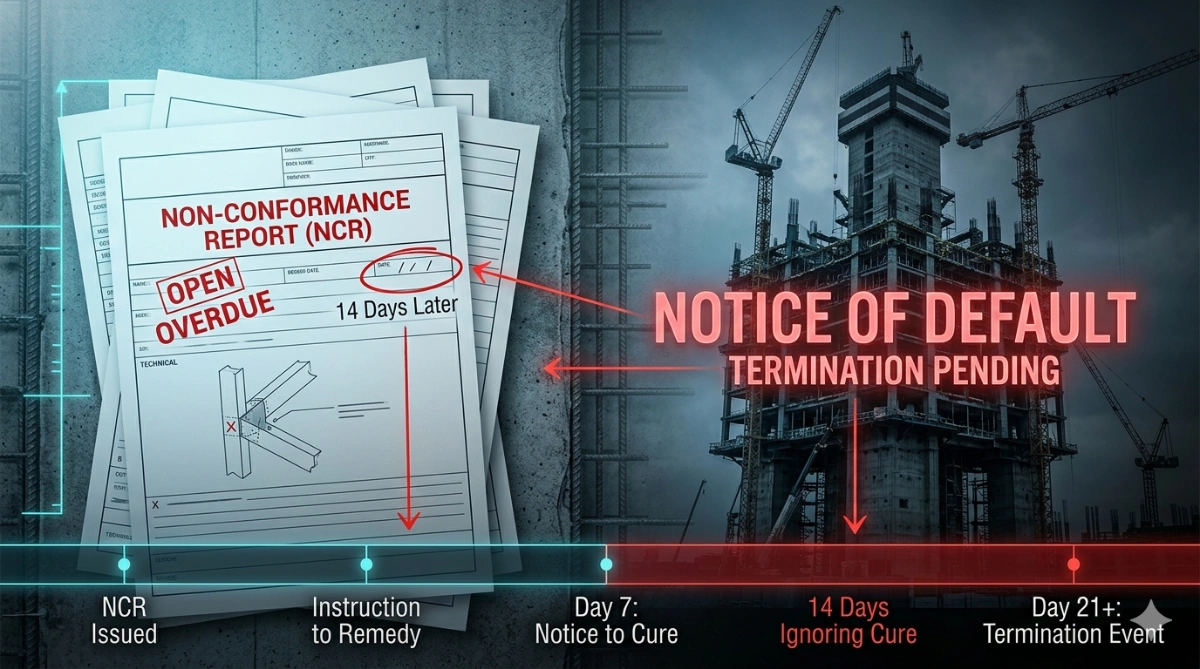
An NCR does not terminate a contract by itself—but it can create the grounds for default if a Notice to Correct/Cure is issued and ignored. Learn the NCR→notice→default pathway across common contracts, what happens after cure fails, and how contractors and engineers should act.
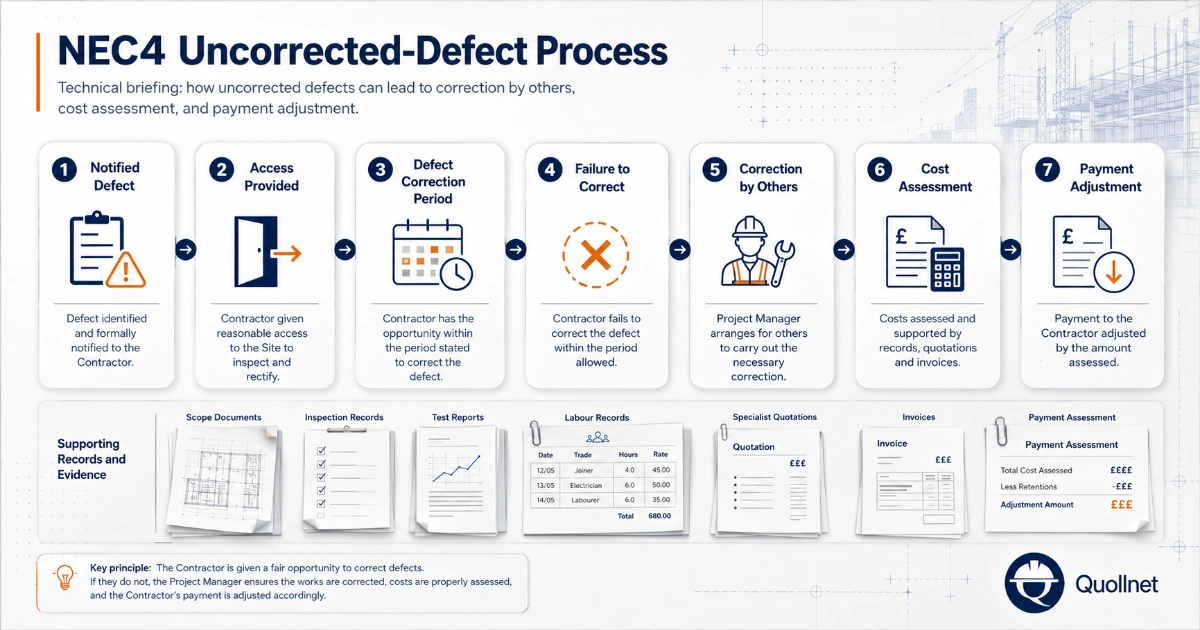
NEC backcharges explained under NEC4 ECC and ECS: Defect notification, access, defect correction periods, Clause 46 assessments, correction by others, Defined and Disallowed Cost, payment recovery, and Contractor or Subcontractor objections.
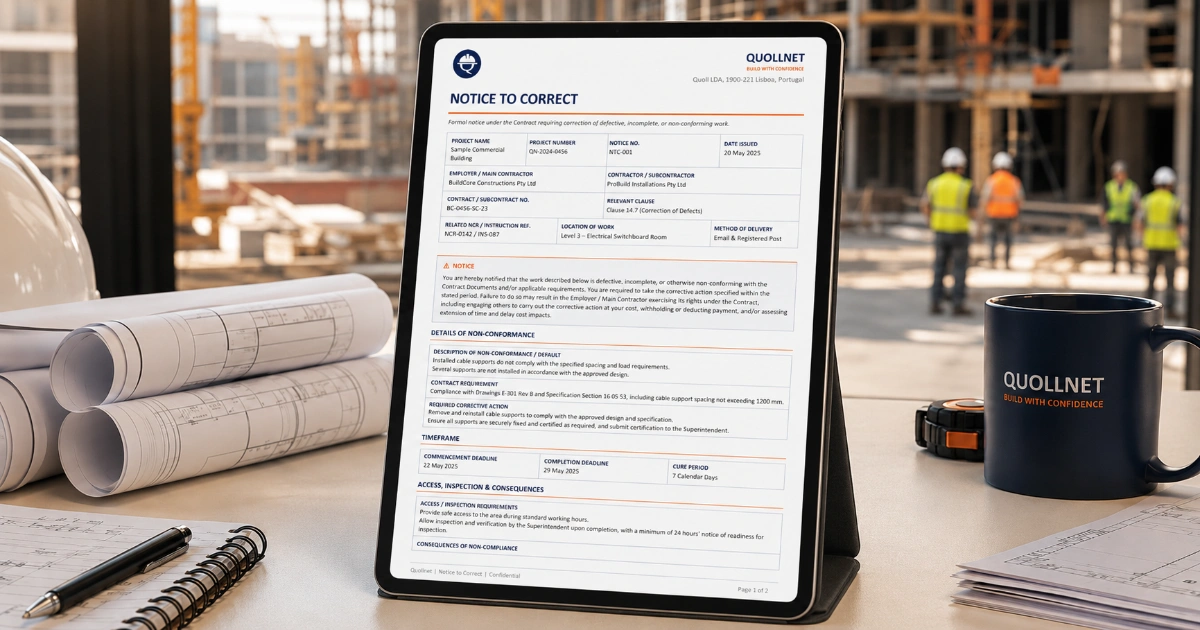
Understand how a Notice to Correct works in construction, what it must contain, how to set a reasonable cure period, how the recipient should respond, and what may happen after noncompliance. Includes a downloadable contract-neutral Notice to Correct template.
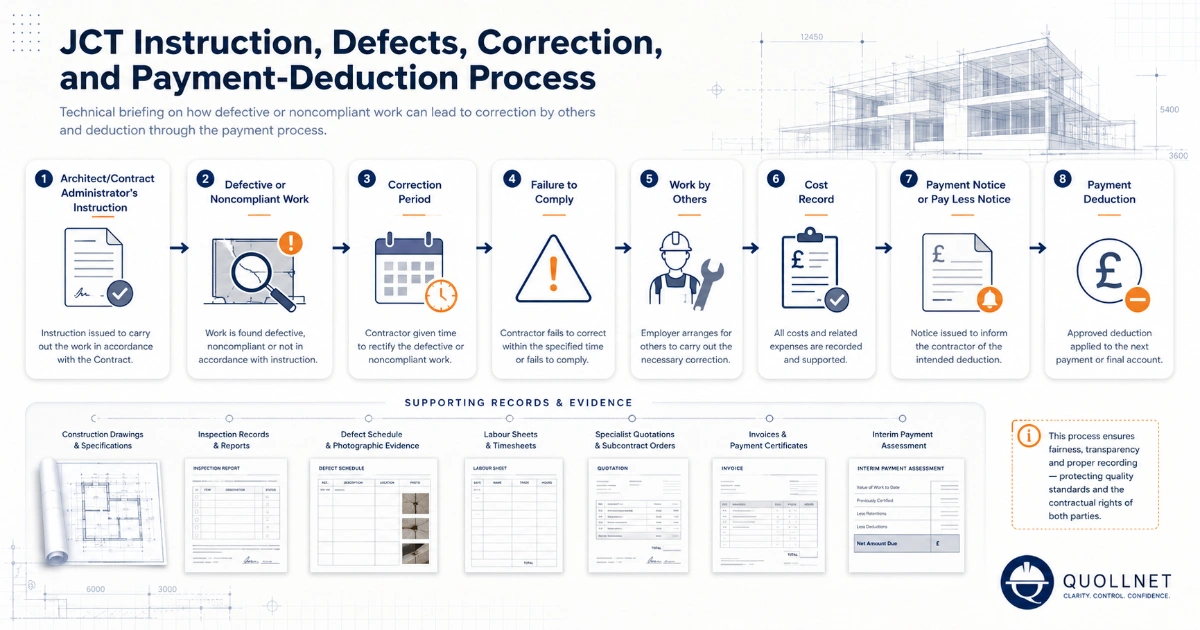
JCT backcharges explained under JCT 2016 and 2024: instructions, defective work, Rectification Period remedies, work by others, appropriate deductions, Pay Less Notices, subcontract deductions, valuation, and dispute rights.
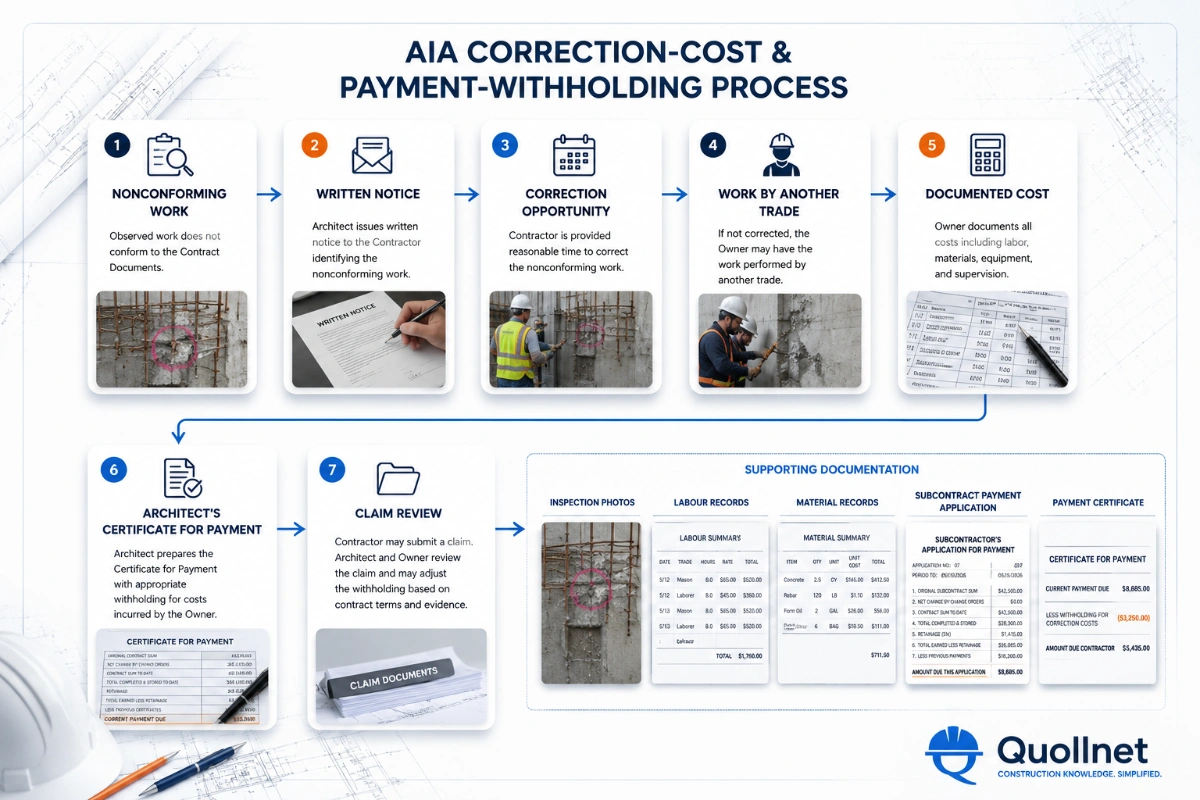
AIA backcharges explained under A201–2017 and A401–2017, including correction by others, notice and cure requirements, Architect certification, payment withholding, Claims, termination, cost evidence, and Contractor or Subcontractor objections.
Discover how the COVID-19 pandemic exposed flaws in construction contracts, particularly the unfair treatment of advance payments and bonds. Learn actionable reforms to protect contractors, including non-refundable payments and equitable compensation frameworks, for a more resilient construction industry.
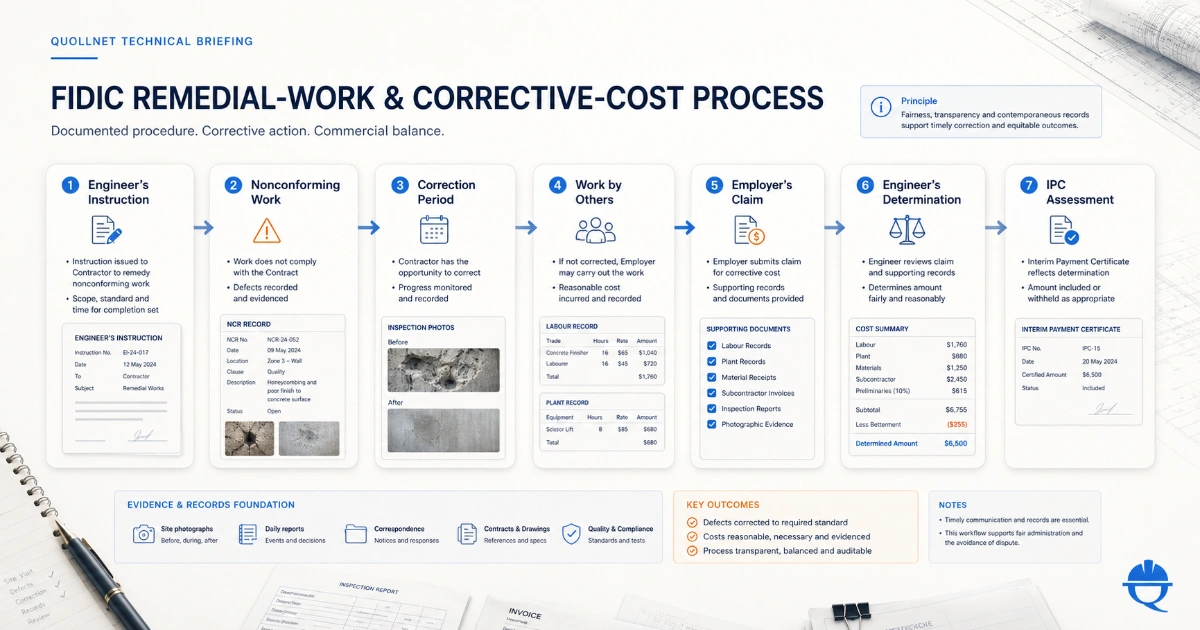
FIDIC backcharges explained: remedial work, Notice to Correct, defects, Employer and Contractor Claims, Engineer determinations, IPC deductions, subcontract remedies, cost valuation, and objections under the 1999 and 2017 FIDIC forms.
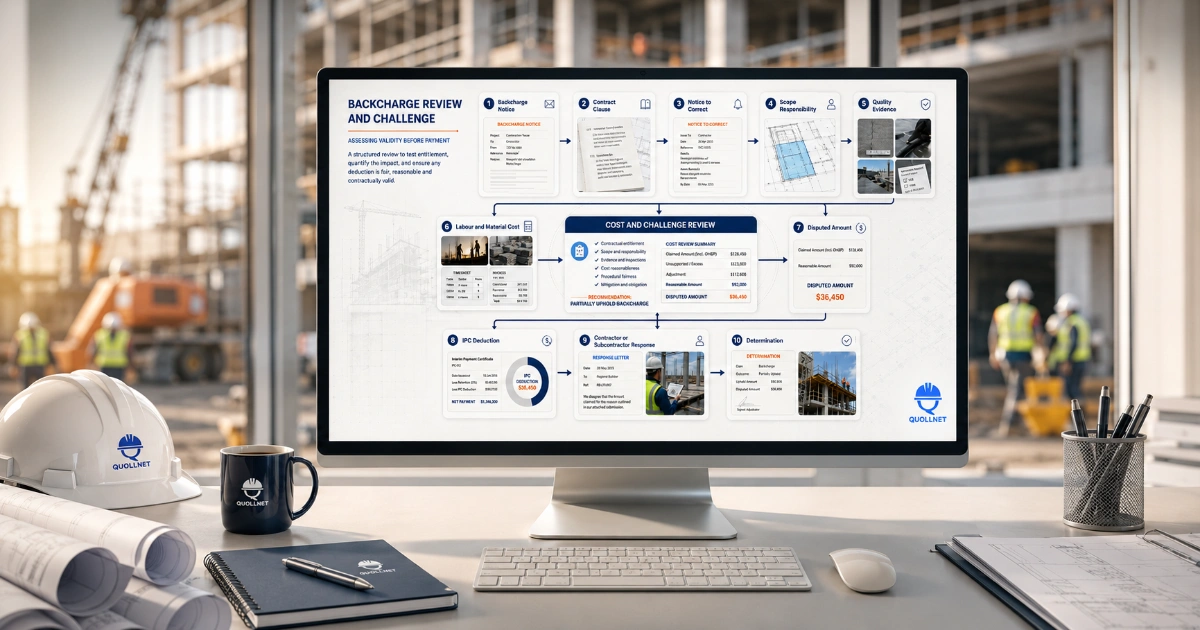
Learn how to challenge an improper construction backcharge by testing contractual entitlement, notice, responsibility, right to repair, cost records, betterment, delay causation, IPC deductions, payment notices, and duplicate recovery.
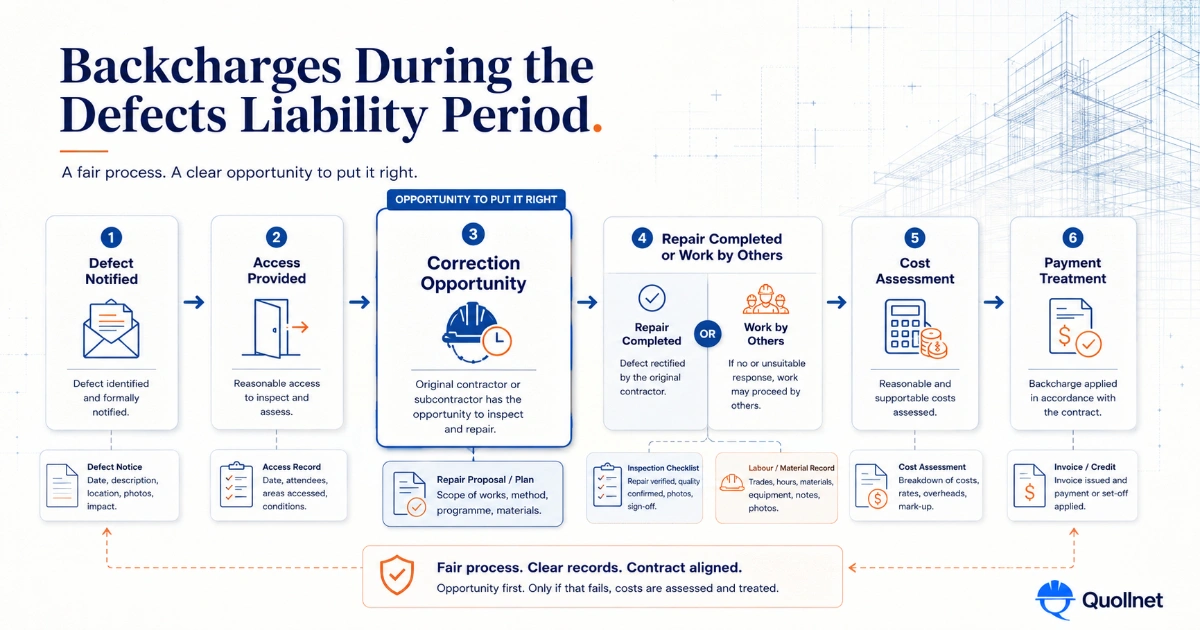
Can an Employer appoint others and backcharge defect repairs during the Defects Liability Period? Learn how notice, access, correction periods, emergency work, cost assessment, payment deductions, and the original Contractor’s opportunity to repair apply.
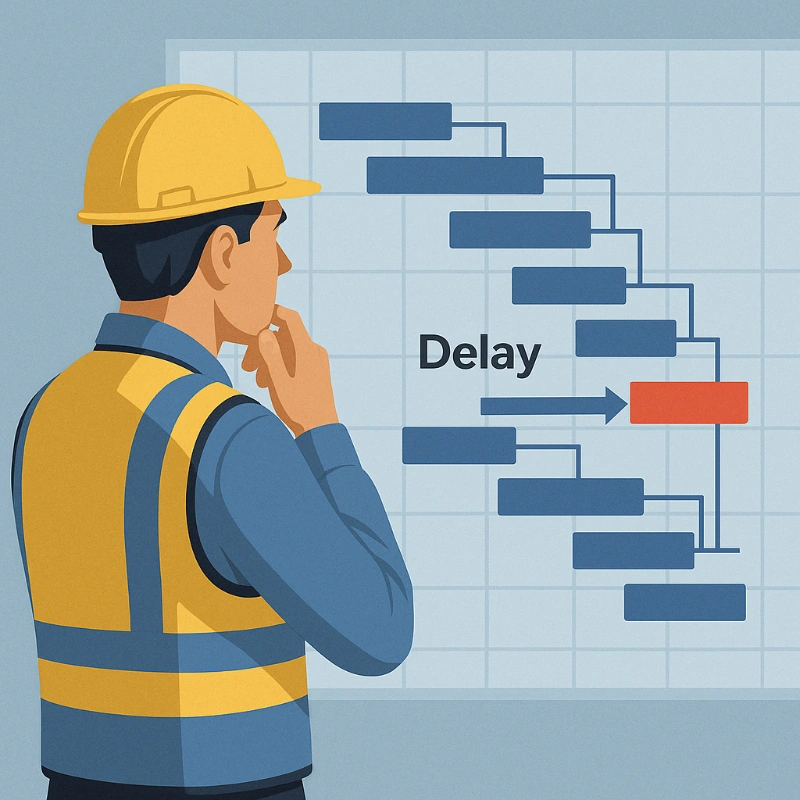
Master Time Impact Analysis (TIA), the leading prospective method for assessing construction delays. Understand its use, contract requirements, and best practices.
Run a high-impact Construction Kick-off Meeting (Pre-Construction). Free agenda template, kickoff checklist, RACI, communication plan, change order procedures, contract administration tips, and document control.
Learn about top delay analysis methods in construction, legal strategies for EOT claims, and access free tools including the free DelayClaims AI Assistant, method selector excel and others.
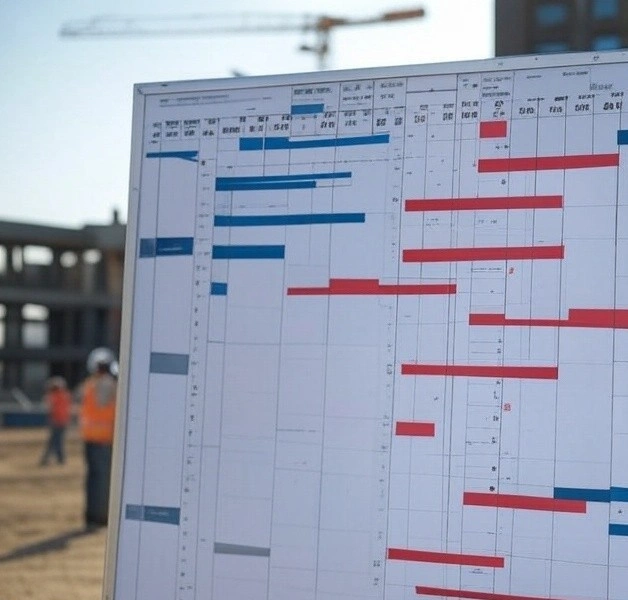
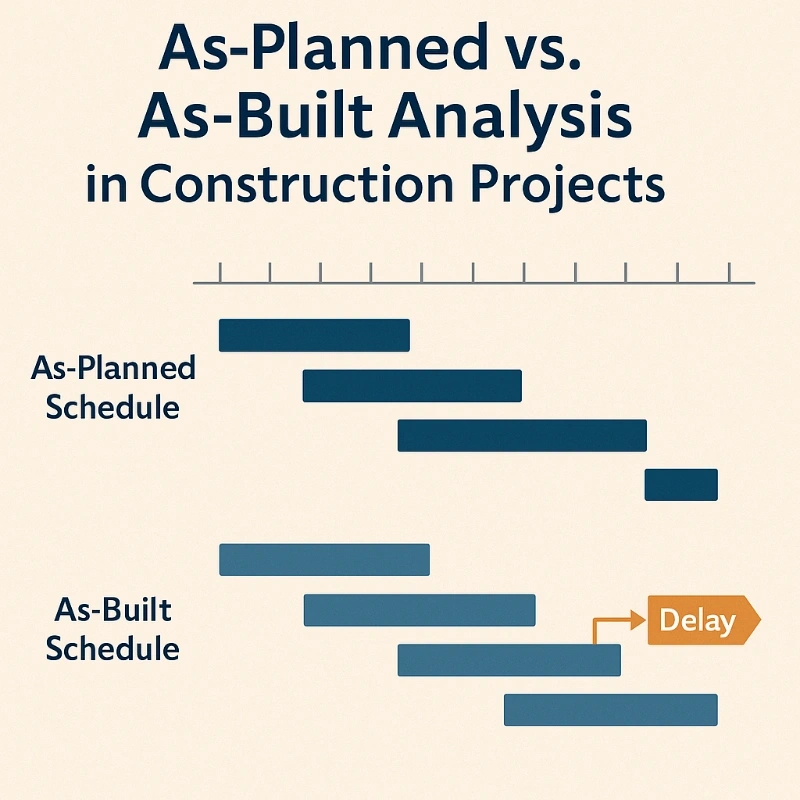
Learn how As-Planned vs. As-Built analysis is used to evaluate construction delays. Understand the steps, advantages, challenges, and when to apply it for EOT claims or dispute resolution.
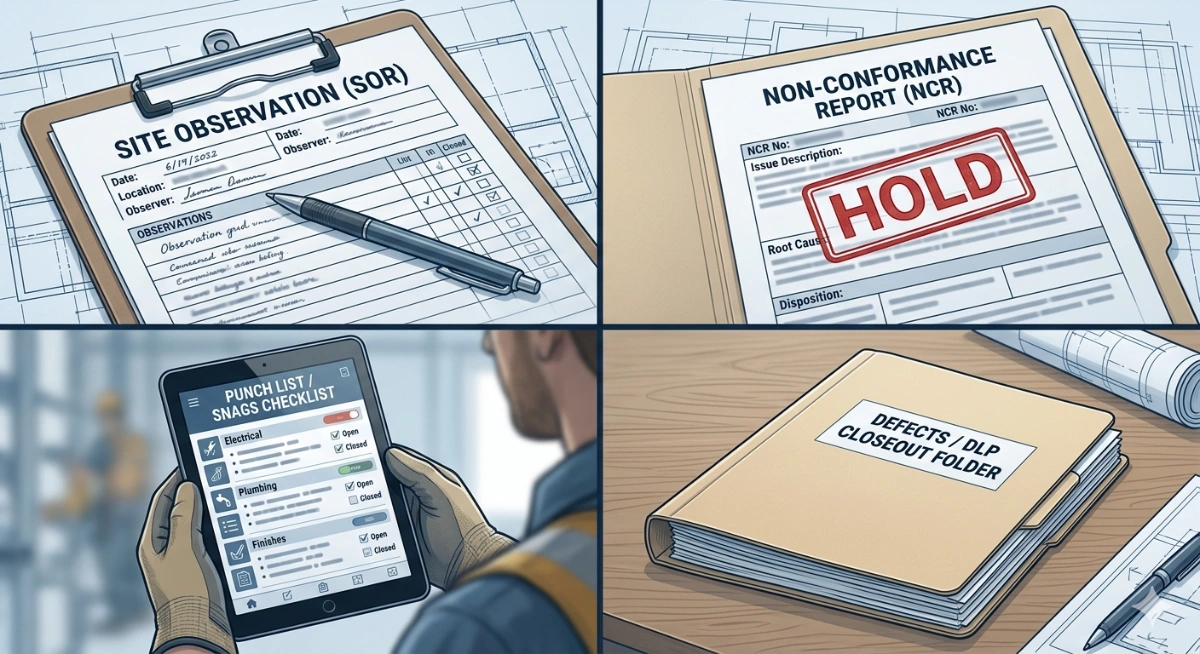
Learn the difference between an Observation (SOR), NCR, Snag/Punch List, and Defect (DLP). Use the right record at the right time, prevent observations from escalating into NCRs, and understand how payment, handover, and contractual notices are affected.
Learn what a site clarification (RFI) is, the legal line between clarification and instruction, and download free templates: RFI log (Excel/CSV), checklist, and flowchart.
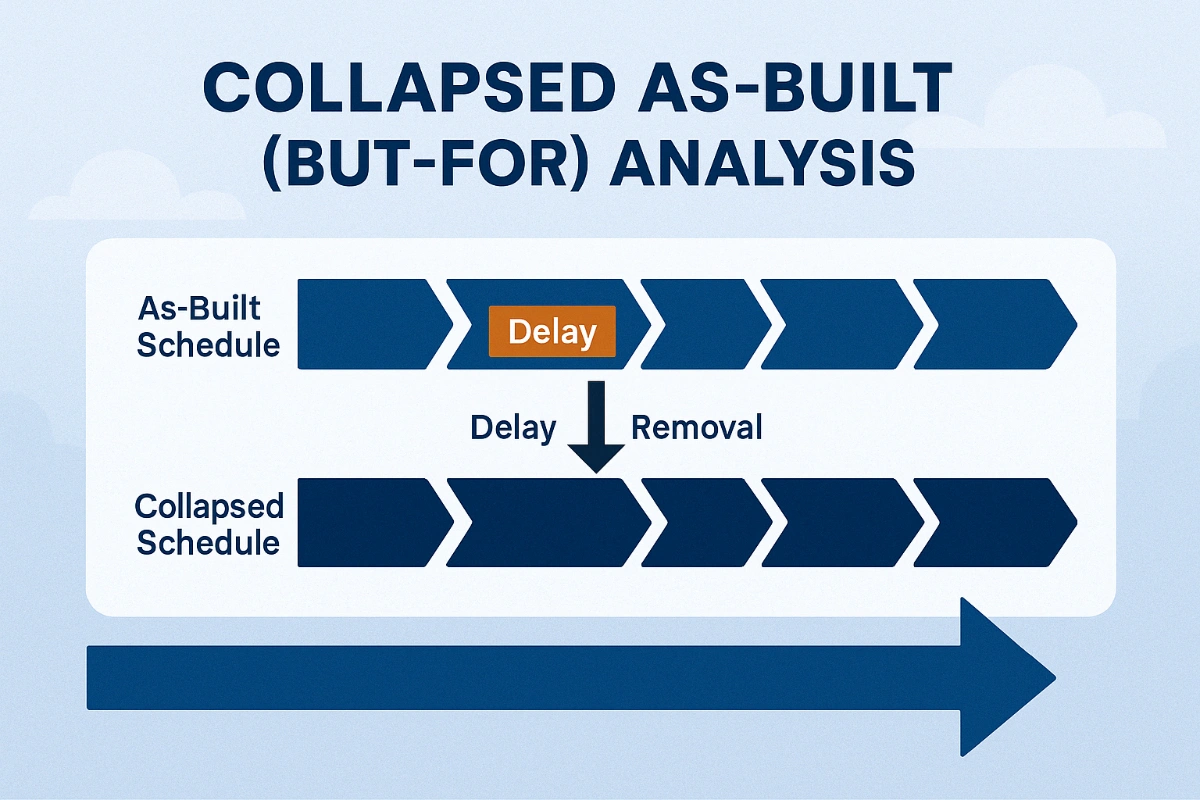
Discover how Collapsed As-Built (But-For) analysis helps evaluate delays in completed construction projects. Learn when to use it, how it works, and how it supports forensic delay claims.
Download a free EOT Claim Submission Checklist to ensure your Extension of Time requests meet contract requirements. DOCX, Word, PDF format for easy editing.
Can taking-over happen with open NCRs? Learn when handover is allowed, when it must be blocked, how to document outstanding NCRs, and when to escalate to contractual notices (e.g., Notice to Correct) through common contract authorities.
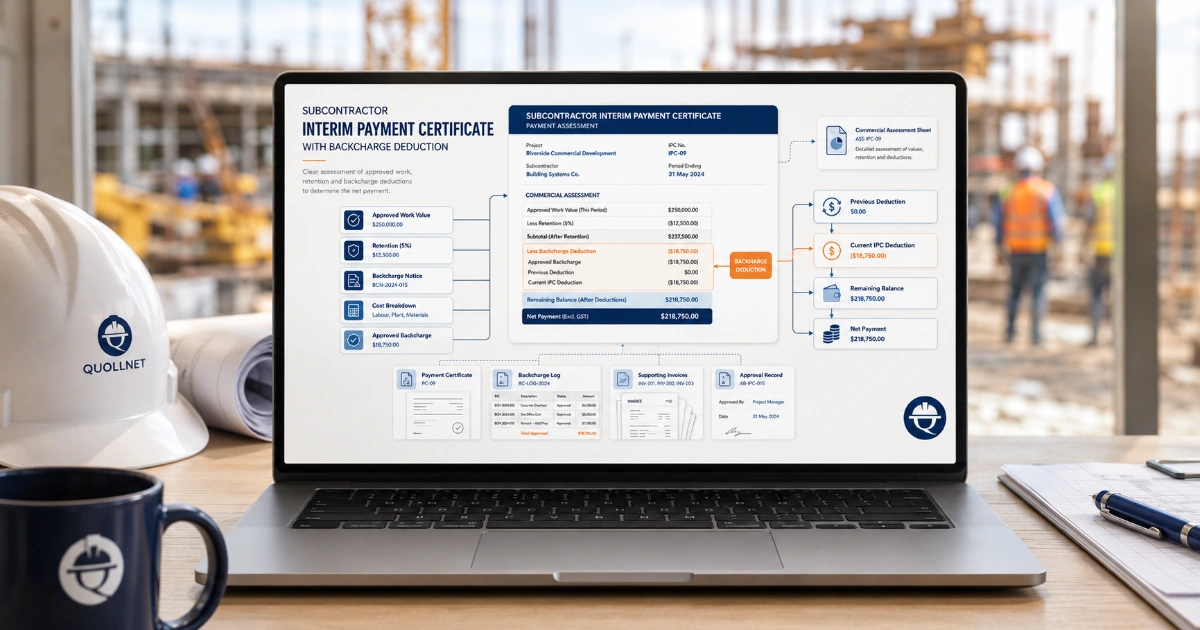
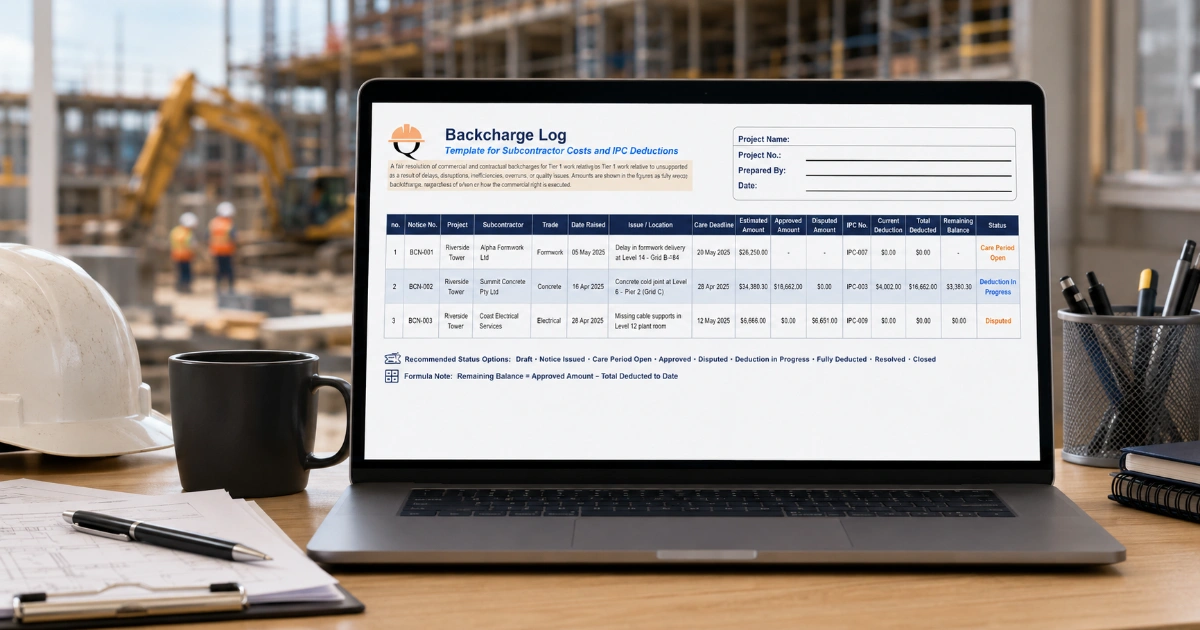
Use this construction Backcharge Log template to track notices, cure periods, approved costs, disputes, Subcontractor IPC deductions, remaining balances, reversals, and closure without duplicating deductions.
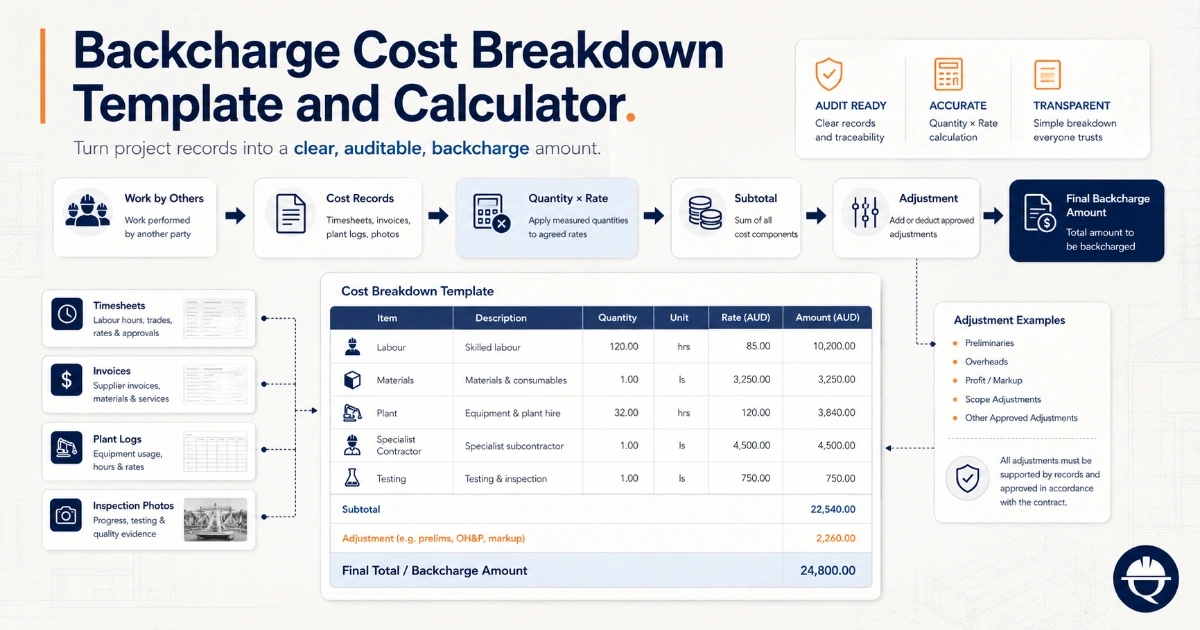
Use this Backcharge Cost Breakdown Template and Calculator to itemize remedial labour, materials, plant, specialist work, testing, adjustments, credits, and tax. Separate estimates from actual costs, prepare a final cost summary, and support a Backcharge Notice, Log, or IPC deduction.