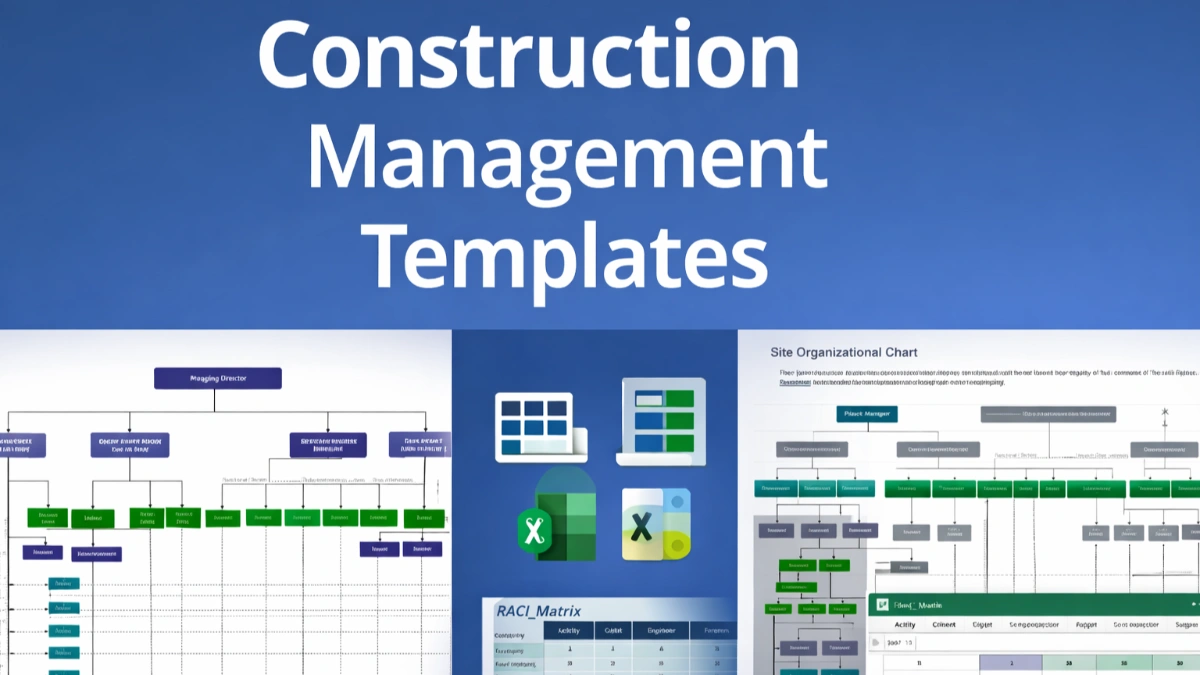
Run a high-impact Construction Kick-off Meeting (Pre-Construction). Free agenda template, kickoff checklist, RACI, communication plan, change order procedures, contract administration tips, and document control.
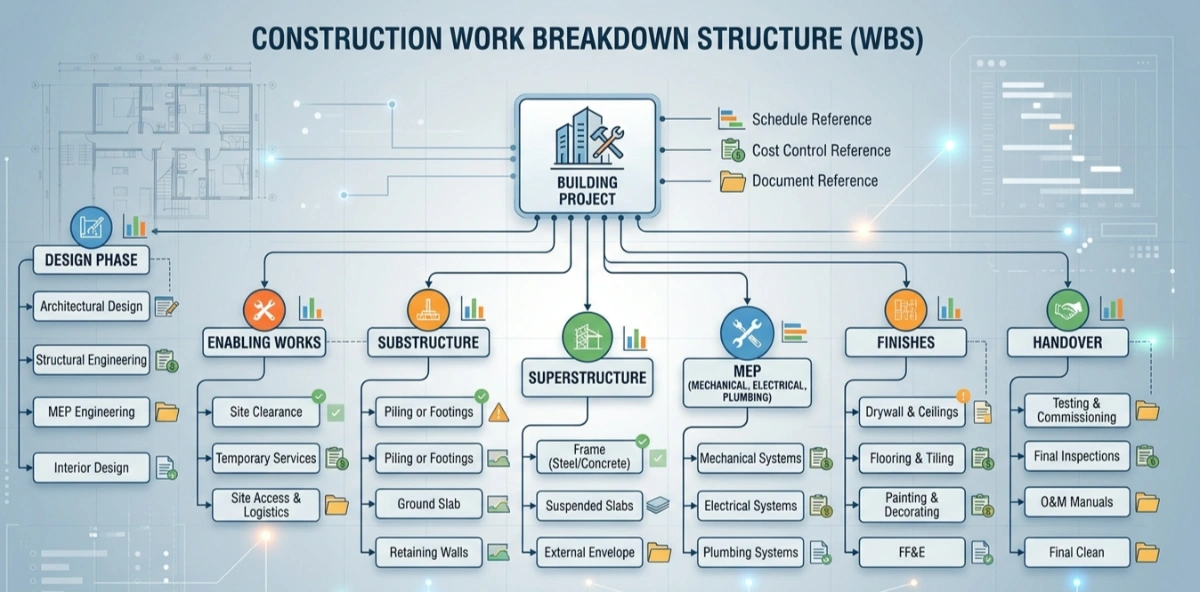
Learn what a Work Breakdown Structure (WBS) is, how to create one, how it differs from activity codes, cost codes, BOQs, and material codes, and how it is used in planning, reporting, budgeting, contracts, and construction project controls.
A practical guide to building construction project cash flow from activity costs, contract terms, billing timing, retention, payment delays, funding gaps, and financing.
Learn how to predict construction cash flow from activity curves, skew, WIEB, WIRs, materials on site and billing rules before building the full project cash-flow model.
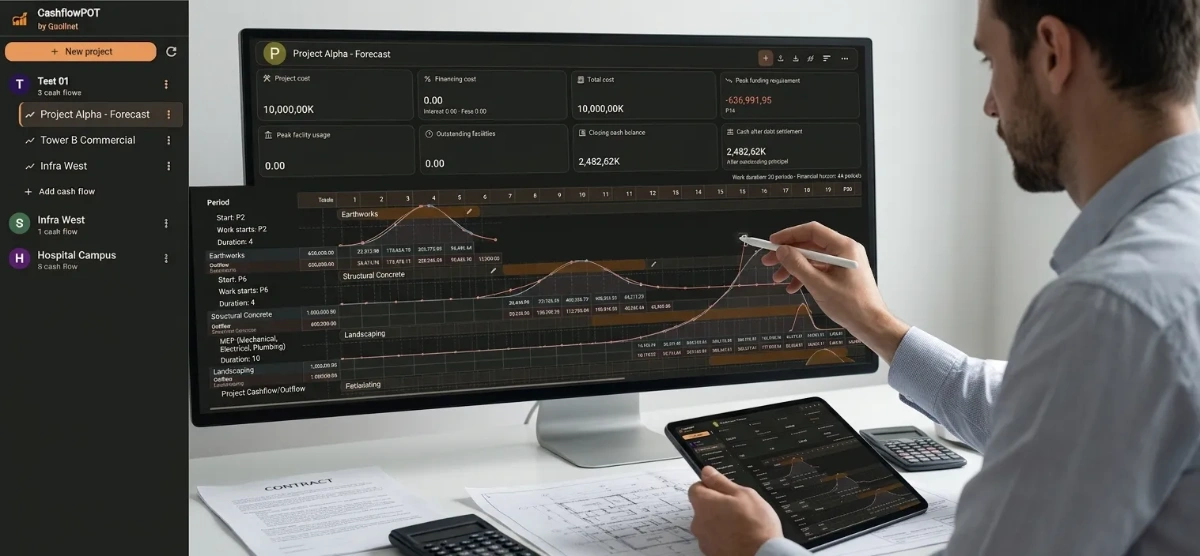
Learn how to build a construction cash-flow forecast in CashflowPot, model contract terms, identify peak funding, add financing, compare scenarios, and export to Excel.
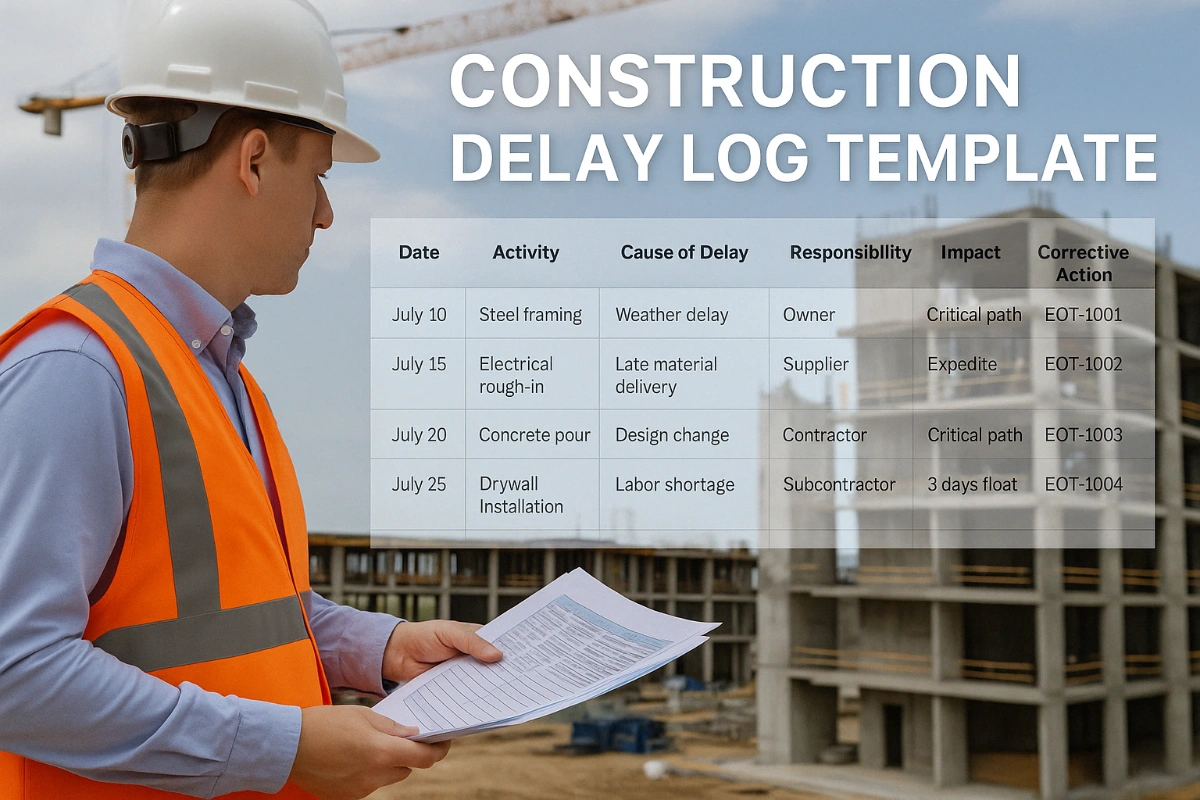
Download a free Construction Delay Log Template in Excel, PDF, and Word formats. Log delays by activity, cause, and EOT ID. Track impacts and submit claims with ease.
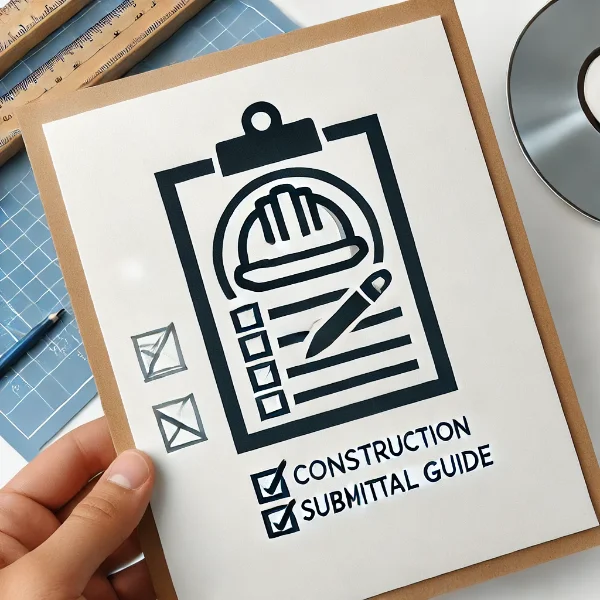
Learn how to properly complete a construction submittal form with our step-by-step guide. Download free, customizable submittal form templates in Excel, Word, and PDF formats to streamline your project documentation and approval process.
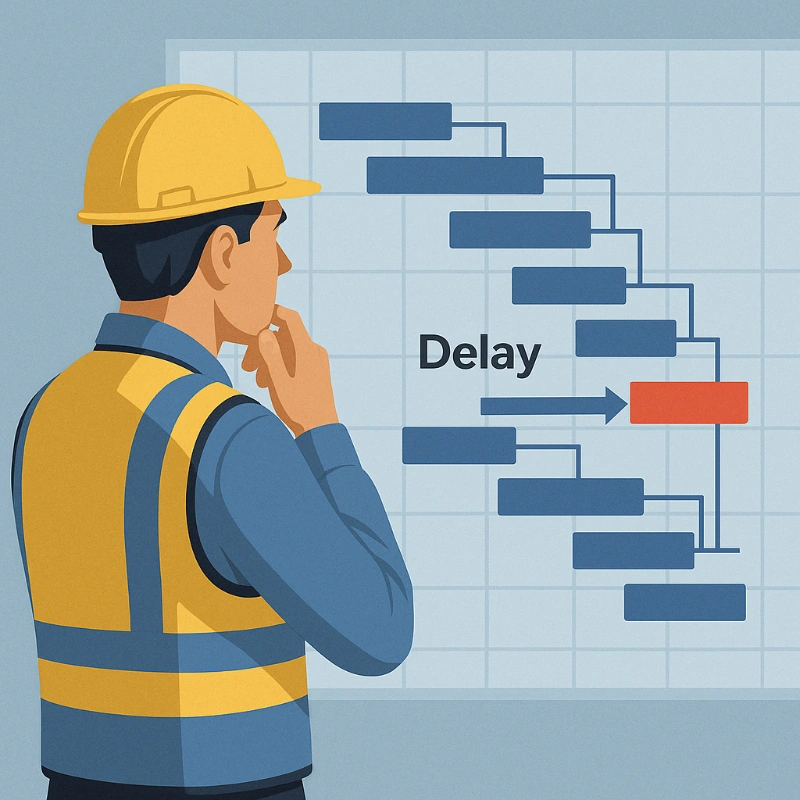
Learn how AI in construction is transforming project management by using predictive analytics, real-time data, and machine learning to forecast and prevent delays, improve scheduling accuracy, optimize resources, and reduce costly overruns and assist in Delay Claims and EOT's using DelayClaim GPT
Learn effective strategies for managing variation orders in construction projects. Access free, no-registration-required templates to streamline your change order processes and maintain project efficiency.
Master Time Impact Analysis (TIA), the leading prospective method for assessing construction delays. Understand its use, contract requirements, and best practices.
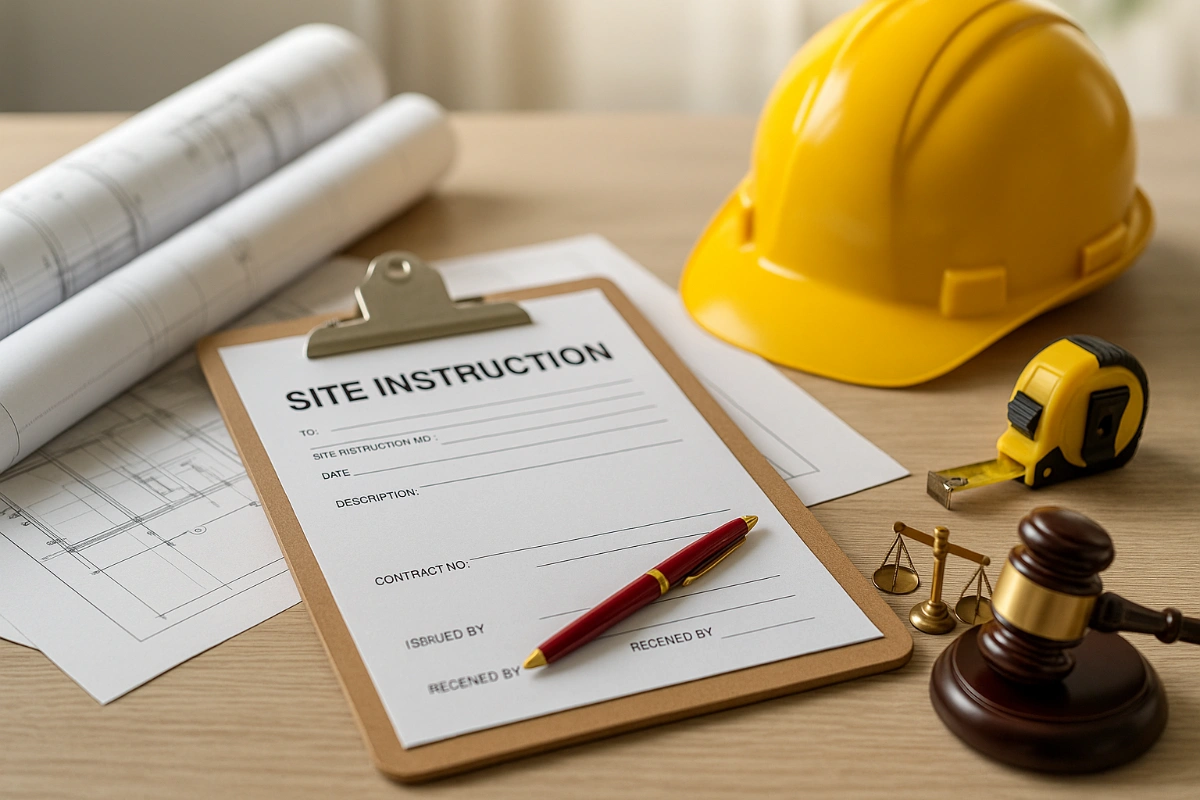
Learn what site instructions (Engineer’s, Architect’s, PM’s Instructions, ASI, Work/Field Orders) mean legally in FIDIC, JCT, NEC & AIA, with free forms.
An engineer's guide to understanding the importance of timely notices in construction projects, including best practices and the consequences of non-compliance.
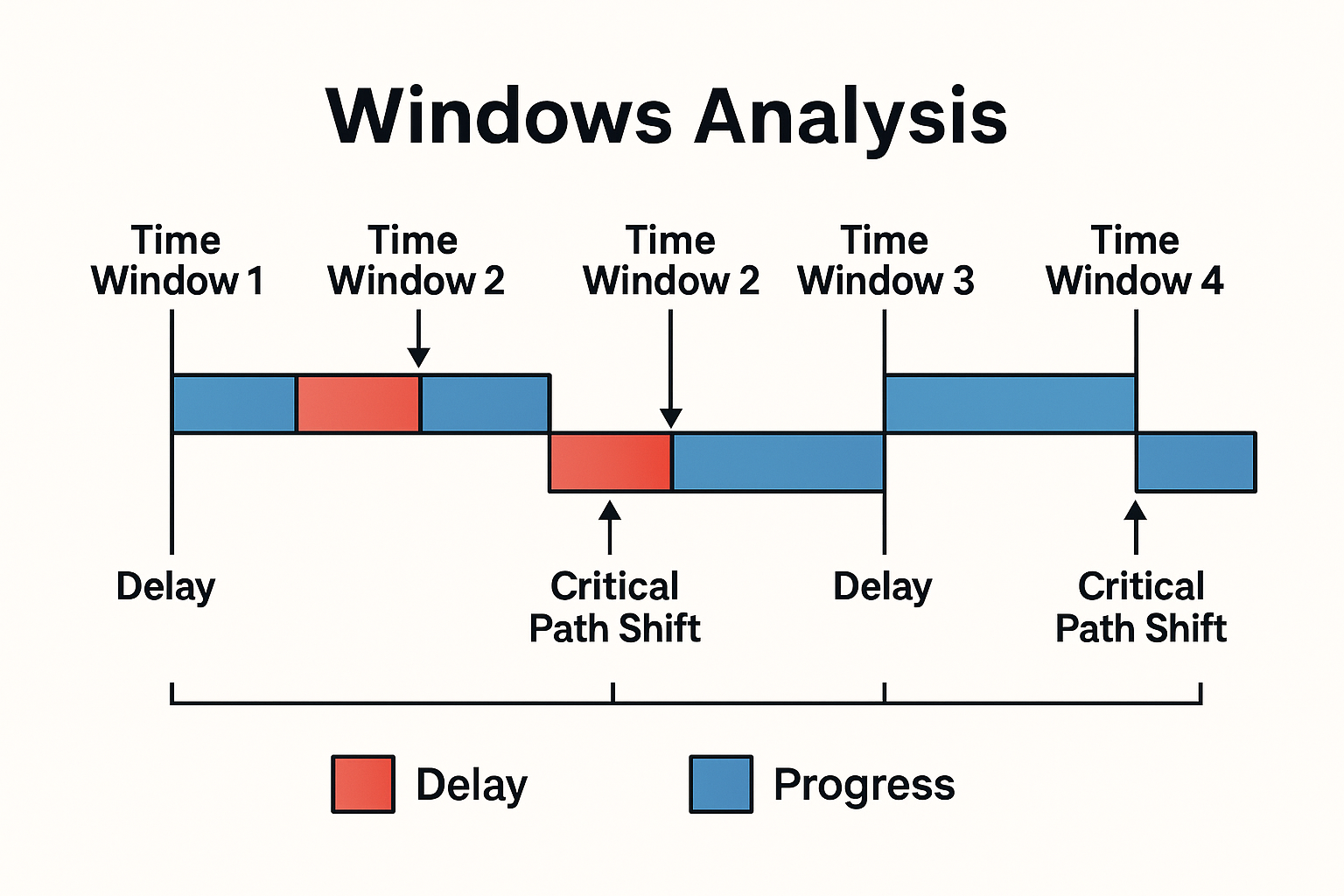
Learn how Windows Analysis blends prospective and retrospective methods to accurately evaluate construction delays. Explore window selection, critical path shifts, and legal considerations.
Explore how Snag List Reports transform construction project management by streamlining quality assurance and enhancing stakeholder communication. Discover the benefits of SnagHere.com for digital reporting and efficient project tracking.
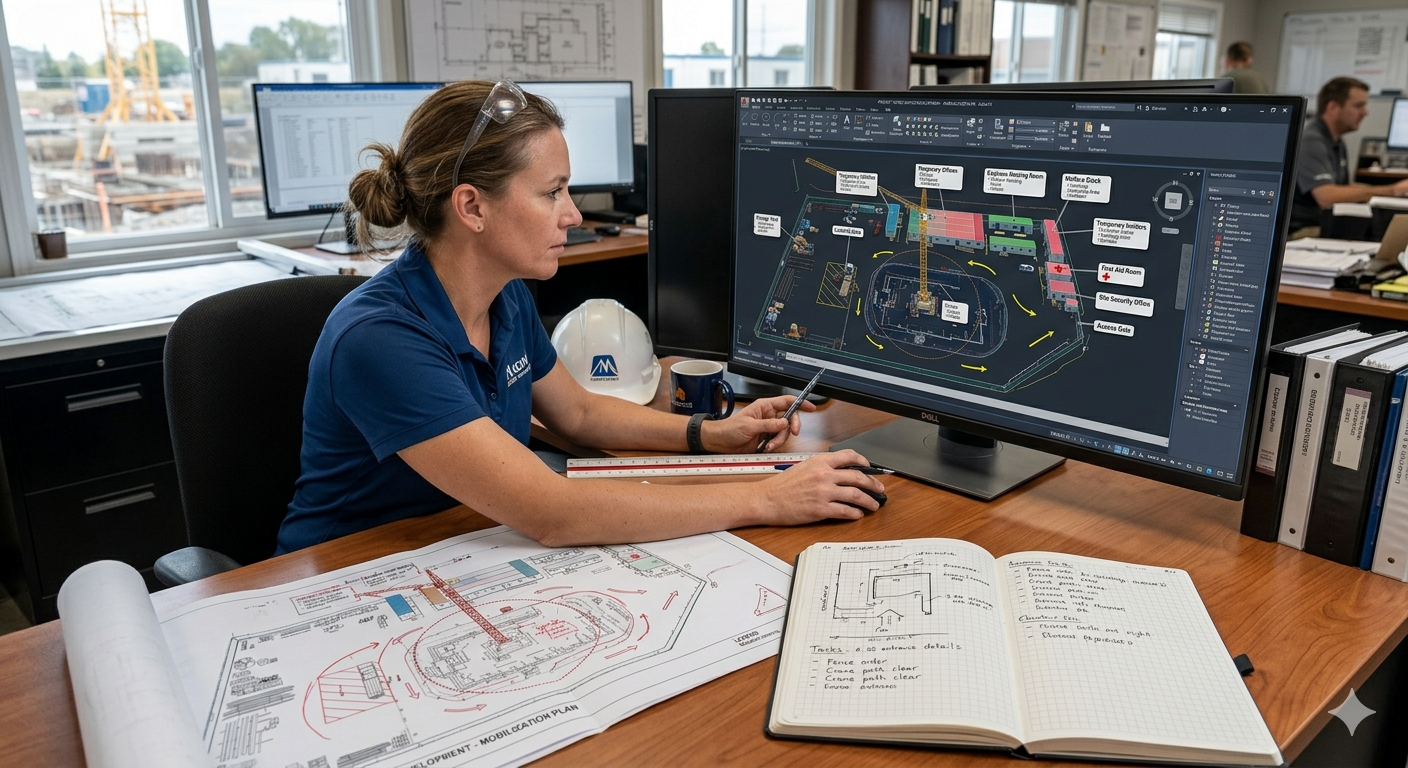
Learn how to prepare a construction mobilization plan step by step, including contract review, site plan layout, temporary facilities, utilities, compliance checks, logistics, schedule, budget, approvals, and practical downloads.
Learn about top delay analysis methods in construction, legal strategies for EOT claims, and access free tools including the free DelayClaims AI Assistant, method selector excel and others.
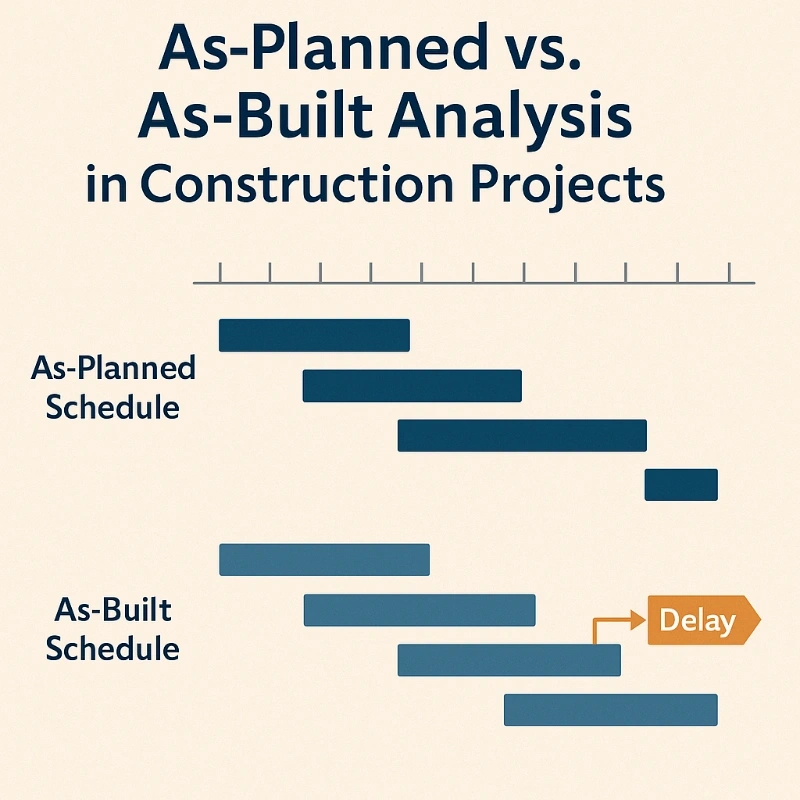
Learn how As-Planned vs. As-Built analysis is used to evaluate construction delays. Understand the steps, advantages, challenges, and when to apply it for EOT claims or dispute resolution.
Download our free, professionally designed meeting minutes template instantly – no registration required! Includes a specialized construction meeting minutes template to automate your project documentation.
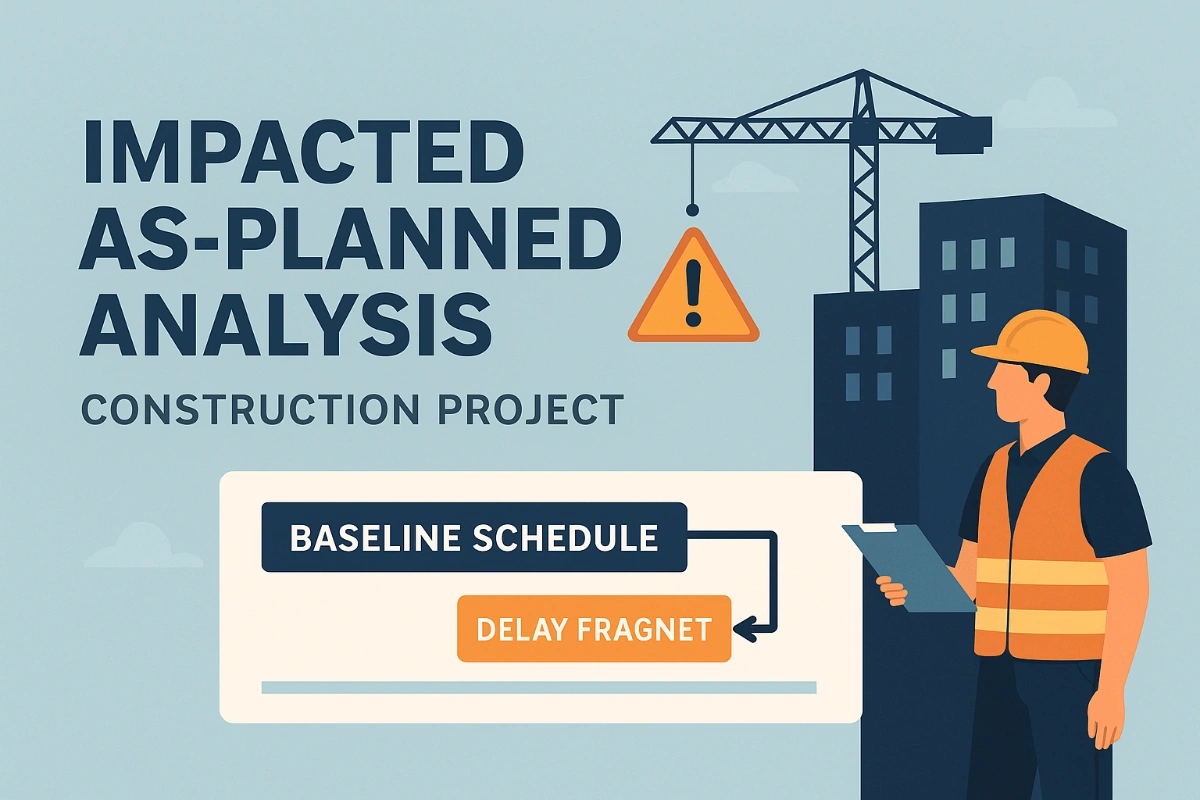
Understand how Impacted As-Planned (IAP) analysis is used to model construction delays based on baseline schedules. Learn how to perform IAP, when to use it, and how it compares to TIA and other delay methods.
Explore the essentials of Bar Bending Schedules (BBS) and the advantages of pre-cut bent steel in modern concrete construction. Learn how BBS enhances precision, reduces material waste, and improves project efficiency. Discover the role of advanced software tools in automating BBS creation and the benefits of adopting pre-cut and bent steel solutions for automated construction workflows.
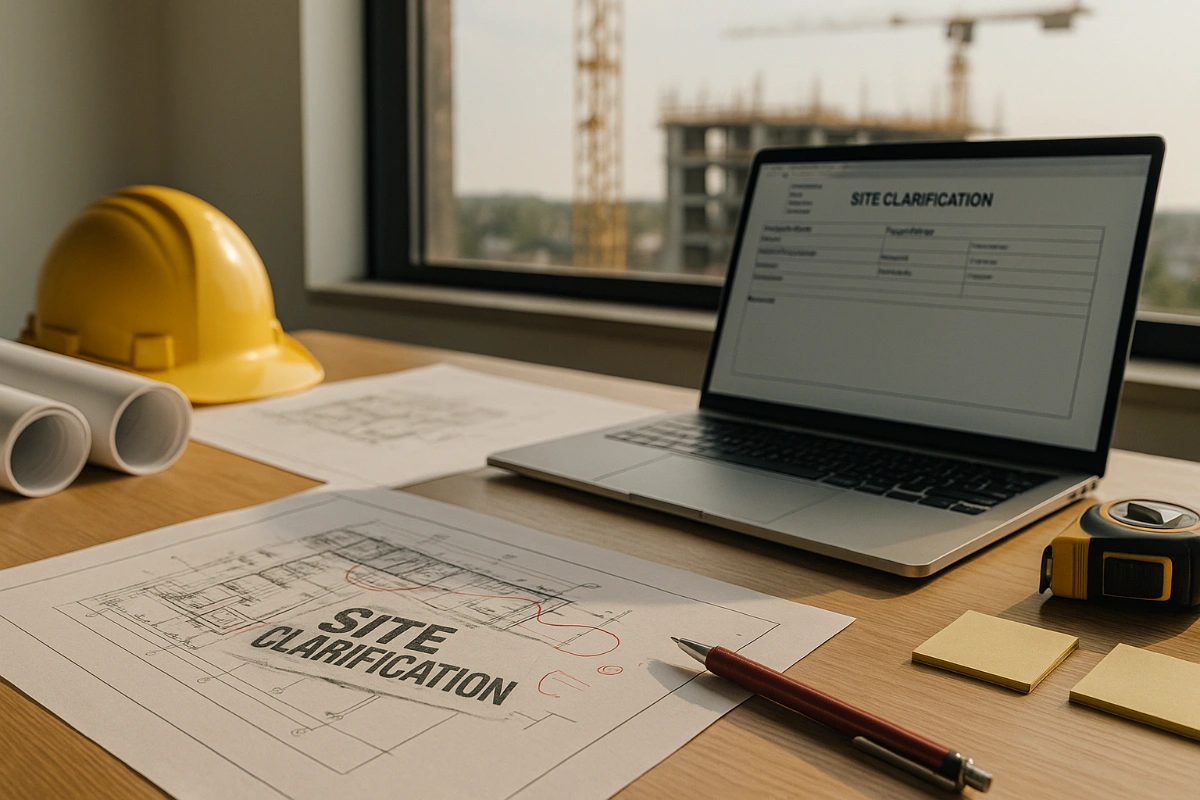
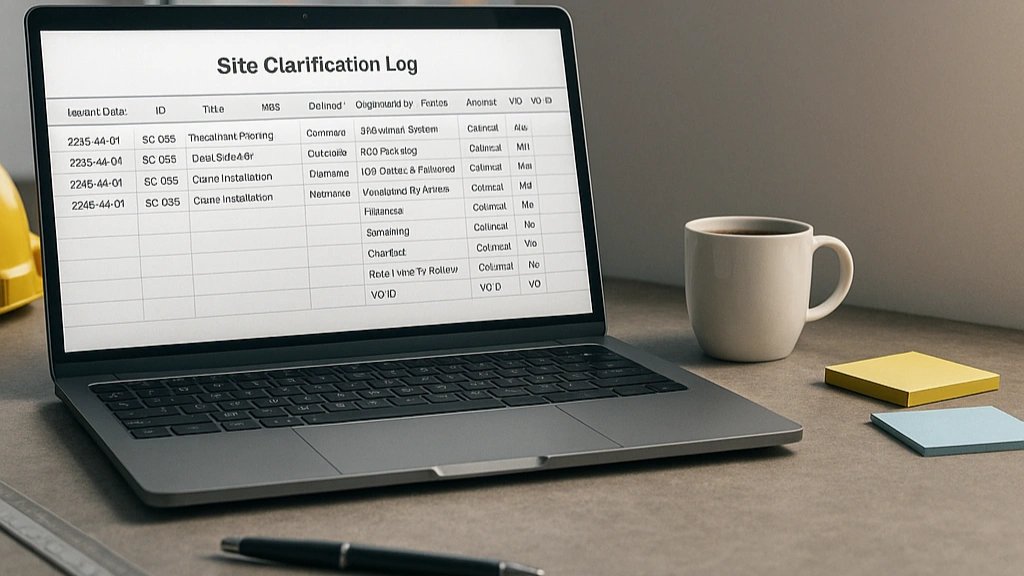
Learn what a site clarification (RFI) is, the legal line between clarification and instruction, and download free templates: RFI log (Excel/CSV), checklist, and flowchart.
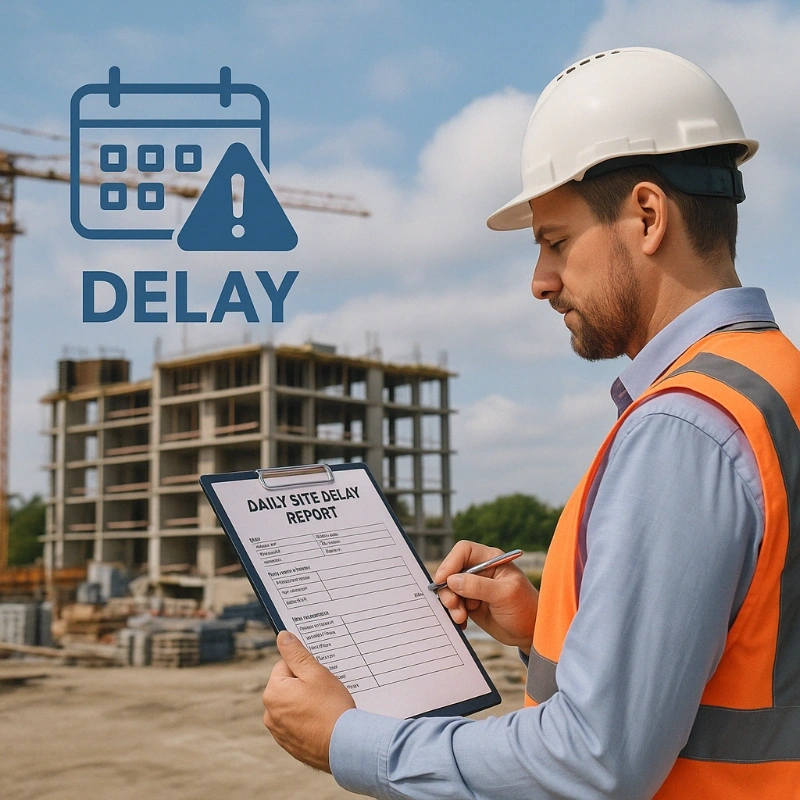
Download a free Daily Site Delay Report sample in PDF format. Document daily delays, causes, site conditions, and corrective actions with this clear, ready-to-use form.
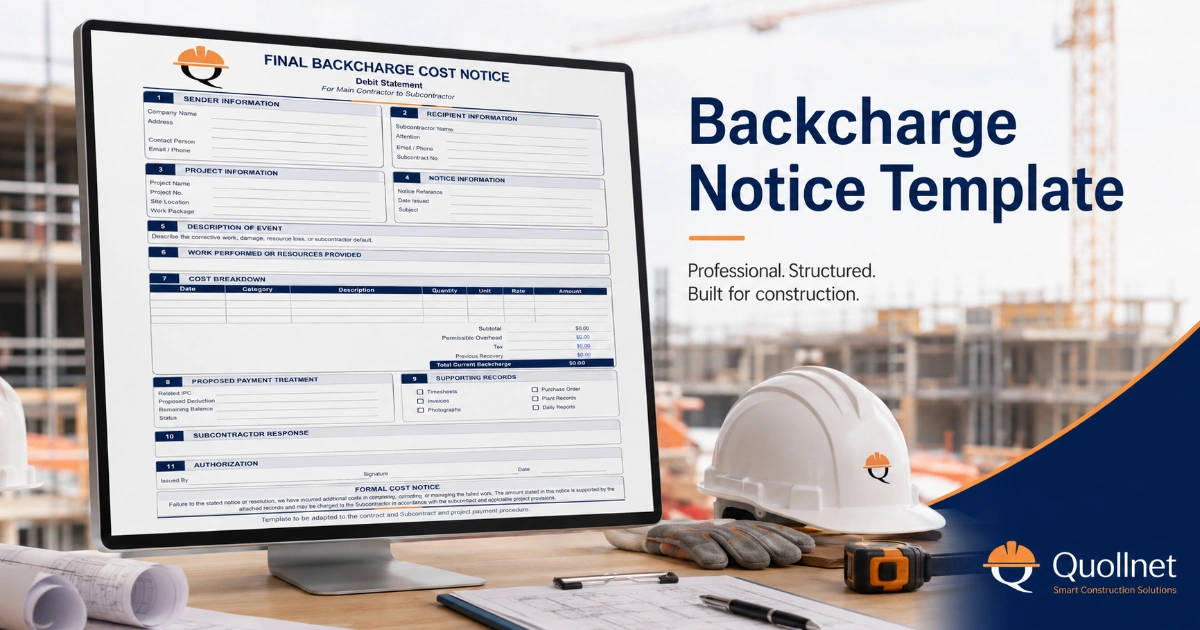
Download two construction backcharge notice templates in Excel and PDF: a Notice to Correct and Intent to Backcharge issued before corrective work, and a Final Backcharge Cost Notice issued after costs are incurred.
Snaghere App is a powerful collaboration platform designed to automate the snag list process and ensure efficient project delivery. Our app empowers project teams to effortlessly collect, inspect, and resolve snags, improving quality control and overall project outcomes.
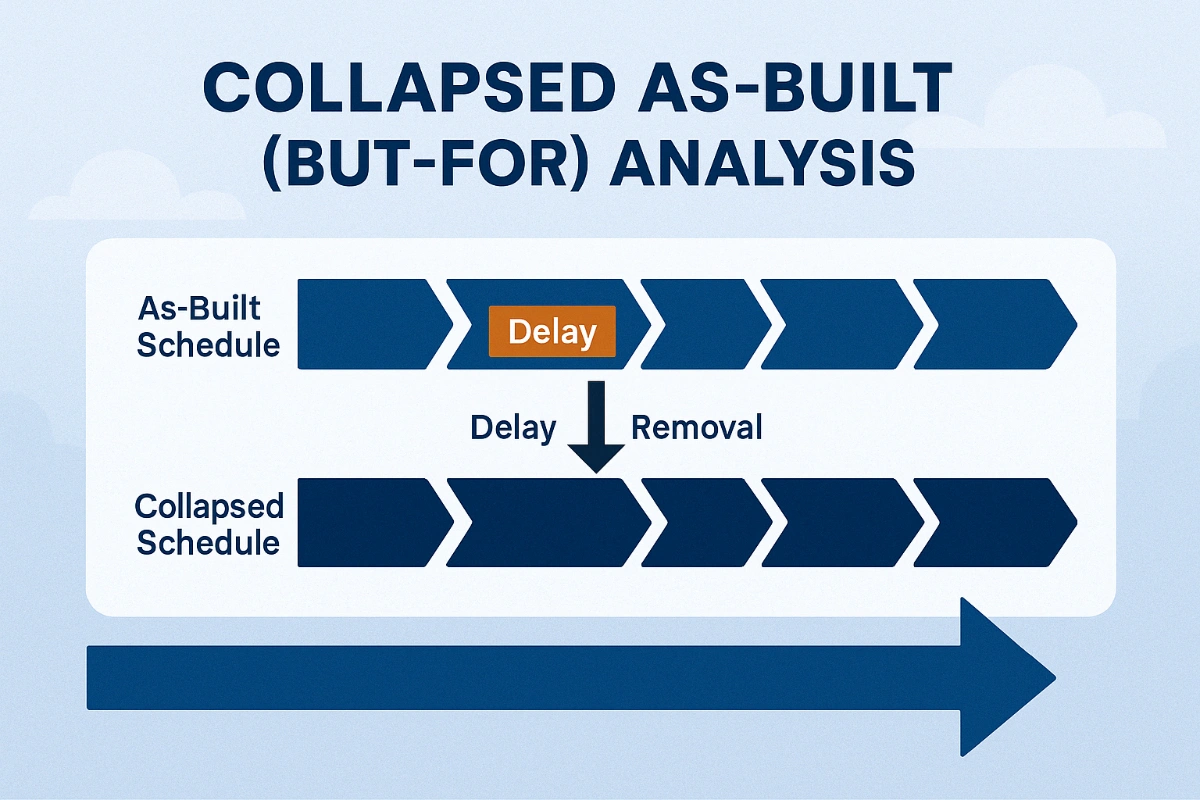
Discover how Collapsed As-Built (But-For) analysis helps evaluate delays in completed construction projects. Learn when to use it, how it works, and how it supports forensic delay claims.
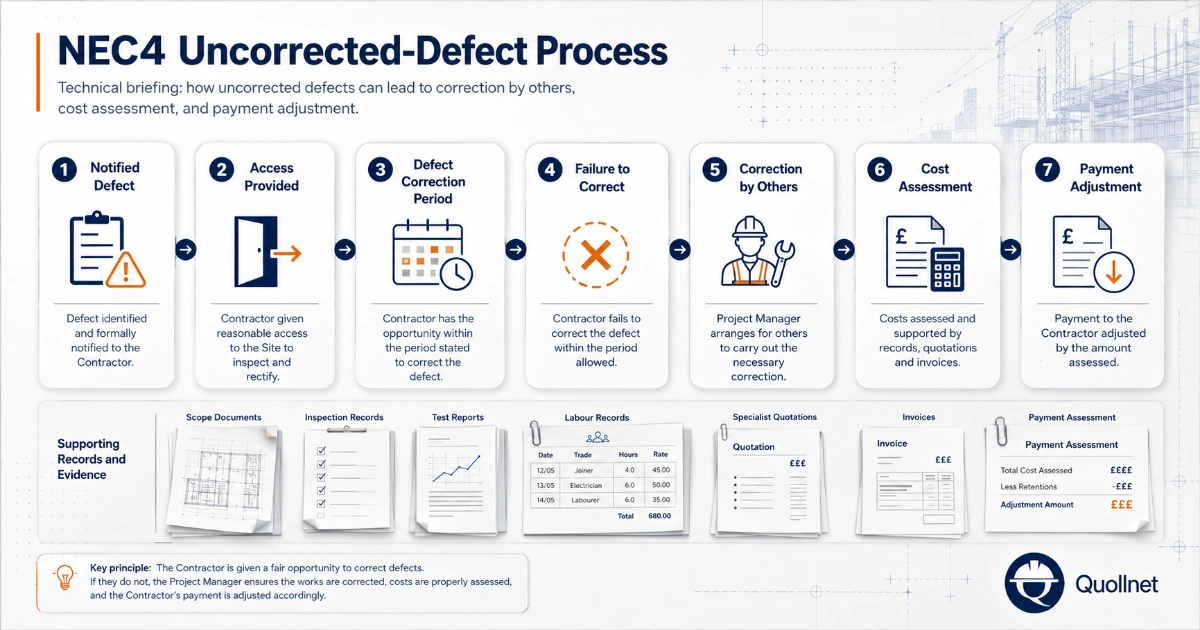
NEC backcharges explained under NEC4 ECC and ECS: Defect notification, access, defect correction periods, Clause 46 assessments, correction by others, Defined and Disallowed Cost, payment recovery, and Contractor or Subcontractor objections.
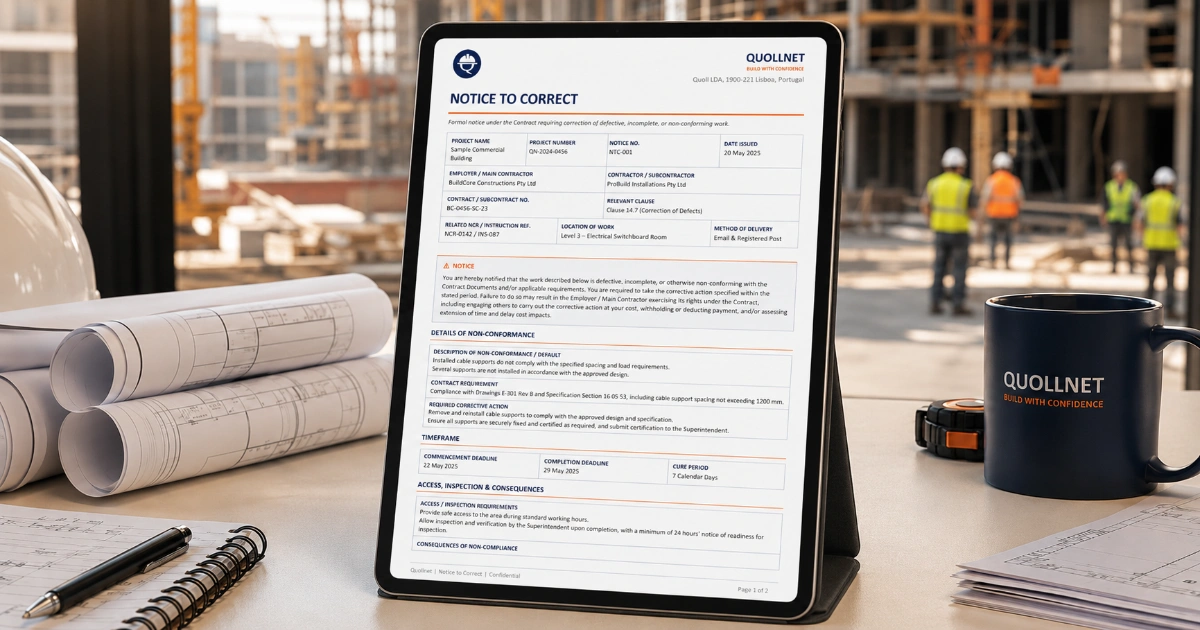
Understand how a Notice to Correct works in construction, what it must contain, how to set a reasonable cure period, how the recipient should respond, and what may happen after noncompliance. Includes a downloadable contract-neutral Notice to Correct template.
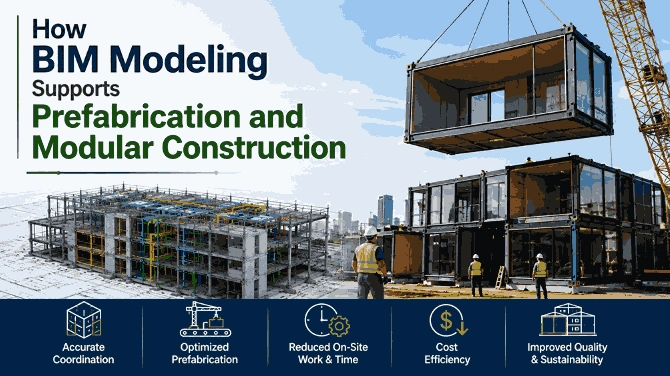
Discover how BIM modeling supports prefabrication and modular construction by improving design coordination, clash detection, fabrication accuracy, scheduling, and on-site installation. Learn how integrating BIM with off-site manufacturing can reduce rework, minimize material waste, streamline construction workflows, and deliver projects faster and more efficiently.
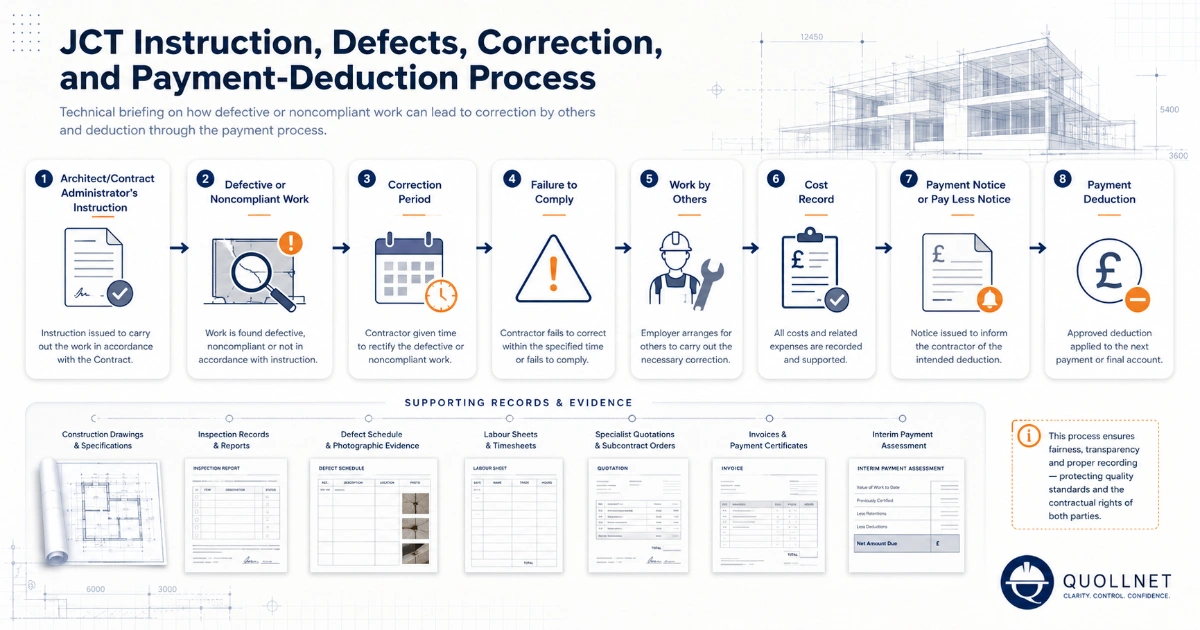
JCT backcharges explained under JCT 2016 and 2024: instructions, defective work, Rectification Period remedies, work by others, appropriate deductions, Pay Less Notices, subcontract deductions, valuation, and dispute rights.
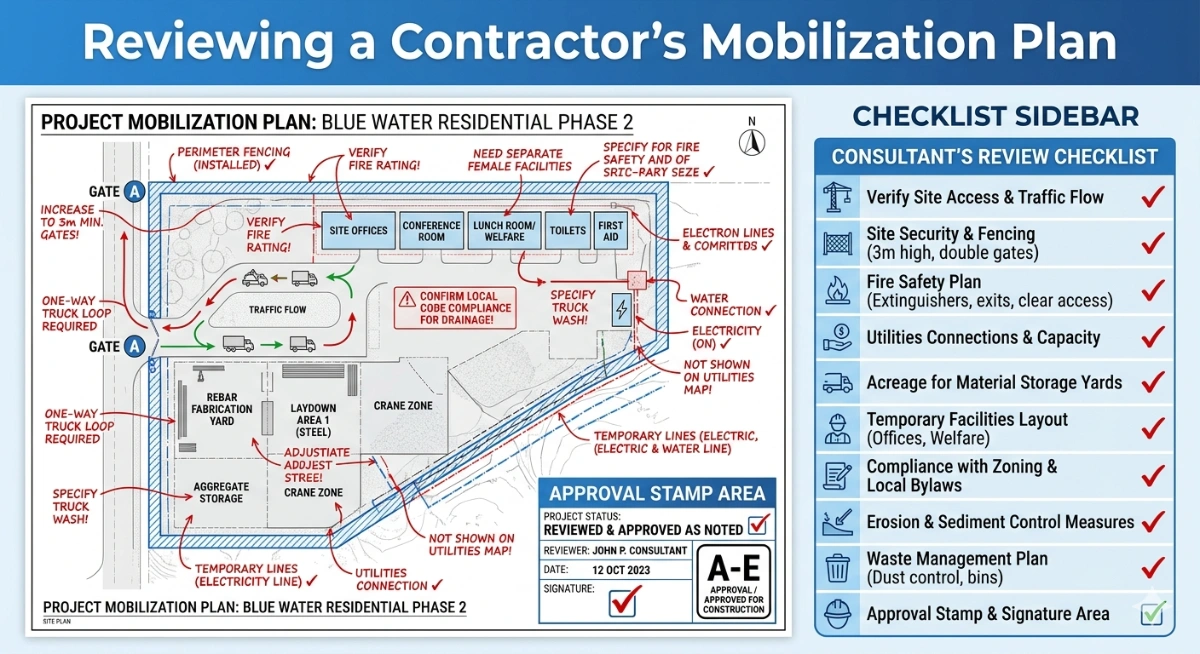
Learn how consultants and owners should review a contractor’s mobilization plan, including layout, access, compliance, preliminaries, utilities, programme realism, commercial red flags, and approval comments before site startup.
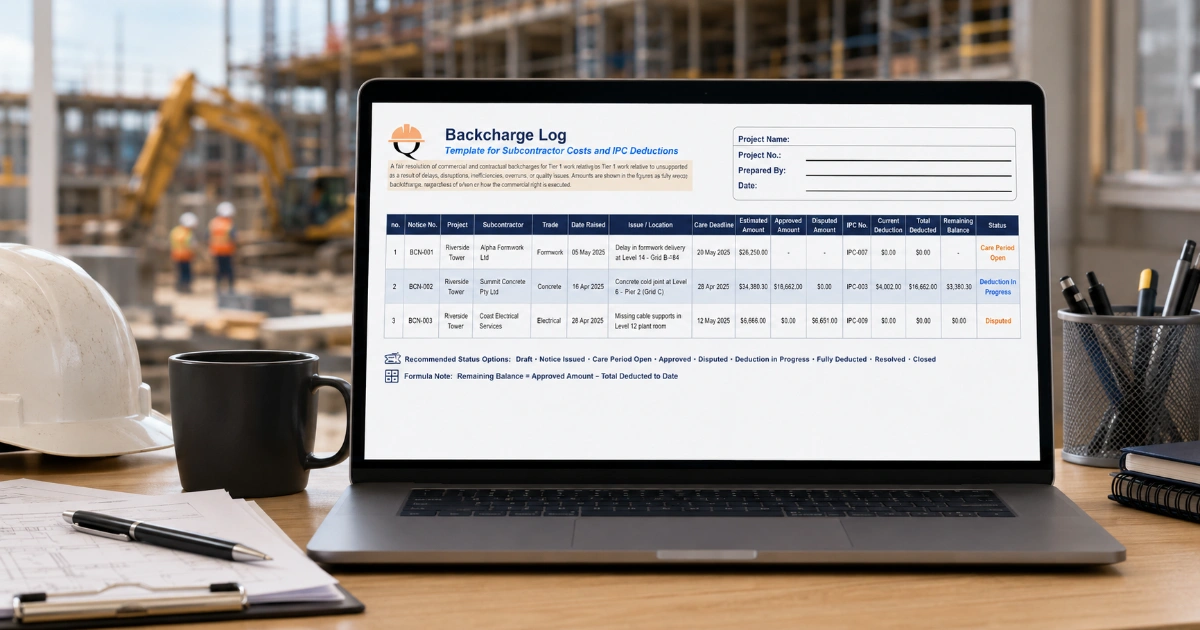
Use this construction Backcharge Log template to track notices, cure periods, approved costs, disputes, Subcontractor IPC deductions, remaining balances, reversals, and closure without duplicating deductions.
his article discusses the importance of including a company logo in a QR code for better recognition, branding, and aesthetics. It showcases samples created by Quollnet's QR code designer and provides a step-by-step guide on customizing and generating a QR code using Quollnet's QR code generator. The guide includes uploading a logo, selecting colors and shapes, and generating the final code.
Imagine the chaos of a construction project without a reliable snag list management tool. Learn how the Snaghere app can save inspectors from the pitfalls of manual tracking, missed deadlines, and compromised quality control.