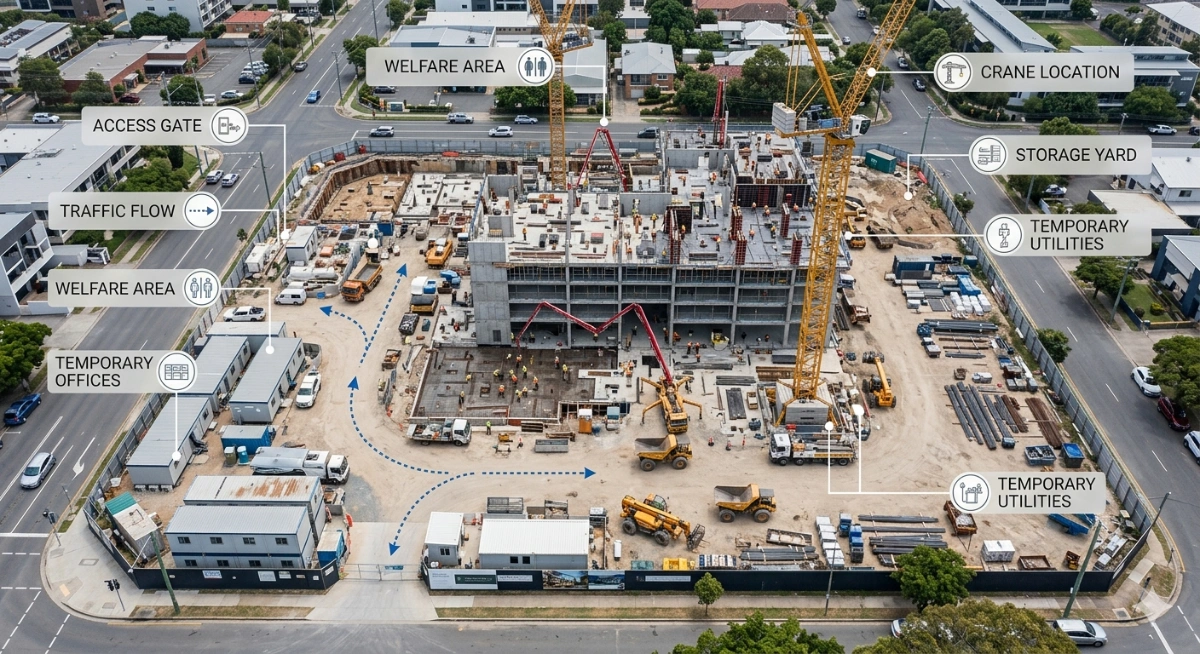
Learn what a mobilization plan in construction is, how it differs from a site plan, what it usually includes, and why early planning for access, utilities, safety, logistics, and compliance can shape the entire project.
Discover 21 cutting-edge firefighting technologies for 2025, from AI drones to eco-suppression systems. Get the free guide to future-proof your department
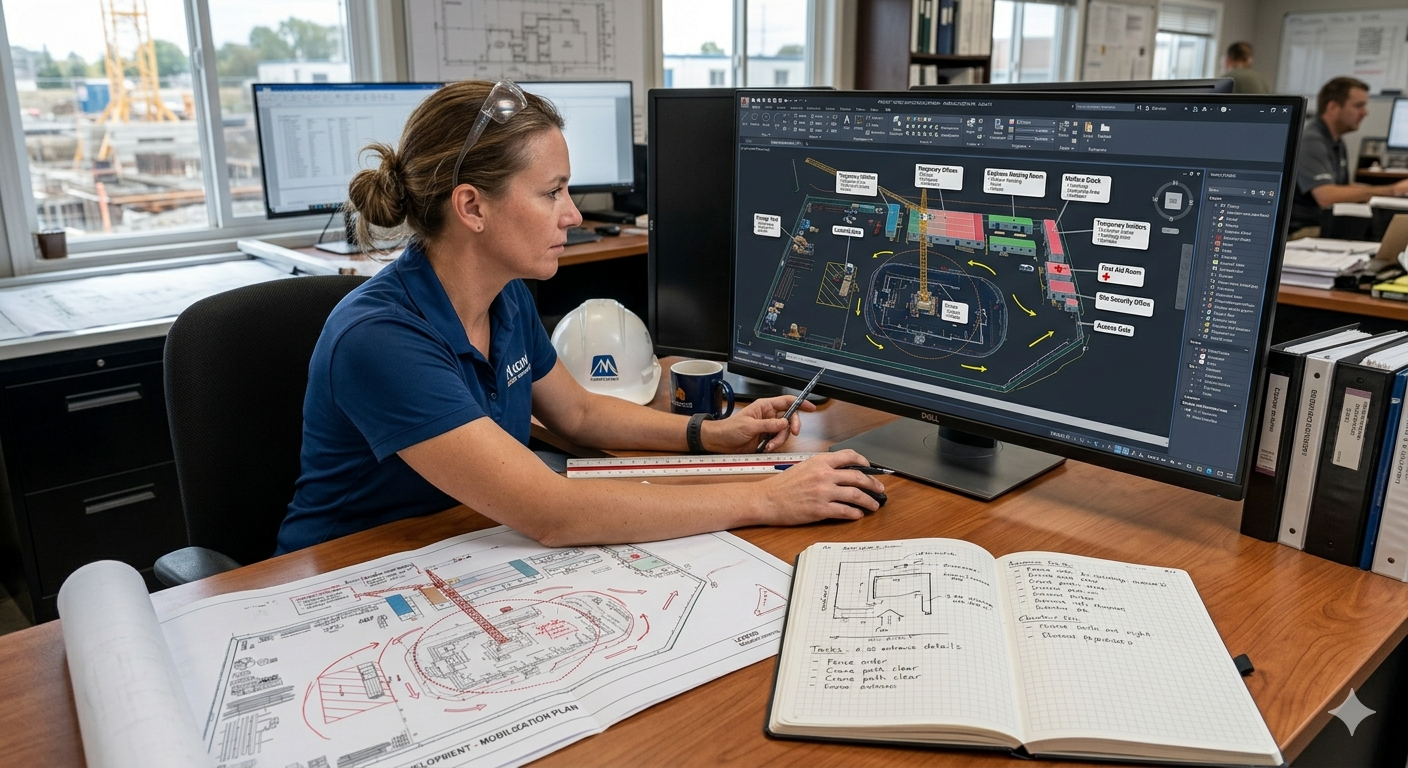
Learn how to prepare a construction mobilization plan step by step, including contract review, site plan layout, temporary facilities, utilities, compliance checks, logistics, schedule, budget, approvals, and practical downloads.
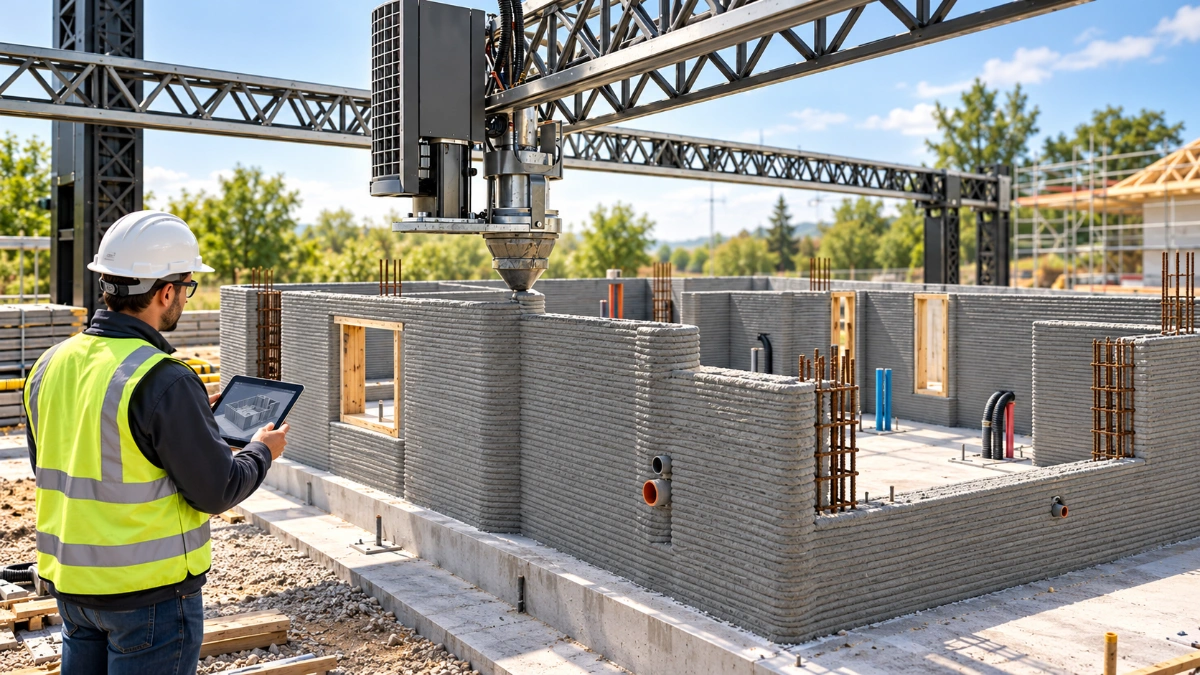
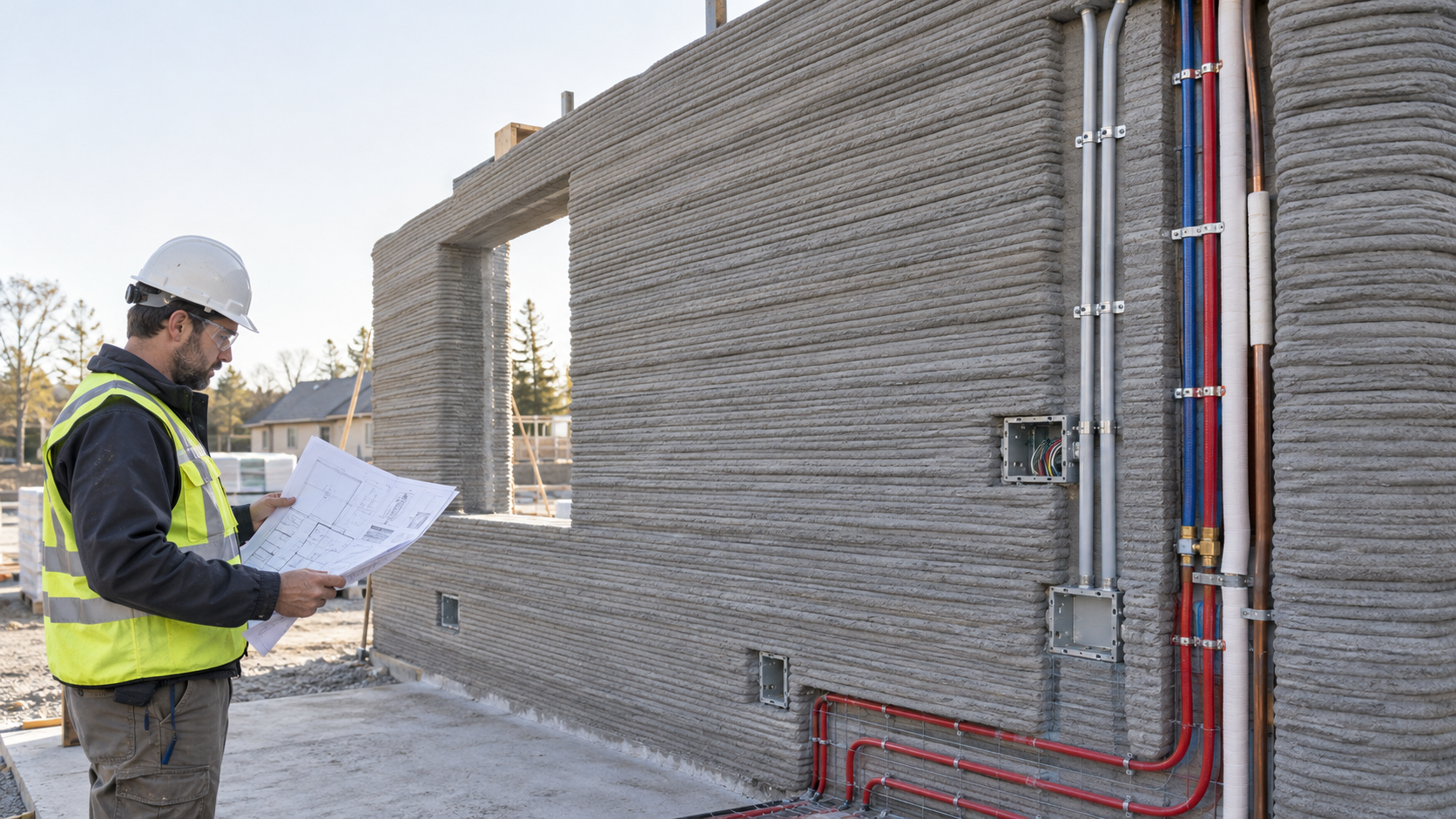
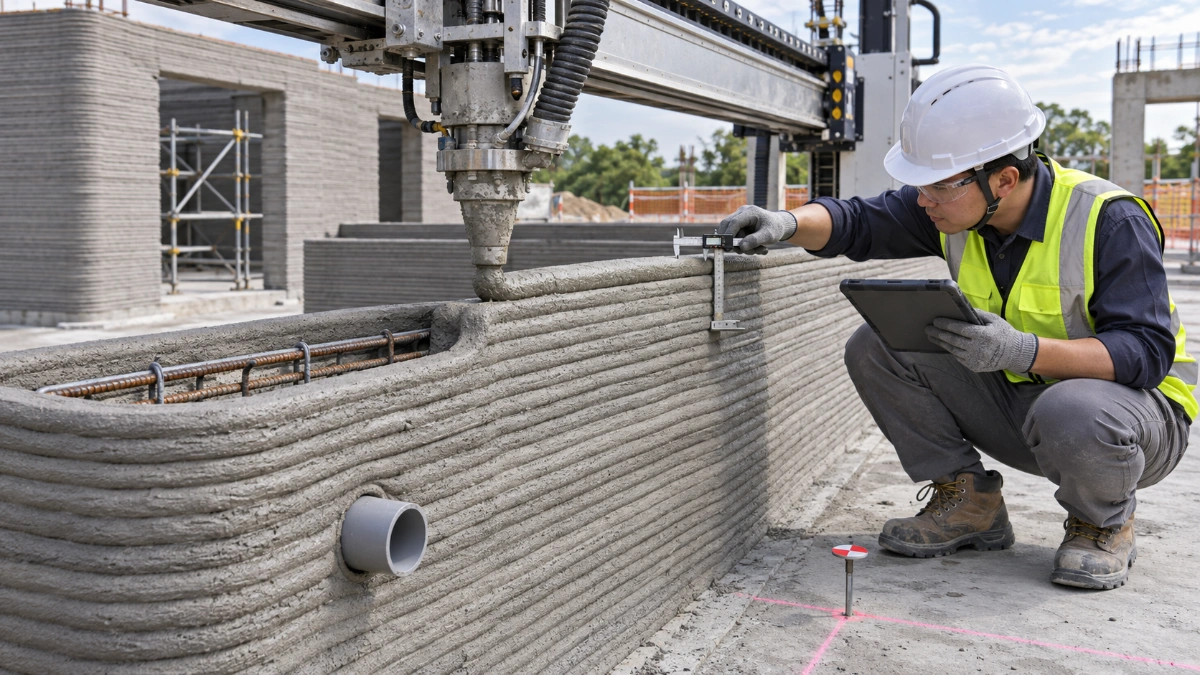
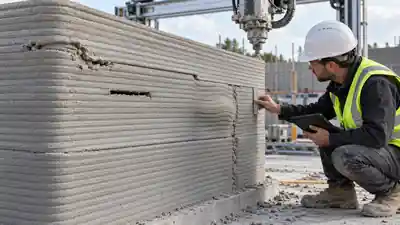
How 3D printed houses are really built: wall printing, reinforcement, MEP, QA/QC, standards, completion, cost and why printing time is not turnkey construction.
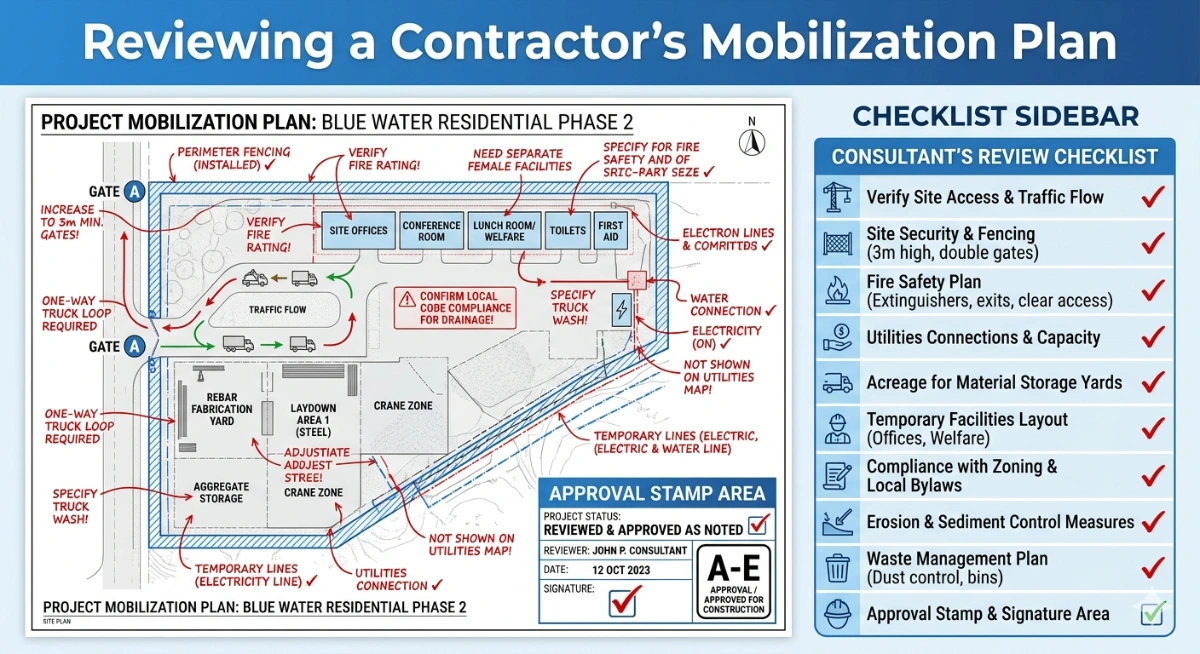
Learn how consultants and owners should review a contractor’s mobilization plan, including layout, access, compliance, preliminaries, utilities, programme realism, commercial red flags, and approval comments before site startup.
This article explores the timeless art of handmade ceramics, detailing various traditional and modern techniques used by ceramic artists. It covers methods like hand pinching, slab building, raku firing, coil building, throwing on the wheel, and slip casting, alongside decorative techniques such as carving (Sgraffito), burnishing, and Mishima. Innovative approaches like paper clay, extruding, and monoprinting are also discussed, offering insight into the creativity and craftsmanship behind each piece. The article concludes with an overview of firing methods and the enduring appeal of ceramics as a blend of functionality and artistic expression.
Learn how QArticles works: a WYSIWYG article editor with HTML editing, attachments, hero images, and automatic SEO metadata including JSON-LD, Open Graph, and Twitter cards.
QArticles by Quollnet is a WYSIWYG article publishing tool that automatically generates SEO metadata, JSON-LD schema, Open Graph tags, and Twitter cards. Write content using a rich text editor, attach images and files, set hero images, and publish structured articles optimized for search engines and social media.
Complete 3D printed house MEP workflow: electrical, plumbing, heating, gas and AC pipes before, during and after printing; pressure tests, release and leaks.
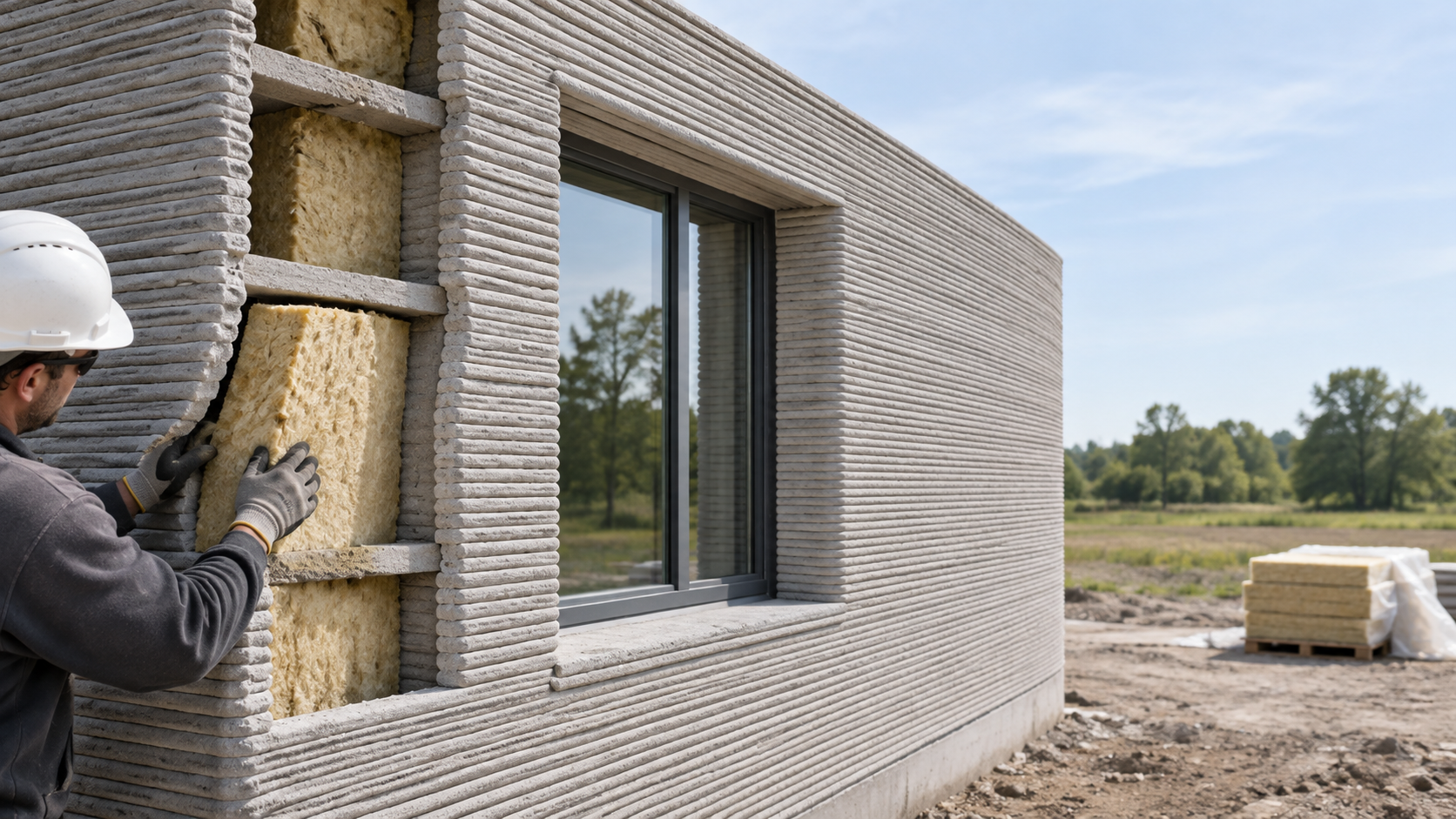
How 3D printed concrete walls are insulated: cavity infill, continuous insulation, thermal bridges, R-values, moisture control and energy-code compliance.
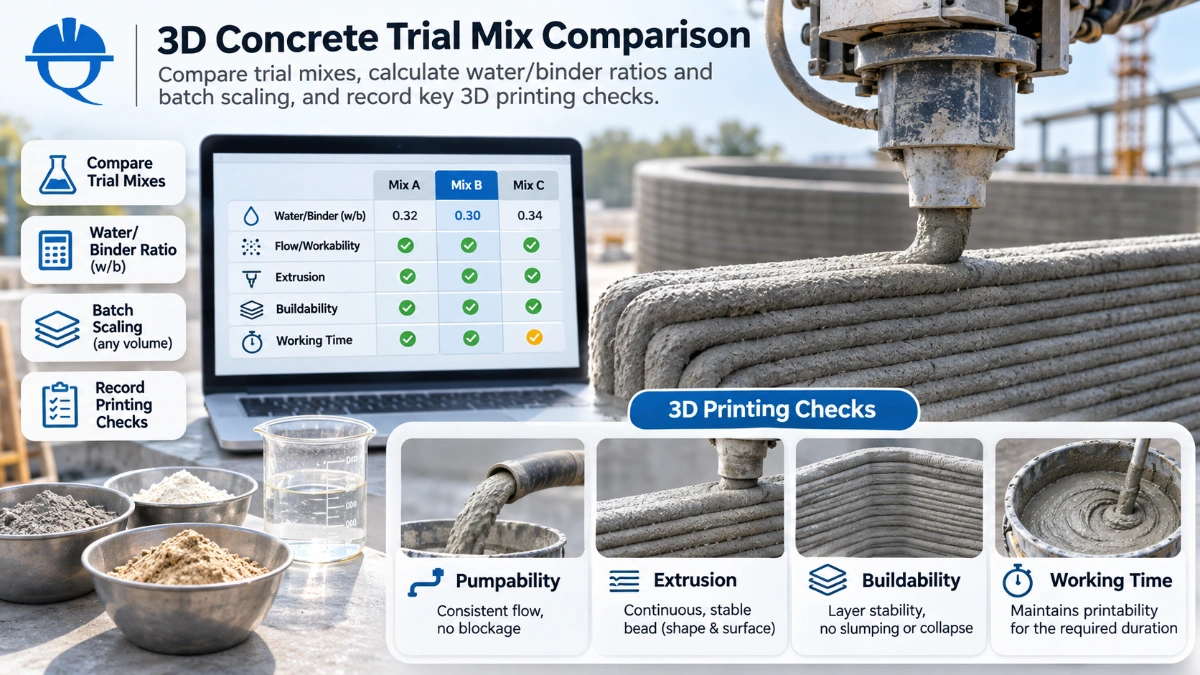
How to design and qualify 3D-printable concrete: binders, aggregates, admixtures, rheology, pumpability, extrudability, buildability, open time and trial prints.
Learn how to assess concrete compressive-strength results under ACI 318-25 and BS EN 206-1:2026, and avoid false nonconformances from test-set, age or specimen-basis errors.
Field-ready 3D printed concrete inspection checklist covering pre-print release, live process checks, wall acceptance, defects, records and hold points.
Understand 7-day vs 28-day concrete strength, why 70% is not a universal rule, how early results should be interpreted, and when a low 7-day result needs action.
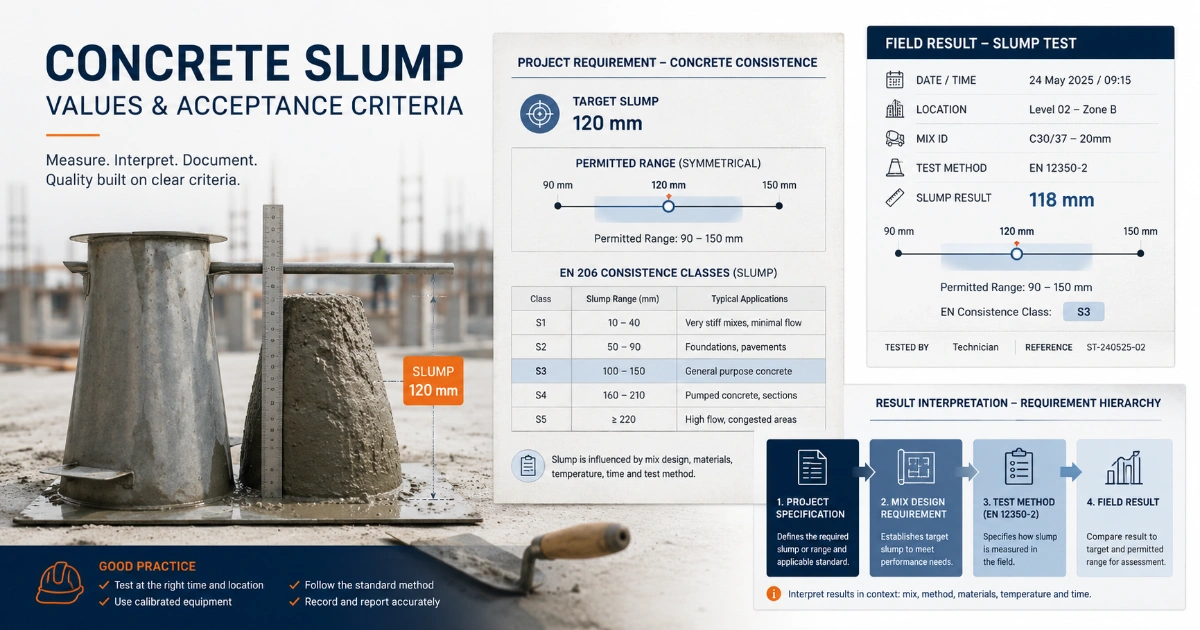
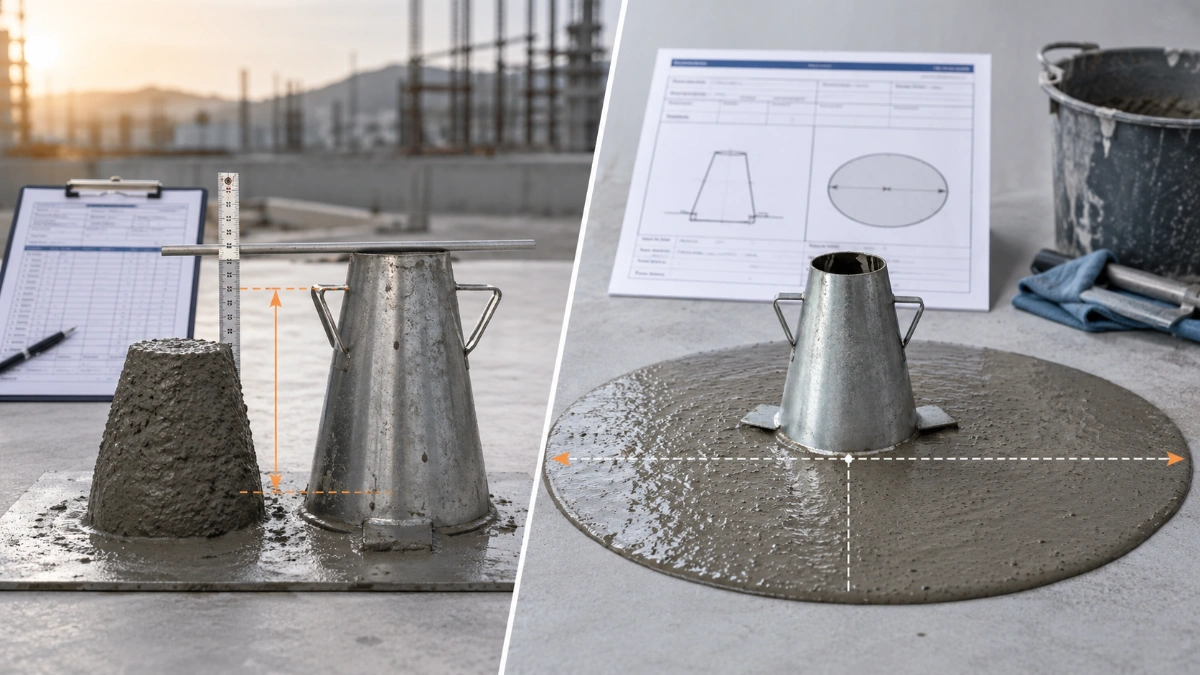
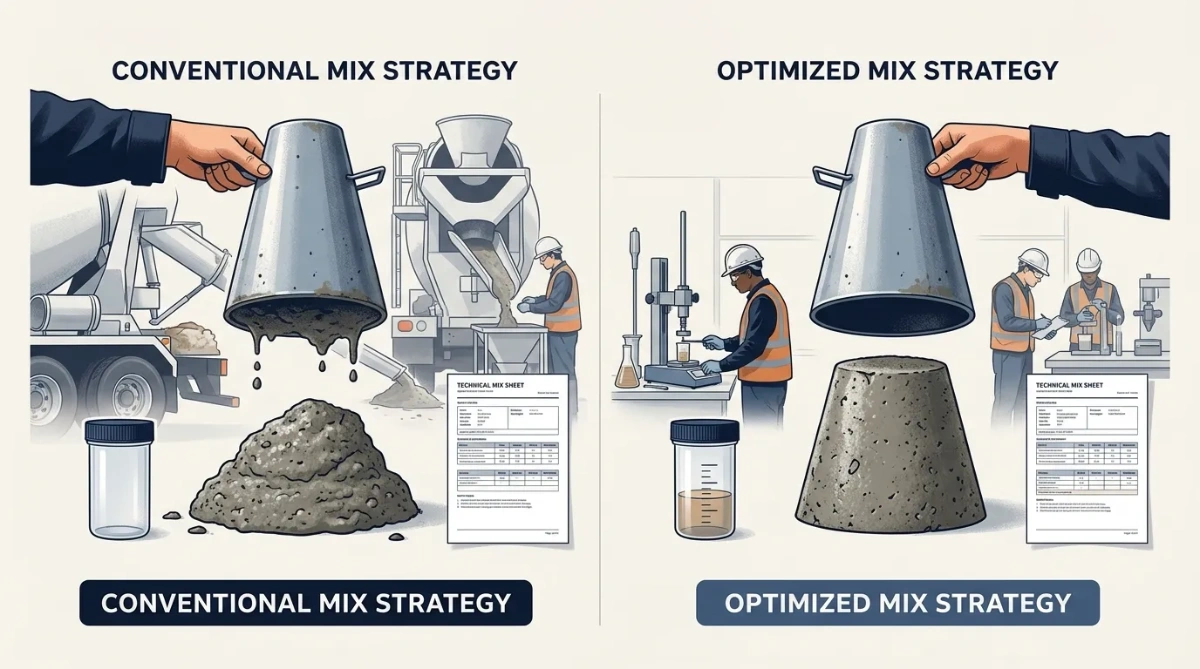
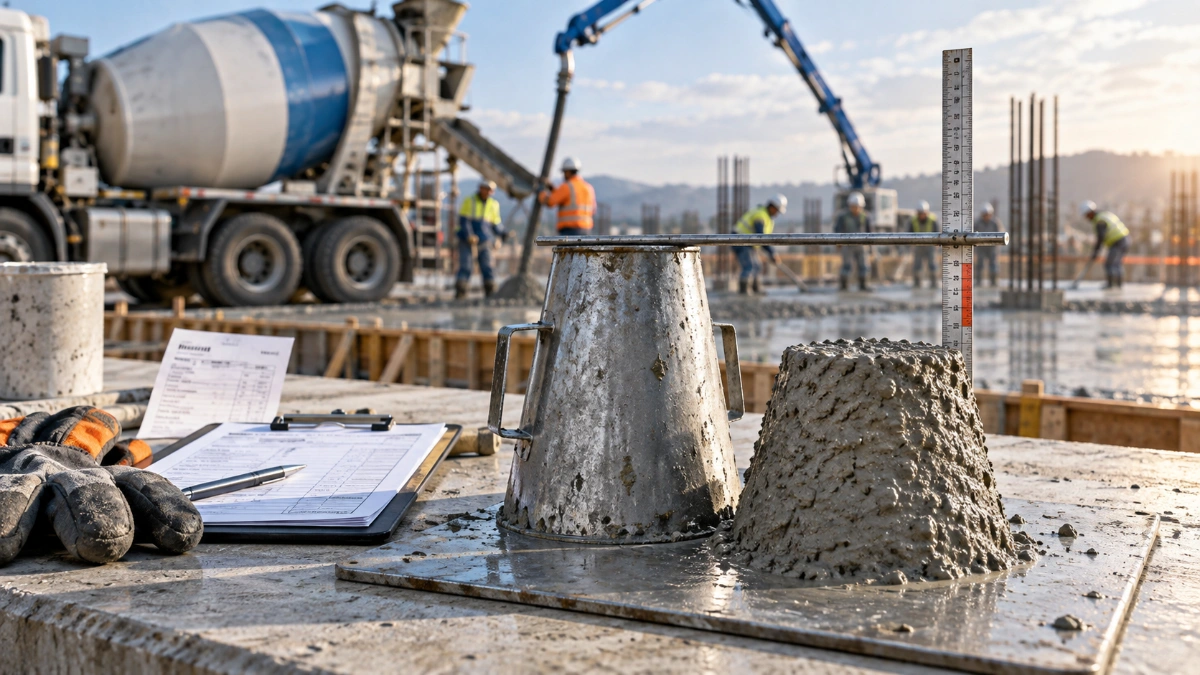
Concrete slump values explained: EN slump classes, target and range requirements, ASTM/EN specification routes, tolerances and project acceptance criteria.
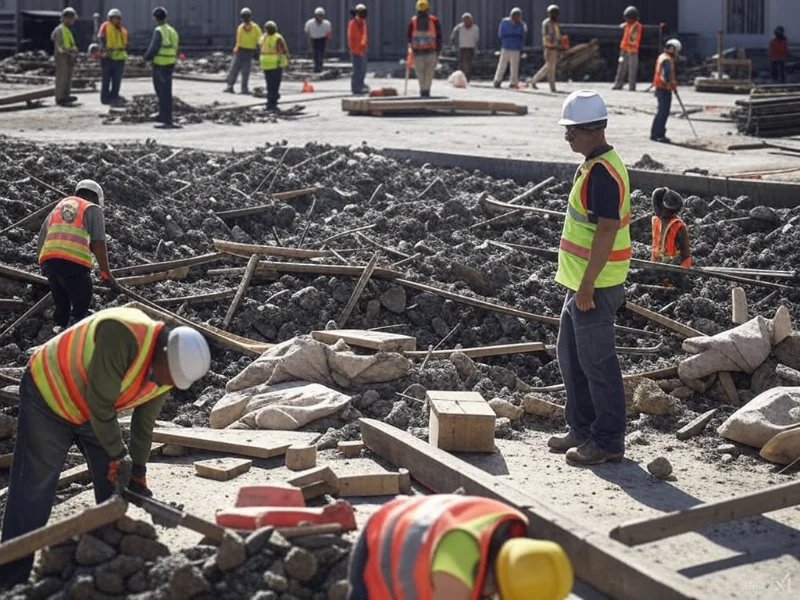
Ensure a safe and organized construction site with our comprehensive Site Housekeeping Checklist. Download for free in Excel, Word, or PDF formats to streamline debris removal, maintain clear walkways, and uphold safety standards.
How plasticizers and superplasticizers affect concrete slump, water demand, slump retention, pumping, SCC, early strength and site admixture adjustments.
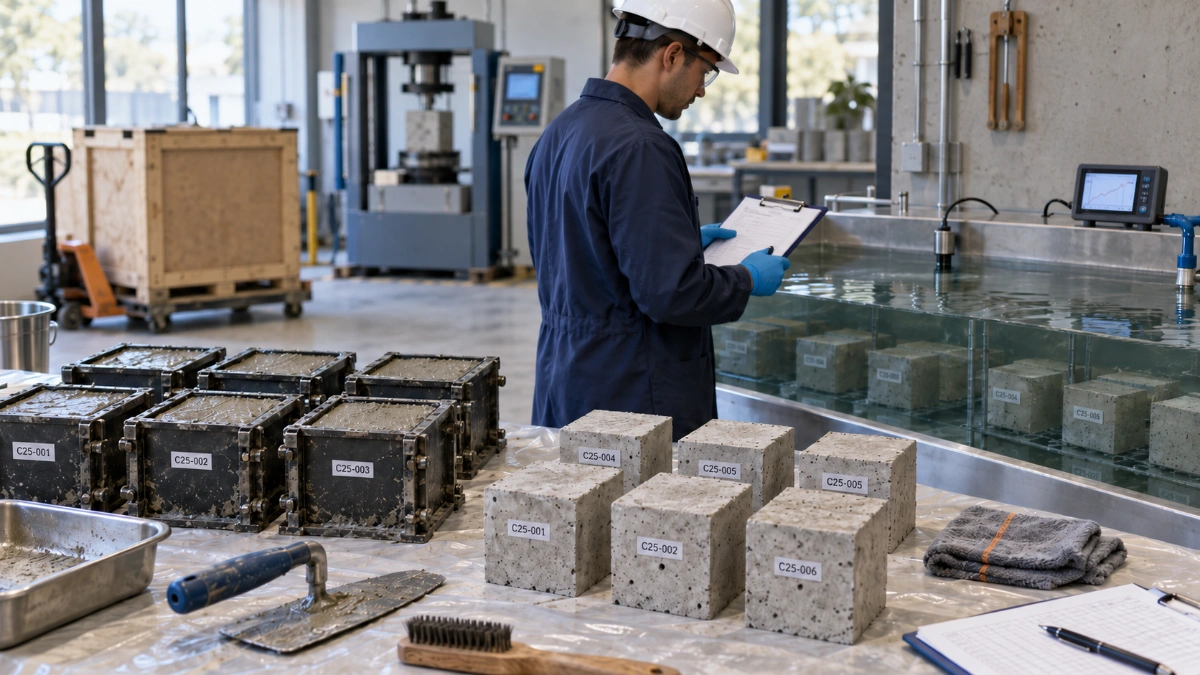
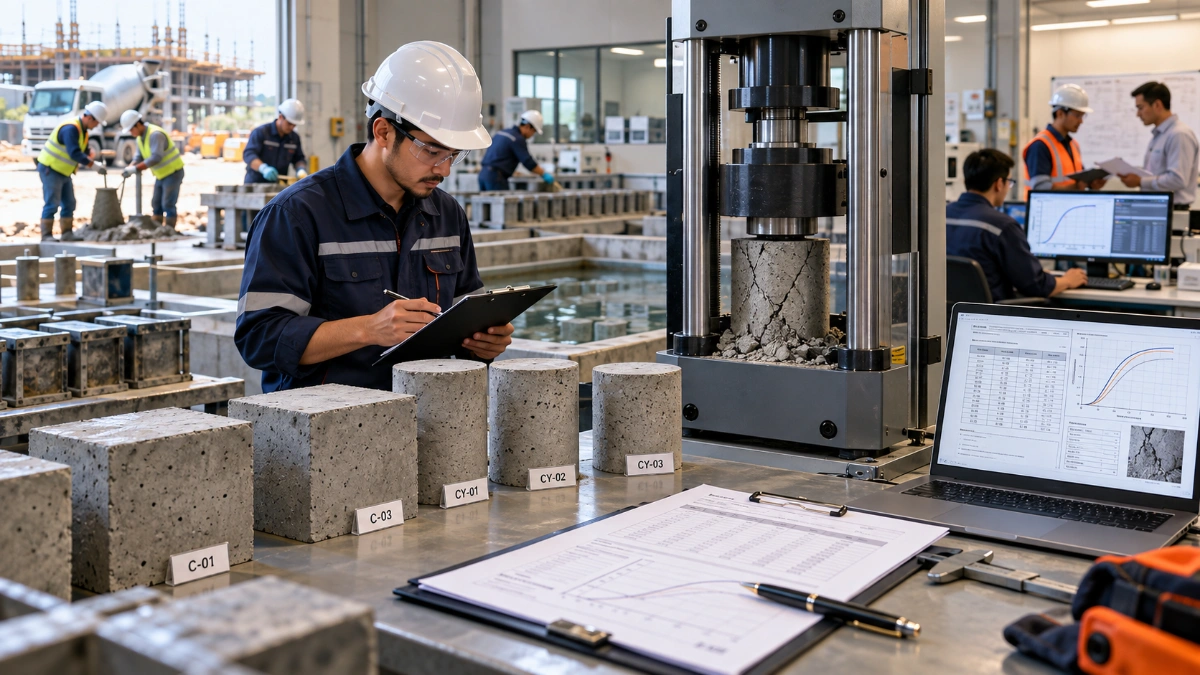
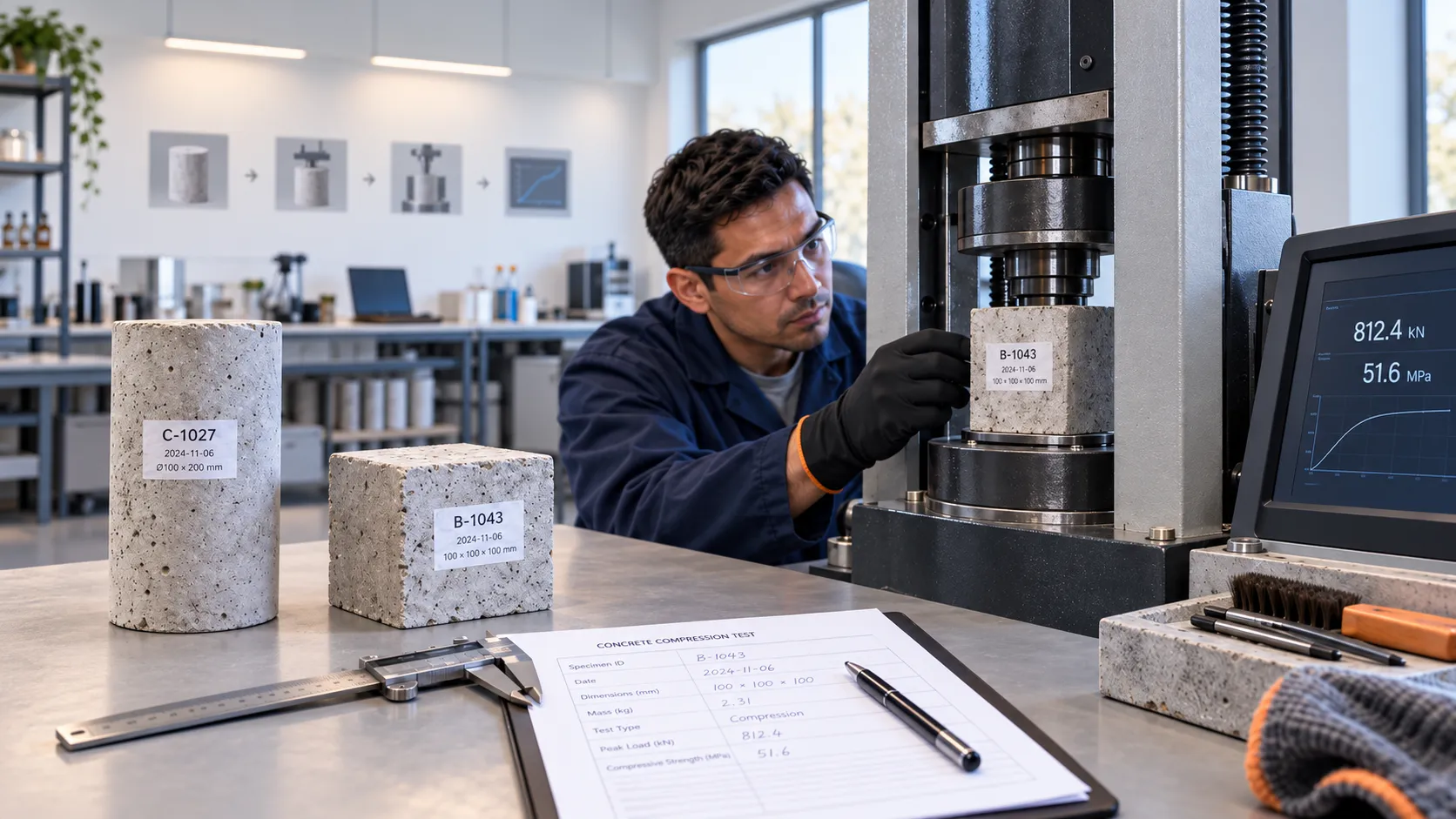
How to perform concrete compressive strength testing on cubes and cylinders, including specimen checks, loading, calculations, failure observations and reporting.
Concrete cube vs cylinder strength explained: why geometry changes results, why 0.8/0.85 conversions can mislead, and how QA/QC should compare results.
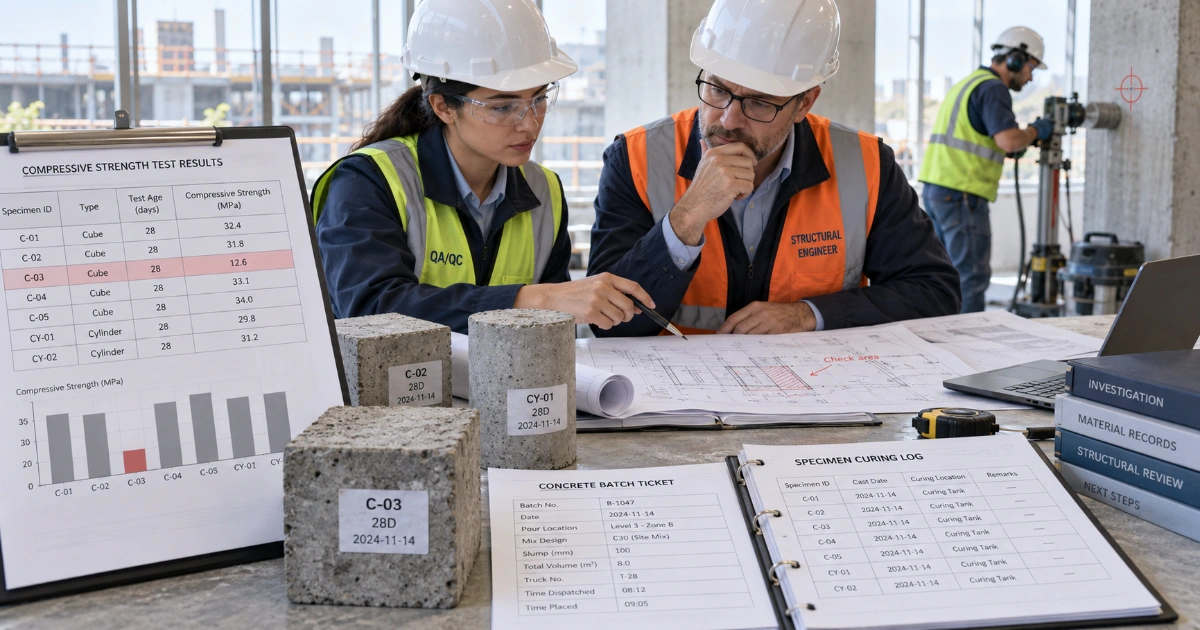
What to do after a low concrete compressive-strength result: verify the test, investigate curing and specimen issues, assess the affected concrete, and decide when cores or structural review are needed.
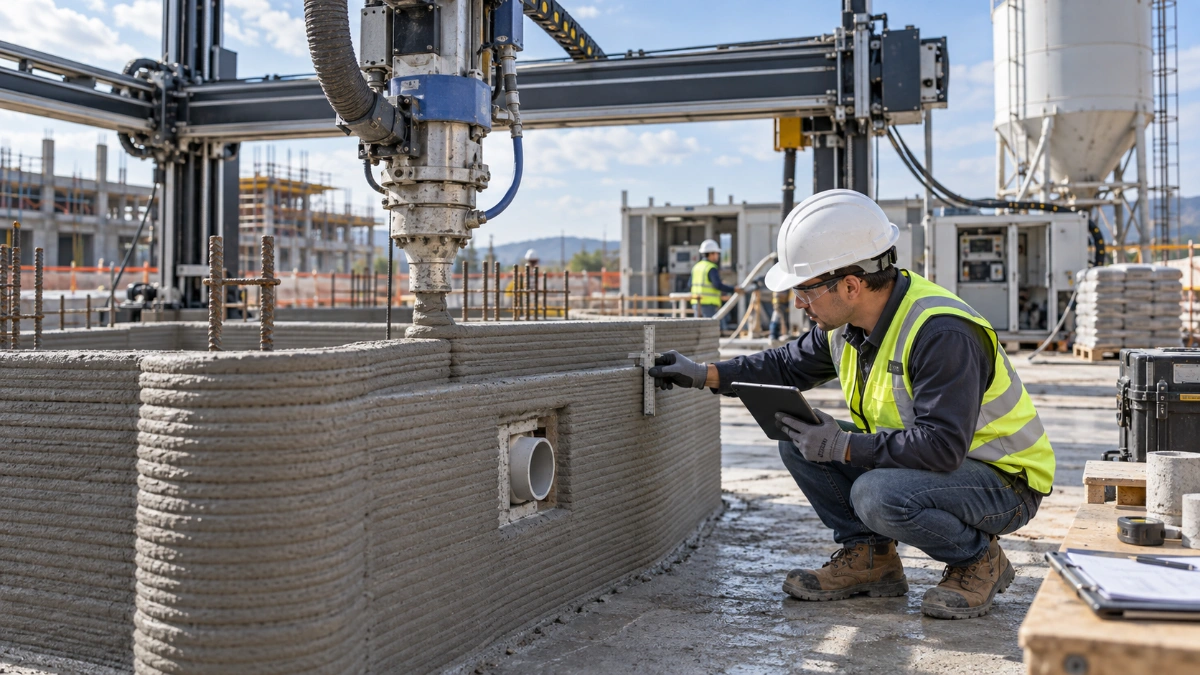
Practical QA/QC guide for 3D printed concrete walls: qualification, pre-print checks, live process control, interruptions, testing, defects and acceptance records.
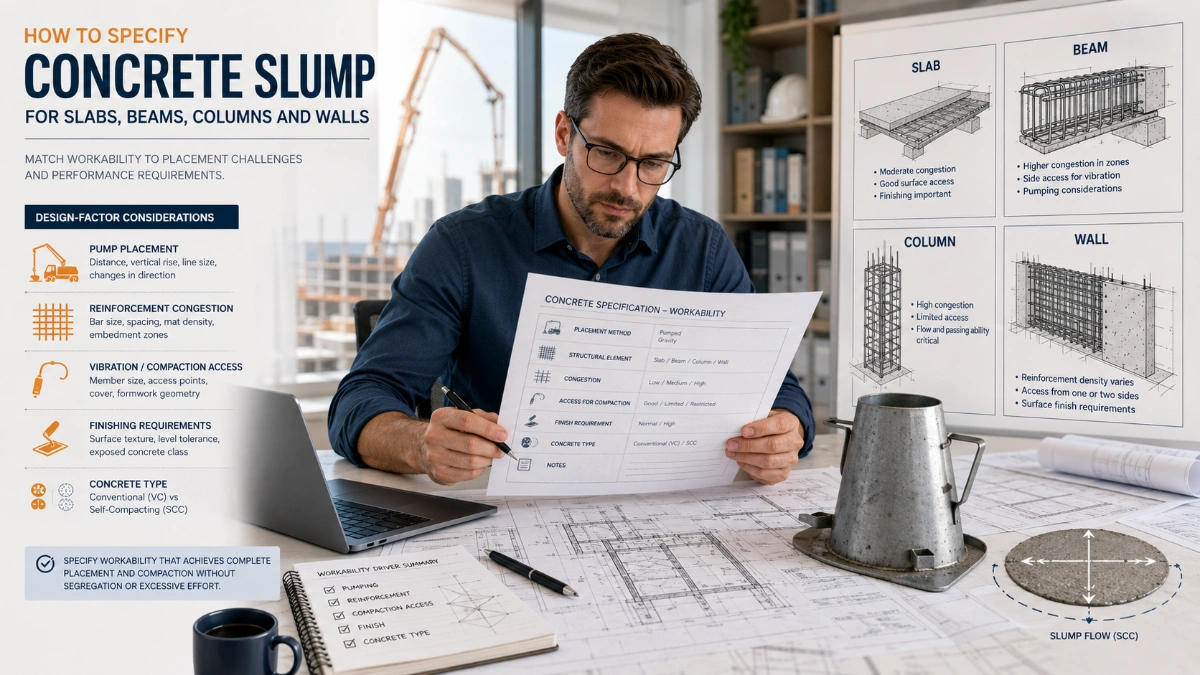
How to specify concrete slump for slabs, beams, columns and walls using placement method, congestion, compaction, finishing, mix design and the applicable specification system.
Explore sustainable practices for managing environmental hazards and construction waste effectively. Download our comprehensive checklist for free today! Maximize safety and compliance in your projects.