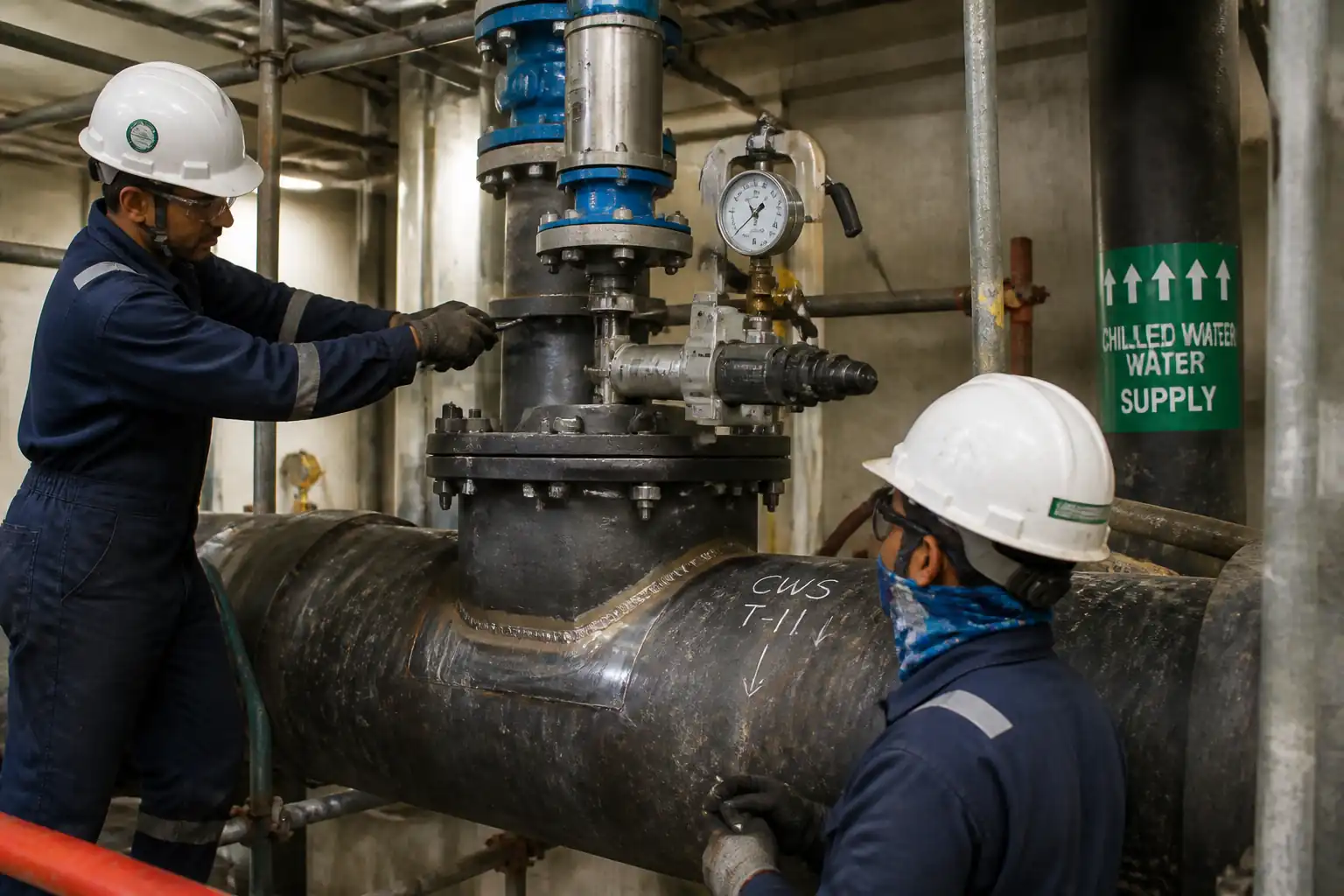

Inspection and Test Plan for Method Statement for Hot Tapping Tie-In Connections on Live Pressurized Chilled Water (CHW) Piping
AI-assisted inspection and test plan connected to a method statement, with PDF and Excel export.
More than a static template
Unlike a downloadable Word or PDF template, this ITP is an AI-assisted editable starting point directly connected to its method statement. Every inspection activity, hold point, and acceptance criterion is structured and ready to adapt to your project.
- AI-assisted customization — Tailor inspection activities and acceptance criteria to your specific project scope.
- Linked method statement — This ITP is connected to the corresponding method statement describing the work sequence.
- Multiple export formats — Download as a formatted PDF or editable Excel spreadsheet.
- Editable starting point, not a final document — Review and verify all content against your project specifications and standards before use.
What you can customize
When you save this ITP to your account, every inspection row becomes editable. You can add, remove, or modify:
- Inspection activity — Description of what is being inspected.
- Inspection type — Hold point (H), Witness point (W), Review (R), or Monitor (M).
- Responsibility — Contractor, subcontractor, engineer, or client.
- Frequency — How often the inspection occurs.
- Acceptance criteria — Referenced standard or specification requirement.
- Records — Forms, test reports, or checklists required as evidence.
Why this ITP is used
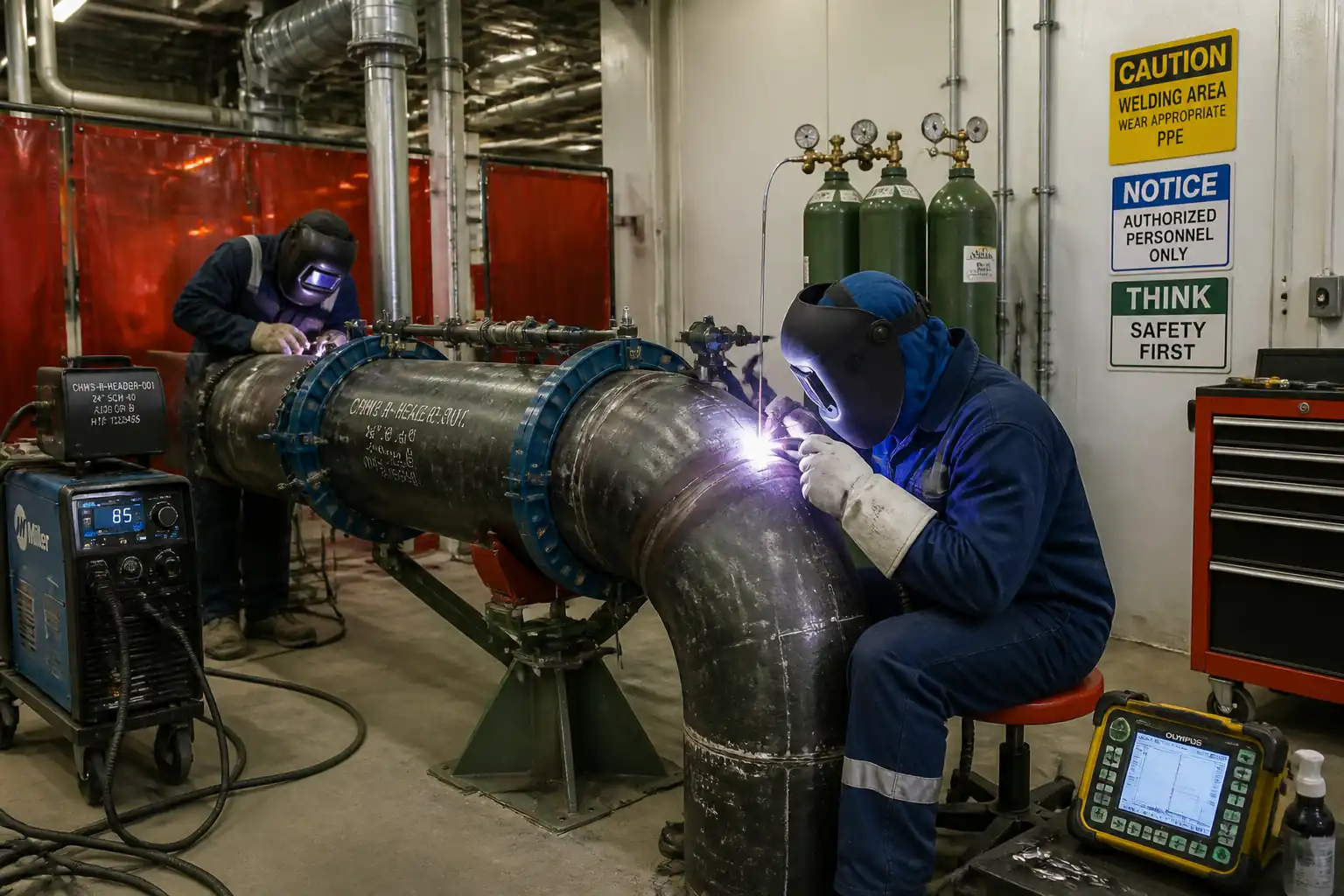
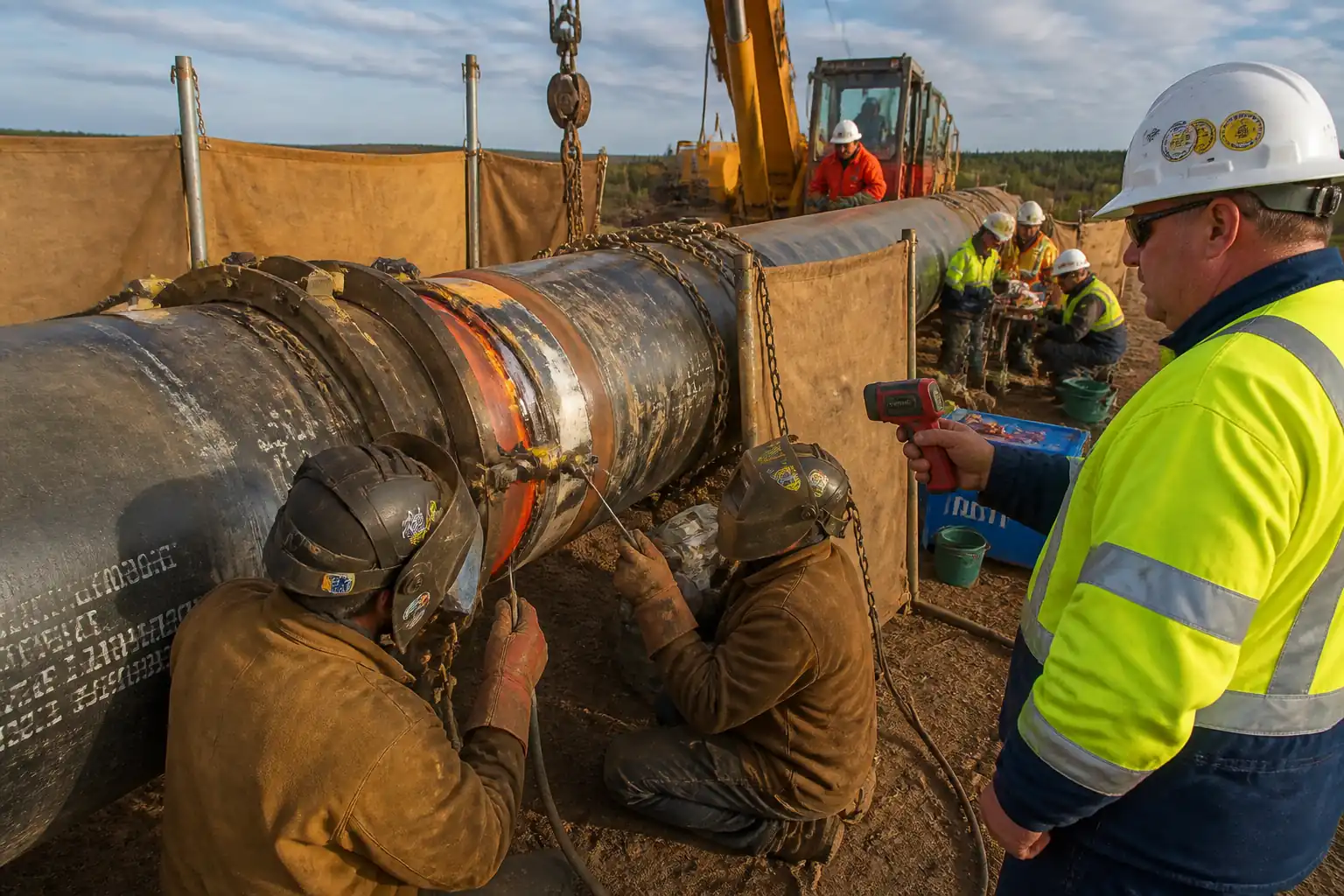
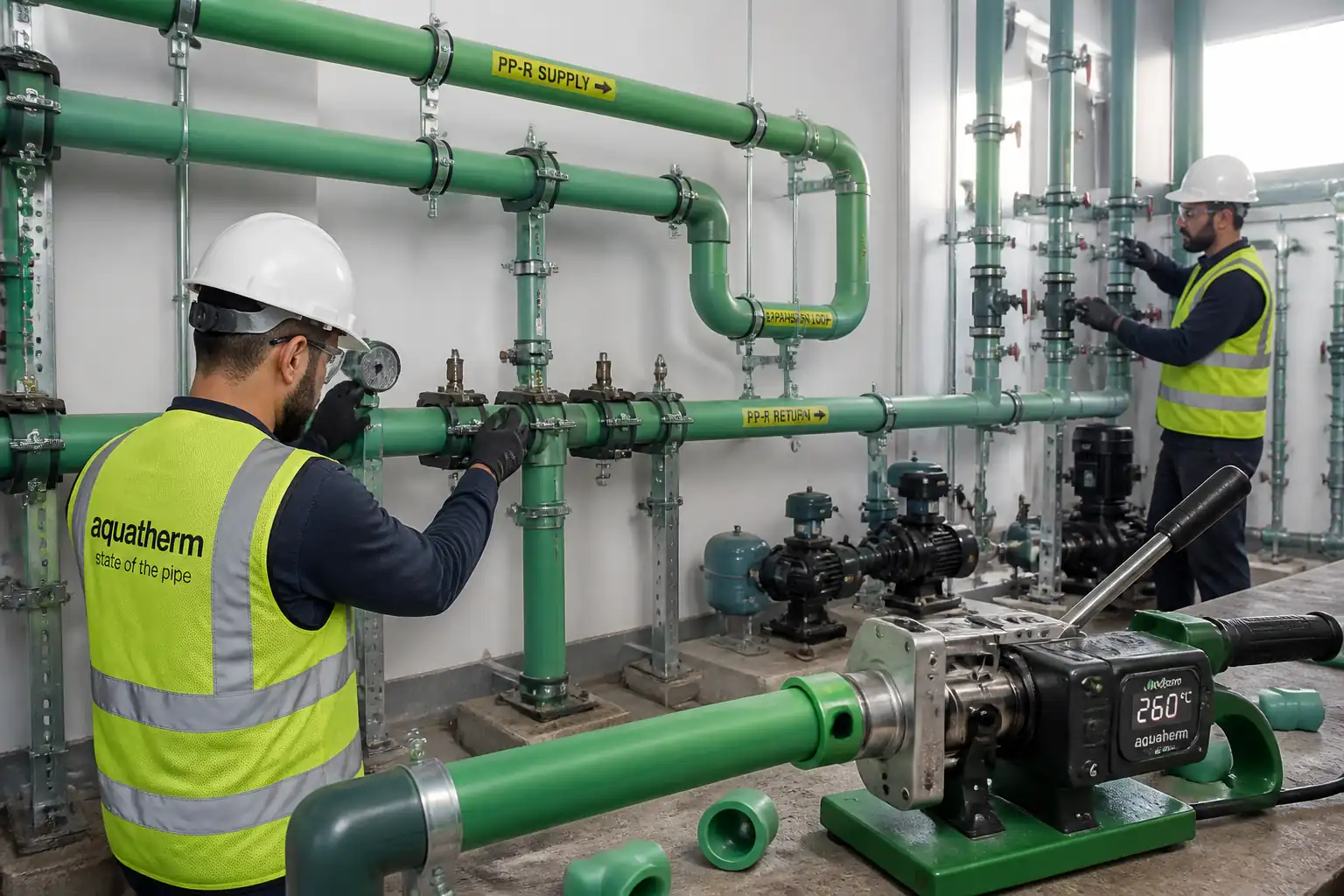
To verify that all stages of a live hot tap—design, welding, NDT, valve installation, cutting, and leak checks—meet code and project requirements.
Who uses this inspection and test plan
QA/QC engineers, hot tapping specialists, welding engineers, site supervisors, and Client/Engineer representatives.
When this ITP is prepared and submitted
Applied from pre-fabrication through post-tap commissioning and documentation handover.
Who receives or approves this ITP
Client/Engineer for review and acceptance before commencement of works.
Inspection scope
Material traceability, welder/WPS qualifications, fit-up, NDT, valve testing, hot tapping operation, leakage tests, and documentation closeout.
Typical hold, witness, and review points
Fit-up (H), tell-tale leak test (H), hot tapping operation (W), branch pressure test (H), final handover (W).
Typical inspection records
MTCs, WPS/PQR/WPQ, UTM reports, NDT reports, torque logs, valve/API 598 certs, pressure test certs, tapping log, coupon custody, calibration certs.
Important approval note
This ITP is an AI-assisted editable starting point, not a pre-approved document. Before use on any project, all inspection activities, hold points, and acceptance criteria must be reviewed and approved by the relevant parties (superintendent, principal contractor, or client representative) in accordance with your contract and project quality plan.
Always verify acceptance criteria against your applicable drawings, specifications, and regulatory requirements. Hold points must be confirmed with the relevant authority before work proceeds past that point.
Inspection and test plan
| Activity | Inspection / Test | Acceptance Criteria | Responsibility | Record |
|---|---|---|---|---|
| Design and feasibility review | Check d/D, t_rem, reinforcement calcs per ASME B31.3/PCC-2 | Calculations approved; limits within code/company standards [Verify] | Welding Engineer / Client Rep (W) | Approved calc package |
| Material verification | Review MTCs/heat numbers for tee, branch, flanges, bolts | Materials match specifications/drawings | QA/QC Engineer | MTCs; material log |
| WPS/PQR and welder qualifications | Verify ASME IX qualifications | WPS/PQR approved; welders qualified for position/process | QA/QC Engineer | WPS/PQR; WPQ certs |
| Pre-tap UTM thickness mapping | UTM per ASME V | t_measured ≥ t_required [Verify] | NDT Technician / Engineer (W) | UTM report |
| Fit-up inspection (tee/saddle) | Check gaps, alignment, cleanliness | Gap ≤ 3 mm; alignment within tolerances; vent holes open | QA/QC Engineer (H) | Fit-up report |
| Welding parameters and preheat | Monitor temps and amps/volts | Within WPS limits | Welding Engineer / QA | Weld log; temp record |
| NDT on attachment welds | VT 100%; PT/MT 100%; UT/PAUT if applicable | Per ASME B31.3/ISO acceptance levels | NDT Level II / Engineer (W) | NDT reports |
| Tell-tale pneumatic leak test | Air 1.0–1.5 bar; soap test 10 min | No bubbles/leakage | QA/QC (H) | Leak test cert |
| Valve verification | API 598 seat/body test; class check | Pass API 598; class matches design | QA/QC Engineer | Valve test certs |
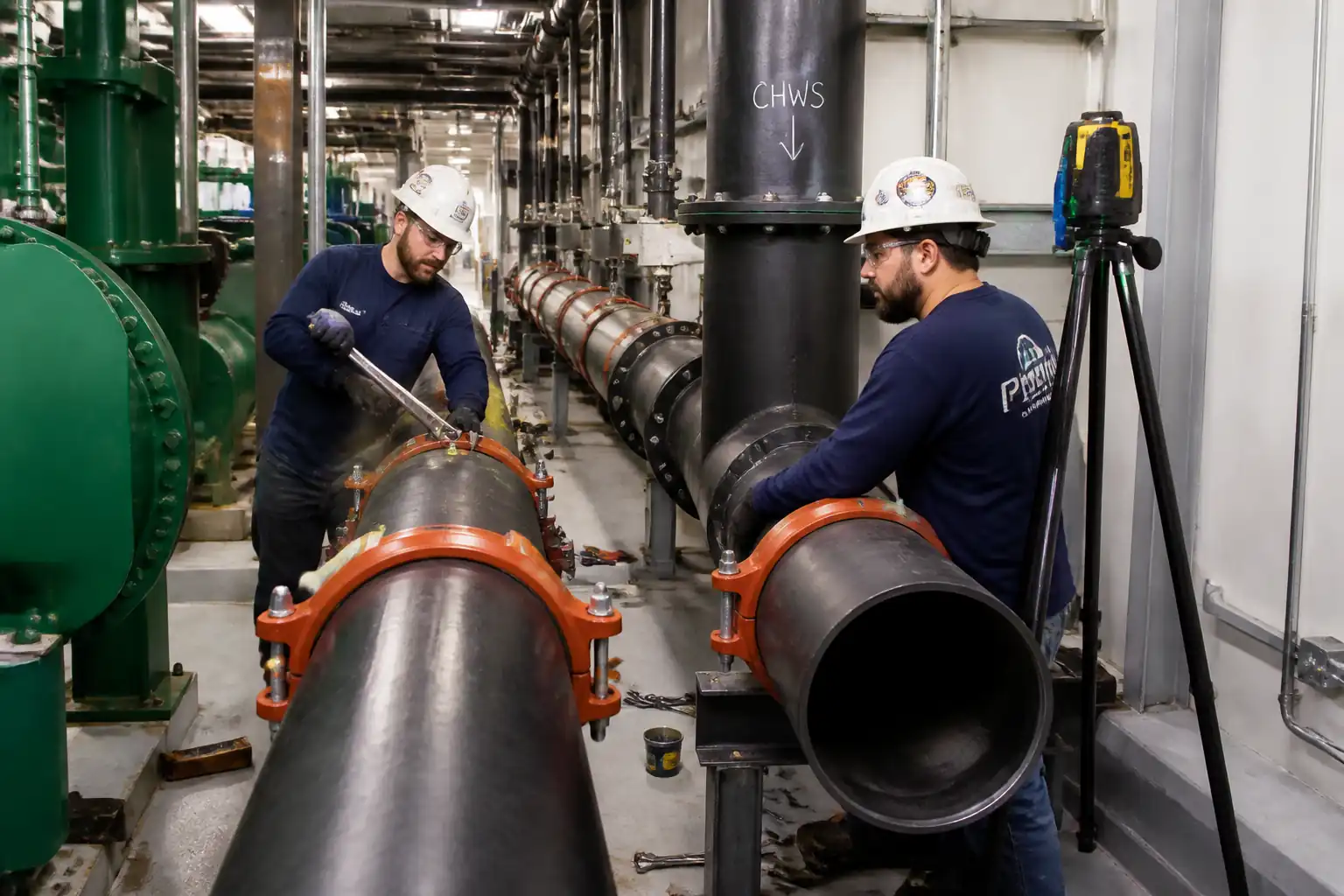
| Flange make-up/torque | Torque wrench readings; bolt pattern | Torque within spec; uniform gasket compression | Supervisor / QA | Torque log |
| Hot tapping operation | Operational log; pressure/temp monitoring; coupon capture | No leakage; coupon retrieved; clean cut | Hot Tapping Specialist / Engineer (W) | Tapping log; coupon custody record |
| Post-tap leak check | Soap solution on all joints under pressure | No bubble formation | QA/QC / Operator | Leak check sheet |
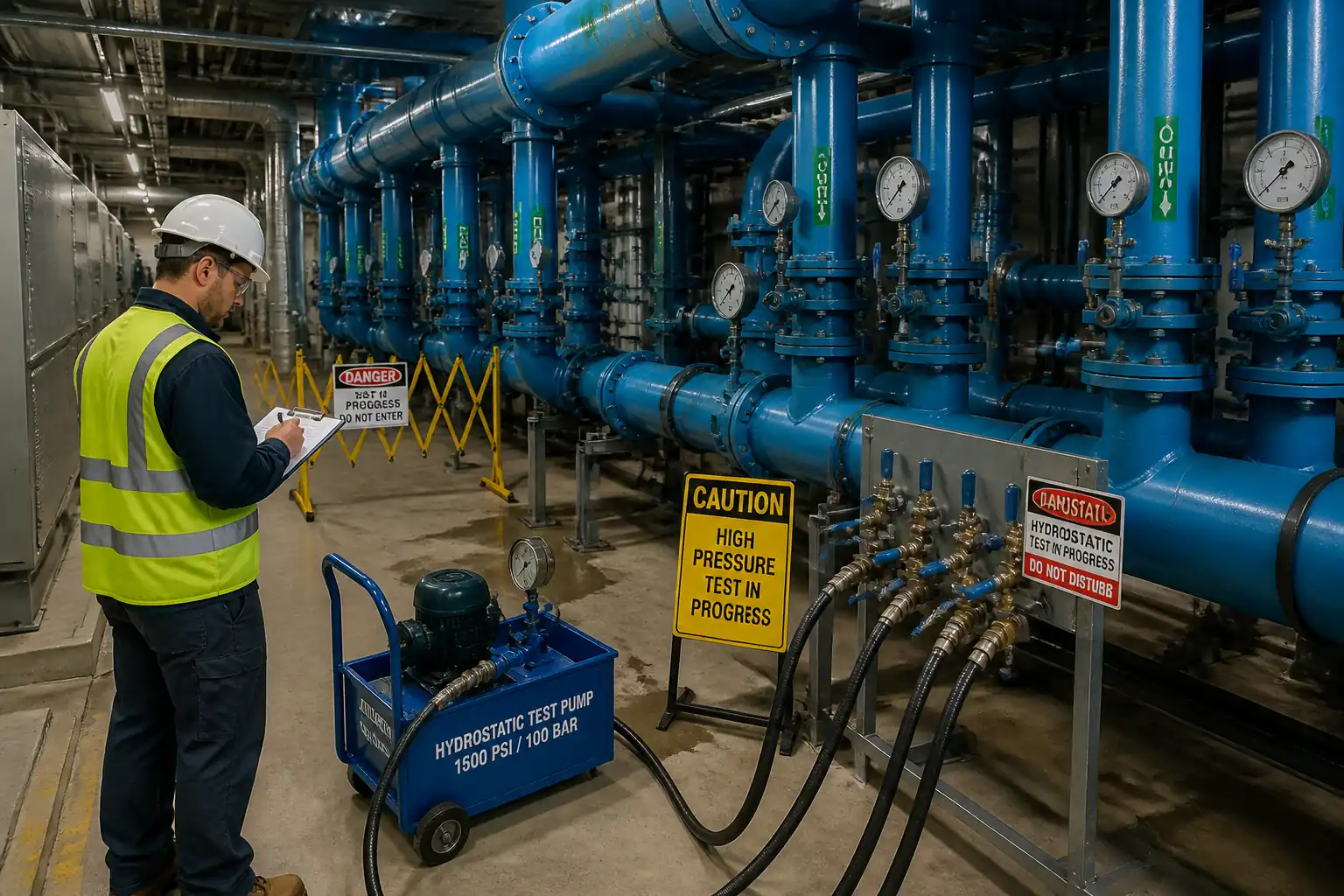
| Branch pressure test (where applicable) | Hydro 1.5× design (off-line) or alternative per spec | No leakage/pressure loss | QA/QC (H) | Pressure test cert |
| Flushing/cleanliness verification | Visual/turbidity of discharge | No visible particulates in two successive checks | Supervisor / O&M | Flushing record |
| Final documentation and handover | Dossier review against ITP | All records complete and approved | QA/QC Engineer / Client (W) | Handover dossier |
This table is a read-only public reference. Download the PDF or Excel version, or customize this ITP to edit it for your project.
Frequently asked questions
Related method statement
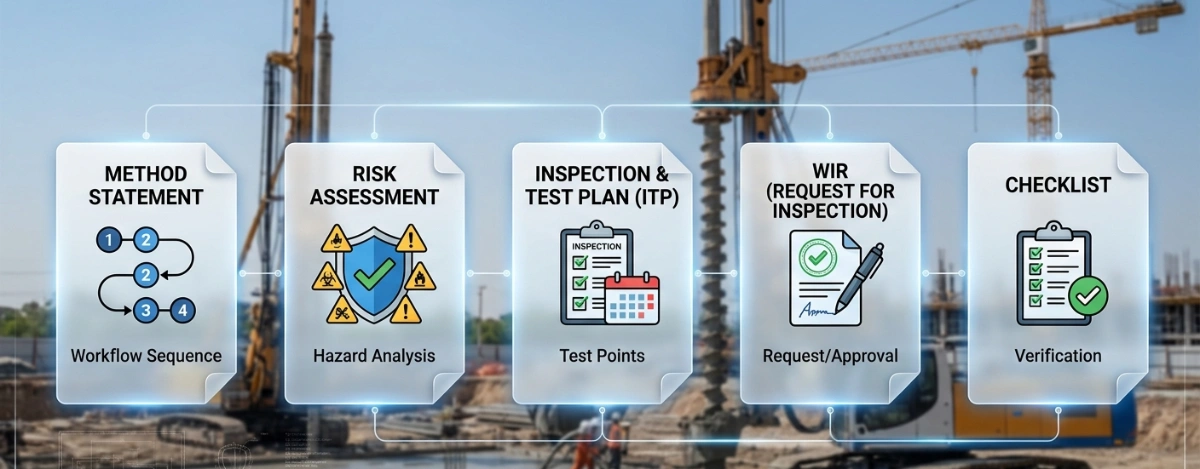
This Inspection and Test Plan is associated with the Method Statement for Hot Tapping Tie-In Connections on Live Pressurized Chilled Water (CHW) Piping method statement, which describes the step-by-step construction sequence, resources, materials, equipment, safety controls, and environmental controls for this activity.
View the Method Statement for Hot Tapping Tie-In Connections on Live Pressurized Chilled Water (CHW) Piping method statement →Continue with related inspection, method statement, article, and checklist resources.