
Method Statement – Aluminium Composite Material (ACM) Cladding Installation with Fire-Safe Rainscreen System – Method Statement
AI-assisted method statement with matching ITP, PDF download, and Excel export.
More than a static template
Unlike a downloadable Word or PDF template, this method statement is an AI-assisted editable starting point connected directly to a matching Inspection and Test Plan. Every section is structured, project-adaptable, and ready to export.
- AI-assisted drafting — Customize every section with AI for your specific project scope.
- Linked ITP — A matching inspection and test plan is generated alongside the method statement.
- Multiple export formats — Download as a formatted PDF or editable Excel spreadsheet.
- Editable starting point, not a final document — Review, verify, and adjust all content against your project requirements before use.
Static template vs. Quollnet workflow
| Feature | Static template | Quollnet |
|---|---|---|
| Project-specific content | Manual fill-in required | AI-assisted customization |
| Linked ITP | Separate document, no link | Matching ITP included |
| Export formats | Usually PDF only | PDF and Excel |
| Structured sections | Free-form layout | 13 standardized sections |
| Saved to your account | Local file only | Cloud-saved, reusable |
| Content accuracy | You verify everything | AI-assisted, you still verify |
| Cost | Often free but time-intensive | Free to customize and download |
What you can customize
When you save this method statement to your account, every section becomes editable. The following 13 sections are included:
- Scope — Defines the activity and its boundaries.
- References — Standards, specifications, and drawings.
- Responsibilities — Roles and accountabilities.
- Resources — Labour, plant, and equipment summary.
- Materials — Materials and compliance requirements.
- Equipment — Tools and equipment details.
- Prerequisites — Hold points and pre-conditions.
- Method sequence — Step-by-step construction sequence.
- Safety controls — HSE risk controls and PPE.
- Environmental controls — Environmental mitigation measures.
- QA/QC — Quality inspection and test requirements.
- ITP — Inspection and Test Plan table (has its own page).
- Attachments — Referenced drawings and documentation.
Why this method statement is used
This method statement is used to define and communicate the approved procedure for carrying out method statement – aluminium composite material (acm) cladding installation with fire-safe rainscreen system on site. It ensures the work is planned in advance, the correct resources and controls are in place, and all personnel understand responsibilities, sequence, quality requirements, and safety controls before work begins. It aligns site execution with the documented scope and acceptance expectations.
Who uses this method statement
This method statement is used by contractors, site supervisors, project engineers, QA/QC engineers, HSE officers, consultants, and client representatives. It serves as a shared reference for planning, execution, supervision, inspection, and approval of the activity on site.
When it is prepared and submitted
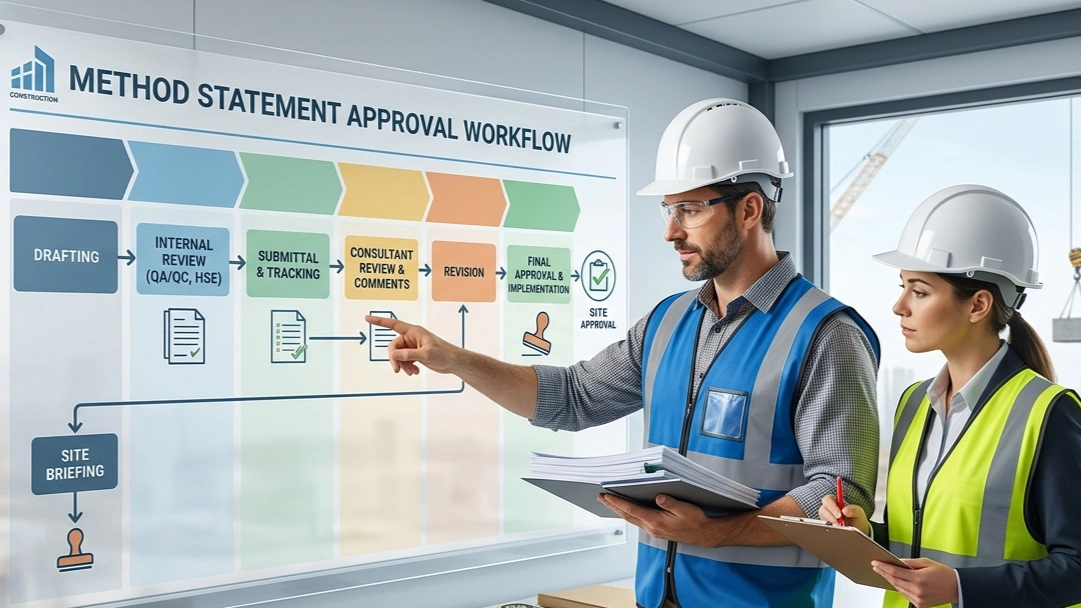
The method statement is prepared before the work activity starts and submitted as part of the pre-construction documentation package for review and approval.
Who reviews or approves it
The method statement is usually submitted to the client representative, consultant, resident engineer, or project management consultant for review and approval before the work commences.
Important approval note
This method statement is an AI-assisted editable starting point, not a pre-approved document. Before use on any project, all content must be reviewed and approved by the relevant parties (superintendent, principal contractor, or client representative) in accordance with your contract and project quality plan.
For example: if your specification requires a departure from a referenced standard, that departure must be documented and approved separately — this method statement will not capture that automatically. Always verify against your applicable drawings, specifications, and regulatory requirements.
Method statement content
Scope
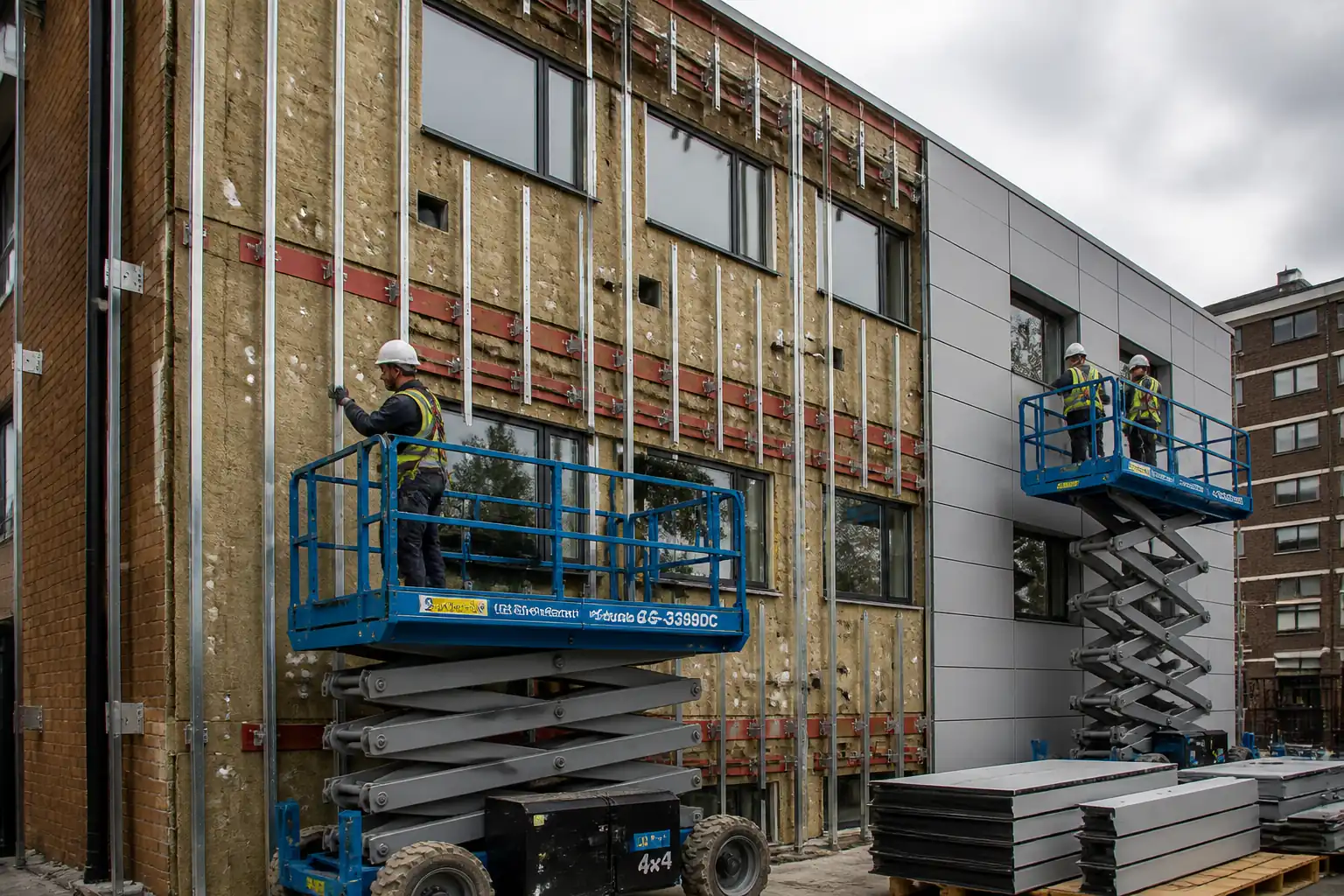
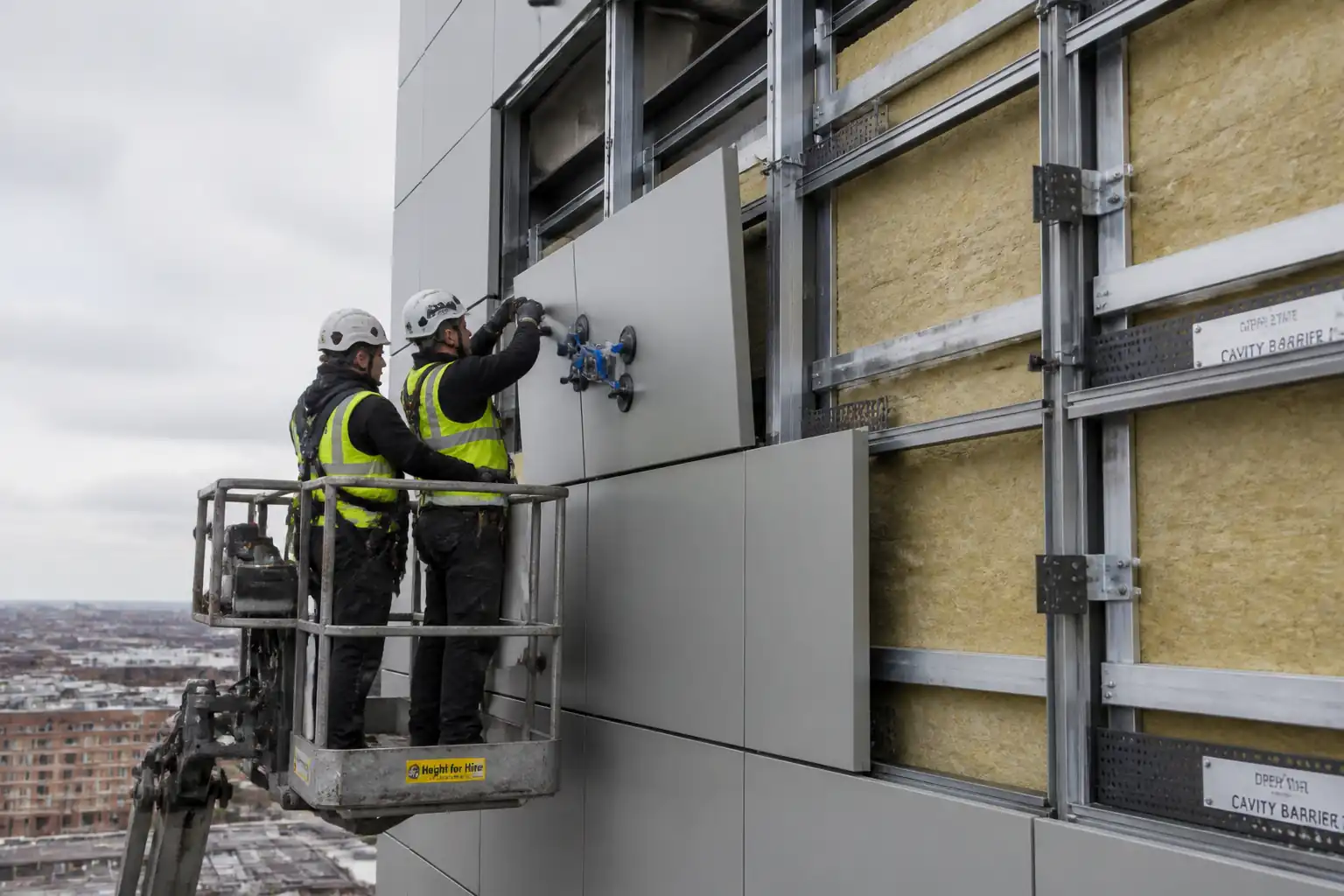
This method statement covers the procurement, fabrication, QA/QC, and installation of Aluminium Composite Material (ACM) rainscreen cladding using either a cassette system (mechanically fixed, demountable) or a wet-seal joint system (sealant weather joints), including:
- Substructure brackets and rails, thermal isolators, and fixings to primary structure.
- Installation of non-combustible insulation and breathable membrane (where specified) behind the ventilated cavity.
- Installation of tested and approved vertical and horizontal cavity barriers/open-state fire barriers at compartment lines and perimeters.
- Fabrication and installation of ACM panels, including edge returns, stiffeners, and cassettes; setting-out, plumb/line/level control.
- Joint formation with either open joints (cassette) or wet-seal joints using compatible sealants; flashings, trims, and interfaces.
- Integration of fire-stopping at slab edges, openings, and interfaces; continuity with adjacent systems (windows, roofs).
- QA/QC inspections including anchor proof testing, panel flatness/alignment checks, water testing (as specified), and verification of cavity barriers and fire stops prior to closure.
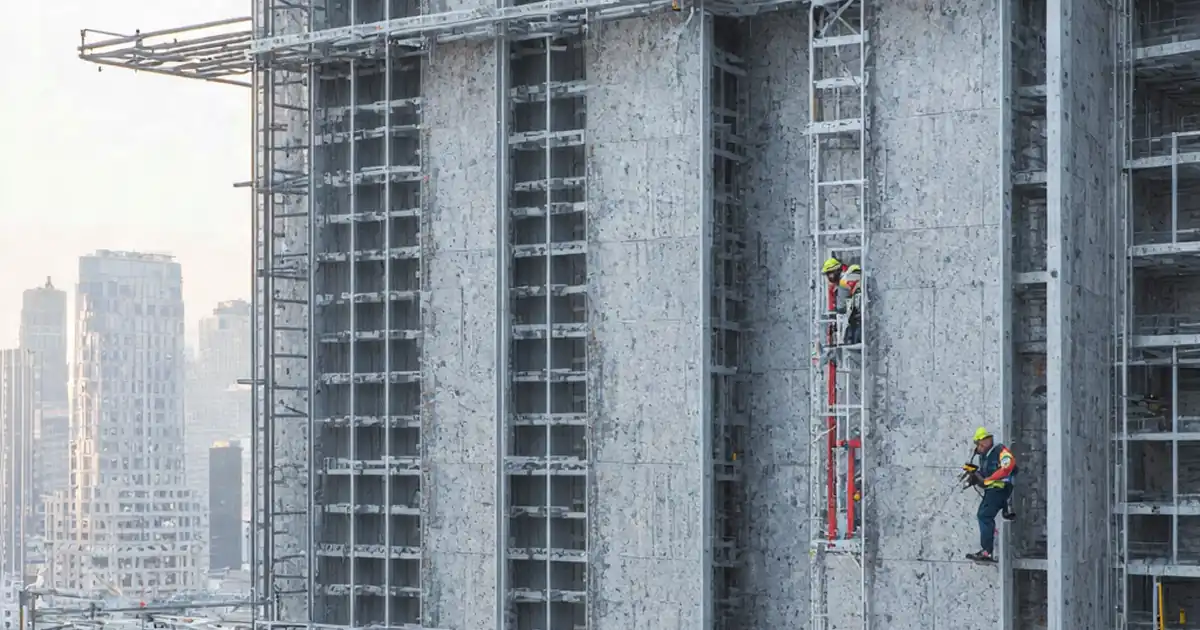
- HSE controls for working at height and façade installation, waste management, and environmental protection.
Exclusions: Primary structural works outside the cladding scope; permanent access systems; building management systems; lightning protection unless stated.
Note: Fire performance, materials class, and details must comply with the project Fire Strategy, applicable jurisdictional requirements, and tested system data (e.g., NFPA 285 or BS 8414/BRE 135). [Verify per project specifications]
References
| Document Type | Reference / Number | Revision | Notes |
|---|---|---|---|
| Standard | CWCT (latest edition) | ||
| Standard | BS EN 13501-1/-2 | ||
| Standard | BS 8414-1/-2; BRE 135 | Where applicable by jurisdiction. | |
| Standard | NFPA 285 | Where applicable by jurisdiction. | |
| Guidance/Standard | ASFP TGD 19; BS EN 1366-4 | ||
| Standards | ASTM C920; ASTM C1193 | ||
| Standard | AAMA 501.2; CWCT TN 41 | Use where contractually required. | |
| Standards | ISO 12944; AAMA 2605; EN 13523 | ||
| Standard/Approval | ETAG 001; EAD 330232 et al. |
Responsibilities
| Role | Responsibility | Name / Party |
|---|---|---|
| PM | Approve method statement and ITP; ensure preconstruction approvals. | Main Contractor |
| Engineer | Verify compliance with Fire Strategy; sign-off shop drawings and calculations. | Specialist Subcontractor |
| Site Engineer | Survey and QA measurements; maintain inspection records. | Main Contractor |
| Supervisor | Ensure sequence compliance, workmanship, and HSE adherence. | Specialist Subcontractor |
| QA/QC | Verify materials, anchors, barriers, insulation, panels, and joints. | Main Contractor |
| HSE | Task-specific RAMS; permits for WAH/MEWP/Hot Work; toolbox talks. | Main Contractor |
| Operator/Rigger | Certified operation and rigging per lift plan; DROC controls. | Specialist Subcontractor |
| Third Party | Execute agreed tests and issue certificates. | Independent |
Resources
| Resource Type | Description | Quantity | Remarks |
|---|---|---|---|
| Manpower | Façade installers experienced with ACM cassette and wet-seal systems. | 6–12 per elevation [Verify per project] | |
| Manpower | IRATA-certified for difficult access details. | As required | Alternative to mast climbers/scaffolds. |
| Manpower | Certified per manufacturer training for weather-seal joints. | 2–4 | |
| Manpower | Setting-out and as-built dimensional control. | 1 |
Materials
| Material | Specification / Grade | Quantity | Remarks |
|---|---|---|---|
| ACM | |||
| Aluminium & polymer isolators | |||
| SS A4; anchors | |||
| Mineral wool | |||
| Membrane | |||
| Fire barrier/stop | |||
| Sealant | |||
| EPDM/Aluminium |
Equipment
| Equipment | Capacity / Type | Quantity | Inspection Required |
|---|---|---|---|
| MEWP/Scaffold | As per elevation | Yes | |
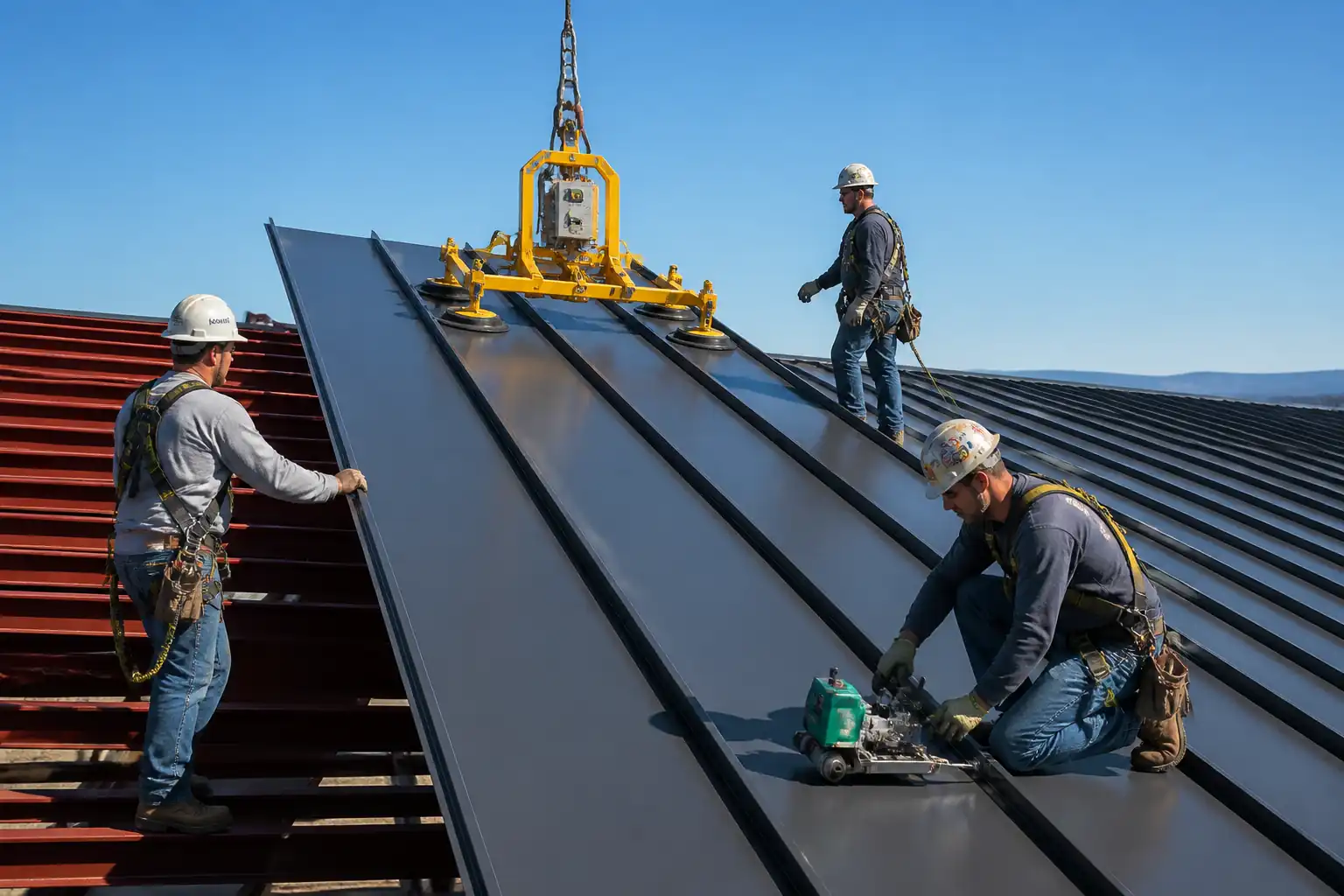
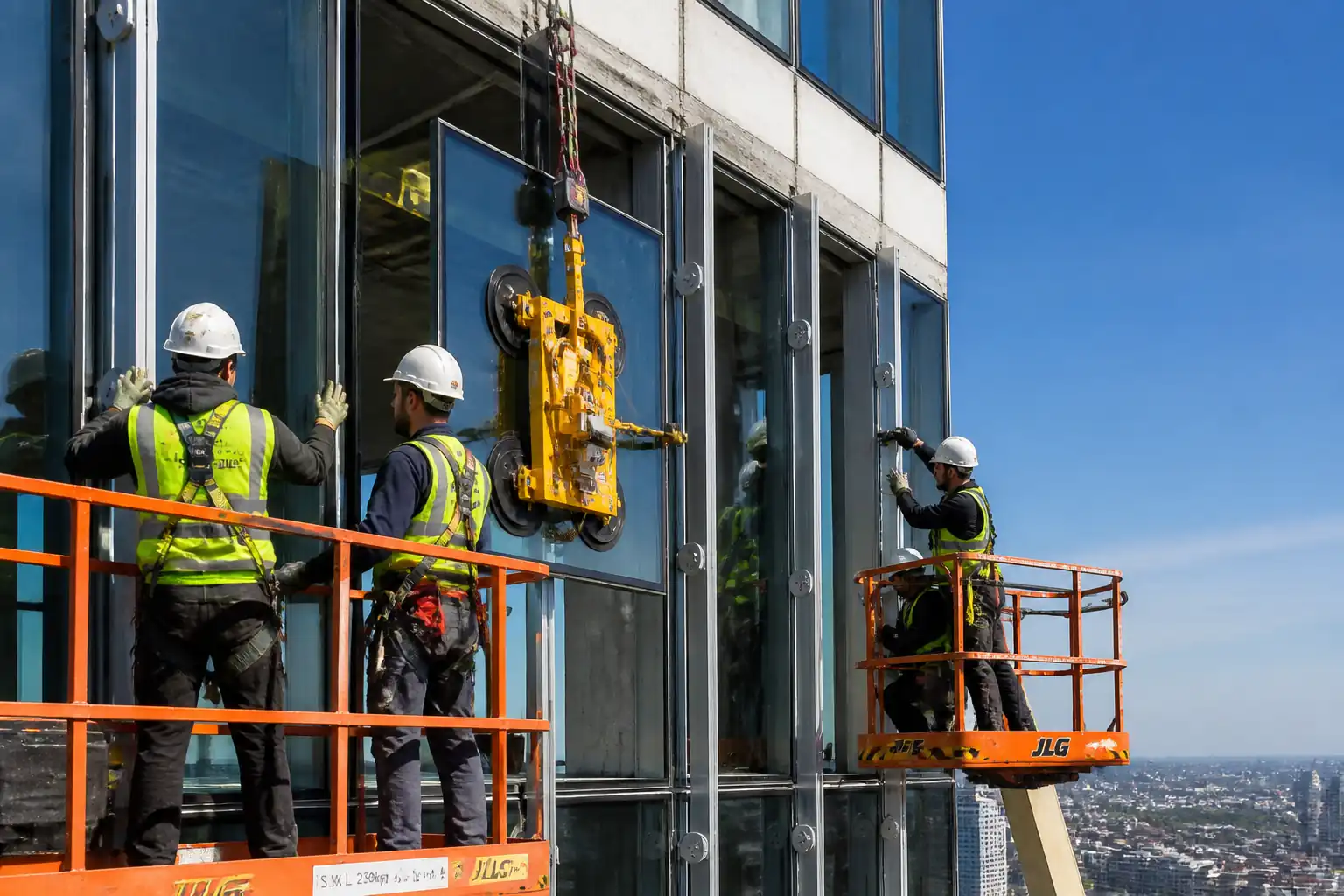
| Suction lifters, slings | Per lift plan | As required | Yes |
| Drills, riveters, saws | Yes | ||
| Survey/QA instruments | Yes |
Prerequisites
- Approvals: Shop drawings, structural calculations, material submittals, sealant compatibility, and method/ITP approved by the Engineer.
- Fire Compliance: Provide evidence that the proposed build-up is part of a system that has passed NFPA 285 or BS 8414/BRE 135 testing where legally required; product fire classifications (EN 13501-1/-2). [Verify per project]
- Mock-up/Benchmark: Construct and obtain acceptance of a representative area with all interfaces, joints, and barriers before full production.
- Substrate Readiness: Primary structure complete, tolerances surveyed; concrete cures achieved; as-built surveys issued; fixings locations coordinated with rebar/embedded items.
- Permits/RA: Task-specific risk assessment and method statement (RAMS), Working at Height permits, MEWP/scaffold handover, Hot Work permit if any thermal cutting/grinding. [Verify per project HSE plan and local regulations]
- Weather/Environment: Installation not to proceed for wind speeds ≥ 12 m/s when handling panels; no sealant work during rain or substrate temperature outside 5–40°C; surfaces dry and clean.
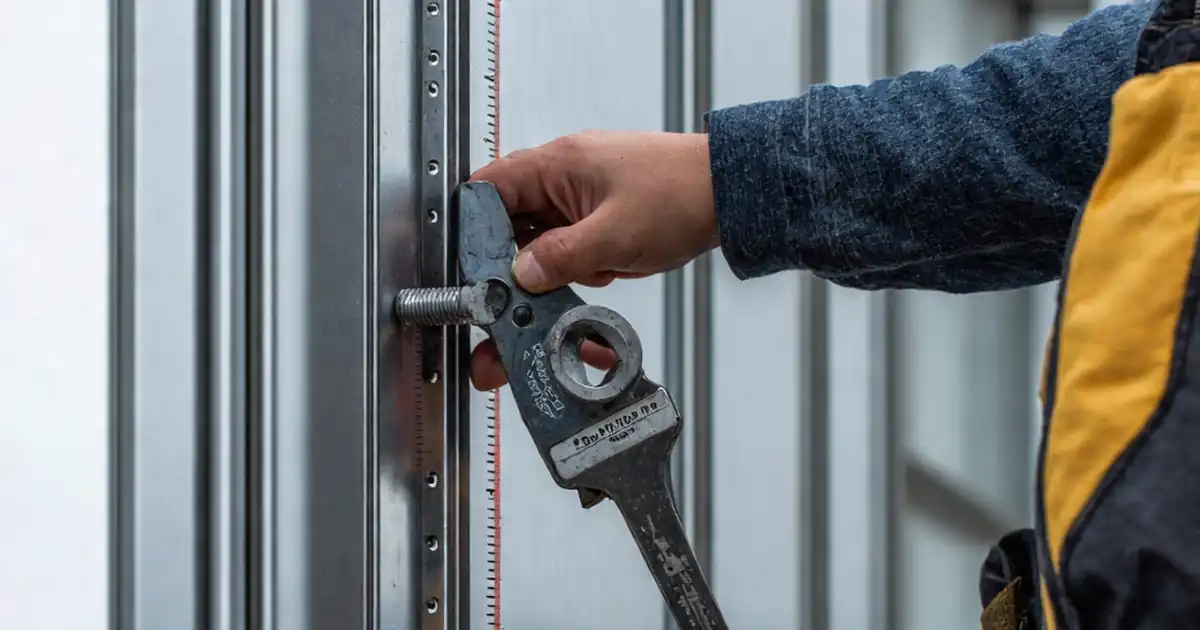
- Tools/Calibrations: All QA instruments calibrated; torque wrenches checked; pull-test rig available.
- Training: Installers briefed on system details; sealant applicators manufacturer-trained; MEWP operators licensed.
- Materials: Delivery inspected; stored flat, dry, off ground; ACM protective film intact; batch traceability recorded.
- Interface Coordination: Windows, parapets, slab edge fire-stopping strategy and sequencing agreed with adjacent trades.
- Emergency/Rescue: MEWP rescue plan and suspended load exclusion zones defined.
Method Sequence
| Step | Activity | Description | Responsibility | Inspection / Hold Point |
|---|---|---|---|---|
| 1 | Setting-out and substrate survey | Verify gridlines, slab edges, and tolerance of primary structure; mark bracket positions per shop drawings. | Site Engineer / Façade Supervisor | Dimensional survey; check embedment zones clear of services |
| 2 | Install brackets with thermal isolators | Drill/anchor brackets to structure with isolator pads; avoid rebar; install temporary safety caps on unused anchors. | Façade Installers | Pre-drill checks; hole cleaning steps; isolator coverage |
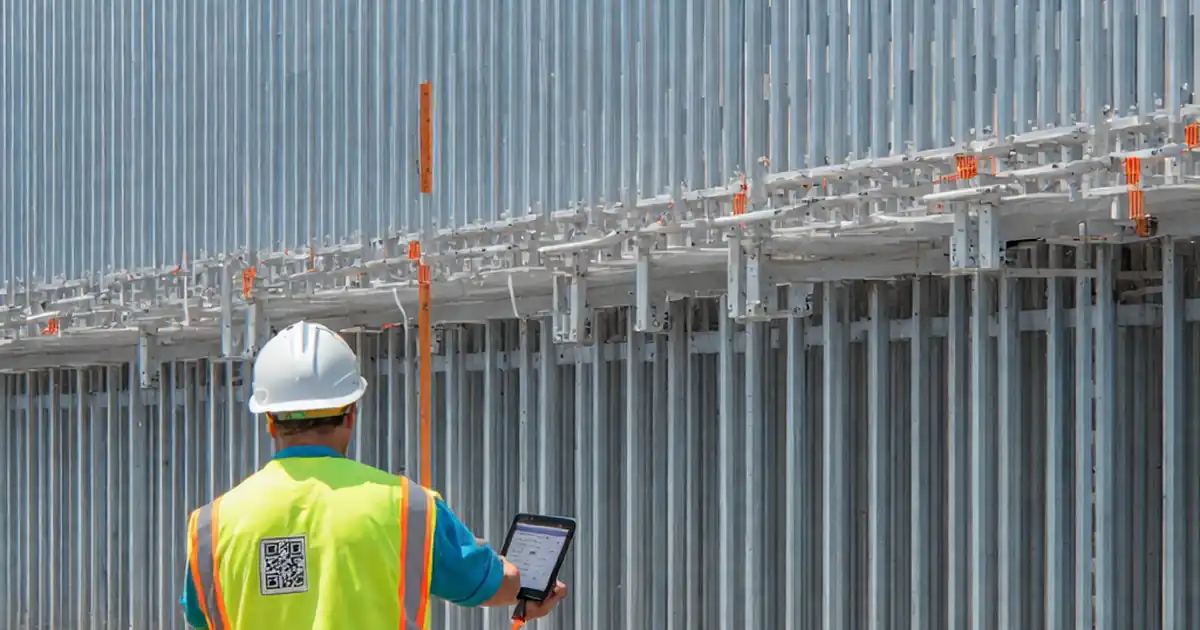
| 3 | HOLD POINT – Anchor proof load testing | Conduct on-site proof load tests on sample anchors per ITP before mass installation proceeds. | QA/QC with Testing Agency | Witness by Engineer |
| 4 | Install vertical/horizontal rails | Fix and align rails to brackets; set expansion joints per design; fit isolating gaskets where required. | Façade Installers | Alignment check; bracket lock-off |
| 5 | Install breather membrane (if specified) | Fix membrane to substrate; shingle laps; tape seams; maintain drainage paths. | Façade Installers | Seam and lap inspection |
| 6 | Install cavity barriers and fire stops | Fit vertical and horizontal barriers at compartment lines, perimeters, and openings; ensure tight fit and fixings per TDS. | Façade Installers | Visual and feeler-gauge continuity check |
| 7 | HOLD POINT – Fire barrier inspection prior to closure | Formal inspection of all cavity barriers/fire stops before insulation/panels conceal them. | QA/QC and Engineer | Witness by Engineer |
| 8 | Install insulation | Install mineral wool boards tightly butted; stagger joints; secure with mechanical fixings and/or approved adhesive pins. | Façade Installers | Coverage and fixing pattern |
| 9 | Panel fabrication (workshop/site) | Cutting, routing, folding to form cassettes; fit stiffeners; drill/rivet to tolerance; protect edges. | Fabrication Team | Dimensional QC; edge quality; coating inspection |
| 10 | HOLD POINT – First-of-kind panel installation (benchmark) | Install a trial area (one bay) including joints and interfaces for approval. | Façade Supervisor/QA/QC | Joint alignment and flatness checks |
| 11 | General panel installation – cassette system | Hook-on/clip cassettes to rails; fix with concealed fasteners; maintain joints; remove protective film only after alignment. | Façade Installers | Continuous line/level check; fastener engagement |
| 12 | Panel installation – wet-seal joint system (if applicable) | Set panels with required joint gaps; install backer rod and primers; gun and tool sealant beads. | Sealant Applicators | Surface prep; primer application; bead geometry |
| 13 | Interfaces, flashings, and penetrations | Install perimeter flashings, window interfaces, drip edges, soffit closures; ensure drainage and ventilation continuity. | Façade Installers | Water-shedding checks; continuity of membranes/flashings |
| 14 | Cleaning and protection | Remove protective films; clean with approved agents; touch-up only where allowed by mfr; install temporary protection if adjacent works continue. | Façade Installers | Visual for scratches/adhesive residue |
| 15 | HOLD POINT – Pre-handover QA and documentation | Comprehensive inspection of panels, joints, fire barriers records, anchor tests, and as-builts prior to handover. | QA/QC; Engineer | Walkdown |
Health, Safety, and Environment (HSE) – Safety Controls
The following task-specific hazards and controls apply. Where legal/permit requirements vary, verify per project HSE plan and local regulations.
Working at height (MEWP/scaffold/mast climber)
- Hazard: Falls from height; entrapment between platform and structure.
- Consequence: Serious injury or fatality.
- Engineering/Procedural Control: Certified access with guardrails; pre-use and weekly inspections; tie-ins/anchorage per design; exclusion zone below; spotters; 100% fall protection where required; MEWP ground conditions assessed and outriggers deployed; rescue plan in place.
- PPE: Full-body harness with double lanyard where applicable; hard hat with chin strap; safety boots; eye protection; gloves.
- Collective Measure: Edge protection, toe boards, debris netting; barricades and signage.
- Inspection/Permit/Supervision: WAH permit; MEWP handover certificate; competent supervisor and IPAF-certified operators; daily pre-use checklists.
Panel handling and lifting
- Hazard: Dropped panels/suction failure; musculoskeletal injury.
- Consequence: Crush injury; property damage.
- Control: Use rated suction lifters with safety factor ≥ 2; inspect pads; use tag lines; do not handle above 12 m/s wind; team lifts per manual handling plan; use lifting frames for large panels.
- PPE: Cut-resistant gloves; safety footwear; eye protection.
- Collective: Exclusion zones under lifts; designated laydown areas.
- Inspection/Permit/Supervision: Lifting plan; LOLER certificates; supervisor to brief crew.
Drilling and fixing to structure
- Hazard: Striking rebar/embedded services; flying swarf and dust.
- Consequence: Structural damage; eye injury; silica/metal dust inhalation.
- Control: Scan/mark embedment zones; use drill stops; follow ETA hole cleaning (brush/blow); vacuum extraction; wet suppression if masonry.
- PPE: Safety glasses/face shield; hearing protection; FFP2/3 RPE where dust; gloves.
- Collective: Local extraction; barriers around drilling area.
- Inspection/Permit/Supervision: Permit to drill if required; tool inspections; torque logs.
Fire barriers and mineral wool installation
- Hazard: Mineral fibre dust/skin irritation; incorrect installation hidden by panels.
- Consequence: Respiratory irritation; compromised fire safety.
- Control: Cut with hand tools; minimize dust; detailed checklists and photo records before closure; toolbox talk on orientation/compression.
- PPE: Long sleeves; gloves; goggles; FFP2 mask.
- Collective: Ventilated work area; clean-up with HEPA vac.
- Inspection/Permit/Supervision: HOLD POINT inspection prior to closure.
Sealant application (wet-seal joints)
- Hazard: VOC exposure; poor adhesion due to contamination or moisture.
- Consequence: Water ingress; rework.
- Control: Use low-VOC products; adhere to TDS for substrate prep and primers; ambient limits respected; adhesion tests.
- PPE: Nitrile gloves; goggles; RPE if indoors/poor ventilation per SDS.
- Collective: Ventilation; spill kits.
- Inspection/Permit/Supervision: SDS review; batch/ambient log; adhesion test records.
Cutting/routing aluminium
- Hazard: Blade contact; flying chips; noise.
- Consequence: Lacerations; eye injury; hearing loss.
- Control: Guarded tools; correct blades; clamp workpieces; chip collection; no freehand cutting on MEWPs.
- PPE: Eye/face protection; cut-resistant gloves; hearing protection.
- Collective: Screens around cutting zone.
- Inspection/Permit/Supervision: PUWER inspections; hot works permit only if spark-producing tools used.
Weather and façade exposure
- Hazard: High winds, rain on sealant, lightning.
- Consequence: Loss of control; failed joints.
- Control: Stop panel handling ≥ 12 m/s wind; monitor forecasts; cease works during thunderstorms; protect open cavities from water ingress.
- PPE: Weather-appropriate PPE; non-slip footwear.
- Collective: Temporary sheeting.
- Inspection/Permit/Supervision: Supervisor weather assessment log.
Dropped objects
- Hazard: Tools/fasteners falling from height.
- Consequence: Injury to persons below.
- Control: Tether tools; use magnetic mats/catch nets; keep small parts in secured pouches.
- PPE: Hard hats for all in zone.
- Collective: Exclusion/barricade zones; debris netting.
- Inspection/Permit/Supervision: Daily checks; DROC compliance audits.
Environmental Controls
- Material selection: Prefer A2-s1,d0 ACM and A1 mineral wool to reduce combustibility; verify compliance with local post-Grenfell regulations where relevant.
- Waste segregation: Segregate aluminium swarf and offcuts for recycling; separate mineral wool and contaminated sealant cartridges as per waste codes; maintain waste transfer notes.
- VOCs and sealants: Choose low-VOC sealants where feasible; use closed nozzles; prevent spills; store in secondary containment.
- Dust/noise: Use dust extraction on cutting/drilling; schedule high-noise works during permitted hours; maintain equipment to minimize noise.
- Water protection: Prevent washdown water and slurry from entering drains; use containment and sediment control; no hose testing discharge to storm without approval.
- Energy/transport: Optimize deliveries; store materials close to point-of-use to reduce handling.
- Wildlife/neighbor impact: Maintain clean site; secure materials against wind; minimize reflective glare complaints via temporary films if required.
- Compliance: Follow project Environmental Management Plan and local regulations. [Verify per project]
Quality Assurance / Quality Control
- Submittals: Approvals for ACM, subframe, anchors, insulation, cavity barriers, sealants, and coatings; include fire classifications and test reports.
- Traceability: Record batch/coil numbers for ACM and sealants; maintain anchor and barrier lot numbers; link to elevation/zone.
- Calibration: Maintain calibration certificates for torque wrenches, pull-test rigs, lasers, straightedges.
- Anchor tests: Perform per ITP with hold point before mass installation; record location, substrate, load, displacement, result.
- Barrier inspection: Photo-record continuity and orientation before closure; signed HOLD POINT release.
- Tolerances: Typical acceptance—rail plumb/level ±3 mm in 3 m (±5 mm elevation); joint gap 15 mm ±2 mm; panel flatness ≤ 2 mm over 1 m and ≤ 5 mm over 5 m; verify against project specs.
- Sealant QA: Surface prep verification, primer logs, ambient temperature/humidity recorded; field adhesion tests and 24 h/7 d reviews as required.
- Water testing: Conduct AAMA 501.2 or CWCT hose test if specified; document nozzle type, pressure, duration, and area.
- Coating: Verify colour/finish vs approved sample; check for damage; touch-up only per manufacturer.
- Nonconformances: Raise NCRs, investigate root cause, implement corrective actions; re-inspect.
- Documentation: Maintain ITP checklists, test certificates, as-built drawings, O&M manuals, warranties.
Attachments
- Approved shop drawings and details (elevations, sections, interfaces, fire-stopping layouts).
- Structural calculations for subframe and fixings.
- Product data sheets and certifications: ACM (A2-s1,d0), insulation (A1), cavity barriers (EN 1366-4 test/classification), fixings (ETA), sealants (ASTM C920), coatings (AAMA 2605/EN 13523).
- System fire test evidence: NFPA 285 or BS 8414/BRE 135 reports or assessment where required. [Verify per project]
- ITP checklists and forms; anchor pull-test procedure and reports.
- RAMS and permits: WAH, MEWP, Hot Work (if applicable), lifting plans.
- Calibration certificates for QA tools; torque wrench verification.
- Mock-up/benchmark approval records.
- O&M manuals, cleaning/maintenance instructions, warranties.
- As-built drawings with locations of cavity barriers and anchors.
This content is a read-only public reference. Download or customize to get an editable version.
ITP preview
The first inspection activities from the linked ITP for Method Statement – Aluminium Composite Material (ACM) Cladding Installation with Fire-Safe Rainscreen System:
| Activity | Inspection / Test | Acceptance Criteria | Responsibility | Record |
|---|---|---|---|---|
| Material approvals – ACM, subframe, anchors, insulation, barriers, sealants | Submittal review vs specs and fire strategy | Approvals issued; EN 13501-1/-2 classifications compliant; system test evidence (NFPA 285/BS 8414) where required [Verify]. | QA/QC; Engineer | Approved submittals; certificates |
| Delivery inspection and storage | Visual inspection; moisture/damage checks | No damage; protective film intact; correct labels/batches; dry, flat storage. | Storekeeper; QA/QC | Delivery notes; inspection photos |
| Setting-out verification | Survey check vs grid and shop drawings | Bracket marks within ±3 mm; reference datums established. | Site Engineer | Survey report |
Showing 3 of 16 inspection activities. View full ITP →
Related Inspection and Test Plan
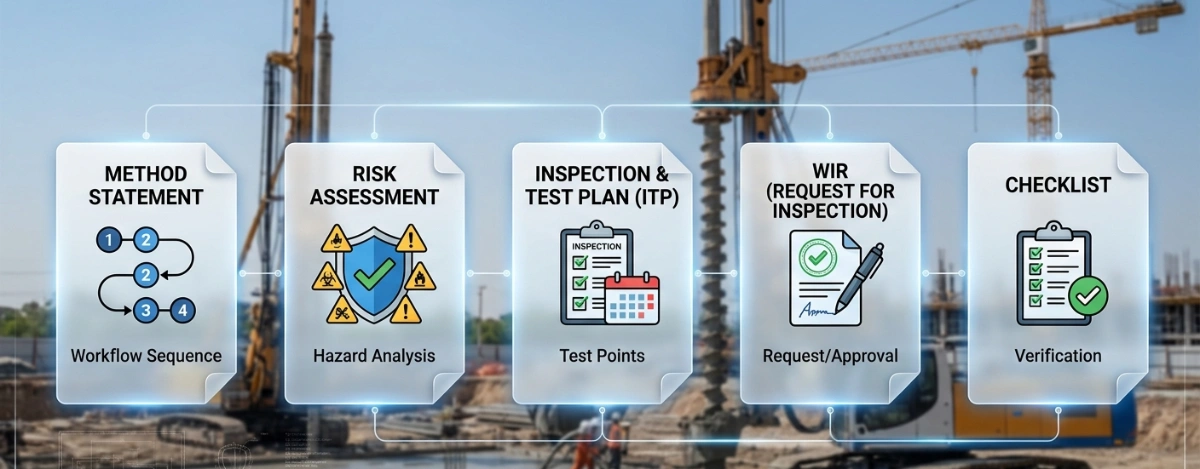
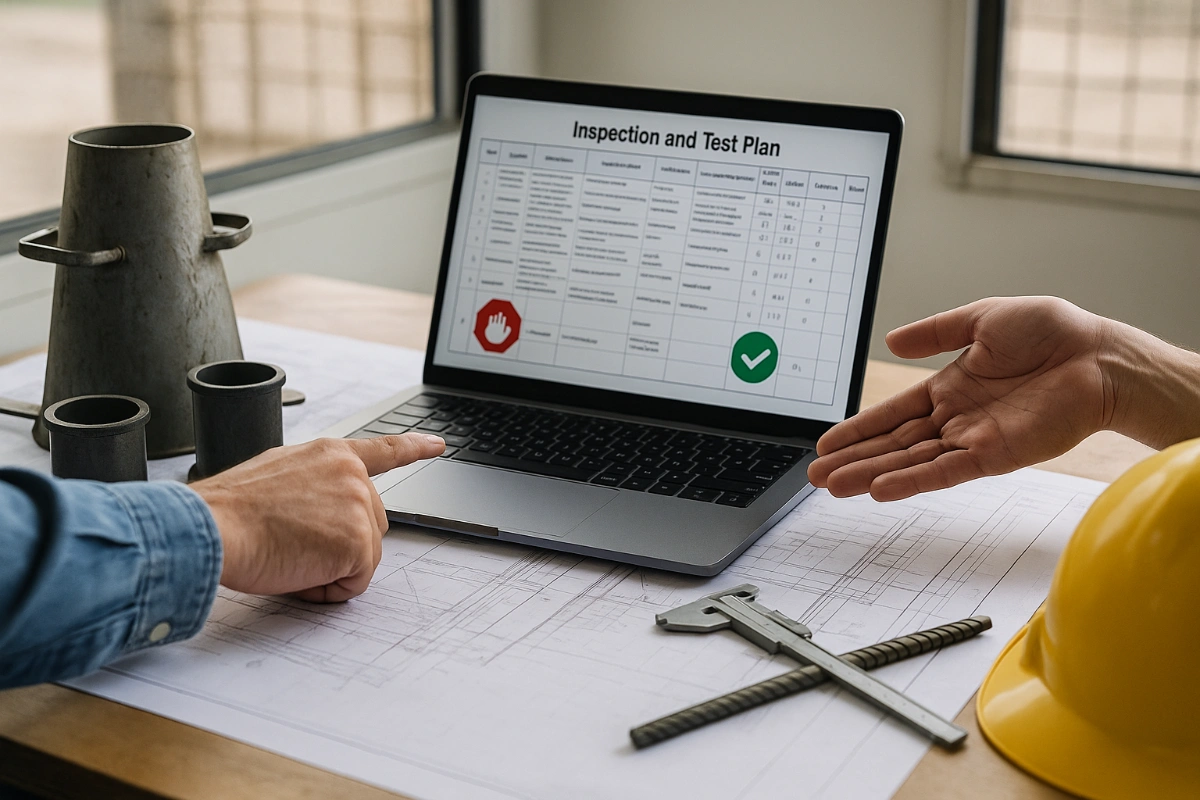
An Inspection and Test Plan (ITP) is available for Method Statement – Aluminium Composite Material (ACM) Cladding Installation with Fire-Safe Rainscreen System. The ITP defines the inspection activities, acceptance criteria, hold and witness points, responsible parties, and records required to verify the work described in this method statement.
View the Method Statement – Aluminium Composite Material (ACM) Cladding Installation with Fire-Safe Rainscreen System ITP →Frequently asked questions
Continue with related Quollnet resources connected to this method statement.