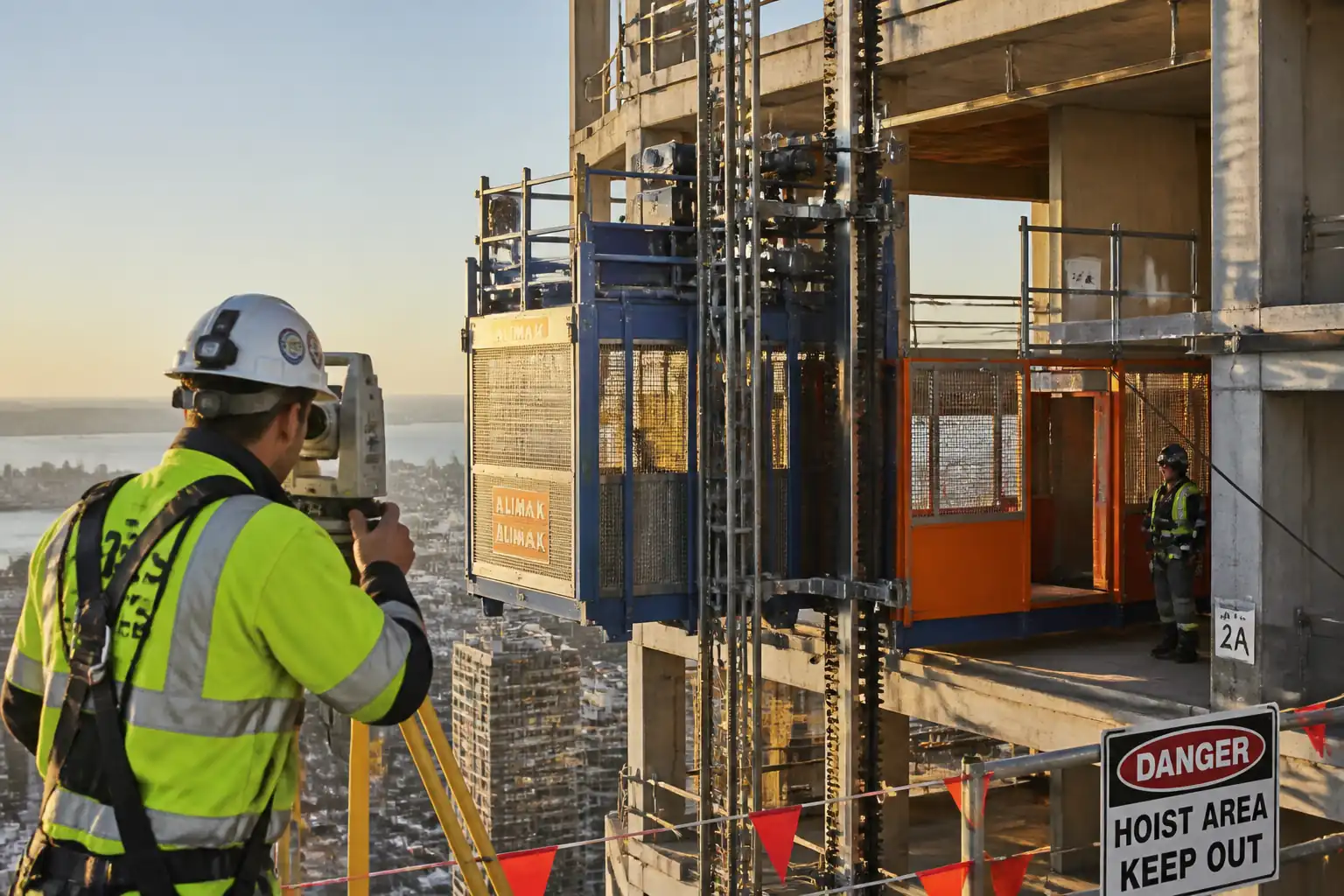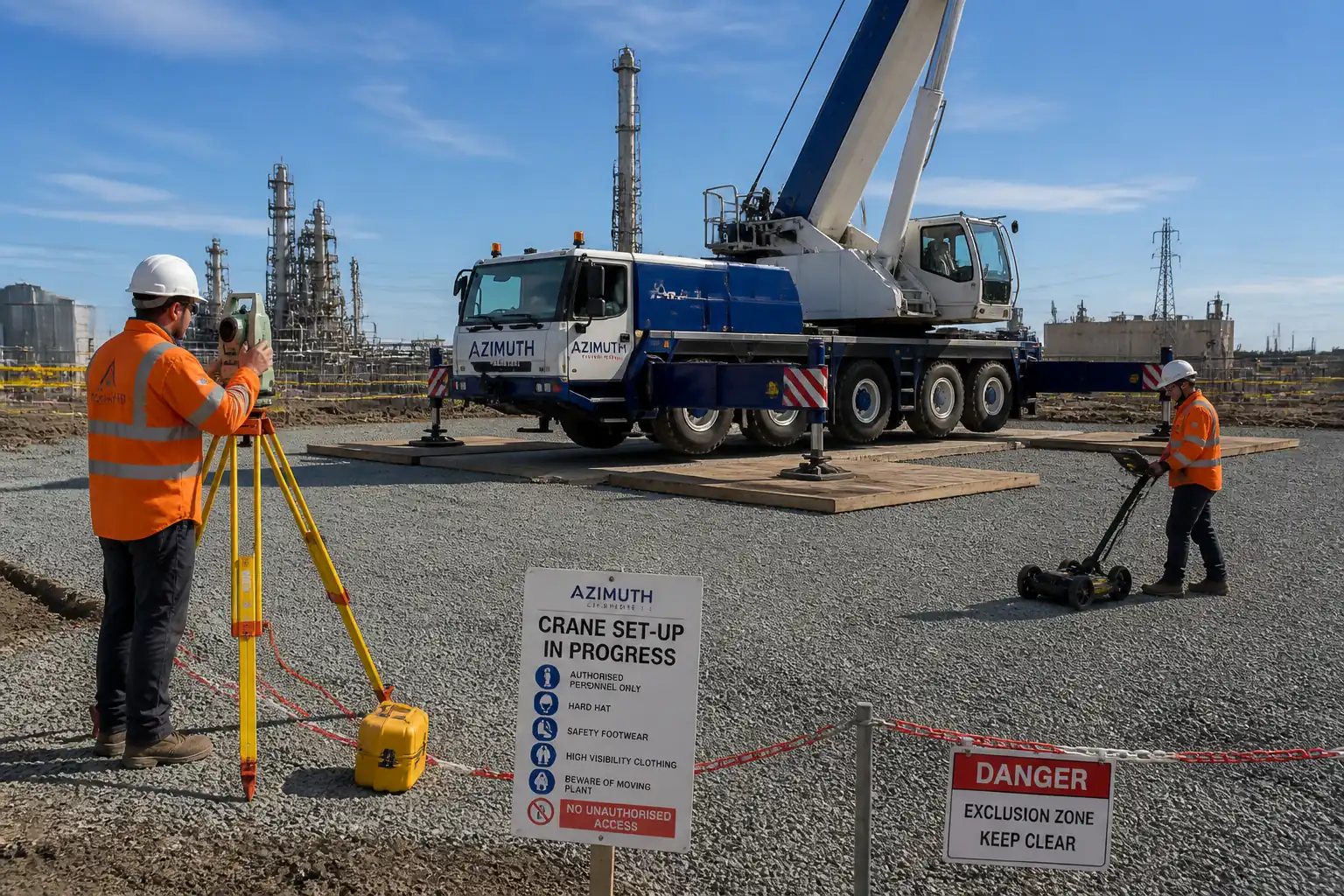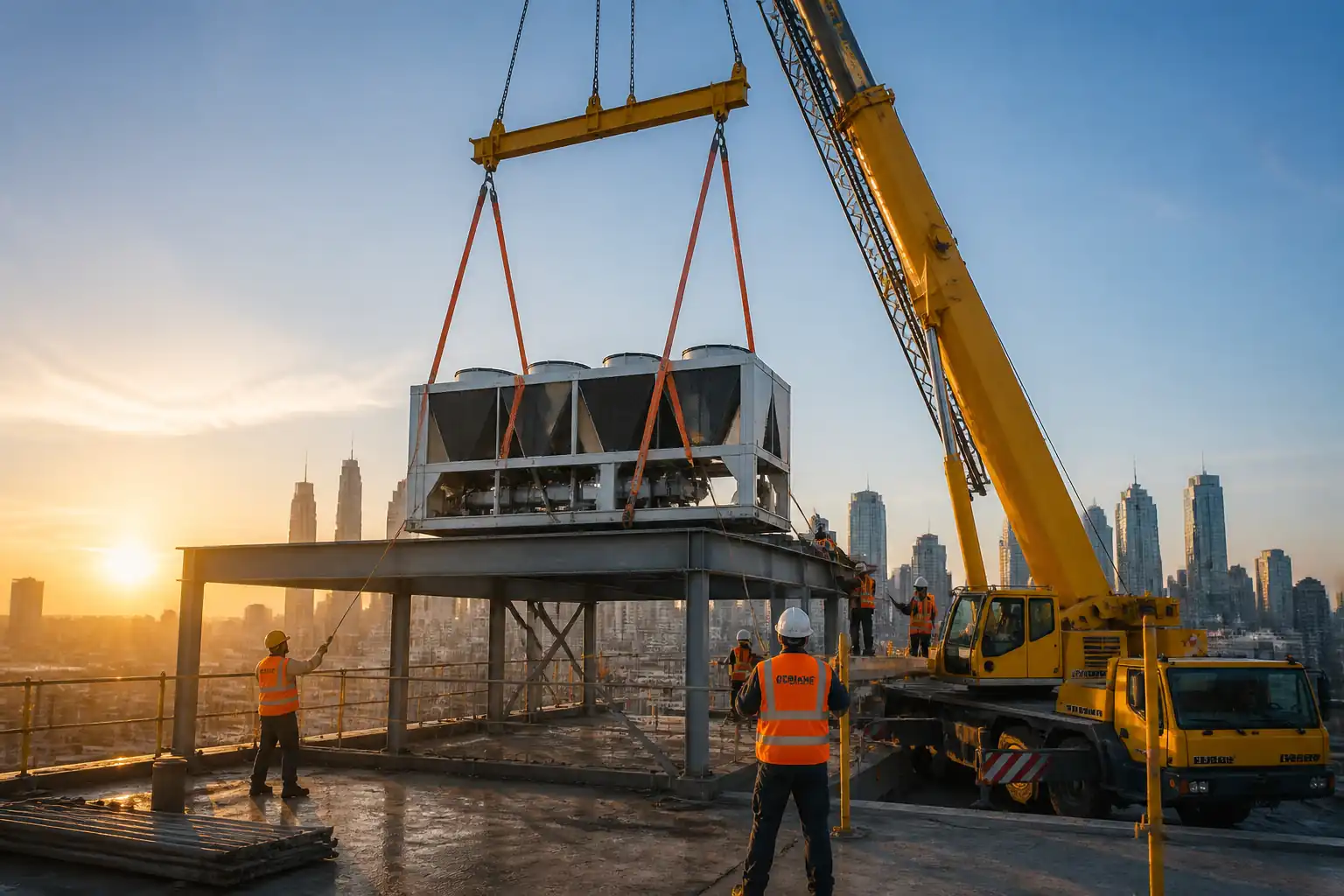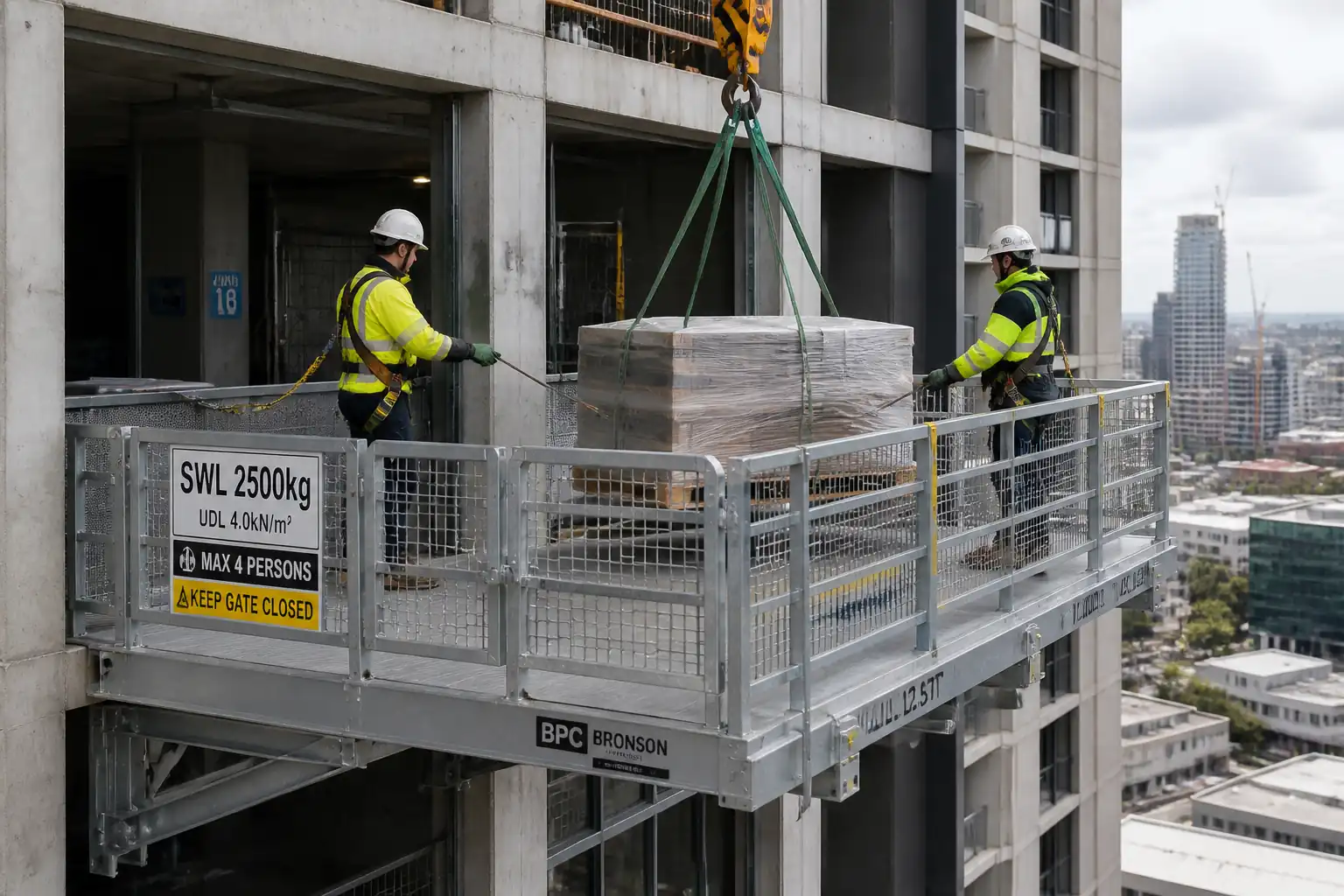

Inspection and Test Plan for Method Statement – Material Delivery Intake via Elevated Tower Crane Loading Platforms
AI-assisted inspection and test plan connected to a method statement, with PDF and Excel export.
More than a static template
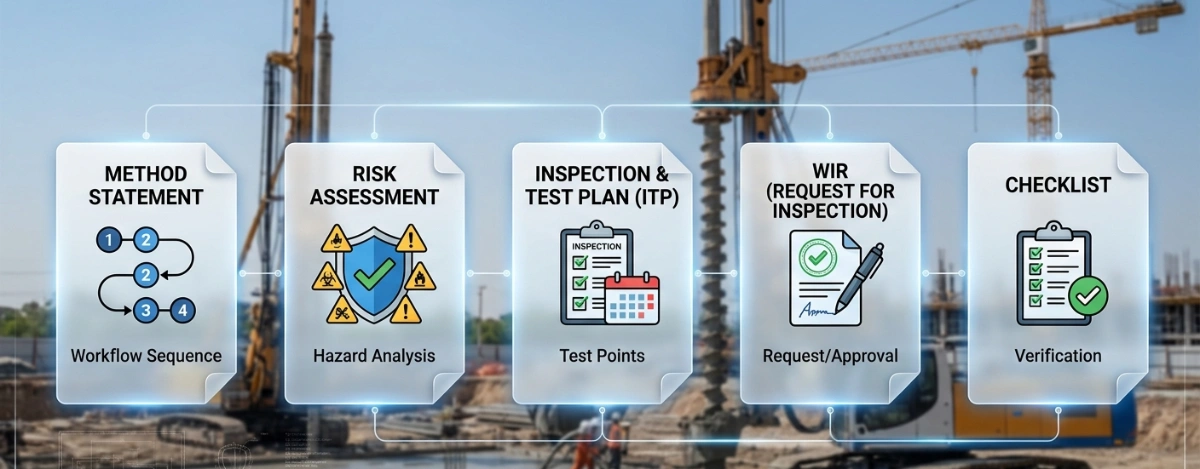
Unlike a downloadable Word or PDF template, this ITP is an AI-assisted editable starting point directly connected to its method statement. Every inspection activity, hold point, and acceptance criterion is structured and ready to adapt to your project.
- AI-assisted customization — Tailor inspection activities and acceptance criteria to your specific project scope.
- Linked method statement — This ITP is connected to the corresponding method statement describing the work sequence.
- Multiple export formats — Download as a formatted PDF or editable Excel spreadsheet.
- Editable starting point, not a final document — Review and verify all content against your project specifications and standards before use.
What you can customize
When you save this ITP to your account, every inspection row becomes editable. You can add, remove, or modify:
- Inspection activity — Description of what is being inspected.
- Inspection type — Hold point (H), Witness point (W), Review (R), or Monitor (M).
- Responsibility — Contractor, subcontractor, engineer, or client.
- Frequency — How often the inspection occurs.
- Acceptance criteria — Referenced standard or specification requirement.
- Records — Forms, test reports, or checklists required as evidence.
Why this ITP is used
To ensure all safety-critical elements and lifting operations conform to TWD, standards, and project requirements.
Who uses this inspection and test plan
TWC, QA/QC, Appointed Person, Platform Supervisor, Crane Operator, and HSE personnel.
When this ITP is prepared and submitted
Before first use, daily before lifting, during operations, and at defined periodic intervals or after abnormal events.
Who receives or approves this ITP
Client/Engineer and Principal Contractor for approval.
Inspection scope
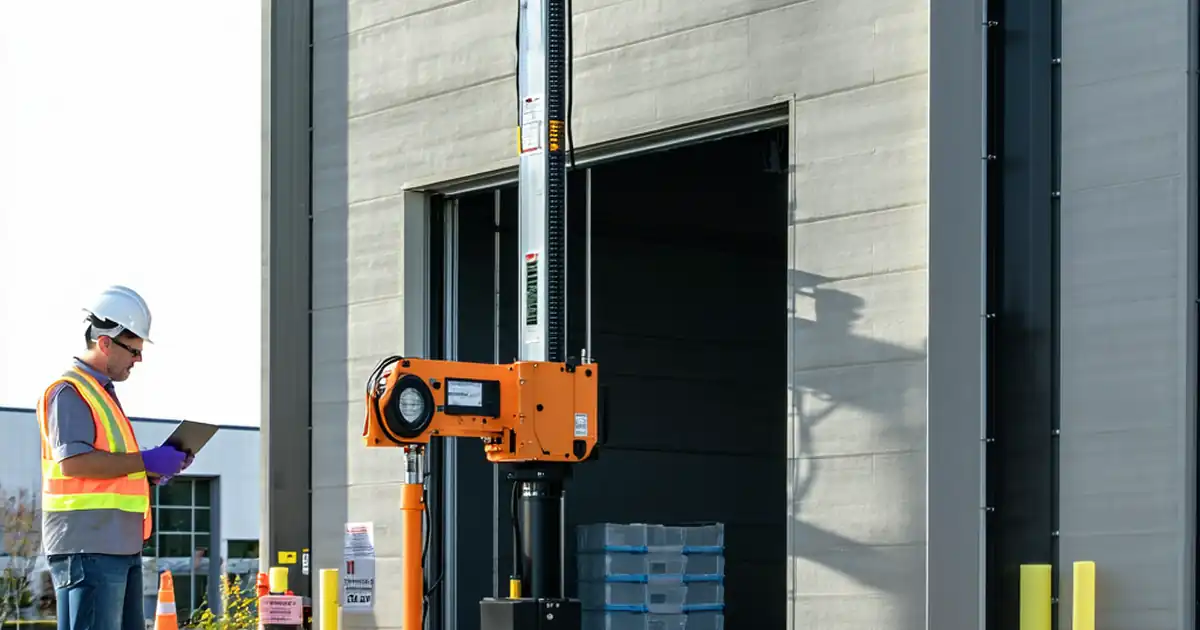
Covers TWD approvals, platform inspections, interlock function tests, anchor pull-out proof tests, outrigger level/bearing verification, signage checks, weather/comms checks, and landing verification.
Typical hold, witness, and review points
Hold: anchor proof tests; return-to-service after critical repair; first-of-type platform use. Witness: outrigger setup; signage checks; monthly interlock tests.
Typical inspection records
Permits to Lift/Load, anchor test reports, interlock test sheets, platform checklists, lift plans, weather logs, and photographic evidence.
Important approval note
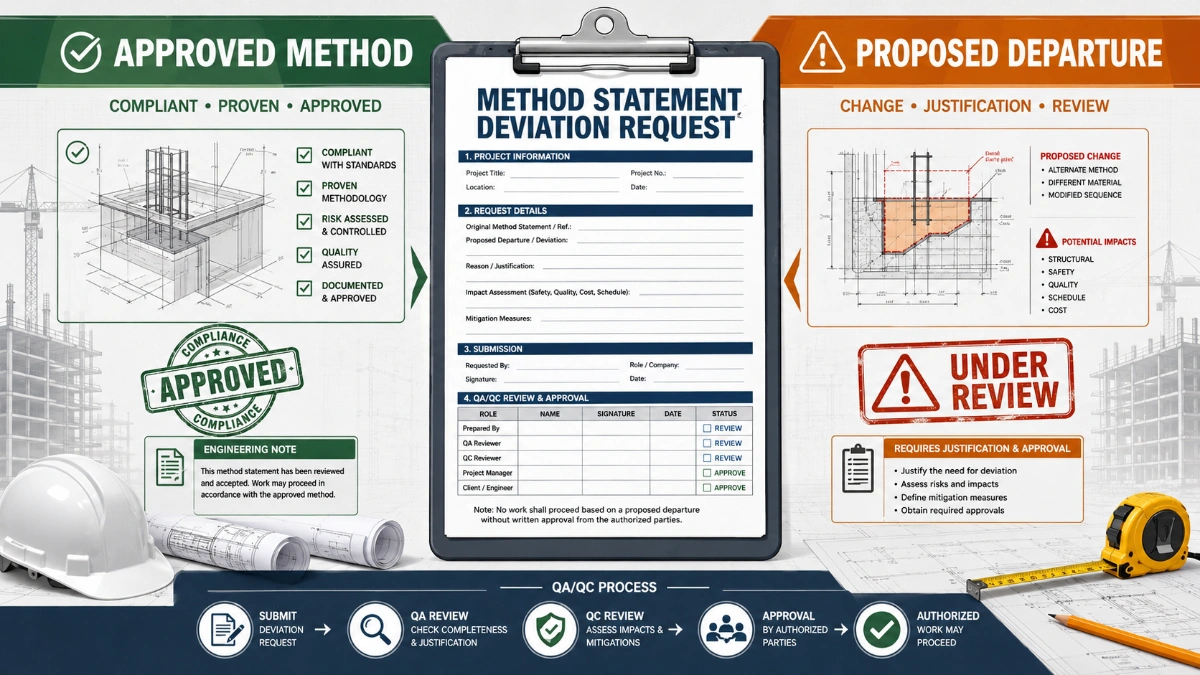
This ITP is an AI-assisted editable starting point, not a pre-approved document. Before use on any project, all inspection activities, hold points, and acceptance criteria must be reviewed and approved by the relevant parties (superintendent, principal contractor, or client representative) in accordance with your contract and project quality plan.
Always verify acceptance criteria against your applicable drawings, specifications, and regulatory requirements. Hold points must be confirmed with the relevant authority before work proceeds past that point.
Inspection and test plan
| Activity | Inspection / Test | Acceptance Criteria | Responsibility | Record |
|---|---|---|---|---|
| Temporary Works Design acceptance | Approved TWD, calculations, drawings, and method; category check per BS 5975. | TWC (H) / QA/QC | TWD approval, TWC permit-to-load file | |
| Platform pre-use inspection | No defects; guardrails, toe boards, deck sound; ID and signage present. | Platform Supervisor / QA/QC | Daily platform checklist | |
| Perimeter gate safety interlock function test | Interlock prevents unsafe opening; failsafe; 5-cycle pass; alarms/indicators operational. | Supervisor / Technician / QA Witness (W) | Interlock test sheet; maintenance log | |
| Anchor pull-out proof test | Holds proof load (1.25–1.5× service) for ≥60 s; displacement within specified limit; no failure. | QA/QC (H) with TWC/Supplier witness | Pull-test report; calibration certs | |
| Outrigger landing plate level and bearing verification (if used) | Level within ≤1°; differential ≤5–10 mm; bearing pressure ≤ allowable with FoS ≥1.5. | AP/Operator/HSE (W) | Outrigger checklist; calc sheet; photos | |
| Load signage verification | Values and wording match TWD; position and legibility acceptable. | QA/QC / TWC (W) | Signage inspection record | |
| Pre-lift radio/communication check | Clear comms on dedicated channel; backup signals agreed. | Slinger/Signaller / Operator | Daily pre-use checklist | |
| Wind limit confirmation before lifting | Gusts below limit set in Lift Plan/manufacturer data [Verify]. | Operator / Supervisor | Weather log | |
| Landing and de-rigging inspection | Load within deck zone; bearers in place; hands-off observed; gate re-secured and interlock status safe. | Platform Supervisor / Slinger/Signaller | Platform log entry | |
| Weekly platform inspection | No deterioration; fasteners intact; signage legible; interlocks functioning. | Platform Supervisor / QA/QC | Weekly checklist; photos |
This table is a read-only public reference. Download the PDF or Excel version, or customize this ITP to edit it for your project.
Frequently asked questions
Related method statement
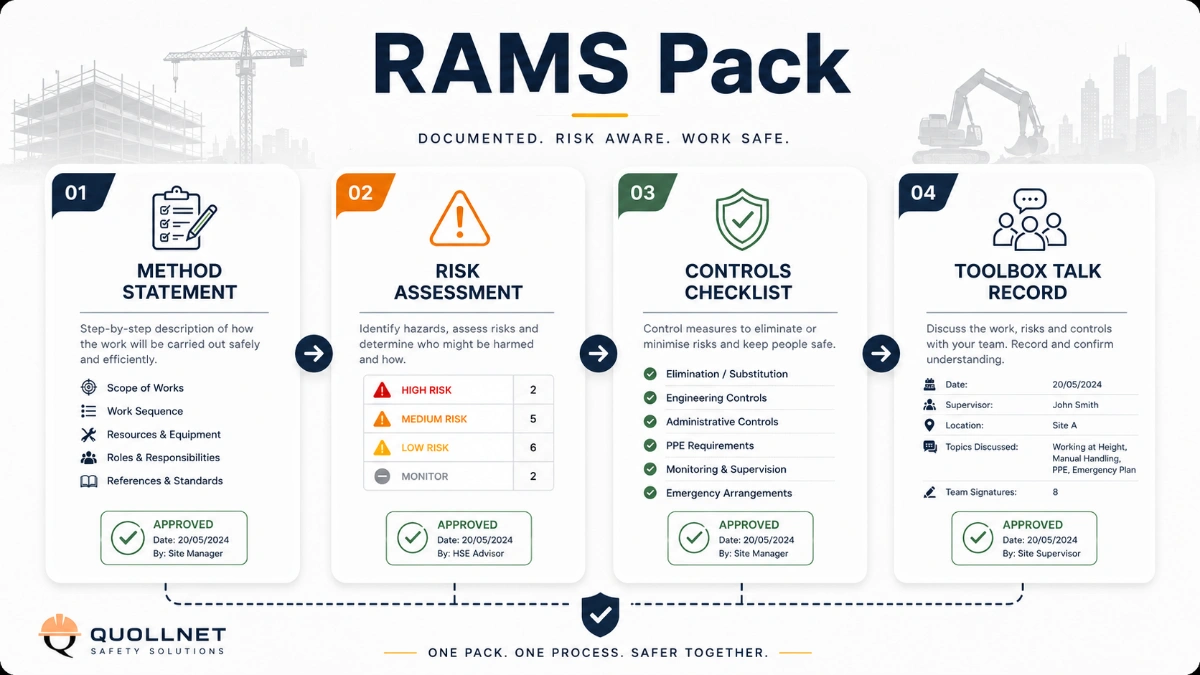
This Inspection and Test Plan is associated with the Method Statement – Material Delivery Intake via Elevated Tower Crane Loading Platforms method statement, which describes the step-by-step construction sequence, resources, materials, equipment, safety controls, and environmental controls for this activity.
View the Method Statement – Material Delivery Intake via Elevated Tower Crane Loading Platforms method statement →Continue with related inspection, method statement, article, and checklist resources.