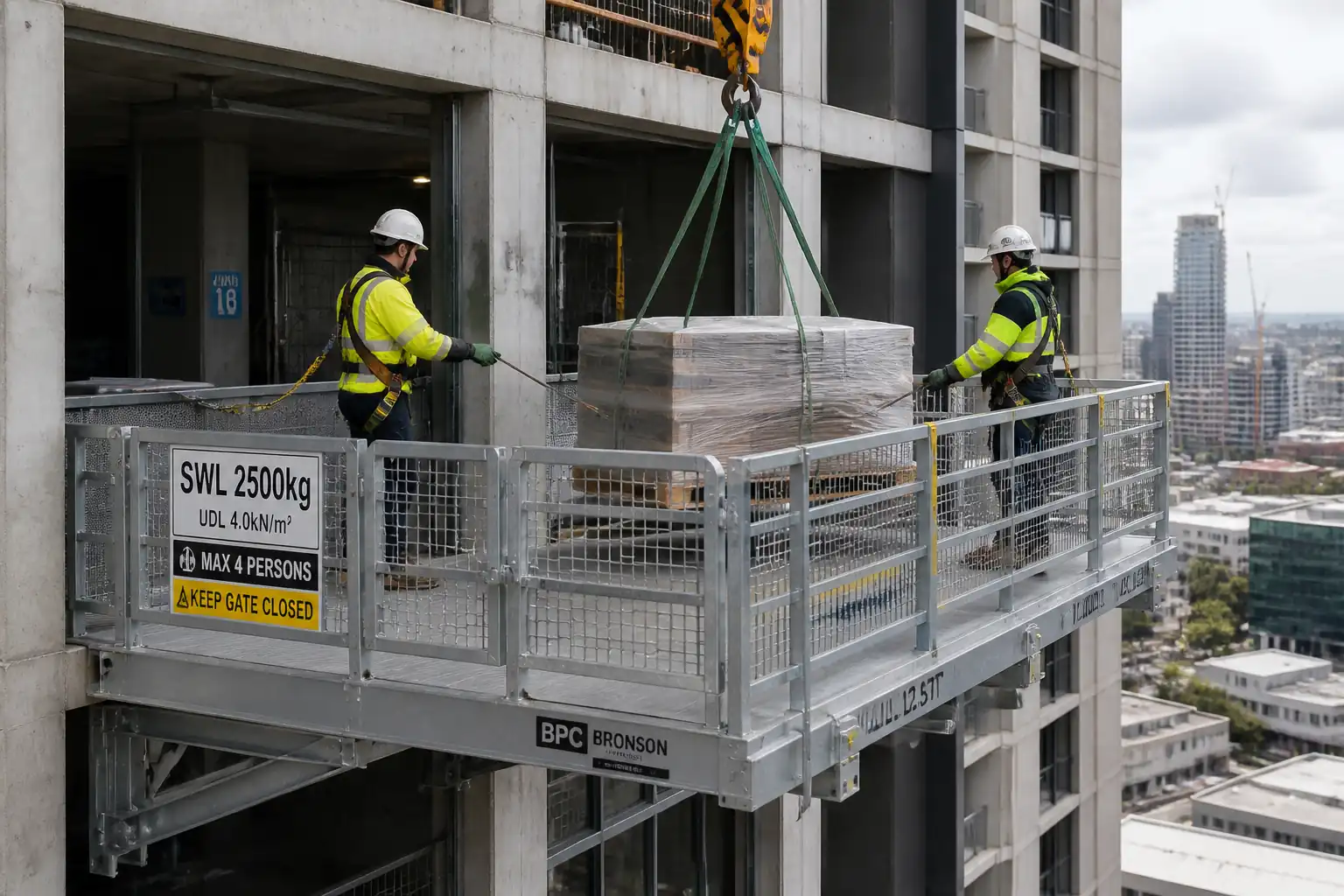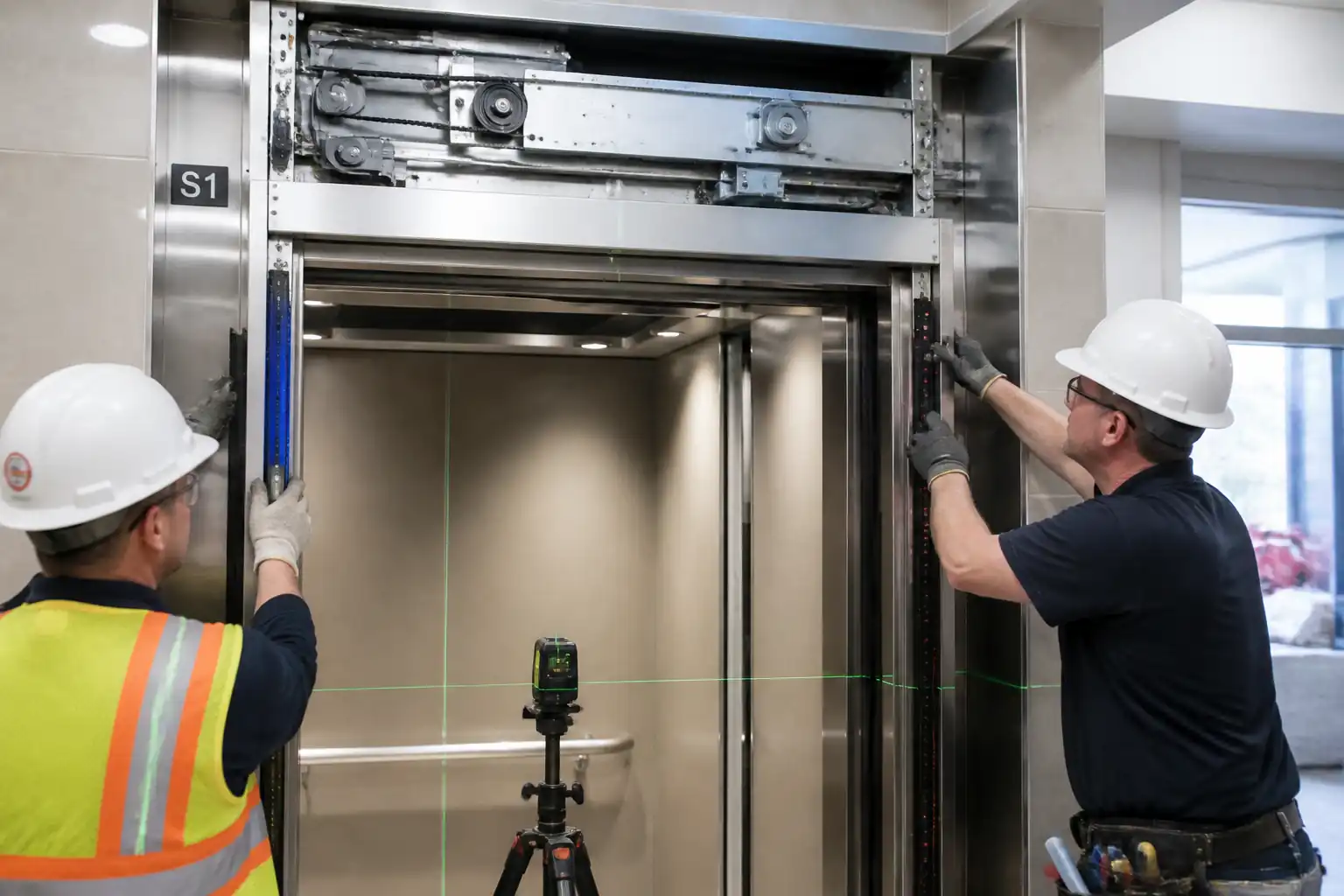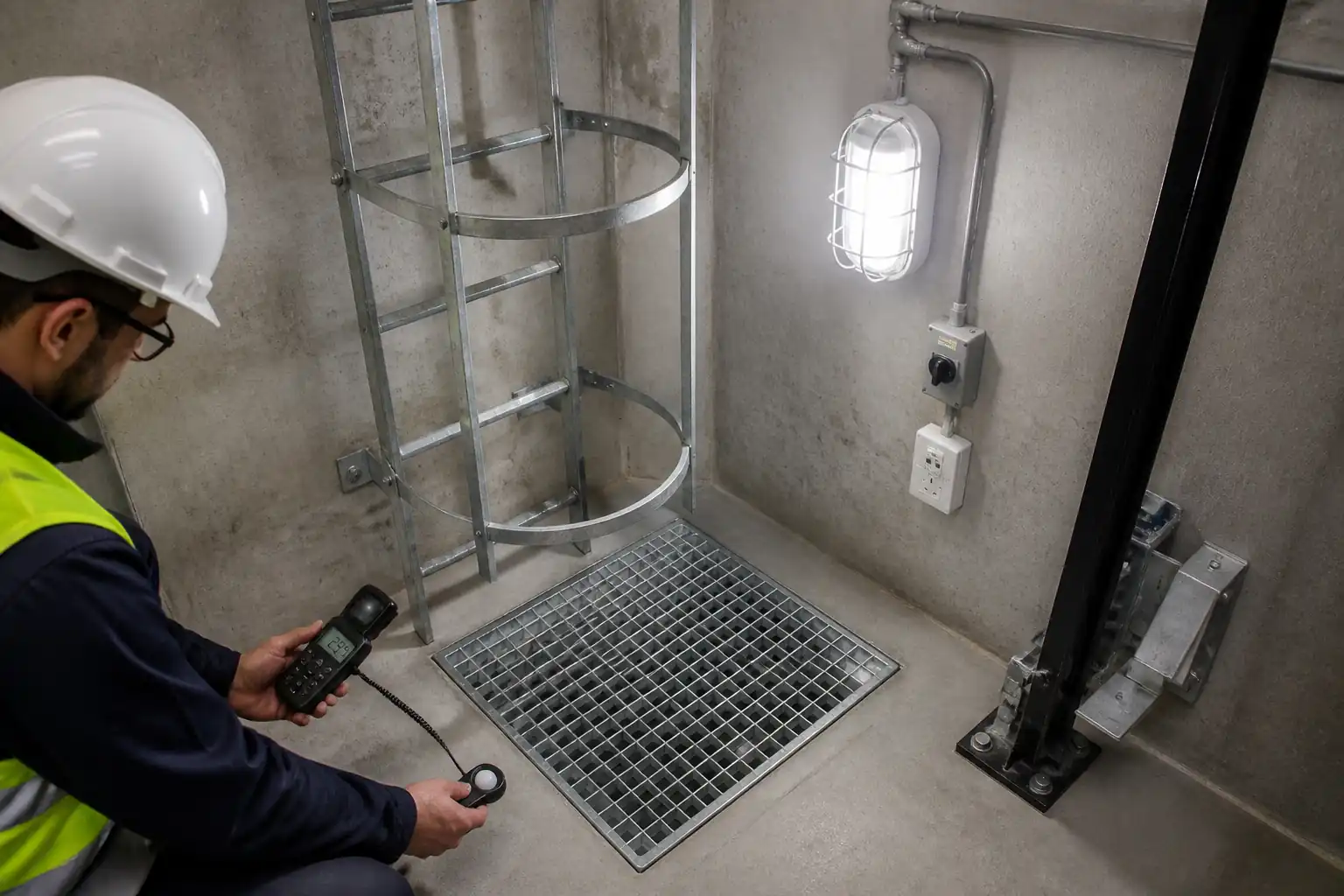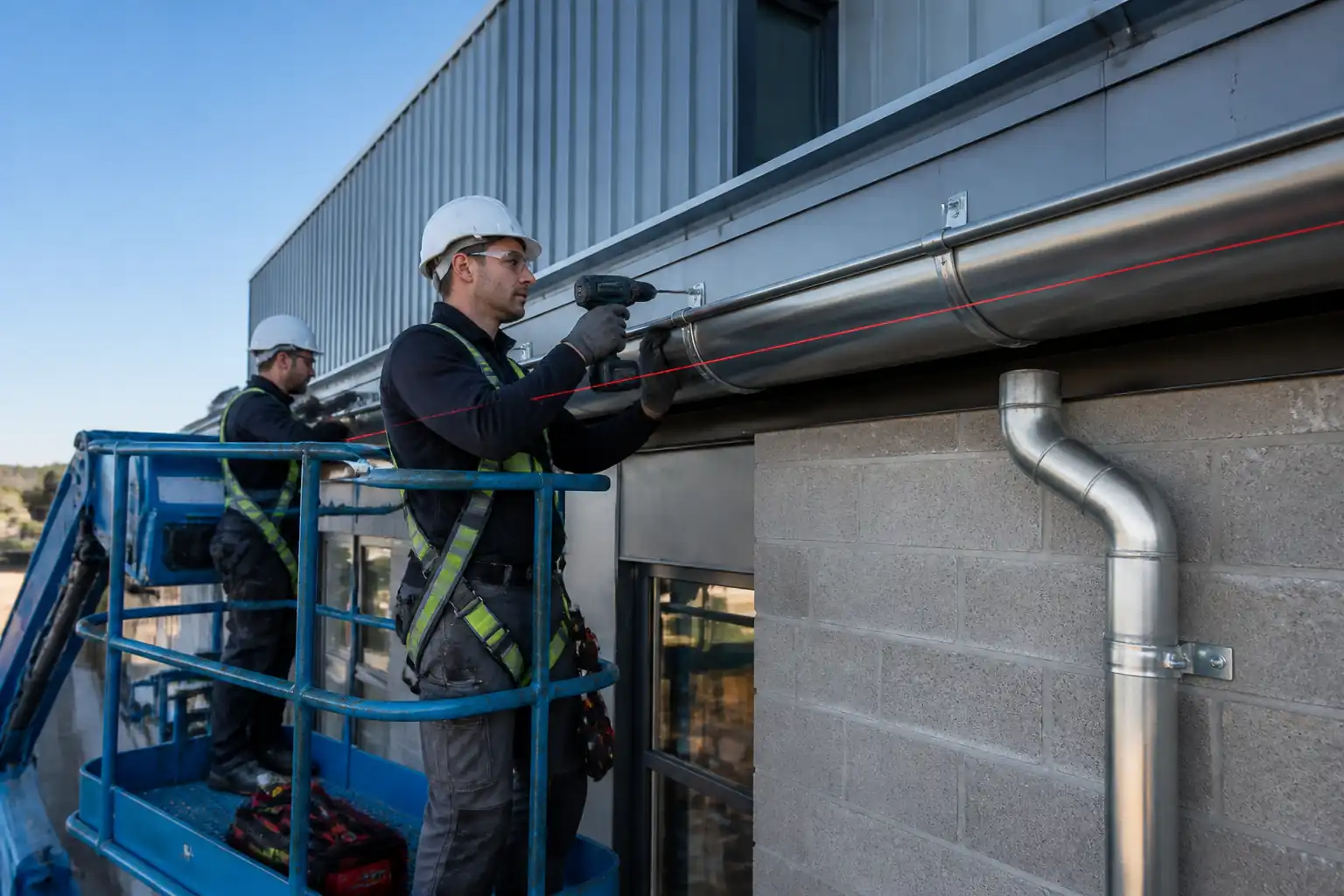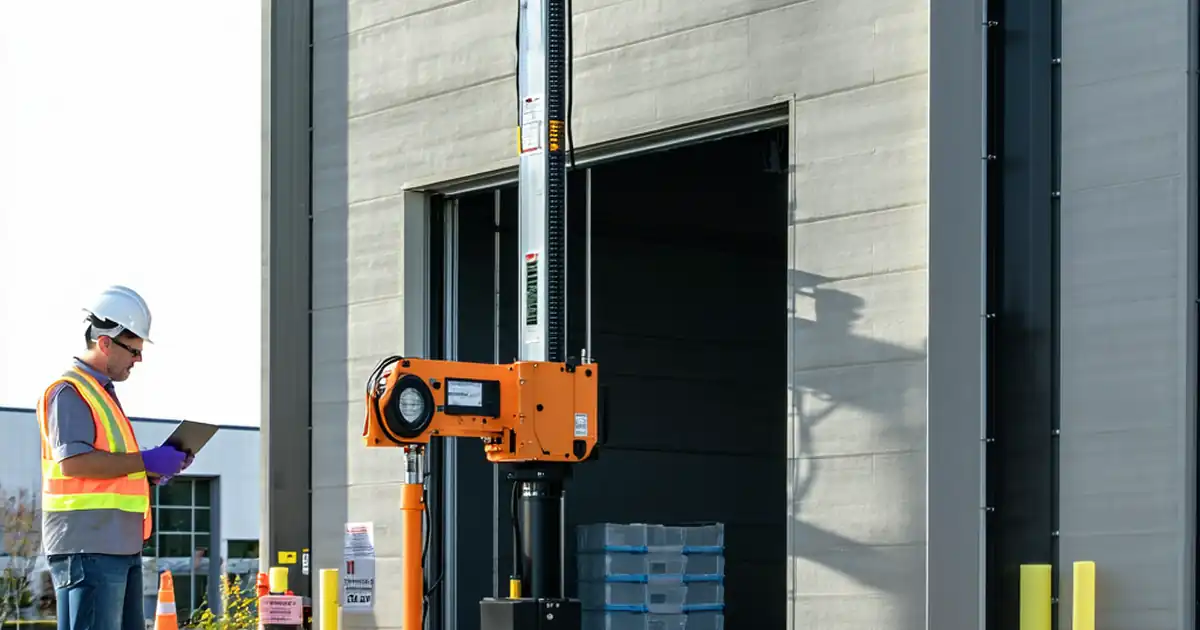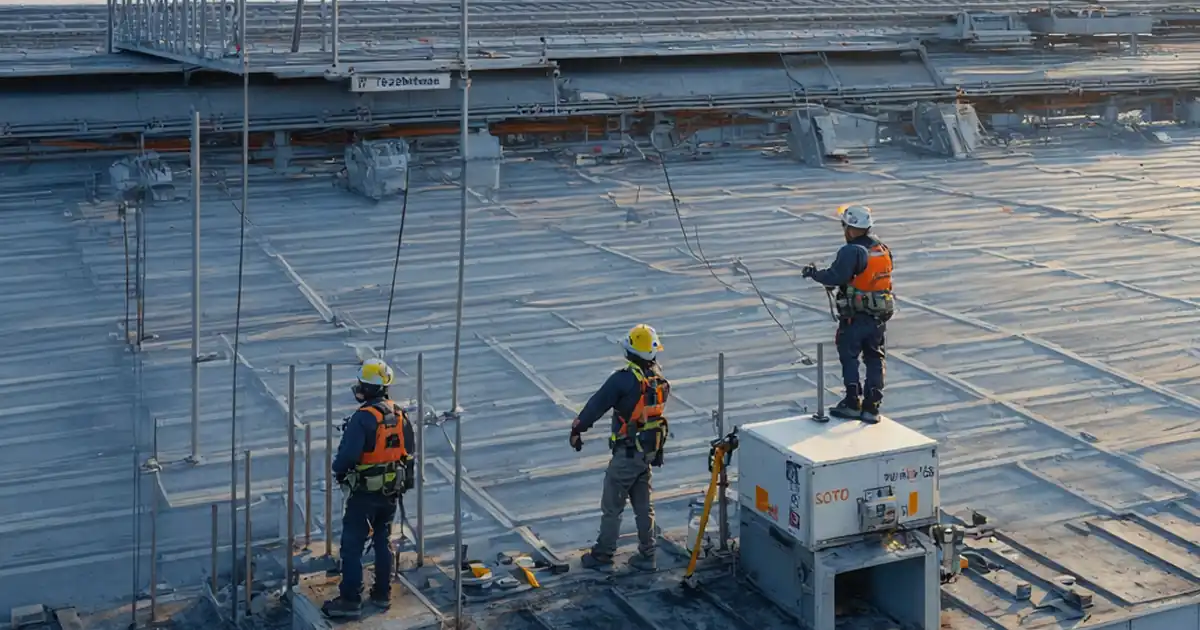

Inspection and Test Plan for Method Statement: External Rack-and-Pinion Material Hoist Installation, Building Anchor Testing, Mast Verticality, Overspeed Safety Brake Drop Test, and Gate Interlock Checks
AI-assisted inspection and test plan connected to a method statement, with PDF and Excel export.
More than a static template
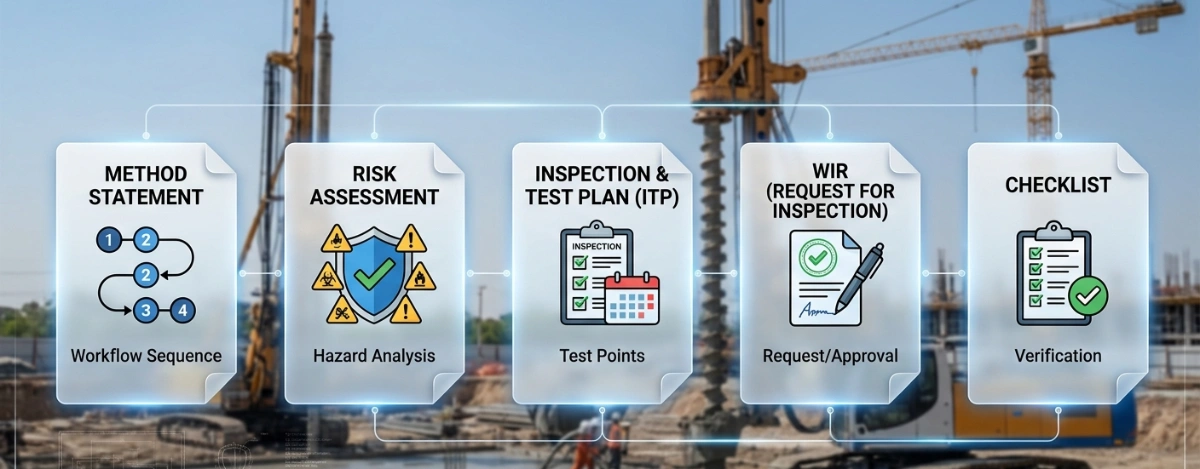
Unlike a downloadable Word or PDF template, this ITP is an AI-assisted editable starting point directly connected to its method statement. Every inspection activity, hold point, and acceptance criterion is structured and ready to adapt to your project.
- AI-assisted customization — Tailor inspection activities and acceptance criteria to your specific project scope.
- Linked method statement — This ITP is connected to the corresponding method statement describing the work sequence.
- Multiple export formats — Download as a formatted PDF or editable Excel spreadsheet.
- Editable starting point, not a final document — Review and verify all content against your project specifications and standards before use.
What you can customize
When you save this ITP to your account, every inspection row becomes editable. You can add, remove, or modify:
- Inspection activity — Description of what is being inspected.
- Inspection type — Hold point (H), Witness point (W), Review (R), or Monitor (M).
- Responsibility — Contractor, subcontractor, engineer, or client.
- Frequency — How often the inspection occurs.
- Acceptance criteria — Referenced standard or specification requirement.
- Records — Forms, test reports, or checklists required as evidence.
Why this ITP is used
To control quality and safety-critical checks for hoist erection and commissioning with documented hold/witness points.
Who uses this inspection and test plan
Site Engineers, QA/QC, Electricians, OEM erectors, Third-Party Examiners, and the Client/Engineer.
When this ITP is prepared and submitted
From base installation through final certification before the hoist enters service.
Who receives or approves this ITP
Client/Engineer and Third-Party Competent Examiner for review and witnessing.
Inspection scope
Foundation readiness, base installation, anchors, ties, mast verticality, electrical tests, interlocks, functional and safety tests.
Typical hold, witness, and review points
Base anchor proof test (Hold), Tie anchor proof test (Hold), Mast verticality (Witness), Overspeed drop test (Hold), Final examination (Hold).
Typical inspection records
Anchor install and pull-test reports, torque logs, survey reports, electrical test sheets, interlock checklists, load/drop test certificates, calibration certs.
Important approval note
This ITP is an AI-assisted editable starting point, not a pre-approved document. Before use on any project, all inspection activities, hold points, and acceptance criteria must be reviewed and approved by the relevant parties (superintendent, principal contractor, or client representative) in accordance with your contract and project quality plan.
Always verify acceptance criteria against your applicable drawings, specifications, and regulatory requirements. Hold points must be confirmed with the relevant authority before work proceeds past that point.
Inspection and test plan
| Activity | Inspection / Test | Acceptance Criteria | Responsibility | Record |
|---|---|---|---|---|
| Base foundation readiness | Level measurement; review cube tests | Level/flatness within tolerance; f'c meets design [Verify] | Site Engineer / QA/QC | Pre-pour/ready-for-install report |
| Base frame installation and level | Level readings at four corners | ≤ 1 mm/m; overall ≤ 3 mm | Site Engineer / QA/QC | Survey log |
| Base anchors installation | Gauge depth; visual cleanliness | Per BS 8539/EN 1992-4 and OEM | QA/QC / Fitters | Anchor install sheet |
| Base anchor torque / proof load | Applied torque; tension load and displacement | Torque achieved; proof-load 1.25–1.5 × service load; displacement within limits [Verify] | QA/QC | Torque & pull test report |
| Mast section bolting | Torque verification sample 100% | OEM torque; correct bolt grade | Fitters / QA/QC | Bolt torque log |
| Tie frame and tie anchor installation | Measure and verify | Per design and OEM tie spacing [Verify] | Site Engineer / QA/QC | Tie install record |
| Tie anchor proof-load and torque | Hydraulic pull test and torque check | Proof-load passed with displacement limits; torque achieved | QA/QC / Third-Party (if specified) | Pull test certificate |
| Mast verticality checks | Offset readings at base and top | ≤ 1:1000 height; step at tie ≤ 3 mm; overall ≤ 25 mm [Verify] | Surveyor / QA/QC | Verticality report |
| Electrical IR/continuity and earthing | Continuity, IR, phase rotation | IR ≥ 1 MΩ at test V; correct polarity/rotation; earth continuity < 0.1 Ω [Verify] | Electrician / QA/QC | Electrical test sheet |
| Landing gate interlock functional test | Attempt start with gate open; open during travel; reset logic | Movement inhibited if any gate not made; opening stops car; reset required | Electrician / QA/QC | Interlock checklist |
| No-load and rated-load run test | Travel smoothness; speed with tachometer | Speed within ±5%; smooth stops; no alarms | Commissioning Engineer / QA/QC | Load test report |
| Overspeed safety brake drop test | Trigger overspeed; measure stopping distance and deceleration | Trip within OEM/EN limits; safe stop; no damage | Commissioning Engineer / Third-Party | Drop test certificate/data |
| Final torque re-check and post-test inspection | Spot re-torque; visual | No loosening/damage; torque maintained | Fitters / QA/QC | Final inspection sheet |
| Third-party thorough examination and handover | Per local regulation and OEM | Certificate of Thorough Examination issued | Independent Examiner / QA/QC | Certificate; Handover pack |
This table is a read-only public reference. Download the PDF or Excel version, or customize this ITP to edit it for your project.
Frequently asked questions
Related method statement
This Inspection and Test Plan is associated with the Method Statement: External Rack-and-Pinion Material Hoist Installation, Building Anchor Testing, Mast Verticality, Overspeed Safety Brake Drop Test, and Gate Interlock Checks method statement, which describes the step-by-step construction sequence, resources, materials, equipment, safety controls, and environmental controls for this activity.
View the Method Statement: External Rack-and-Pinion Material Hoist Installation, Building Anchor Testing, Mast Verticality, Overspeed Safety Brake Drop Test, and Gate Interlock Checks method statement →Continue with related inspection, method statement, article, and checklist resources.