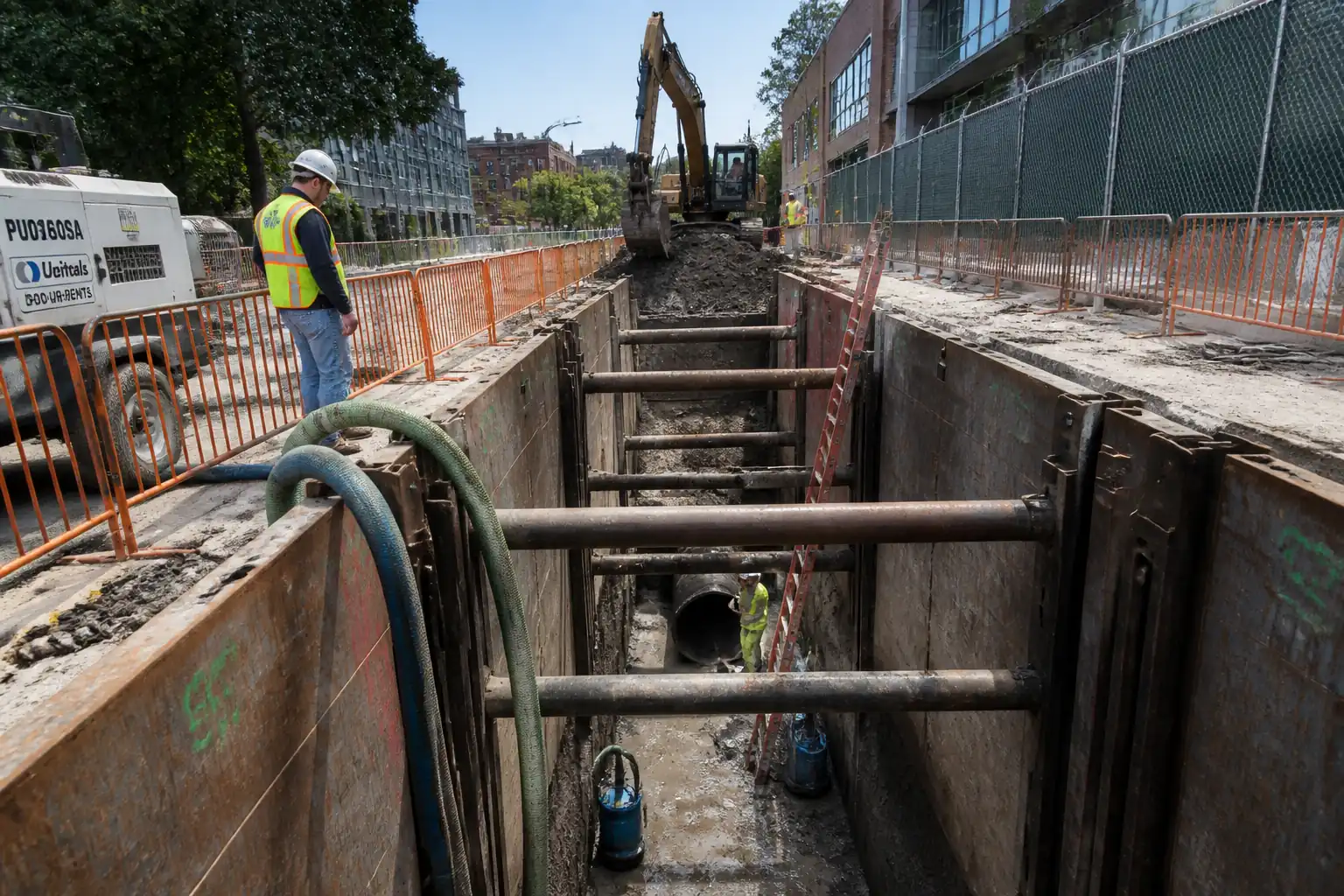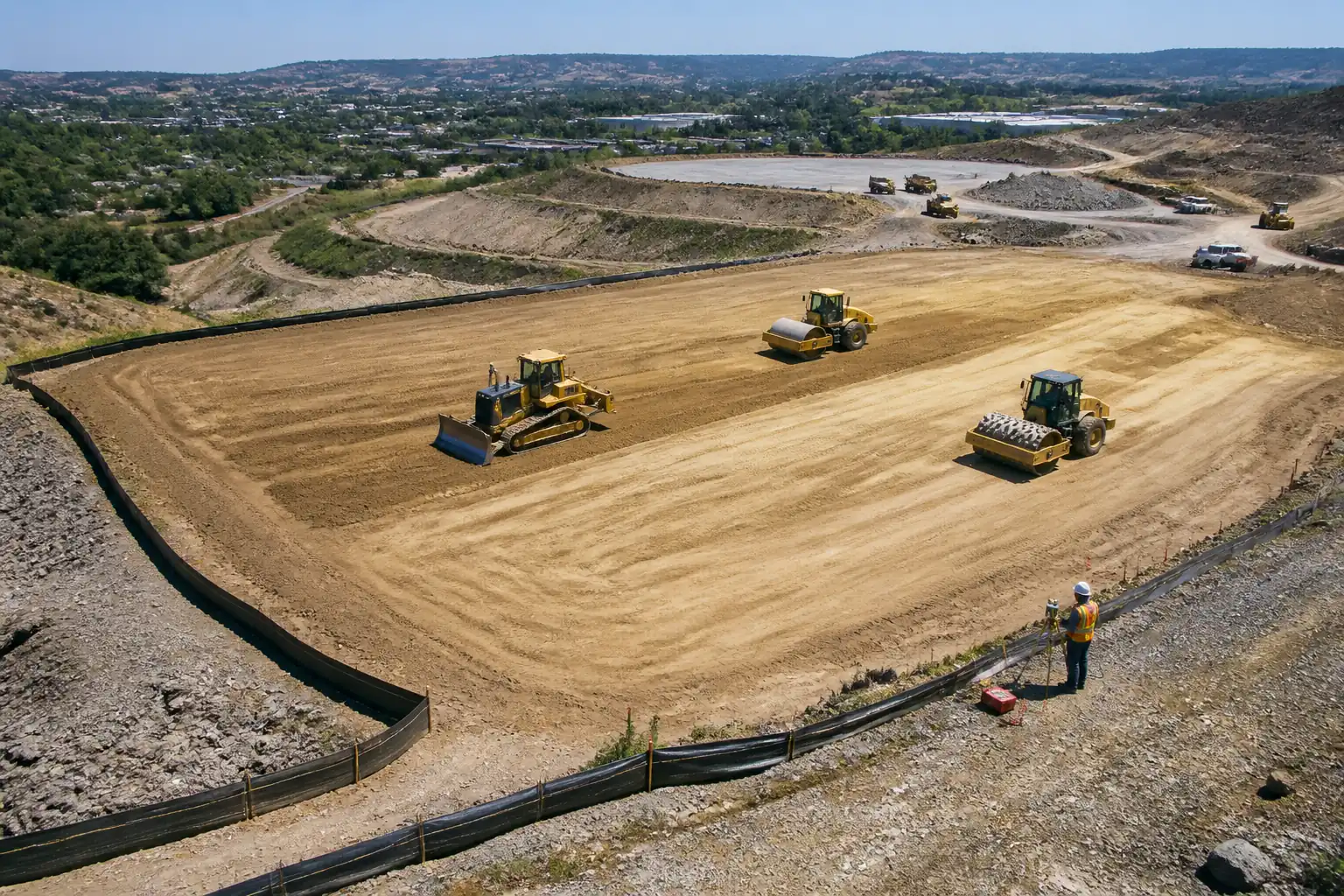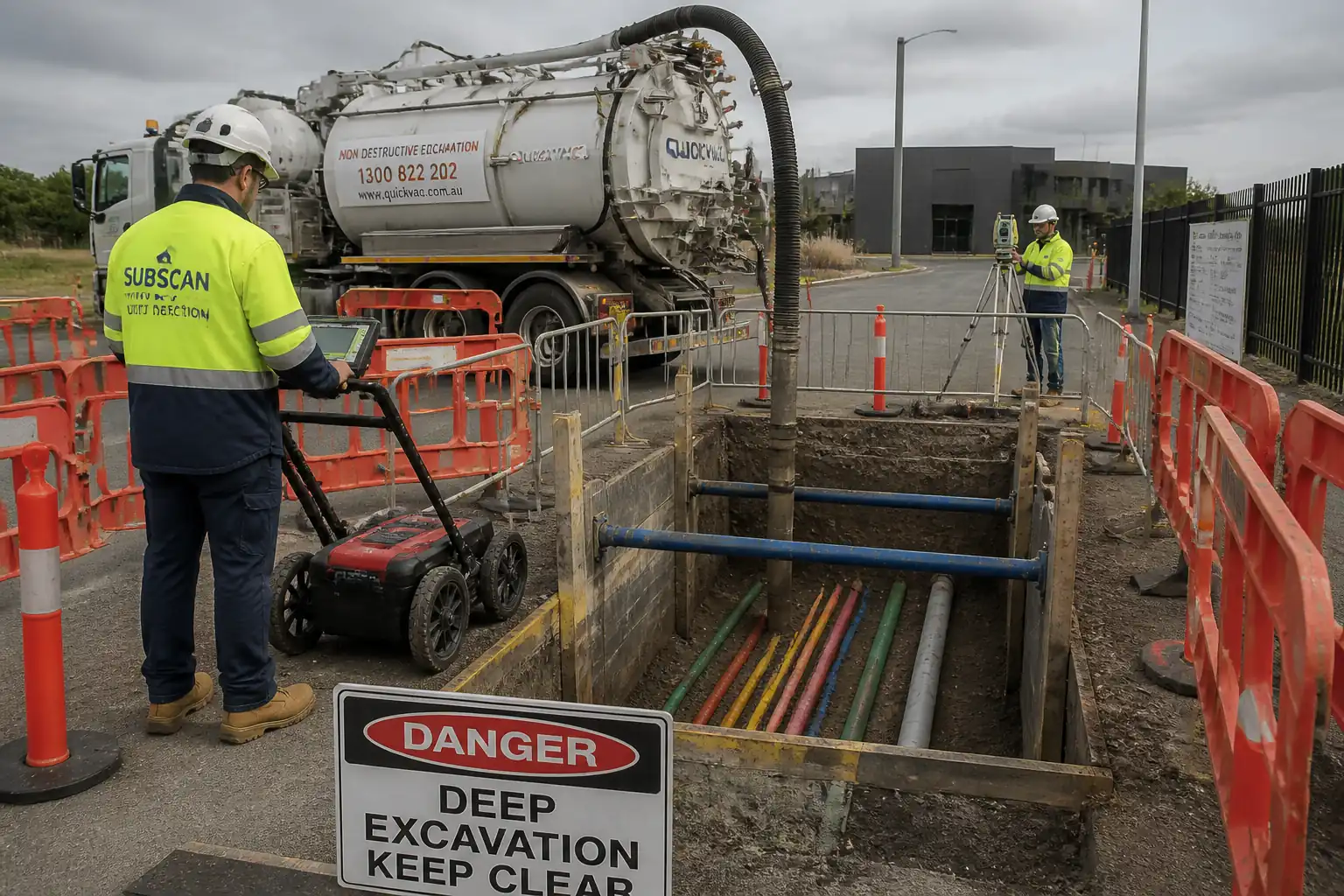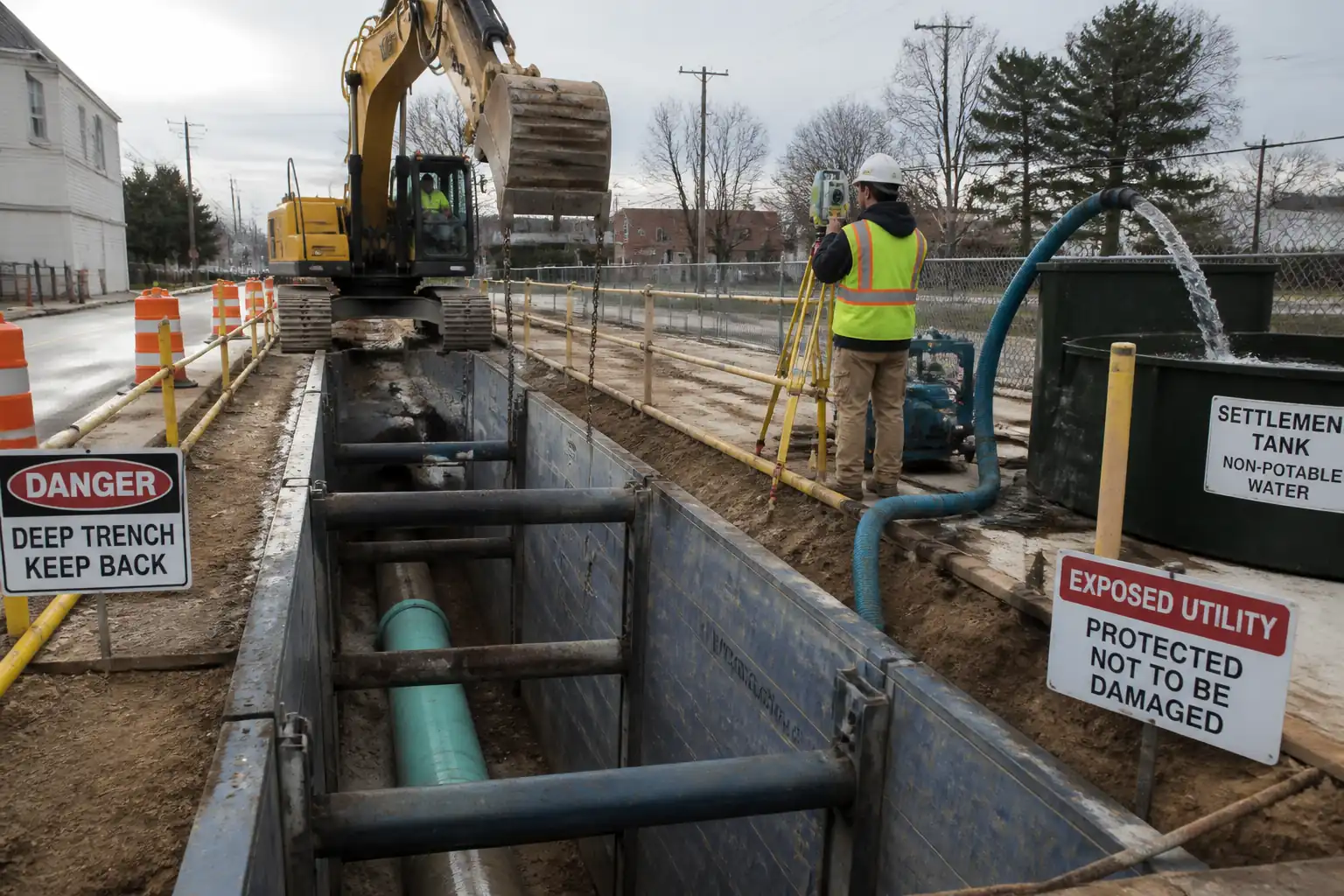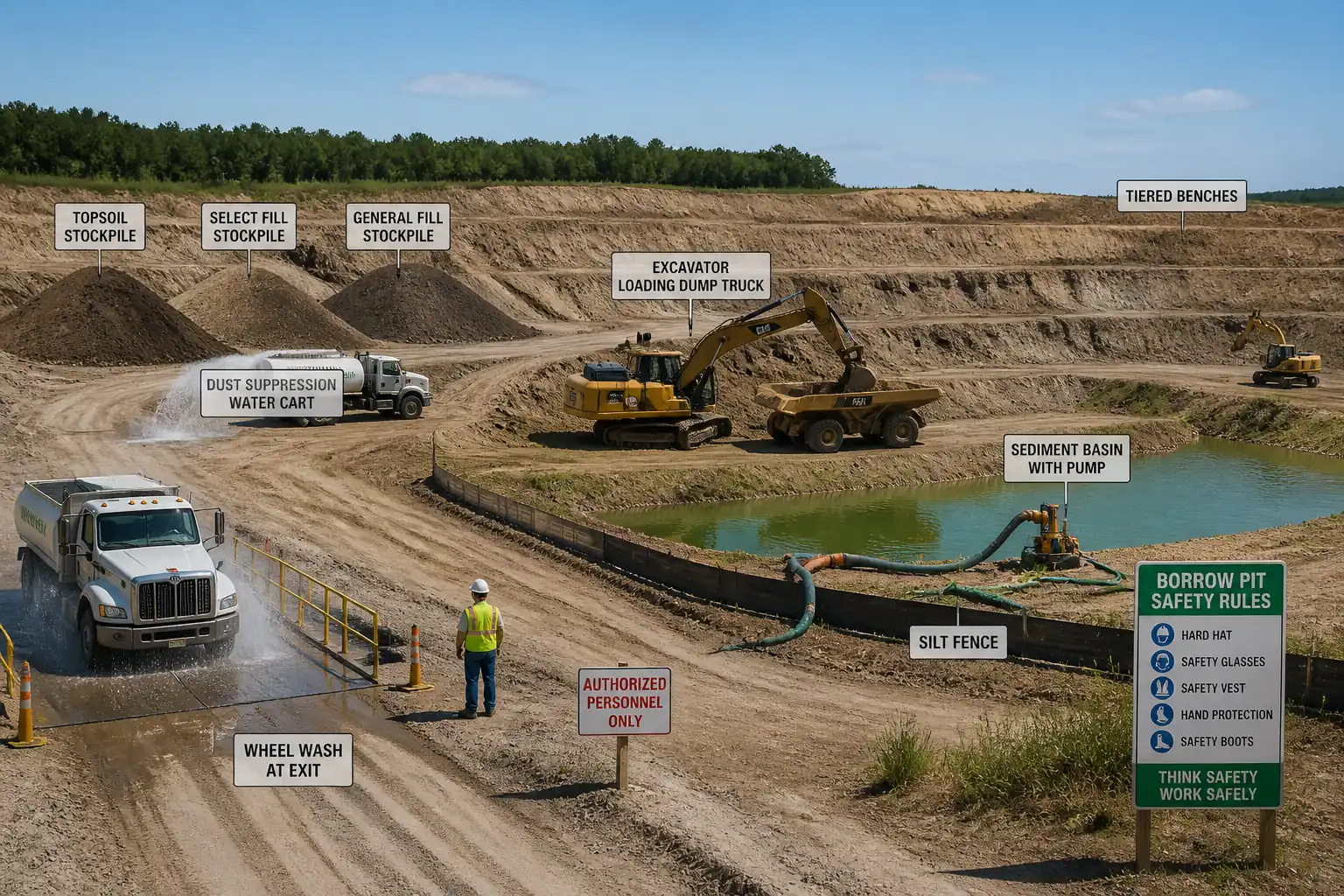

Inspection and Test Plan for Method Statement: Borrow Pit Development, Material Winning, Overburden Stripping, Source QA/QC, Groundwater Management, Stockpiling, and Progressive Rehabilitation
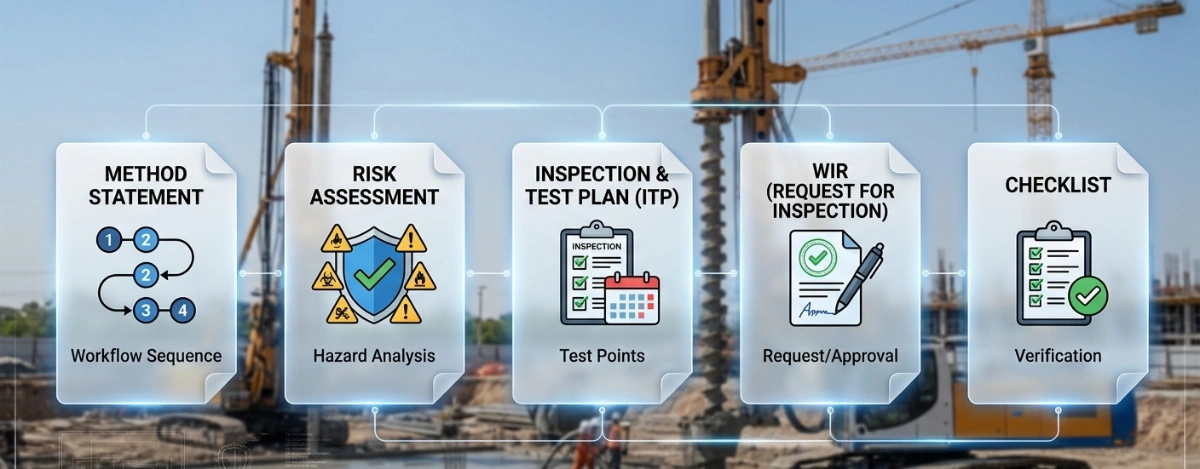
AI-assisted inspection and test plan connected to a method statement, with PDF and Excel export.
More than a static template
Unlike a downloadable Word or PDF template, this ITP is an AI-assisted editable starting point directly connected to its method statement. Every inspection activity, hold point, and acceptance criterion is structured and ready to adapt to your project.
- AI-assisted customization — Tailor inspection activities and acceptance criteria to your specific project scope.
- Linked method statement — This ITP is connected to the corresponding method statement describing the work sequence.
- Multiple export formats — Download as a formatted PDF or editable Excel spreadsheet.
- Editable starting point, not a final document — Review and verify all content against your project specifications and standards before use.
What you can customize
When you save this ITP to your account, every inspection row becomes editable. You can add, remove, or modify:
- Inspection activity — Description of what is being inspected.
- Inspection type — Hold point (H), Witness point (W), Review (R), or Monitor (M).
- Responsibility — Contractor, subcontractor, engineer, or client.
- Frequency — How often the inspection occurs.
- Acceptance criteria — Referenced standard or specification requirement.
- Records — Forms, test reports, or checklists required as evidence.
Why this ITP is used
To assure that borrow pit materials and processes meet contractual, safety, and environmental requirements before dispatch to the project.
Who uses this inspection and test plan
Contractor’s QA/QC team, Geotechnical Engineer, Site Supervisors, Laboratory, and the Engineer/Employer’s Representative.
When this ITP is prepared and submitted
From pre-start approvals through excavation, testing, dispatch, and rehabilitation until final close-out.
Who receives or approves this ITP
Engineer/Employer’s Representative for review and approval.
Inspection scope
Approvals, set-out, erosion controls, topsoil/overburden, classification, stockpiles, lab tests, dewatering discharge, load-out, rehabilitation, and close-out survey.
Typical hold, witness, and review points
Hold: Permits/ESCP install, Source lot approval, Final close-out. Witness: Trial pits/classification, Dewatering discharge setup, Rehabilitation works.
Typical inspection records
Permits, inspection checklists, lab reports, lot approvals, delivery tickets, weighbridge logs, water quality data, photos, as-built surveys, NCR/CAR records.
Important approval note
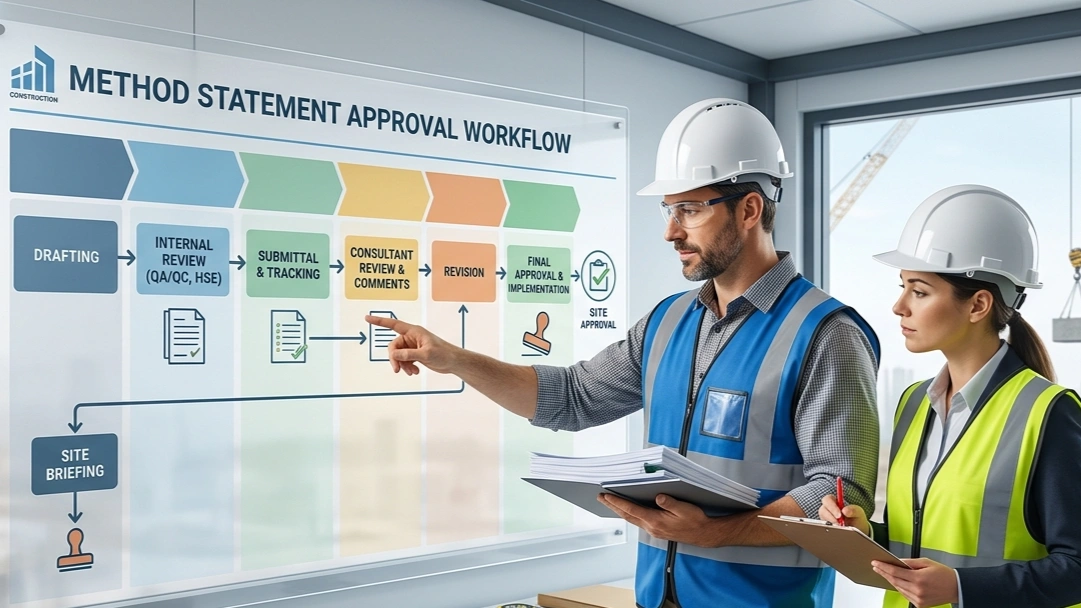
This ITP is an AI-assisted editable starting point, not a pre-approved document. Before use on any project, all inspection activities, hold points, and acceptance criteria must be reviewed and approved by the relevant parties (superintendent, principal contractor, or client representative) in accordance with your contract and project quality plan.
Always verify acceptance criteria against your applicable drawings, specifications, and regulatory requirements. Hold points must be confirmed with the relevant authority before work proceeds past that point.
Inspection and test plan
| Activity | Inspection / Test | Acceptance Criteria | Responsibility | Record |
|---|---|---|---|---|
| Pre-start permits and approvals | Review of licenses, EMP, WMP, TMP | All approvals current; conditions integrated into method statements. | PM / HSE Manager | Approval register; copies of permits |
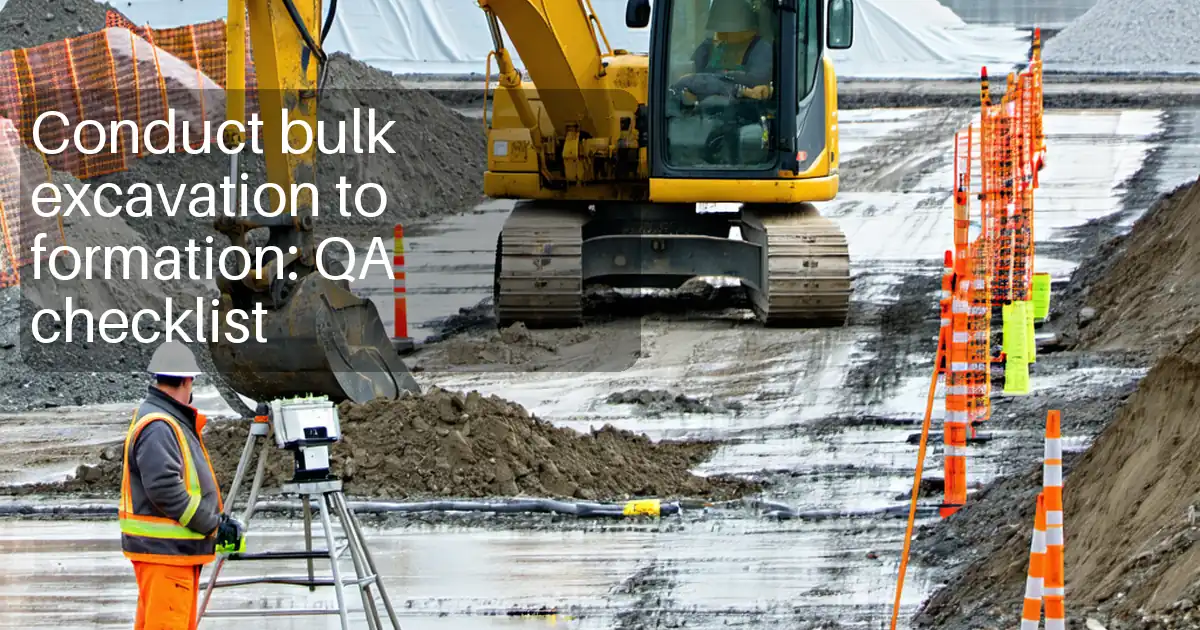
| Survey set-out and demarcation | Check coordinate compliance vs design | Limits within ±0.1 m of design; buffers staked/fenced. | Survey Manager | As-built survey; inspection report |
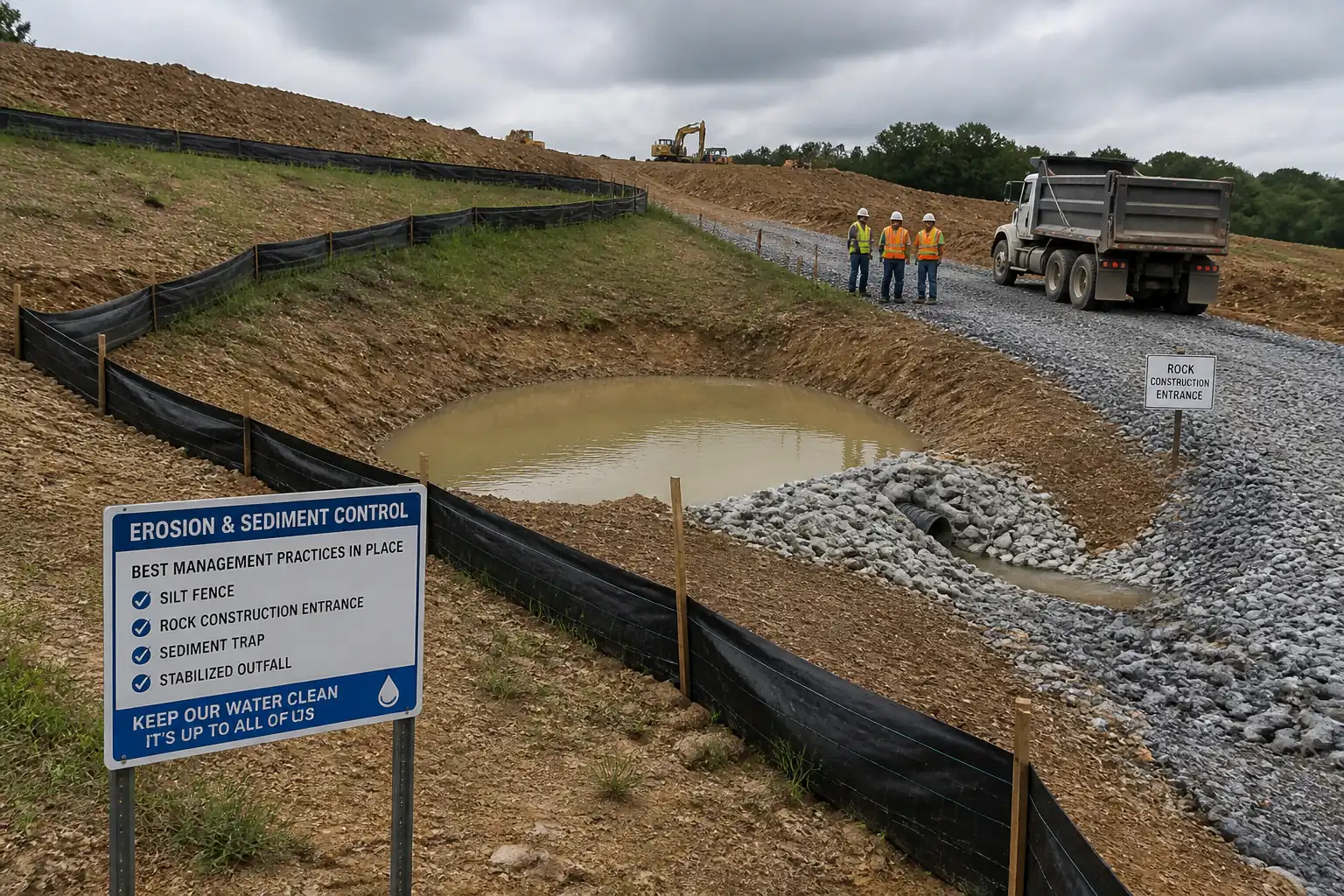
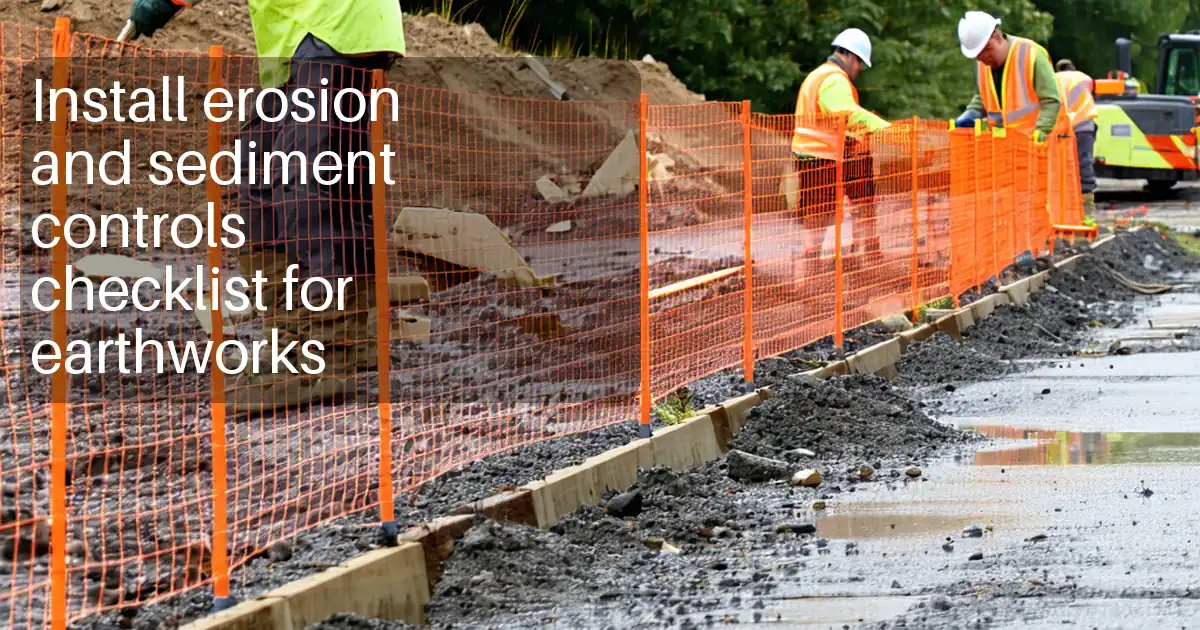
| Erosion/sediment controls installation | ESCP inspection (visual and capacity) | Controls per plan; no bypass; basin capacity ≥ design [Verify]. | Environmental Officer / Supervisor | ESCP checklist; photos |
| Topsoil stripping | Thickness verification; contamination check | 150–300 mm typical; contamination <1% by vol. [Verify]. | Supervisor / QA/QC | Daily report; photos; survey |
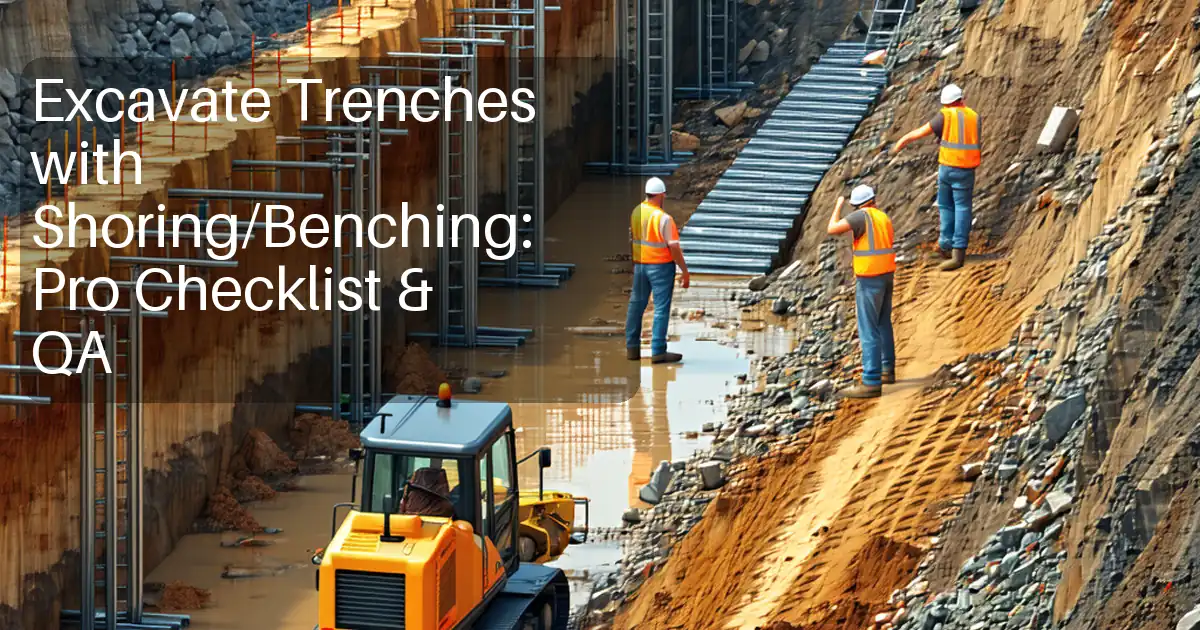
| Overburden removal and face control | Batter/bench geometry checks | Benches every 3–5 m; batter ≤1V:2H soils [Verify]; no instability. | Supervisor / Geotechnical | Inspection forms; photos |
| Trial pits and classification | USCS/AASHTO, LL/PL, grading | Classifications documented; unsuitable horizons flagged. | Geotechnical Engineer | Logs; test summaries; COC |
| Stockpile construction and identification | Pile geometry; signage; drainage | Height ≤3–5 m; slopes ≤1V:2H; unique lot IDs; drainage functional. | Supervisor / QA/QC | Stockpile register; photos |
| Laboratory testing of lots | Gradation, LL/PL/PI, MDD/OMC, CBR; organics/sulfate if required | Meets project spec values [Verify]: e.g., PI, CBR, fines, deleterious. | Lab Manager / QA/QC | Lab reports; lot approval certificate |
| Groundwater/dewatering management | Water quality tests (TSS/pH), discharge flow | Within permit limits; no erosion at outfall. | Environmental Officer | Water quality log; discharge permit log |
| Load-out and dispatch | Documentation check; random moisture/visual checks | Truck loads traceable to approved lot; legal axle loads; tarped. | Weighbridge Operator / QA/QC | Delivery tickets; weighbridge records; QC spot-check forms |
| Progressive rehabilitation | Topsoil thickness; erosion checks; vegetation establishment | Topsoil 150–200 mm; slopes stable; vegetation strike as specified [Verify]. | Environmental Officer / Supervisor | Rehab checklists; seed receipts; photos |
| Final survey and close-out | As-built survey; volume reconciliation | All conditions satisfied; regulator sign-off (if required). | Survey / PM | As-built plans; close-out dossier |
This table is a read-only public reference. Download the PDF or Excel version, or customize this ITP to edit it for your project.
Frequently asked questions
Related method statement
This Inspection and Test Plan is associated with the Method Statement: Borrow Pit Development, Material Winning, Overburden Stripping, Source QA/QC, Groundwater Management, Stockpiling, and Progressive Rehabilitation method statement, which describes the step-by-step construction sequence, resources, materials, equipment, safety controls, and environmental controls for this activity.
View the Method Statement: Borrow Pit Development, Material Winning, Overburden Stripping, Source QA/QC, Groundwater Management, Stockpiling, and Progressive Rehabilitation method statement →Continue with related inspection, method statement, article, and checklist resources.