
Inspection and Test Plan for Method Statement: Installation of Rigid PIR Insulation Boards in Masonry Cavity Walls (Partial-Fill)
AI-assisted inspection and test plan connected to a method statement, with PDF and Excel export.
More than a static template
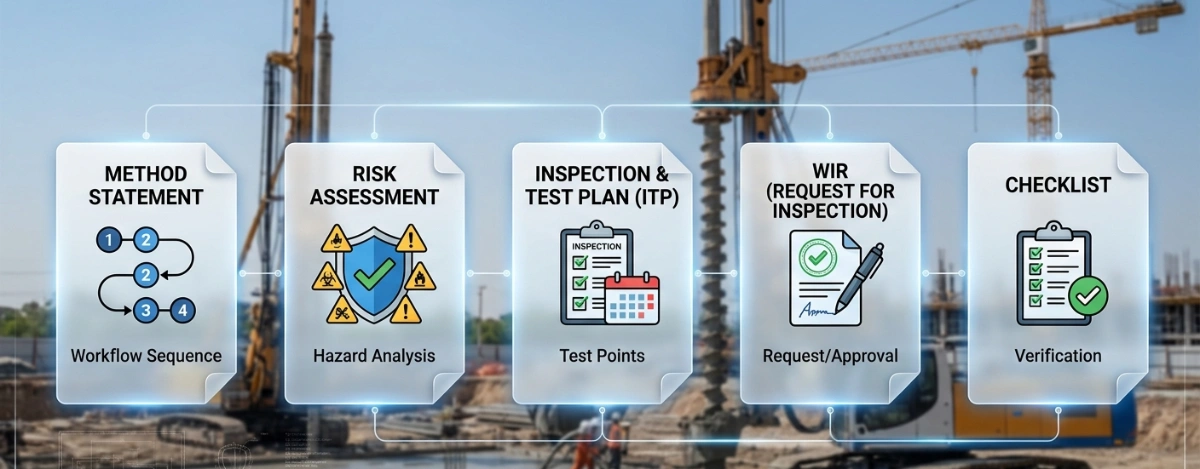
Unlike a downloadable Word or PDF template, this ITP is an AI-assisted editable starting point directly connected to its method statement. Every inspection activity, hold point, and acceptance criterion is structured and ready to adapt to your project.
- AI-assisted customization — Tailor inspection activities and acceptance criteria to your specific project scope.
- Linked method statement — This ITP is connected to the corresponding method statement describing the work sequence.
- Multiple export formats — Download as a formatted PDF or editable Excel spreadsheet.
- Editable starting point, not a final document — Review and verify all content against your project specifications and standards before use.
What you can customize
When you save this ITP to your account, every inspection row becomes editable. You can add, remove, or modify:
- Inspection activity — Description of what is being inspected.
- Inspection type — Hold point (H), Witness point (W), Review (R), or Monitor (M).
- Responsibility — Contractor, subcontractor, engineer, or client.
- Frequency — How often the inspection occurs.
- Acceptance criteria — Referenced standard or specification requirement.
- Records — Forms, test reports, or checklists required as evidence.
Why this ITP is used
To ensure insulation, moisture control, and thermal performance meet design and standards before the cavity is closed.
Who uses this inspection and test plan
Site engineers, QA inspectors, main contractor supervisors, and the Engineer/Consultant for acceptance.
When this ITP is prepared and submitted
Throughout installation at each lift, and at hold/witness points before closing the cavity or proceeding to subsequent lifts.
Who receives or approves this ITP
Engineer/Consultant for review and acceptance at designated hold/witness points.
Inspection scope
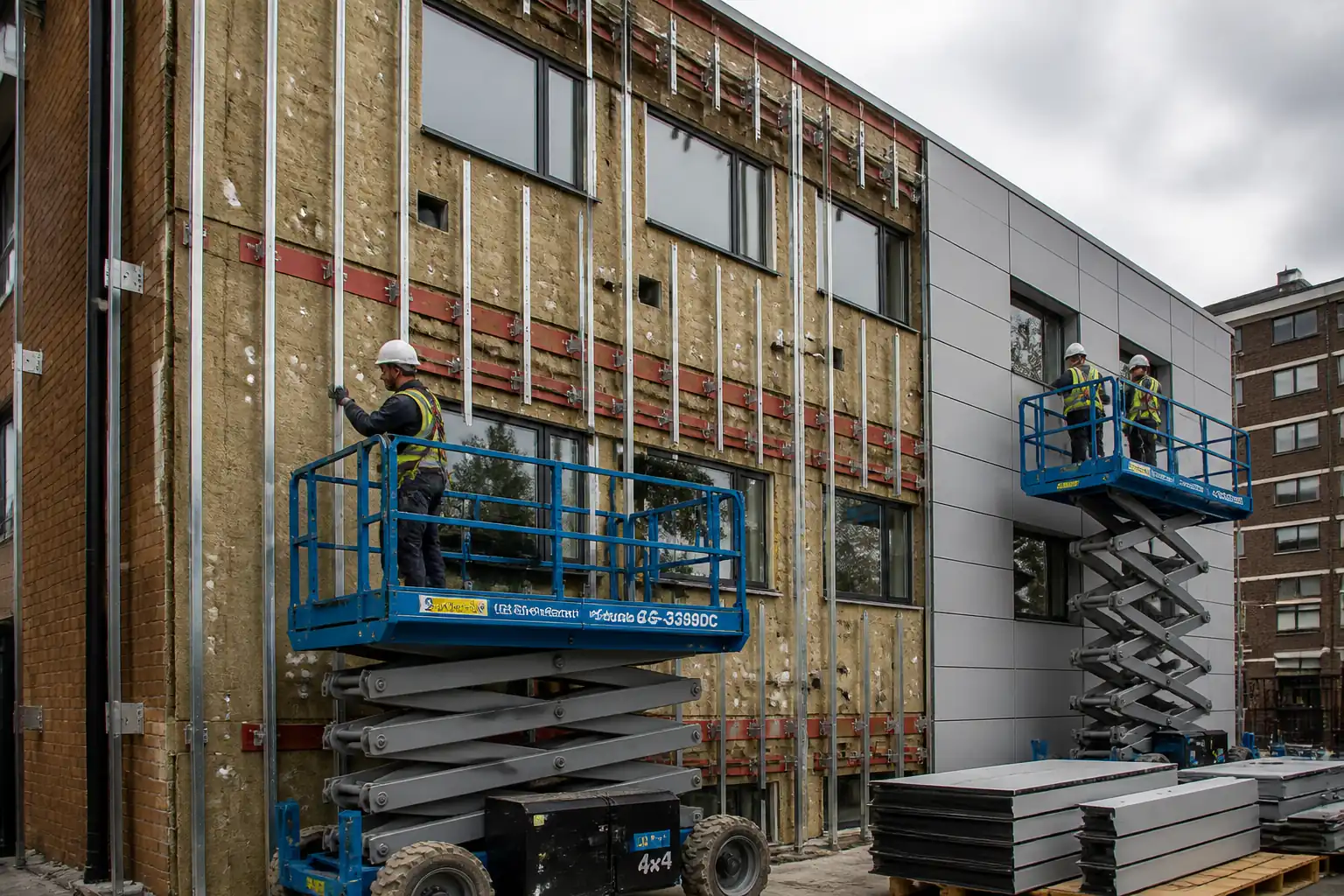
Material conformity, tie density/orientation, clip installation, board jointing and taping, residual cavity continuity, openings/trays/weep vents, and final pre-close inspection.
Typical hold, witness, and review points
PIR board installation quality; residual cavity verification; openings/trays; final pre-close inspection.
Typical inspection records
Material certificates, delivery dockets, tie density sheets, cavity gauge logs, photo records, ITP checklists, NCRs and corrective actions.
Important approval note
This ITP is an AI-assisted editable starting point, not a pre-approved document. Before use on any project, all inspection activities, hold points, and acceptance criteria must be reviewed and approved by the relevant parties (superintendent, principal contractor, or client representative) in accordance with your contract and project quality plan.
Always verify acceptance criteria against your applicable drawings, specifications, and regulatory requirements. Hold points must be confirmed with the relevant authority before work proceeds past that point.
Inspection and test plan
| Activity | Inspection / Test | Acceptance Criteria | Responsibility | Record |
|---|---|---|---|---|
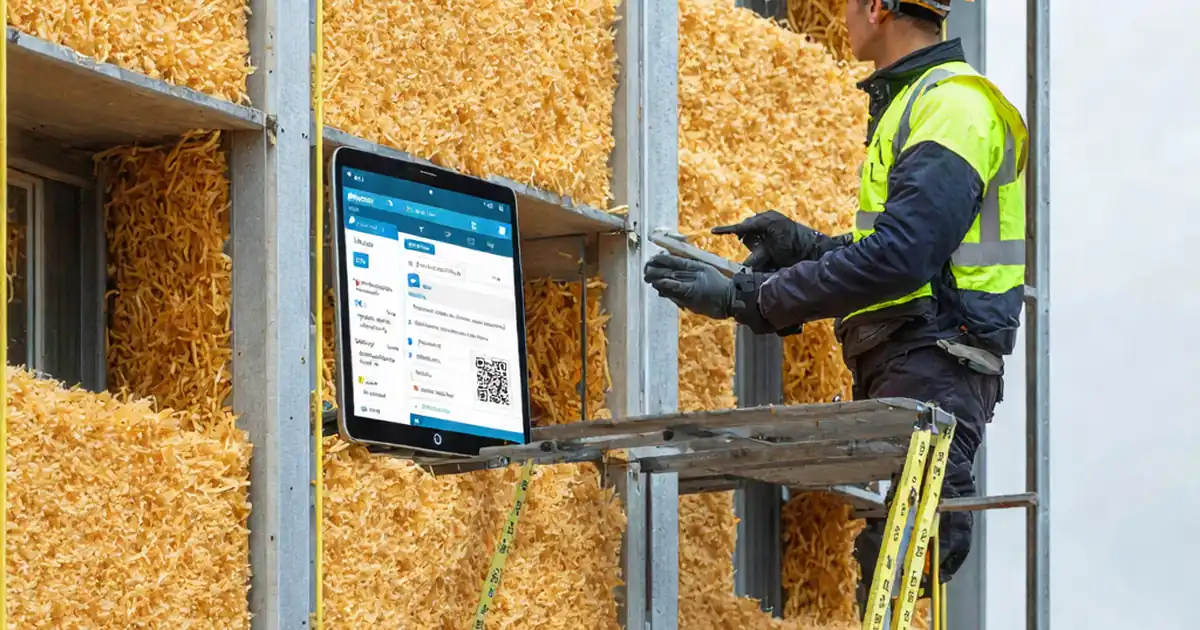
| Material receipt – PIR boards & accessories | Check certificates (BS EN 13165), thickness, condition, batch codes | Conforms to approvals; undamaged; correct type/thickness | QA Inspector / Materials Controller | Materials inspection report; delivery dockets |
| Cavity width and inner leaf level check | Measure cavity width at 2 m intervals and corners | Within design tolerance (e.g., ±10 mm) [Verify] | Site Engineer | Survey log; photos |
| Wall tie selection and spacing | Verify tie type/length; measure spacing pattern; check orientation/drip | Type per spec; embedment ≥50 mm; spacing e.g., 900 x 450 mm grid; enhanced around openings [Verify] | QA Inspector / Site Engineer | Tie density sheet; inspection checklist |
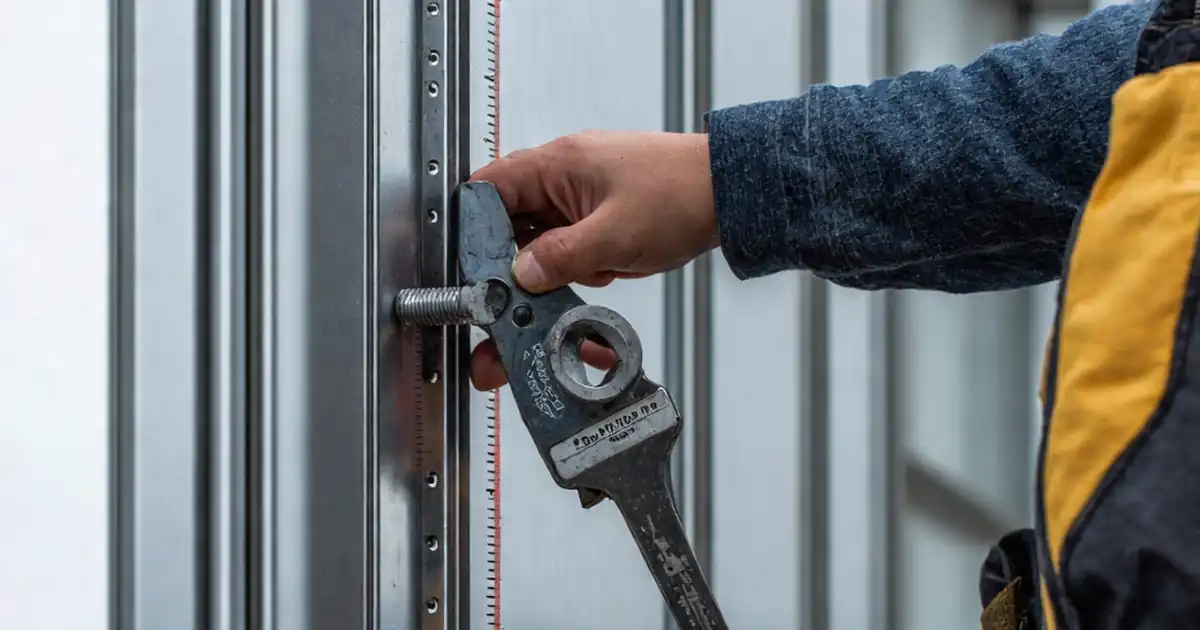
| Retaining clips installation | Check one clip per tie at each board penetration | All ties through insulation clipped; clips fully engaged | QA Inspector | Checklist; photos |
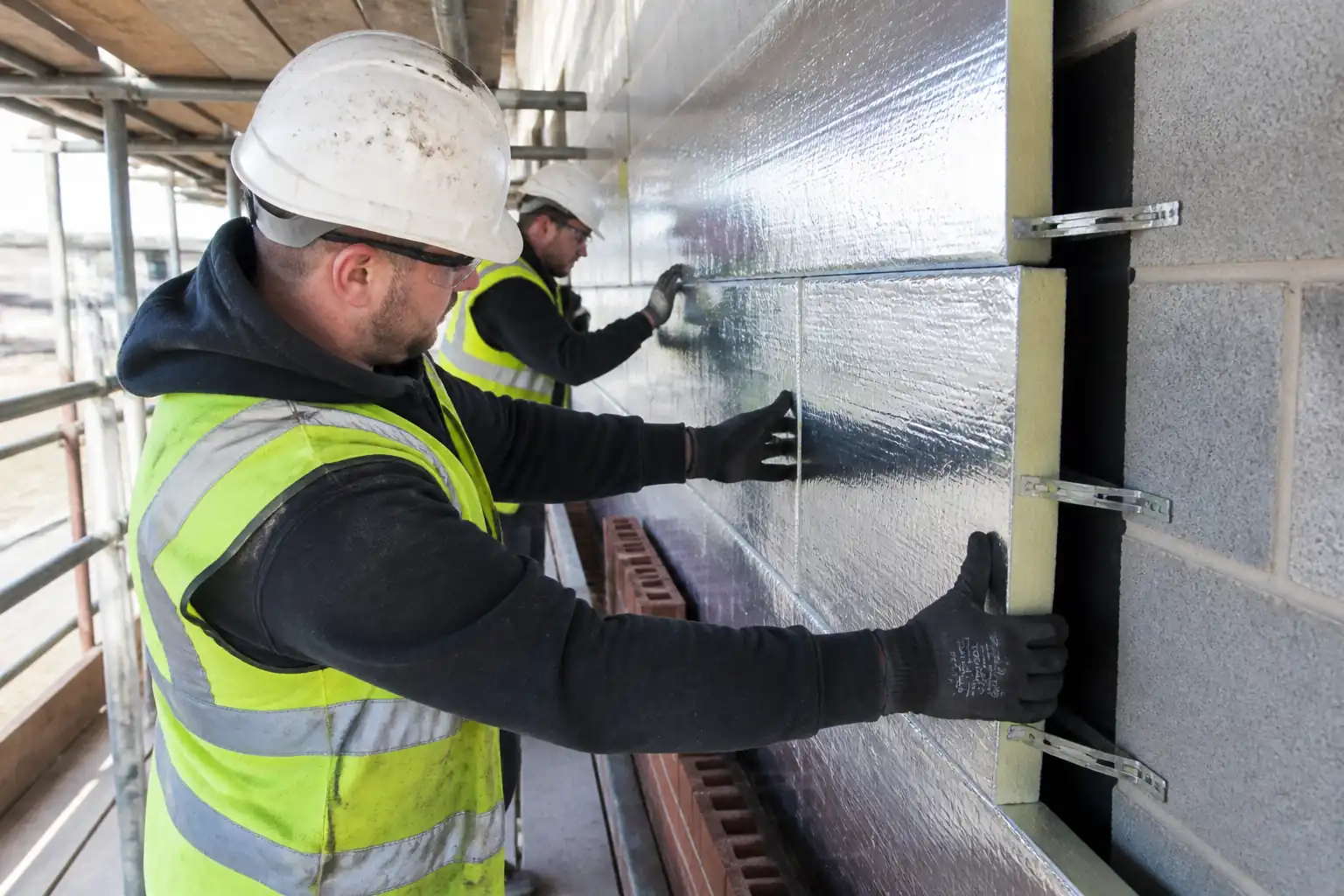
| PIR board installation quality | Check tight-butt joints; stagger; cut accuracy; board flatness | Gaps ≤2 mm or treated; stagger ≥200 mm; boards flush to inner leaf without bowing | QA Inspector | Hold point sign-off; photos |
| Residual cavity verification | Measure cavity using gauge; inspect for mortar snots/bridging | Clear residual cavity ≥design minimum (typically 50 mm) continuous | Site Engineer / QA Inspector | Cavity gauge log; photos; hold point release |
| Tape sealing of joints (if specified) | Adhesion and continuity checks | Continuous foil tape ≥50 mm width; clean dry surface; no lifted edges | QA Inspector | Checklist; photos |
| Openings – cavity trays, end stops, and weeps | Check tray laps, stop-ends, fall; count weeps | Trays installed per drawings; ≥2 weeps/opening; 450 mm c/c typical [Verify] | Engineer / QA Inspector | Opening detail inspection sheet; photos |
| Cavity closers and junction continuity | Inspect closer installation and insulation continuity | No thermal bypass; DPC continuity; cavity maintained | QA Inspector | Detail checklist; photos |
| Pre-close final inspection | Joint walkdown of area prior to closing cavity | All previous ITP items closed; no defects or obstructions | Engineer/Consultant + QA | Signed ITP release; punch list closure |
This table is a read-only public reference. Download the PDF or Excel version, or customize this ITP to edit it for your project.
Frequently asked questions
Related method statement
This Inspection and Test Plan is associated with the Method Statement: Installation of Rigid PIR Insulation Boards in Masonry Cavity Walls (Partial-Fill) method statement, which describes the step-by-step construction sequence, resources, materials, equipment, safety controls, and environmental controls for this activity.
View the Method Statement: Installation of Rigid PIR Insulation Boards in Masonry Cavity Walls (Partial-Fill) method statement →Continue with related inspection, method statement, article, and checklist resources.