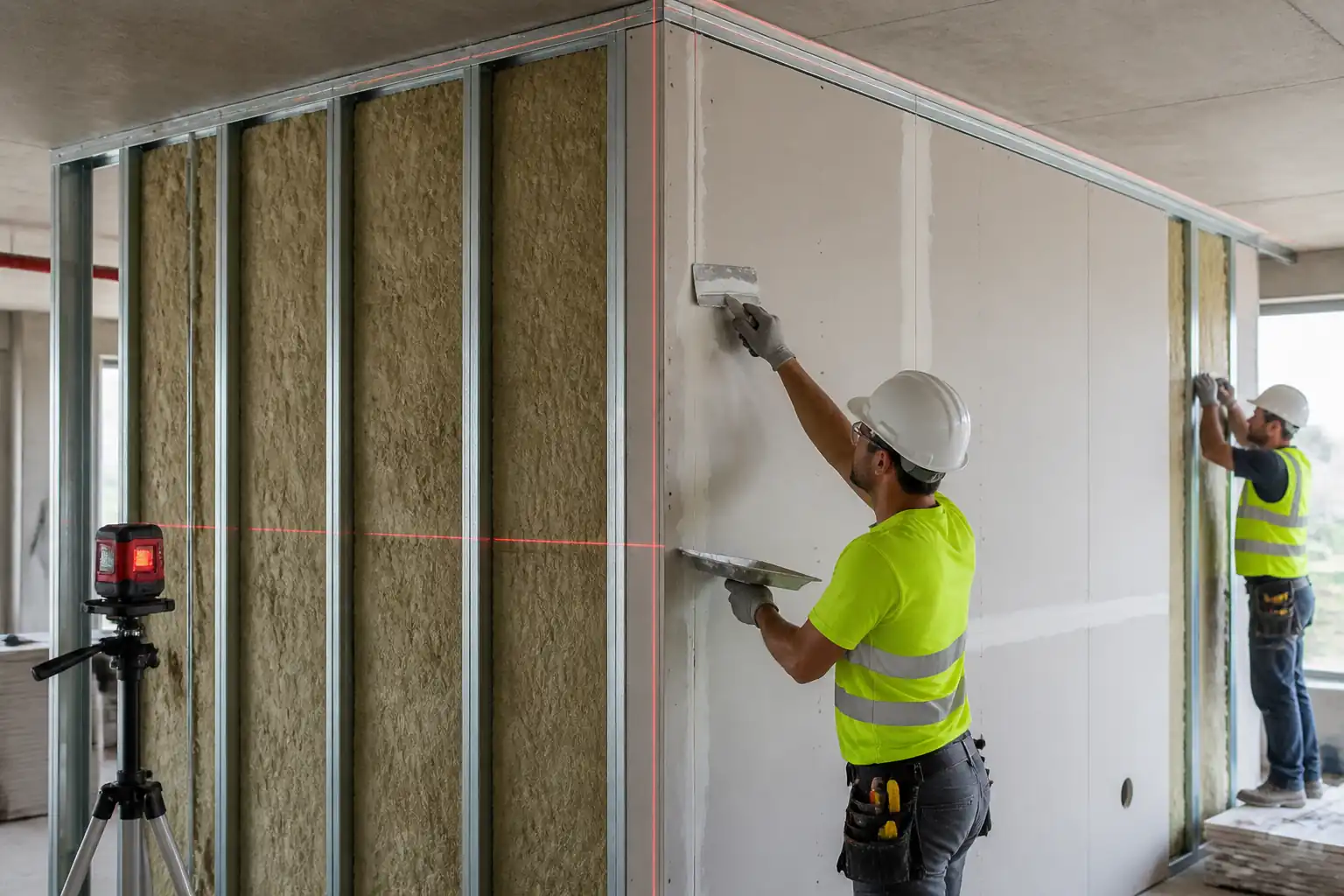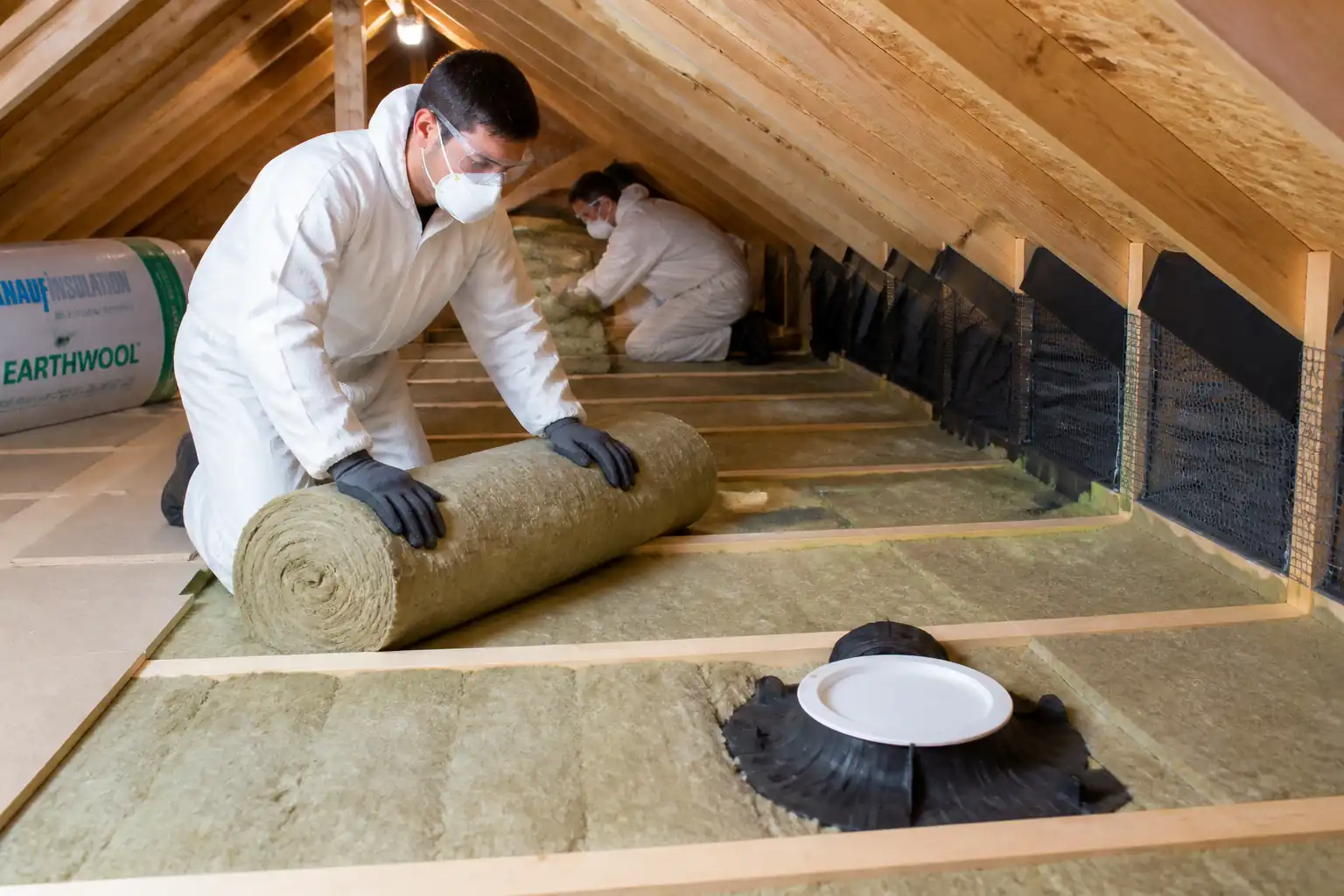

Inspection and Test Plan for Method Statement: Acoustic Rockwool Batt Insulation in Internal Drywall Stud Partitions
AI-assisted inspection and test plan connected to a method statement, with PDF and Excel export.
More than a static template
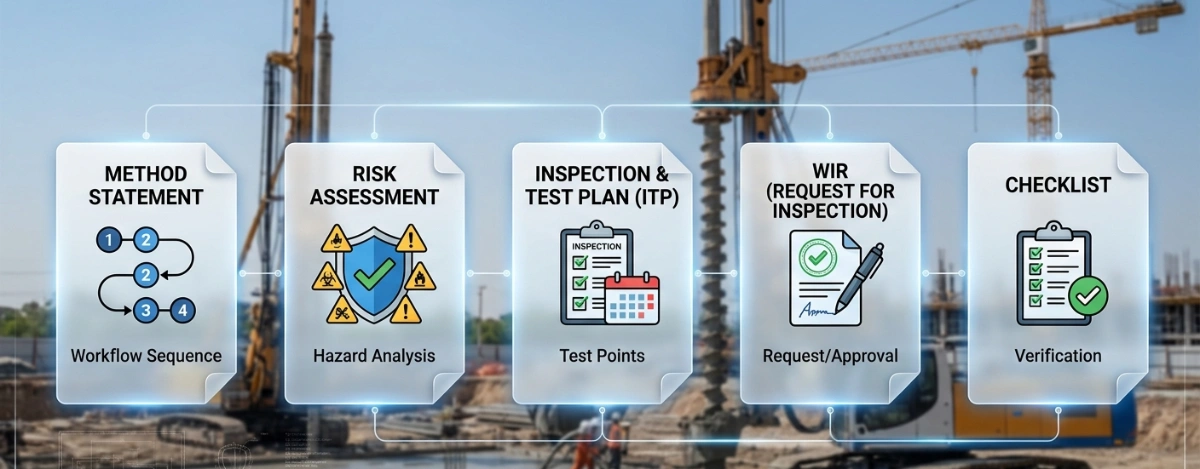
Unlike a downloadable Word or PDF template, this ITP is an AI-assisted editable starting point directly connected to its method statement. Every inspection activity, hold point, and acceptance criterion is structured and ready to adapt to your project.
- AI-assisted customization — Tailor inspection activities and acceptance criteria to your specific project scope.
- Linked method statement — This ITP is connected to the corresponding method statement describing the work sequence.
- Multiple export formats — Download as a formatted PDF or editable Excel spreadsheet.
- Editable starting point, not a final document — Review and verify all content against your project specifications and standards before use.
What you can customize
When you save this ITP to your account, every inspection row becomes editable. You can add, remove, or modify:
- Inspection activity — Description of what is being inspected.
- Inspection type — Hold point (H), Witness point (W), Review (R), or Monitor (M).
- Responsibility — Contractor, subcontractor, engineer, or client.
- Frequency — How often the inspection occurs.
- Acceptance criteria — Referenced standard or specification requirement.
- Records — Forms, test reports, or checklists required as evidence.
Why this ITP is used
To verify materials and workmanship achieve the specified acoustic and fire performance for stud partitions.
Who uses this inspection and test plan
QA/QC engineers, site engineers, supervisors, and consultants use the ITP to control and verify each key stage.
When this ITP is prepared and submitted
From material receipt through installation, pre-closure inspection, closure fixing, and final acceptance.
Who receives or approves this ITP
Consultant/Engineer for approval and use during inspections.
Inspection scope
Material verification, framing and services readiness, insulation fit and continuity, perimeter sealing, and board closure quality.
Typical hold, witness, and review points
Hold: framing/services rough-in. Witness: pre-closure after insulation and sealing. Final: closure and finish checks.
Typical inspection records
Material certificates, IRs/WIRs, checklists, photos, NCRs, acoustic test reports (if specified).
Important approval note
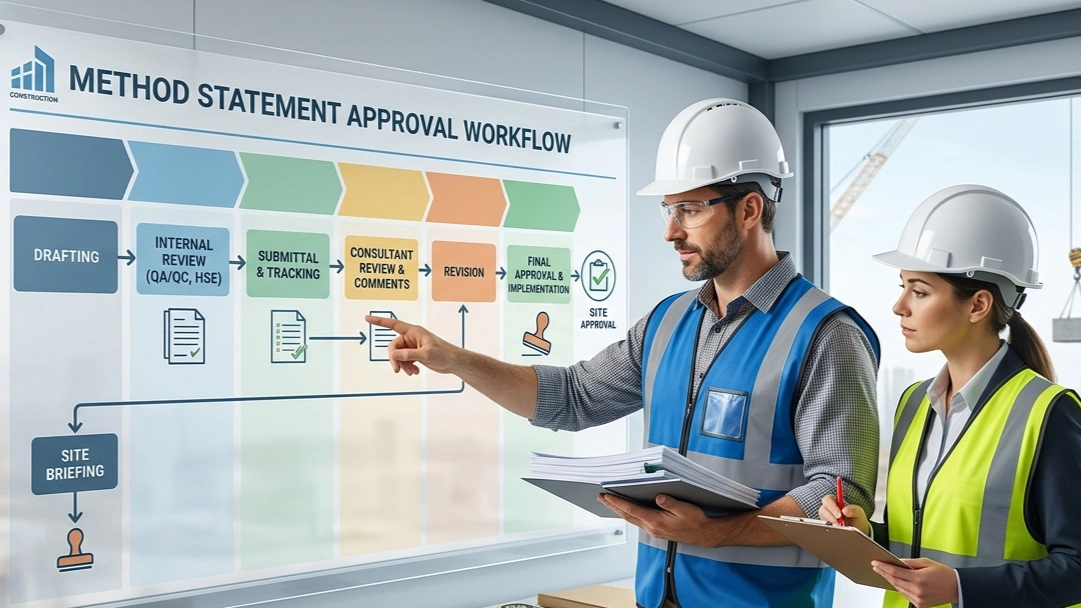
This ITP is an AI-assisted editable starting point, not a pre-approved document. Before use on any project, all inspection activities, hold points, and acceptance criteria must be reviewed and approved by the relevant parties (superintendent, principal contractor, or client representative) in accordance with your contract and project quality plan.
Always verify acceptance criteria against your applicable drawings, specifications, and regulatory requirements. Hold points must be confirmed with the relevant authority before work proceeds past that point.
Inspection and test plan
| Activity | Inspection / Test | Acceptance Criteria | Responsibility | Record |
|---|---|---|---|---|
| Material Receipt – Rockwool Batts | Verify thickness/density vs. submittal; certificates check (ASTM/EN compliance); fire class | Meets approved data; undamaged; traceable lots | QA/QC Engineer / Storekeeper | Material IR; COC/DoP; SDS |
| Material Receipt – Boards, Screws, Sealants | Visual; quantity; labeling; shelf life (sealant) | Conform to approvals; within expiry; intact packaging | QA/QC Engineer / Storekeeper | Material IR; delivery dockets |
| Framing and Services Rough-In Inspection (HOLD) | Check stud spacing; plumb; fixity; services secured; cavity clear | Spacing and plumb within tolerances; one face boarded if specified; no obstructions | Site Engineer / QA/QC / Consultant | IR/WIR; checklist; photos |
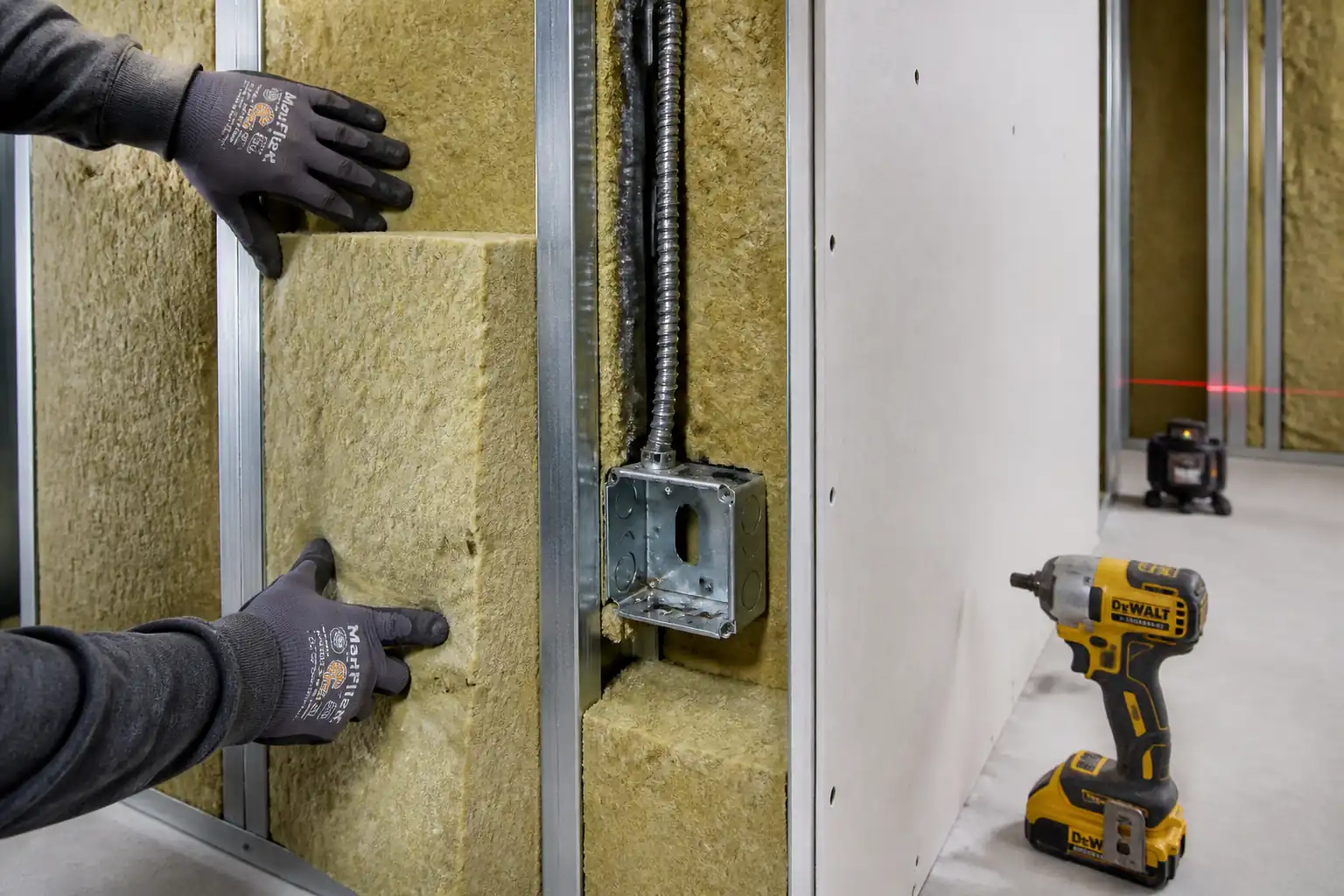
| Insulation Installation – In-Process | Visual continuity; friction-fit; around boxes and conduits | No gaps >3 mm; full-depth fit; compression ≤10–15% | QA/QC Engineer / Supervisor | In-process checklist; photos |
| Perimeter/Service Sealing | Sealant continuity and adhesion; bead size | Continuous 6–10 mm bead; compatible and adhered | QA/QC Engineer | Inspection record; photos |
| Pre-Closure Inspection (WITNESS) | Confirm Steps 1–4 complete and acceptable | Sign-off for closure | QA/QC / Consultant | IR sign-off |
| Plasterboard Closure – Fixing Check | Board type; orientation; screw spacing and edge distances | Meets GA-216/ASTM C840 and project details | QA/QC / Supervisor | Fixing checklist; photos |
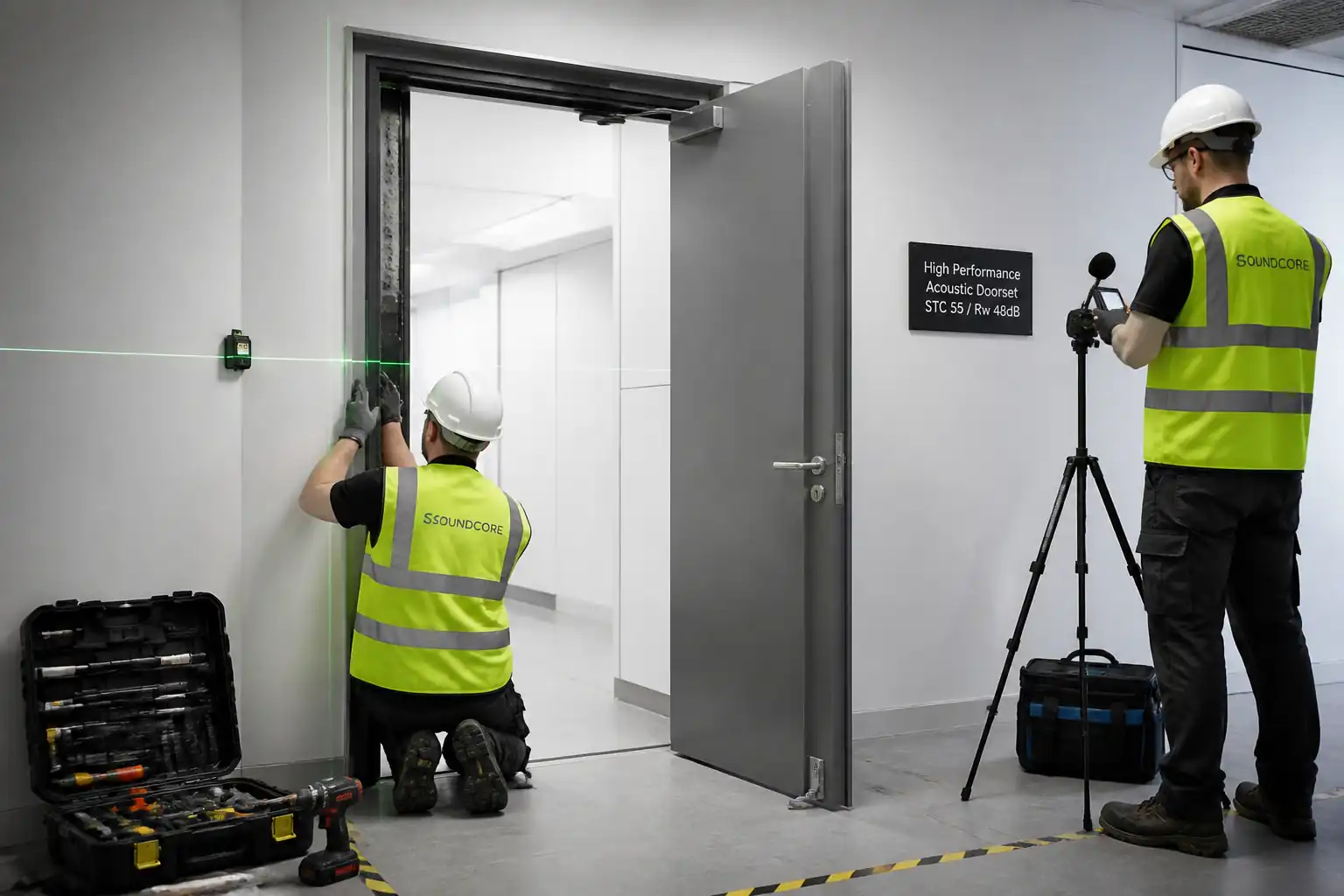
| Final Inspection / Acoustic Testing (if specified) | ISO 16283-1 field test on sample rooms/walls | Meets specified STC/Rw targets [Verify] | QA/QC / Acoustic Consultant | Test report; IR |
This table is a read-only public reference. Download the PDF or Excel version, or customize this ITP to edit it for your project.
Frequently asked questions
Related method statement
This Inspection and Test Plan is associated with the Method Statement: Acoustic Rockwool Batt Insulation in Internal Drywall Stud Partitions method statement, which describes the step-by-step construction sequence, resources, materials, equipment, safety controls, and environmental controls for this activity.
View the Method Statement: Acoustic Rockwool Batt Insulation in Internal Drywall Stud Partitions method statement →Continue with related inspection, method statement, article, and checklist resources.