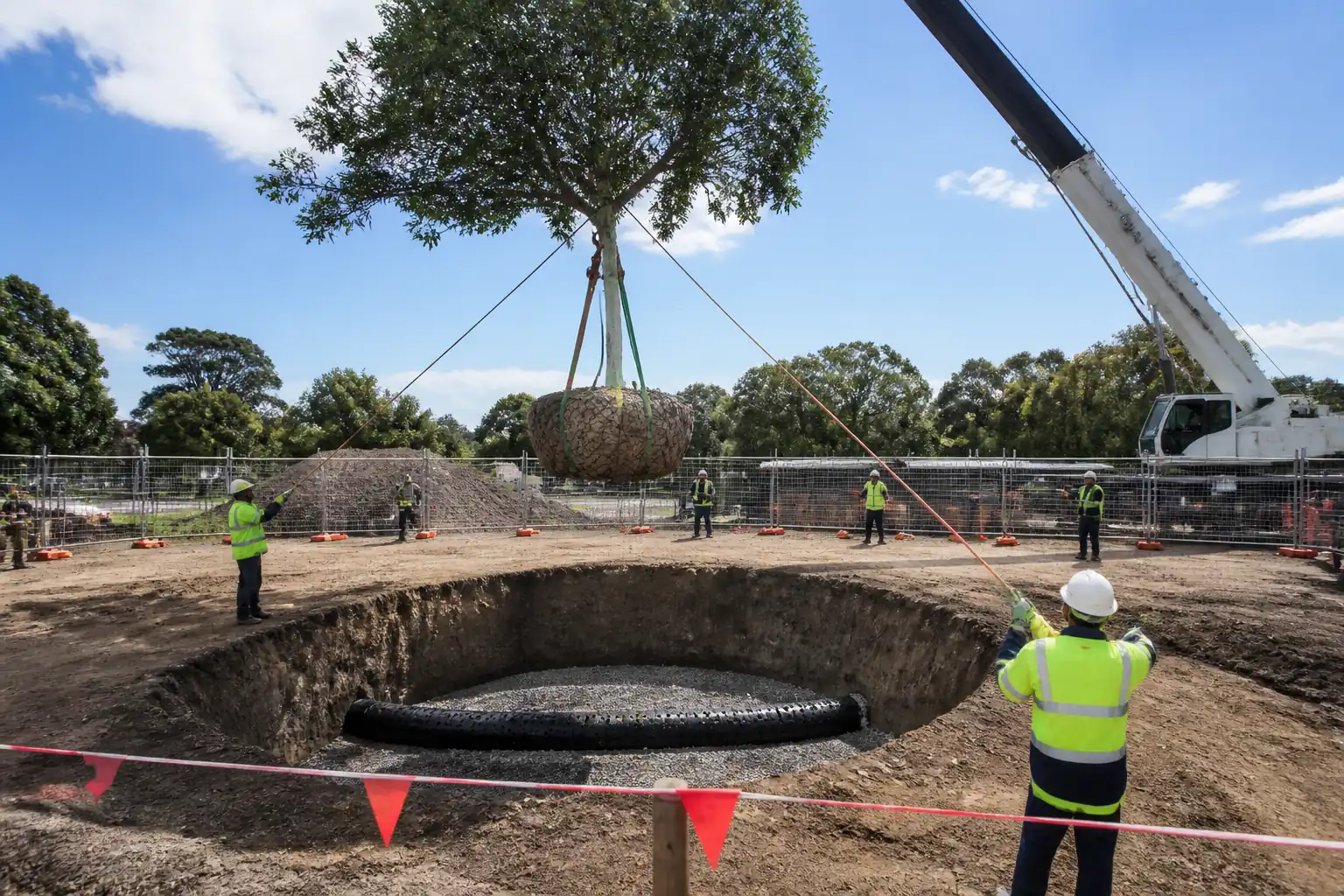

Method Statement: Transplanting of Mature Specimen Trees (Root-Pruning, Crane Lifting, Oversized Pit Excavation, Hormone Root-Drench, Guy-Wire Stabilization, Intensive Monitoring) – Method Statement
AI-assisted method statement with matching ITP, PDF download, and Excel export.
More than a static template
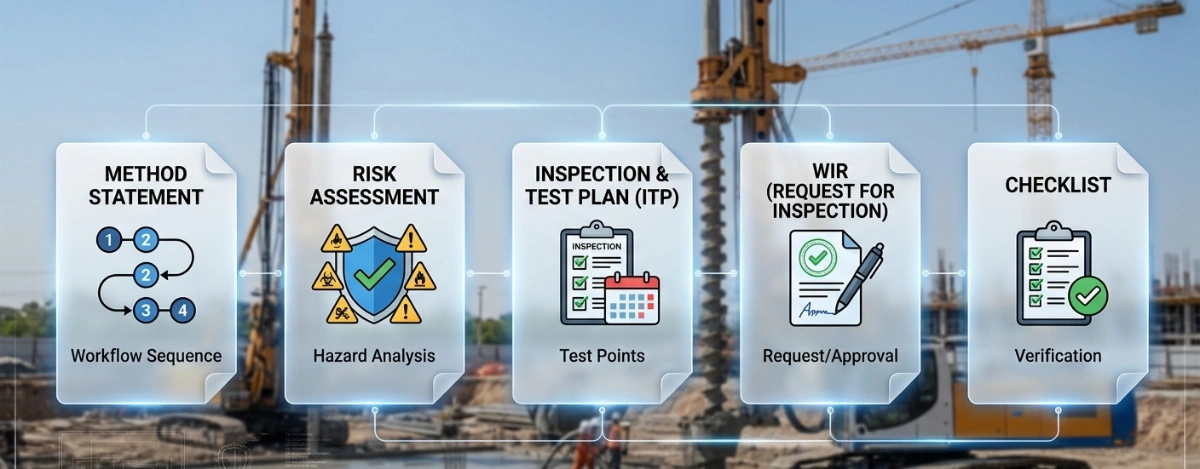
Unlike a downloadable Word or PDF template, this method statement is an AI-assisted editable starting point connected directly to a matching Inspection and Test Plan. Every section is structured, project-adaptable, and ready to export.
- AI-assisted drafting — Customize every section with AI for your specific project scope.
- Linked ITP — A matching inspection and test plan is generated alongside the method statement.
- Multiple export formats — Download as a formatted PDF or editable Excel spreadsheet.
- Editable starting point, not a final document — Review, verify, and adjust all content against your project requirements before use.
Static template vs. Quollnet workflow
| Feature | Static template | Quollnet |
|---|---|---|
| Project-specific content | Manual fill-in required | AI-assisted customization |
| Linked ITP | Separate document, no link | Matching ITP included |
| Export formats | Usually PDF only | PDF and Excel |
| Structured sections | Free-form layout | 13 standardized sections |
| Saved to your account | Local file only | Cloud-saved, reusable |
| Content accuracy | You verify everything | AI-assisted, you still verify |
| Cost | Often free but time-intensive | Free to customize and download |
What you can customize
When you save this method statement to your account, every section becomes editable. The following 13 sections are included:
- Scope — Defines the activity and its boundaries.
- References — Standards, specifications, and drawings.
- Responsibilities — Roles and accountabilities.
- Resources — Labour, plant, and equipment summary.
- Materials — Materials and compliance requirements.
- Equipment — Tools and equipment details.
- Prerequisites — Hold points and pre-conditions.
- Method sequence — Step-by-step construction sequence.
- Safety controls — HSE risk controls and PPE.
- Environmental controls — Environmental mitigation measures.
- QA/QC — Quality inspection and test requirements.
- ITP — Inspection and Test Plan table (has its own page).
- Attachments — Referenced drawings and documentation.
Why this method statement is used
This method statement is used to define and communicate the approved procedure for carrying out method statement: transplanting of mature specimen trees (root-pruning, crane lifting, oversized pit excavation, hormone root-drench, guy-wire stabilization, intensive monitoring) on site. It ensures the work is planned in advance, the correct resources and controls are in place, and all personnel understand responsibilities, sequence, quality requirements, and safety controls before work begins. It aligns site execution with the documented scope and acceptance expectations.
Who uses this method statement
This method statement is used by contractors, site supervisors, project engineers, QA/QC engineers, HSE officers, consultants, and client representatives. It serves as a shared reference for planning, execution, supervision, inspection, and approval of the activity on site.
When it is prepared and submitted
The method statement is prepared before the work activity starts and submitted as part of the pre-construction documentation package for review and approval.
Who reviews or approves it
The method statement is usually submitted to the client representative, consultant, resident engineer, or project management consultant for review and approval before the work commences.
Important approval note
This method statement is an AI-assisted editable starting point, not a pre-approved document. Before use on any project, all content must be reviewed and approved by the relevant parties (superintendent, principal contractor, or client representative) in accordance with your contract and project quality plan.
For example: if your specification requires a departure from a referenced standard, that departure must be documented and approved separately — this method statement will not capture that automatically. Always verify against your applicable drawings, specifications, and regulatory requirements.
Method statement content
Scope
Overview
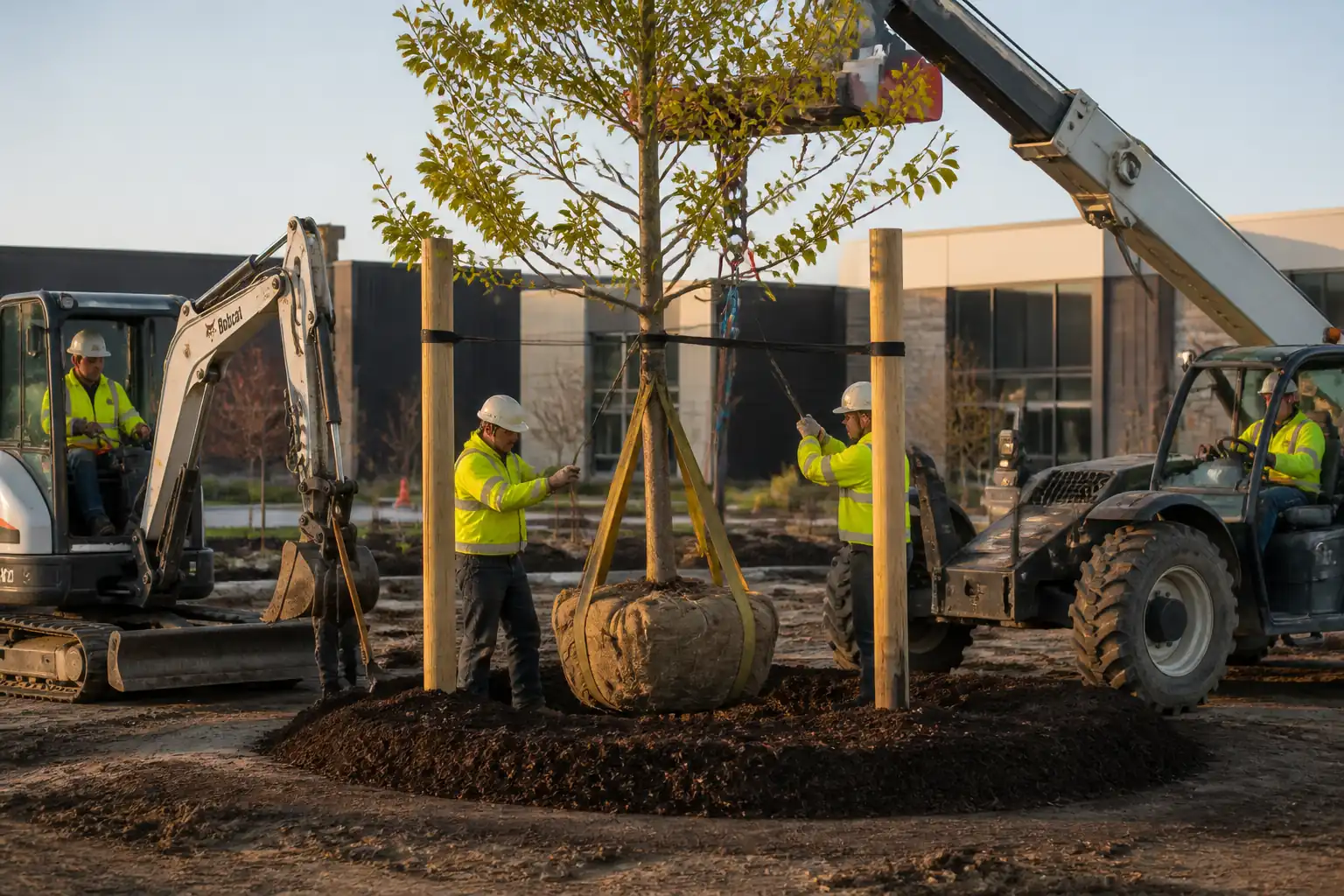
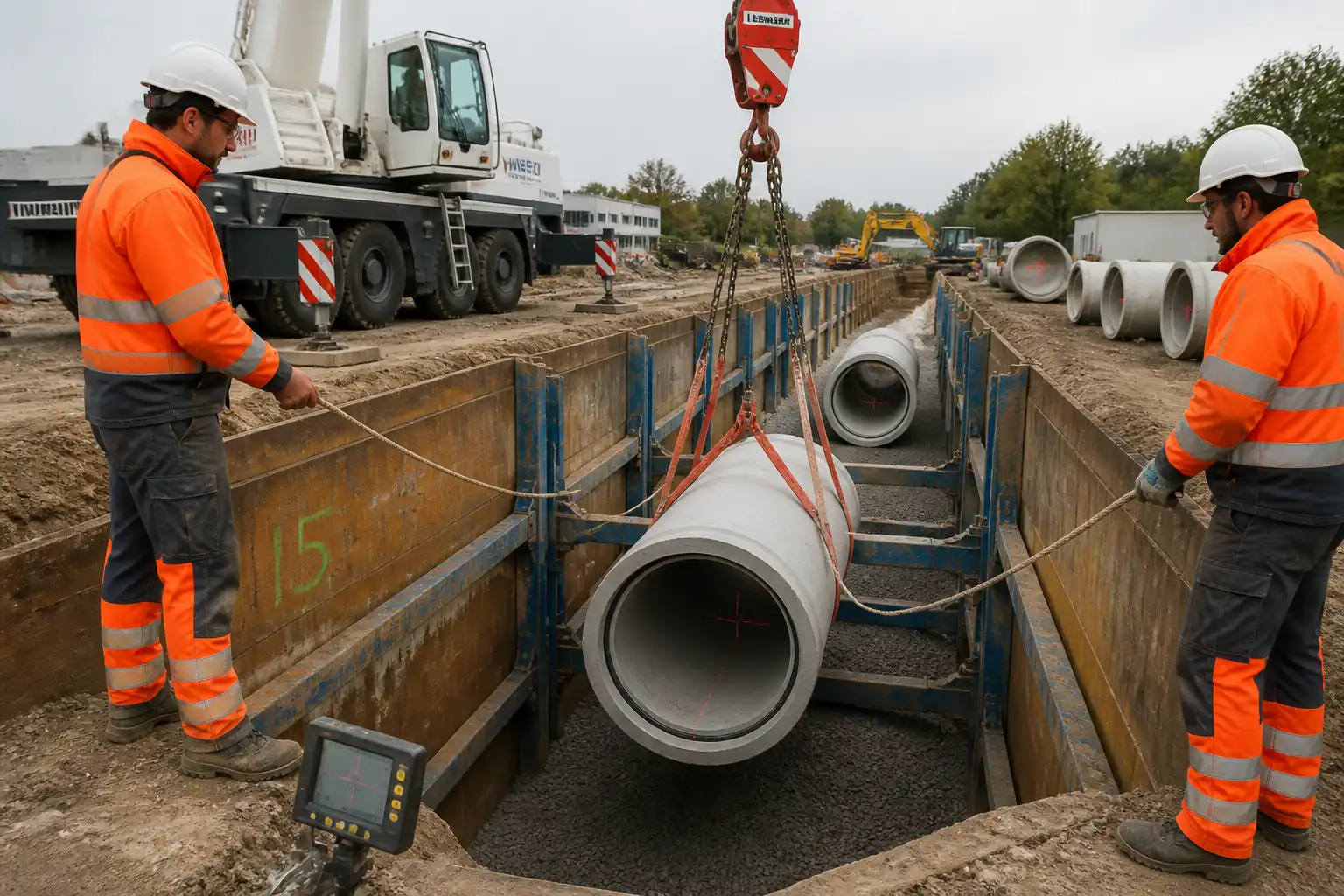
This method covers all activities required to transplant mature specimen trees within the project site, including pre-assessment, phased root-pruning, utility clearance, lift planning, crane hoisting, transport, excavation of oversized planting pits, backfilling with engineered soils, hormone root-drench treatment, guy-wire stabilization, commissioning irrigation, protection, and a 24-month intensive aftercare and monitoring program.
Inclusions
- Arboricultural assessment and tagging of candidate trees
- Root-pruning program and interim care
- Utility detection and protection
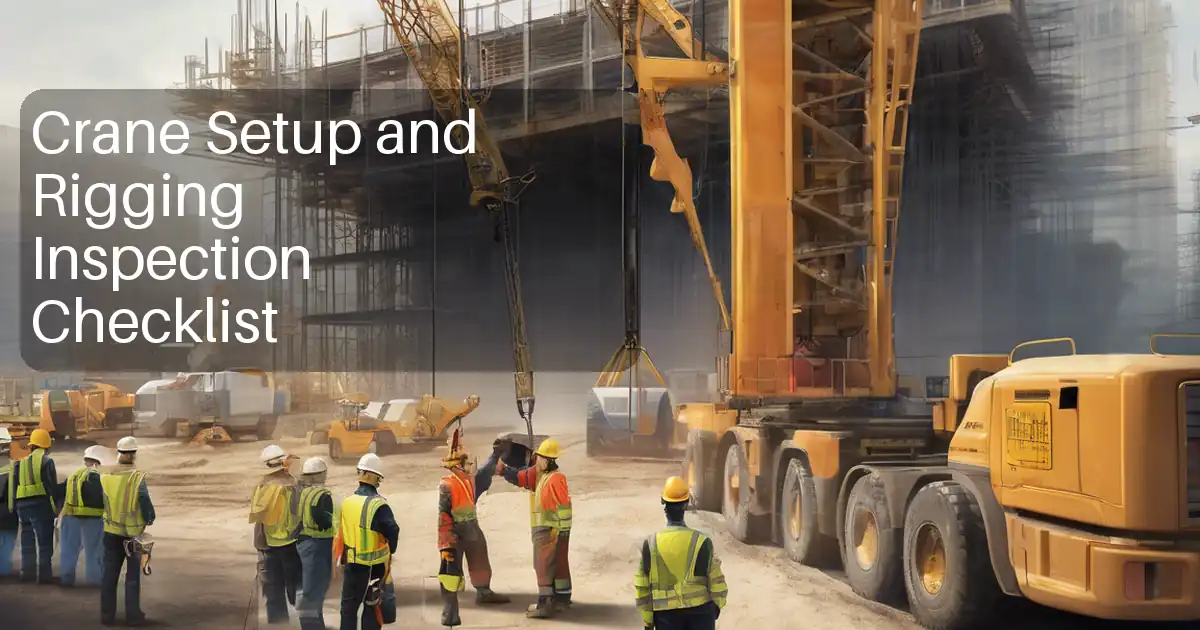
- Engineered lifting plan and rigging arrangement
- Crane lifting, transport and placement
- Oversized pit excavation, soil improvement, drainage/aeration installation
- Hormone root-drench and anti-desiccant application [If specified]
- Guy-wire stabilization, trunk protection, and exclusion fencing
- Commissioning irrigation and mulch placement
- QA/QC inspections, testing, and records
- Aftercare: watering, inspections, monitoring, and survival reporting for 24 months
Exclusions
- Permanent irrigation network beyond immediate tree zone (unless stated)
- Traffic diversions beyond the work zone
- Night works (unless separately approved)
- Removal of hazardous materials (if encountered)
Key Performance Targets
- Tree survival ≥ 90% at 12 months and ≥ 85% at 24 months [Verify per project specifications]
- Tree verticality tolerance ≤ 1% lean after guying
- Immediate post-planting watering: 25–50 L per 100 mm trunk DBH, adjusted to soil moisture and climate [Verify]
References
| Document Type | Reference / Number | Revision | Notes |
|---|---|---|---|
| Standard | BS 8545:2014 | ||
| Standard | BS 3998:2010 | ||
| Standard | BS 5837:2012 | ||
| Standard/Guidance | ANSI A300 Pt.6; ISA BMP | Use alongside BS 8545. | |
| Standard/Regulation | BS 7121; EN 13000; ISO 12480-1; LOLER | Jurisdictional verification required. | |
| Standard | EN 13414; EN 1492; EN 13889 | ||
| Standard | BS 3882:2015 | ||
| Standard | PAS 100:2018 | Or local equivalent. | |
| Test Methods | ASTM D4972; ASTM D2974 | ||
| Standard | ASCE 38-22; PAS 128 |
Responsibilities
| Role | Responsibility | Name / Party |
|---|---|---|
| Project Manager | Ensure compliance with contract, standards, and HSE. | Main Contractor |
| Site Engineer | Maintain as-builts; manage inspection notifications. | Main Contractor |
| Certified Arborist | Authorize HOLD points; supervise critical arboricultural steps. | Specialist Subcontractor |
| Crane Supervisor | LOLER/ISO/BS 7121 compliance; issue lifting permit. | Main Contractor |
| Slinger/Signaller | Communication with crane operator; taglines control. | Main/Subcontractor |
| Operator | Safe operation, utility protection, shoring where needed. | Main/Subcontractor |
| HSE Manager | Ensure compliance with HSE plan and local regulations. | Main Contractor |
| Environmental Officer | Method compliance with environmental controls. | Main Contractor |
| Technicians | Record moisture, survival metrics; report defects. | Specialist Subcontractor |
Resources
| Resource Type | Description | Quantity | Remarks |
|---|---|---|---|
| Labor | ISA Certified Arborist or equivalent with transplanting experience ≥ 5 years. | 1–2 | |
| Labor | CS30/31 or local equivalent for pruning roots/branches. | 1–2 | |
| Labor | CPCS/NPORS or equivalent; radio comms. | 2 | |
| Labor | Certified operator for selected crane type. | 1 | |
| Labor | Competent plant operator for pit excavation. | 1 | |
| Labor | Set up and operate watering systems and monitoring devices. | 2–3 |
Materials
| Material | Specification / Grade | Quantity | Remarks |
|---|---|---|---|
| Topsoil | As required | ||
| Compost | 10–30% of backfill by volume [Verify] | ||
| Woodchip | As required | ||
| Hormone | As specified | ||
| Anti-desiccant | As specified | ||
| Guy-wire kit | Per tree | ||
| Pipes, gravel, geotextile | Per pit | ||
| Wraps/guards | Per tree |
Equipment
| Equipment | Capacity / Type | Quantity | Inspection Required |
|---|---|---|---|
| Crane | As per lift plan | 1 | Yes |
| Rigging | Per plan | Set | Yes |
| Excavator | 1–2 | Yes | |
| Water tanker | 5–10 m³ [Verify] | 1 | No |
| Torque/tension tools | 1 set | Yes | |
| Soil test kit | 1 set | No |
Prerequisites
Approvals and Permits
- Arborist approval of each tree for transplanting suitability (health, structure, species tolerance, size).
- Lift plan approved by Appointed Person and HSE [Verify per project HSE plan and local regulations].
- Permits: lifting operations, excavation permit, hot/cold works where applicable, road opening (if transport via public way), chemical handling.
Surveys and Setting Out
- Underground services clearance to ASCE 38-22/PAS 128 level per risk; trial holes where conflict is possible.
- Mark tree protection zones (TPZ) per BS 5837; install exclusion fencing.
- Set out new pit centerline and finished grade; confirm clearances to structures, utilities, and sightlines.
Seasonality and Weather
- Prefer dormant season for deciduous species; avoid extreme heat (>30°C), high winds (>10 m/s), or saturated ground [Verify per arborist advice].
Root-Pruning Lead Time
- Initiate root-pruning 3–6 months before transplant (species and climate dependent) to stimulate fibrous roots [Verify per arborist].
Ground and Access Readiness
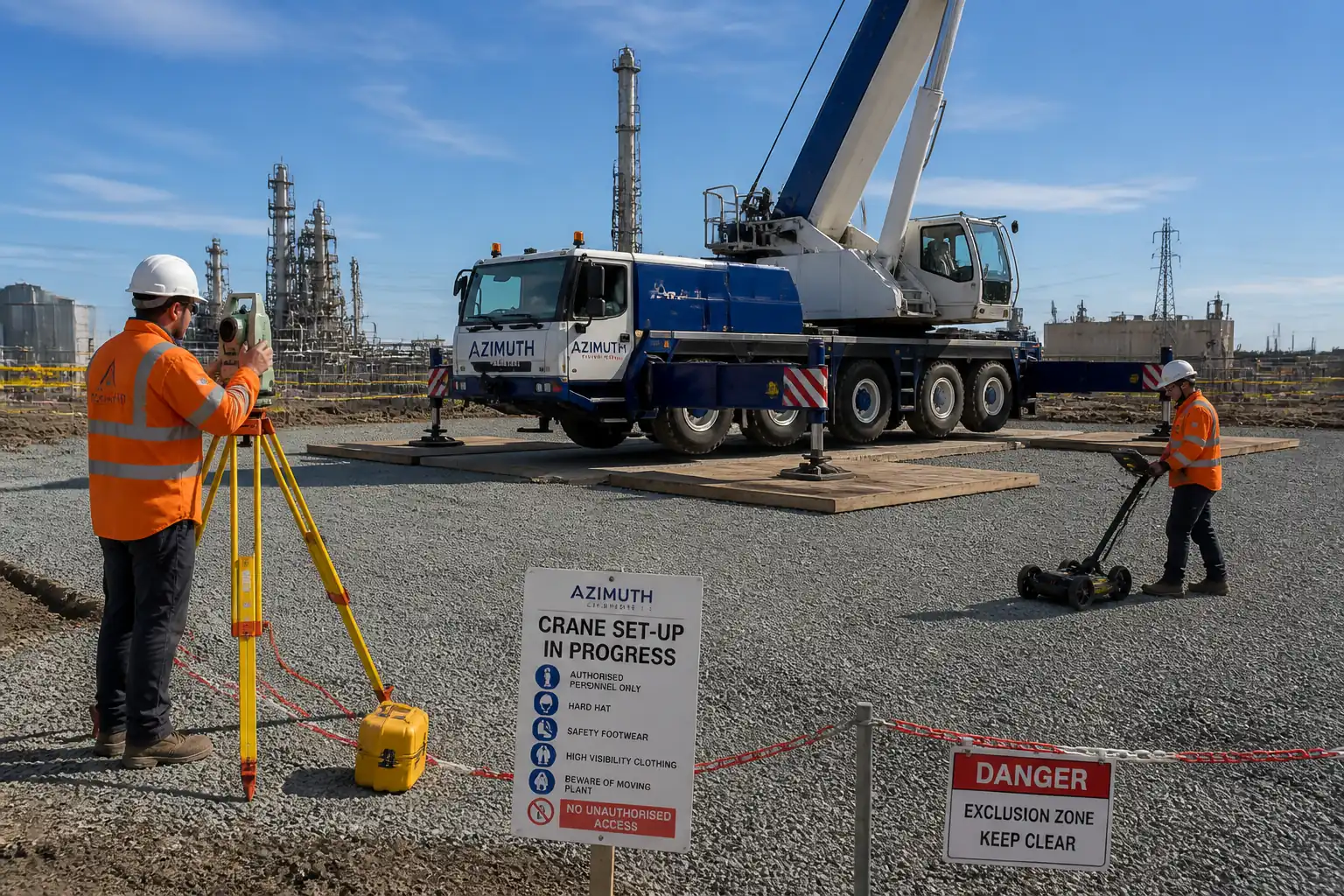
- Confirm crane standing area bearing capacity; install mats where required and verify ground bearing pressure calculations.
- Confirm haul route, exclusion zones, signage, and traffic management.
Materials and Equipment
- All materials on site with certificates; hormone/antidesiccant MSDS available.
- Irrigation supply and hoses operational at new location.
Briefings
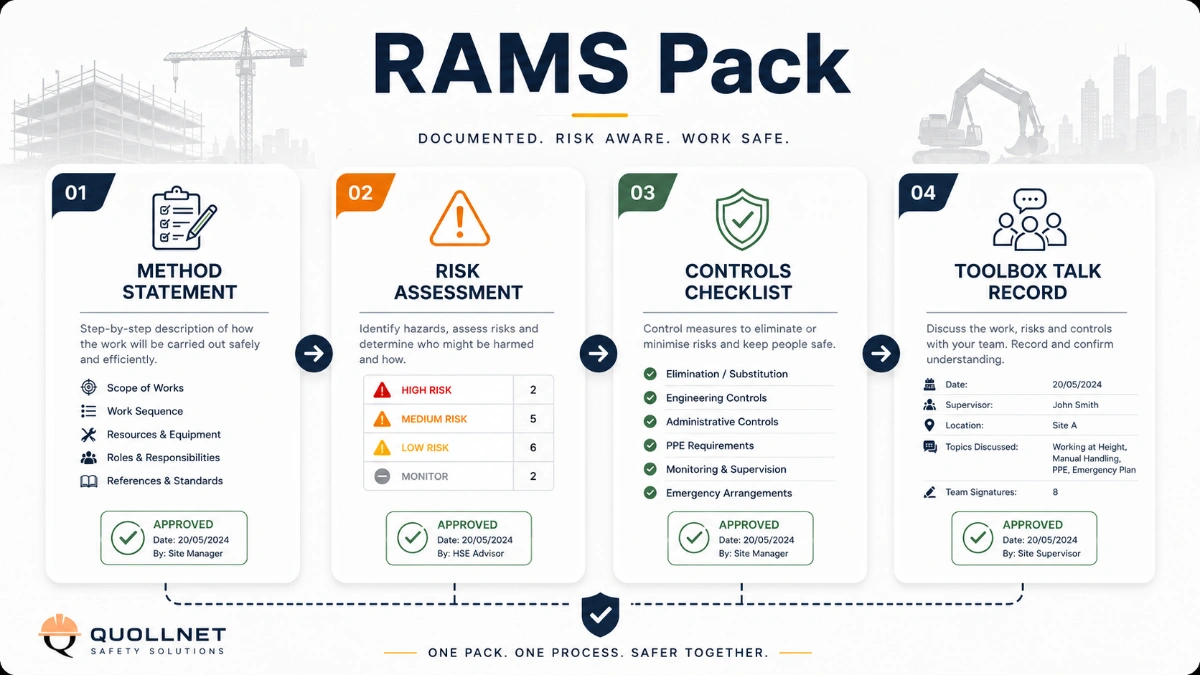
- Task-specific risk assessments and method statements (RAMS) briefed to all personnel.
- Toolbox talk on tree biology handling care and sling protection to avoid bark and cambium damage.
Method Sequence
| Step | Activity | Description | Responsibility | Inspection / Hold Point |
|---|---|---|---|---|
| 1 | Pre-Transplant Arborist Assessment | Assess species, DBH, crown, health, defects, transplant feasibility; tag and photograph baseline condition; record DBH at 1.3–1.4 m height. | Certified Arborist | HOLD: Arborist sign-off |
| 2 | Utility Clearance and TPZ Setup | Scan/mapping to ASCE 38-22/PAS 128; install TPZ fencing and signage; define exclusion zone for crane and excavation. | Site Engineer / HSE | WITNESS |
| 3 | First Root-Pruning Cycle | Mark rootball circle. Typical preliminary rootball radius 8–12 × stem diameter (at 1.3–1.4 m) OR as specified by arborist; trench to 300–600 mm depth capturing structural roots; use air-spade/hand tools near major roots; backfill with friable soil/compost and water-in. | Certified Arborist / Crew | WITNESS |
| 4 | Interim Care Post Root-Prune | Irrigate to maintain root zone at 60–80% field capacity; mulch 50–75 mm depth; corrective pruning only if needed. | Aftercare Team | SURVEILLANCE |
| 5 | Second Root-Pruning/Undercut Prep (If required) | Tighten rootball per arborist instruction; prepare for final balling and burlapping; install burlap and wire basket if used. | Arborist / Crew | HOLD |
| 6 | Receiving Pit Excavation | Excavate oversized pit at new location: diameter 300–600 mm larger than rootball; depth to rootball depth so trunk flare sits 25–50 mm above finished grade; scarify base/sides to avoid glazing; install drainage layer where needed; provide aeration loop. | Excavator Operator / Site Eng. | HOLD: Pit inspection |
| 7 | Backfill Soil Preparation | Blend BS 3882 topsoil with 10–30% compost by volume; ensure pH 6.0–7.5 and EC within species tolerance; pre-moisten to friable state. | Environmental Officer / Site Eng. | WITNESS |
| 8 | Lift Plan Execution Setup | Confirm crane matting, radius, slew restrictions, wind threshold (stop >9–10 m/s [Verify]); taglines ready; exclusion zone set; toolbox talk. | Crane Supervisor | HOLD: Lifting permit |
| 9 | Hormone Root-Drench Pre-Lift | Apply IBA/NAA solution per TDS onto moist rootball to specified dosage. Avoid runoff to watercourses. | Arborist / Aftercare | WITNESS |
| 10 | Trunk Protection and Slinging | Wrap trunk with hessian/foam at sling contact areas; install wide textile slings and spreader as per rigging drawing to avoid bark compression; attach taglines. | Slinger/Signaller | WITNESS |
| 11 | Final Undercut and Ball Formation | Undercut to form rootball; secure with burlap/wire basket if used; ensure ball integrity; minimize time between undercut and lift (<60 min). | Arborist / Crew | HOLD |
| 12 | Trial Lift and Weigh | Take partial lift to verify balance; measure load via load cell; compare to lift plan; adjust rigging as needed. | Crane Supervisor | WITNESS |
| 13 | Transport and Placement | Lift, slew, travel (if pick-and-carry allowed) or set to transport; keep rootball covered; control with taglines; place tree in pit at correct orientation (prevailing wind and sun). | Crane Operator / Slinger | WITNESS |
| 14 | Backfilling and Watering-In | Backfill in 150–200 mm lifts; settle with water (do not compact). Maintain trunk verticality; keep soil off trunk flare; form watering berm. | Site Crew / Arborist | WITNESS |
| 15 | Guy-Wire Installation | Install 3–4 guys at 120–90° spacing; anchors outside pit, set at 30–45° to ground; use wide trunk straps with sleeves; tension to hold tree plumb without girdling; mark guys with high-visibility tags. | Site Crew / Arborist | HOLD: Guying check |
| 16 | Mulch and Irrigation Commissioning | Apply 50–75 mm mulch, keep 100 mm clear of trunk; connect aeration pipe; initial deep watering 25–50 L per 100 mm DBH [Verify]; check drainage. | Aftercare Team | WITNESS |
| 17 | Protection and Demobilization | Install protective fencing and warning bunting around guy area; remove surplus; tidy site; update as-builts (tree ID, coordinates). | Site Engineer / Crew | SURVEILLANCE |
| 18 | Aftercare and Monitoring | Watering schedule: weekly for Month 1 (or to maintain 60–80% field capacity), biweekly Months 2–3, monthly to 24 months [seasonally adjust]; inspect guy tension monthly; remove guys typically at 12–18 months [Arborist to confirm]; health inspection and pest/disease watch. | Aftercare Team / Arborist | WITNESS (monthly) |
Health, Safety and Environment (HSE) – Safety Controls
Task-Specific Hazards and Controls
- Hazard: Underground utility strike during pit excavation
- Likely consequence: Electrocution, gas release, flooding, service disruption
- Engineering/procedural control: SUE survey to ASCE 38-22/PAS 128; permit-to-dig; trial holes with vacuum excavation; maintain exclusion distances; hand-dig in TPZ
- PPE: Insulated gloves (if appropriate), eye protection, safety boots
- Collective measures: Barriers and signage; supervisor present
-
Inspection/permit/supervision: Permit-to-dig required; Site Engineer and HSE to verify marks [Verify per project HSE plan and local regulations]
-
Hazard: Crane overturning or collision
- Likely consequence: Fatality, major damage
- Engineering/procedural control: Competent lift plan; matting and bearing pressure checks; weather threshold stop >9–10 m/s [Verify]; exclusion zone; anti-two block; clear communications
- PPE: Helmets with chin strap, high-vis, gloves, safety boots
- Collective measures: Barriers 360°; radio comms; taglines use
-
Inspection/permit/supervision: Lifting permit; Appointed Person/Crane Supervisor present; daily crane inspection
-
Hazard: Load (tree/rootball) swing or drop
- Likely consequence: Crush injuries, property damage
- Engineering/procedural control: Load cell verification; sling angle control ≥60°; use spreader bars; no personnel under suspended load; controlled taglines
- PPE: Helmets, gloves, steel-toe boots, eye protection
- Collective measures: Exclusion zone with marshals
-
Inspection/permit/supervision: Rigging pre-use check; competent slinger/signaller
-
Hazard: Rootball collapse during undercut
- Likely consequence: Trapping, injury, tree loss
- Engineering/procedural control: Burlap/wire basket support; limit time between undercut and lift (<60 min); staged undercut with shoring as needed
- PPE: Helmets, cut-resistant gloves, boots
- Collective measures: Exclusion zone; only essential crew in pit
-
Inspection/permit/supervision: Arborist HOLD point sign-off before lift
-
Hazard: Chainsaw/hand tool injuries during root pruning
- Likely consequence: Lacerations, eye injury
- Engineering/procedural control: Certified operators; chain brakes; no cutting above shoulder height; maintain escape route
- PPE: Chainsaw helmet/visor, chainsaw trousers, gloves, boots
- Collective measures: Delineated work area; first aid kit on site
-
Inspection/permit/supervision: Toolbox talk; equipment inspection logs
-
Hazard: Working near public/traffic
- Likely consequence: Struck-by incidents
- Engineering/procedural control: Traffic management plan; spotters; work during low-traffic hours where possible
- PPE: High-vis, helmets
- Collective measures: Temporary traffic control devices per local code
-
Inspection/permit/supervision: Traffic permit; supervisor oversight
-
Hazard: Chemical exposure (hormone/anti-desiccant)
- Likely consequence: Skin/eye irritation, ingestion hazard, environmental contamination
- Engineering/procedural control: Use per MSDS; measured mixing; bunded area; avoid spray drift; no application before rain
- PPE: Chemical-resistant gloves, goggles/face shield, apron
- Collective measures: Spill kit; eyewash station
-
Inspection/permit/supervision: COSHH or equivalent assessment; trained applicators
-
Hazard: Excavation collapse when entering pits
- Likely consequence: Entrapment/asphyxiation
- Engineering/procedural control: Avoid personnel entry; if entry required, keep slopes battered or shored; designate as confined space if criteria met
- PPE: Helmets, boots; harness if required
- Collective measures: Edge protection, ladder access
-
Inspection/permit/supervision: Excavation permit; competent person inspection daily
-
Hazard: Guy-wires as trip/impalement hazard post-installation
- Likely consequence: Falls, injuries
- Engineering/procedural control: High-visibility guards and flags; locate anchors outside walkways; signage; maintain tension
- PPE: Helmets, boots
- Collective measures: Barriers around tree dripline
-
Inspection/permit/supervision: Monthly inspections; records kept
-
Hazard: Heat stress/dehydration during summer works
- Likely consequence: Heat exhaustion/heat stroke
- Engineering/procedural control: Work/rest cycles; shade; hydration plan
- PPE: Light, breathable PPE, sun protection
- Collective measures: Cool water stations
- Inspection/permit/supervision: HSE monitoring of WBGT index [Verify]
Environmental Controls
Soil and Water Protection
- Preserve soil structure: avoid trafficking within TPZ; use mats; do not compact backfill; scarify glazed pit sides.
- Sediment control: silt fences and inlet protection near excavations; keep runoff away from watercourses.
- Dewatering (if required): discharge to designated area through sediment bag or treatment unit; no turbid discharge.
Biodiversity and Biosecurity
- Nesting bird/roost checks within statutory periods; delay works if active nests present [Verify per local wildlife laws].
- Clean-down of tools and machinery to prevent spread of invasive species and tree pathogens.
- Dispose of arisings and contaminated soil per waste regulations; segregate green waste for composting where permitted.
Chemical Management
- Mix hormones/anti-desiccants on bunded trays; prevent overspray; store chemicals in lockable ventilated cabinets with spill containment.
Noise, Dust, and Vibration
- Limit high-noise activities to permitted hours; use low-noise saws where feasible; dust suppression during excavation; monitor where required.
Resource Efficiency
- Reuse excavated suitable soil on site where compliant; minimize water usage with slow-release watering bags; select local compost/topsoil suppliers when practical.
Tree Protection and Heritage
- Maintain TPZ fencing for retained trees per BS 5837; no storage, fires, or washout in TPZ.
- If archaeology suspected during excavation, stop work and notify the Engineer immediately [Verify per project procedures].
Quality Assurance and Quality Control
Submittals and Approvals
- Arborist method statement and schedule; lift plan; rigging drawings; product data sheets (hormone, anti-desiccant, guying system); soil test plan; monitoring plan.
Materials Verification
- Topsoil certification to BS 3882; field pH/EC checks; compost PAS 100 certificate; mulch specification; rigging certificates; crane certificates; torque tool calibration.
Dimensional and Process Controls
- Rootball size tolerance: diameter ±5%, depth ±50 mm [Verify].
- Pit size tolerance: diameter −0/+50 mm beyond specified; depth within ±25 mm relative to trunk flare elevation target.
- Verticality: ≤ 1% lean post-guying.
- Sling angle ≥60° (or per lift plan) and protected contact points.
- Initial watering volume recorded; no fertilizer in pit unless specified.
Testing and Monitoring
- Field tests: soil pH and EC; moisture checks; infiltration/percolation if specified.
- Anchor torque/tension readings at installation and during monthly checks for first 3 months.
- Survival and condition index at 1, 3, 6, 12, 18, 24 months; photograph from fixed points.
Records
- ITP checklists, hold/witness point sign-offs, calibration certificates, daily diaries, as-builts (tree ID, species, DBH, coordinates), aftercare logs.
Acceptance and Handover
- Arborist sign-off: correct placement, backfill, guying, irrigation.
- Establishment period: 24 months unless otherwise specified; performance targets: survival ≥ 90% at 12 months and ≥ 85% at 24 months [Verify].
Attachments
Attachments and Supporting Documents
- Approved Lift Plan and Rigging Drawings
- Arborist Transplant Plan and Root-Pruning Schedule
- Utility Survey Drawings and Permit-to-Dig
- Receiving Pit Detail and Soil Mix Specification
- MSDS/TDS for Hormone Root-Drench and Anti-Desiccant
- Guy-Wire System Datasheets and Anchor Calculations
- Crane Certificates, Rigging Registers, Calibration Certificates (Load Cell, Torque Wrench)
- Soil Test Reports (pH, EC, Organic Matter)
- Aftercare and Monitoring Plan Template
- As-built Plan with Tree IDs and Coordinates
This content is a read-only public reference. Download or customize to get an editable version.
ITP preview
The first inspection activities from the linked ITP for Method Statement: Transplanting of Mature Specimen Trees (Root-Pruning, Crane Lifting, Oversized Pit Excavation, Hormone Root-Drench, Guy-Wire Stabilization, Intensive Monitoring):
| Activity | Inspection / Test | Acceptance Criteria | Responsibility | Record |
|---|---|---|---|---|
| Tree selection and baseline survey | Visual grading, DBH measurement, photos | Tree condition suitable for transplant per BS 8545/ANSI A300 [Verify]. | Certified Arborist / Site Engineer | Arborist report, photo log |
| Utility clearance and TPZ fencing | Utility marks, fencing installed | Permit-to-dig issued; TPZ fence continuous and signed. | Site Engineer / HSE | Permit, inspection form |
| Root-pruning cycle(s) | Rootball radius, depth, clean cuts | Dimensions as specified; minimal damage; watered-in. | Certified Arborist | Root-prune log, photos |
Showing 3 of 11 inspection activities. View full ITP →
Related Inspection and Test Plan
An Inspection and Test Plan (ITP) is available for Method Statement: Transplanting of Mature Specimen Trees (Root-Pruning, Crane Lifting, Oversized Pit Excavation, Hormone Root-Drench, Guy-Wire Stabilization, Intensive Monitoring). The ITP defines the inspection activities, acceptance criteria, hold and witness points, responsible parties, and records required to verify the work described in this method statement.
View the Method Statement: Transplanting of Mature Specimen Trees (Root-Pruning, Crane Lifting, Oversized Pit Excavation, Hormone Root-Drench, Guy-Wire Stabilization, Intensive Monitoring) ITP →Frequently asked questions
Continue with related Quollnet resources connected to this method statement.