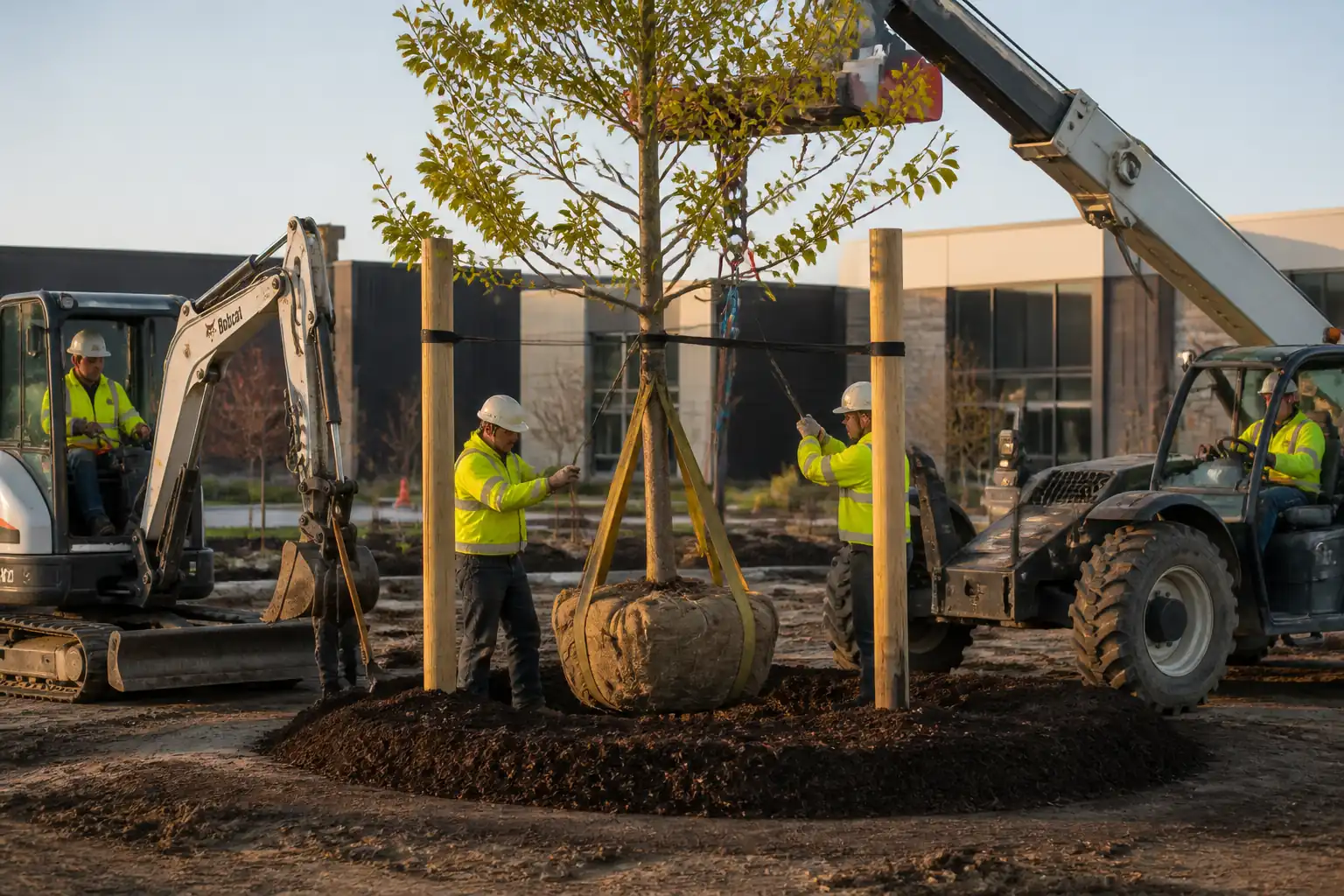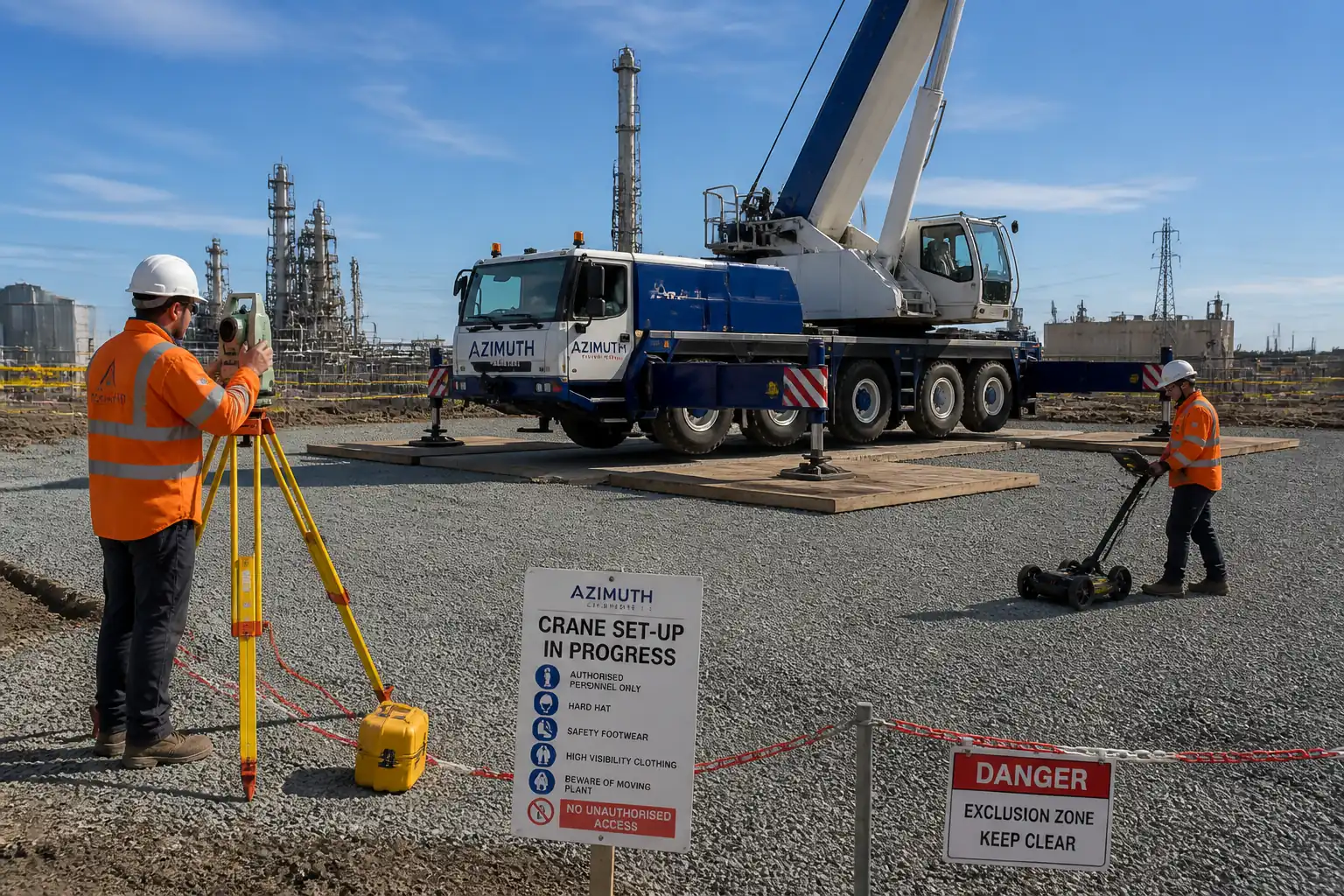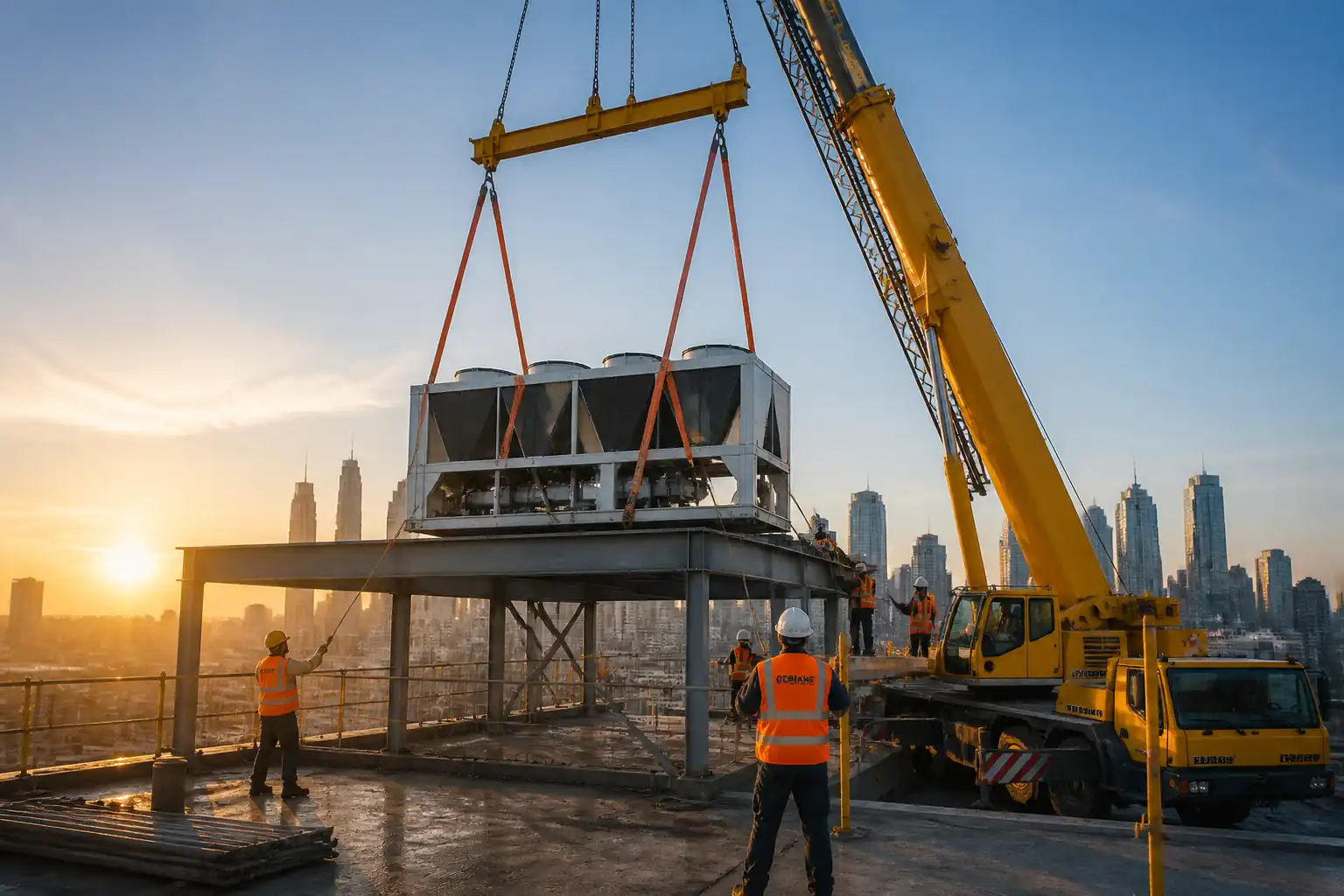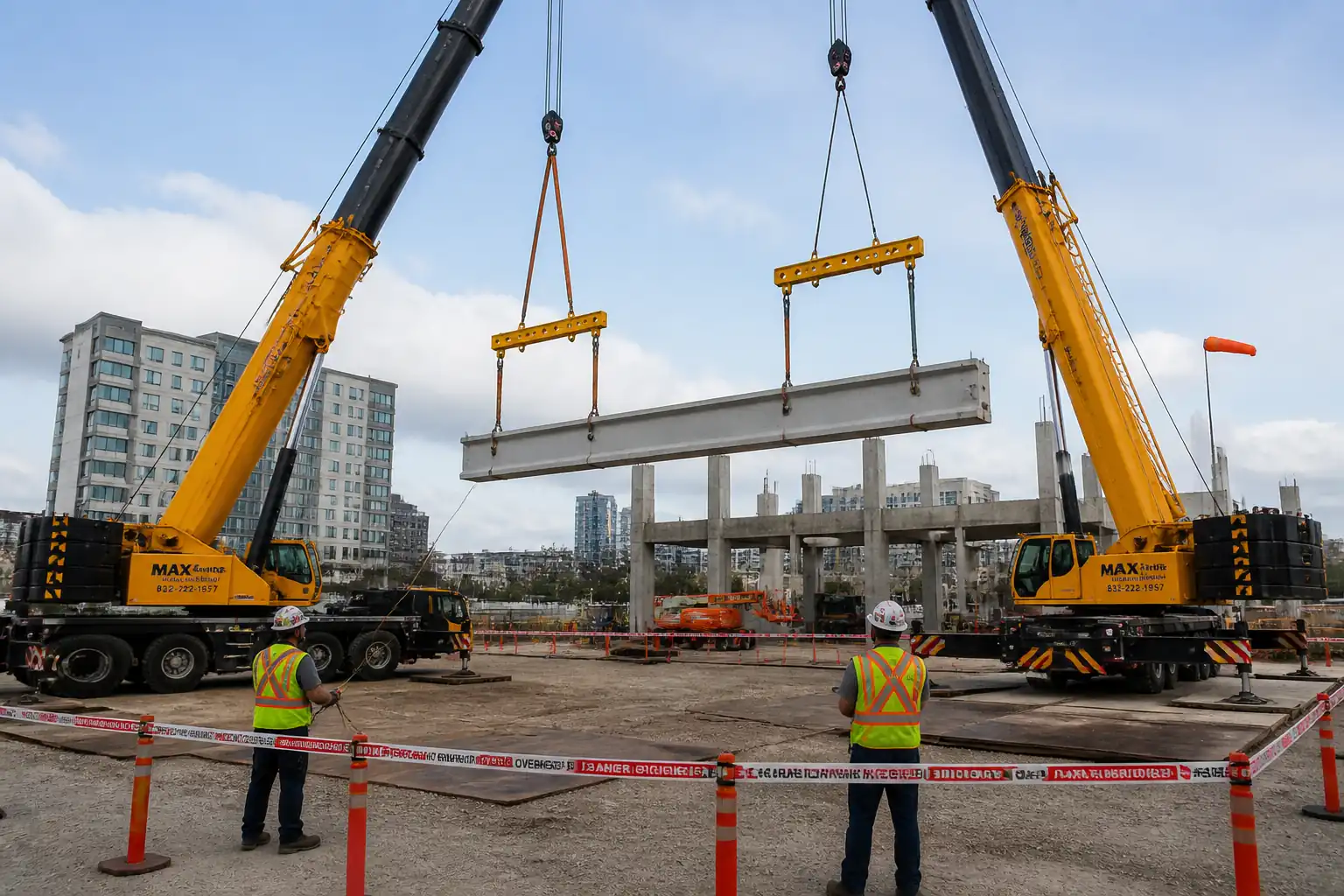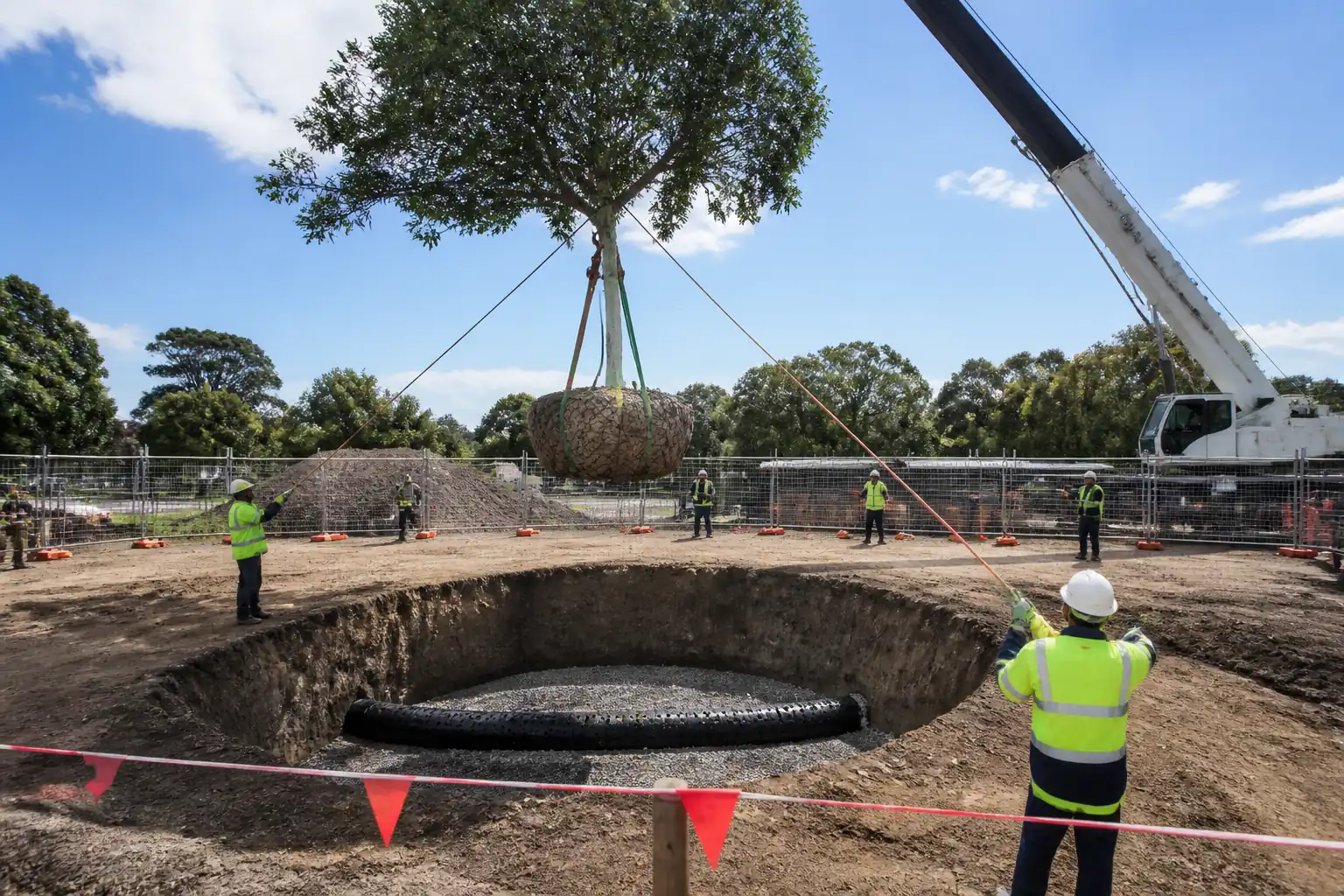

Inspection and Test Plan for Method Statement: Transplanting of Mature Specimen Trees (Root-Pruning, Crane Lifting, Oversized Pit Excavation, Hormone Root-Drench, Guy-Wire Stabilization, Intensive Monitoring)
AI-assisted inspection and test plan connected to a method statement, with PDF and Excel export.
More than a static template
Unlike a downloadable Word or PDF template, this ITP is an AI-assisted editable starting point directly connected to its method statement. Every inspection activity, hold point, and acceptance criterion is structured and ready to adapt to your project.
- AI-assisted customization — Tailor inspection activities and acceptance criteria to your specific project scope.
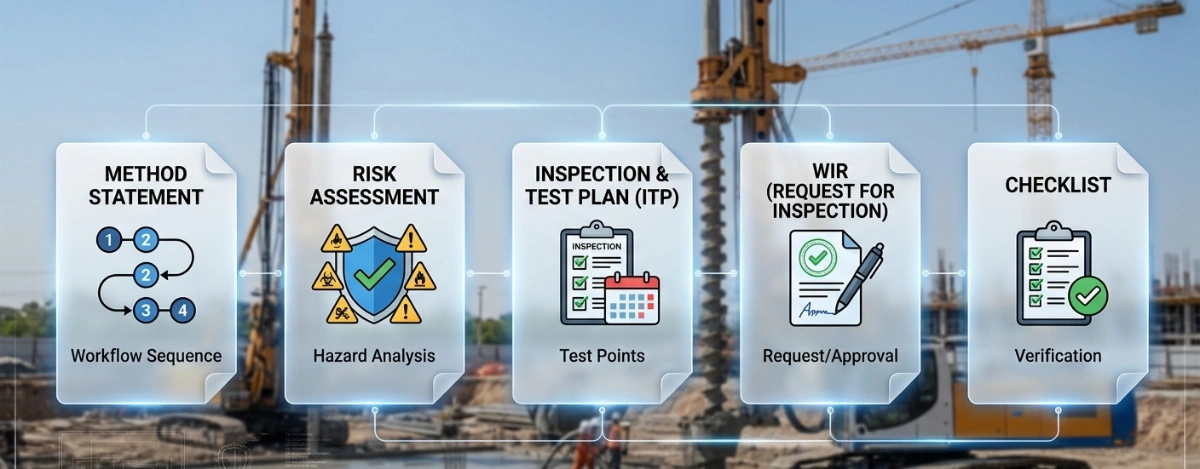
- Linked method statement — This ITP is connected to the corresponding method statement describing the work sequence.
- Multiple export formats — Download as a formatted PDF or editable Excel spreadsheet.
- Editable starting point, not a final document — Review and verify all content against your project specifications and standards before use.
What you can customize
When you save this ITP to your account, every inspection row becomes editable. You can add, remove, or modify:
- Inspection activity — Description of what is being inspected.
- Inspection type — Hold point (H), Witness point (W), Review (R), or Monitor (M).
- Responsibility — Contractor, subcontractor, engineer, or client.
- Frequency — How often the inspection occurs.
- Acceptance criteria — Referenced standard or specification requirement.
- Records — Forms, test reports, or checklists required as evidence.
Why this ITP is used
To verify each critical step meets arboricultural and lifting safety standards, ensuring high survival and compliance.
Who uses this inspection and test plan
Site engineers, certified arborists, crane supervisors, HSE managers, and client representatives.
When this ITP is prepared and submitted
From pre-assessment through aftercare, with hold/witness points at key milestones.
Who receives or approves this ITP
Client/Engineer for review and approval before works.
Inspection scope
Tree selection, root-pruning cycles, pit works, soil verification, lifting equipment, placement, guying, irrigation, and aftercare monitoring.
Typical hold, witness, and review points
Arborist approval of tree; pit inspection; final undercut; lift permit; placement and guying; initial watering.
Typical inspection records
Arborist reports, permits, inspection forms, load logs, soil tests, torque/tension logs, watering and monitoring records.
Important approval note
This ITP is an AI-assisted editable starting point, not a pre-approved document. Before use on any project, all inspection activities, hold points, and acceptance criteria must be reviewed and approved by the relevant parties (superintendent, principal contractor, or client representative) in accordance with your contract and project quality plan.
Always verify acceptance criteria against your applicable drawings, specifications, and regulatory requirements. Hold points must be confirmed with the relevant authority before work proceeds past that point.
Inspection and test plan
| Activity | Inspection / Test | Acceptance Criteria | Responsibility | Record |
|---|---|---|---|---|
| Tree selection and baseline survey | Visual grading, DBH measurement, photos | Tree condition suitable for transplant per BS 8545/ANSI A300 [Verify]. | Certified Arborist / Site Engineer | Arborist report, photo log |
| Utility clearance and TPZ fencing | Utility marks, fencing installed | Permit-to-dig issued; TPZ fence continuous and signed. | Site Engineer / HSE | Permit, inspection form |
| Root-pruning cycle(s) | Rootball radius, depth, clean cuts | Dimensions as specified; minimal damage; watered-in. | Certified Arborist | Root-prune log, photos |
| Receiving pit excavation | Dimensions, base scarified, drainage/aeration installed | Pit size within tolerance; drainage as specified. | Site Engineer / Excavator Operator | Pit inspection sheet |
| Backfill soil verification | pH, EC, texture/contamination check | BS 3882 conformance; pH 6.0–7.5 [Verify]. | Environmental Officer / Site Engineer | Soil test record |
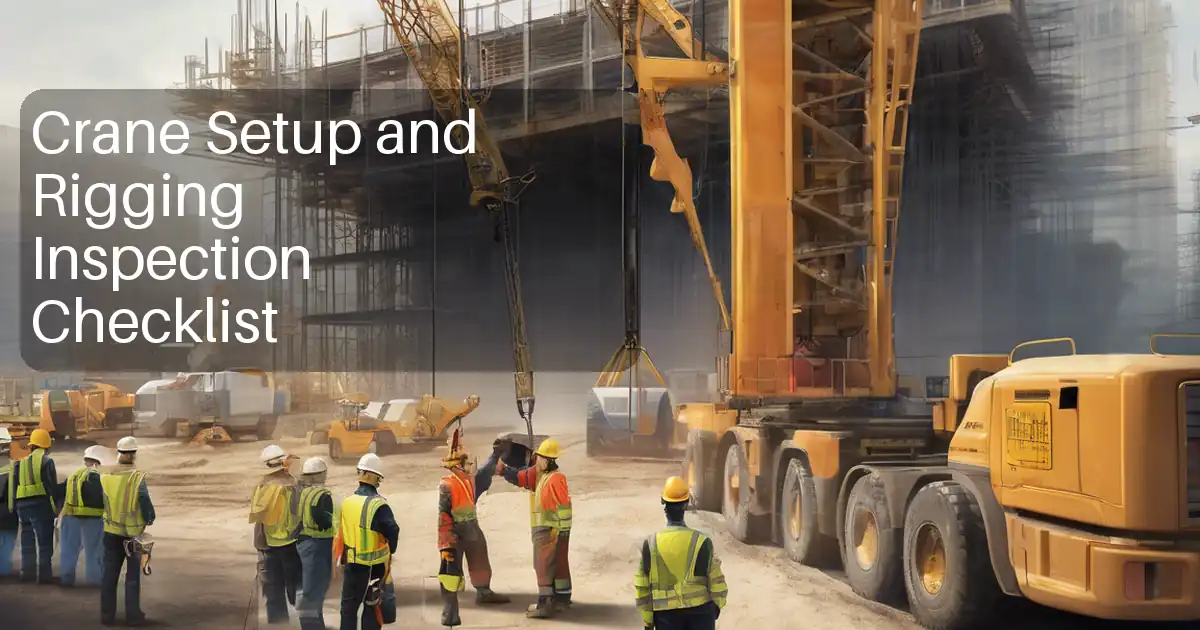
| Lifting equipment and rigging | Certificates, pre-use checks, sling angles, load cell | Compliant certs; sling angles as plan; wind within limit. | Crane Supervisor | Lift permit, checklist |
| Hormone root-drench application | Mix ratio, application rate | Per manufacturer TDS; no runoff. | Arborist / Aftercare | Batch sheet |
| Placement and verticality | Elevation vs grade, plumb check | Trunk flare 25–50 mm above grade; ≤1% lean. | Arborist / Site Engineer | Placement form |
| Guy-wire installation | Anchor torque; guy tension; guards | Torque/tension per spec; guards fitted; no trunk abrasion. | Site Engineer / Arborist | Torque/tension log |
| Initial watering and mulch | Volume delivered, mulch depth | 25–50 L/100 mm DBH [Verify]; mulch 50–75 mm; 100 mm clear of trunk. | Aftercare Team | Watering log, photo |
| Aftercare monitoring (Months 1–24) | Moisture, crown density, pest/disease, guy tension | Within moisture target; corrective actions closed; survival targets met [Verify]. | Aftercare Team / Arborist | Monthly reports, photos |
This table is a read-only public reference. Download the PDF or Excel version, or customize this ITP to edit it for your project.
Frequently asked questions
Related method statement
This Inspection and Test Plan is associated with the Method Statement: Transplanting of Mature Specimen Trees (Root-Pruning, Crane Lifting, Oversized Pit Excavation, Hormone Root-Drench, Guy-Wire Stabilization, Intensive Monitoring) method statement, which describes the step-by-step construction sequence, resources, materials, equipment, safety controls, and environmental controls for this activity.
View the Method Statement: Transplanting of Mature Specimen Trees (Root-Pruning, Crane Lifting, Oversized Pit Excavation, Hormone Root-Drench, Guy-Wire Stabilization, Intensive Monitoring) method statement →Continue with related inspection, method statement, article, and checklist resources.