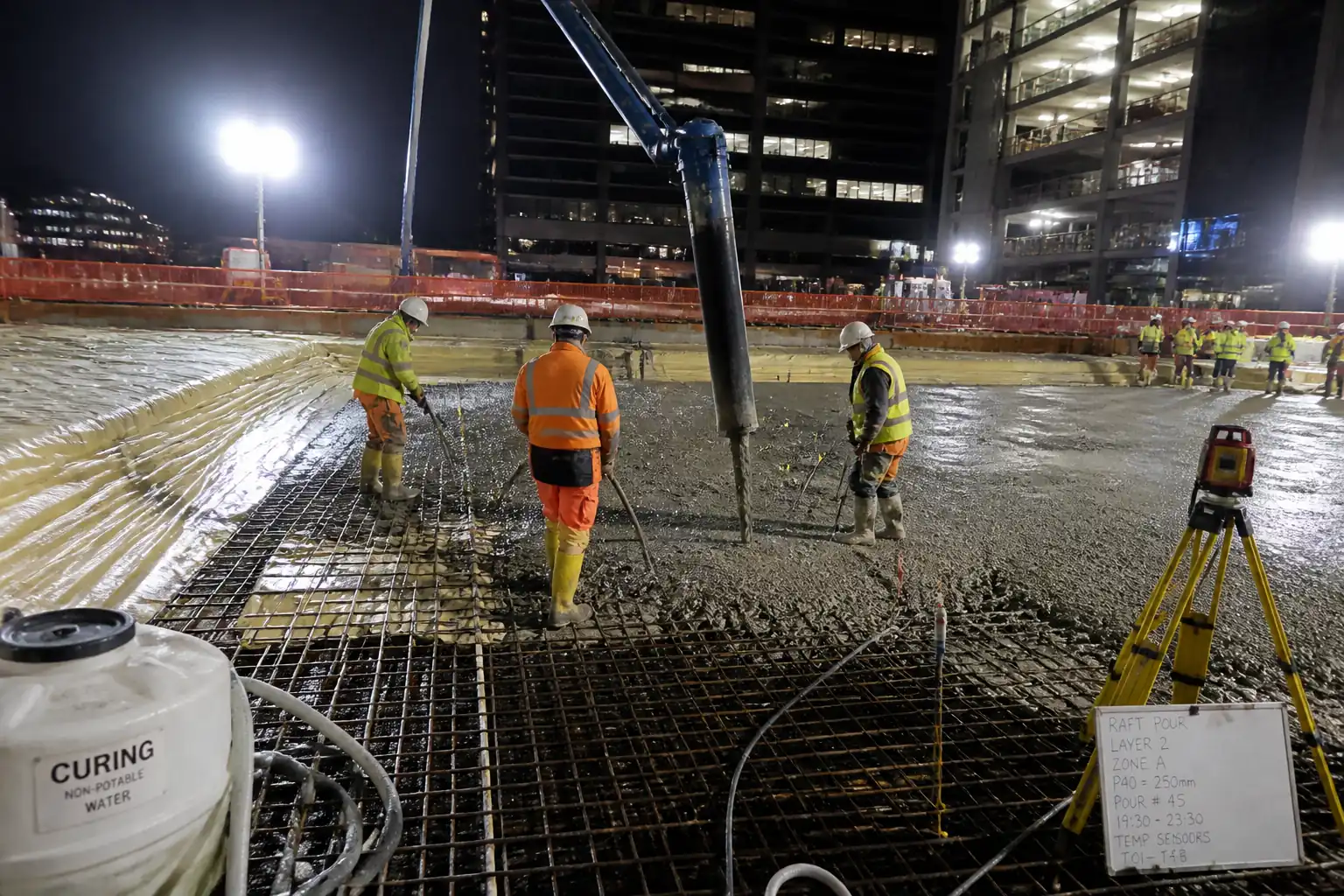

Inspection and Test Plan for Method Statement – Raft Foundation Mass Concrete Placement Works
AI-assisted inspection and test plan connected to a method statement, with PDF and Excel export.
More than a static template
Unlike a downloadable Word or PDF template, this ITP is an AI-assisted editable starting point directly connected to its method statement. Every inspection activity, hold point, and acceptance criterion is structured and ready to adapt to your project.
- AI-assisted customization — Tailor inspection activities and acceptance criteria to your specific project scope.
- Linked method statement — This ITP is connected to the corresponding method statement describing the work sequence.
- Multiple export formats — Download as a formatted PDF or editable Excel spreadsheet.
- Editable starting point, not a final document — Review and verify all content against your project specifications and standards before use.
What you can customize
When you save this ITP to your account, every inspection row becomes editable. You can add, remove, or modify:
- Inspection activity — Description of what is being inspected.
- Inspection type — Hold point (H), Witness point (W), Review (R), or Monitor (M).
- Responsibility — Contractor, subcontractor, engineer, or client.
- Frequency — How often the inspection occurs.
- Acceptance criteria — Referenced standard or specification requirement.
- Records — Forms, test reports, or checklists required as evidence.
Why this ITP is used
To ensure mass concrete placement meets structural, durability, and thermal performance requirements before acceptance.
Who uses this inspection and test plan
QA/QC engineers, site engineers, third-party labs, and the Engineer/Client representative.
When this ITP is prepared and submitted
Before, during, and after the concrete pour from pre-pour release to final acceptance.
Who receives or approves this ITP
Engineer/Client Representative for approval prior to works.
Inspection scope
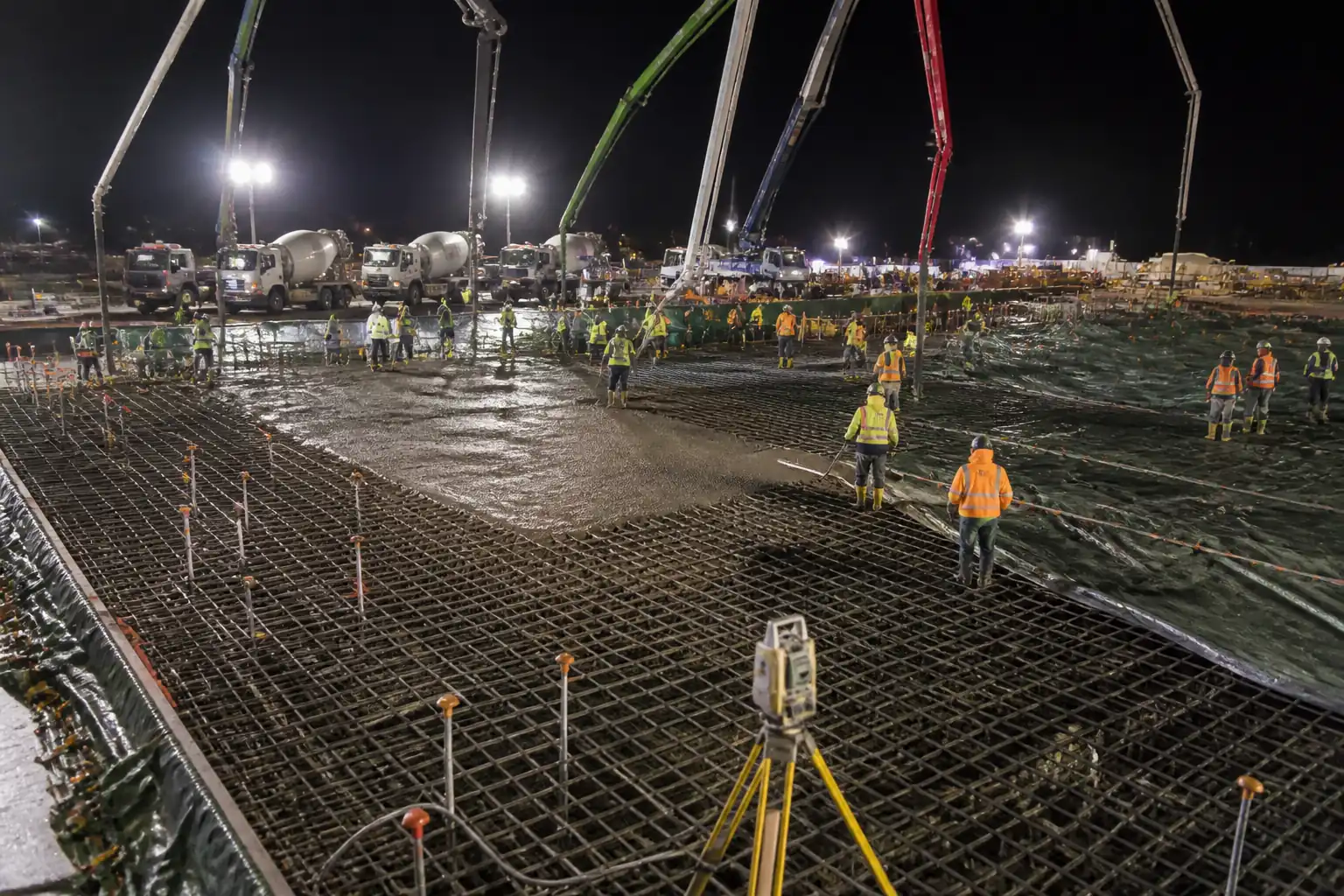
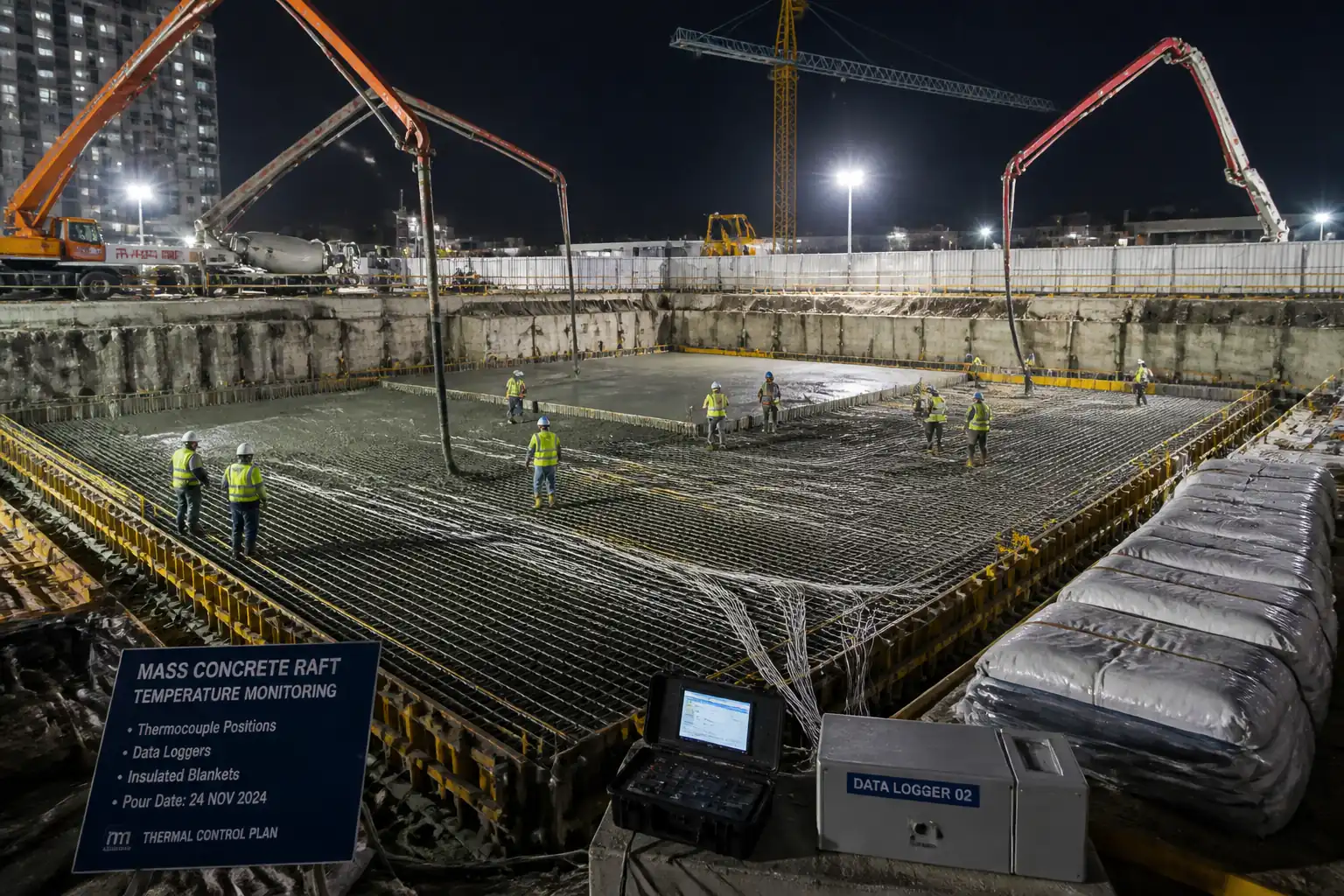
Covers base/rebar release, pump setup, fresh concrete tests, placement/vibration surveillance, curing application, temperature monitoring, and strength testing.
Typical hold, witness, and review points
Hold: Base/rebar release, first load, final acceptance. Witness: Pump pressure test, sensor commissioning, curing application, strength tests. Surveillance: Routine testing and placement.
Typical inspection records
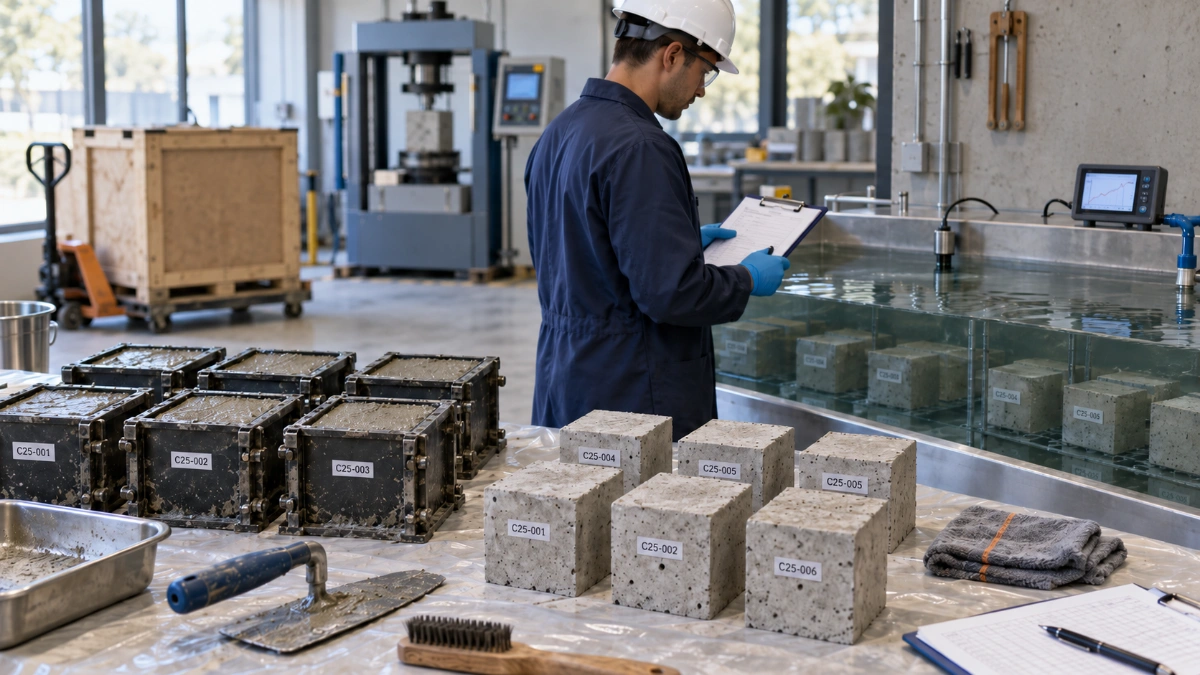
Pre-pour checklists, delivery tickets, field test sheets, cube/cylinder reports, temperature logs, curing logs, survey reports, NCR/CCR, acceptance certificate.
Important approval note
This ITP is an AI-assisted editable starting point, not a pre-approved document. Before use on any project, all inspection activities, hold points, and acceptance criteria must be reviewed and approved by the relevant parties (superintendent, principal contractor, or client representative) in accordance with your contract and project quality plan.
Always verify acceptance criteria against your applicable drawings, specifications, and regulatory requirements. Hold points must be confirmed with the relevant authority before work proceeds past that point.
Inspection and test plan
| Activity | Inspection / Test | Acceptance Criteria | Responsibility | Record |
|---|---|---|---|---|
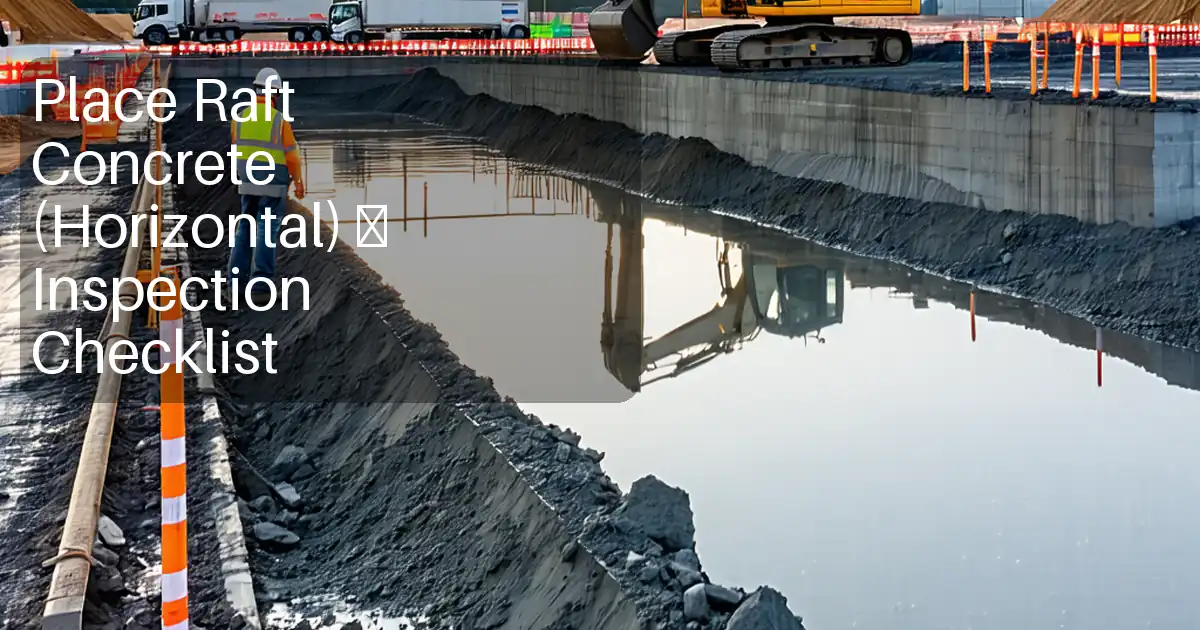
| Pre-pour base and reinforcement inspection | Check cleanliness, dryness, reinforcement cover/tying, embeds, screed rails; survey benchmarks (H) | Clean/dry base; reinforcement secured; covers per drawings; embeds in position/tight; surveys accepted. | QA/QC Engineer; Engineer/Client | Pre-pour checklist; RFI/IR signed |
| Pump and pipeline setup/pressure test | Line supports, clamps, end-hose leash; pressure test to 1.25–1.50× working pressure (W) [Verify] | No leaks/pressure loss; exclusion zones established. | Pump Operator; QA/QC | Pump setup checklist; pressure test record |
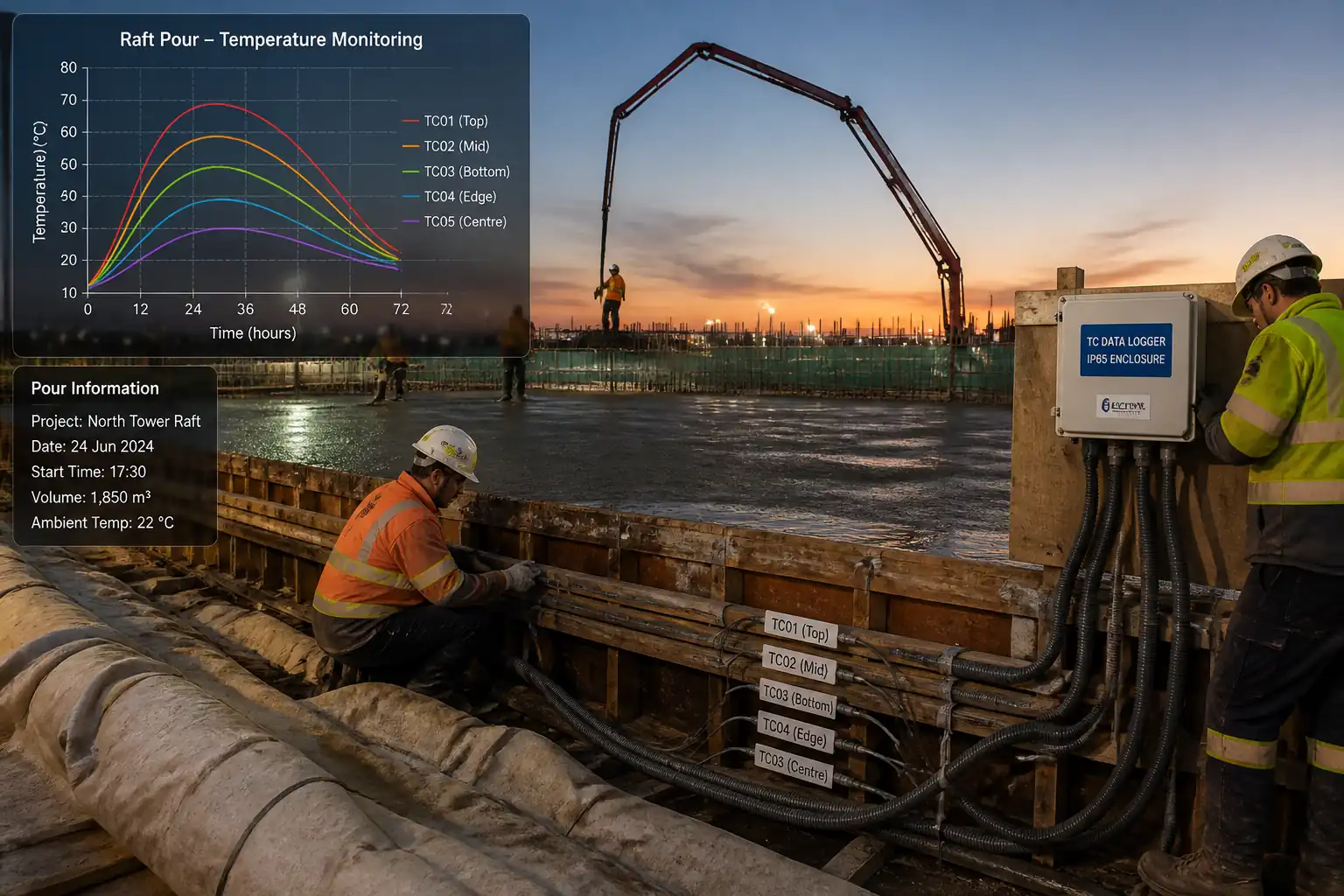
| Temperature sensor installation and commissioning | Location/level check; baseline reading vs reference thermometer (W) | Operational sensors; layout per approved drawing; calibration certificates valid. | Site Engineer; QA/QC | Sensor commissioning sheet; layout markups |
| First load approval | Slump, temp, air (if specified), density; specimen making (H) | Within approved ranges; discharge time within limits; pump primed with grout only. | QA/QC; Engineer/Client | Field test sheets; delivery ticket; specimen IDs |
| Routine fresh concrete testing | Slump & temp each truck or per 50–75 m³; air (if specified); density (S/W) [Verify] | Within tolerances; no water addition on site; admixture dosage per supplier. | Lab Technician; QA/QC | Field test sheets; corrective action log |
| Layer placement and vibration | Observe layer thickness, vibrator spacing/time (S) | 300–400 mm lifts [Verify]; proper overlap and re-vibration window maintained; no honeycombing. | Concrete Foreman; QA/QC | Supervisor checklist; photos |
| Finishing and level control | Spot level checks, straightedge checks (S/W) | Elevation within +0/−10 mm [Verify]; local flatness per spec. | Site Engineer; Surveyor | Level records; survey report |
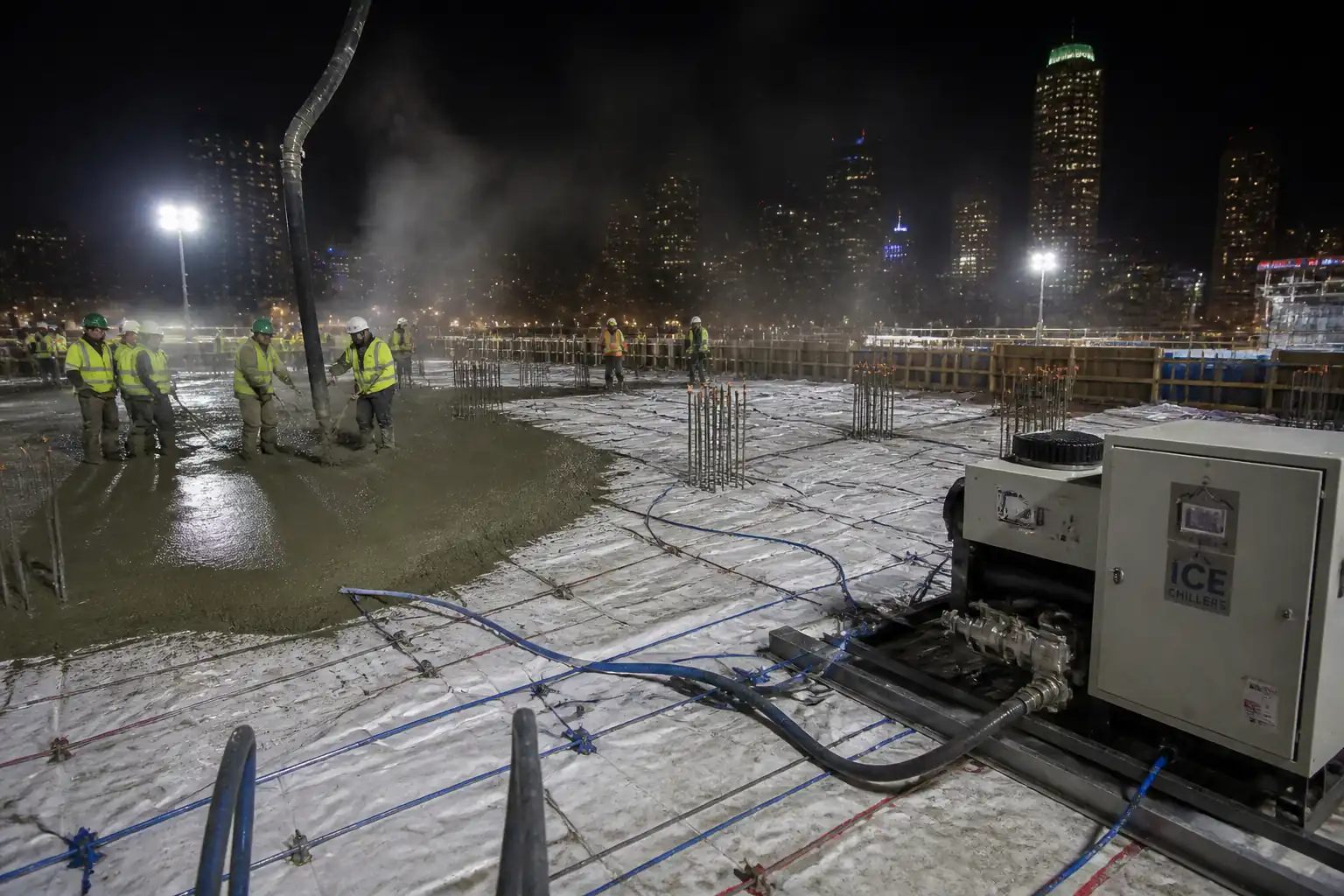
| Curing and insulation | Curing compound application rate and coverage; insulation placement (W) | Uniform coverage per TDS; curing started ≤30 min after finishing; insulation per thermal plan. | Site Engineer; QA/QC | Curing log; material batch/TDS |
| Temperature monitoring post-pour | Download/review logger data vs thresholds (S) | Max core–surface/ambient differential ≤20°C [Verify] and trending acceptable; corrective actions recorded if exceeded. | QA/QC Engineer | Temperature data exports; review sheets |
| Compressive strength testing | 7-day and 28-day strength tests (W) | 28-day average ≥ design strength; individual results within code/spec limits [Verify]. | Third-Party Lab; QA/QC | Test certificates; lab accreditation |
| Post-pour inspection/defect repair | Visual, sounding; check for cracking, honeycombing (W/S) | No significant defects; repairs per approved method; crack widths within limits [Verify]. | QA/QC; Engineer/Client | Inspection report; NCR/CCR closure |
| Final acceptance | Review dossier, test results, temperature logs, surveys (H) | All ITP items closed; criteria met; documentation complete. | Engineer/Client; Project Manager | Completion/Acceptance certificate |
This table is a read-only public reference. Download the PDF or Excel version, or customize this ITP to edit it for your project.
Frequently asked questions
Related method statement
This Inspection and Test Plan is associated with the Method Statement – Raft Foundation Mass Concrete Placement Works method statement, which describes the step-by-step construction sequence, resources, materials, equipment, safety controls, and environmental controls for this activity.
View the Method Statement – Raft Foundation Mass Concrete Placement Works method statement →Continue with related inspection, method statement, article, and checklist resources.