
Method Statement: Construction Waste Segregation and Disposal Management – Method Statement
AI-assisted method statement with matching ITP, PDF download, and Excel export.
More than a static template
Unlike a downloadable Word or PDF template, this method statement is an AI-assisted editable starting point connected directly to a matching Inspection and Test Plan. Every section is structured, project-adaptable, and ready to export.
- AI-assisted drafting — Customize every section with AI for your specific project scope.
- Linked ITP — A matching inspection and test plan is generated alongside the method statement.
- Multiple export formats — Download as a formatted PDF or editable Excel spreadsheet.
- Editable starting point, not a final document — Review, verify, and adjust all content against your project requirements before use.
Static template vs. Quollnet workflow
| Feature | Static template | Quollnet |
|---|---|---|
| Project-specific content | Manual fill-in required | AI-assisted customization |
| Linked ITP | Separate document, no link | Matching ITP included |
| Export formats | Usually PDF only | PDF and Excel |
| Structured sections | Free-form layout | 13 standardized sections |
| Saved to your account | Local file only | Cloud-saved, reusable |
| Content accuracy | You verify everything | AI-assisted, you still verify |
| Cost | Often free but time-intensive | Free to customize and download |
What you can customize
When you save this method statement to your account, every section becomes editable. The following 13 sections are included:
- Scope — Defines the activity and its boundaries.
- References — Standards, specifications, and drawings.
- Responsibilities — Roles and accountabilities.
- Resources — Labour, plant, and equipment summary.
- Materials — Materials and compliance requirements.
- Equipment — Tools and equipment details.
- Prerequisites — Hold points and pre-conditions.
- Method sequence — Step-by-step construction sequence.
- Safety controls — HSE risk controls and PPE.
- Environmental controls — Environmental mitigation measures.
- QA/QC — Quality inspection and test requirements.
- ITP — Inspection and Test Plan table (has its own page).
- Attachments — Referenced drawings and documentation.
Why this method statement is used
This method statement is used to define and communicate the approved procedure for carrying out method statement: construction waste segregation and disposal management on site. It ensures the work is planned in advance, the correct resources and controls are in place, and all personnel understand responsibilities, sequence, quality requirements, and safety controls before work begins. It aligns site execution with the documented scope and acceptance expectations.
Who uses this method statement
This method statement is used by contractors, site supervisors, project engineers, QA/QC engineers, HSE officers, consultants, and client representatives. It serves as a shared reference for planning, execution, supervision, inspection, and approval of the activity on site.
When it is prepared and submitted
The method statement is prepared before the work activity starts and submitted as part of the pre-construction documentation package for review and approval.
Who reviews or approves it
The method statement is usually submitted to the client representative, consultant, resident engineer, or project management consultant for review and approval before the work commences.
Important approval note
This method statement is an AI-assisted editable starting point, not a pre-approved document. Before use on any project, all content must be reviewed and approved by the relevant parties (superintendent, principal contractor, or client representative) in accordance with your contract and project quality plan.
For example: if your specification requires a departure from a referenced standard, that departure must be documented and approved separately — this method statement will not capture that automatically. Always verify against your applicable drawings, specifications, and regulatory requirements.
Method statement content
Scope
Overview
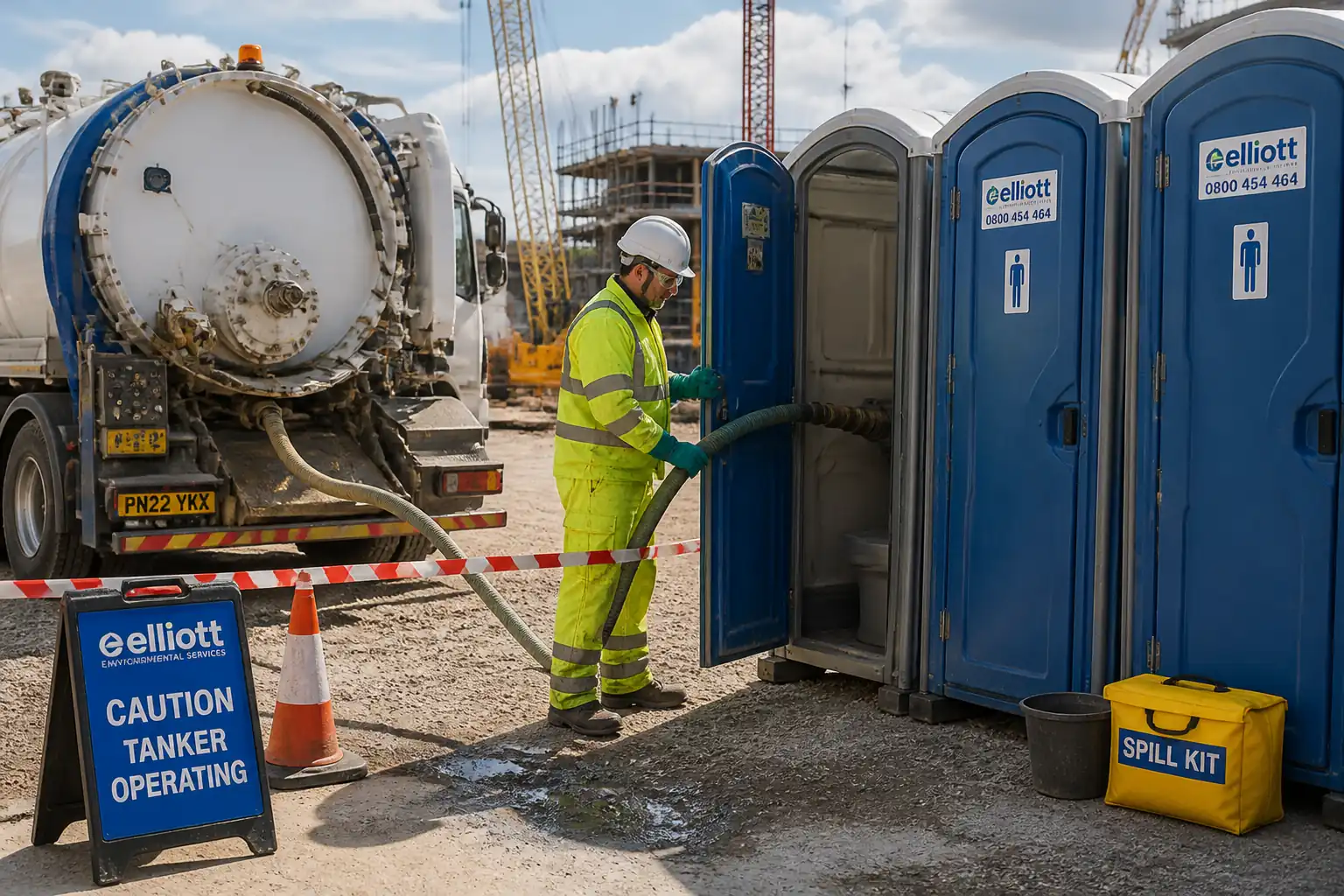
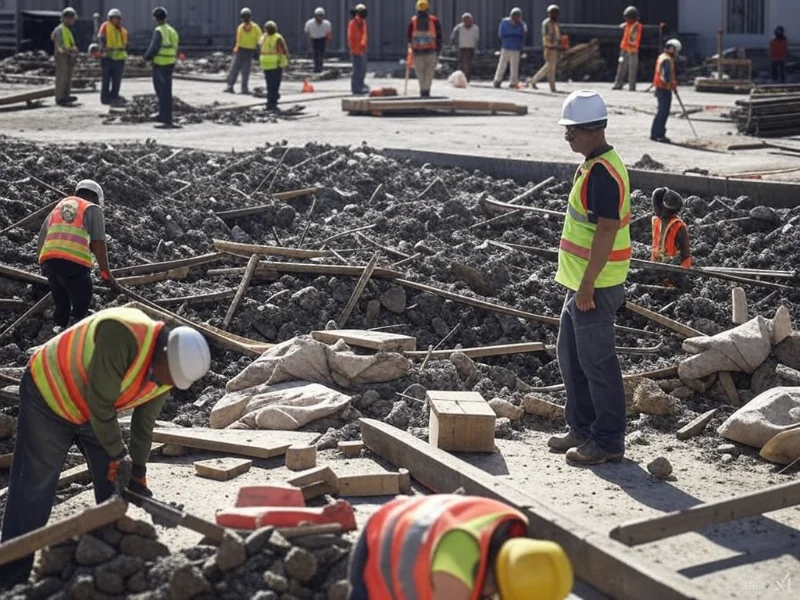
This method statement defines the procedures and controls for construction waste segregation, handling, temporary storage, transportation, recycling/reuse, and disposal to demonstrate compliance with the Project Waste Management Plan (WMP) and applicable regulations.
Scope Includes
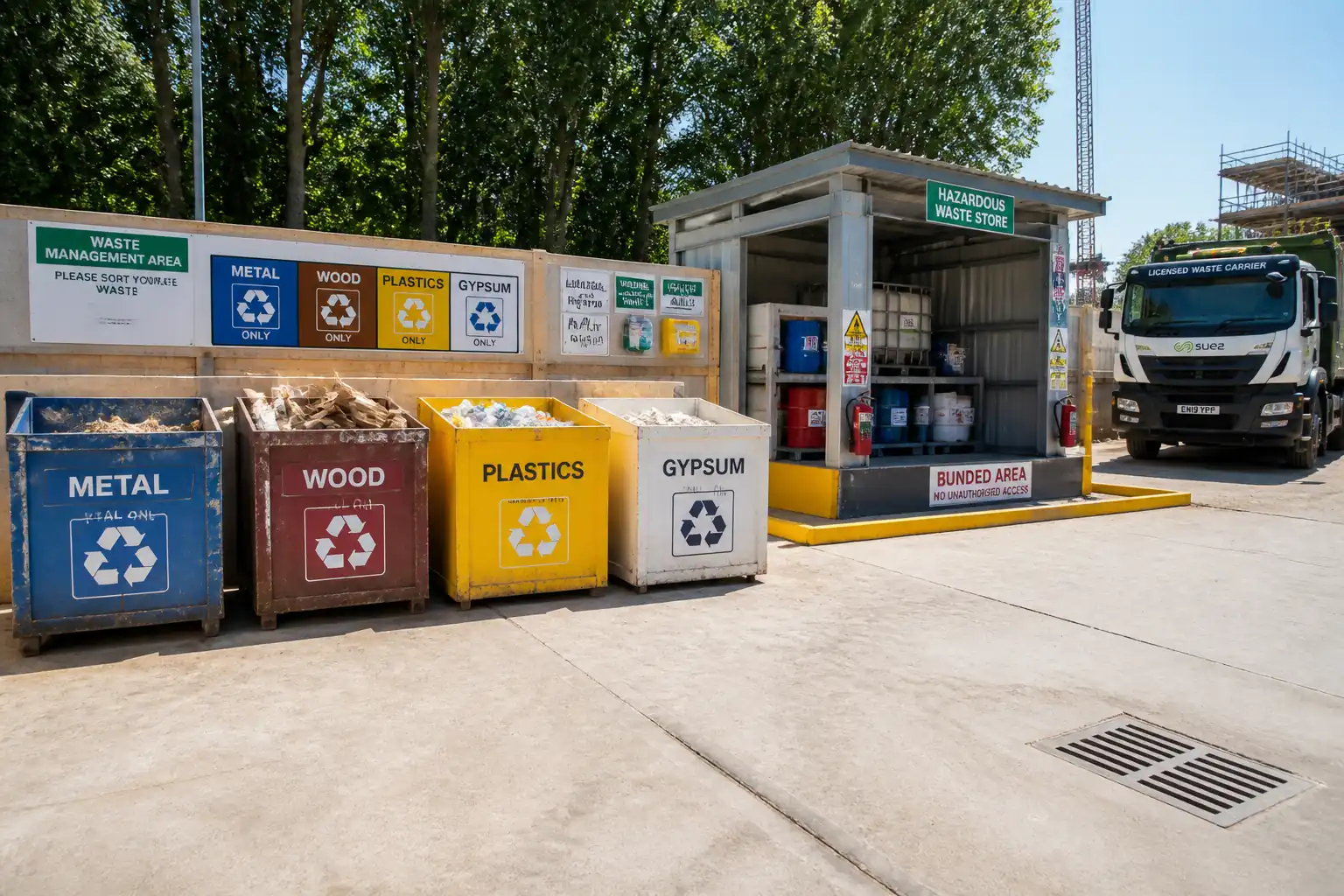
- Establishment of segregated waste streams and skip/bin allocation and labeling.
- Control of hazardous waste (storage, compatibility, consignment, and transport).
- Housekeeping standards and point-of-generation waste controls.
- Setting and monitoring recycling/recovery targets and contamination thresholds.
- Transport documentation (e.g., Waste Transfer Notes, Consignment Notes, Manifests) and carrier licensing verification.
- Environmental inspections, spill control, and stormwater protection for waste areas.
- QA/QC monitoring, audits, data capture (weighbridge, tickets), reporting, and record retention.
Exclusions
- Asbestos surveys/removal and radiological waste (managed under dedicated procedures) [Verify per project scope].
- Food/canteen waste management beyond container provision [Verify per project scope].
Key Performance Targets
- Site segregation of major streams at source (inert, metals, timber, plastics, cardboard, gypsum, soils, mixed non-recyclable, hazardous).
- Recycling/recovery rate for non-hazardous construction waste: 70–95% by weight; project target: 85% by weight [Verify per project specifications].
- Maximum allowable cross-contamination in segregated skips: 2–5% by volume [Verify per project specifications].
- Hazardous waste storage secondary containment: ≥110% of largest container or 25% of total volume, whichever is greater [Verify per local regulations].
References
| Document Type | Reference / Number | Revision | Notes |
|---|---|---|---|
| Standard | ISO 14001 | Environmental aspects, compliance obligations, operational control. | |
| Standard | ISO 45001 | Worker H&S obligations related to waste handling. | |
| Standard | ISO 9001 | ||
| Regulation | EU 2008/98/EC | Use EWC codes for classification [Verify per project location]. | |
| Regulation | UK EPA 1990; Waste Regs 2011 | Licensed carriers, transfer documentation [Verify per location]. | |
| Regulation | 40 CFR Parts 260–279 | EPA ID, generator status, accumulation time limits [Verify per location]. | |
| Code | ADR/IMDG/IATA DGR | Applicable where waste is dangerous goods [Verify per project logistics]. | |
| Regulation/Permit | Local water/environmental laws | No discharge of leachate to storm drains [Verify per permits]. | |
| Guidance | EA/HSE guidance (UK) or local equivalent | Separate from biodegradable waste streams. |
Responsibilities
| Role | Responsibility | Name / Party |
|---|---|---|
| PM | Project Manager | Main Contractor |
| Env Manager | Environmental Manager | Main Contractor |
| Engineer/Foreman | Site/Section Engineers and General Foremen | Main Contractor |
| HSE | HSE Officer | Main Contractor |
| Coordinator | Waste Coordinator | Main Contractor |
| Subcontractor | Approved Waste Carrier/Processor | Specialist Vendor |
| Engineer | Engineer/Employer’s Representative | Client/Engineer |
Resources
| Resource Type | Description | Quantity | Remarks |
|---|---|---|---|
| Personnel | Competent person with environmental qualification (e.g., IEMA) [Verify] | 1 | |
| Personnel | Trained in spill response and hazardous waste awareness | 1 | |
| Personnel | Competent in waste classification and documentation | 1 | |
| Personnel | General operatives trained in segregation and manual handling | 6–12 [Verify] | |
| Subcontractor | Valid license/permit and insurance verified before mobilization | 1+ | |
| Personnel | Records weights, provides tickets and summaries | As required |
Materials (Waste Streams)
| Material | Specification / Grade | Quantity | Remarks |
|---|---|---|---|
| Inert | Clean, no rebar protrusions >150 mm from skip rim [Verify] | ||
| Metals | Segregate stainless, aluminum, copper where feasible | ||
| Wood | No protruding nails beyond container rim; bundle long members | ||
| Packaging | Moisture <15% [Verify]; contamination <5% by volume | ||
| Gypsum | Keep dry and uncontaminated | ||
| Soil | Free of visible debris >2% by volume [Verify] | ||
| Residual | No hazardous items; bag sharp items | ||
| Hazardous | UN-rated containers; SDS available; labels with hazard pictograms |
Equipment
| Equipment | Capacity / Type | Quantity | Inspection Required |
|---|---|---|---|
| Skips/RO-RO | Up to 40 yd³ | As per site plan | Weekly condition check |
| Bins | 240–1100 L | As required | Daily visual |
| Spill kits | ≥120 L | Min. 2 kits | Monthly inventory |
| Bunds | Per design | As required | Weekly integrity check |
| FLTs | As rated | 1–2 | Pre-use checks |
| Baler | As rated | 1 | Planned maintenance |
| Weighbridge/Scales | As installed | 1 | Calibration records |
| Extinguishers | As rated | As required | Monthly check |
Prerequisites
- Approved Project Waste Management Plan (WMP) with targets, streams, and reporting defined.
- Pre-qualification and approval of licensed waste carriers, transfer stations, recyclers, and disposal facilities; copies of permits/licenses on file.
- Site Waste Layout Plan approved: locations of skips/bins, hazardous store, impermeable surfaces, drainage, spill kits, fire points, lighting, and access routes.
- Task-specific Risk Assessment/Method Statements (RAMS) for waste handling; COSHH assessments and current Safety Data Sheets (SDS) for hazardous materials.
- Training and inductions completed: segregation rules, labeling, manual handling, spill response, emergency procedures.
- Signage and labels available in local language(s), including EWC/UN numbers where applicable.
- Calibrated weighing system or contractual arrangement for weighbridge data from vendors.
- Communication with site trades: daily briefings on segregation rules and bin locations.
- Emergency response plan integrated with site emergency procedures; spill and fire drills scheduled.
- Permits to Work where required: hot works near waste, confined space for compactors, traffic management plan for skip exchanges [Verify per project HSE plan].
Method Sequence
| Step | Activity | Description | Responsibility | Inspection / Hold Point |
|---|---|---|---|---|
| 1 | Pre-start approvals and setup | Confirm WMP approval, vendor licenses, and site waste layout. Mark waste areas on site plan and install fencing, lighting, and access. | Project Manager / Environmental Manager | Document check and site walkdown |
| 2 | Install skips/bins and signage | Allocate color-coded skips/bins per stream; fit lids/covers for light materials; install bilingual signage and contamination pictograms. | Waste Coordinator / Foreman | Initial inspection and photo record |
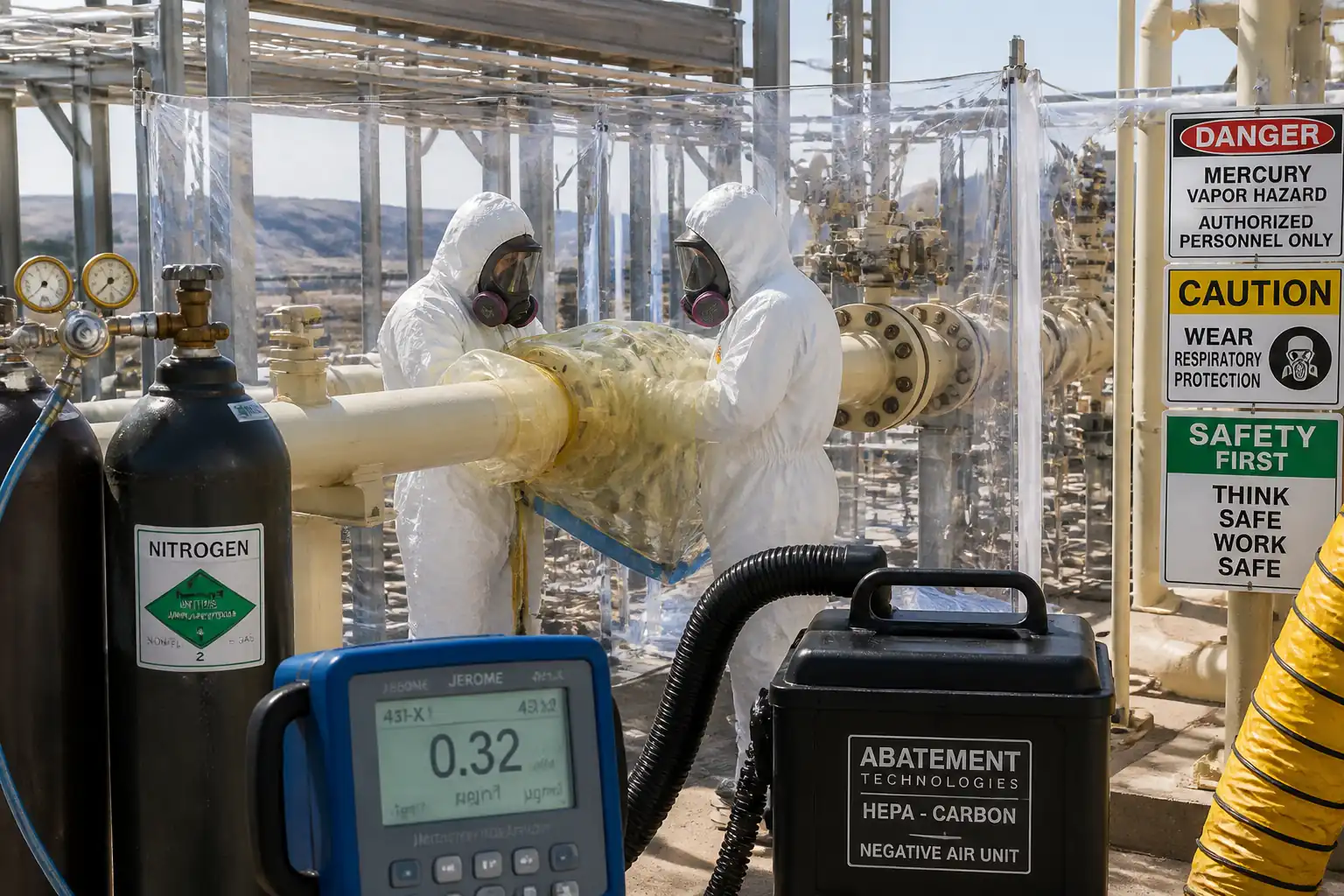
| 3 | Hazardous waste store setup | Provide ventilated, lockable COSHH store with bunding; segregate incompatibles (acids vs bases, oxidizers vs organics); install spill kits and eyewash. | Environmental Manager / HSE Officer | Store integrity and compatibility check |
| 4 | Point-of-generation controls | Place wheelie bins at work fronts; brief trades daily. Empty to central skips before bins reach 80% capacity. | Foremen / Operatives | Supervisor daily check |
| 5 | Housekeeping and stacking | Keep 1 m clear zones around skips; stack timber neatly; remove protruding rebar; cover light waste to prevent windblown litter. | Foremen / HSE Officer | Daily walkdown |
| 6 | Collection and transport | Arrange skip exchanges with licensed carrier; ensure loads are covered and properly placarded if hazardous; weigh at licensed facility. | Waste Coordinator / Carrier | Driver pre-departure check; gate control |
| 7 | Weighing and reconciliation | Record gross/tare/net weights; reconcile monthly with carrier statements; investigate variances >5%. | Environmental Manager / QS | Desk review |
| 8 | Hazardous waste documentation | Classify waste using SDS and regulation; complete consignment notes/manifests; assign EWC/UN codes; retain copies signed by all parties. | Environmental Manager / Waste Coordinator | Document review |
| 9 | Inspections and audits | Daily checks, weekly formal inspections, monthly audits of segregation quality and documentation; storm event checks within 24 h after heavy rainfall [Verify threshold]. | HSE Officer / Environmental Manager | Field inspections and audits |
| 10 | Training and toolbox talks | Deliver induction and monthly refreshers; record attendance; test understanding with quick quizzes. | HSE Officer / Environmental Manager | Training record review |
| 11 | Nonconformance and corrective action | Identify cross-contamination, illegal dumping, missing documents; issue NCR; quarantine affected skips; retrain if recurring. | Environmental Manager / PM | NCR issuance and follow-up |
| 12 | Demobilization and final reporting | Remove all waste, clean areas, close out documentation, provide end-of-project waste summary with recycling rates and certificates of disposal/recovery. | Project Manager / Environmental Manager | Final inspection |
Health & Safety Controls
Key Hazards, Consequences, and Controls
1) Manual handling of waste
- Consequence: Musculoskeletal injuries, strains.
- Engineering/Procedural Control: Use mechanical aids (carts/FLTs); break loads into ≤25 kg per lift [Verify per local guidance]; team lifts; provide handling training.
- PPE: Gloves (cut-resistant), safety boots, long sleeves.
- Collective Measure: Designated handling routes; clear floor space; no lifts above shoulder height.
- Inspection/Permit/Supervision: Pre-use FLT checks; supervisor oversight; include in RAMS.
2) Sharps and protrusions (nails, rebar, broken glass)
- Consequence: Cuts, puncture wounds, infection.
- Engineering/Procedural Control: De-nail timber; cap rebar; use sharps bins; prohibit overfilling skips.
- PPE: Cut-resistant gloves, eye protection.
- Collective Measure: Closed-lid containers; magnetic sweepers in work areas.
- Inspection/Permit/Supervision: Daily housekeeping inspection; HSE inspections weekly.
3) Hazardous chemicals (paints, solvents, adhesives, aerosols)
- Consequence: Fire, toxic exposure, dermatitis.
- Engineering/Procedural Control: COSHH assessment; compatible segregation; UN-rated containers; ventilation; no ignition sources within designated exclusion zone.
- PPE: Chemical-resistant gloves, goggles/face shield, coveralls.
- Collective Measure: Bunded, lockable store; spill kits and eyewash; fire extinguishers.
- Inspection/Permit/Supervision: Store checklist weekly; permit for hot works near store; supervision by HSE.
4) Vehicle movements and skip exchanges
- Consequence: Struck-by, crush injuries.
- Engineering/Procedural Control: Traffic management plan; banksman for reversing; exclusion zones; speed limits ≤10 km/h on site [Verify].
- PPE: Hi-vis vest, safety boots, hard hat.
- Collective Measure: Physical barriers and signage; designated turning areas.
- Inspection/Permit/Supervision: Banksman certification; daily plant inspections; site traffic permits.
5) Fire risk from combustible waste (timber, cardboard, aerosols)
- Consequence: Fire spread, explosion.
- Engineering/Procedural Control: No smoking; separate combustible skips ≥6 m from buildings/fences [Verify per code]; keep lids closed; rotate stock frequently (first-in first-out).
- PPE: Standard site PPE; for response, fire-resistant gloves.
- Collective Measure: Fire points with foam/CO2 extinguishers; emergency response plan and drills.
- Inspection/Permit/Supervision: Weekly fire safety checks; hot work permits near waste.
6) Slips, trips, and falls
- Consequence: Sprains, fractures.
- Engineering/Procedural Control: Maintain 1 m clear zones; immediate cleanup of spills; adequate lighting.
- PPE: Safety boots with slip-resistant soles.
- Collective Measure: Non-slip surfacing at waste area; cable management.
- Inspection/Permit/Supervision: Daily inspections; rectify within 24 h.
7) Exposure to dust and fibers (cutting boards, sweeping)
- Consequence: Respiratory irritation; sensitization.
- Engineering/Procedural Control: Damping down; avoid dry sweeping—use M-class vacuums; sealed bags.
- PPE: RPE FFP2/FFP3 as required [Verify]; eye protection.
- Collective Measure: Local extraction at baler; enclosed cutting areas.
- Inspection/Permit/Supervision: Air monitoring if specified; supervision of dusty tasks.
8) Unknown/legacy hazardous materials (e.g., suspected asbestos)
- Consequence: Serious respiratory disease.
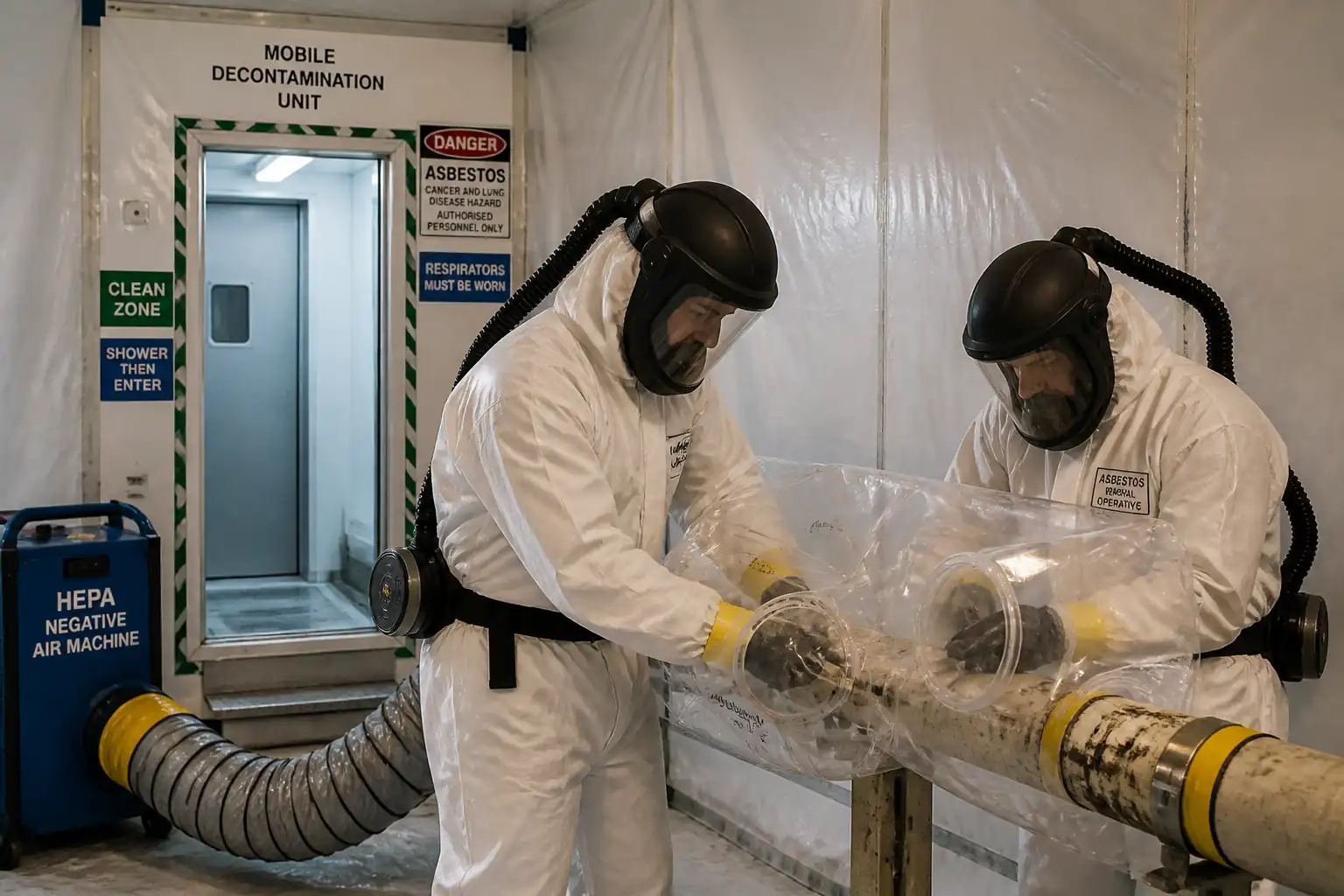
- Engineering/Procedural Control: Stop work; isolate area; sample by licensed assessor; follow asbestos procedure.
- PPE: Do not disturb until assessed; specialist PPE if confirmed.
- Collective Measure: Asbestos management plan.
- Inspection/Permit/Supervision: Permit to Work and licensed contractor engagement [Verify per law].
[All measures to be verified per project HSE plan and local regulations.]
Environmental Controls
Environmental Aspects and Controls
- Windblown litter and dust
- Control: Covered skips for light fractions; tarpaulins; maintain moisture control; speed limit to reduce dust; no overfilling.
-
Monitoring: Daily checks; additional covers prior to forecast high winds.
-
Leachate and spills
- Control: Store waste on impermeable surfaces with contained drainage; bund hazardous liquids; spill kits and trained responders; prevent connections to storm drains; deploy drain covers during transfers.
-
Monitoring: Weekly inspection; immediate cleanup; record all spills >1 L.
-
Noise from collections/compaction
- Control: Restrict hours [Verify]; maintain equipment; use low-noise practices and signage.
-
Monitoring: Complaints log; spot noise checks if required.
-
Odor
- Control: Remove putrescible waste daily; covered containers; prompt off-site transfer.
-
Monitoring: Odor checks during rounds.
-
Wastewater from bin washing
- Control: Wash in designated area with capture to foul sewer or licensed tank; no discharge to stormwater [Verify per permit].
-
Monitoring: Record wash events; inspect silt traps.
-
Resource efficiency (recycling targets)
- Control: Segregation at source; vendor pre-approval for recovery facilities; periodic composition audits; supplier take-back schemes.
-
Monitoring: Monthly recycling rate calculation; investigate deviations >5% from target.
-
Soil and groundwater protection
- Control: Prohibit storage of hazardous waste on bare ground; use trays for small containers; immediate removal of contaminated soil by licensed vendor.
-
Monitoring: Visual checks; environmental incident reporting.
-
Storm preparation
- Control: Lower waste inventories before storms; secure lids/covers; inspect within 24 h post-event (>25 mm rainfall or as specified) [Verify].
- Monitoring: Storm inspection checklist and corrective action log.
QA/QC
Quality Assurance and Control Plan
- Document Control: Maintain Waste Register, Skip Register, WTNs/Consignment Notes/Manifests, weighbridge tickets, licenses/permits, training records. Retain for ≥7 years [Verify per contract].
- Calibration: Weighbridge/scales calibration certificates within 12 months [Verify].
- Segregation Audits: Weekly audit of ≥10% of active containers; contamination scoring with acceptance ≤5% by volume [Verify].
- Composition Audits: Monthly for key streams (e.g., residual skip) using representative sampling (per site-specific plan). Target reduction actions issued.
- Vendor Performance Review: Quarterly review of recovery rates and certificates from processors; verify final destinations are permitted and legitimate.
- Reporting: Monthly Environmental Report summarizing tonnages by stream, recycling rate vs target, NCRs, training stats, and improvement actions.
- Nonconformance Control: Immediate quarantine of contaminated skips; NCR issuance; root cause analysis; corrective actions within 14 days [Verify].
- Hold/Witness Points: Hold prior to first shipment of each hazardous waste stream; witness initial setup of waste area and labeling by Engineer.
- Change Management: Any change to waste streams or storage arrangements requires update to WMP and re-briefing.
- KPIs: Recycling rate ≥85% [Verify], contamination ≤5%, zero regulatory breaches, 100% document completeness for outbound loads.
Attachments
- Template: Waste Transfer Note (Non-hazardous) [Project-specific]
- Template: Hazardous Waste Consignment Note / RCRA Manifest [As applicable]
- Form: Daily Waste & Housekeeping Inspection Checklist
- Form: Weekly Environmental Inspection Checklist
- Form: Hazardous Waste Store Commissioning & Weekly Check
- Register: Skip/Bin Register with labels and locations
- Register: Waste Shipment Log (including weighbridge tickets)
- Plan: Site Waste Layout and Traffic Management for Skip Exchanges
- Matrix: Training and Competency Matrix
- Emergency: Spill Response Plan and Contact List
- Vendor: Approved Waste Carrier and Processor Permits/Certificates
- Guidance: Segregation Poster (bilingual) with color codes and contamination thresholds
- Audit: Monthly Waste Reconciliation and KPI Dashboard
This content is a read-only public reference. Download or customize to get an editable version.
ITP preview
The first inspection activities from the linked ITP for Method Statement: Construction Waste Segregation and Disposal Management:
| Activity | Inspection / Test | Acceptance Criteria | Responsibility | Record |
|---|---|---|---|---|
| Approval of Waste Management Plan and Vendor Licenses | Review and approval | Approved WMP; current licenses/permits on file; site layout endorsed. | Project Manager / Environmental Manager / Engineer | Approval letters; Permit copies; WMP issue register |
| Waste Area Setup (Skips/Bins, Signage) | Visual inspection and photo record | Correct containers per stream; labels legible; lids functional; 1 m clear zones; impermeable base. | Waste Coordinator / HSE Officer | Waste Area Setup Checklist; Photos |
| Hazardous Waste Store Commissioning | Bund capacity verification; compatibility check | Bund capacity ≥110% of largest container or ≥25% of total; segregation of incompatibles; SDS available; emergency equipment in place. | Environmental Manager / HSE Officer | Hazardous Store Commissioning Form; Bund calc |
Showing 3 of 10 inspection activities. View full ITP →
Related Inspection and Test Plan
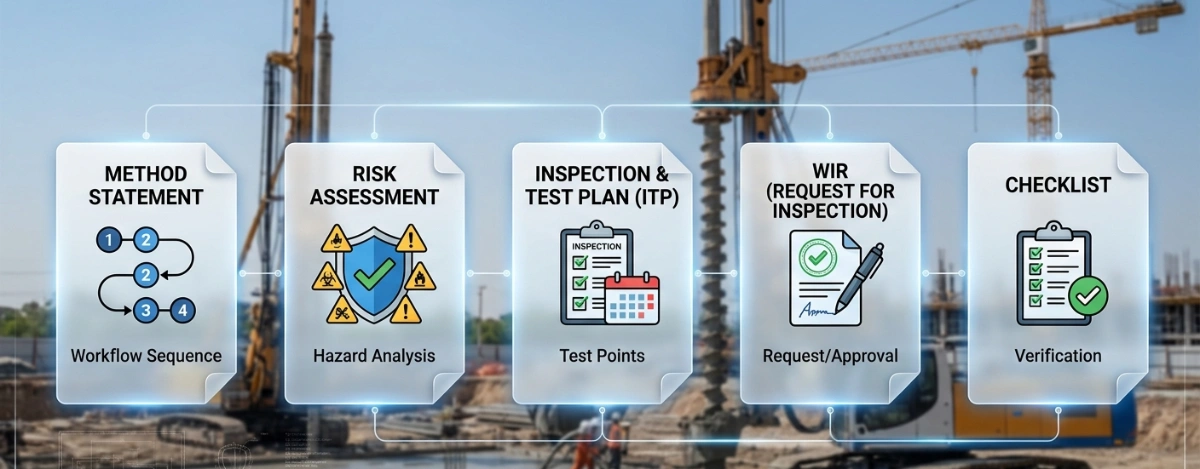
An Inspection and Test Plan (ITP) is available for Method Statement: Construction Waste Segregation and Disposal Management. The ITP defines the inspection activities, acceptance criteria, hold and witness points, responsible parties, and records required to verify the work described in this method statement.
View the Method Statement: Construction Waste Segregation and Disposal Management ITP →Frequently asked questions
Continue with related Quollnet resources connected to this method statement.