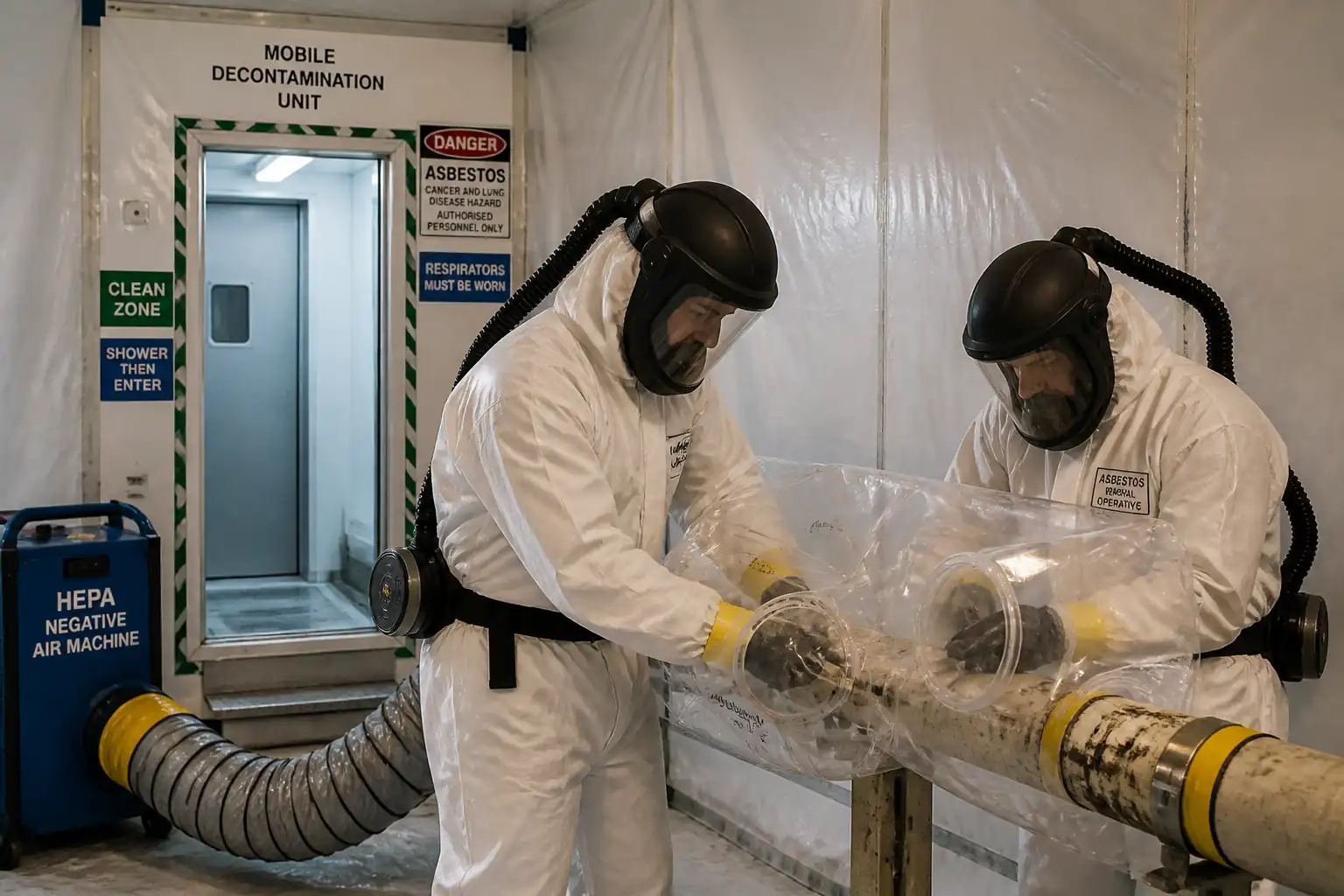

Inspection and Test Plan for Method Statement: Asbestos-Containing Pipe Insulation Removal via Glovebag, Negative Pressure Enclosure, Air Monitoring, Decontamination, Waste Management, and Clearance
AI-assisted inspection and test plan connected to a method statement, with PDF and Excel export.
More than a static template
Unlike a downloadable Word or PDF template, this ITP is an AI-assisted editable starting point directly connected to its method statement. Every inspection activity, hold point, and acceptance criterion is structured and ready to adapt to your project.
- AI-assisted customization — Tailor inspection activities and acceptance criteria to your specific project scope.
- Linked method statement — This ITP is connected to the corresponding method statement describing the work sequence.
- Multiple export formats — Download as a formatted PDF or editable Excel spreadsheet.
- Editable starting point, not a final document — Review and verify all content against your project specifications and standards before use.
What you can customize
When you save this ITP to your account, every inspection row becomes editable. You can add, remove, or modify:
- Inspection activity — Description of what is being inspected.
- Inspection type — Hold point (H), Witness point (W), Review (R), or Monitor (M).
- Responsibility — Contractor, subcontractor, engineer, or client.
- Frequency — How often the inspection occurs.
- Acceptance criteria — Referenced standard or specification requirement.
- Records — Forms, test reports, or checklists required as evidence.
Why this ITP is used
To verify containment integrity, control of fibre release, worker exposure compliance, and that clearance standards are achieved before reoccupation.
Who uses this inspection and test plan
LARC supervisors, independent analysts, principal contractor QA, and client representatives.
When this ITP is prepared and submitted
From pre-start approvals through active removal to final clearance and demobilisation.
Who receives or approves this ITP
Client/Engineer/Regulator as required.
Inspection scope
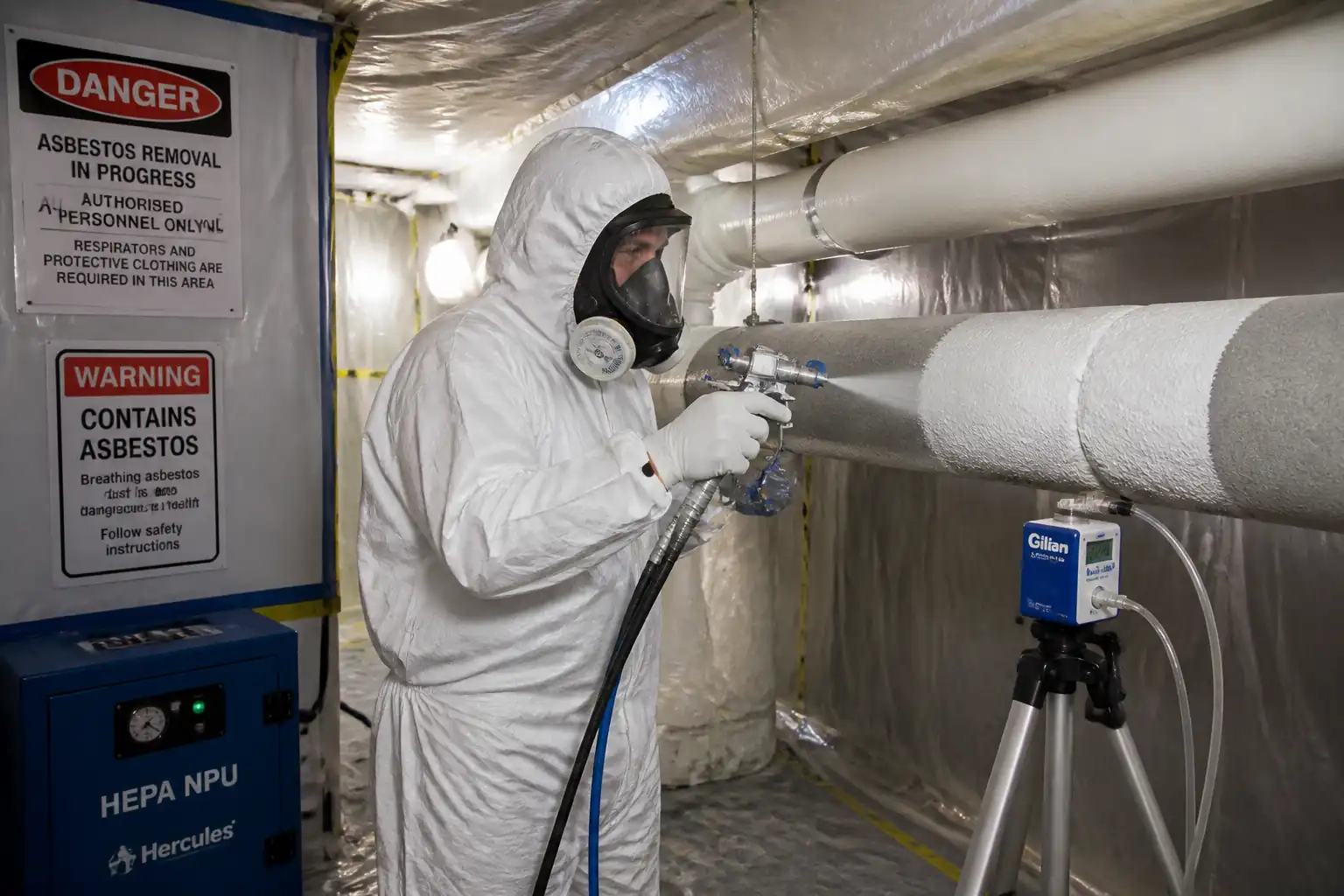
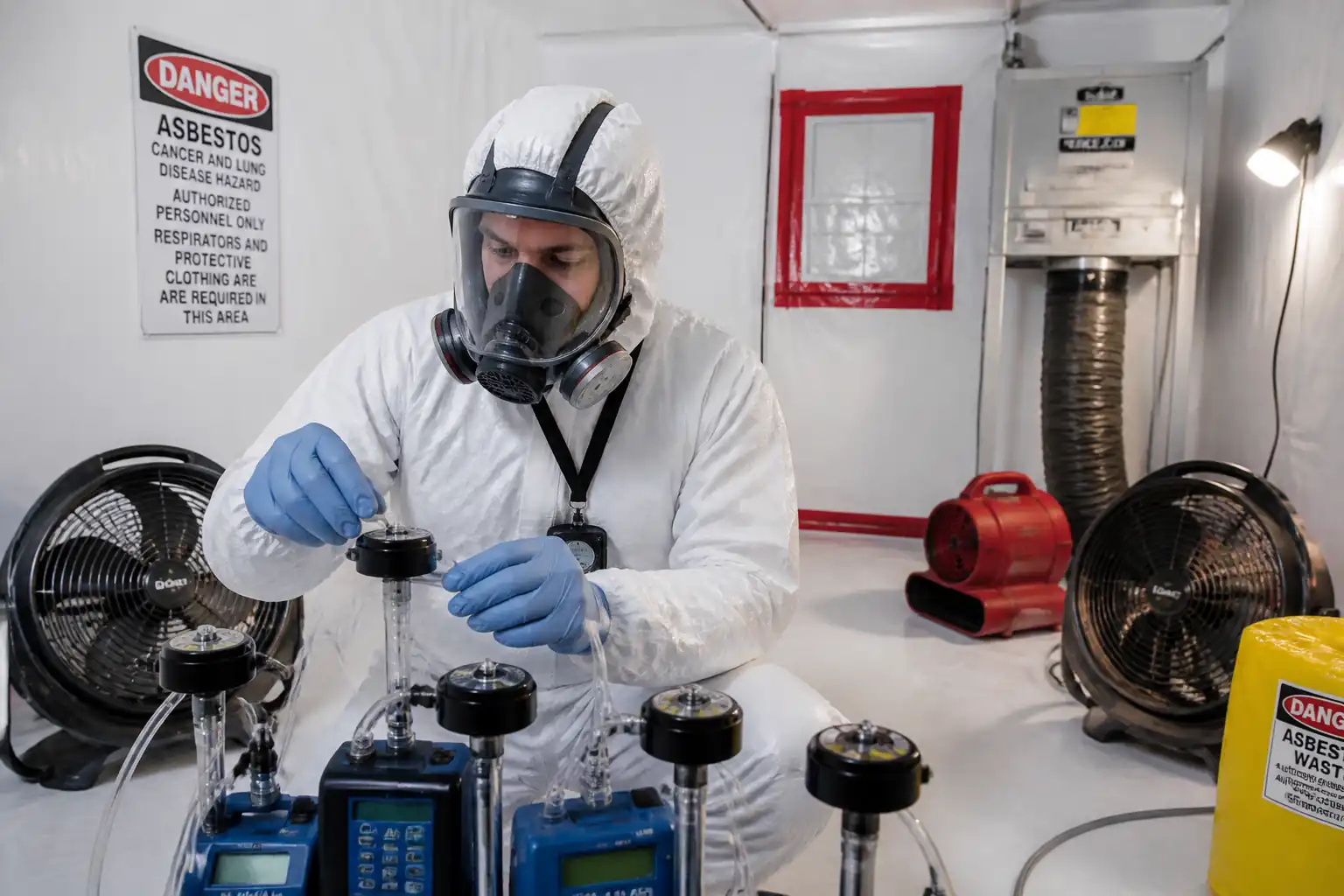
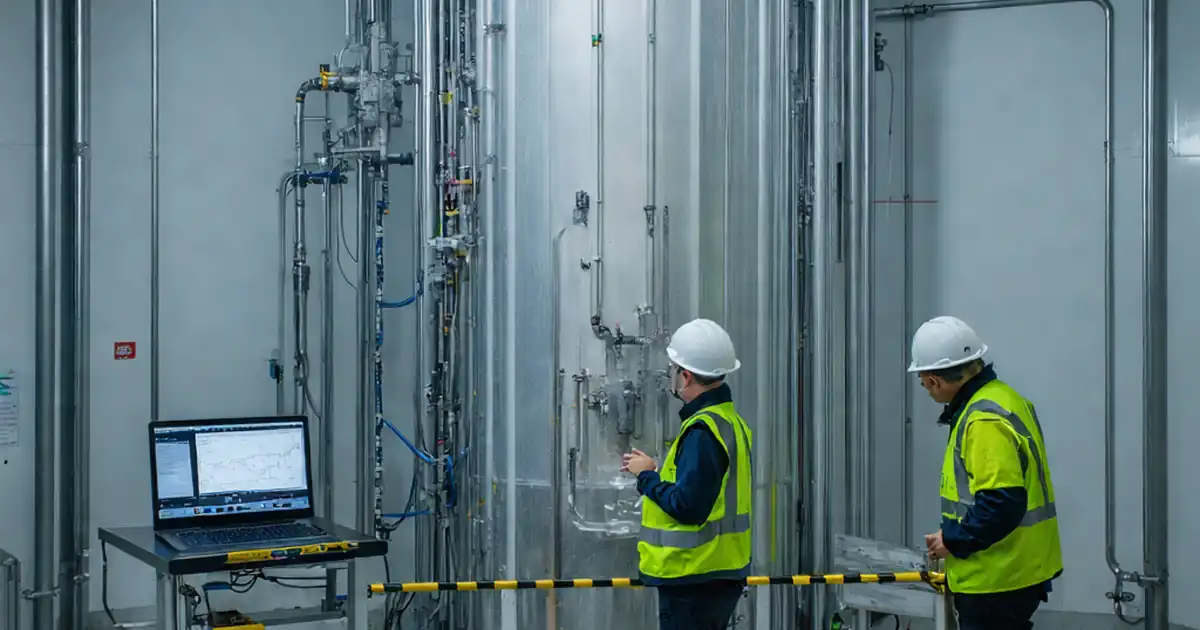
Containment construction and pressure, glovebag installation and wet methods, air monitoring, waste packaging and labelling, and final visual/air clearance.
Typical hold, witness, and review points
Enclosure smoke test (Hold), commencement of removal (Witness), waste dispatch (Witness), four-stage clearance and air test (Hold).
Typical inspection records
Enclosure/NPU logs, smoke test reports, calibration certificates, air monitoring results, waste consignment notes, clearance certificate.
Important approval note
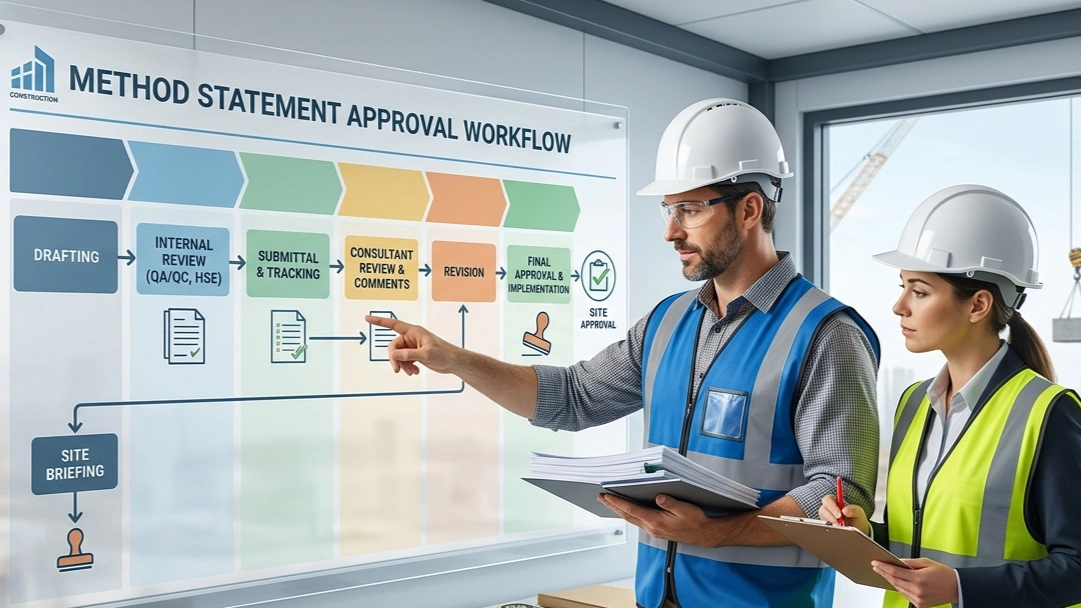
This ITP is an AI-assisted editable starting point, not a pre-approved document. Before use on any project, all inspection activities, hold points, and acceptance criteria must be reviewed and approved by the relevant parties (superintendent, principal contractor, or client representative) in accordance with your contract and project quality plan.
Always verify acceptance criteria against your applicable drawings, specifications, and regulatory requirements. Hold points must be confirmed with the relevant authority before work proceeds past that point.
Inspection and test plan
| Activity | Inspection / Test | Acceptance Criteria | Responsibility | Record |
|---|---|---|---|---|
| Licensing/notifications | Valid LARC license; statutory notifications submitted within required timeframe. | Approvals/notification receipts | ||
| Pre-start documentation | Approved PoW/Method Statement; risk assessment; permits issued. | Signed PoW; permits | ||
| Equipment certification | NPUs/H-vacs with in-date HEPA integrity and PAT certificates; RPE serviceable. | Certificates; checklists | ||
| Enclosure construction | Seams sealed; airlocks/baglock installed; signage and barriers in place. | Enclosure checklist | ||
| NPU setup and negative pressure | Air changes ≥4–10 ACH; pressure -5 to -10 Pa maintained; exhaust safe location. | NPU/manometer log | ||
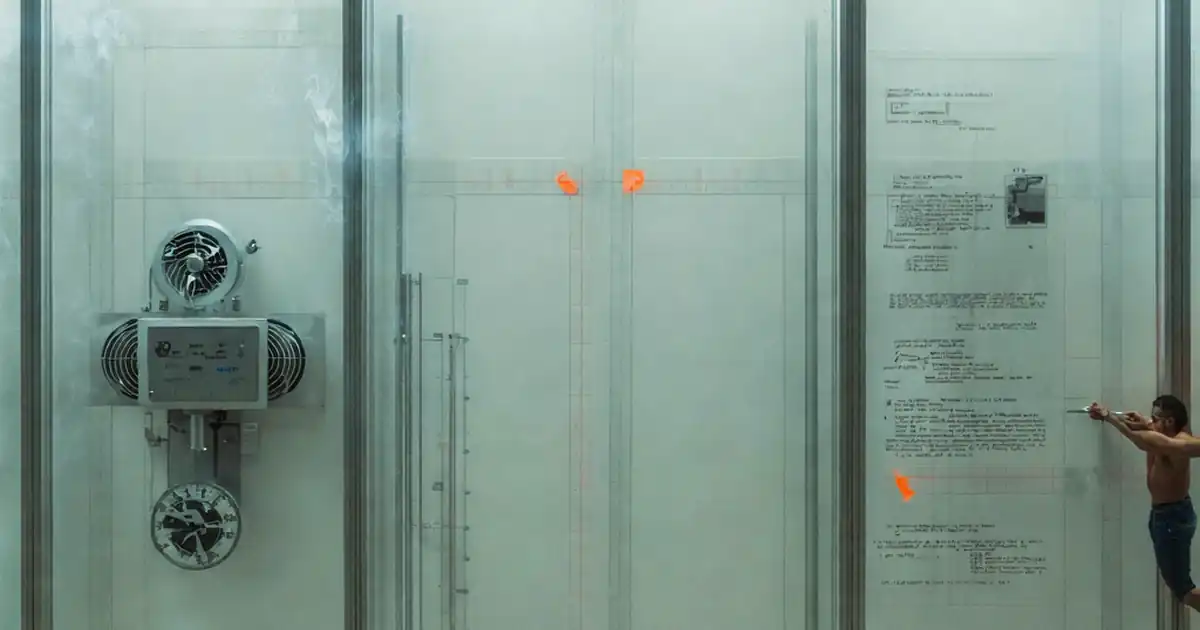
| Smoke test (Hold Point) | No outward leakage at boundaries; witnessed where specified. | Smoke test report | ||
| Background air monitoring | Baseline established; pump calibration within ±5%. | Analyst report | ||
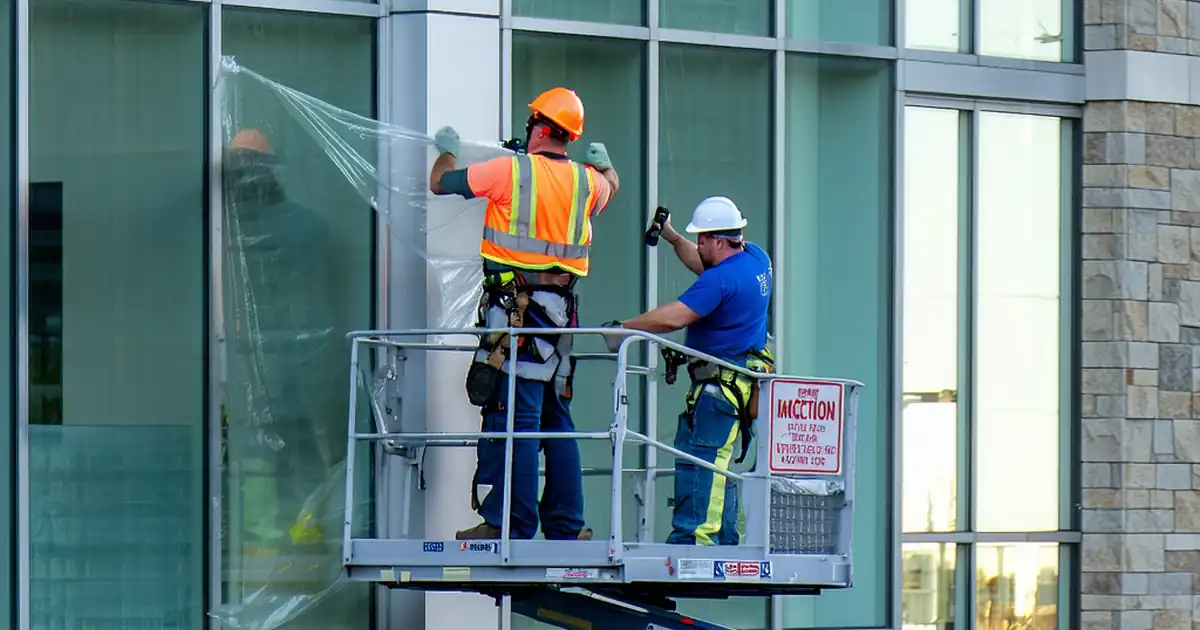
| Glovebag installation | Airtight seal; tools inside; HEPA connection verified. | Glovebag checklist/photos | ||
| Controlled wetting | Insulation visibly saturated; no dry removal. | Site log | ||
| Removal operations | No glovebag breach; HEPA at source; minimal fibre generation. | Supervisor inspection log | ||
| Leak monitoring (as specified) | Results ≤ threshold or background; investigate exceedances. | Leak test report | ||
| Personal exposure monitoring | Exposures below legal limits (8-hr TWA/STEL) [Verify]. | Personal monitoring report | ||
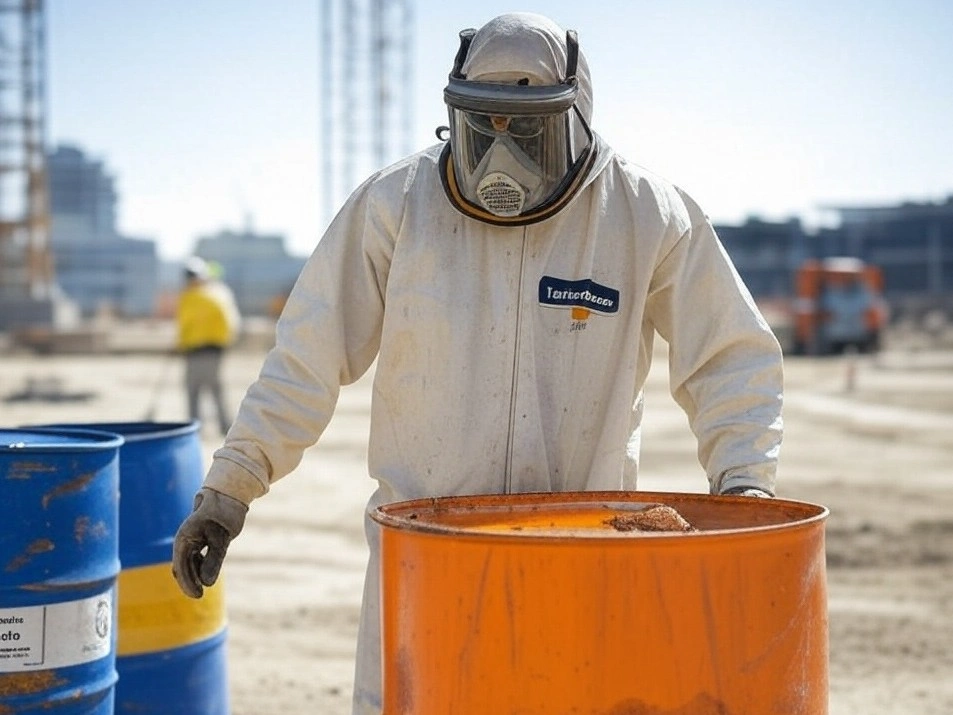
| Waste packaging and labelling | Double-bagging; UN labels; seals intact; consignment notes complete. | Waste logs; consignment notes | ||
| Pre-clearance clean | No visible dust/debris; surfaces wet-wiped and HEPA vacuumed. | Pre-clearance checklist | ||
| Four-stage clearance (Hold Point) | Visual pass; clearance air ≤0.01 f/cc (typical) or as specified. | Clearance certificate; lab results | ||
| Demobilisation and handover | Enclosure removed; area clean; documentation complete. | Completion report; handover form |
This table is a read-only public reference. Download the PDF or Excel version, or customize this ITP to edit it for your project.
Frequently asked questions
Related method statement
This Inspection and Test Plan is associated with the Method Statement: Asbestos-Containing Pipe Insulation Removal via Glovebag, Negative Pressure Enclosure, Air Monitoring, Decontamination, Waste Management, and Clearance method statement, which describes the step-by-step construction sequence, resources, materials, equipment, safety controls, and environmental controls for this activity.
View the Method Statement: Asbestos-Containing Pipe Insulation Removal via Glovebag, Negative Pressure Enclosure, Air Monitoring, Decontamination, Waste Management, and Clearance method statement →Continue with related inspection, method statement, article, and checklist resources.