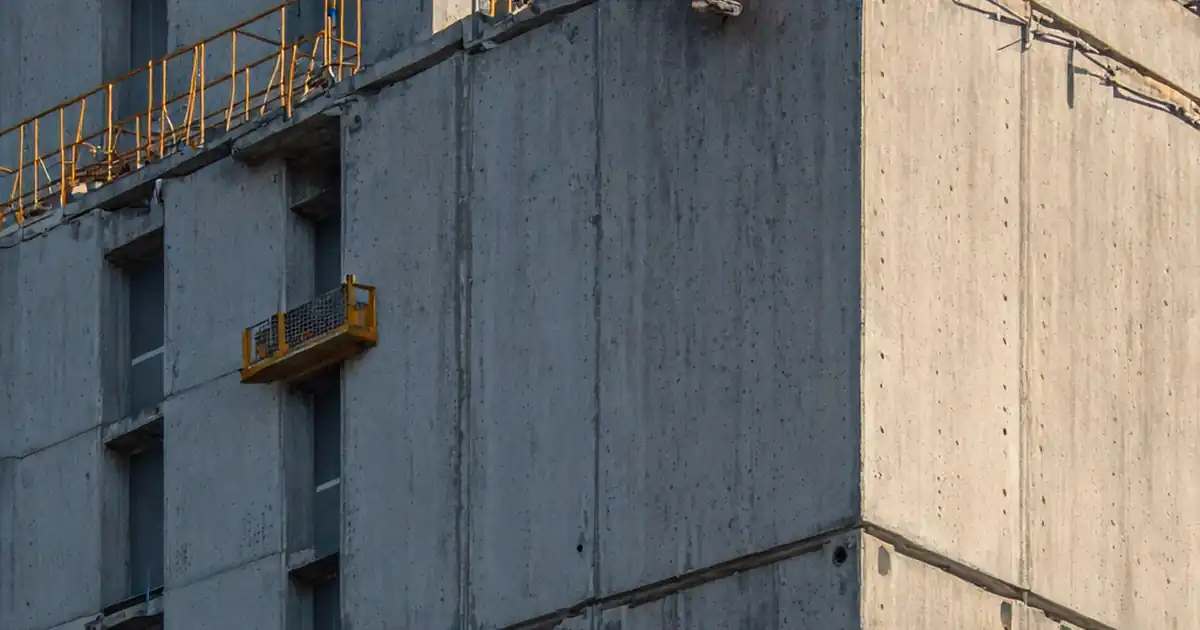
Sequence Bracing Removal Checklist with Hold Points
Definition: Sequence bracing removal checklist guides site engineers through safe, monitored release of temporary bracing, with confirmed backpropping, defined hold points, and documented evidence, excluding demolition works.
- Confirms backpropping capacity, spacing, plumbness, and preload settings.
- Controls release order to prevent overstress and unplanned load transfer.
- Live monitoring and hold points trigger timely engineer approvals.
- Interactive, commentable, export-ready checklist with QR code verification.
Sequence bracing removal is the controlled, documented release of temporary bracing in a structure, executed with validated backpropping, defined hold points, and real-time monitoring. This checklist focuses on temporary works bracing, progressive release sequencing, and structural monitoring, not demolition or cutting of permanent members. You will verify release criteria, confirm prop capacity and layout, maintain exclusion zones, and record deflections and rotations while unloading. By following a staged release order with clear stop-go hold points, you reduce risks such as sudden instability, overstress, cracked finishes, and worker exposure. Practical acceptance cues—like strength results meeting release thresholds, deflection readings within design limits, and calibrated tools—support defensible decisions per approved project specifications and authority requirements. The outcome is predictable load transfer, auditable evidence, and a clean sign-off trail. Use this interactive checklist to tick items, add comments, attach photos and logs, and export your record to PDF or Excel via QR-enabled verification.
- A disciplined sequence for removing temporary bracing reduces instability risk, controls load paths, and prevents finish damage. You’ll verify release strength, confirm backpropping, maintain exclusion zones, and record readings so structural behaviour remains within design limits throughout the operation.
- Interactive online checklist with tick, comment, and export features secured by QR code. Collaborators add photos, sensor logs, and approvals; hold points trigger digital sign-offs. Exports generate time-stamped, revision-controlled records that align with approved project specifications and authority requirements.
- Monitoring with survey prisms, laser levels, and tilt sensors provides timely deflection/rotation data. Defined thresholds, clear escalation, and reinstatement steps ensure safe stop-go control. Comprehensive evidence—calibration certificates, lab results, and annotated photos—supports transparent QA, compliance, and closeout certification.
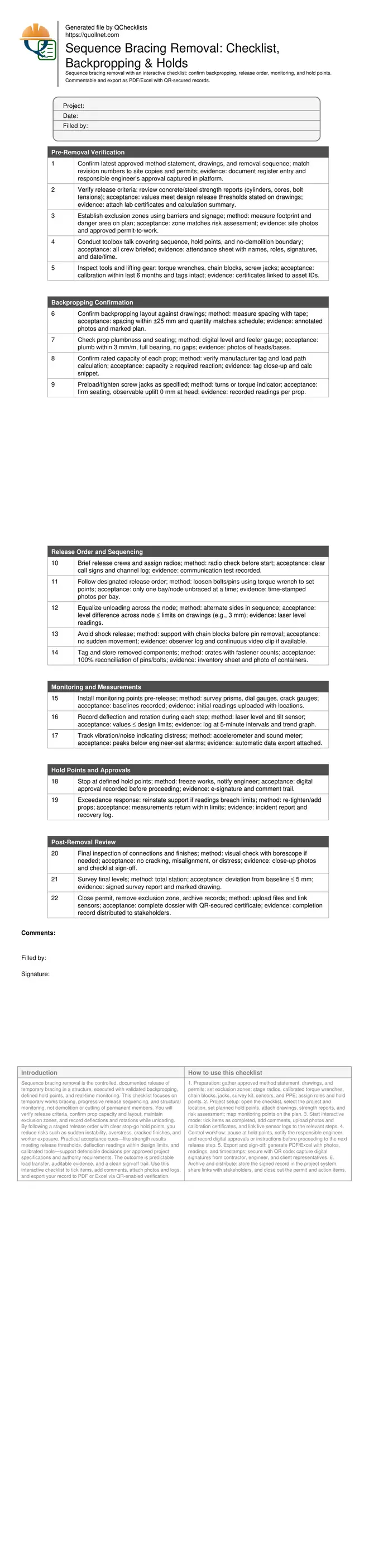
Pre-Removal Verification
Backpropping Confirmation
Release Order and Sequencing
Monitoring and Measurements
Hold Points and Approvals
Post-Removal Review
Plan the Sequence and Define Boundaries
Removing temporary bracing requires a deliberate sequence that keeps load paths controlled while the structure transitions to its permanent state. Start by validating the latest drawings, method statement, and release criteria. Confirm the no-demolition boundary: no cutting, coring, or modification of permanent members, and no removal beyond what the temporary-works plan specifies. Establish exclusion zones sized to the potential swing and drop radius of components. Calibrate and tag all equipment, and brief the crew on release steps and hold points. The most common failures stem from skipped approvals, unverified backpropping, and uncontrolled releases that transfer load suddenly. Good planning includes a communication protocol, a reinstatement plan if readings exceed limits, and pre-installed monitoring points to capture baseline behaviour. This groundwork reduces uncertainty, speeds approvals, and avoids rework.
- Use current revisions and record approvals.
- Exclude demolition—temporary works only.
- Size exclusion zones to swing and drop risks.
- Preinstall monitoring and capture baselines.
- Define escalation and reinstatement steps.
Confirm Backpropping and Set Monitoring
Backpropping bridges the gap between the bracing you remove and the permanent system taking the load. Verify layout against drawings, then check plumbness, base/bearer seating, and capacity tags. Preload screw jacks as specified to eliminate slack. Monitoring transforms judgment calls into data: install prisms, laser lines, and tilt sensors, and log readings before, during, and after each release step. Acceptance cue examples include spacing within ±25 mm, plumb within 3 mm/m, and deflection and rotation within limits shown on the drawings. If a reading trends upward, pause at the next hold point, reassess, and, if needed, reinstate support. Capturing photos of tags, bases, and gauges builds a defensible record and enables remote approvals.
- Verify spacing, plumbness, and bearing.
- Check capacity tags against reactions.
- Preload jacks to remove slack.
- Log deflection/rotation at set intervals.
- Pause if trends approach limits.
Execute Controlled Release with Hold Points
Sequenced release spreads load changes gradually and allows time to compare measured behaviour with forecasts. Work one bay or node at a time, using chain blocks or controlled torque to avoid shock. Alternate sides to equalize unloading and minimize twist. Hold points give engineers a chance to confirm results align with the design model and to authorize the next step. If readings exceed limits, reverse the last action and add props until the structure stabilizes. Final checks include a visual sweep for cracks, misalignments, or distress, plus a level survey to confirm geometry. Close by reconciling all components, clearing the exclusion zone, and exporting a complete, QR-secured record for handover.
- Release one bay or node at a time.
- Alternate sides to equalize unloading.
- Use hold points to control progress.
- Reinstate support on exceedance.
- Survey and document final condition.
How to Use This Sequence Bracing Removal Checklist
- Preparation: gather approved method statement, drawings, and permits; set exclusion zones; stage radios, calibrated torque wrenches, chain blocks, jacks, survey kit, sensors, and PPE; assign roles and hold points.
- Project setup: open the checklist, select the project and location, set planned hold points, attach drawings, strength reports, and risk assessment; map monitoring points on the plan.
- Start interactive mode: tick items as completed, add comments, upload photos and calibration certificates, and link live sensor logs to the relevant steps.
- Control workflow: pause at hold points, notify the responsible engineer, and record digital approvals or instructions before proceeding to the next release step.
- Export and sign-off: generate PDF/Excel with photos, readings, and timestamps; secure with QR code; capture digital signatures from contractor, engineer, and client representatives.
- Archive and distribute: store the signed record in the project system, share links with stakeholders, and close out the permit and action items.
Call to Action
- Start Checklist Tick off tasks, leave comments on items or the whole form, and export your completed report to PDF or Excel—with a built-in QR code for authenticity.
- Download Excel - Sequence Bracing Removal Checklist
- Download PDF - Sequence Bracing Removal Checklist
- View Image - Sequence Bracing Removal Checklist
Cite & Embed
“Sequence Bracing Removal Checklist by Quollnet”
with a link to
this source page.

FAQ
Question: What is the difference between bracing removal and demolition activities?
Question: When can backpropping be removed after bracing is taken down?
Question: What monitoring equipment should I use during release?
Question: How are hold points defined and documented for approvals?
Question: What evidence is required for a defensible closeout?
Related Articles
Broader reading and guidance connected to this checklist topic.
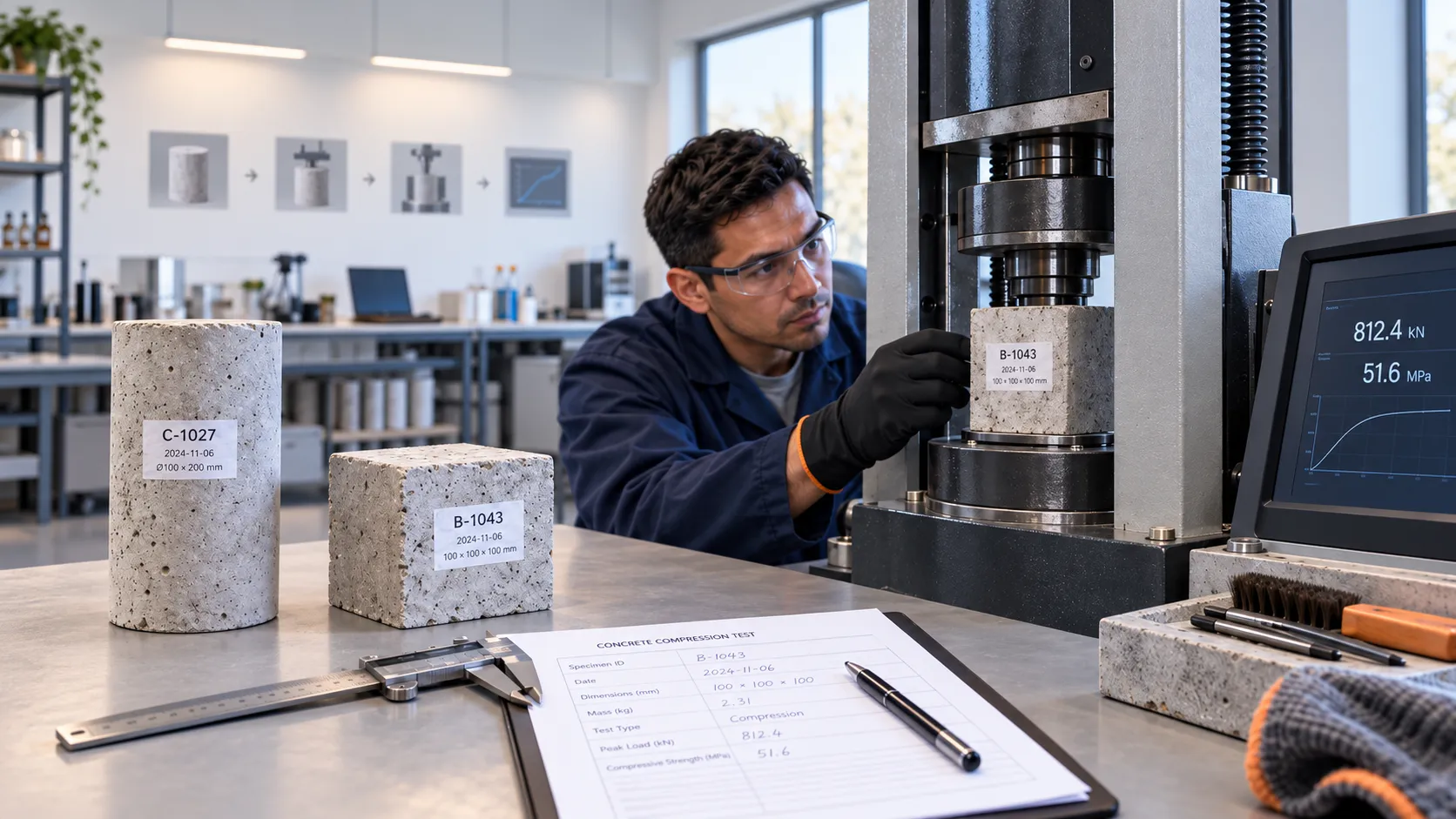
How To Perform a Concrete Compressive Strength Test: Cubes & Cylinders



Concrete Compressive Strength Acceptance Criteria: Aci 318-25 Vs En 206

Related Checklists
Keep the workflow moving with nearby templates chosen from similar checklist content.