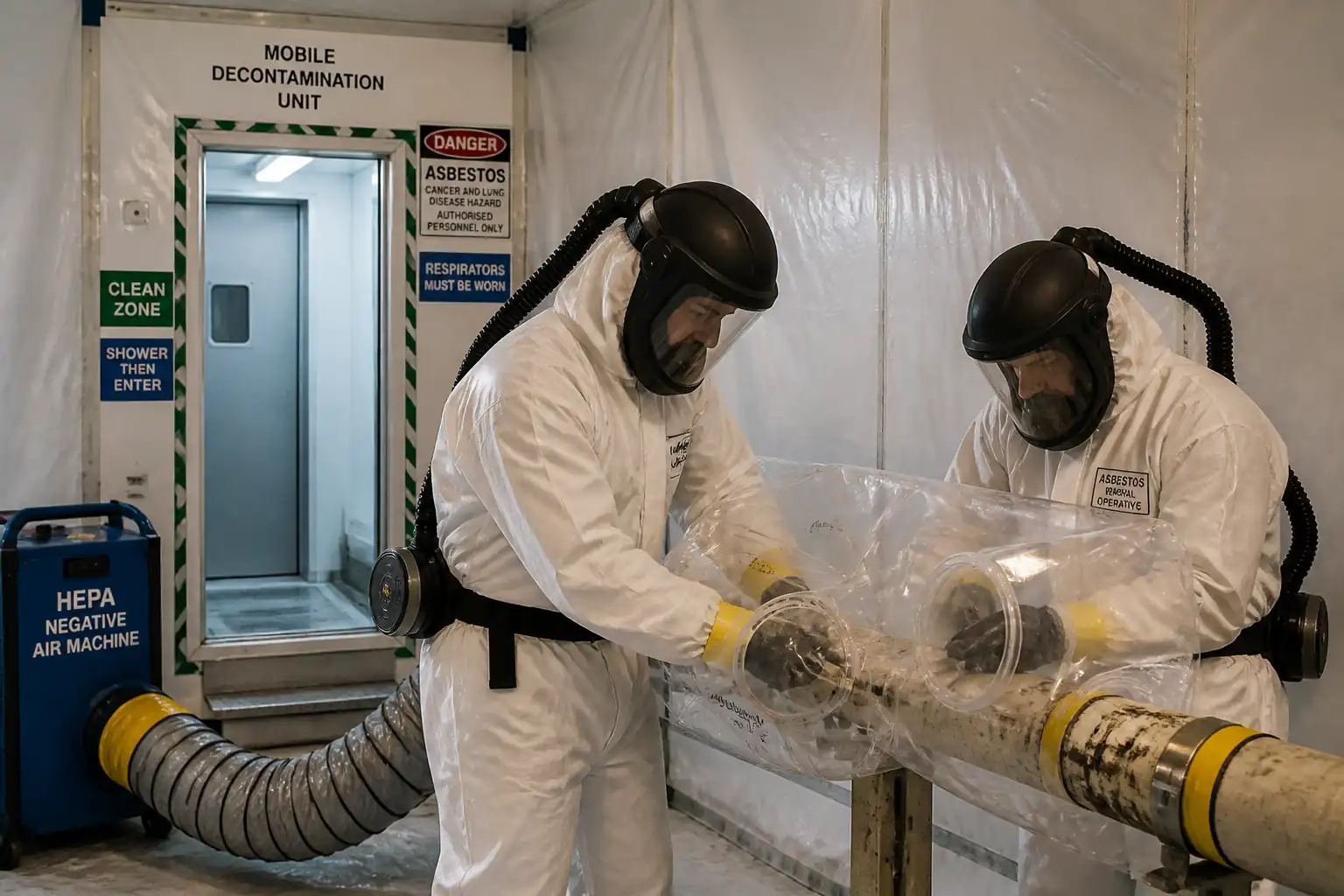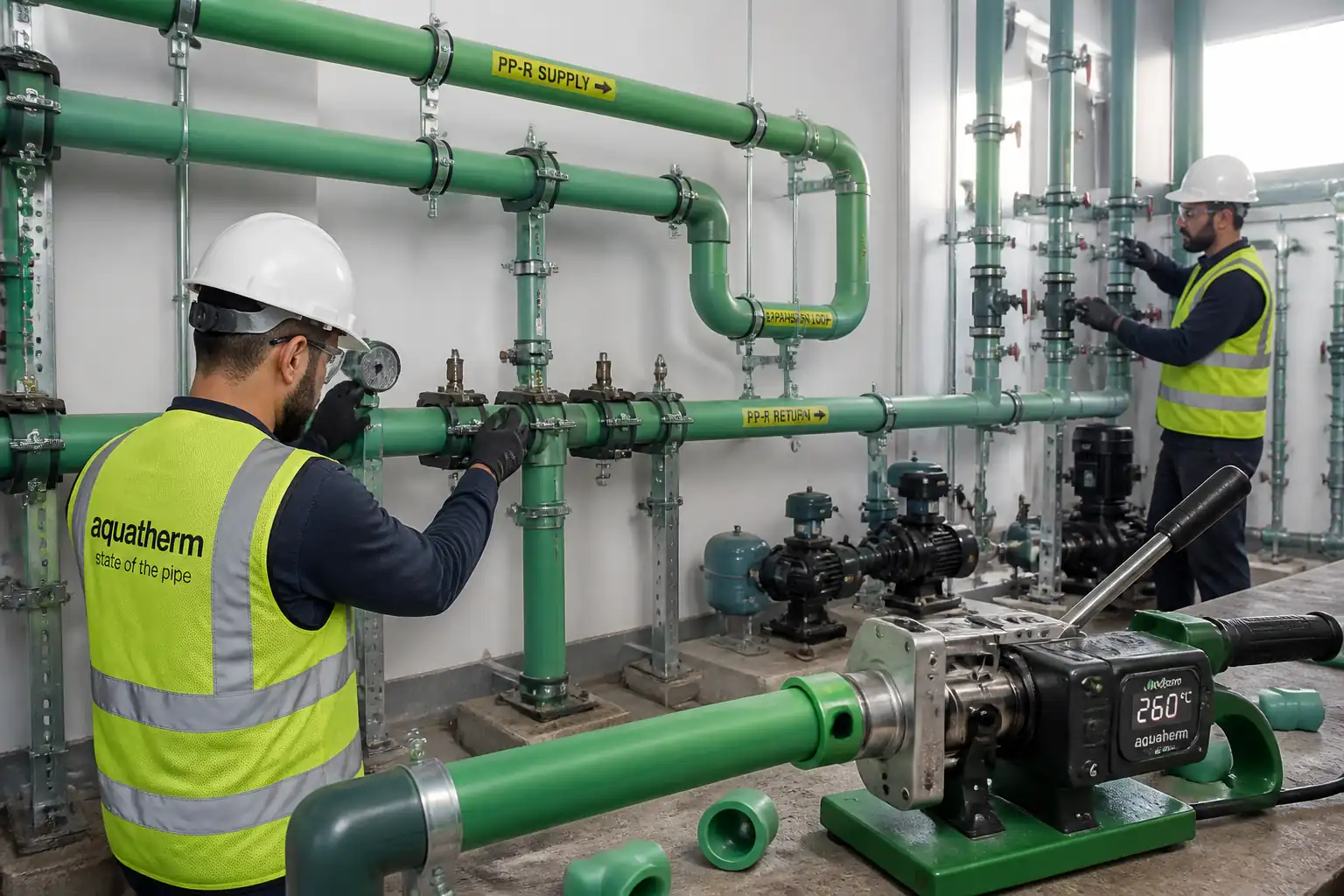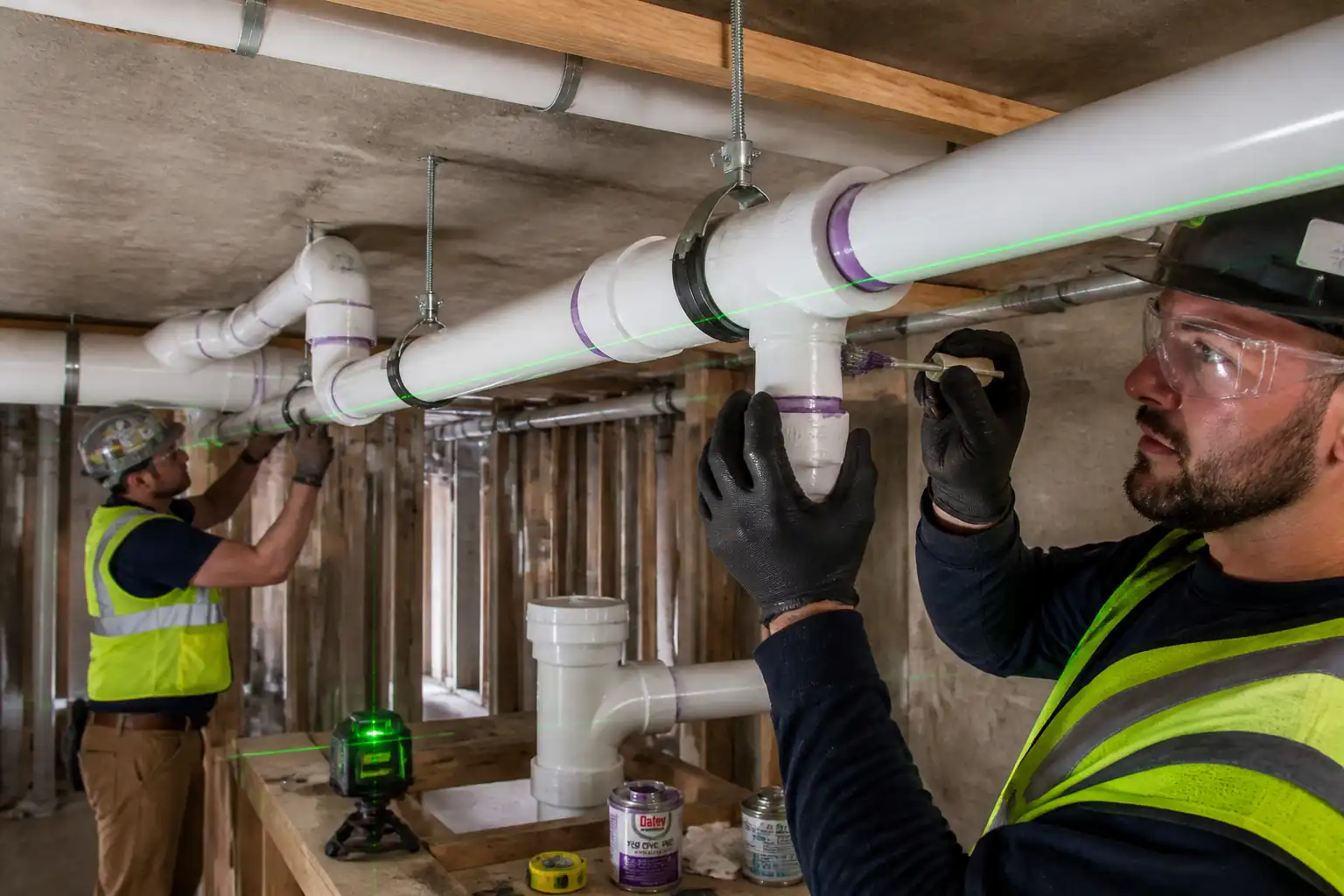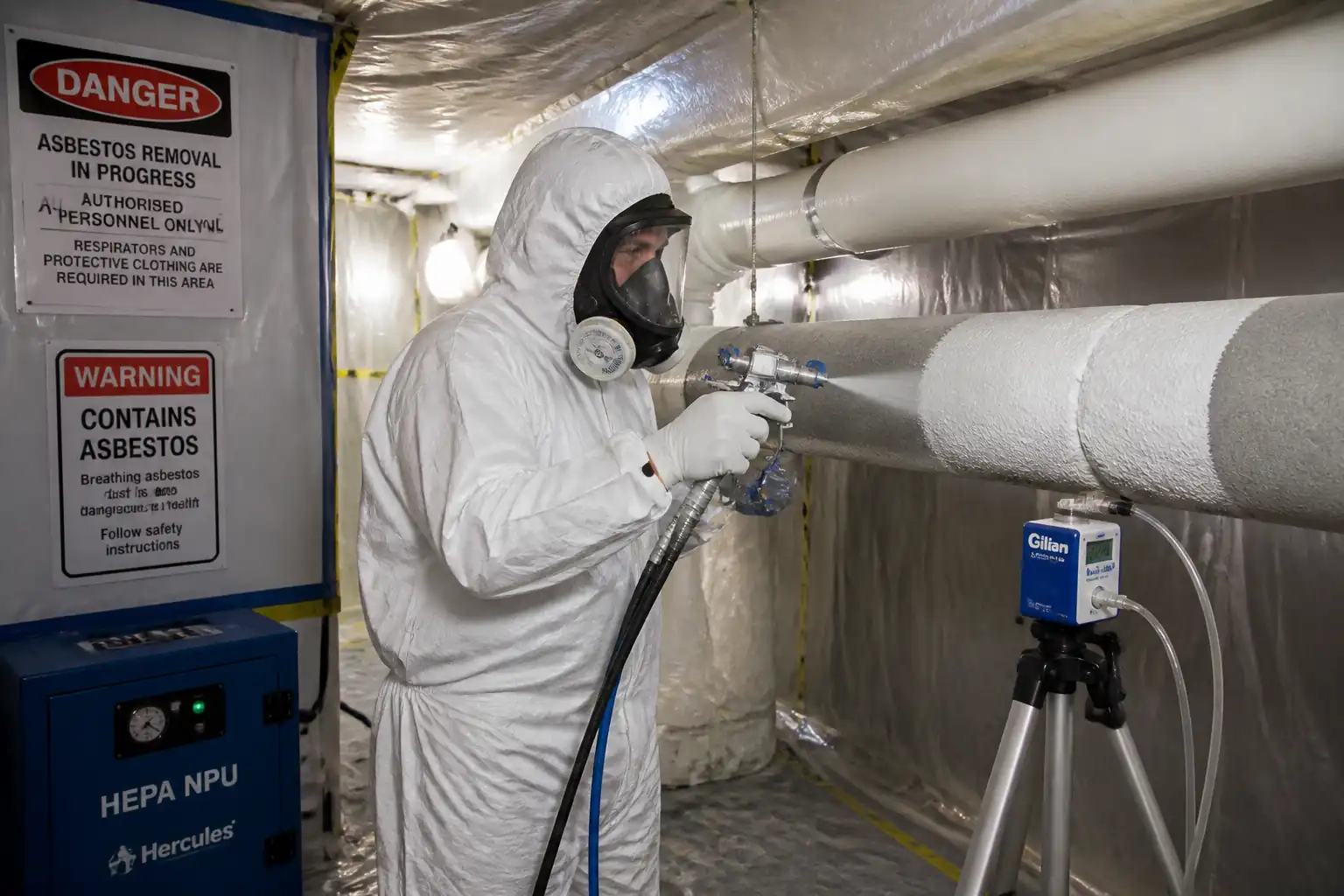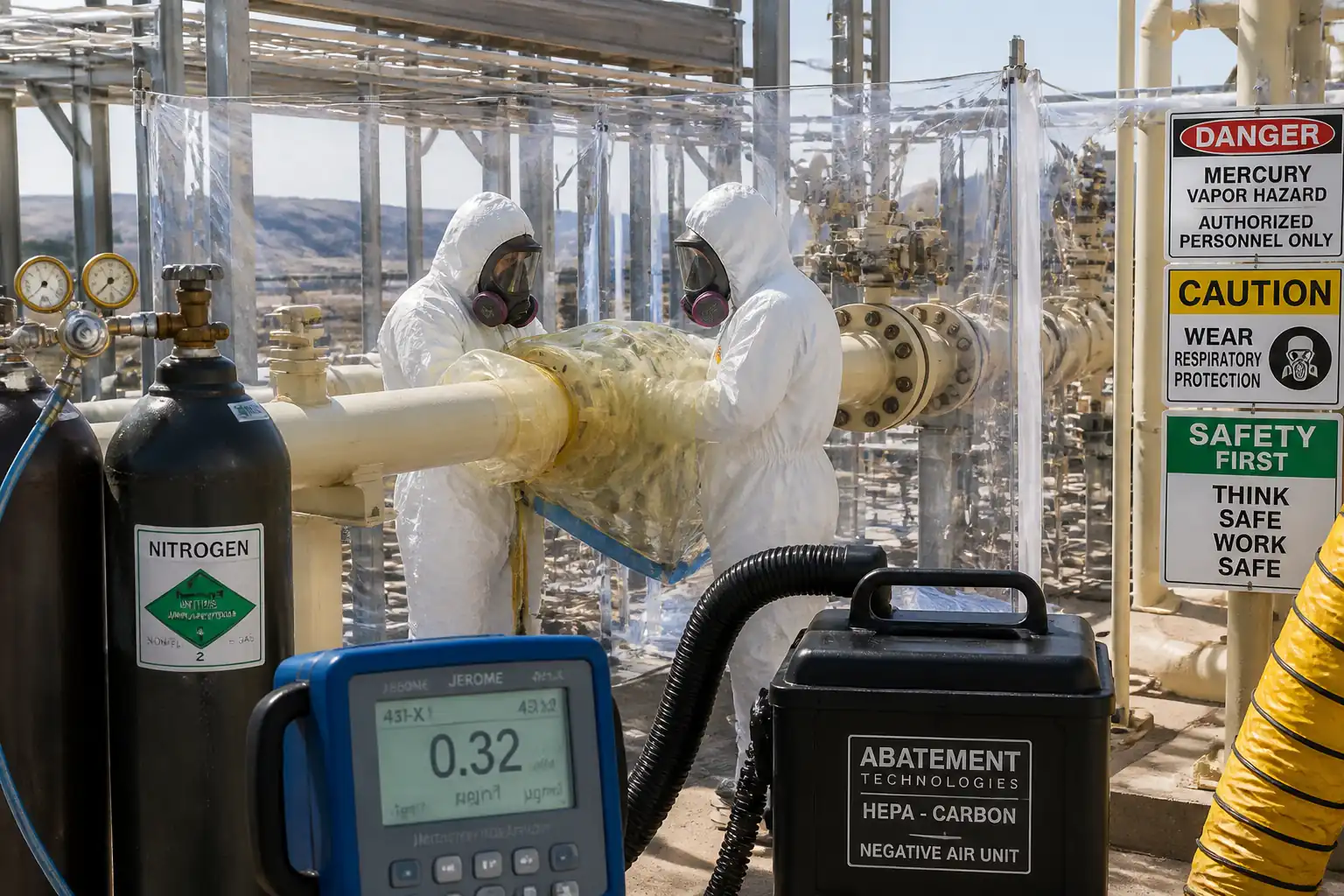

Inspection and Test Plan for Method Statement: Removal of Mercury-Contaminated Piping from Natural Gas Pressure Regulation Station with Mercury Vapour Monitoring, Inert Cutting, Special Waste Packaging, and Clearance Air Monitoring
AI-assisted inspection and test plan connected to a method statement, with PDF and Excel export.
More than a static template
Unlike a downloadable Word or PDF template, this ITP is an AI-assisted editable starting point directly connected to its method statement. Every inspection activity, hold point, and acceptance criterion is structured and ready to adapt to your project.
- AI-assisted customization — Tailor inspection activities and acceptance criteria to your specific project scope.
- Linked method statement — This ITP is connected to the corresponding method statement describing the work sequence.
- Multiple export formats — Download as a formatted PDF or editable Excel spreadsheet.
- Editable starting point, not a final document — Review and verify all content against your project specifications and standards before use.
What you can customize
When you save this ITP to your account, every inspection row becomes editable. You can add, remove, or modify:
- Inspection activity — Description of what is being inspected.
- Inspection type — Hold point (H), Witness point (W), Review (R), or Monitor (M).
- Responsibility — Contractor, subcontractor, engineer, or client.
- Frequency — How often the inspection occurs.
- Acceptance criteria — Referenced standard or specification requirement.
- Records — Forms, test reports, or checklists required as evidence.
Why this ITP is used
To control and verify safety, environmental, and quality requirements during hazardous pipe removal operations.
Who uses this inspection and test plan
Project and construction managers, gas operations, industrial hygienists, HSE, QA/QC, and waste specialists.
When this ITP is prepared and submitted
From pre-start through removal, packaging, and final clearance before demobilization.
Who receives or approves this ITP
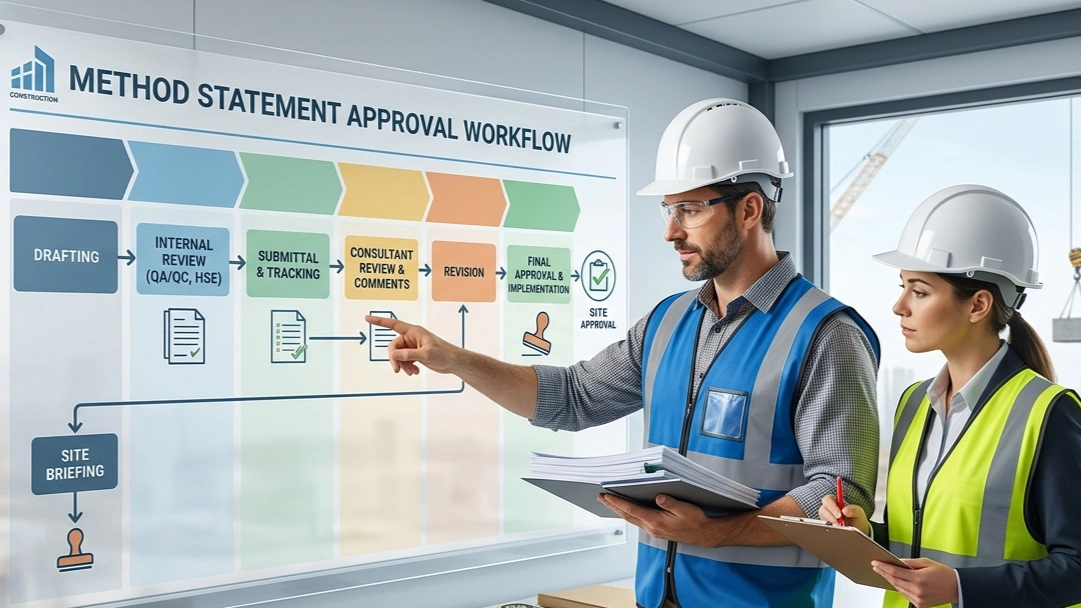
The ITP is usually submitted to the client representative, consultant, resident engineer, or project management consultant for review and approval before the related work activity starts.
Inspection scope
Permits and documentation, isolation and purging, containment performance, continuous monitoring, cutting and capping, waste packaging, and clearance testing.
Typical hold, witness, and review points
Gas-free/inert status; enclosure negative pressure verification; first cut; capping and leak check; clearance monitoring sign-off.
Typical inspection records
Calibration logs, gas test logs, monitoring records, torque/leak records, waste manifests, chain-of-custody, clearance certificates.
Important approval note
This ITP is an AI-assisted editable starting point, not a pre-approved document. Before use on any project, all inspection activities, hold points, and acceptance criteria must be reviewed and approved by the relevant parties (superintendent, principal contractor, or client representative) in accordance with your contract and project quality plan.
Always verify acceptance criteria against your applicable drawings, specifications, and regulatory requirements. Hold points must be confirmed with the relevant authority before work proceeds past that point.
Inspection and test plan
| Activity | Inspection / Test | Acceptance Criteria | Responsibility | Record |
|---|---|---|---|---|
| Pre-start documentation and permits | Approved RAMS, permits, LOTO plan, calibration certs available | All approvals in place; documents current | Project Manager / HSE Manager | ITP sign-off; permit copies |
| Instrument daily checks | Zero/span or bump tests per OEM | Within OEM tolerance | Industrial Hygienist / QA-QC | Calibration/bump logs |
| LOTO and isolation verification | Physical check of valves/tags; pressure gauge at 0 barg | Isolation confirmed; 0 barg | Gas Operations Supervisor | LOTO log; isolation certificate |
| Gas-free/inert status | LEL reading; methane; O2 inside pipe | LEL 0%; O2 <8% inside pipe; ambient O2 19.5–23.5% | Authorised Gas Tester | Gas-free certificate |
| Enclosure integrity and negative pressure | Smoke test; manometer reading | No leaks; -5 to -10 Pa maintained | Piping Supervisor / HSE | Enclosure checklist |
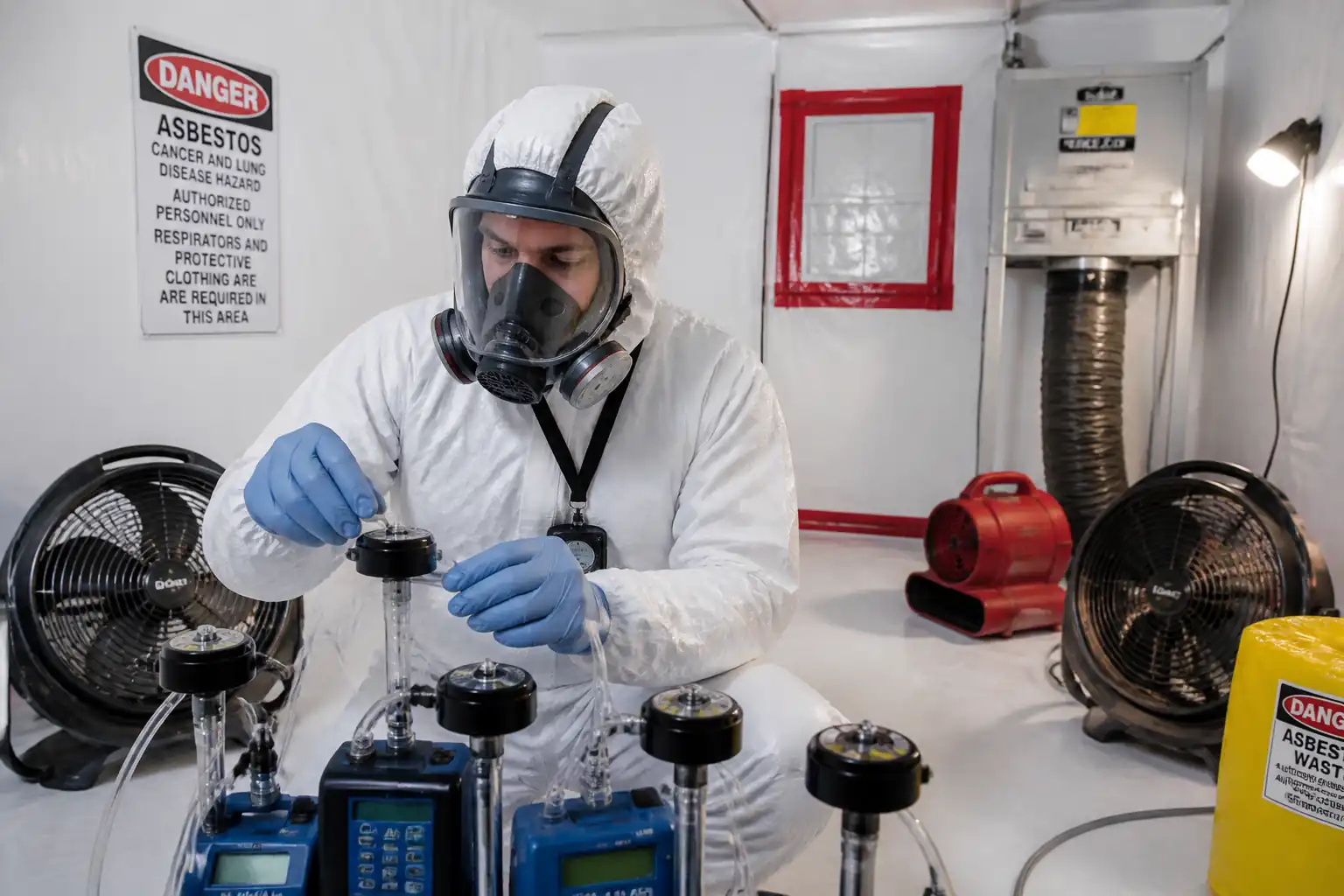
| Baseline mercury/perimeter readings | Hg vapour at perimeter and inside enclosure | Perimeter < action level (typically 50% of OEL) [Verify] | Industrial Hygienist | Monitoring log |
| Cold cutting operation monitoring | Continuous/periodic Hg, LEL, O2 readings during cut | No exceedance of action/stop levels; LEL 0% | Industrial Hygienist / Supervisor | Monitoring log; shift report |
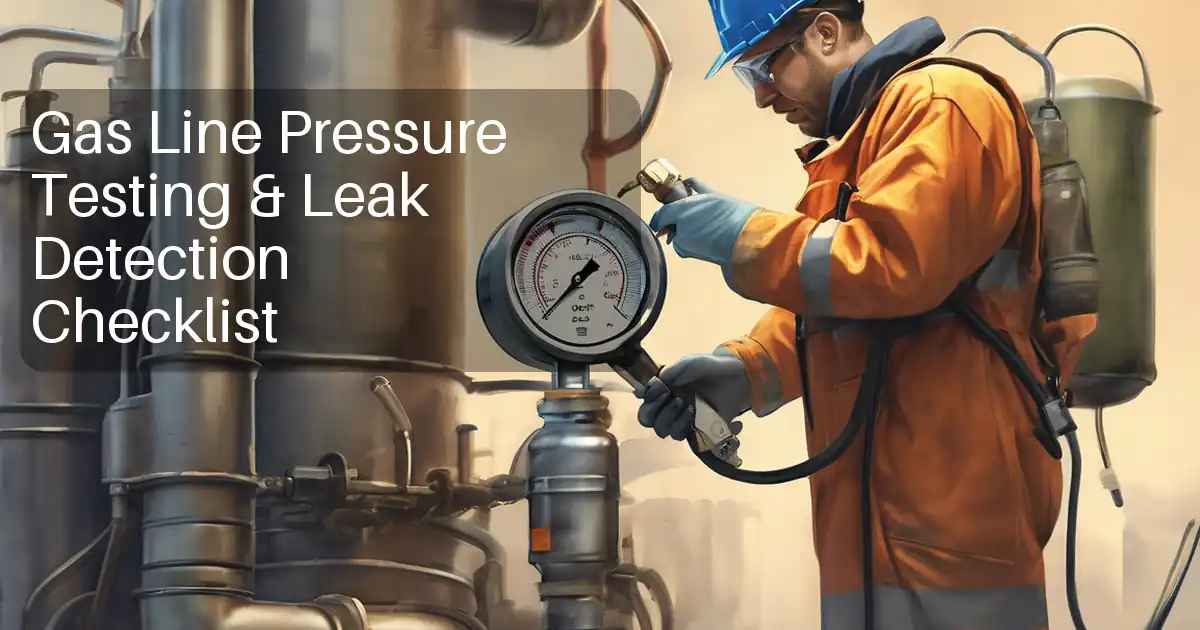
| Capping and leak check | Torque values; soap solution leak check | Torque within spec; no bubbles | Piping Supervisor | Torque/leak records |
| Waste packaging inspection | UN drum markings; liner integrity; labeling; closure | Compliant per DG rules; secure closure | Environmental Specialist / QA-QC | Drum packing list; photos |
| Clearance air monitoring | Real-time Hg; confirmatory sorbent tube if specified | ≤ project clearance criterion (typ. ≤10 µg/m³) [Verify] | Industrial Hygienist | Clearance certificate; lab report |
This table is a read-only public reference. Download the PDF or Excel version, or customize this ITP to edit it for your project.
Frequently asked questions
Related method statement
This Inspection and Test Plan is associated with the Method Statement: Removal of Mercury-Contaminated Piping from Natural Gas Pressure Regulation Station with Mercury Vapour Monitoring, Inert Cutting, Special Waste Packaging, and Clearance Air Monitoring method statement, which describes the step-by-step construction sequence, resources, materials, equipment, safety controls, and environmental controls for this activity.
View the Method Statement: Removal of Mercury-Contaminated Piping from Natural Gas Pressure Regulation Station with Mercury Vapour Monitoring, Inert Cutting, Special Waste Packaging, and Clearance Air Monitoring method statement →Continue with related inspection, method statement, article, and checklist resources.