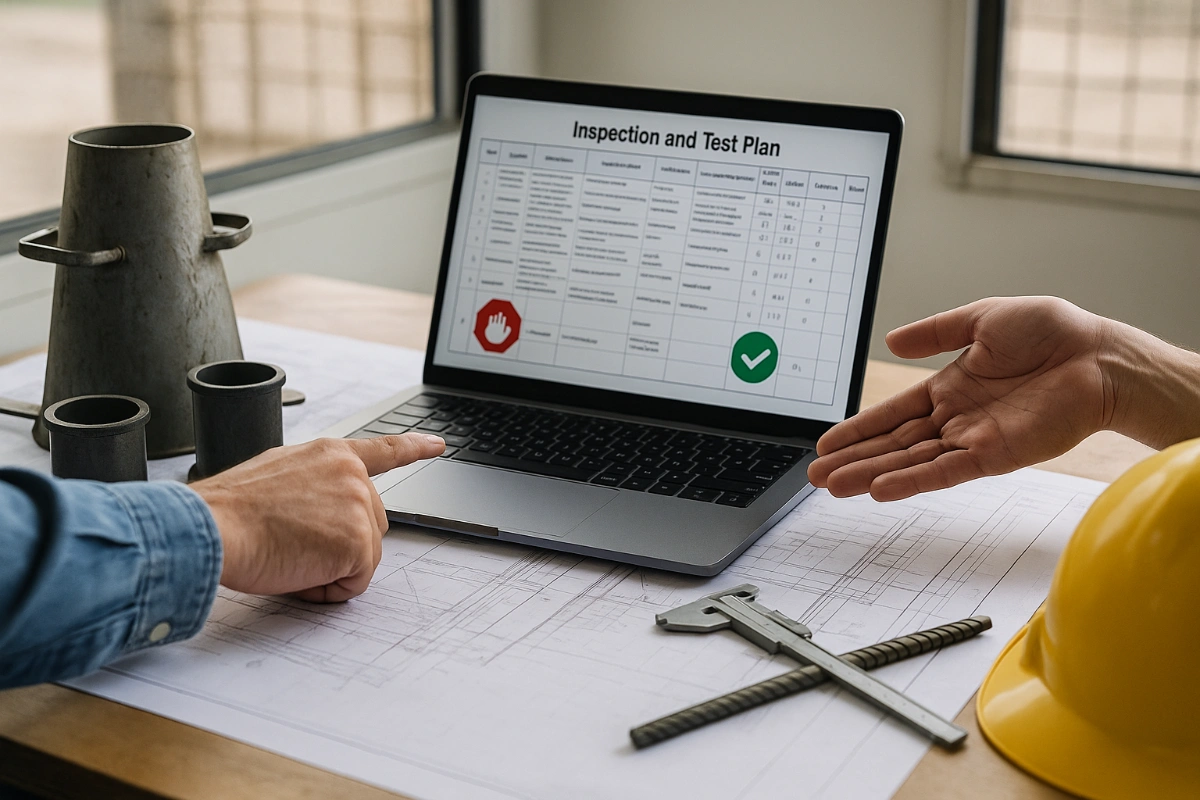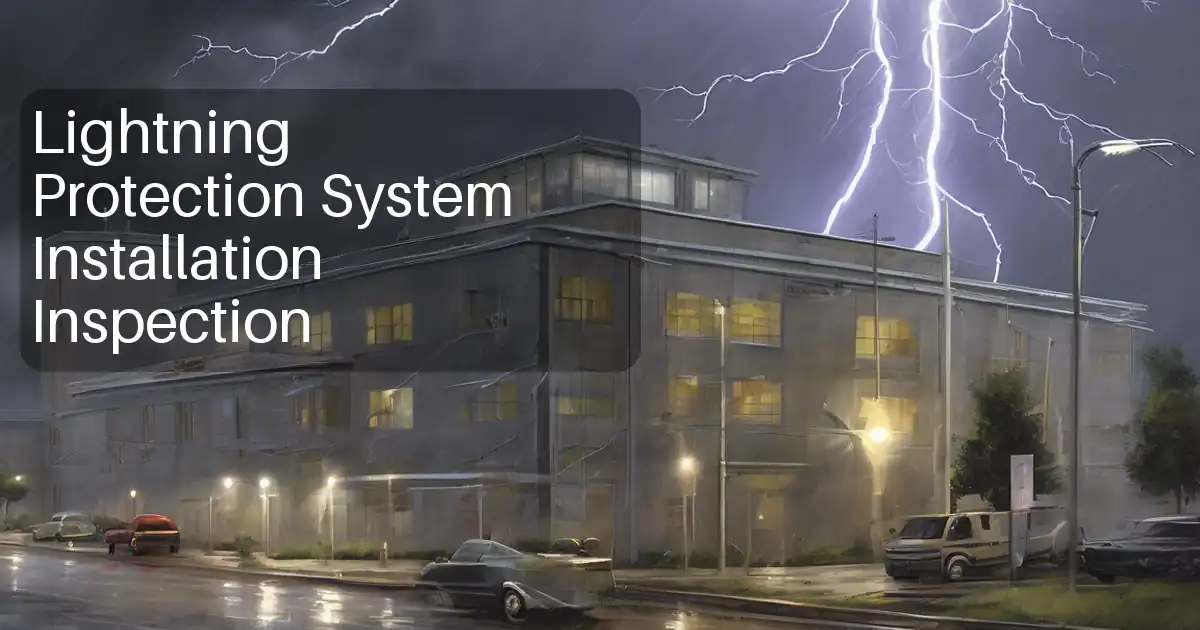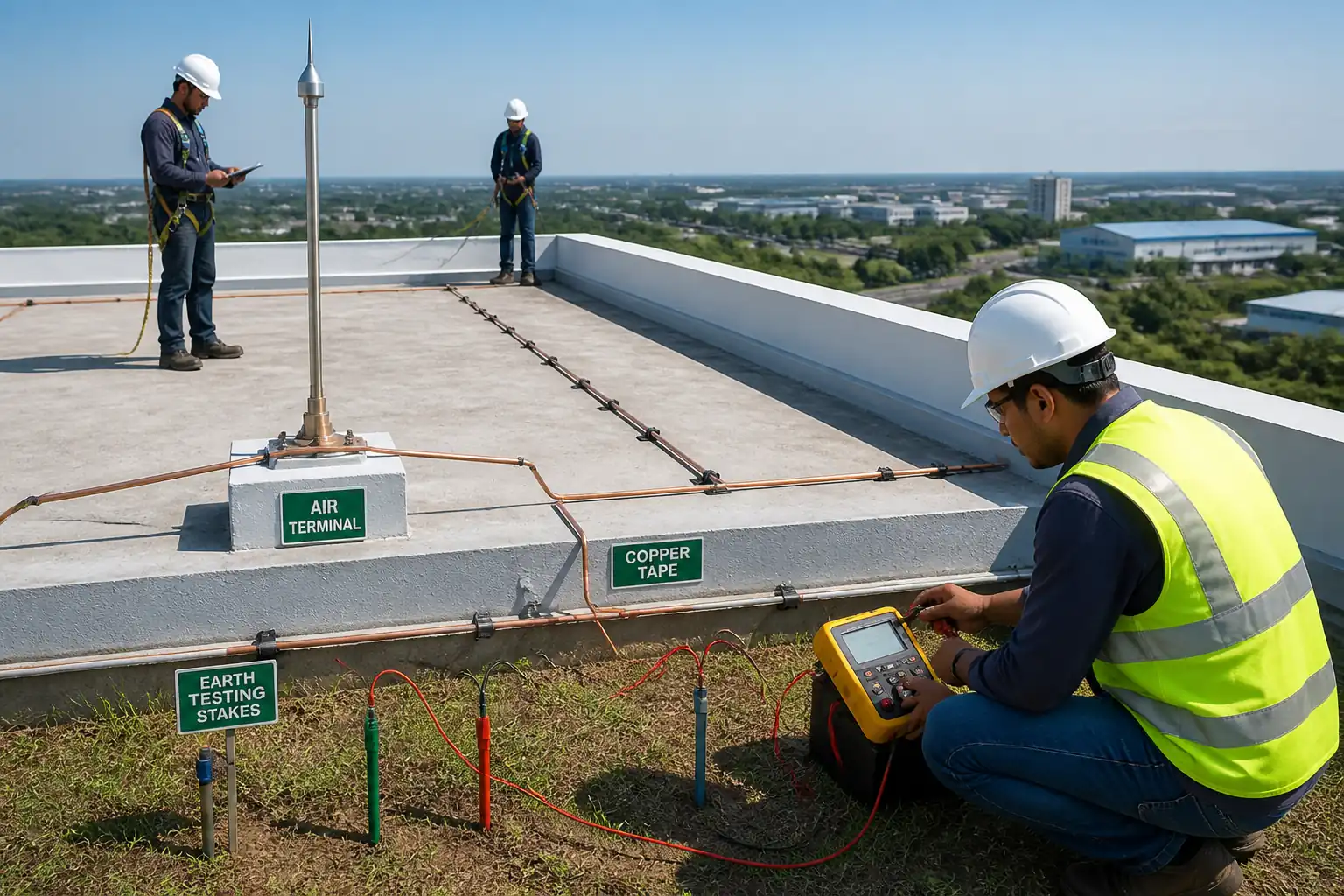

Inspection and Test Plan for Method Statement: Testing and Commissioning of Lightning Protection System (LPS)
AI-assisted inspection and test plan connected to a method statement, with PDF and Excel export.
More than a static template
Unlike a downloadable Word or PDF template, this ITP is an AI-assisted editable starting point directly connected to its method statement. Every inspection activity, hold point, and acceptance criterion is structured and ready to adapt to your project.
- AI-assisted customization — Tailor inspection activities and acceptance criteria to your specific project scope.
- Linked method statement — This ITP is connected to the corresponding method statement describing the work sequence.
- Multiple export formats — Download as a formatted PDF or editable Excel spreadsheet.
- Editable starting point, not a final document — Review and verify all content against your project specifications and standards before use.
What you can customize
When you save this ITP to your account, every inspection row becomes editable. You can add, remove, or modify:
- Inspection activity — Description of what is being inspected.
- Inspection type — Hold point (H), Witness point (W), Review (R), or Monitor (M).
- Responsibility — Contractor, subcontractor, engineer, or client.
- Frequency — How often the inspection occurs.
- Acceptance criteria — Referenced standard or specification requirement.
- Records — Forms, test reports, or checklists required as evidence.
Why this ITP is used
To verify installed LPS complies with approved design and standards before handover, ensuring effective lightning risk mitigation.
Who uses this inspection and test plan
Contractor testing team, QA/QC, HSE, and Client/Consultant representatives for witnessing and acceptance.
When this ITP is prepared and submitted
After LPS installation and prior to handover; repeated when rectifying NCRs or during periodic maintenance tests.
Who receives or approves this ITP
Consultant/Client Representative for review, witnessing, and acceptance.
Inspection scope
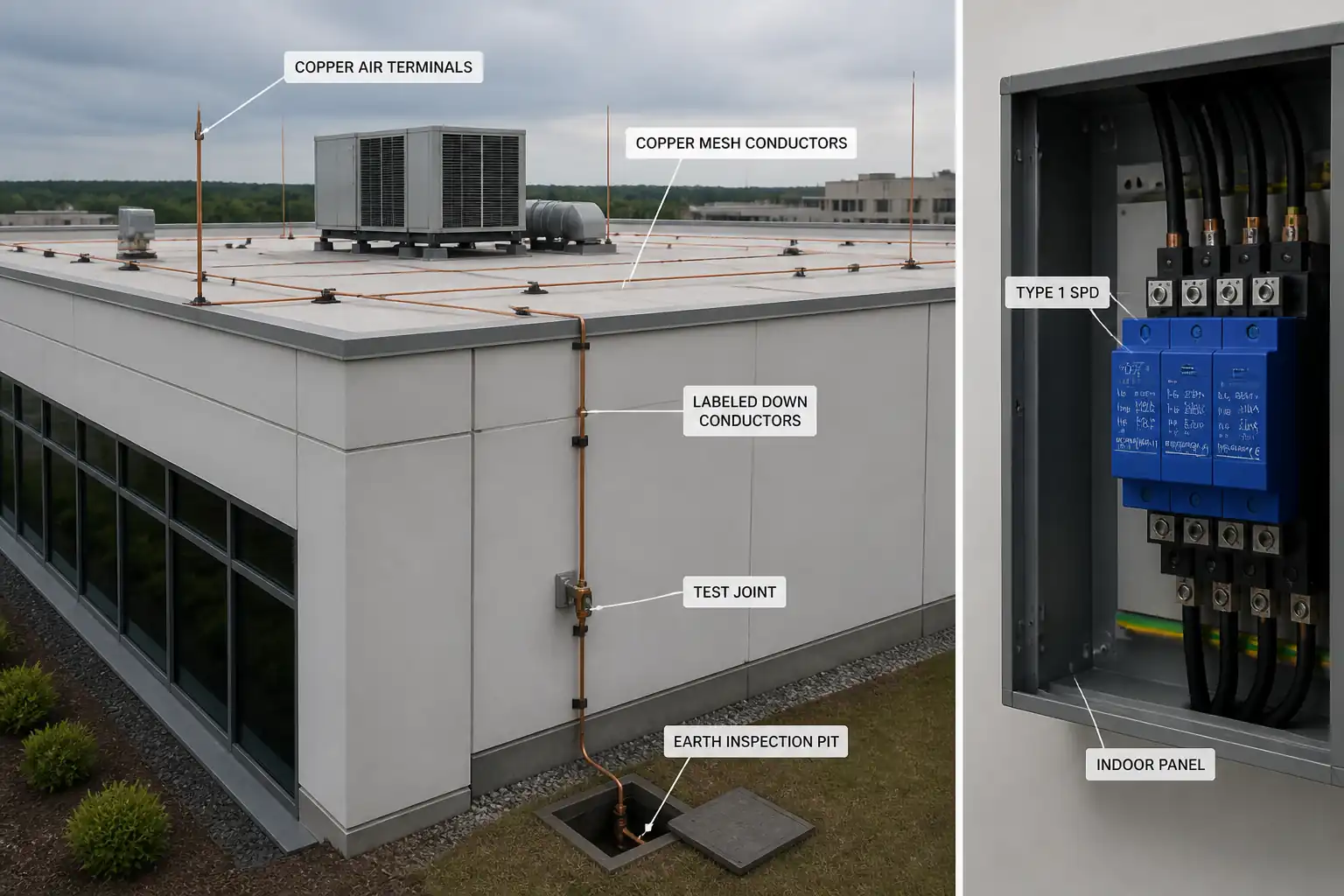
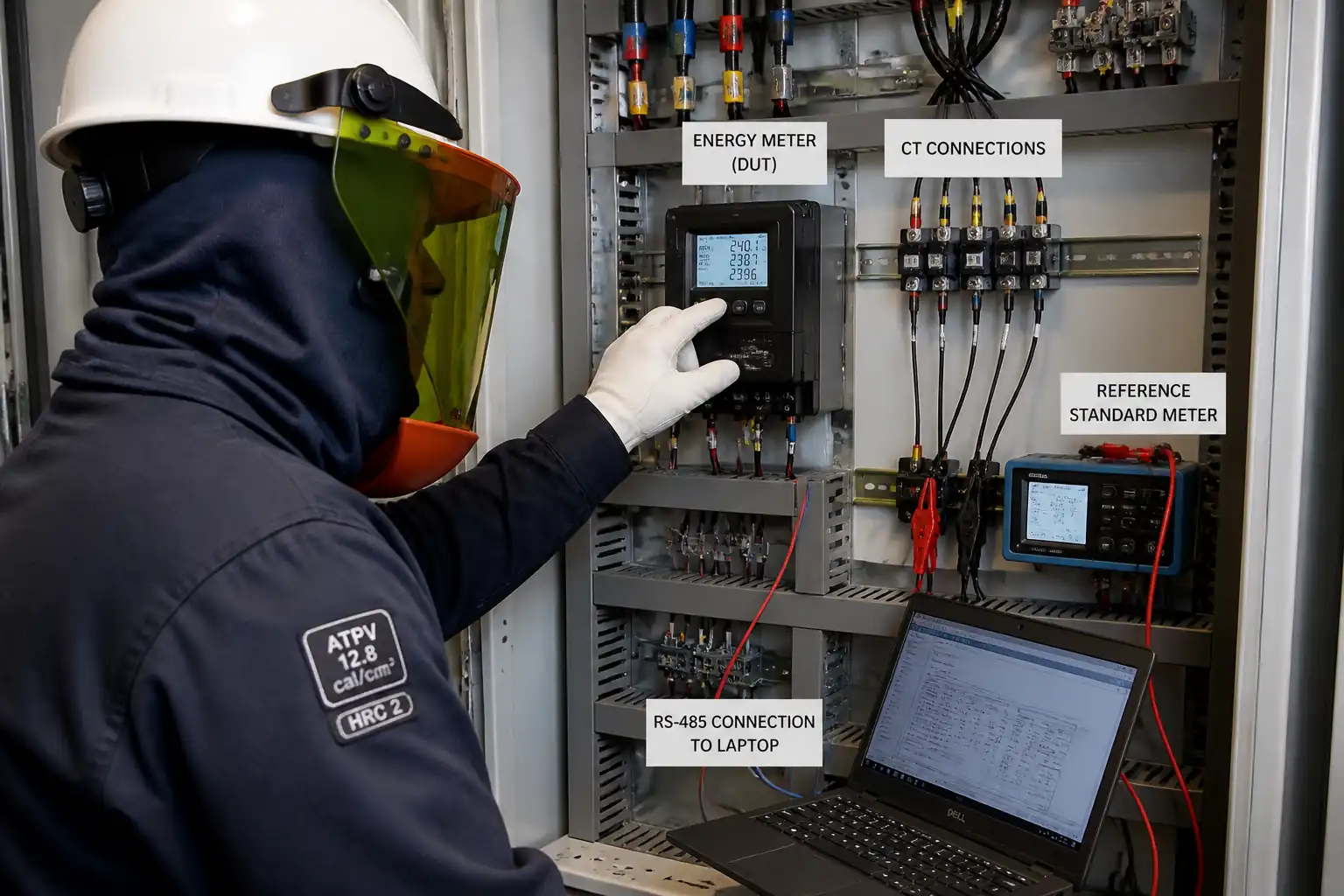
Pre-commissioning review, access safety, air-termination, down conductor continuity, bonding to services, earth resistance, corrosion/mechanical protection, reinstatement, and documentation.
Typical hold, witness, and review points
Pre-test documentation review (Hold); Continuity tests (Hold); Earth resistance tests (Witness/Hold); Post-test reinstatement (Hold); Final acceptance (Hold).
Typical inspection records
Signed ITRs, test sheets with calibration references, photo logs, torque logs, site sketches of probe positions, NCRs/closeout, and completion certificate.
Important approval note
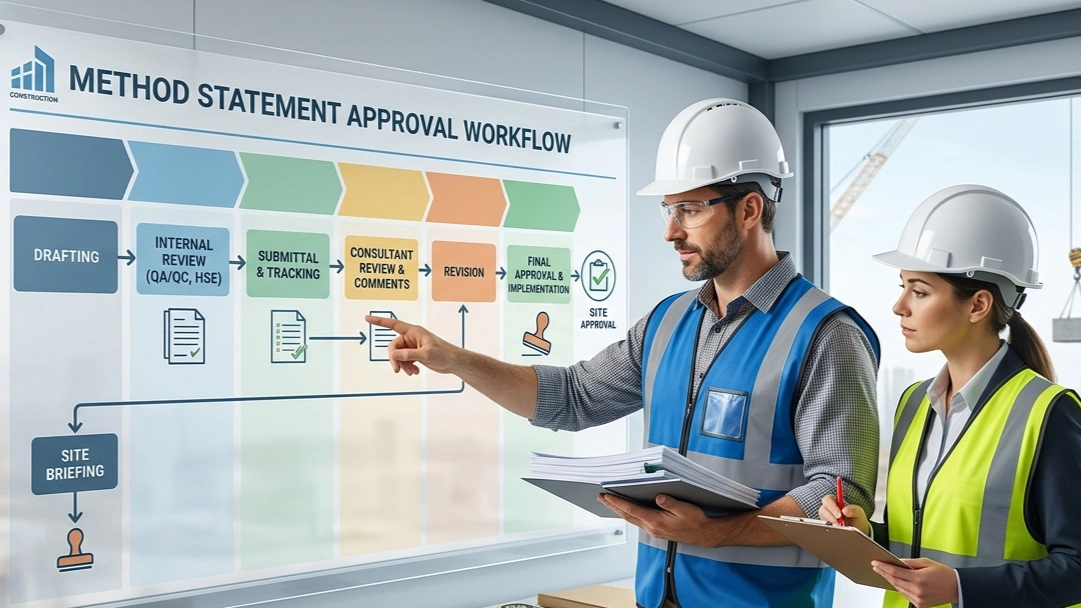
This ITP is an AI-assisted editable starting point, not a pre-approved document. Before use on any project, all inspection activities, hold points, and acceptance criteria must be reviewed and approved by the relevant parties (superintendent, principal contractor, or client representative) in accordance with your contract and project quality plan.
Always verify acceptance criteria against your applicable drawings, specifications, and regulatory requirements. Hold points must be confirmed with the relevant authority before work proceeds past that point.
Inspection and test plan
| Activity | Inspection / Test | Acceptance Criteria | Responsibility | Record |
|---|---|---|---|---|
| Pre-commissioning Document Review | Verify approvals, drawings, calibration, competencies | All approvals current; instruments calibrated; team competent; risk assessment briefed | QA/QC Engineer / Consultant | ITR-01; Calibration list; TBT record |
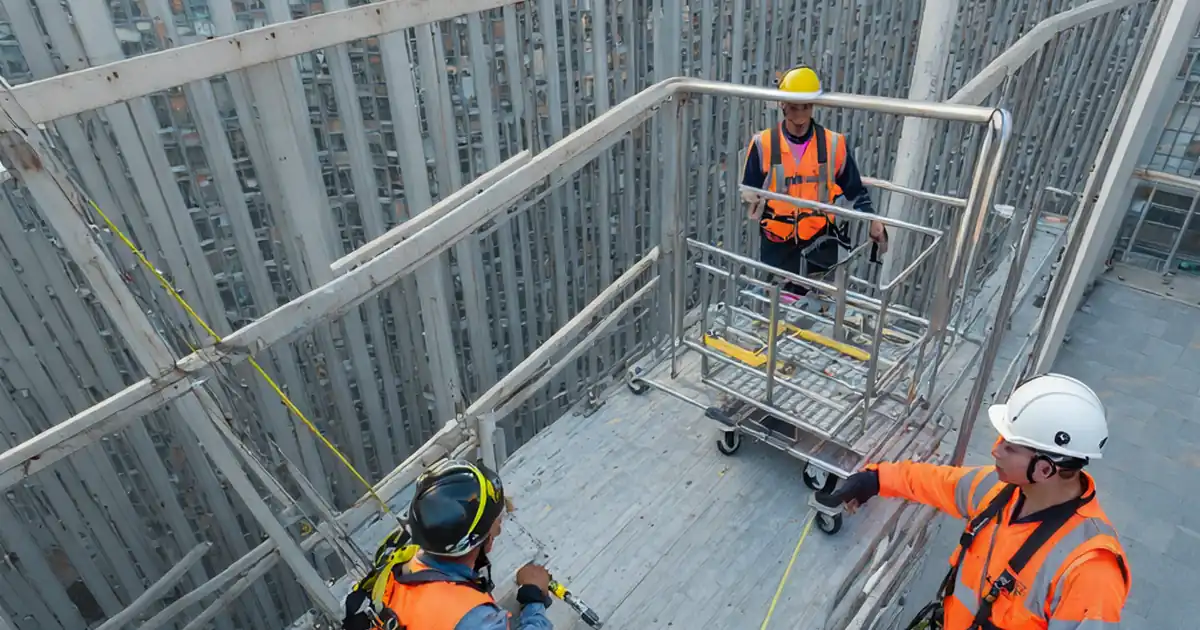
| Access/WAH Setup Inspection | Verify permits, edge protection/lifelines, exclusion zones | PTWs valid; equipment tagged; rescue plan available | HSE Officer / Consultant | ITR-02; PTWs; WAH inspection tags |
| Air-Termination Visual Inspection | Visual vs drawings; component conformity | Conforms to approved layout; no damage/corrosion; correct fixings | QA/QC Engineer / Consultant | ITR-03; Photo log |
| Down Conductor Routing and Fixings | Visual and torque check | Routes per design; fixings spacing/torque per spec; labels present | QA/QC Engineer / Consultant | ITR-04; Torque log; Photos |
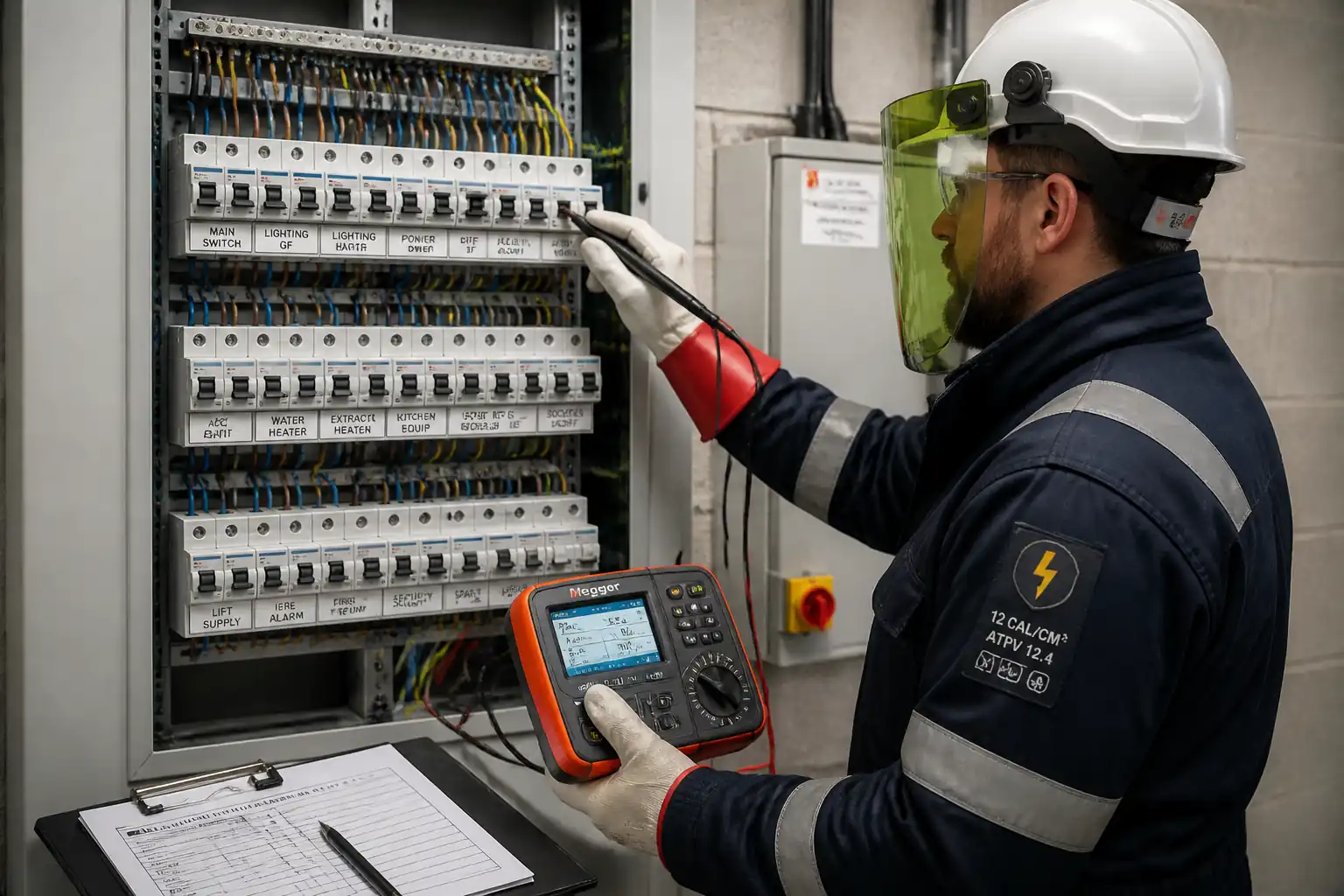
| Continuity Test of Down Conductors | Low-resistance test per IEC 61557-4 | End-to-end R ≤1.0 Ω or project value [Verify]; stable readings | Testing Technician / Consultant | ITR-05; Continuity test report |
| Equipotential Bonding Verification | Visual + spot continuity checks | All required bonds installed; R across bond ≤0.5 Ω [Verify]; correct clamp types; separation per design where applicable | QA/QC Engineer / Consultant | ITR-06; Bonding checklist |
| Earth Resistance Testing (3-pole) | Fall-of-potential per IEEE 81/IEC 61557-5 | Plateau verification (52/62/72% within ±5%); Resistance ≤ project requirement [Verify] | Testing Technician / Consultant | ITR-07; Earth test report; Site sketch |
| Alternative Clamp Test (if used) | Clamp-on ground measurement | Measured value ≤ project requirement [Verify]; method limitations noted | Testing Technician / Consultant | ITR-08; Clamp test report |
| Corrosion/Mechanical Protection Inspection | Visual; coating checks | No active corrosion; protection installed; coatings per spec [Verify] | QA/QC Engineer / Consultant | ITR-09; Photo log |
| Restoration and Labelling | Verify all test links reconnected; torque; labels | System fully restored; correct labeling and documentation | Site Engineer / Consultant | ITR-10; Reinstatement log |
| Final Documentation and Acceptance | Review of dossier; outstanding NCRs closed | Consultant acceptance and completion certificate issued | Project Manager / Consultant | ITR-11; Completion certificate; As-built set |
This table is a read-only public reference. Download the PDF or Excel version, or customize this ITP to edit it for your project.
Frequently asked questions
Related method statement
This Inspection and Test Plan is associated with the Method Statement: Testing and Commissioning of Lightning Protection System (LPS) method statement, which describes the step-by-step construction sequence, resources, materials, equipment, safety controls, and environmental controls for this activity.
View the Method Statement: Testing and Commissioning of Lightning Protection System (LPS) method statement →Continue with related inspection, method statement, article, and checklist resources.