
Inspection and Test Plan for Method Statement – Prefabricated Vertical Drains (PVD/Wick Drains) Installation, Surcharge Preloading, and Settlement Monitoring
AI-assisted inspection and test plan connected to a method statement, with PDF and Excel export.
More than a static template
Unlike a downloadable Word or PDF template, this ITP is an AI-assisted editable starting point directly connected to its method statement. Every inspection activity, hold point, and acceptance criterion is structured and ready to adapt to your project.
- AI-assisted customization — Tailor inspection activities and acceptance criteria to your specific project scope.
- Linked method statement — This ITP is connected to the corresponding method statement describing the work sequence.
- Multiple export formats — Download as a formatted PDF or editable Excel spreadsheet.
- Editable starting point, not a final document — Review and verify all content against your project specifications and standards before use.
What you can customize
When you save this ITP to your account, every inspection row becomes editable. You can add, remove, or modify:
- Inspection activity — Description of what is being inspected.
- Inspection type — Hold point (H), Witness point (W), Review (R), or Monitor (M).
- Responsibility — Contractor, subcontractor, engineer, or client.
- Frequency — How often the inspection occurs.
- Acceptance criteria — Referenced standard or specification requirement.
- Records — Forms, test reports, or checklists required as evidence.
Why this ITP is used
To ensure PVD installation quality, stability during preload, and achievement of target consolidation before de-surcharging.
Who uses this inspection and test plan
Contractor QC, Site Engineers, Geotechnical Engineer, and the Engineer/Client Representative.
When this ITP is prepared and submitted
From pre-construction submittals through production installation, surcharge staging, monitoring, and final acceptance.
Who receives or approves this ITP
The ITP is usually submitted to the client representative, consultant, resident engineer, or project management consultant for review and approval before the related work activity starts.
Inspection scope
Material conformance, layout and depth control, anchor/splice checks, blanket thickness, settlement plate installation and readings, and stage approvals.
Typical hold, witness, and review points
Working platform certification (H), trial drains (H/W), start of production (W), each surcharge stage (H), de-surcharge approval (H).
Typical inspection records
Material certificates, ITRs, QC checklists, DGPS as-built logs, monitoring reports, approval memos, and NCRs if applicable.
Important approval note
This ITP is an AI-assisted editable starting point, not a pre-approved document. Before use on any project, all inspection activities, hold points, and acceptance criteria must be reviewed and approved by the relevant parties (superintendent, principal contractor, or client representative) in accordance with your contract and project quality plan.
Always verify acceptance criteria against your applicable drawings, specifications, and regulatory requirements. Hold points must be confirmed with the relevant authority before work proceeds past that point.
Inspection and test plan
| Activity | Inspection / Test | Acceptance Criteria | Responsibility | Record |
|---|---|---|---|---|
| Material approvals – PVD core and sleeve | Review CoC and third-party tests (transmissivity, permittivity, O90, tensile) | Conform to approved properties and batches identified | Contractor QC / Engineer | Material approval; test certificates |
| Working platform certification | Visual/CBR/plate load (if required) | Meets design and safe bearing for rig | Contractor / Temporary Works Designer / Engineer | Platform certificate; inspection sheet |
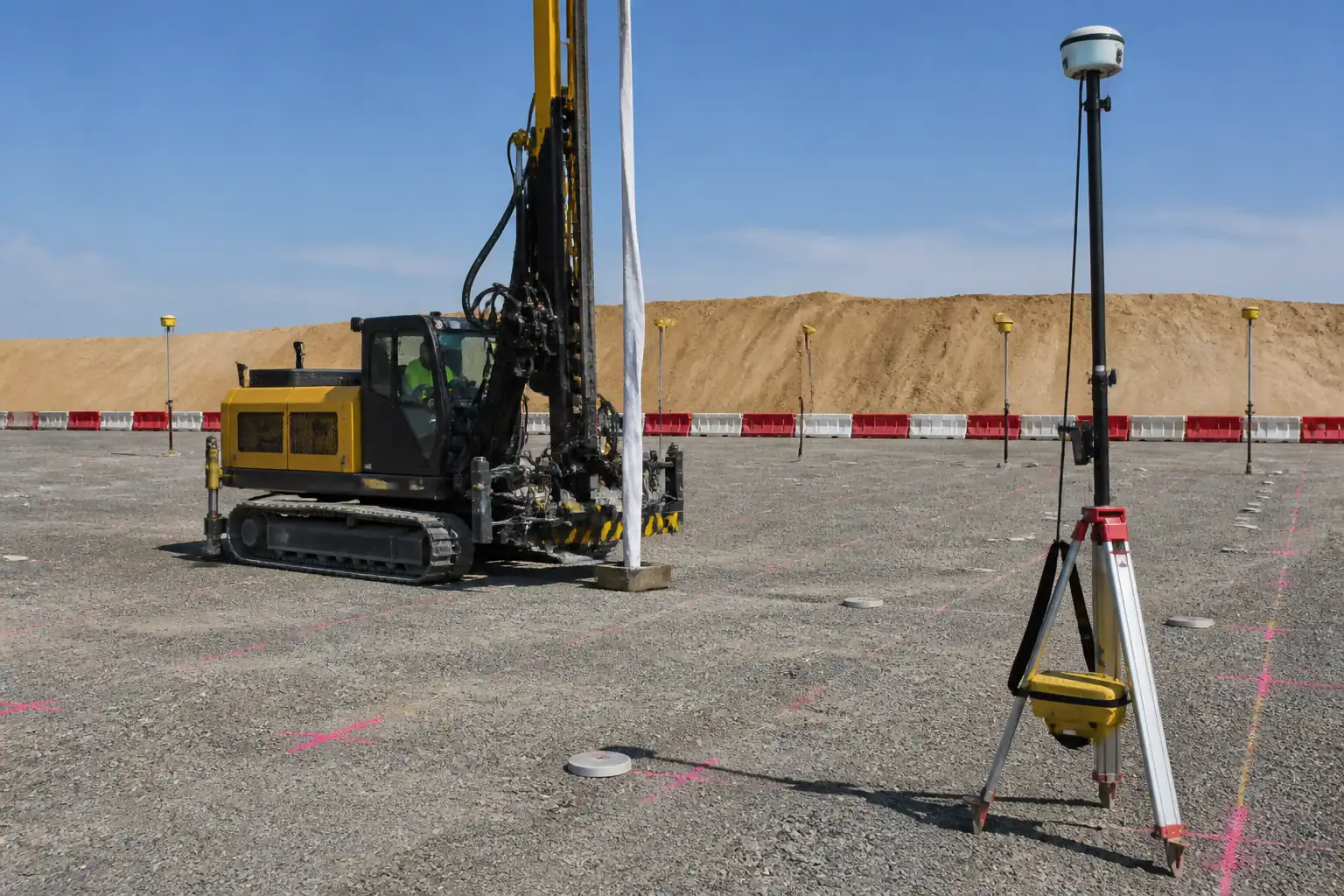
| Survey control and grid set-out | Calibration; independent check shots | Positional accuracy within project tolerance | Surveyor / QC | Set-out report |
| Trial drain installation | Verticality, depth, anchor pull | Within defined tolerances | Contractor QC / Engineer | ITR – Trial drains |
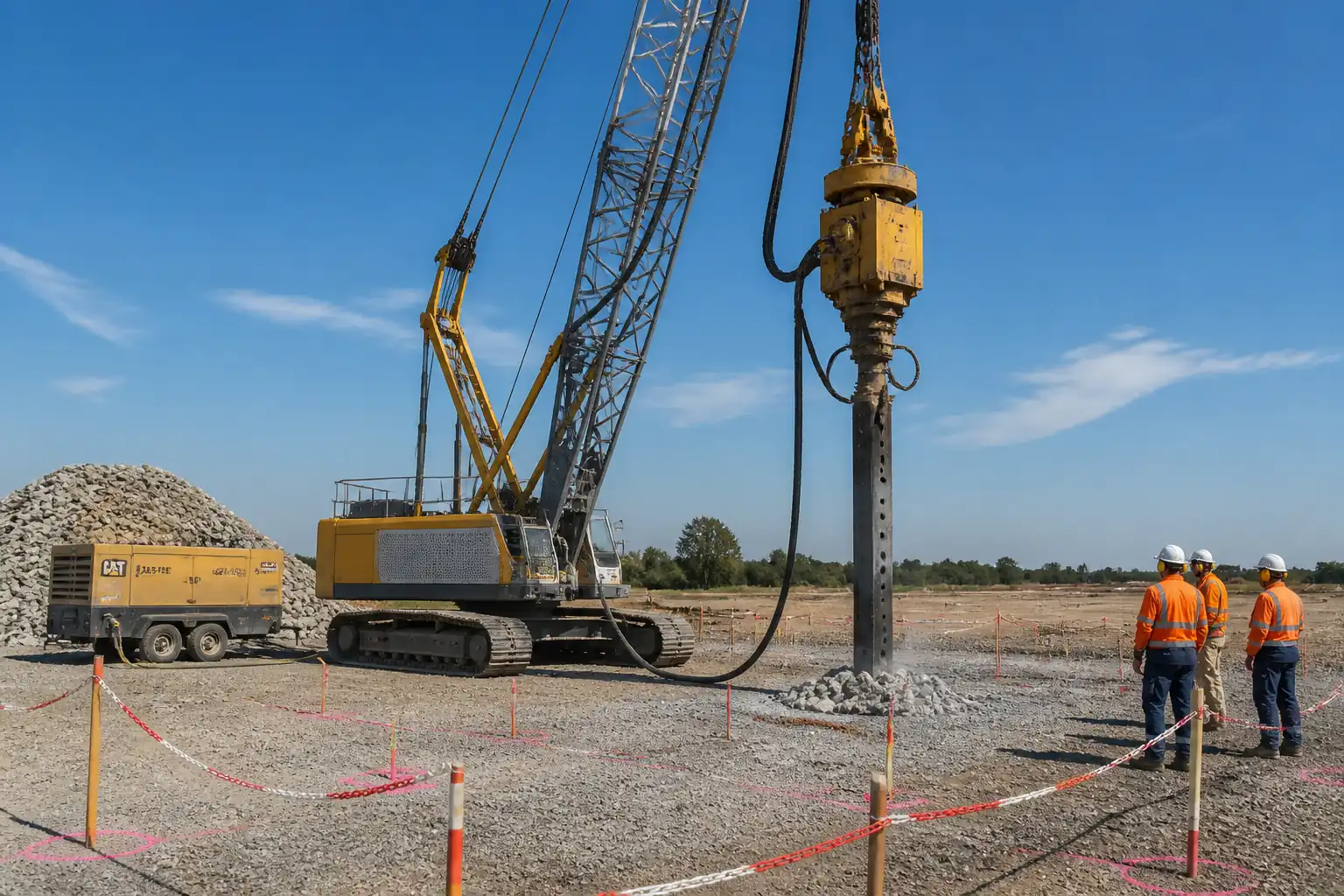
| PVD production – location and depth | DGPS coordinates; depth log | Location ±0.15 m; tip elevation -0.30/+0.10 m [Verify] | Contractor QC / Engineer | Daily as-built log; ITR |
| Splice/anchor checks | Tensile check (sample); anchor proof pull | Splice ≥50% tensile; anchor ≥0.5 kN/10 s [Verify] | Contractor QC | QC checklist |
| Drain top termination | Height measurement | Projection as designed; trimmed flush after blanket | Contractor QC | QC log |
| Drainage blanket material and thickness | Sieve/permeability (if required); thickness checks | k and thickness per design [Verify] | Contractor QC / Engineer | Material tests; ITR |
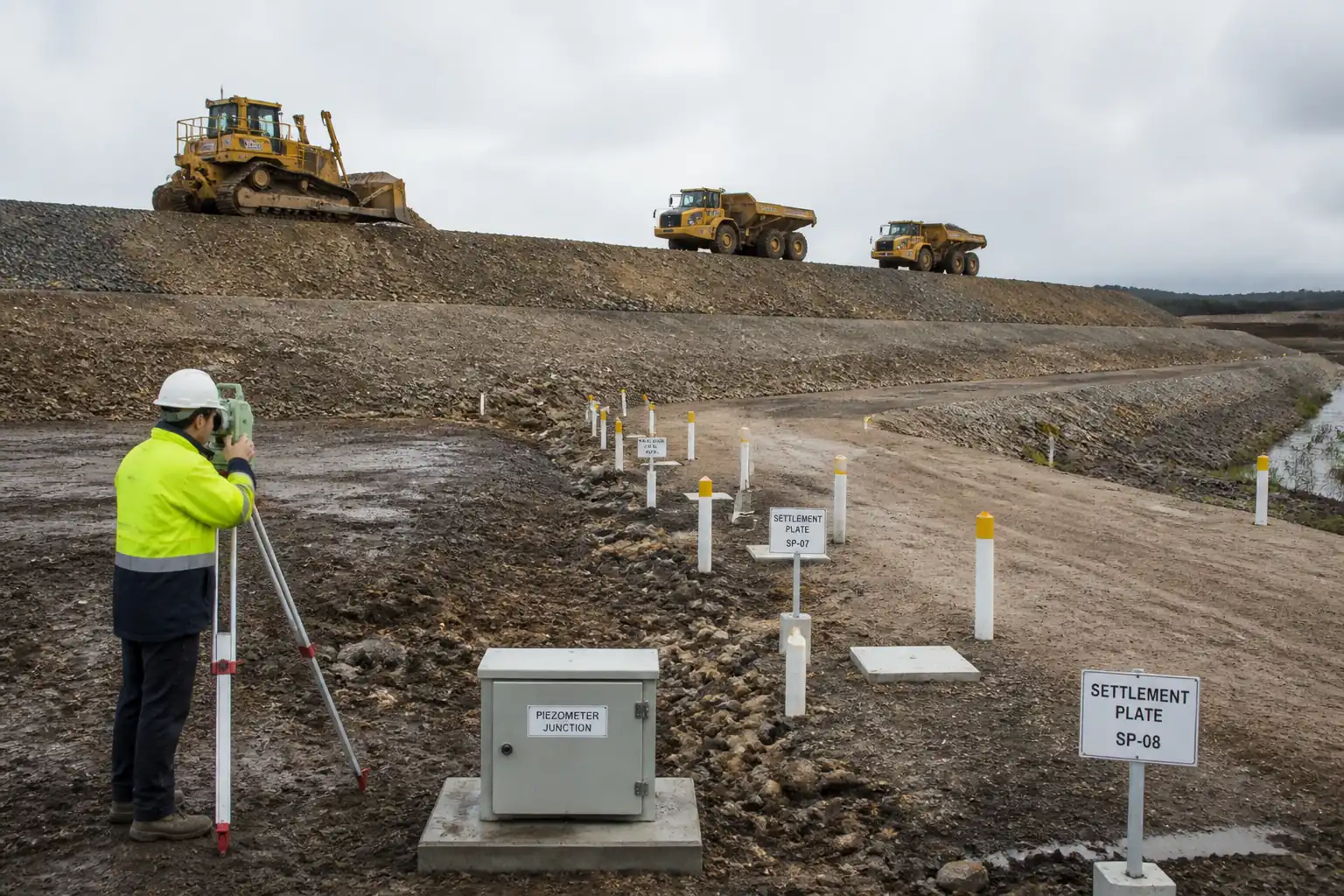
| Settlement plate installation and baseline | Plumbness; initial RL survey | Plumb ≤1:200; RL ±2 mm | Instrumentation Team / Engineer | ITR; survey sheet |
| Surcharge placement – each stage | Stability review; instrument readings | FoS ≥1.3; fill rate within limit; triggers not exceeded [Verify] | Contractor / Geotechnical Engineer / Engineer | Stage approval; monitoring report |
| Monitoring during surcharge | Settlement/time plots; pore pressures (if any) | Trends match design envelope; corrective actions if deviations | Geotechnical Engineer | Monitoring logs |
| Criteria to de-surcharge | Degree of consolidation assessment | U ≥90–95% and stability confirmed [Verify] | Geotechnical Engineer / Engineer | Approval memo |
This table is a read-only public reference. Download the PDF or Excel version, or customize this ITP to edit it for your project.
Frequently asked questions
Related method statement
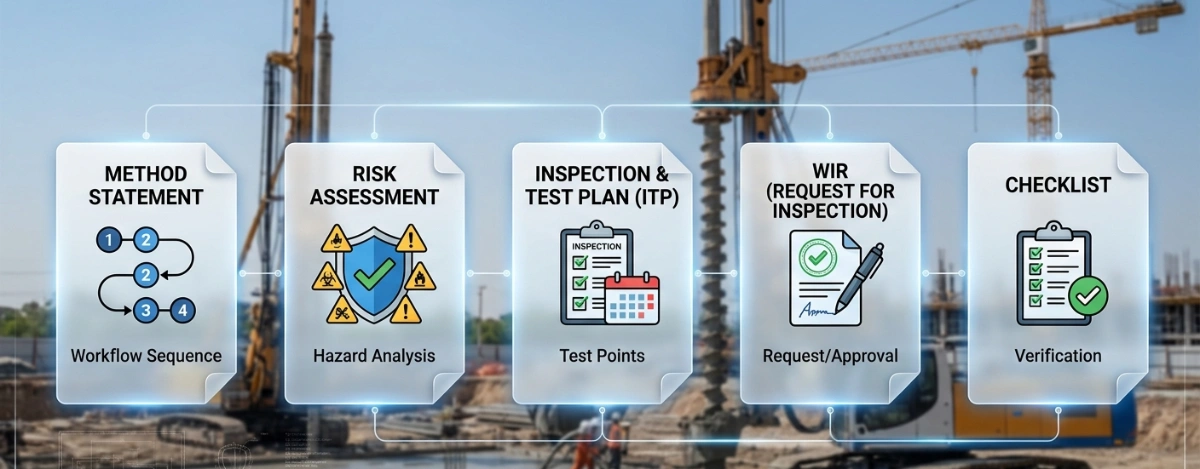
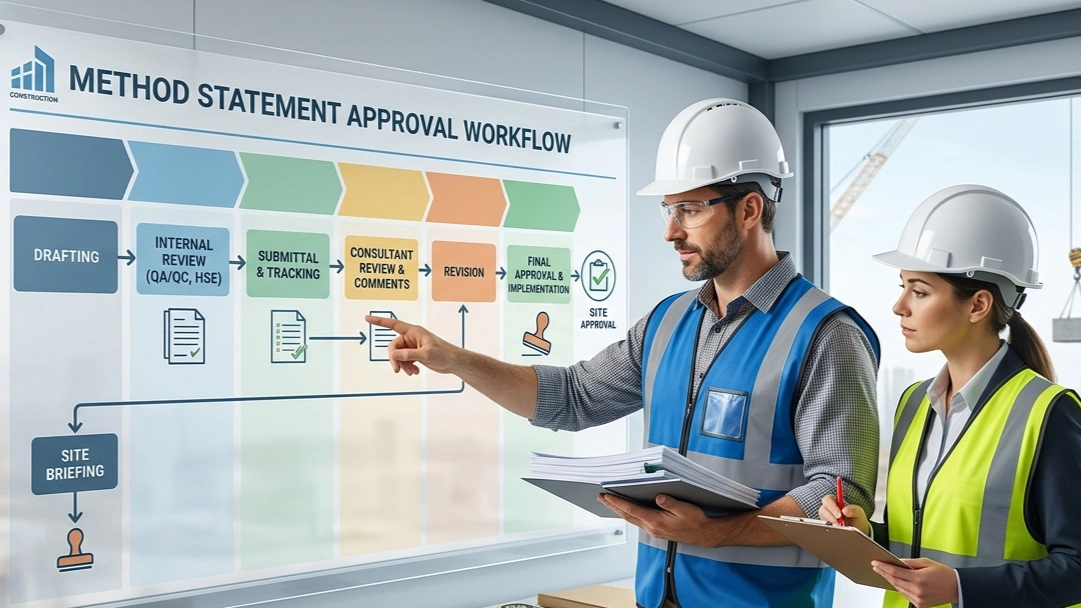
This Inspection and Test Plan is associated with the Method Statement – Prefabricated Vertical Drains (PVD/Wick Drains) Installation, Surcharge Preloading, and Settlement Monitoring method statement, which describes the step-by-step construction sequence, resources, materials, equipment, safety controls, and environmental controls for this activity.
View the Method Statement – Prefabricated Vertical Drains (PVD/Wick Drains) Installation, Surcharge Preloading, and Settlement Monitoring method statement →Continue with related inspection, method statement, article, and checklist resources.