
Method Statement: Final Completion Certificate Support & Handover Closeout – Method Statement
AI-assisted method statement with matching ITP, PDF download, and Excel export.
More than a static template
Unlike a downloadable Word or PDF template, this method statement is an AI-assisted editable starting point connected directly to a matching Inspection and Test Plan. Every section is structured, project-adaptable, and ready to export.
- AI-assisted drafting — Customize every section with AI for your specific project scope.
- Linked ITP — A matching inspection and test plan is generated alongside the method statement.
- Multiple export formats — Download as a formatted PDF or editable Excel spreadsheet.
- Editable starting point, not a final document — Review, verify, and adjust all content against your project requirements before use.
Static template vs. Quollnet workflow
| Feature | Static template | Quollnet |
|---|---|---|
| Project-specific content | Manual fill-in required | AI-assisted customization |
| Linked ITP | Separate document, no link | Matching ITP included |
| Export formats | Usually PDF only | PDF and Excel |
| Structured sections | Free-form layout | 13 standardized sections |
| Saved to your account | Local file only | Cloud-saved, reusable |
| Content accuracy | You verify everything | AI-assisted, you still verify |
| Cost | Often free but time-intensive | Free to customize and download |
What you can customize
When you save this method statement to your account, every section becomes editable. The following 13 sections are included:
- Scope — Defines the activity and its boundaries.
- References — Standards, specifications, and drawings.
- Responsibilities — Roles and accountabilities.
- Resources — Labour, plant, and equipment summary.
- Materials — Materials and compliance requirements.
- Equipment — Tools and equipment details.
- Prerequisites — Hold points and pre-conditions.
- Method sequence — Step-by-step construction sequence.
- Safety controls — HSE risk controls and PPE.
- Environmental controls — Environmental mitigation measures.
- QA/QC — Quality inspection and test requirements.
- ITP — Inspection and Test Plan table (has its own page).
- Attachments — Referenced drawings and documentation.
Why this method statement is used
This method statement is used to define and communicate the approved procedure for carrying out method statement: final completion certificate support & handover closeout on site. It ensures the work is planned in advance, the correct resources and controls are in place, and all personnel understand responsibilities, sequence, quality requirements, and safety controls before work begins. It aligns site execution with the documented scope and acceptance expectations.
Who uses this method statement
This method statement is used by contractors, site supervisors, project engineers, QA/QC engineers, HSE officers, consultants, and client representatives. It serves as a shared reference for planning, execution, supervision, inspection, and approval of the activity on site.
When it is prepared and submitted
The method statement is prepared before the work activity starts and submitted as part of the pre-construction documentation package for review and approval.
Who reviews or approves it
The method statement is usually submitted to the client representative, consultant, resident engineer, or project management consultant for review and approval before the work commences.
Important approval note
This method statement is an AI-assisted editable starting point, not a pre-approved document. Before use on any project, all content must be reviewed and approved by the relevant parties (superintendent, principal contractor, or client representative) in accordance with your contract and project quality plan.
For example: if your specification requires a departure from a referenced standard, that departure must be documented and approved separately — this method statement will not capture that automatically. Always verify against your applicable drawings, specifications, and regulatory requirements.
Method statement content
Scope
Purpose
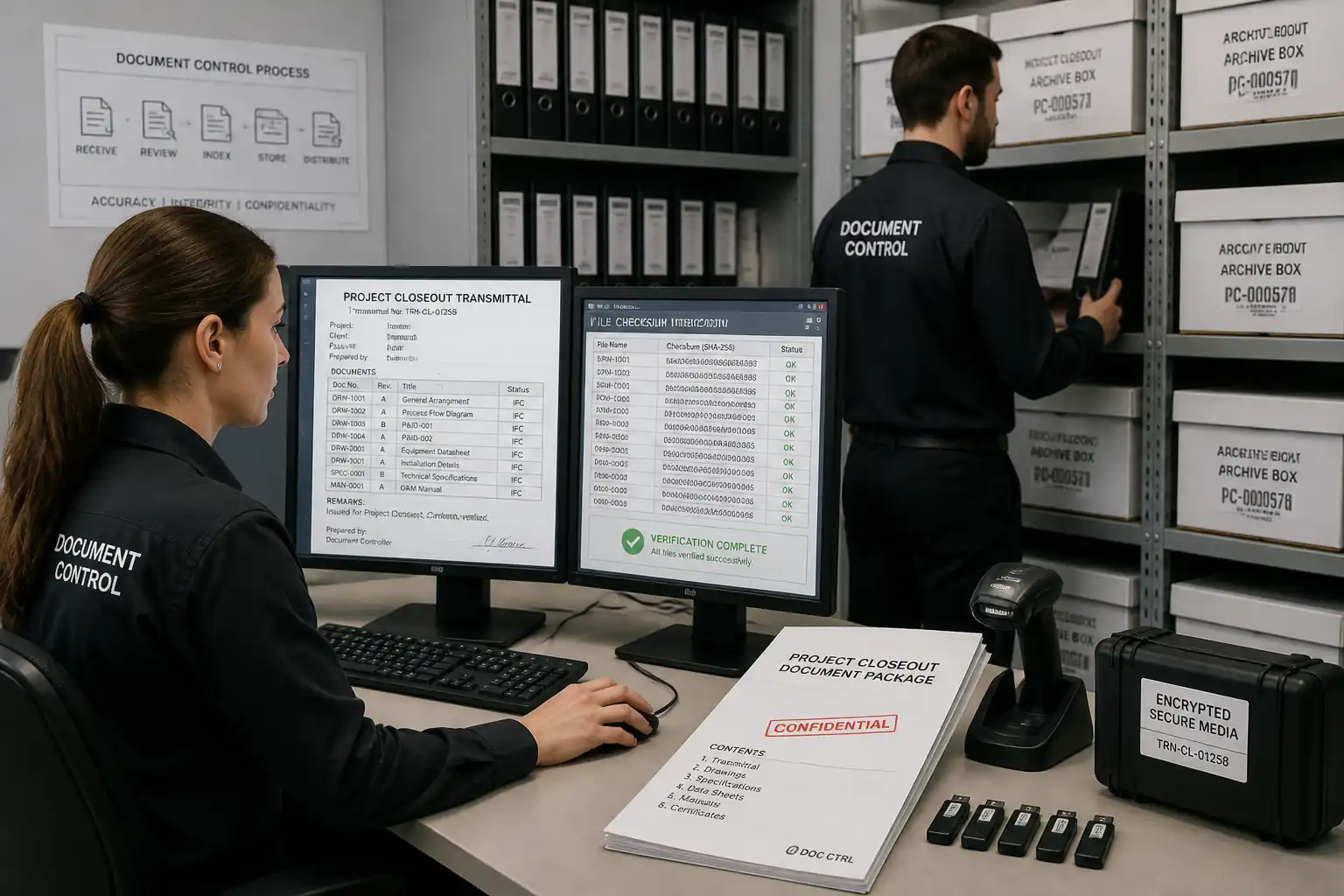
Define the structured process to demonstrate contract completion and support issuance of the Final Completion/ Taking-Over Certificate by the Employer/Engineer, including documentary evidence, technical verifications, statutory approvals, resolution of all snags/NCRs, and formal submission and acceptance.
Scope of Works
- Collation and verification of closeout deliverables (as-built documentation, O&M manuals, warranties, spares, training, asset register, BIM/COBie, commissioning records).
- Closure of snags/punch list, defects, and nonconformities including CARs/PARs.
- Verification of statutory approvals (e.g., fire authority, utilities, occupancy/TOC) and third-party certifications.
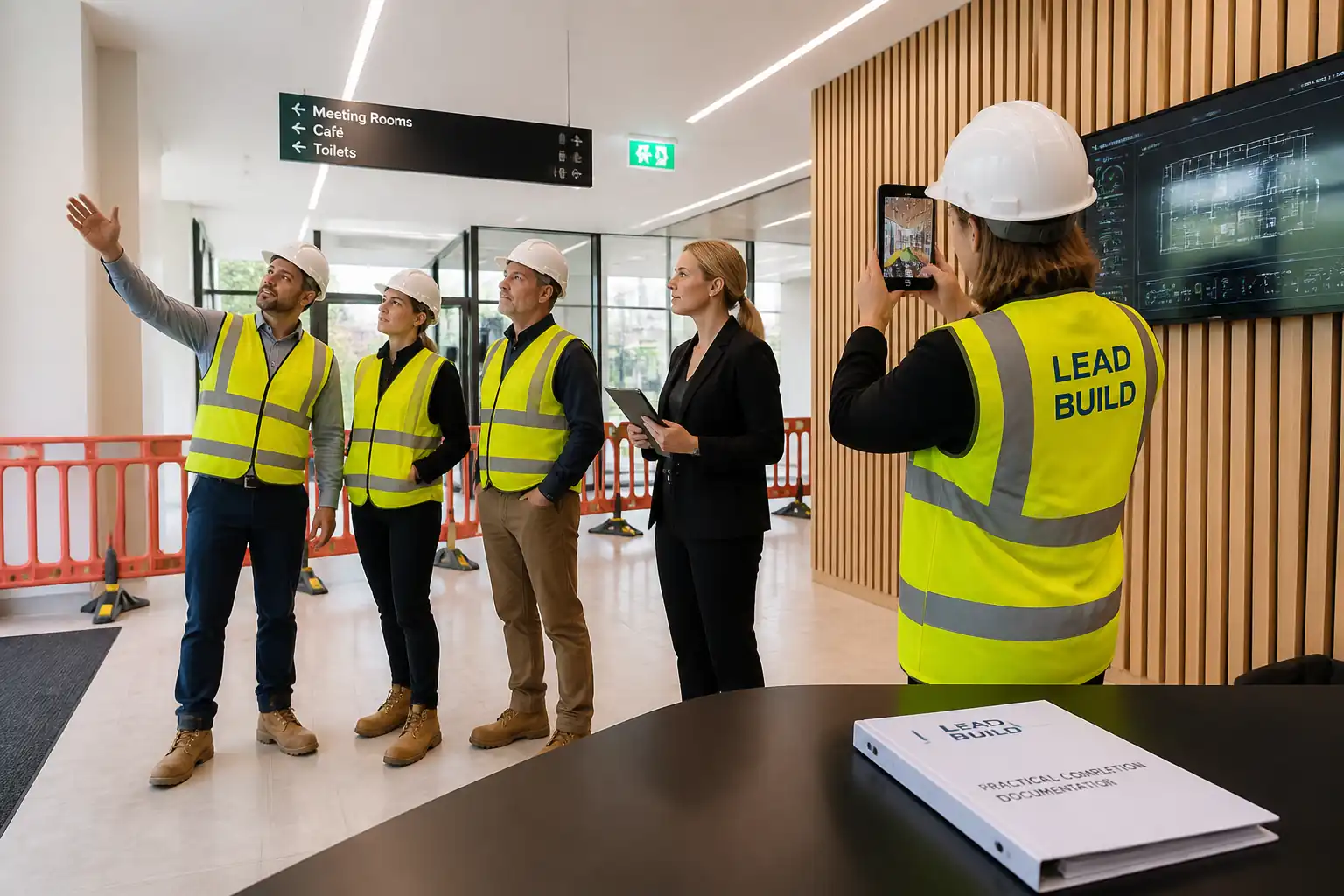
- Readiness inspection with Client/Engineer and final inspection coordination.
- Management of Outstanding Minor Works (OMW) and defects during completion acceptance.
- Formal submission pack, transmittals, and traceable records for completion certificate.
- Transition to Defects Liability Period (DLP) and handover of keys, access, permits, and control of site.
Exclusions
- Commercial settlement and final account (handled by Contract/Commercial). - Major rework outside punch-list scope.
Key Acceptance Metrics [Verify per project specifications]
- 100% mandatory closeout documents submitted, reviewed and approved (or approved-as-noted, with close-out of notes).
- 0 open NCRs and 0 Category A snags; Category B/C snags allowed only if listed in approved OMW register with program and controls.
- All statutory approvals/permits to operate/occupy received and current.
- Commissioning and performance tests passed within specified tolerances.
- As-built model/drawings accepted by Engineer/Client.
- Training, spares, warranties delivered and accepted.
References
| Document Type | Reference / Number | Revision | Notes |
|---|---|---|---|
| ISO 9001:2015 Quality Management Systems; ISO 10013 Guidance for documented information [Verify applicability]. | |||
| ISO 45001:2018 Occupational Health & Safety; ISO 14001:2015 Environmental Management [Verify applicability]. | |||
| ISO 19650 series; BS 1192 legacy where applicable; COBie drops as per Project BEP [Verify per BEP]. | |||
| FIDIC Conditions of Contract (Red/Yellow/Silver) – Taking-Over/Completion/Performance provisions [Verify book & edition]. | |||
| Commissioning standards as applicable: CIBSE Codes (A, W, M), ASHRAE Guideline 0/1.1, NFPA for fire systems, IEC/BS EN for electrical tests [Verify per discipline]. | |||
| Survey and as-built requirements per ISO 17123 series (survey), BS EN ISO 19650 deliverables, project CAD/BIM standards [Verify]. | |||
| Local building codes, Fire Authority approvals (e.g., NFPA referenced), Utility provider acceptance tests, Occupancy/Completion permits [Verify per jurisdiction]. |
Responsibilities
| Role | Responsibility | Name / Party |
|---|---|---|
| Project Manager | Project Manager | Contractor |
| Quality Manager | Quality Manager | Contractor |
| Handover Lead | Handover Lead / Closeout Engineer | Contractor |
| Commissioning Manager | Commissioning Manager | Contractor |
| BIM Manager | BIM Manager / CAD Lead | Contractor |
| HSE Manager | HSE Manager | Contractor |
| Document Controller | Document Controller | Contractor |
| Engineer/Client Rep | Engineer/Client Representative | Engineer/Client |
Resources
| Resource Type | Description | Quantity | Remarks |
|---|---|---|---|
| Personnel | PM, Handover Lead, Quality Manager, Commissioning Manager, BIM Manager, HSE Manager, Commercial Lead. | As required | |
| Personnel | Civil/Arch/MEP/ELV engineers, surveyors, vendor reps for snag closure and evidencing. | As required | |
| Personnel/IT | EDMS/ CDE administrators to manage metadata, workflows, stamps, and archives. | 1–2 admins [Verify] |
Materials & Deliverables
| Material | Specification / Grade | Quantity | Remarks |
|---|---|---|---|
| As-built drawings/BIM | ISO 19650; BEP; CAD/BIM standards [Verify] | ||
| O&M Manuals | CIBSE TM31/GM; project templates [Verify] | ||
| Warranty certificates | Per contract Section x [Verify] | ||
| Spares lists & delivery notes | Per O&M and Contract schedules [Verify] | ||
| COBie/Asset data | COBie schema; Client FM data standard [Verify] | ||
| Commissioning dossiers | CIBSE/ASHRAE/NFPA/IEC [Verify] | ||
| Certificates & approvals | Local authority requirements [Verify] |
Equipment & Tools
| Equipment | Capacity / Type | Quantity | Inspection Required |
|---|---|---|---|
| EDMS/CDE | SaaS/on-prem [Verify] | Configured instance | |
| Mobile devices, scanners | As required | ||
| Access equipment, PPE | As required | ||
| Test instruments | As required |
Prerequisites
- Confirm contractual definition of Final Completion/ Taking-Over and certificate issuance pathway.
- Master Closeout Deliverables Register established with status (Required/ Submitted/ Approved/ Rejected/ Pending).
- All discipline inspections complete; residual works identified, risk-ranked (A/B/C) with OMW register and program.
- NCR/CAR logs current; root cause addressed; evidence of effectiveness retained.
- Commissioning plan executed; seasonal/extended tests plan agreed if not feasible now.
- Statutory inspections scheduled/completed; outstanding authority comments addressed.
- EDMS configured with metadata schema, transmittal templates, approval workflows, naming per project standard.
- HSE risk assessments for final inspections/snag rectifications; permits to work in place for energized/live systems.
- Access arrangements, housekeeping, and security for Client inspections.
- Training plan agreed with Client; interpreters or OEM reps scheduled if needed.
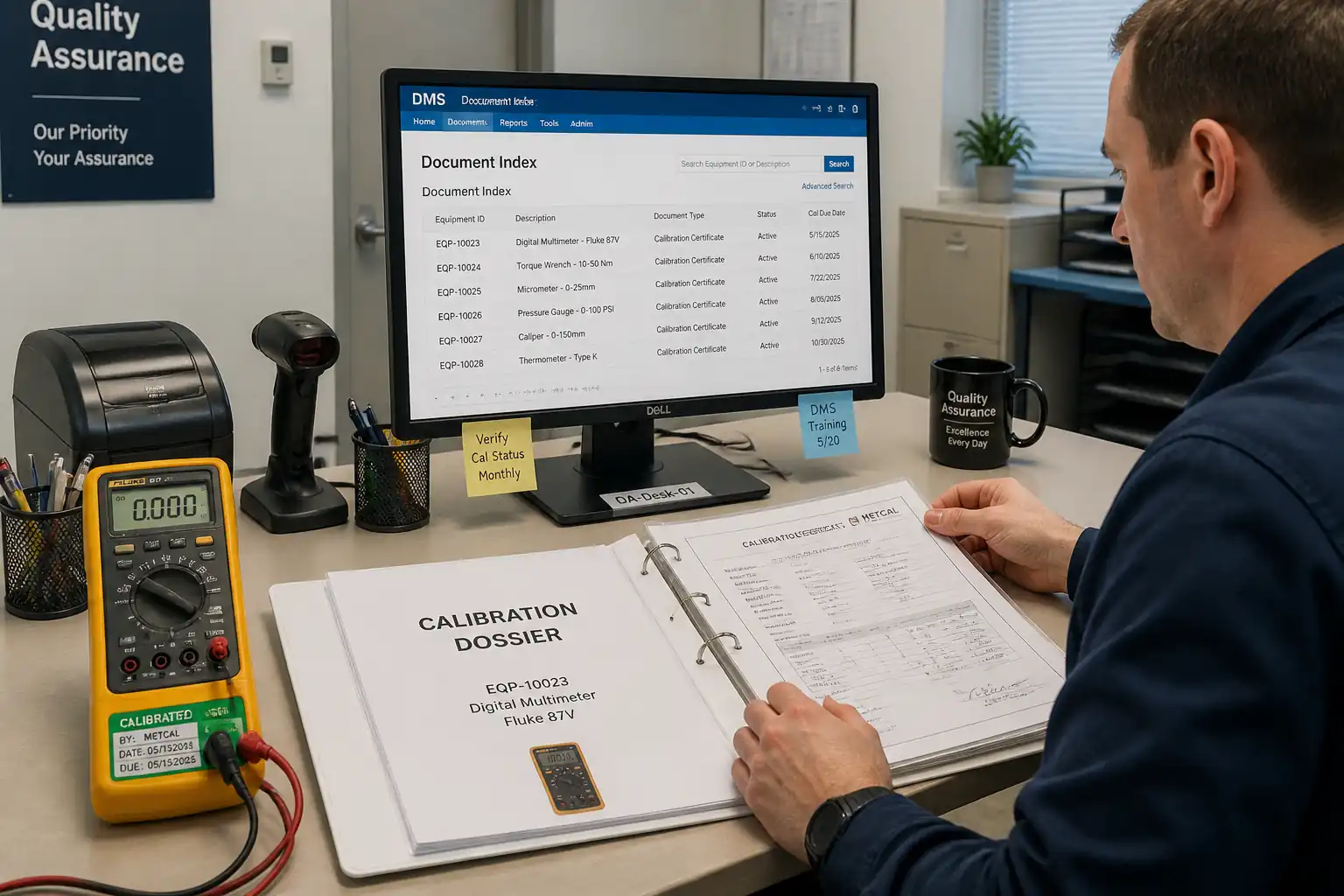
- Calibration certificates for verification instruments available.
Method Sequence
| Step | Activity | Description | Responsibility | Inspection / Hold Point |
|---|---|---|---|---|
| 1 | Kick-off & Plan | Issue Final Completion Plan with milestone dates, deliverables list, authority matrix, and risk register. | Project Manager / Handover Lead | Internal review |
| 2 | Readiness Audit (Doc) | Audit all closeout deliverables against register; classify gaps; assign owners and due dates. | Quality Manager / Document Controller | Document audit |
| 3 | NCR/CAR Closure | Close all NCRs with evidence; verify corrective and preventive actions; obtain Engineer acceptance. | Quality Manager | NCR verification |
| 4 | Snag/Punch List Closure | Rectify and verify snags; reclassify residuals to OMW if agreed; update tracker with photos and sign-offs. | Discipline Engineers / Handover Lead | Joint inspections |
| 5 | As-built & BIM Delivery | Freeze redlines; update model/drawings; QA check geometry/metadata; submit via EDMS for approval. | BIM Manager / CAD Lead | Design/coordination review |
| 6 | Commissioning Record Verification | Compile pre-functional/functional results, TAB, performance tests; address any deviations; plan seasonal tests. | Commissioning Manager | Record review |
| 7 | Statutory/Authority Approvals | Coordinate final inspections; close comments; collect certificates (fire NOC, occupancy, utilities). | Authority Liaison / PM | Authority inspections |
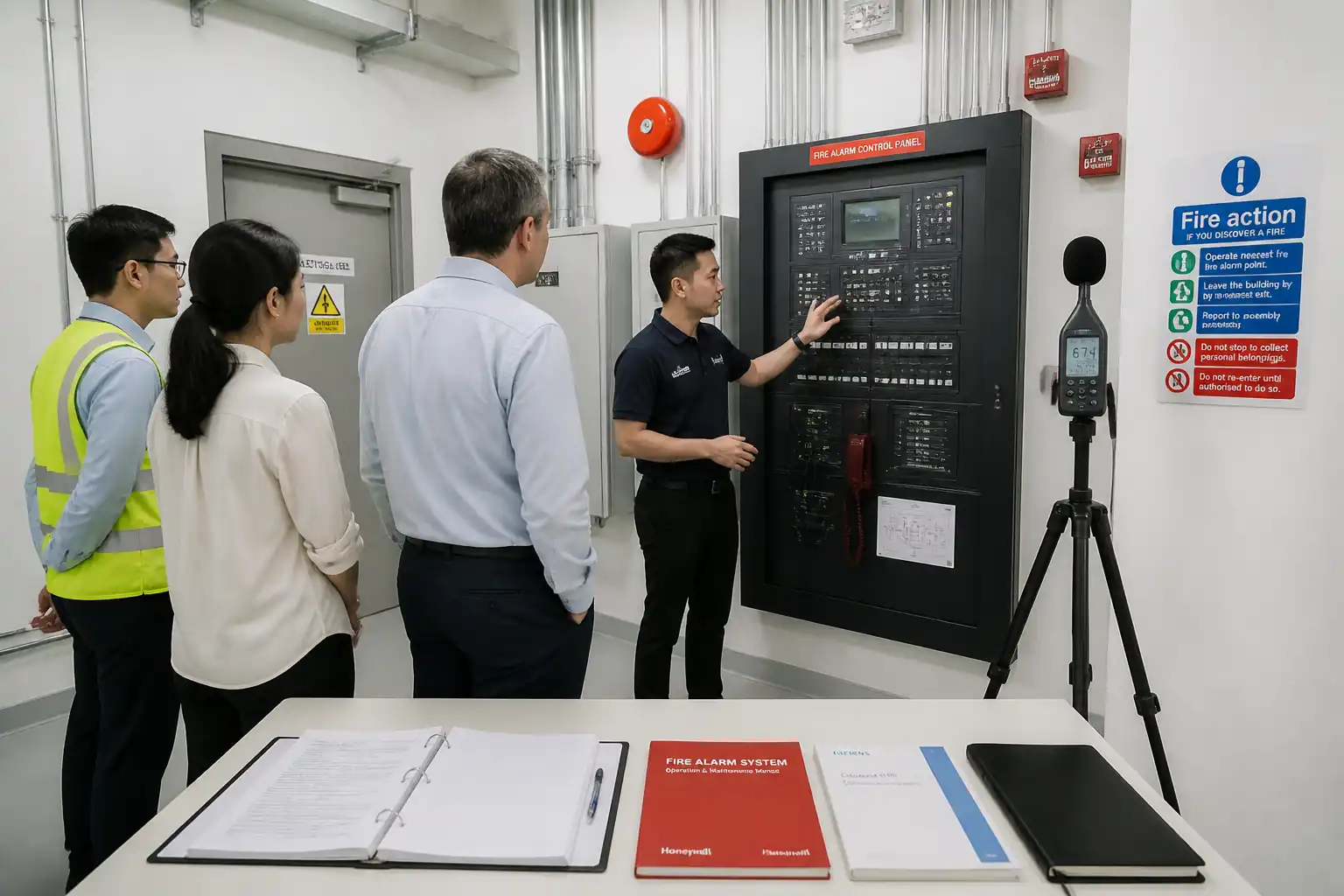
| 8 | O&M/Training/Spares | Submit O&M manuals; conduct training; deliver spares/tools; record attendance and receipts. | Commissioning Manager / Vendors | Witness training |
| 9 | Client Pre-Final Inspection | Walkdown with Client/Engineer; record residuals; agree OMW if minor and non-safety-affecting. | PM / Handover Lead | Joint walkdown |
| 10 | Formal Submission for Certificate | Issue transmittal with evidence matrix, declarations, insurance, warranties, approvals, and clean site confirmation. | PM / Document Controller | Administrative review |
| 11 | Certificate Issuance & Handover | Receive Final Completion/TOC; handover keys/access; switch site to DLP regime; update insurance and bonds as per Contract. | PM / Commercial | Certificate verification |
| 12 | Archiving & Lessons Learned | Archive EDMS; freeze metadata; issue lessons learned report; mobilize DLP response team. | Quality Manager / PM | Archive audit |
Health, Safety and Welfare Controls
Key Task-Specific Hazards and Controls
- Hazard: Work at height during final snag rectifications (ceiling voids, roofs).
- Likely consequence: Falls leading to serious injury or fatality.
- Engineering/procedural control: Use inspected podiums/towers with guardrails; 100% tie-off for MEWP; prohibit ladders as work platforms except for light, short-duration tasks per hierarchy; implement exclusion zones.
- Required PPE: Helmet with chin strap, fall-arrest harness (EN 361), non-slip footwear, gloves, eye protection.
- Collective preventive measure: Edge protection, toe boards, netting where applicable.
-
Inspection/permit/supervision: Pre-use inspection tags; Work at Height permit; competent supervisor on site. [Verify per project HSE plan and local regulations]
-
Hazard: Energized systems during verification (LV panels, fire systems, rotating equipment).
- Likely consequence: Electric shock, arc flash, burns.
- Engineering/procedural control: LOTO for non-required circuits; arc-flash boundaries; insulated tools; test-before-touch; only authorized electricians; live testing method statements.
- Required PPE: Arc-rated clothing, dielectric gloves, face shield, hearing protection.
- Collective preventive measure: Physical barriers and lockable covers.
-
Inspection/permit/supervision: Electrical permit-to-work; calibration certificates for meters; supervision by authorized person.
-
Hazard: Confined spaces (tanks, shafts) for final inspections/cleaning.
- Likely consequence: Asphyxiation, toxic exposure, entrapment.
- Engineering/procedural control: Confined space entry plan, gas testing, forced ventilation, standby attendant, rescue plan.
- Required PPE: Gas detector, harness, communications, suitable respirator if required.
- Collective preventive measure: Tripod/winch, barriers around openings.
-
Inspection/permit/supervision: Confined Space Permit; rescue equipment inspection; trained entrants/attendants.
-
Hazard: Hot works for minor touch-ups/welds.
- Likely consequence: Fire, burns, smoke inhalation.
- Engineering/procedural control: Hot Work Permit, fire watch, remove combustibles, screen sparks, designate safe area for cylinders.
- Required PPE: Flame-resistant clothing, gloves, eye/face protection.
- Collective preventive measure: Fire blankets, extinguishers, automatic detection isolation if required.
-
Inspection/permit/supervision: Hot Work Permit; post-work fire watch 60 minutes minimum [Verify per project HSE plan].
-
Hazard: Slips/trips from cleaning, packaging, cables during inspections.
- Likely consequence: Minor to major injuries.
- Engineering/procedural control: Good housekeeping; route management; cable ramps; wet floor signage.
- Required PPE: Safety footwear, gloves.
- Collective preventive measure: Barricades and signage.
-
Inspection/permit/supervision: Daily housekeeping inspection; supervisor walkdowns.
-
Hazard: Vehicle movement during demobilization.
- Likely consequence: Struck-by incidents.
- Engineering/procedural control: Traffic plan, banksman, one-way systems, restricted times.
- Required PPE: Hi-vis, helmet, safety boots.
- Collective preventive measure: Physical segregation of pedestrian routes.
-
Inspection/permit/supervision: Vehicle/plant inspection; banksman certification.
-
Hazard: Noise and vibration during final tests (e.g., fire alarms).
- Likely consequence: Hearing damage, disturbance to neighbors/adjacent tenants.
- Engineering/procedural control: Notify stakeholders, schedule off-peak, set measured limits per specs.
- Required PPE: Hearing protection.
- Collective preventive measure: Temporary isolation zones.
- Inspection/permit/supervision: Noise monitoring log; permit/notification records.
Environmental Controls
- Waste minimization: Prioritize digital submissions; print only when contractually required. Segregate residual packaging and construction waste per site SWMP.
- Hazardous materials: Manage paint/solvent residues and cleaning chemicals; store in bunded areas; use spill kits; dispose via licensed carrier with consignment notes.
- Refrigerants and gases: Verify F-gas logs; no venting to atmosphere; recovery by certified technicians; records archived.
- Water discharge: Prohibit discharge from system flushing/cleaning without permits; sample and treat as required; maintain logs.
- Noise and nuisance: Schedule alarm tests off-peak; communicate with neighbors; comply with local limits [Verify].
- Energy and carbon: De-energize nonessential temporary services; switch to permanent supplies post-TOC to reduce generator emissions.
- Materials stewardship: Transfer MSDS/SDS in O&M; ensure substitution approvals retained.
- Incident response: Maintain emergency spill response plan; report and investigate environmental incidents within 24 hours [Verify per project HSE plan].
QA/QC Controls
Quality Strategy
- Use a master Closeout Deliverables Register with status and reviewer ownership; weekly dashboards.
- Conduct stage-gate audits: (1) Readiness ≥95% docs; (2) Pre-final ≥99%; (3) Final 100% mandatory.
- NCR/CAR: Trend analysis; effectiveness verification after 30 days of implementation or first applicable cycle.
- As-builts/BIM: Two-tier check—discipline check then independent quality check; automated COBie validator for schema and mandatory fields.
- Commissioning: Cross-check setpoints vs. design; verify trending data where BMS available; performance sampling e.g., 10% of terminal units or as per spec [Verify frequency].
Acceptance Metrics [Verify per project specifications]
- Documents: 100% mandatory deliverables approved; no superseded/obsolete docs in final pack.
- NCRs: 0 open; CARs closed with evidence.
- Snags: 0 Cat A; Cat B/C only if recorded in OMW with completion plan and risk controls.
- Statutory: All approvals current and uploaded; no conditions outstanding that prevent lawful operation.
- Commissioning: All tests pass; residual seasonal tests scheduled with dates and responsibilities.
- Training: 100% attendance of nominated Client team or written waiver.
- Archive: EDMS export with checksum/manifest verified; retrieval test passed.
Attachments and Appendices
- Master Closeout Deliverables Register (template)
- Snag/Punch List Tracker with categories and photo log (template)
- Outstanding Minor Works (OMW) Register and risk controls (template)
- NCR/CAR Log and effectiveness verification checklist
- Commissioning Summary Report format and test sheets index
- As-built Submission Checklist and COBie validation guidance
- Training Agenda and Attendance Sheet
- Spares and Warranties Register
- Statutory/Authority Approvals Checklist (jurisdiction-specific)
- Final Submission Evidence Matrix and Transmittal template
- Handover Receipt, Keys/Access Handover Form
- DLP Mobilization Plan and Contact List
- Archive and Digital Media Manifest (checksum list)
This content is a read-only public reference. Download or customize to get an editable version.
ITP preview
The first inspection activities from the linked ITP for Method Statement: Final Completion Certificate Support & Handover Closeout:
| Activity | Inspection / Test | Acceptance Criteria | Responsibility | Record |
|---|---|---|---|---|
| Closeout Deliverables Audit | Check each item in Master Closeout Register vs. contract matrix; verify approvals and revisions. | 100% mandatory items submitted and approved (or AAN with notes closed). | Quality Manager / Document Controller | Closeout Audit Report; Master Register export |
| NCR/CAR Closure Verification | Review NCR log; sample evidence; confirm Engineer acceptance. | 0 open NCRs; CARs closed and effective. | Quality Manager | NCR Log; CAR effectiveness checklist |
| Snag/Punch List Closure | Joint verification of rectified snags; agree OMW if applicable. | 0 Cat A; residuals only per approved OMW list with completion dates. | Discipline Engineers / Engineer’s Rep (witness) | Signed Snag List; OMW Register |
Showing 3 of 9 inspection activities. View full ITP →
Related Inspection and Test Plan
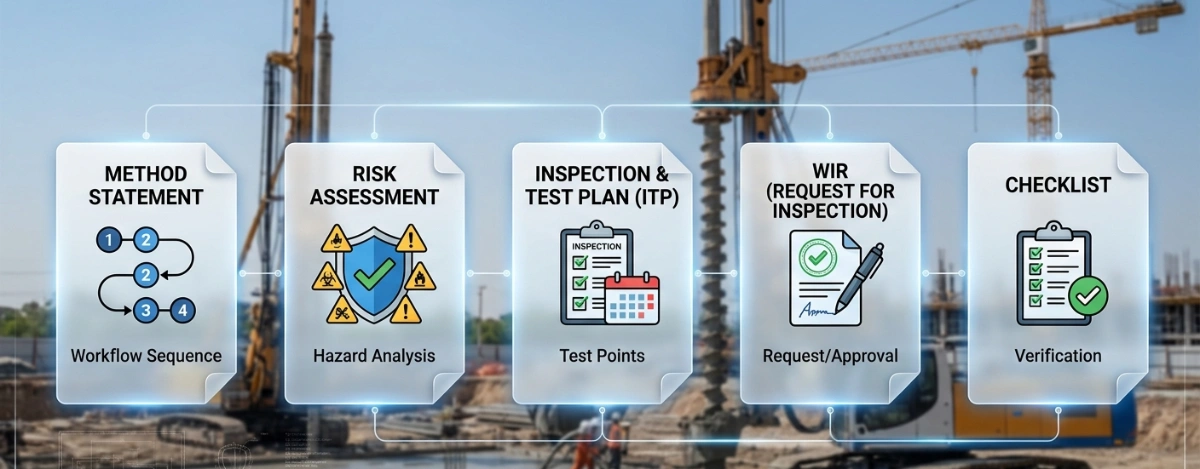
An Inspection and Test Plan (ITP) is available for Method Statement: Final Completion Certificate Support & Handover Closeout. The ITP defines the inspection activities, acceptance criteria, hold and witness points, responsible parties, and records required to verify the work described in this method statement.
View the Method Statement: Final Completion Certificate Support & Handover Closeout ITP →Frequently asked questions
Continue with related Quollnet resources connected to this method statement.