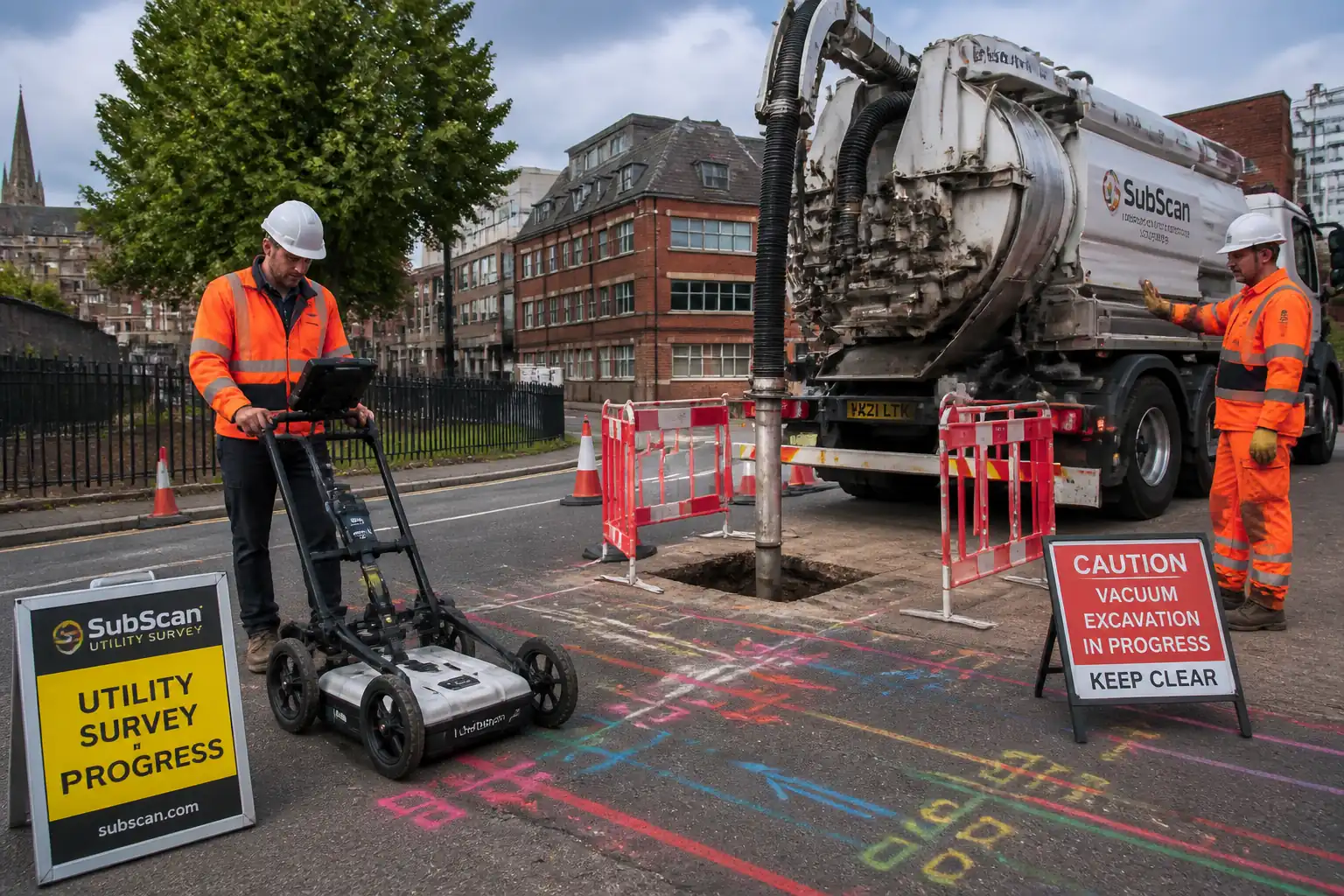

Inspection and Test Plan for Method Statement: Pre-construction Underground Utility Detection and Potholing (CAT & Genny, GPR, Vacuum Excavation, Trial Holes)
AI-assisted inspection and test plan connected to a method statement, with PDF and Excel export.
More than a static template
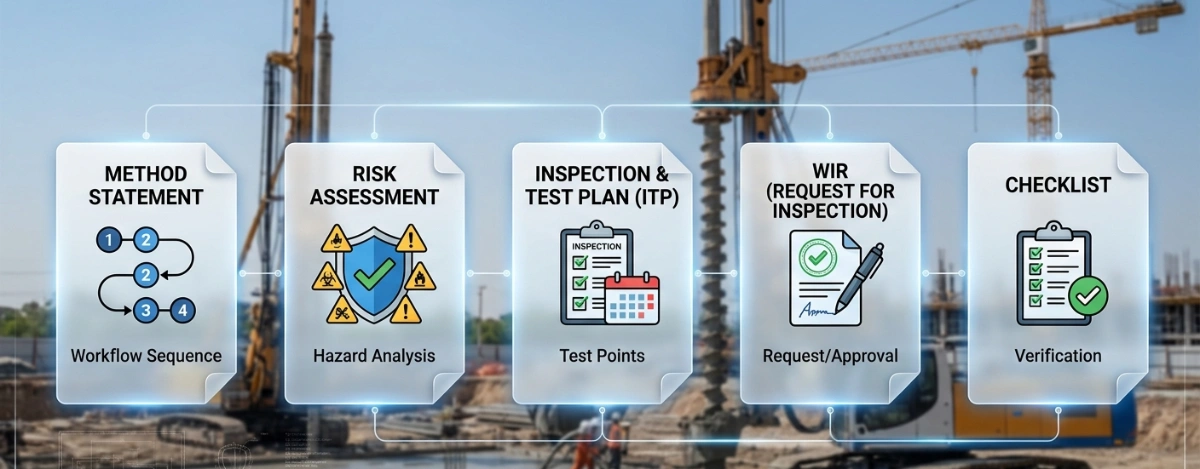
Unlike a downloadable Word or PDF template, this ITP is an AI-assisted editable starting point directly connected to its method statement. Every inspection activity, hold point, and acceptance criterion is structured and ready to adapt to your project.
- AI-assisted customization — Tailor inspection activities and acceptance criteria to your specific project scope.
- Linked method statement — This ITP is connected to the corresponding method statement describing the work sequence.
- Multiple export formats — Download as a formatted PDF or editable Excel spreadsheet.
- Editable starting point, not a final document — Review and verify all content against your project specifications and standards before use.
What you can customize
When you save this ITP to your account, every inspection row becomes editable. You can add, remove, or modify:
- Inspection activity — Description of what is being inspected.
- Inspection type — Hold point (H), Witness point (W), Review (R), or Monitor (M).
- Responsibility — Contractor, subcontractor, engineer, or client.
- Frequency — How often the inspection occurs.
- Acceptance criteria — Referenced standard or specification requirement.
- Records — Forms, test reports, or checklists required as evidence.
Why this ITP is used
To control quality, safety, and completeness of underground utility verification before any intrusive works commence.
Who uses this inspection and test plan
Contractor’s survey and utility teams, HSE officers, the Engineer/Client’s Representative, and utility owners as applicable.
When this ITP is prepared and submitted
Before excavation, piling, or groundworks and at defined hold points during detection and verification.
Who receives or approves this ITP
Engineer/Client’s Representative for review and approval.
Inspection scope
From records compilation and survey control through EMI/GPR scanning, potholing, measurement, reinstatement, and final deliverables.
Typical hold, witness, and review points
HP1: Approve Potholing Plan; WP1: First-of-kind exposure; HP2: Approve consolidated model; HP3: Permit-to-Dig release.
Typical inspection records
Calibration certificates, field logs, survey files, photos, approvals, compaction results, permits, and sign-off forms.
Important approval note
This ITP is an AI-assisted editable starting point, not a pre-approved document. Before use on any project, all inspection activities, hold points, and acceptance criteria must be reviewed and approved by the relevant parties (superintendent, principal contractor, or client representative) in accordance with your contract and project quality plan.
Always verify acceptance criteria against your applicable drawings, specifications, and regulatory requirements. Hold points must be confirmed with the relevant authority before work proceeds past that point.
Inspection and test plan
| Activity | Inspection / Test | Acceptance Criteria | Responsibility | Record |
|---|---|---|---|---|
| Utility records compilation (QL-D) | Check completeness against utility owner list; reconcile discrepancies | All owners contacted; latest revisions obtained; gaps identified with action plan | Utility Survey Lead / Engineer | Records register; correspondence log |
| Establish survey control | Instrument checks; control closure | Closure within ±10 mm horiz/vert [Verify] | Senior Surveyor | Control check report |
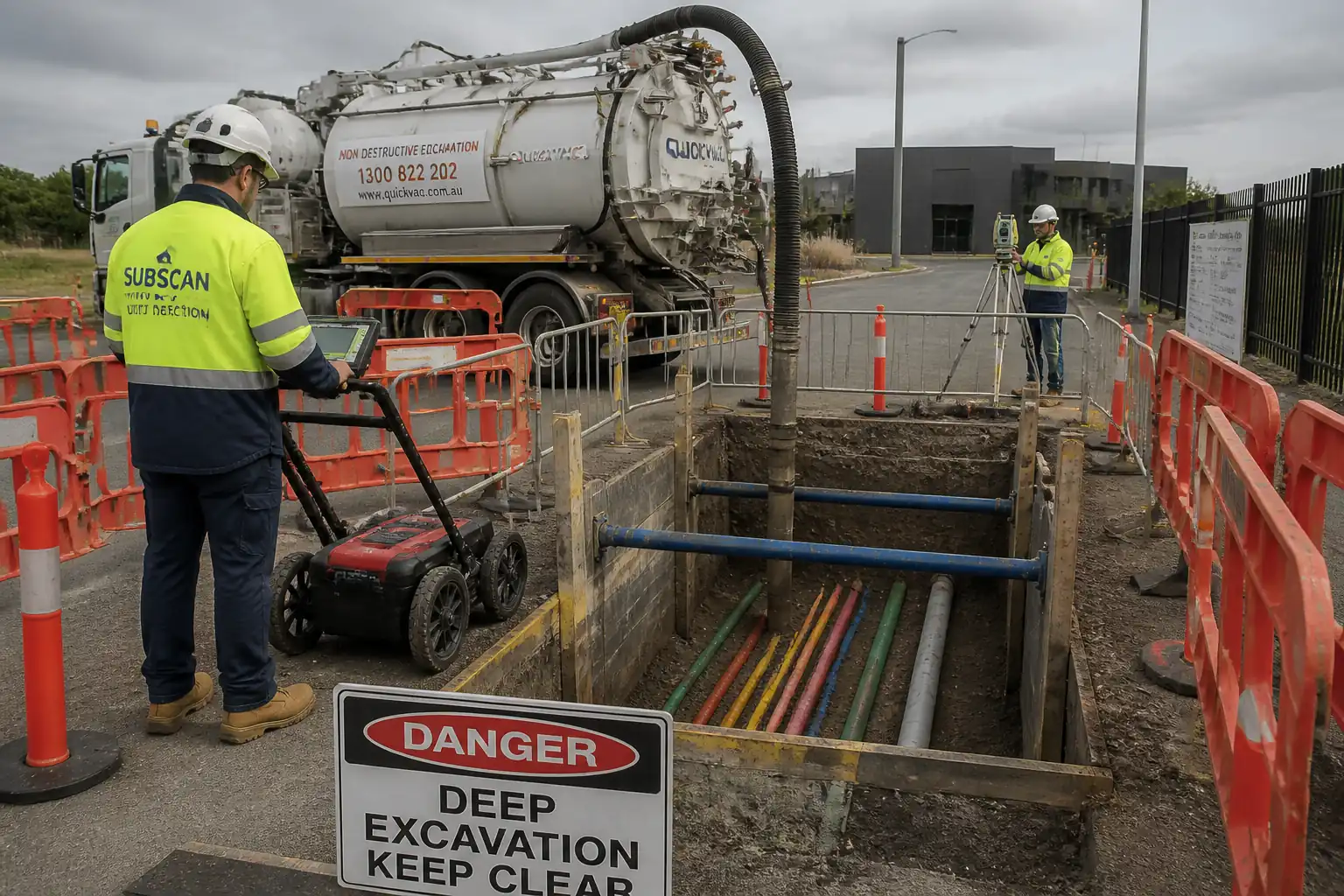
| EMI (CAT & Genny) scanning | Daily function test; depth indication spot checks | Coverage complete; targets logged; PAS 128 QL-B classification assigned | Utility Locator | Locator log; photos; field sketches |
| GPR data acquisition and interpretation | Known-target calibration; data quality review | ≥80% usable data coverage; interpreted utilities correlated with EMI where possible | GPR Technician / Survey Lead | GPR raw/processed files; interpretation plan; QA sheet |
| Survey of mark-outs (QL-B) | Random resection check; redundancy shots | Plan accuracy ±25–50 mm [Verify] | Survey Crew | Survey data files; field book |
| Hold Point HP1: Approve Potholing Plan | Review risk and selection criteria | All critical conflicts scheduled for QL-A verification | Engineer/Client Rep | HP1 approval |
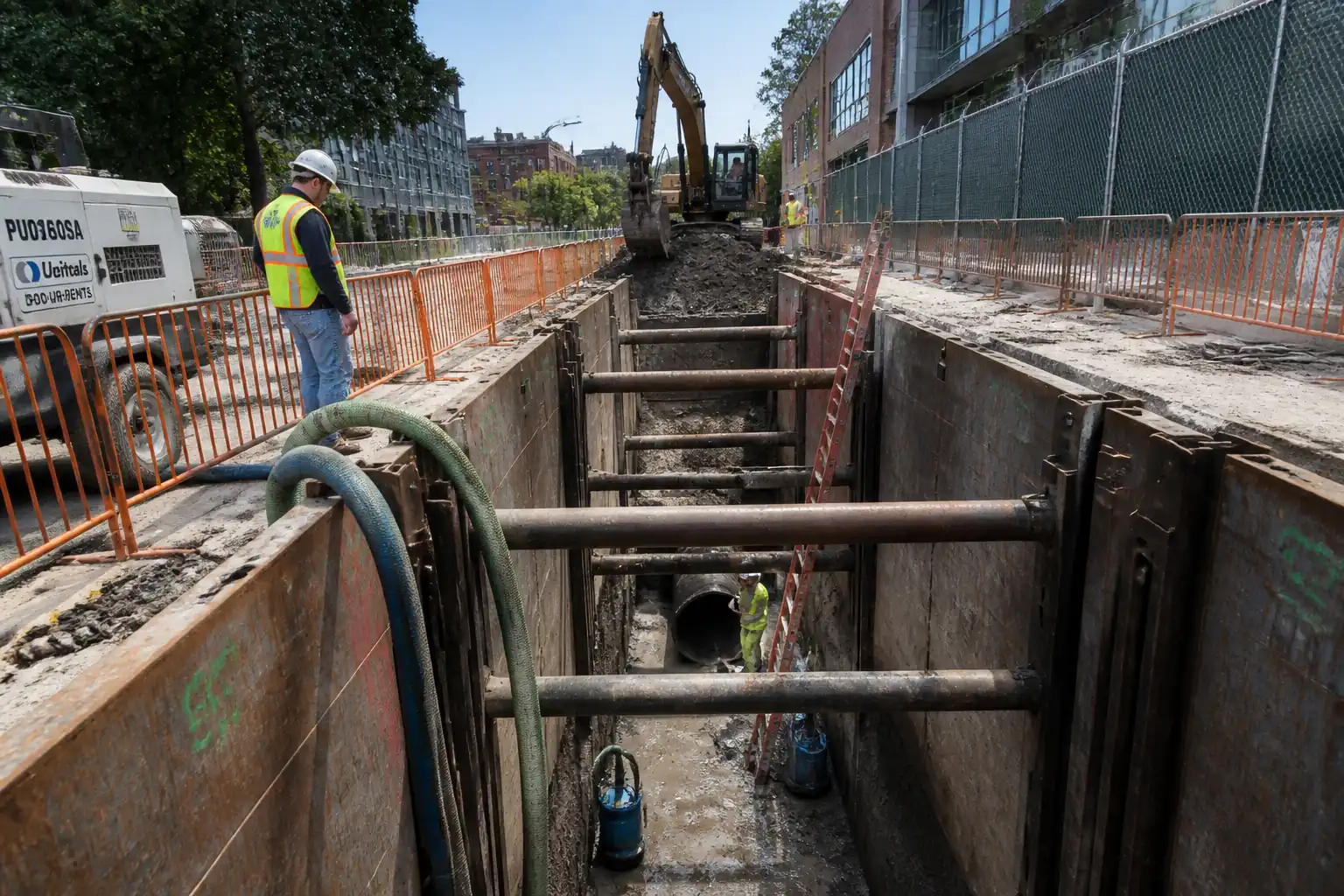
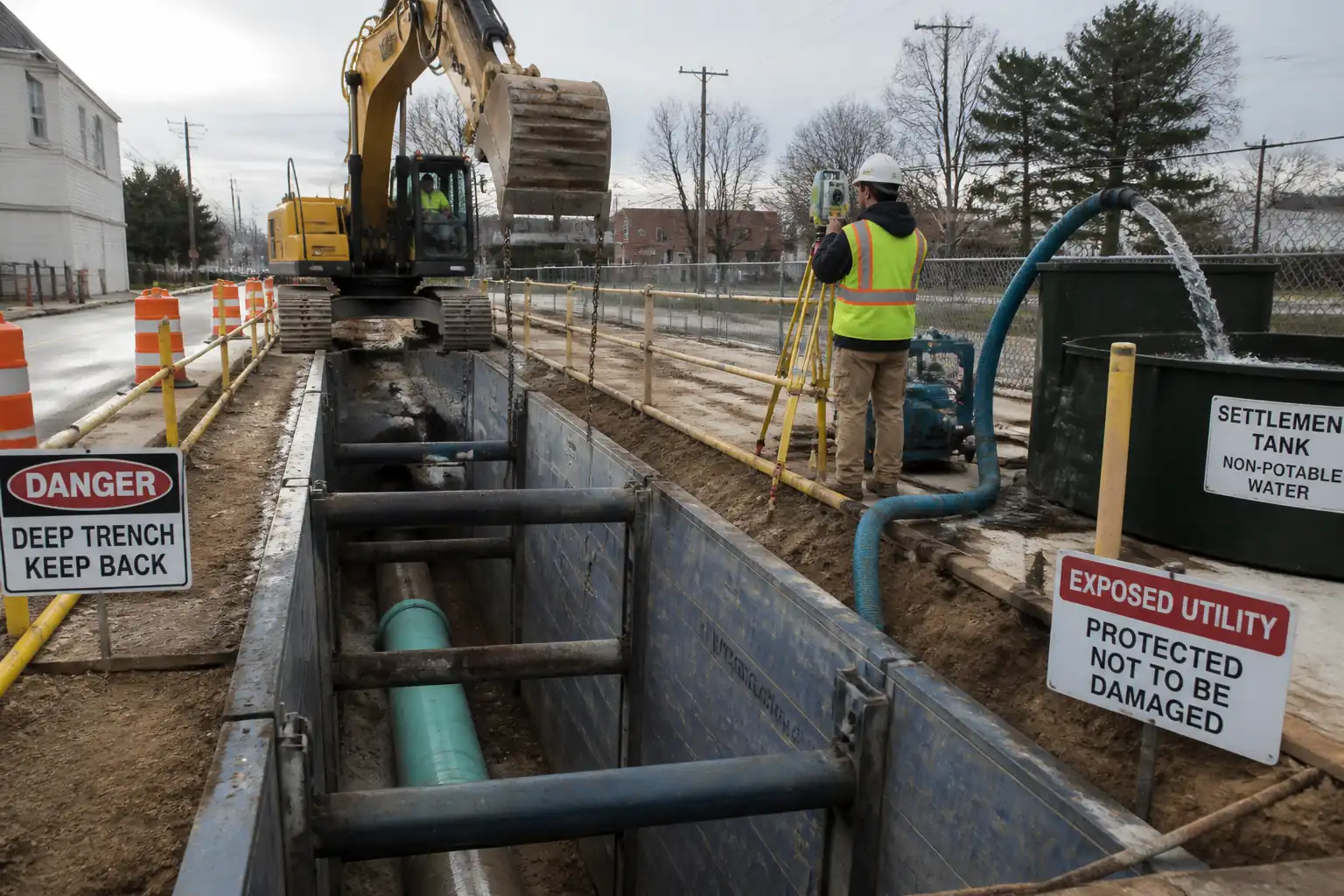
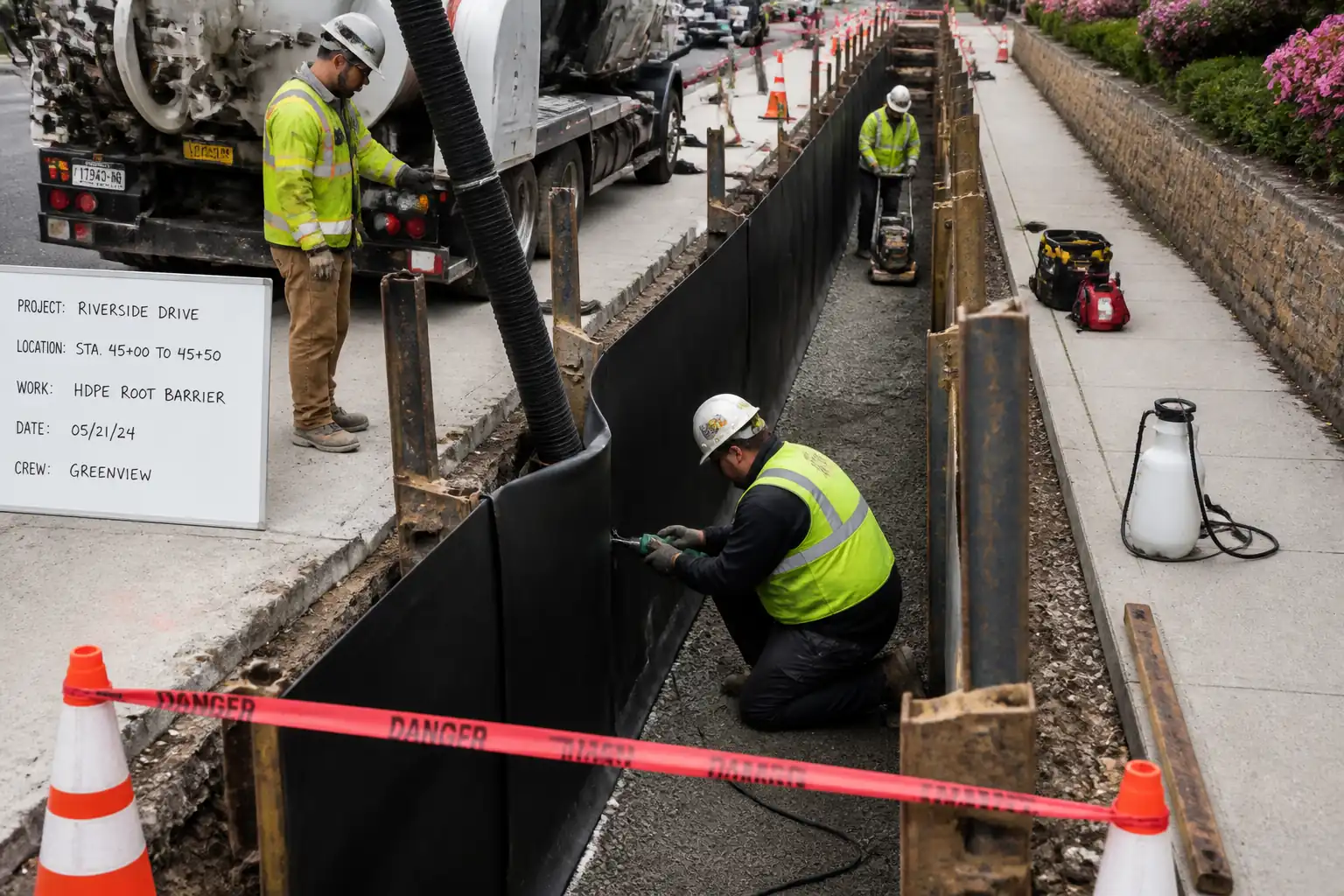
| Vacuum excavation (daylighting) | Pressure/air settings; equipment condition; gas monitoring | No contact/damage; exposure adequate for measurement; shoring installed if required | Vacuum Operator / HSE Officer | Daily excavation report; photos; gas readings |
| QL-A measurement and identification | Check measurements vs control; attribute completeness | Plan/elevation ±10–20 mm [Verify]; attributes recorded (material, size, direction) | Survey Crew / Utility Locator | QL-A survey shots; ID log; photos |
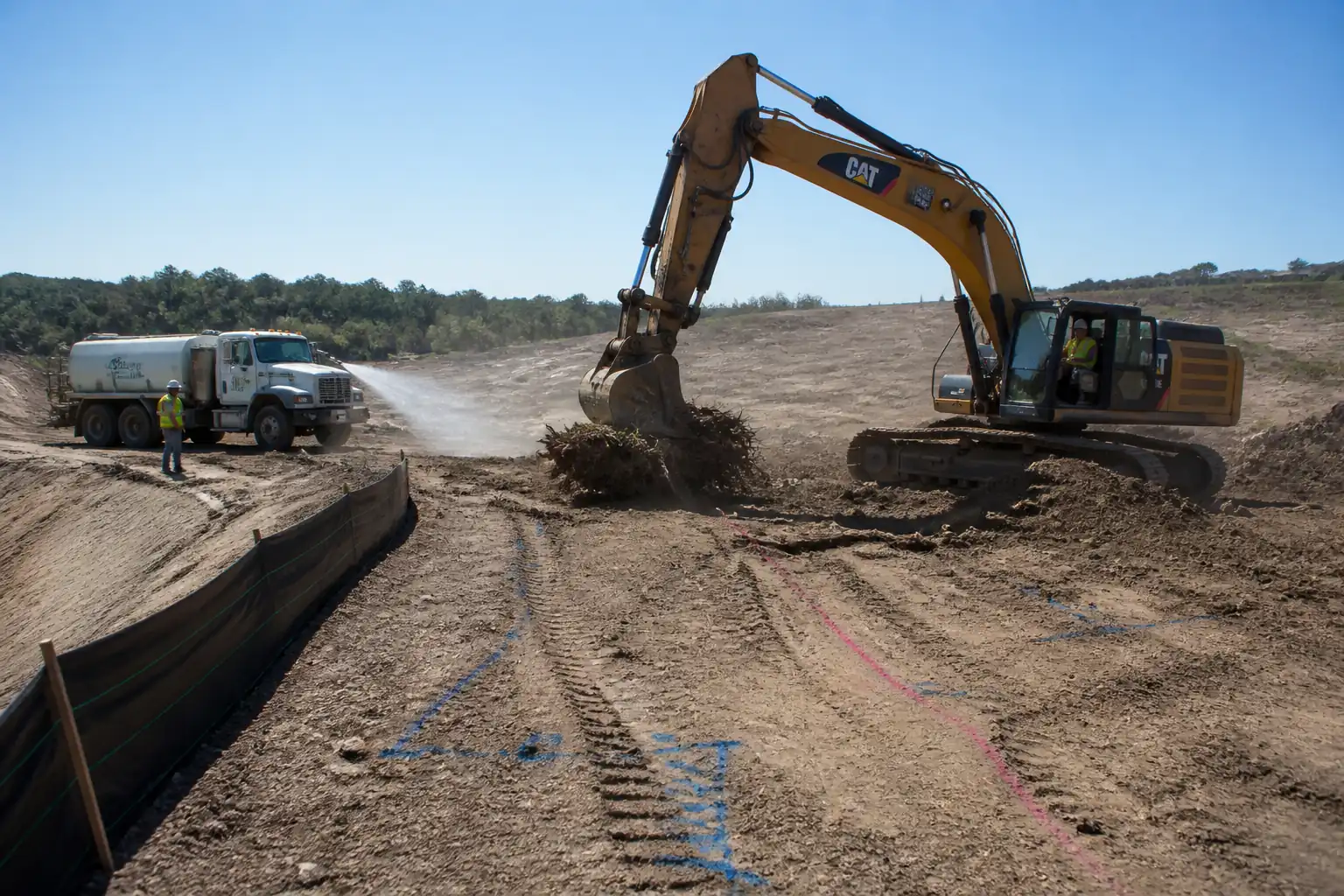
| Backfill and temporary reinstatement | Density tests (as specified); surfacing level check | Compaction ≥95% MDD [Verify]; surface flush within tolerance | Site Supervisor | Compaction results; reinstatement photos |
| Consolidated utility model & clearance zones | QA review; cross-check vs field notes/photos | PAS 128-compliant deliverable; zones clearly defined and annotated | Utility Survey Lead | Utility drawings/model; HP2 approval |
| Permit-to-Dig release (HP3) | Final documentation check; site walkdown | Permit issued with constraints and conditions | Construction Manager / Client Rep | Signed Permit-to-Dig; briefing attendance |
This table is a read-only public reference. Download the PDF or Excel version, or customize this ITP to edit it for your project.
Frequently asked questions
Related method statement
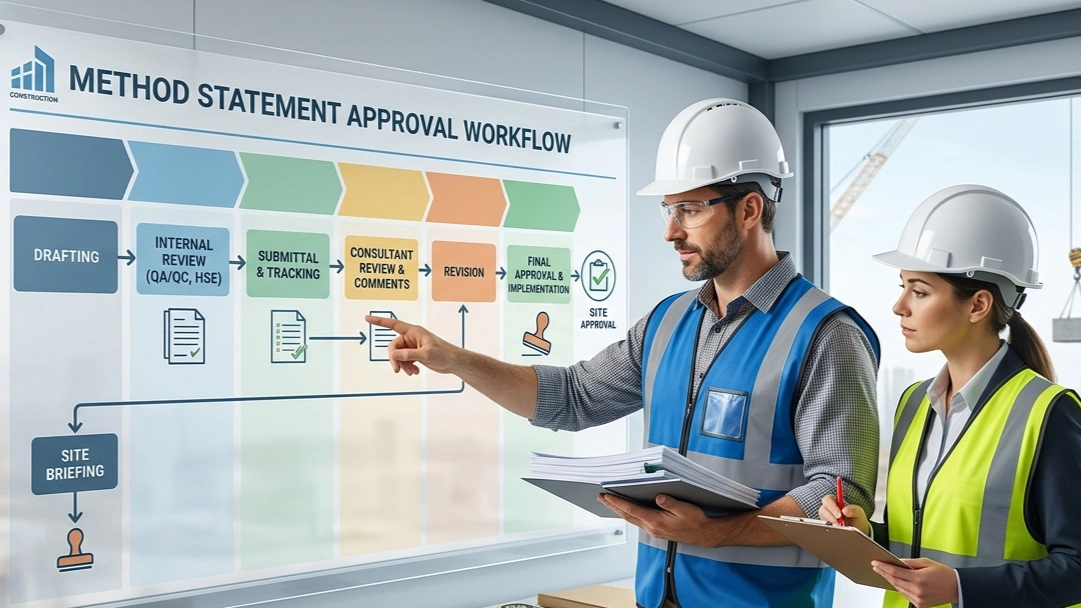
This Inspection and Test Plan is associated with the Method Statement: Pre-construction Underground Utility Detection and Potholing (CAT & Genny, GPR, Vacuum Excavation, Trial Holes) method statement, which describes the step-by-step construction sequence, resources, materials, equipment, safety controls, and environmental controls for this activity.
View the Method Statement: Pre-construction Underground Utility Detection and Potholing (CAT & Genny, GPR, Vacuum Excavation, Trial Holes) method statement →Continue with related inspection, method statement, article, and checklist resources.