
Inspection and Test Plan for Method Statement – Low-Current Floor Box and Data Outlet Installation
AI-assisted inspection and test plan connected to a method statement, with PDF and Excel export.
More than a static template
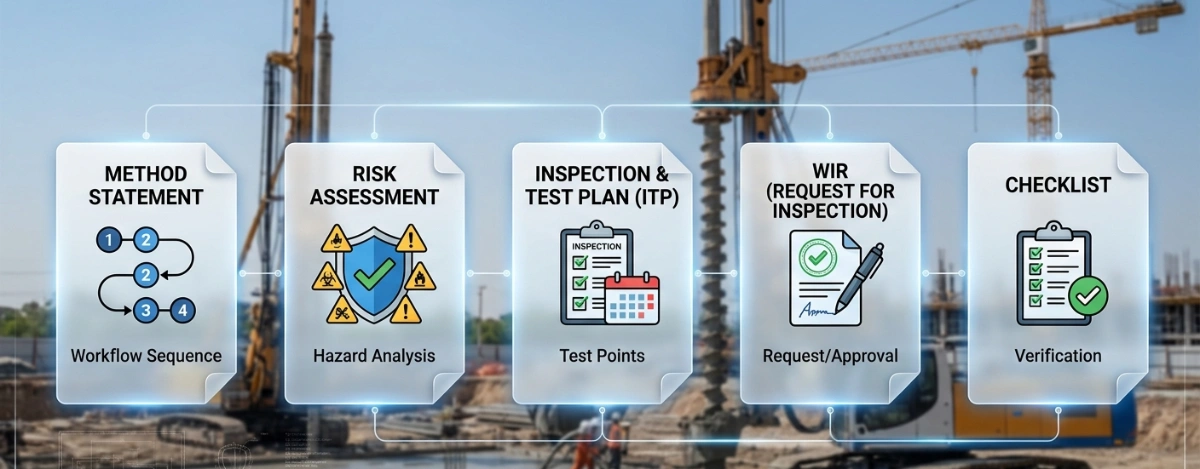
Unlike a downloadable Word or PDF template, this ITP is an AI-assisted editable starting point directly connected to its method statement. Every inspection activity, hold point, and acceptance criterion is structured and ready to adapt to your project.
- AI-assisted customization — Tailor inspection activities and acceptance criteria to your specific project scope.
- Linked method statement — This ITP is connected to the corresponding method statement describing the work sequence.
- Multiple export formats — Download as a formatted PDF or editable Excel spreadsheet.
- Editable starting point, not a final document — Review and verify all content against your project specifications and standards before use.
What you can customize
When you save this ITP to your account, every inspection row becomes editable. You can add, remove, or modify:
- Inspection activity — Description of what is being inspected.
- Inspection type — Hold point (H), Witness point (W), Review (R), or Monitor (M).
- Responsibility — Contractor, subcontractor, engineer, or client.
- Frequency — How often the inspection occurs.
- Acceptance criteria — Referenced standard or specification requirement.
- Records — Forms, test reports, or checklists required as evidence.
Why this ITP is used
To ensure installations meet location, workmanship, segregation, and performance requirements prior to handover.
Who uses this inspection and test plan
Used by the contractor’s QA/QC team, site engineers, and the Client/Consultant for surveillance, witness, and acceptance.
When this ITP is prepared and submitted
Applied from pre-install coordination through final inspection and documentation closure.
Who receives or approves this ITP
Client/Consultant for review and acceptance per project procedure.
Inspection scope
Location checks, box installation, pathways, terminations, labeling, and 100% certification testing.
Typical hold, witness, and review points
Hold: location approval, floor box fixing, final acceptance. Witness: terminations and certification tests. Surveillance: conduit/cable pulls.
Typical inspection records
WIRs, checklists, photos, calibration certs, native tester results, as-builts, label registers, completion certificates.
Important approval note
This ITP is an AI-assisted editable starting point, not a pre-approved document. Before use on any project, all inspection activities, hold points, and acceptance criteria must be reviewed and approved by the relevant parties (superintendent, principal contractor, or client representative) in accordance with your contract and project quality plan.
Always verify acceptance criteria against your applicable drawings, specifications, and regulatory requirements. Hold points must be confirmed with the relevant authority before work proceeds past that point.
Inspection and test plan
| Activity | Inspection / Test | Acceptance Criteria | Responsibility | Record |
|---|---|---|---|---|
| Pre-installation Coordination/Set-out | Verify location vs. drawings; check obstructions; confirm separation strategy | Locations marked within ±5 mm; conflict-free; hold point released | Site Engineer / QA/QC / Consultant (Witness) | WIR, marked-up drawings, photos |
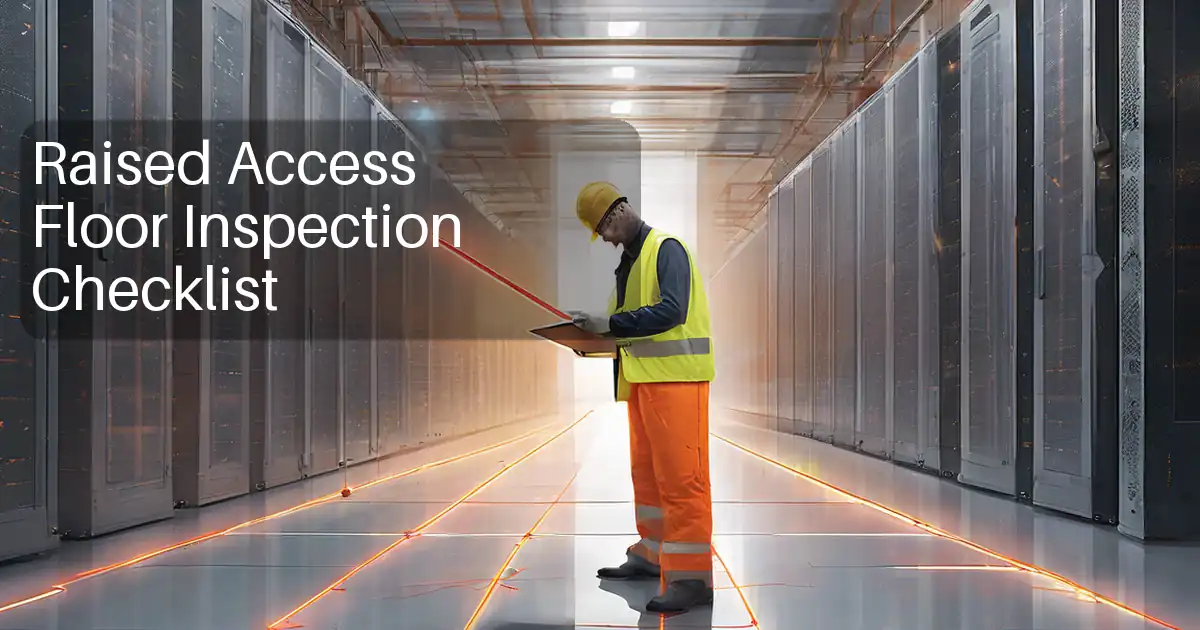
| Floor Box Fixing (Raised floor or Screed) | Level/flush check; compartment segregation; protection prior to pour (if screed) | Flushness ±2 mm; secure fixing; segregation barriers in place; openings protected | QA/QC (Witness) / Consultant (Hold) | WIR, checklists, photos |
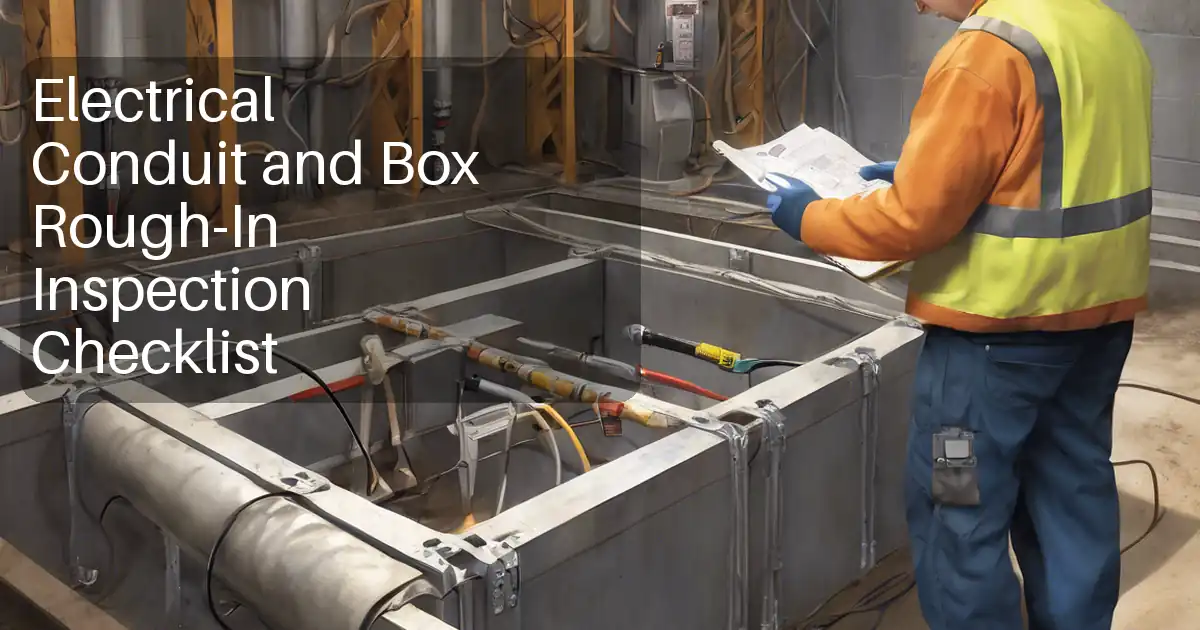
| Conduit/Pathway Inspection (Before Concealment) | Bend count; fill factor; bushings/grommets; separations; bonding continuity (if metallic) | Fill ≤40%; ≤2×90° bends; grommets fitted; separation per EN 50174-2/TIA-569-D; bonding continuous | QA/QC (Witness) | Concealed work inspection form, photos |
| Cable Pulling | Check pulling methods, bend radii, lubricant usage (if any) | No sheath damage; tension/bend limits maintained; correct cable IDs | Supervisor (Surveillance) / QA/QC (Random) | Daily pull log |
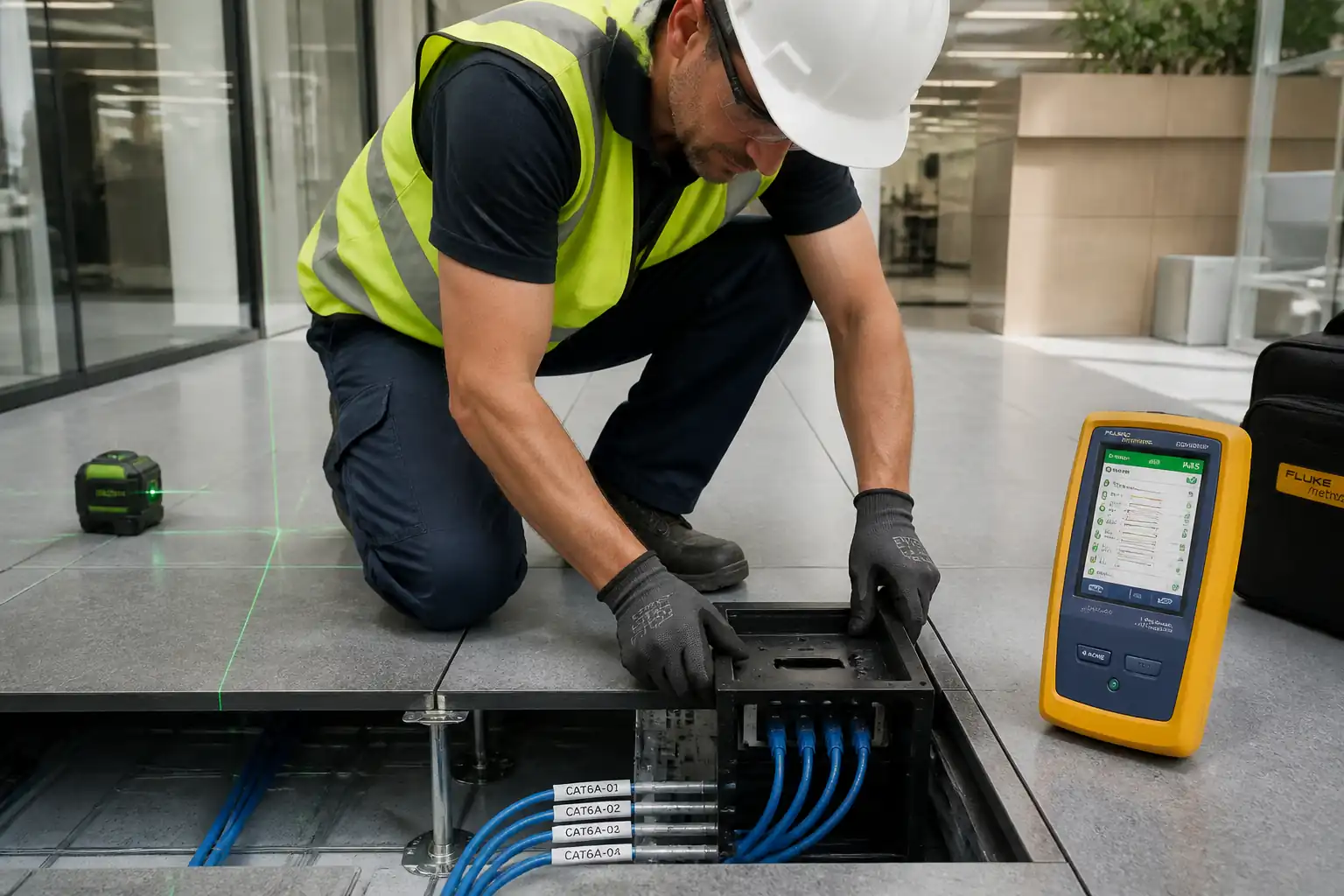
| Termination at Floor Box | Color code; pair untwist; shield bond; torque; earthing continuity | T568A/B as specified; untwist ≤13 mm; shield continuity; torque within spec; earth <0.5 Ω [Verify] | QA/QC (Witness) | Termination checklist, continuity record |
| Labeling and Records | Verify TIA-606 scheme; end-to-end consistency | Machine-printed durable labels; database/register updated | QA/QC (Surveillance) | Label schedule, register export |
| Certification Testing | Field test to ISO/IEC 11801 Class E/EA or TIA Cat 6/6A using Level 2G tester | 100% outlets PASS; Permanent Link ≤90 m or Channel ≤100 m; store native files | QA/QC (Witness) / Consultant (Random witness) | Tester native files + PDF/CSV, calibration cert |
| Final Inspection/Handover | Visual checks; sample re-test; documentation completeness | Defect-free installation; sample re-tests PASS; all records complete and approved | QA/QC (Offer) / Consultant (Hold) | Completion certificate, O&M, as-builts, warranties |
This table is a read-only public reference. Download the PDF or Excel version, or customize this ITP to edit it for your project.
Frequently asked questions
Related method statement
This Inspection and Test Plan is associated with the Method Statement – Low-Current Floor Box and Data Outlet Installation method statement, which describes the step-by-step construction sequence, resources, materials, equipment, safety controls, and environmental controls for this activity.
View the Method Statement – Low-Current Floor Box and Data Outlet Installation method statement →Continue with related inspection, method statement, article, and checklist resources.