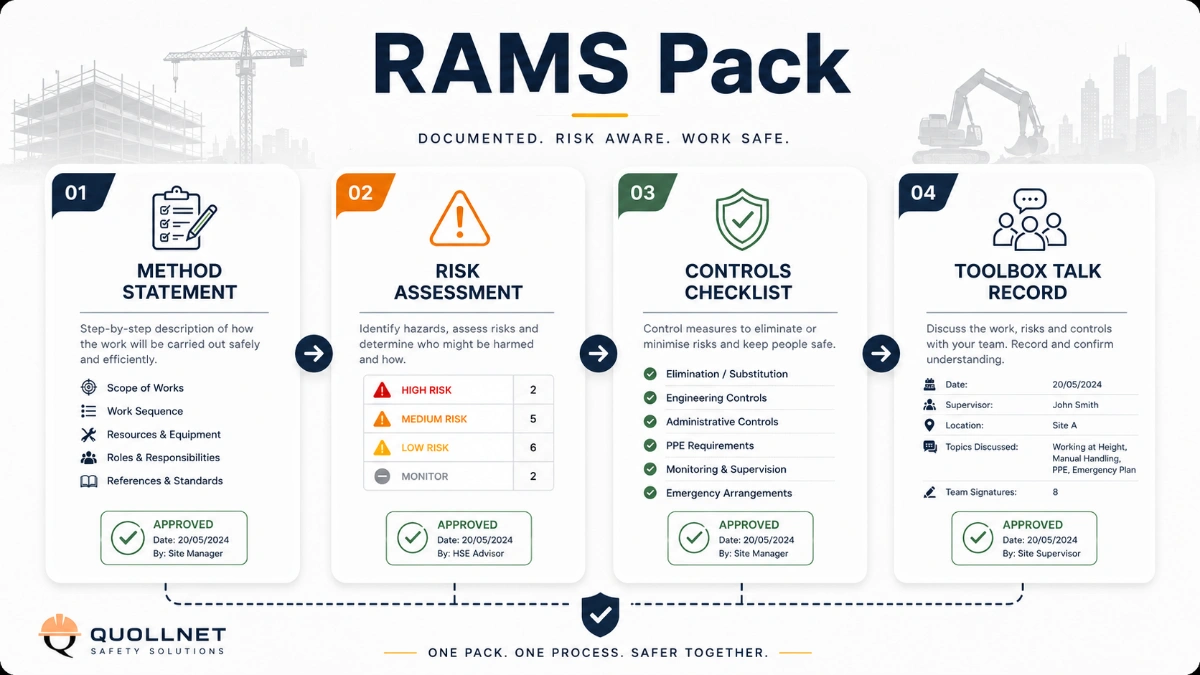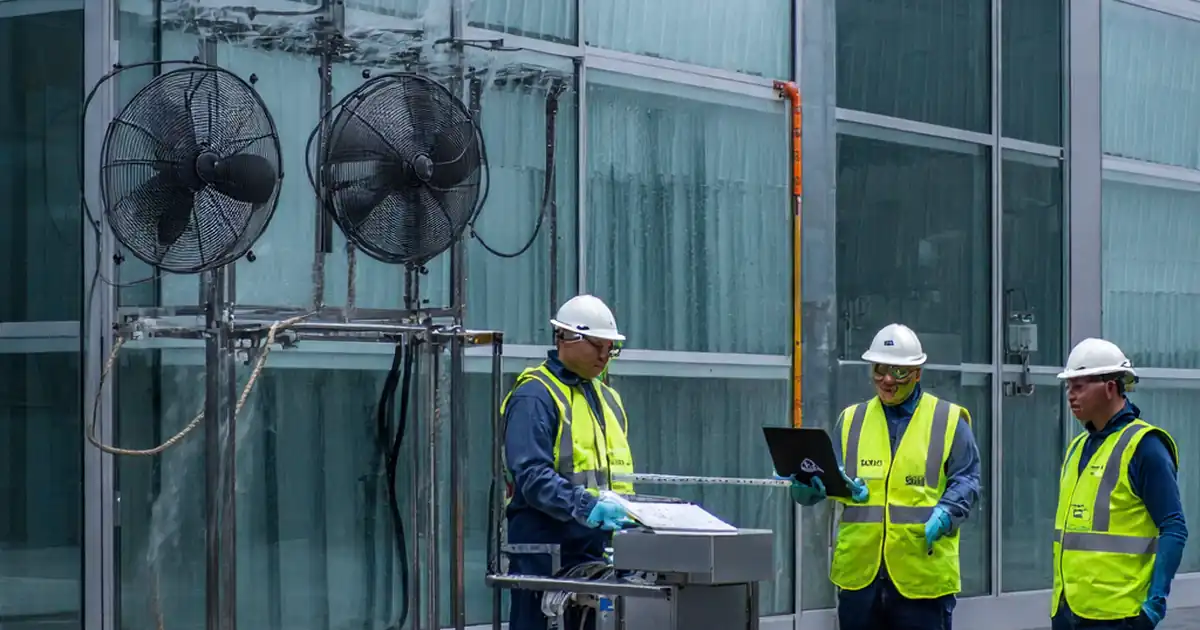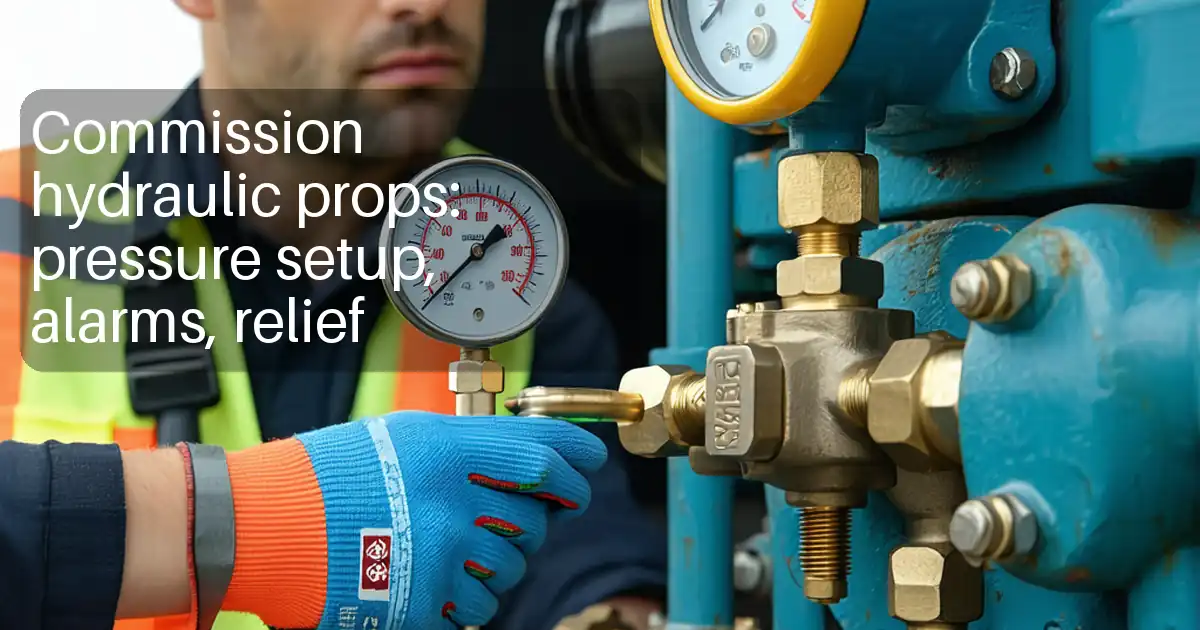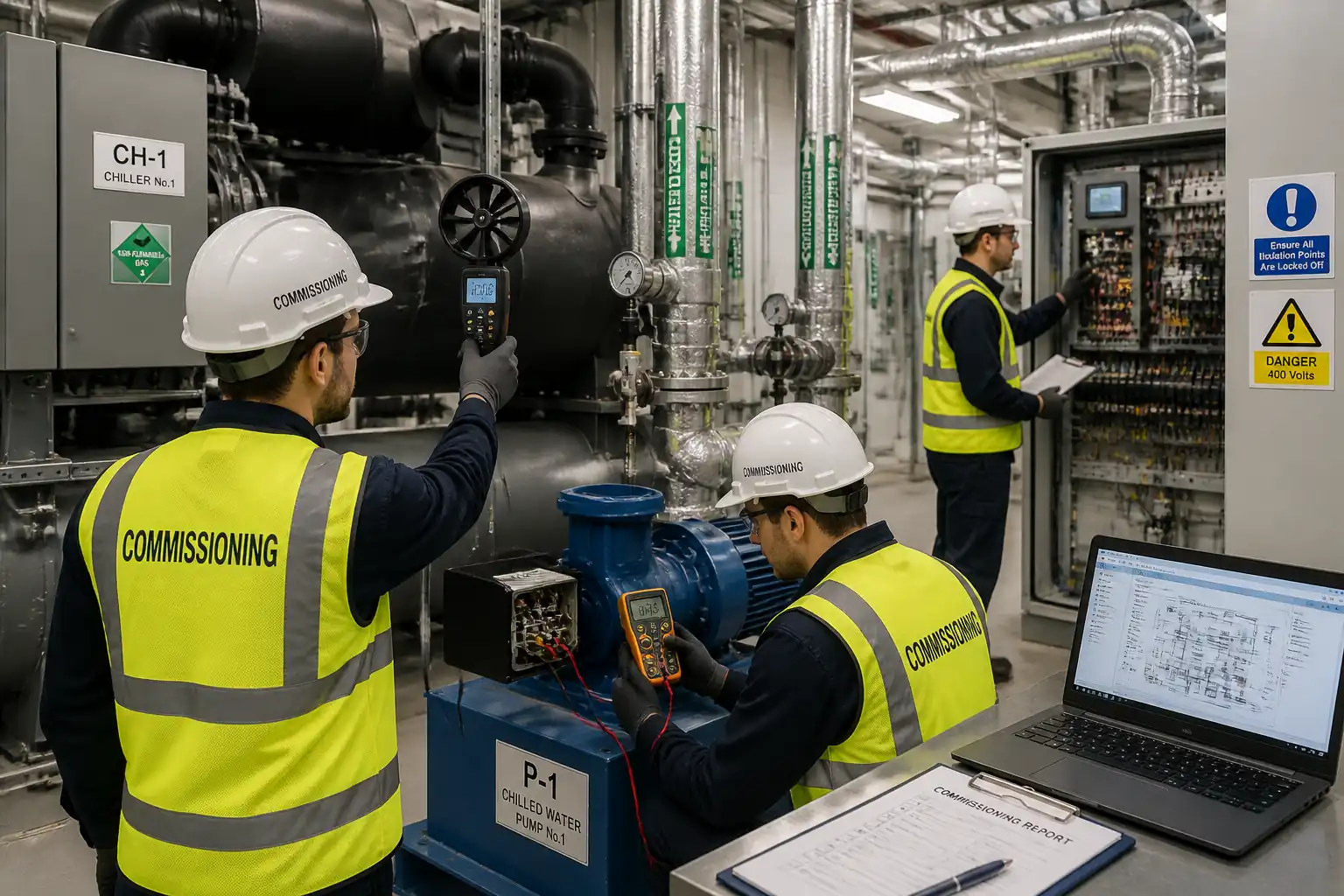

Method Statement: Building Services Commissioning Plan – Development, Implementation, Testing and Handover – Method Statement
AI-assisted method statement with matching ITP, PDF download, and Excel export.
More than a static template
Unlike a downloadable Word or PDF template, this method statement is an AI-assisted editable starting point connected directly to a matching Inspection and Test Plan. Every section is structured, project-adaptable, and ready to export.
- AI-assisted drafting — Customize every section with AI for your specific project scope.
- Linked ITP — A matching inspection and test plan is generated alongside the method statement.
- Multiple export formats — Download as a formatted PDF or editable Excel spreadsheet.
- Editable starting point, not a final document — Review, verify, and adjust all content against your project requirements before use.
Static template vs. Quollnet workflow
| Feature | Static template | Quollnet |
|---|---|---|
| Project-specific content | Manual fill-in required | AI-assisted customization |
| Linked ITP | Separate document, no link | Matching ITP included |
| Export formats | Usually PDF only | PDF and Excel |
| Structured sections | Free-form layout | 13 standardized sections |
| Saved to your account | Local file only | Cloud-saved, reusable |
| Content accuracy | You verify everything | AI-assisted, you still verify |
| Cost | Often free but time-intensive | Free to customize and download |
What you can customize
When you save this method statement to your account, every section becomes editable. The following 13 sections are included:
- Scope — Defines the activity and its boundaries.
- References — Standards, specifications, and drawings.
- Responsibilities — Roles and accountabilities.
- Resources — Labour, plant, and equipment summary.
- Materials — Materials and compliance requirements.
- Equipment — Tools and equipment details.
- Prerequisites — Hold points and pre-conditions.
- Method sequence — Step-by-step construction sequence.
- Safety controls — HSE risk controls and PPE.
- Environmental controls — Environmental mitigation measures.
- QA/QC — Quality inspection and test requirements.
- ITP — Inspection and Test Plan table (has its own page).
- Attachments — Referenced drawings and documentation.
Why this method statement is used
This method statement is used to define and communicate the approved procedure for carrying out method statement: building services commissioning plan – development, implementation, testing and handover on site. It ensures the work is planned in advance, the correct resources and controls are in place, and all personnel understand responsibilities, sequence, quality requirements, and safety controls before work begins. It aligns site execution with the documented scope and acceptance expectations.
Who uses this method statement
This method statement is used by contractors, site supervisors, project engineers, QA/QC engineers, HSE officers, consultants, and client representatives. It serves as a shared reference for planning, execution, supervision, inspection, and approval of the activity on site.
When it is prepared and submitted
The method statement is prepared before the work activity starts and submitted as part of the pre-construction documentation package for review and approval.
Who reviews or approves it
The method statement is usually submitted to the client representative, consultant, resident engineer, or project management consultant for review and approval before the work commences.
Important approval note
This method statement is an AI-assisted editable starting point, not a pre-approved document. Before use on any project, all content must be reviewed and approved by the relevant parties (superintendent, principal contractor, or client representative) in accordance with your contract and project quality plan.
For example: if your specification requires a departure from a referenced standard, that departure must be documented and approved separately — this method statement will not capture that automatically. Always verify against your applicable drawings, specifications, and regulatory requirements.
Method statement content
Scope
Purpose
This method statement defines the process to develop, implement, control, and complete the commissioning (Cx) of building services systems, from planning through handover and seasonal testing. It covers roles, responsibilities, programme integration, pre-functional activities, static and dynamic testing, functional performance testing (FPT), integrated systems testing (IST), documentation, training, and close-out.
Systems in Scope [Verify per project specifications]
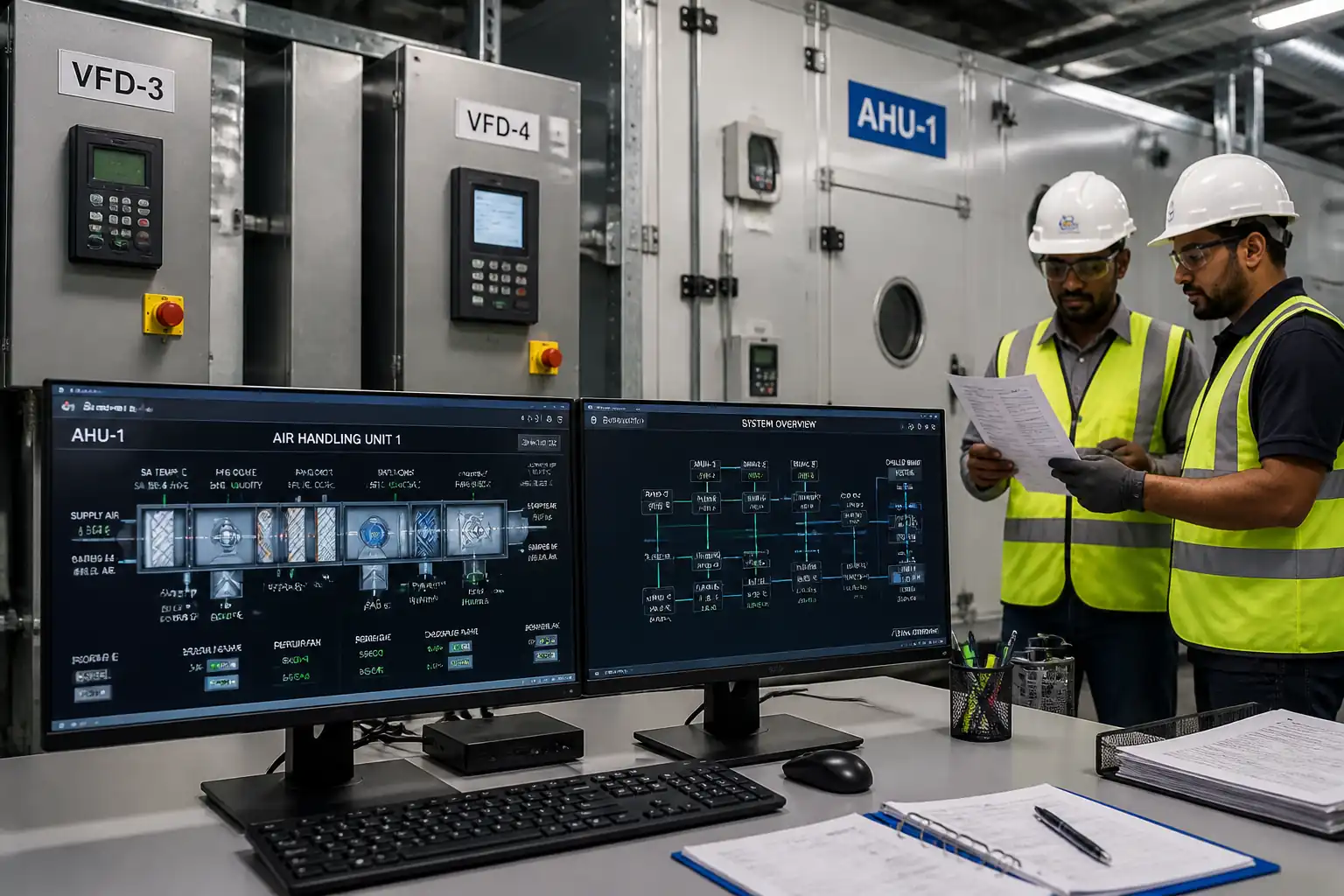
- HVAC: chillers, boilers, heat pumps, AHUs/FCUs, VAVs, pumps, valves, heat exchangers, VRF/VRV, ventilation and smoke control, pressurization systems
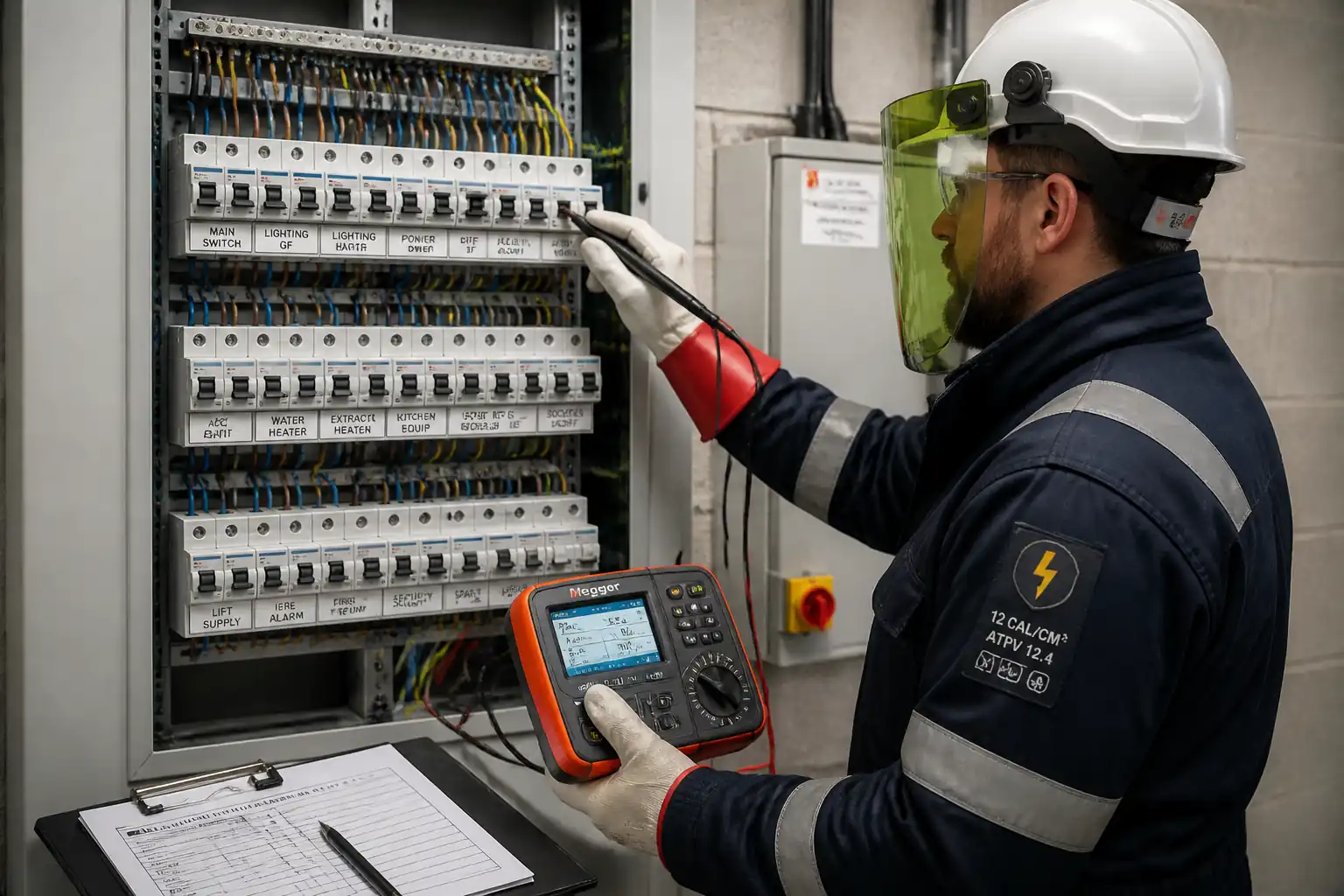
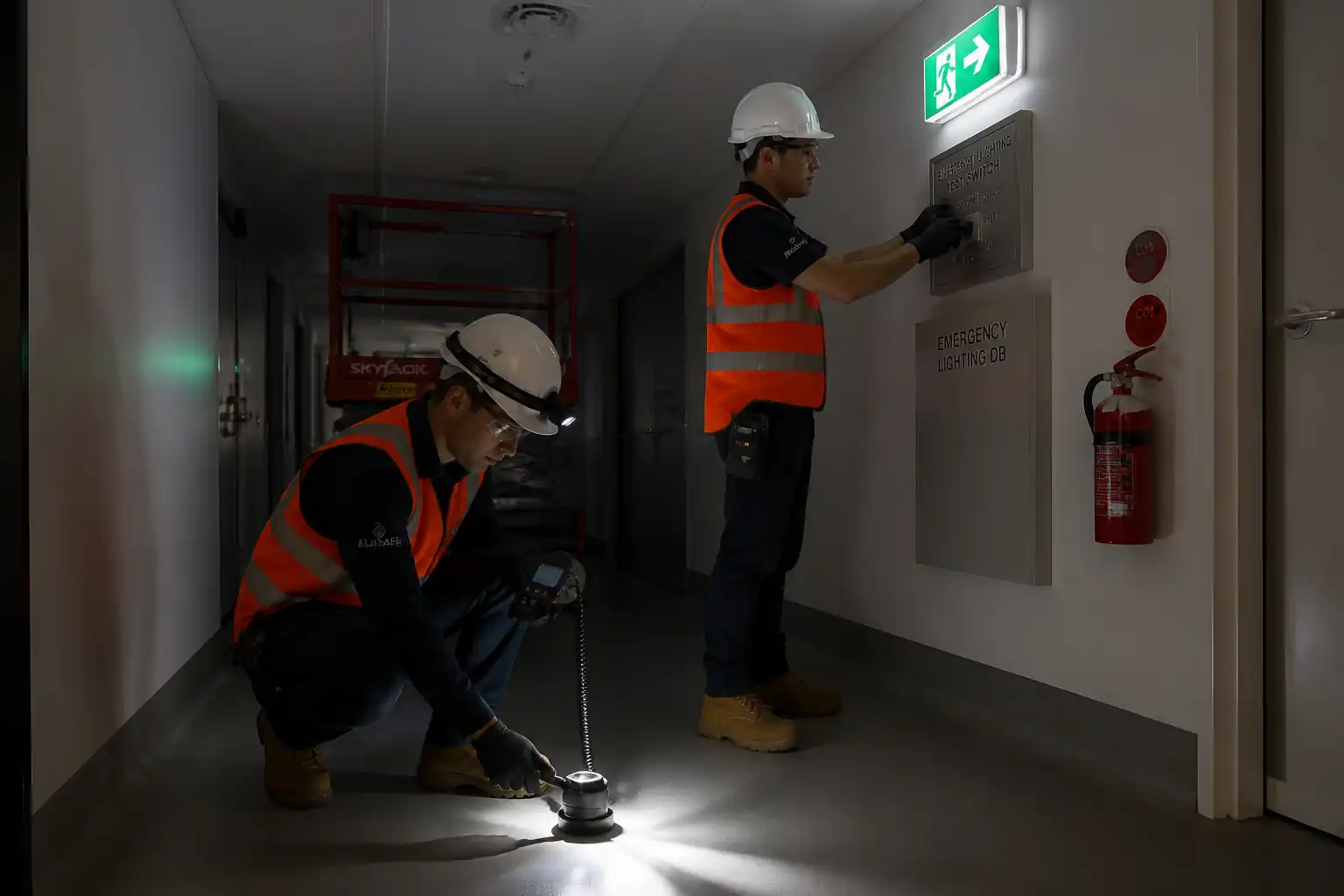
- Electrical: LV switchgear, panels, MCCs, UPS, standby generator, automatic transfer switches (ATS), lighting and emergency lighting, earthing and bonding
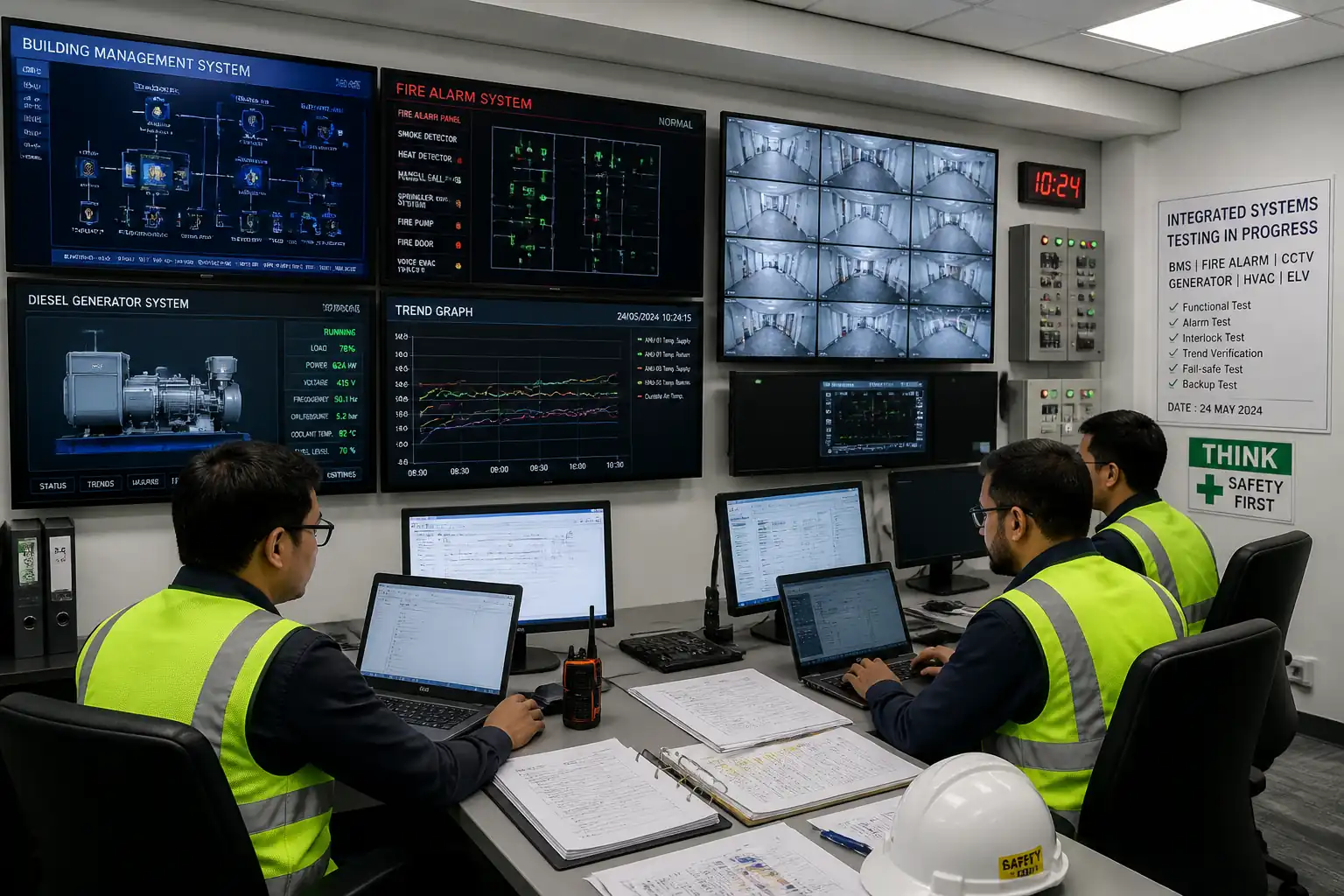
- Controls/BMS: field devices, controllers, networks, graphics, trending, alarms, sequence logic, metering and sub-metering
- Fire and Life Safety: fire alarm/detection, voice evacuation, suppression interfaces, smoke dampers/fans, cause & effect
- Public Health/Plumbing: domestic cold/hot water, circulation, filtration/softening, pumps, drainage lifts (where applicable)
- Specialist: ICT/structured cabling (interface only), access control/CCTV (interface tests), elevators (interface), metering and energy management
Out of Scope (unless specifically instructed)
- Factory Acceptance Tests (FAT) at manufacturer premises (witnessing may be included)
- Invasive remedial works beyond minor adjustments
- Design change justification (handled via design management/RFI)
Objectives
- Deliver verified, safe, code-compliant, and documented performance of all systems in accordance with design intent and approved sequences of operation.
- Provide complete turnover documentation, training, and asset data suitable for O&M and CMMS onboarding.
References
| Document Type | Reference / Number | Revision | Notes |
|---|---|---|---|
| ASHRAE Guideline 0 – The Commissioning Process; ASHRAE Guideline 1.1 (HVAC&R) | ASHRAE G0 / G1.1 | Framework for Cx plan, documentation, FPT scripts | |
| CIBSE Commissioning Codes A (Air), W (Water), B (Boilers), C (Controls) [Verify latest editions] | CIBSE Codes | Tolerances and procedures for TAB and controls | |
| BSRIA BG 8/2022 – Commissioning Job Book; BG 6 – Design Framework; BG 29 – Pre-Commission Cleaning of Pipework Systems | BSRIA BG | Planning, flushing, documentation, roles | |
| IEC 60364 series; BS 7671 (IET Wiring Regulations) [Verify edition] | IEC 60364 / BS 7671 | IR, continuity, earth fault loop, functional tests | |
| NFPA 72 National Fire Alarm and Signaling Code or BS 5839-1 [Verify jurisdiction] | NFPA 72 / BS 5839-1 | Device testing, cause & effect, documentation | |
| BS EN 12237 / 1507; SMACNA Duct Leakage Test Manual [Verify applicable] | BS EN 12237 / SMACNA | Leakage class criteria and procedures | |
| ISO 9001; ISO/IEC 17025 for calibration laboratories | ISO 9001 / ISO 17025 | Calibration traceability and QA/QC control | |
| ISO 45001; ISO 50001; Local HSE Regulations [Verify jurisdiction] | ISO 45001 / ISO 5001 | Permits to work, risk controls, energy verification | |
| ISO 19650 (if BIM used) [Verify project BIM requirements] | ISO 19650 | Asset data drops, COBie or equivalent |
Responsibilities
| Role | Responsibility | Name / Party |
|---|---|---|
| Commissioning Manager (Main Contractor) | Overall leadership, approval of Cx Plan, escalation, resources | Contractor |
| Commissioning Coordinator | Day-to-day coordination, programme integration, look-ahead, interface control | Contractor |
| Independent Commissioning Agent (CxA) | Independent oversight of process, verifies tests, issues Cx reports | Employer/Consultant |
| Engineer/Consultant | Approves procedures, witnesses hold points, certifies compliance | Engineer |
| MEP Subcontractors (HVAC, Electrical, Plumbing, Fire) | Installation completion, PFCs, start-up support, vendor coordination | Subcontractors |
| TAB Specialist | TAB procedures, instruments, air/water balance reports | Specialist |
| BMS/Controls Specialist | Controls logic, point-to-point, graphics, trending and sequence tuning | Specialist |
| OEM/Vendor Representatives | Equipment start-up, warranty validation, FPT support | Vendors |
| HSE Manager/Officer | PTW system, risk assessments, permits for energization/pressure testing/chemical cleaning | Contractor |
| QA/QC Engineer | ITP control, inspections, NCR management, calibration records | Contractor |
| Client/End User/FM | Review/approve Cx deliverables, training attendance, accept handover | Employer |
Resources
| Resource Type | Description | Quantity | Remarks |
|---|---|---|---|
| Staff | 1 | ||
| Staff | 1–2 [Verify per project] | ||
| Staff | 4–8 [Verify per project] | ||
| Specialist | 2–4 technicians | ||
| Specialist | 1–3 | ||
| Stakeholder | As required |
Materials
| Material | Specification / Grade | Quantity | Remarks |
|---|---|---|---|
| Chemical cleaners/inhibitors/biocides | As per water treatment submittal [Verify] | ||
| Smoke cartridges/smoke pencils | Non-toxic, low residue | ||
| Heat transfer fluid (e.g., glycol) | Inhibitor concentration per design [Verify] |
Equipment
| Equipment | Capacity / Type | Quantity | Inspection Required |
|---|---|---|---|
| Digital manometers, anemometers, balometers, pitot tubes, tachometers | Set | Pre-use function check | |
| Insulation resistance testers (Megger), multimeters, earth testers, phase rotation meters | Set | Leads condition, calibration | |
| Hydrostatic test pump with calibrated gauges | Up to test pressure [Verify] | 1–2 | Gauge calibration |
| Generator load bank and power quality analyzer | Up to generator rated load | As required | PTW, cables rated |
| Portable data loggers, temperature/pressure sensors | Sufficient channels [Verify] | Set | Batteries charged, calibration |
| BMS engineering laptop and interface | 1+ | Access approvals, backups taken |
Prerequisites
- Approved Commissioning Plan and programme integrated with construction schedule.
- Current drawings and documents: IFC, latest revisions of schematics, single-lines, control diagrams, and cause & effect.
- Approved method statements and ITPs for flushing/cleaning, hydrostatic testing, duct leakage testing, electrical testing, start-up, TAB, FPT, IST.
- System Completion: installation checks 100% complete; redlines up to date; access and safety signage in place.
- Utilities available: permanent power (or verified temporary), water supply/drain points, ventilation to spaces.
- Permits to Work: energization permits, pressure testing, chemical handling/cleaning, confined space, hot works (if applicable) [Verify per project HSE plan and local regulations].
- Calibrated test instruments with certificates (valid within 12 months or per spec) and tool control logs.
- Approved O&M manuals, vendor start-up requirements, and warranty conditions available.
- Pre-Functional Checklists (PFCs) templates issued; completion target 100% per system before start-up.
- BMS/controls software versions approved; backups and rollback plan available.
- Stakeholder schedule: OEM/vendor reps, TAB, CxA, Engineer/Client attendance planned with notice periods defined (typically 72 hours).
Method Sequence
| Step | Activity | Description | Responsibility | Inspection / Hold Point |
|---|---|---|---|---|
| 1 | Commissioning Plan Development | Define scope, systems, RACI, programme, testing strategy, templates, hold/witness points. | Commissioning Manager | Internal review by QA/QC and CxA |
| 2 | Design and Submittal Review for Commissionability | Review design intent, control strategies, access/maintainability, test points; log issues. | Commissioning Manager + Engineer | Workshops/meetings min. 2 sessions |
| 3 | Kickoff & Coordination Workshops | Confirm programme, interfaces, permits, documentation flow, communication matrix. | Commissioning Coordinator | Attendance registers |
| 4 | Pre-Functional Checks (PFCs) | Discipline PFCs per equipment/system; verify installation completion, labeling, rotation, lubrication, terminations, valve positions, damper positions, cleanliness. | MEP Subcontractors; witnessed by QA/QC | Visual and checklist verification |
| 5 | Water Systems Flushing & Chemical Cleaning | Dynamic flush at target velocity; clean strainers; dose biocide/inhibitor; sample and test. | Plumbing/HVAC Subcontractor; Water Treatment Specialist | Witness sampling, turbidity testing |
| 6 | Hydrostatic Pressure Testing (Pipes) | Pressurize to 1.5× design working pressure or per spec; stabilize; hold test. | HVAC/Plumbing Subcontractor | Gauge calibration check; hold point witness |
| 7 | Duct Leakage/Pressure Tests | Test representative sections per class; record leakage rate. | HVAC Subcontractor/TAB | Witness test setup and readings |
| 8 | Electrical Pre-energization Tests | IR, continuity, polarity, torque checks, functional interlocks dry run. | Electrical Subcontractor | Instrument calibration check |
| 9 | Initial Start-up / Setting to Work | Energize equipment under OEM supervision; verify rotation, amperage, vibration, temperatures, pressures. | MEP Subcontractors + OEM | Start-up checklist; vibration spot check |
| 10 | Testing, Adjusting, and Balancing (TAB) – Air | Balance fans, AHUs, VAVs; verify space airflows and pressures. | TAB Specialist | Spot checks by CxA/Engineer |
| 11 | TAB – Water | Balance CHW/LTHW/condensing water circuits; set differential pressure and flows. | TAB Specialist | DP and flow verification |
| 12 | BMS/Controls Commissioning | 100% point-to-point checks; sequence tuning; alarm priorities; trend setup. | BMS Specialist | Software backups; change logs |
| 13 | Functional Performance Testing (FPT) – HVAC/Plumbing/Electrical | Execute approved scripts: normal/abnormal modes, auto/manual, alarms, safeties. | Commissioning Team + OEM + CxA | Hold points per critical tests |
| 14 | Life Safety Systems Testing | 100% device tests; cause & effect; evacuation/voice; interfaces to HVAC, lifts, doors. | Fire Subcontractor + Engineer + AHJ (if required) | Authority witnessing where applicable |
| 15 | Emergency Power/UPS Tests | Generator/UPS functional and load tests; ATS transfer; black start. | Electrical Subcontractor + OEM | Fuel, cooling, ventilation checks |
| 16 | Integrated Systems Testing (IST) | End-to-end scenario validation across systems (power, BMS, fire, HVAC, security). | Commissioning Manager + CxA | Scenario scripts and readiness review |
| 17 | Training and O&M Handover Preparation | Deliver classroom and hands-on training; finalize O&M, asset register, spares, warranties, CMMS data. | MEP Subcontractors + OEM + Contractor | Attendance and quizzes (if used) |
| 18 | Handover and Acceptance | Compile Cx dossier; finalize snags; issue certificates, permits close-out, warranties. | Commissioning Manager | Final walkdown |
| 19 | Seasonal/Deferred Testing | Test heating/cooling performance in appropriate season; optimize setpoints. | Commissioning Team + FM | Trend review period ≥2 weeks [Verify] |
Health, Safety, and Environment (HSE) – Safety Controls
General
- All activities under project PTW system with task-specific risk assessments and method statements. Supervisors brief toolbox talks daily. [Verify per project HSE plan and local regulations]
Key Hazards and Controls
1) Hazard: Live electrical energization and testing
- Likely consequence: Electric shock, arc flash, burns, fatality
- Engineering/procedural control: Isolation plans; LOTO; arc-flash study (if available); verify test instruments; insulated tools; exclusion zones
- Required PPE: Arc-rated clothing, insulated gloves, face shield, safety glasses, dielectric footwear
- Collective preventive measure: Barriers and warning signage, spotter controlling access
- Inspection/permit/supervision: Energization PTW; supervisor and competent electrician present; pre-energization checklist
2) Hazard: Pressure testing of pipework
- Likely consequence: Burst, projectile gauges/hoses, injury
- Engineering/procedural control: Calibrated gauges with snubbers; pressure relief; controlled pressurization; barriers
- Required PPE: Hard hat, eye protection, gloves, safety boots
- Collective preventive measure: Exclusion zone; barriers; remote reading if possible
- Inspection/permit/supervision: Pressure test PTW; gauge calibration certificates; witness by QA/Engineer
3) Hazard: Chemical cleaning and inhibitor dosing
- Likely consequence: Chemical burns, inhalation injury, environmental harm
- Engineering/procedural control: Use closed dosing systems; MSDS/COSHH; neutralization plan; dedicated bunds and drip trays; eyewash nearby
- Required PPE: Chemical-resistant gloves, goggles/face shield, coveralls, boots, respirator if required by SDS
- Collective preventive measure: Ventilation; spill kits; emergency shower/eyewash
- Inspection/permit/supervision: Chemical handling PTW; SDS available; trained personnel
4) Hazard: Rotating machinery during start-up
- Likely consequence: Entanglement, impact, hearing damage
- Engineering/procedural control: Guards in place; no loose clothing; verify rotation using bump test; clear communication
- Required PPE: Hard hat, eye and hearing protection, gloves
- Collective preventive measure: Barriers around rotating equipment; red tag until signed off
- Inspection/permit/supervision: Start-up permit; OEM supervision
5) Hazard: Work at height for access to AHUs/rooftop equipment
- Likely consequence: Fall from height, severe injury/fatality
- Engineering/procedural control: Use certified platforms/scaffolds; anchor points for restraint; avoid ladders for prolonged tasks
- Required PPE: Full-body harness with lanyard where required, non-slip footwear, helmet with chin strap
- Collective preventive measure: Edge protection/guardrails; fall arrest systems
- Inspection/permit/supervision: Working at Height permit; scaffold tags; daily inspection by competent person
6) Hazard: Fire alarm and smoke control testing
- Likely consequence: False evacuation, panic, exposure to smoke aerosols
- Engineering/procedural control: Pre-test notifications; isolate upstream monitoring if authorized; non-toxic smoke; ventilation after tests
- Required PPE: Eye protection, gloves as needed
- Collective preventive measure: Clear signage; marshals at exits
- Inspection/permit/supervision: Authorization from facility and AHJ where required; method briefed to all parties
7) Hazard: Generator load bank testing
- Likely consequence: Burns, exhaust exposure, noise
- Engineering/procedural control: Proper cable sizing and terminations; exhaust routing; thermal guards; monitor PQ
- Required PPE: Hearing protection, gloves, eye protection, FR clothing if required
- Collective preventive measure: Barriers and exclusion zone; fire extinguisher nearby
- Inspection/permit/supervision: Hot work/fire watch if applicable; PTW; OEM supervision
8) Hazard: Confined/poorly ventilated plant areas
- Likely consequence: Asphyxiation, heat stress
- Engineering/procedural control: Ventilation fans; temperature monitoring; buddy system
- Required PPE: Heat-appropriate PPE; respirator if required
- Collective preventive measure: Access control, time limits
- Inspection/permit/supervision: Confined Space permit if applicable; gas test as needed
9) Hazard: Refrigerant handling/leakage during FPT
- Likely consequence: Frostbite, asphyxiation
- Engineering/procedural control: OEM-led procedures; leak detectors active; recovery equipment available
- Required PPE: Gloves, goggles, long sleeves
- Collective preventive measure: Ventilation; evacuation routes known
- Inspection/permit/supervision: Trained technician; cylinders secured; permits as required
10) Hazard: Noise and vibration during tests
- Likely consequence: Hearing damage, nuisance
- Engineering/procedural control: Schedule noisy tests off-hours; maintain equipment; isolate mounts
- Required PPE: Hearing protection
- Collective preventive measure: Barriers and signage
- Inspection/permit/supervision: Noise assessments where required
11) Hazard: Lifting/handling of load banks, pumps, or panels
- Likely consequence: Crush injuries, strains
- Engineering/procedural control: Use mechanical lifting; follow lift plans; trained riggers
- Required PPE: Hard hat, gloves, safety boots, hi-vis
- Collective preventive measure: Exclusion zones
- Inspection/permit/supervision: Lift permit; equipment inspection certificates
Note: Where exact controls depend on local law or the project HSE Plan, verify and adopt project-specific requirements.
Environmental Controls
- Water flushing discharges: Use filtration and settlement; neutralize chemicals before discharge; obtain discharge consents where required. Record pH and turbidity.
- Chemical storage/handling: Bunded areas sized to 110% of largest container; segregate incompatibles; spill response plan and kits.
- Refrigerant management: Leak checks before and after FPT; F-Gas compliant handling (where applicable); no venting; recovery cylinders available.
- Noise management: Schedule high-noise tests (e.g., generator load bank) during permitted hours; provide temporary acoustic screens if required.
- Air quality: Use non-toxic smoke; purge and ventilate spaces after smoke control tests; maintain MERV/efficiency filters and replace if fouled.
- Energy and water use tracking: Meter temporary utilities during commissioning; report consumption and implement conservation measures.
- Waste management: Segregate test debris, used filters, and chemical containers; dispose via licensed handlers with manifests.
- Emissions: Position generator exhaust away from air intakes; use DEF/after-treatment where specified; monitor visible emissions.
- Documentation: Maintain environmental logs (water quality, waste transfer notes, refrigerant logs) in the Cx dossier.
[Verify per project environmental plan and local regulations].
QA/QC
- ITPs and Checklists: Use approved ITP with hold/witness points. All checklists uniquely numbered and linked to asset tags.
- Calibration Control: Maintain a register of all instruments; verify certificates (traceable to ISO/IEC 17025) within 12 months or per spec. Affix calibration stickers.
- Document Control: Use transmittal system; revision control on plans, scripts, and reports. Store digital records in structured folders; back up weekly.
- Nonconformance (NCR) and Observations: Log in QA system; root-cause analysis; corrective actions verified before retest.
- Sampling and Measurement: Define sampling frequency for water quality (e.g., initial + post-clean + stabilization) and trending intervals (e.g., 5–15 min for critical points) [Verify per project].
- Data Integrity: Time-synchronize BMS and portable loggers; retain raw CSV data and screenshots/photos.
- Acceptance and Turnover: Only complete systems with closed NCRs and signed tests may proceed to handover.
- Training Quality: Agendas approved; attendance captured; evaluations/surveys used to confirm understanding.
- Lessons Learned: Capture during seasonal testing; feed into final Cx report.
Attachments
Suggested appendices/forms:
- Commissioning Plan (approved)
- RACI matrix and communication plan
- Pre-Functional Checklists (equipment/system-specific)
- Flushing/cleaning procedures and laboratory test certificates
- Pressure test certificates (piping) and duct leakage test reports
- Electrical test sheets (IR, continuity, torque)
- TAB reports (air and water) with instrument calibration certs
- BMS point lists, sequences of operation, trend plans
- Functional Performance Test (FPT) scripts and records
- Cause & Effect matrix and IST scripts
- Fire alarm acceptance test documentation
- Generator/UPS test logs and power quality reports
- O&M manuals, as-built drawings, asset registry/COBie, warranties
- Training syllabi, attendance, and evaluation forms
- NCR/Observation logs and closure evidence
- Permits to Work, risk assessments, COSHH/SDS
- Environmental logs (water discharge, waste manifests, refrigerant logs)
- Seasonal testing plan and reports
This content is a read-only public reference. Download or customize to get an editable version.
ITP preview
The first inspection activities from the linked ITP for Method Statement: Building Services Commissioning Plan – Development, Implementation, Testing and Handover:
| Activity | Inspection / Test | Acceptance Criteria | Responsibility | Record |
|---|---|---|---|---|
| Commissioning Plan Review and Approval | Compliance review vs ASHRAE G0/BSRIA BG8 | Plan approved with no Category A comments outstanding | Commissioning Manager / Engineer / CxA | Approved Cx Plan, comment log |
| Pre-Functional Checklists (PFCs) Completion | Checklist verification by sampling (≥10% or as directed) | 100% PFCs signed; zero critical defects | MEP Subcontractors / QA-QC / CxA | Signed PFCs |
| Water System Flushing and Chemical Cleaning | Velocity checks; turbidity; inhibitor ppm; microbiological (if required) | Velocity ≥1.5 m/s; Turbidity ≤5 NTU; inhibitor within specified range [Verify] | HVAC/Plumbing Subcontractor / Water Treatment Specialist / Engineer | Flushing report; lab results; permits |
Showing 3 of 15 inspection activities. View full ITP →
Related Inspection and Test Plan
An Inspection and Test Plan (ITP) is available for Method Statement: Building Services Commissioning Plan – Development, Implementation, Testing and Handover. The ITP defines the inspection activities, acceptance criteria, hold and witness points, responsible parties, and records required to verify the work described in this method statement.
View the Method Statement: Building Services Commissioning Plan – Development, Implementation, Testing and Handover ITP →Frequently asked questions
Continue with related Quollnet resources connected to this method statement.