
Inspection and Test Plan for Method Statement: Hazardous Chemical and Fuel Delivery, Secondary Containment, and Storage Compound Management
AI-assisted inspection and test plan connected to a method statement, with PDF and Excel export.
More than a static template
Unlike a downloadable Word or PDF template, this ITP is an AI-assisted editable starting point directly connected to its method statement. Every inspection activity, hold point, and acceptance criterion is structured and ready to adapt to your project.
- AI-assisted customization — Tailor inspection activities and acceptance criteria to your specific project scope.
- Linked method statement — This ITP is connected to the corresponding method statement describing the work sequence.
- Multiple export formats — Download as a formatted PDF or editable Excel spreadsheet.
- Editable starting point, not a final document — Review and verify all content against your project specifications and standards before use.
What you can customize
When you save this ITP to your account, every inspection row becomes editable. You can add, remove, or modify:
- Inspection activity — Description of what is being inspected.
- Inspection type — Hold point (H), Witness point (W), Review (R), or Monitor (M).
- Responsibility — Contractor, subcontractor, engineer, or client.
- Frequency — How often the inspection occurs.
- Acceptance criteria — Referenced standard or specification requirement.
- Records — Forms, test reports, or checklists required as evidence.
Why this ITP is used
To verify compliance and maintain traceable records for safety and environmental protection during hazardous material handling and storage.
Who uses this inspection and test plan
Quality, HSE, Environmental Officers, Stores Supervisors, and the Engineer/Client Representatives.
When this ITP is prepared and submitted
Before first use of storage areas, at each delivery, and at defined weekly/monthly inspection intervals.
Who receives or approves this ITP
The ITP is usually submitted to the client representative, consultant, resident engineer, or project management consultant for review and approval before the related work activity starts.
Inspection scope
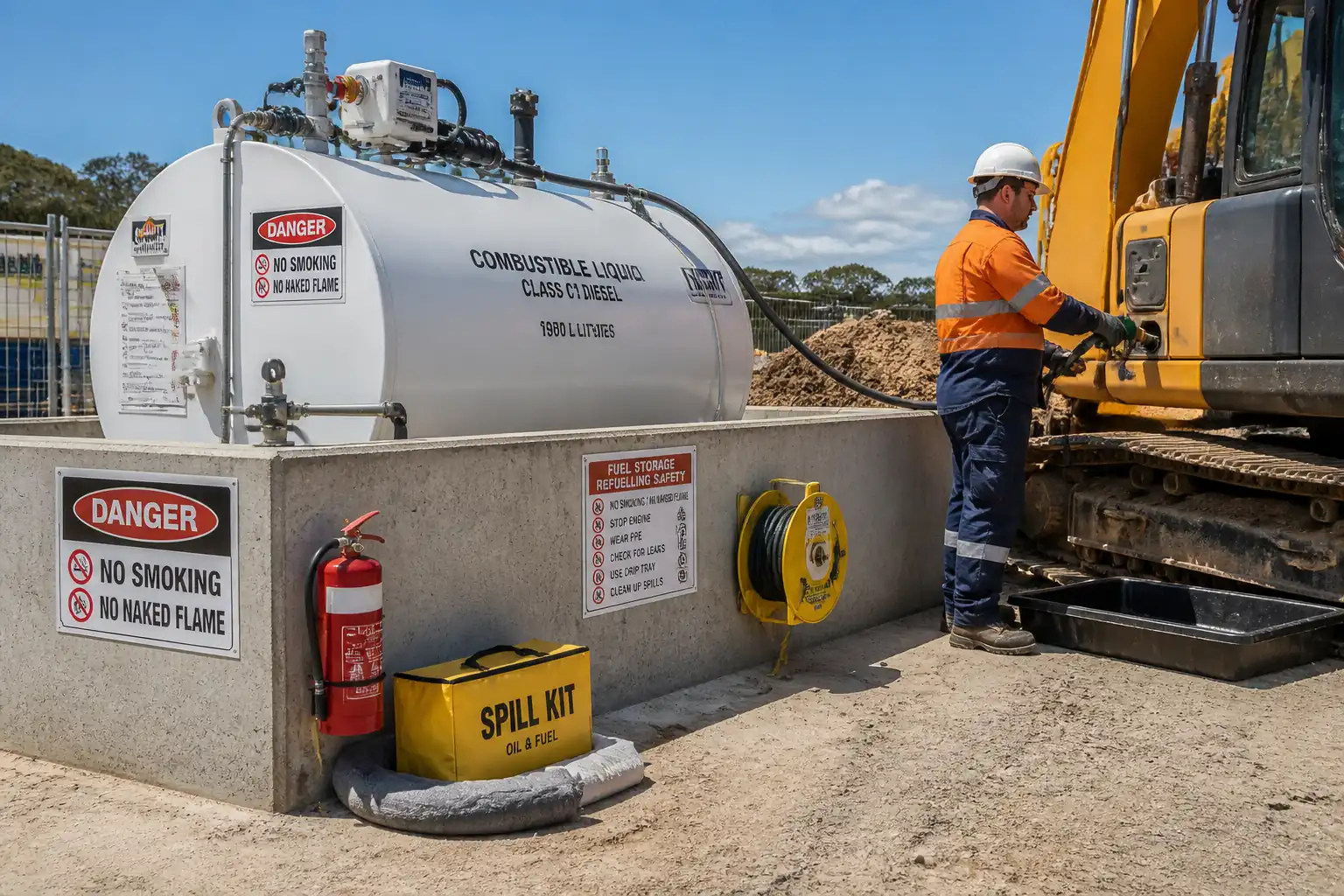
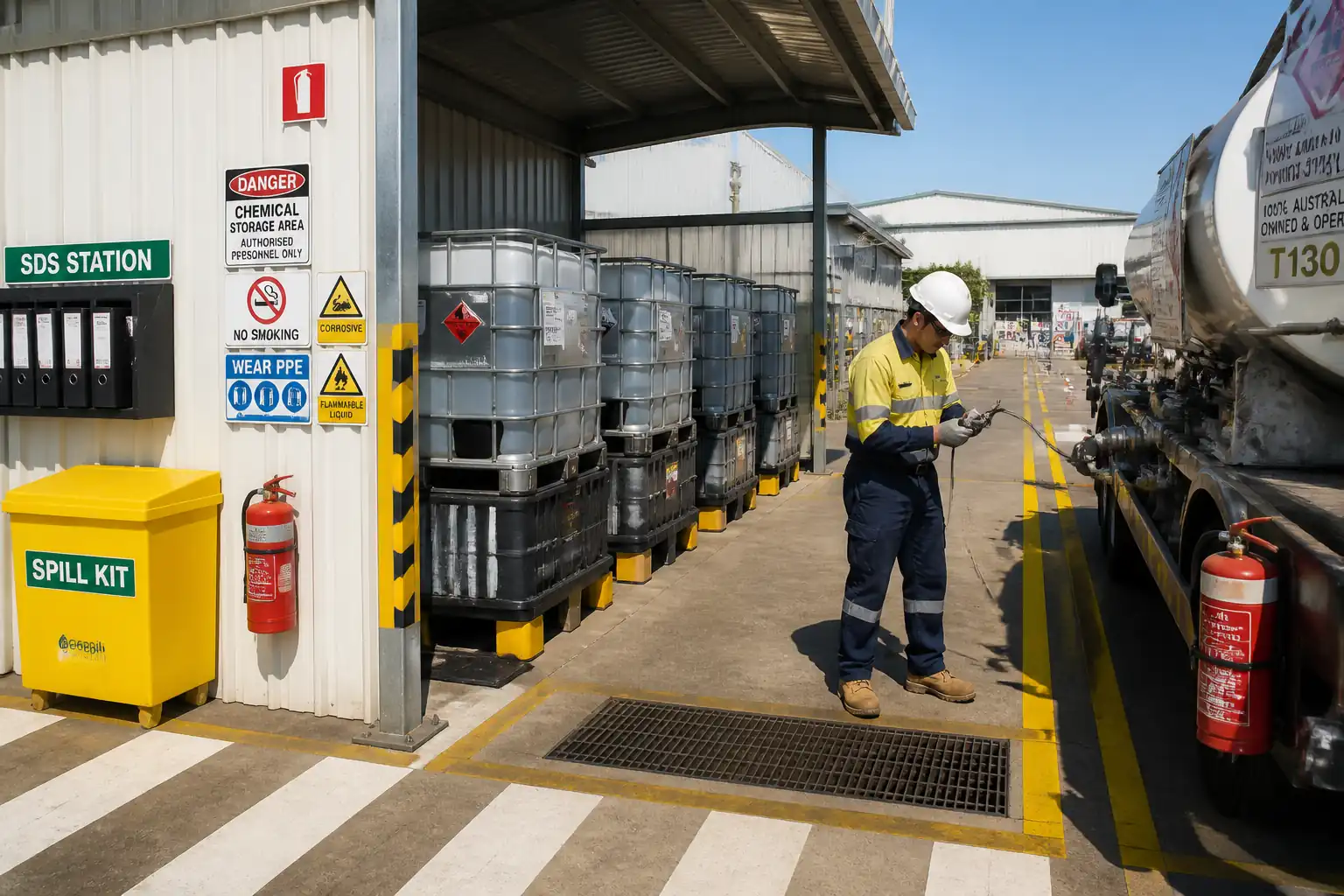
Covers permits, offloading setup, bonding/grounding, hose condition, bund capacity and integrity, segregation, SDS availability, spill kit readiness, and extinguisher compliance.
Typical hold, witness, and review points
Hold: Initial bund validation and segregation setup. Witness: First delivery offload, hydro-test of bund, extinguisher placement verification.
Typical inspection records
Delivery checklists, bund calculations and hydro-test reports, segregation matrix, SDS index, spill kit logs, extinguisher registers, discharge permits.
Important approval note
This ITP is an AI-assisted editable starting point, not a pre-approved document. Before use on any project, all inspection activities, hold points, and acceptance criteria must be reviewed and approved by the relevant parties (superintendent, principal contractor, or client representative) in accordance with your contract and project quality plan.
Always verify acceptance criteria against your applicable drawings, specifications, and regulatory requirements. Hold points must be confirmed with the relevant authority before work proceeds past that point.
Inspection and test plan
| Activity | Inspection / Test | Acceptance Criteria | Responsibility | Record |
|---|---|---|---|---|
| Pre-delivery documentation review | Permit approved; SDS received and reviewed; delivery plan endorsed. | Logistics Coordinator / HSE | Permit-to-deliver; SDS receipt log | |
| Offloading setup (exclusion, signage, drip trays) | Barriers in place; trays positioned; extinguishers available within code travel distance. | Stores Supervisor | Offloading checklist | |
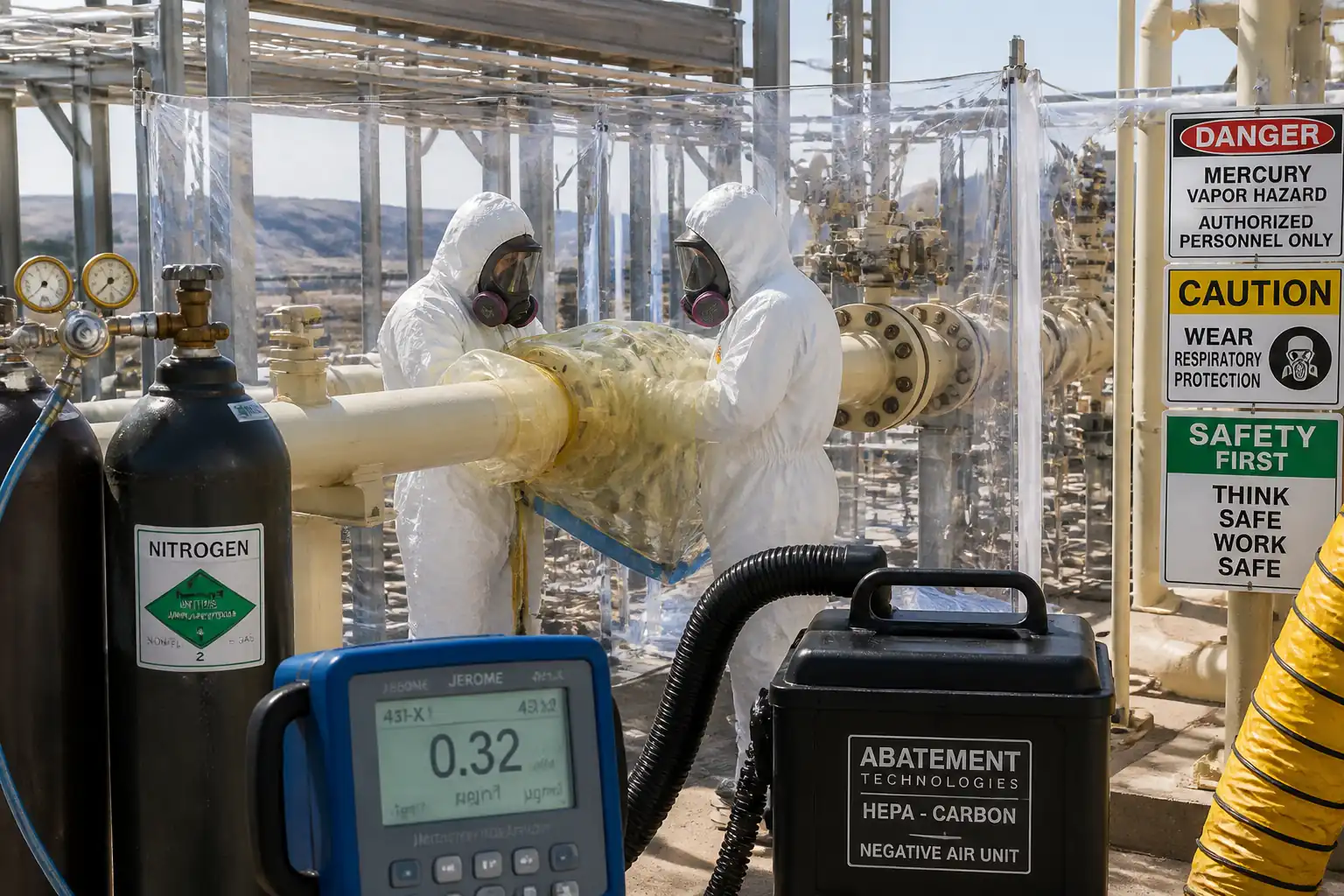
| Bonding/grounding verification | Secure bonds; resistance to earth <10 Ω target [Verify]. | HSE Officer | Transfer log; checklist | |
| Hose and coupling inspection | EN 12115 or equivalent; no cracks; pressure rating adequate; dry-break intact. | Operator / QA | Pre-use inspection record | |
| Bund capacity verification (calculation) | ≥110% largest container or 25% total; 100 mm freeboard; displacement accounted [Verify]. | Environmental Officer / QA | Bund capacity calculation sheet | |
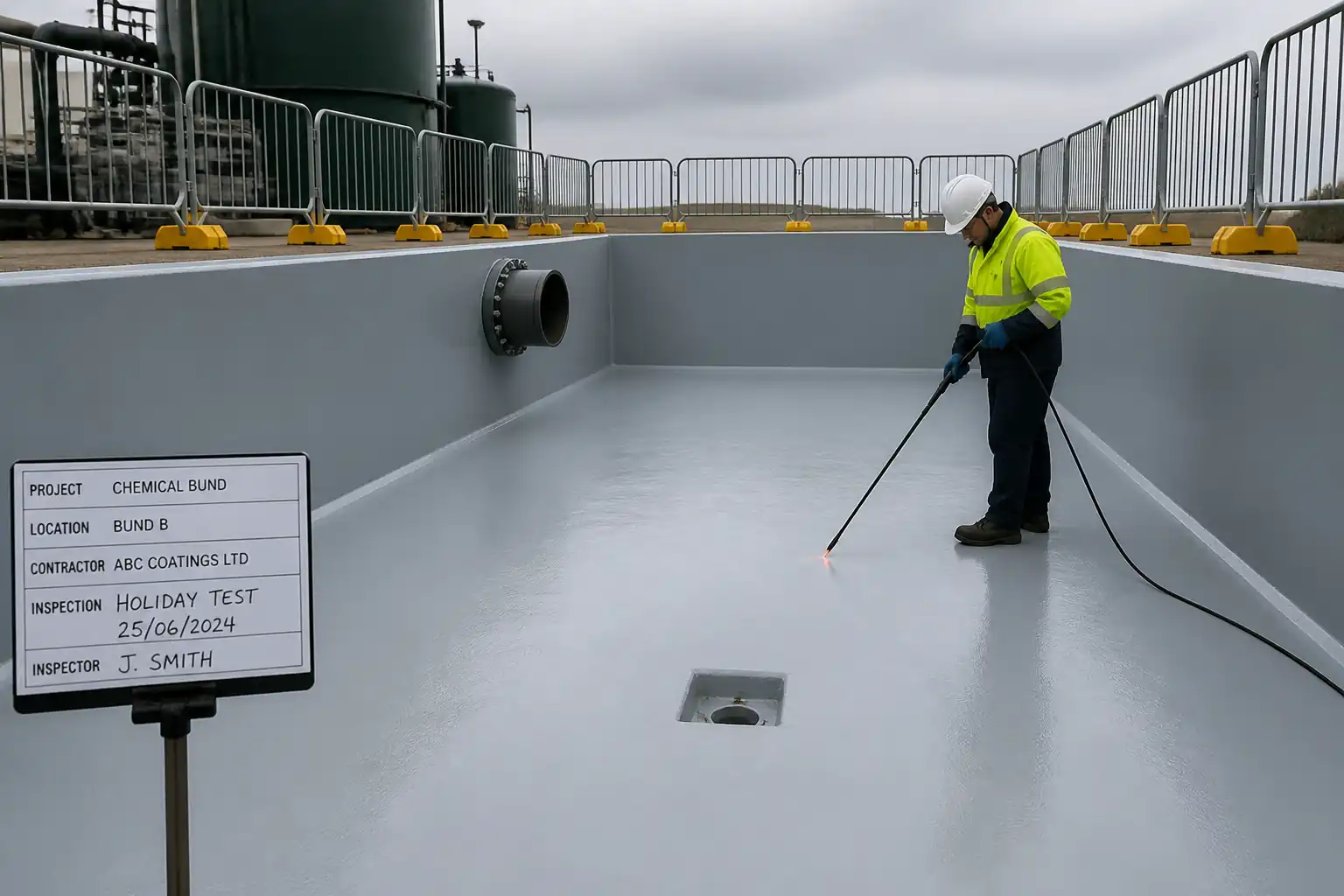
| Bund integrity hydro-test (new/modified) | No visible leaks; level drop ≤10 mm/24 h due to evaporation [Verify]; surfaces intact. | Environmental Officer / Engineer | Hydro-test report; photos | |
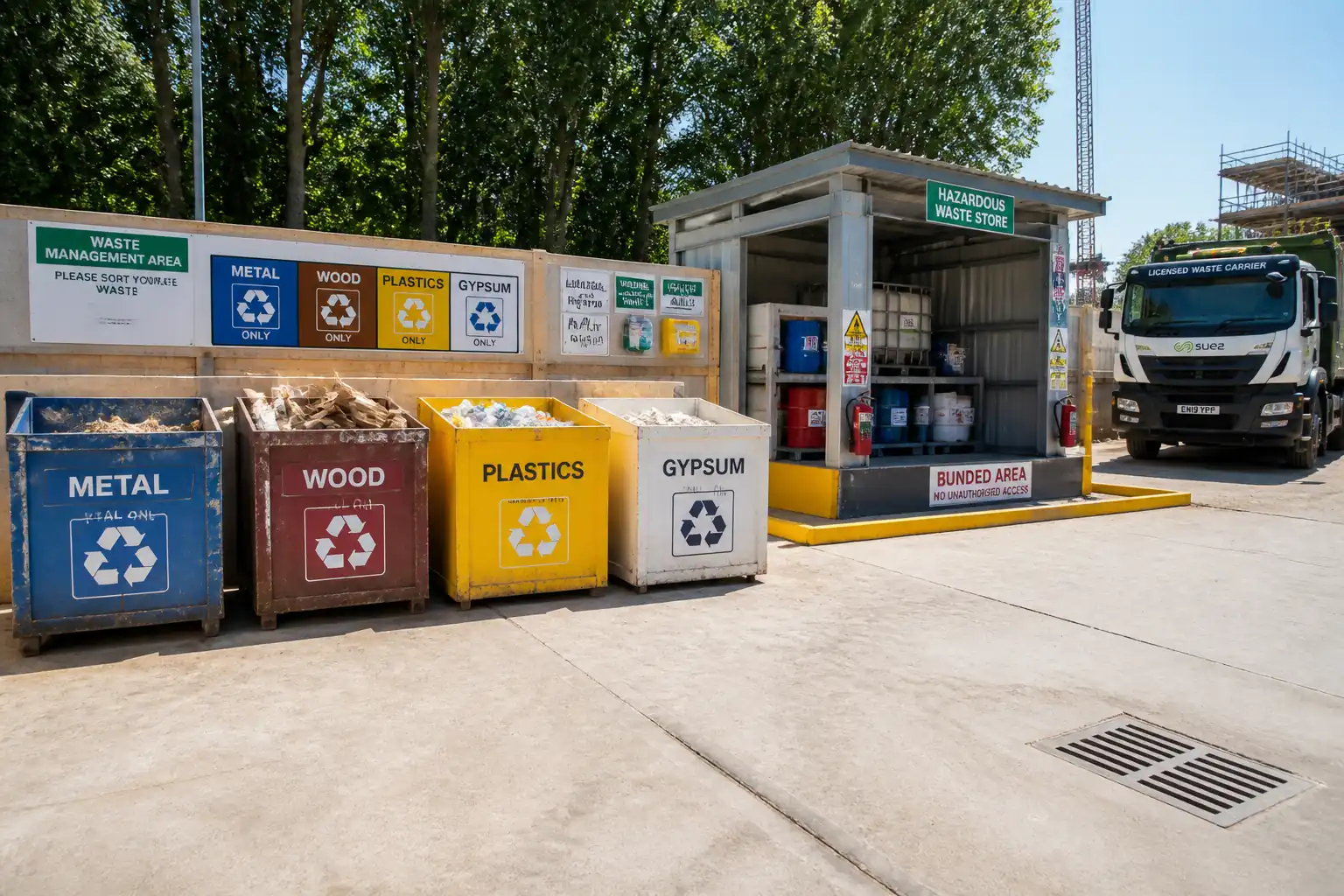
| Segregation matrix implementation | All SKUs stored per compatibility chart; barriers/distances as specified; labels/signage correct. | Chemical Officer / QA | Segregation matrix; inspection record | |
| SDS station verification | 100% products with current SDS; index and QR access functional; language compliant. | Stores Supervisor / QA | SDS index checklist | |
| Spill kit inspection (weekly) | All mandatory items present; minimum capacity per risk; seals intact; expiry within date if applicable. | HSE Officer | Spill kit log | |
| Fire extinguisher placement and inspection | Correct class/rating; travel distance per code; inspection within 31 days; annual service current. | Fire Warden / QA | Extinguisher register; tags; certificates | |
| Housekeeping and drainage control | Aisles clear; containers sealed; drains locked closed; rainwater managed under permit. | Stores Supervisor / Environmental Officer | Housekeeping checklist; discharge records |
This table is a read-only public reference. Download the PDF or Excel version, or customize this ITP to edit it for your project.
Frequently asked questions
Related method statement
This Inspection and Test Plan is associated with the Method Statement: Hazardous Chemical and Fuel Delivery, Secondary Containment, and Storage Compound Management method statement, which describes the step-by-step construction sequence, resources, materials, equipment, safety controls, and environmental controls for this activity.
View the Method Statement: Hazardous Chemical and Fuel Delivery, Secondary Containment, and Storage Compound Management method statement →Continue with related inspection, method statement, article, and checklist resources.