Façade Delivery, Unloading, and Storage Site Inspection Checklist
Definition: Inspect façade delivery, unloading, and storage conditions on site for construction QA leads and site supervisors, ensuring safe receipt, controlled offloading, compliant storage environments, and end‑to‑end material traceability.
- Verify documents, quantities, and packaging before any offloading begins.
- Control unloading with rated gear, exclusion zones, and trained operators.
- Maintain dry, level, ventilated storage with monitored temperature and RH.
- Interactive, commentable checklist with export and QR code verification.
Inspect façade delivery, unloading, and storage conditions on site to protect high‑value façade components and maintain traceability. This checklist targets facade logistics inspection, material receipt inspection, and offloading control for curtain wall panels, cladding cassettes, glazing units, sub‑frames, and hardware. It focuses strictly on delivery verification, safe unloading methods (crane/forklift), and storage environmental controls—excluding installation, testing, and commissioning. By capturing waybills, lot numbers, and condition photos, teams avoid hidden damage, moisture ingress, mix‑ups, and handling injuries. Acceptance cues cover crate integrity, rigging suitability, ground stability, weather readiness, and storage temperature/relative humidity. The outcome is predictable handling, reduced rework, preserved warranties, and clear readiness for subsequent façade assembly per approved project specifications and authority requirements. Use this interactive checklist on mobile: tick off steps as events occur, attach photos and instrument readings, add comments for snags, and export your record to PDF/Excel with a secure QR code for verification and sharing.
- Ensure every façade delivery is verified against approved submittals, packing lists, and waybills, with barcoded lot capture, condition photos, and timestamps. Reduce disputes, speed approvals, and preserve warranties by documenting acceptance criteria at the point of receipt.
- Control unloading through rated cranes/forklifts, certified rigging, and defined exclusion zones. Smooth lifts, correct fork lengths, edge protection, and tag lines prevent point‑loading, glass fracture, and frame distortion, while safeguarding workers and adjacent trades during peak logistics windows.
- Create stable storage using level dunnage, rigid racks, and ventilated covers. Monitor temperature and humidity with data loggers, enforce stack height limits, segregate nonconforming items, and maintain 0.8–1.0 m aisles for inspections and later kitting without damage.
- Interactive online checklist with tick, comment, and export features secured by QR code. Attach photos, readings, signatures, and NCR links; then export as PDF/Excel for the client, designer, and supplier, ensuring traceability from truck to storage location.
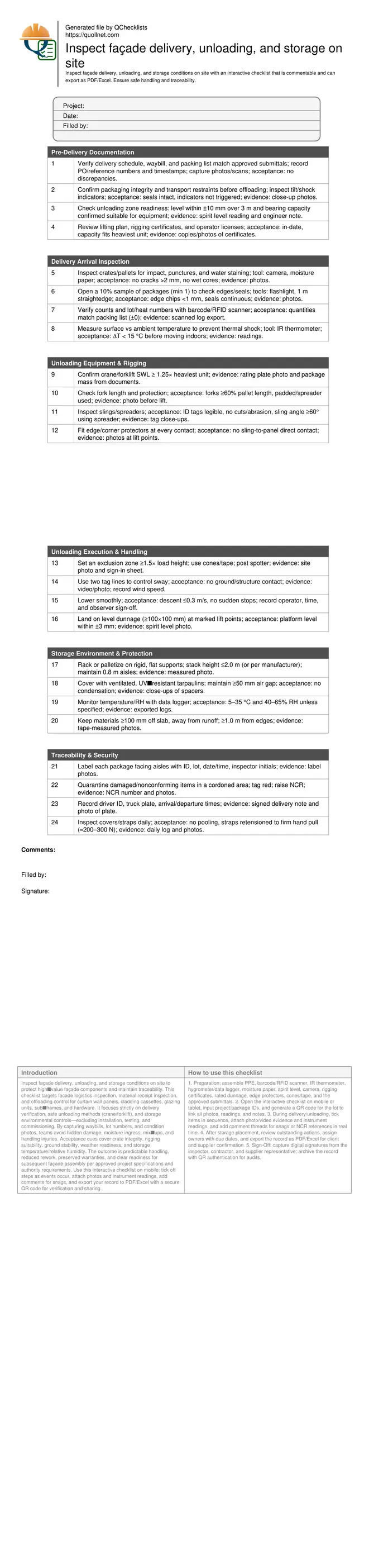
Pre-Delivery Documentation
Delivery Arrival Inspection
Unloading Equipment & Rigging
Unloading Execution & Handling
Storage Environment & Protection
Traceability & Security
Verify Deliveries and Packaging Before Any Offload
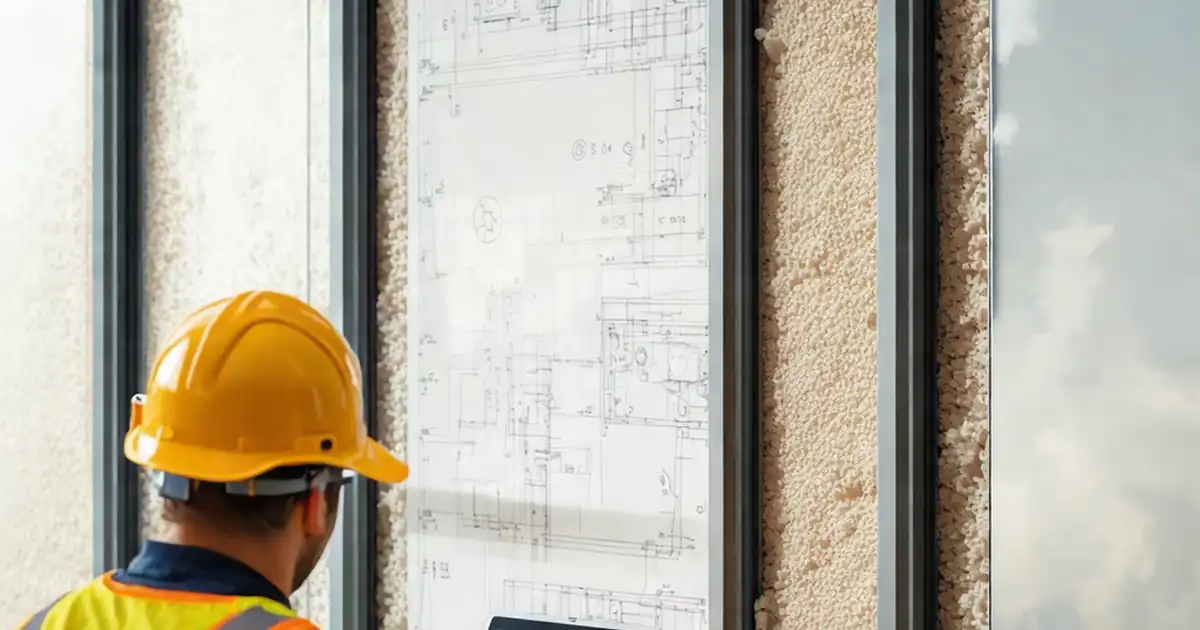
Start at the truck with documents and packaging. Reconcile waybill, packing list, and approved submittals, then scan barcodes to lock in lot numbers. Inspect crates for punctures, racking, crushed bearers, and water stains. Check tilt and shock indicators on fragile glazing and composite panels; activated devices signal internal inspection before acceptance. Open a representative 10% sample (minimum one package) to assess edges, seals, and protective films using a flashlight and a 1 m straightedge. Capture timestamped photos at each observation point, including rating plates and indicator close‑ups, to prevent post‑handover disputes. Finally, verify the unloading area is level within ±10 mm over 3 m and that ground capacity suits the chosen equipment. A brief, well‑documented pre‑offload check avoids cascading delays, hidden damage, and unplanned rework while proving conformance to approved project specifications and authority requirements.
- Scan lot numbers; export a reconciliation log.
- Photograph all indicator devices up close.
- Sample open at least one package.
- Reject visibly wet or deformed crates.
- Verify ground level and capacity.
Execute Safe, Controlled Unloading Operations
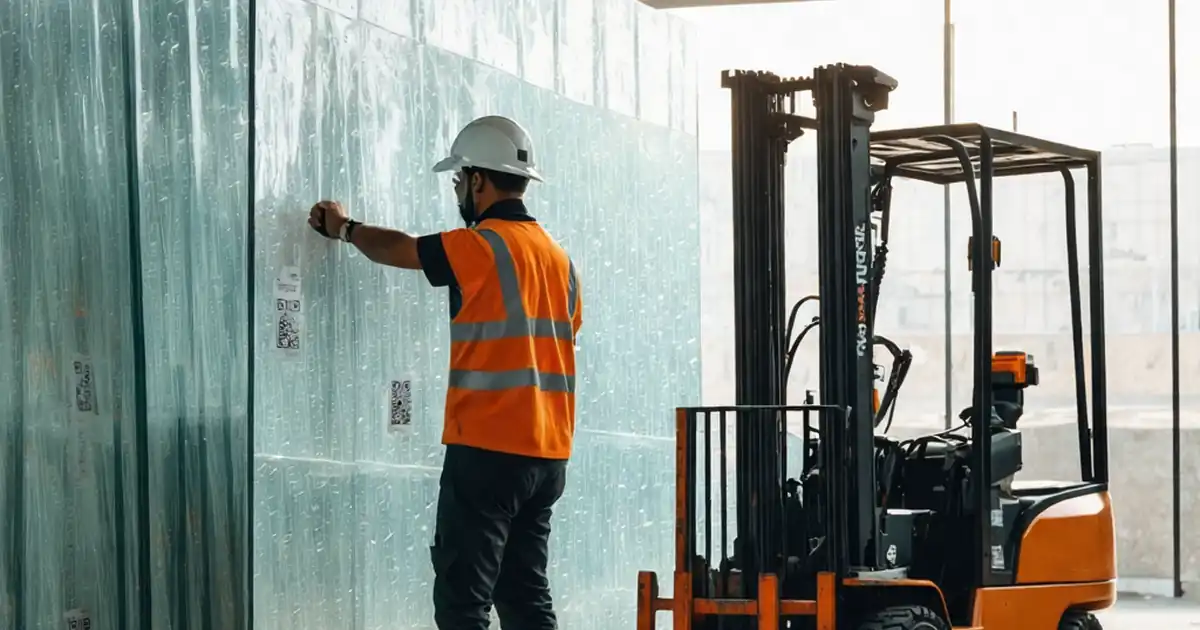
Match equipment to loads: cranes and forklifts must have SWL at least 1.25× the heaviest façade unit. Inspect slings, spreaders, and fork extensions; protect every contact with edge guards. Establish an exclusion zone sized at 1.5× the load height and assign a spotter with radio. Use two tag lines to prevent rotation and keep descent under 0.3 m/s to avoid shock loading. Land units on 100×100 mm dunnage at designated lift points, confirming level within ±3 mm using a spirit level. Record operator and observer names, wind speed, and timestamps. These small controls prevent glass fractures, frame distortion, and impact damage while also reducing near‑misses and downtime from equipment clashes.
- Confirm SWL meets or exceeds loads.
- Use tag lines and a spotter.
- Protect edges at all contact points.
- Control descent speed and sway.
- Maintain a clear exclusion zone.
Store for Stability, Dryness, and Traceability
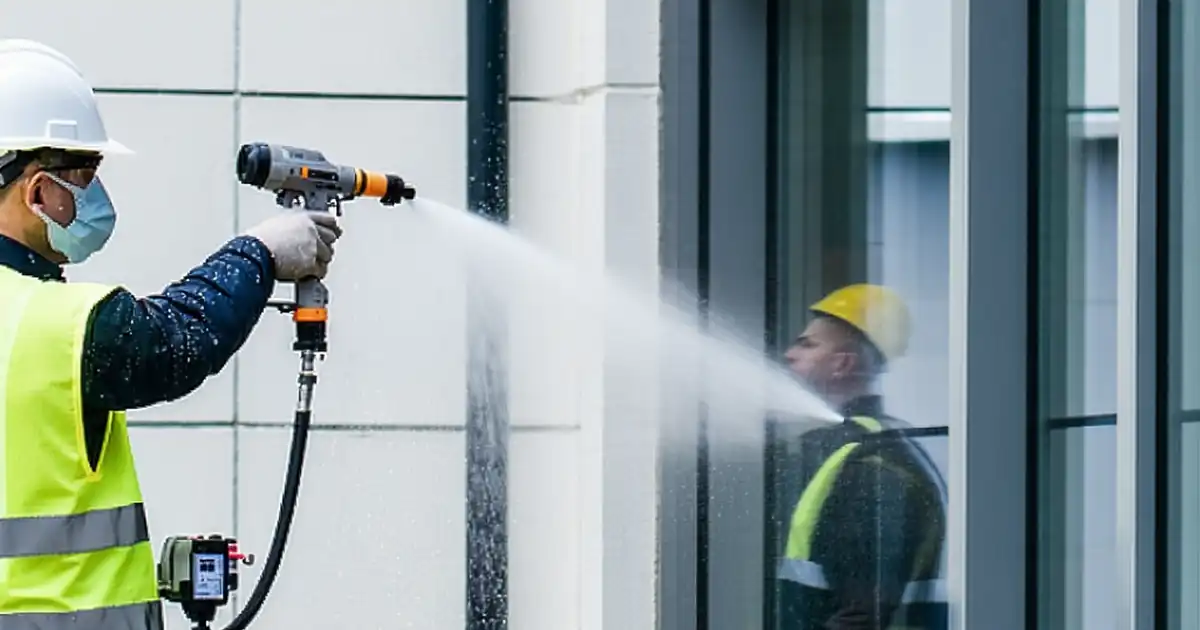
Place panels on rigid racks or pallets, stacked no higher than 2.0 m unless the manufacturer states otherwise. Keep aisles at least 0.8 m wide for inspections and kitting. Maintain dry, ventilated covers with a minimum 50 mm air gap to prevent condensation; avoid direct sunlight on laminated glazing. Monitor temperature and relative humidity with data loggers set to 15‑minute intervals; aim for 5–35 °C and 40–65% RH unless stricter product requirements apply. Elevate pallets at least 100 mm from the slab and maintain 1.0 m from slab edges or openings. Label each package with location, lot number, and inspector initials, and quarantine any damaged goods with NCR references. These practices preserve finishes, adhesives, and seals, enabling predictable installation readiness.
- Keep covered and ventilated with air gaps.
- Track temperature and RH continuously.
- Limit stack height to safe levels.
- Maintain clear aisles for access.
- Quarantine and label nonconformities.
How to Use This Checklist On Site
- Preparation: assemble PPE, barcode/RFID scanner, IR thermometer, hygrometer/data logger, moisture paper, spirit level, camera, rigging certificates, rated dunnage, edge protectors, cones/tape, and the approved submittals.
- Open the interactive checklist on mobile or tablet, input project/package IDs, and generate a QR code for the lot to link all photos, readings, and notes.
- During delivery/unloading, tick items in sequence, attach photo/video evidence and instrument readings, and add comment threads for snags or NCR references in real time.
- After storage placement, review outstanding actions, assign owners with due dates, and export the record as PDF/Excel for client and supplier confirmation.
- Sign-Off: capture digital signatures from the inspector, contractor, and supplier representative; archive the record with QR authentication for audits.
Call to Action
- Start Checklist Tick off tasks, leave comments on items or the whole form, and export your completed report to PDF or Excel—with a built-in QR code for authenticity.
- Download Excel - Façade Delivery, Unloading, and Storage Inspection
- Download PDF - Façade Delivery, Unloading, and Storage Inspection
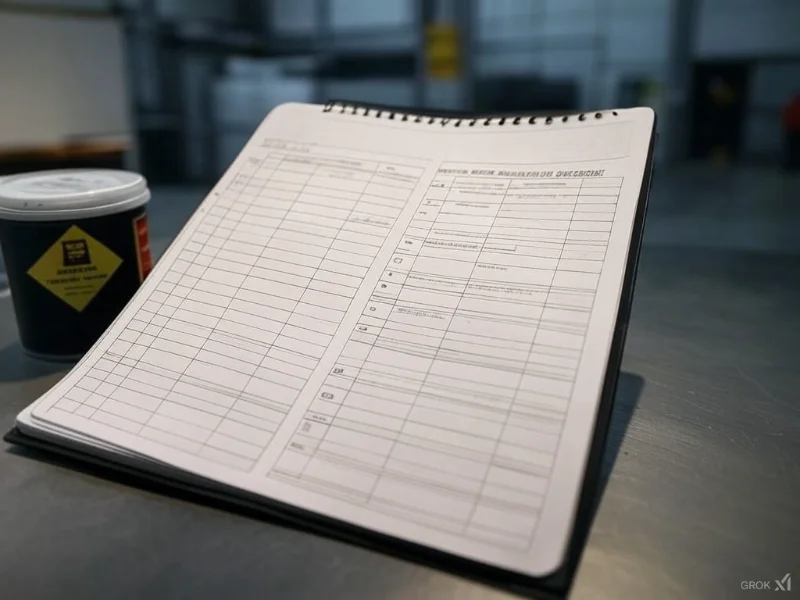
- View Image - Façade Delivery, Unloading, and Storage Inspection
Cite & Embed
“Façade Delivery, Unloading, and Storage Inspection by Quollnet”
with a link to
this source page.
FAQ
Question: What environmental conditions are acceptable for storing façade panels on site?
Question: How many packages should I open for condition checks on arrival?
Question: What are common forklift errors when unloading façade crates?
Question: What should I do if a delivery arrives damaged or wet?
Related Articles
Broader reading and guidance connected to this checklist topic.



3d Printed Concrete Qa/qc: Inspection, Process Control & Acceptance

Is It Important To Customize Your Qr Code And How To Do It?
Related Checklists
Keep the workflow moving with nearby templates chosen from similar checklist content.