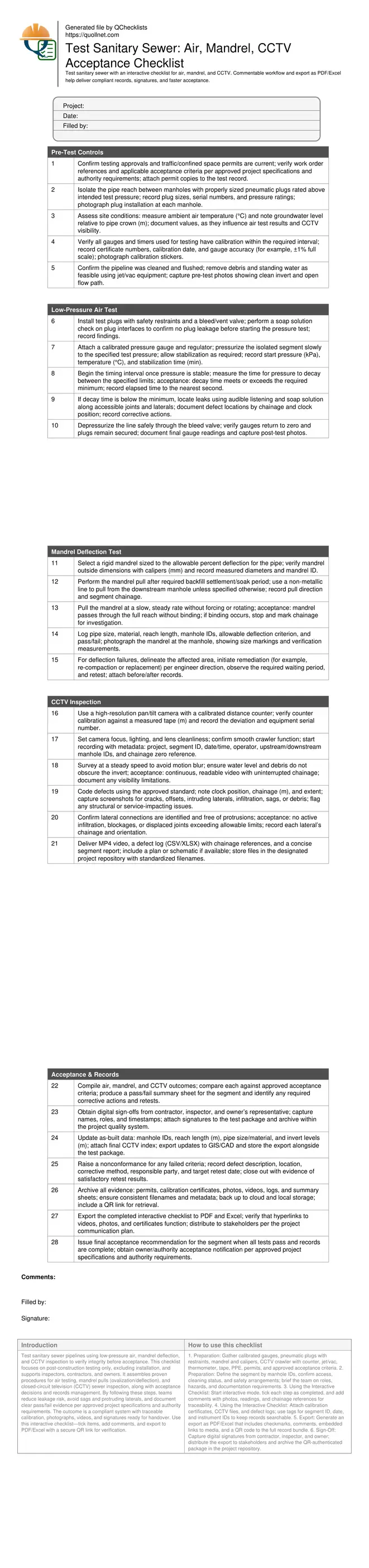
Test Sanitary Sewer: Air, Mandrel, CCTV Acceptance Checklist
Definition: Test sanitary sewer pipelines using air, mandrel, and CCTV methods for construction QA, documenting acceptance, safety, and records for engineers, inspectors, and contractors.
- What: verify pipe integrity via air, mandrel, and CCTV methods
- Why: prevent leaks, blockages, and costly rework before service connections
- How: stepwise procedures with tools, tolerances, objective pass/fail evidence
- Interactive, commentable checklist with export and QR code record bundles
Test sanitary sewer pipelines using low-pressure air, mandrel deflection, and CCTV inspection to verify integrity before acceptance. This checklist focuses on post-construction testing only, excluding installation, and supports inspectors, contractors, and owners. It assembles proven procedures for air testing, mandrel pulls (ovalization/deflection), and closed-circuit television (CCTV) sewer inspection, along with acceptance decisions and records management. By following these steps, teams reduce leakage risk, avoid sags and protruding laterals, and document clear pass/fail evidence per approved project specifications and authority requirements. The outcome is a compliant system with traceable calibration, photographs, videos, and signatures ready for handover. Use this interactive checklist—tick items, add comments, and export to PDF/Excel with a secure QR link for verification.
- Use this focused, installation-excluded workflow to run low-pressure air testing, mandrel deflection checks, and CCTV surveys on sanitary sewer segments. It provides tools, safety controls, pass/fail cues, and documentation requirements so owners, engineers, and contractors can achieve timely, compliant acceptance without disputes.
- Standardize your low-pressure air testing: isolate segments with rated plugs, stabilize pressure, and time the decay against approved limits. Follow with mandrel pulls to confirm maximum allowable deflection, documenting mandrel dimensions, chainage, and outcomes. Clearly record failures, corrective actions, and retests to demonstrate conformance.
- Deliver defensible CCTV evidence with calibrated distance counters, consistent travel speed, and defect coding. Capture chainage-referenced screenshots, lateral locations, and infiltration observations. Package MP4 files, logs, and a concise acceptance summary. Archive with consistent filenames, metadata, and signatures for rapid authority review and approval.
- Interactive online checklist with tick, comment, and export features secured by QR code.
Pre-Test Controls
Low-Pressure Air Test
Mandrel Deflection Test
CCTV Inspection
Acceptance & Records
Plan the Test Segment, Isolation, and Safety Controls
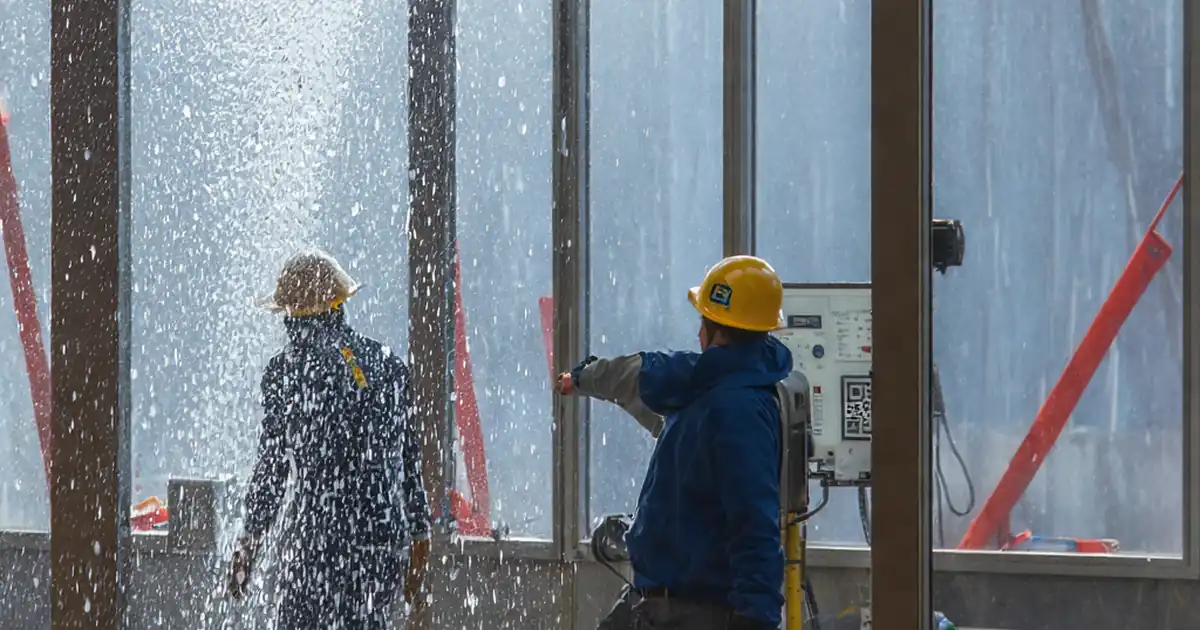
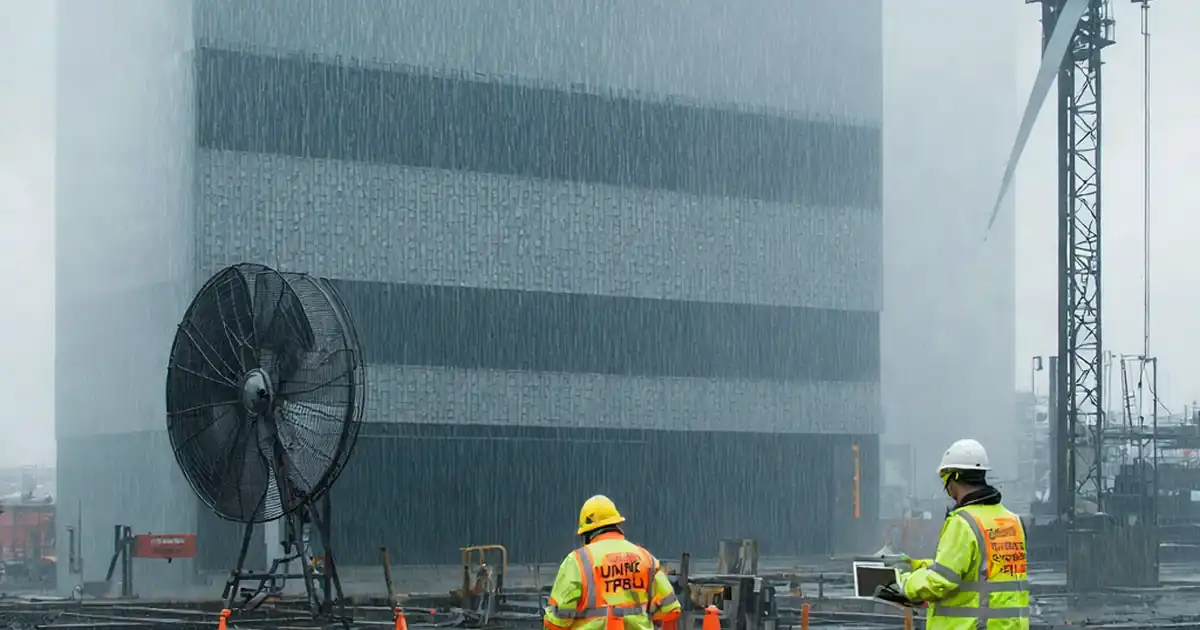
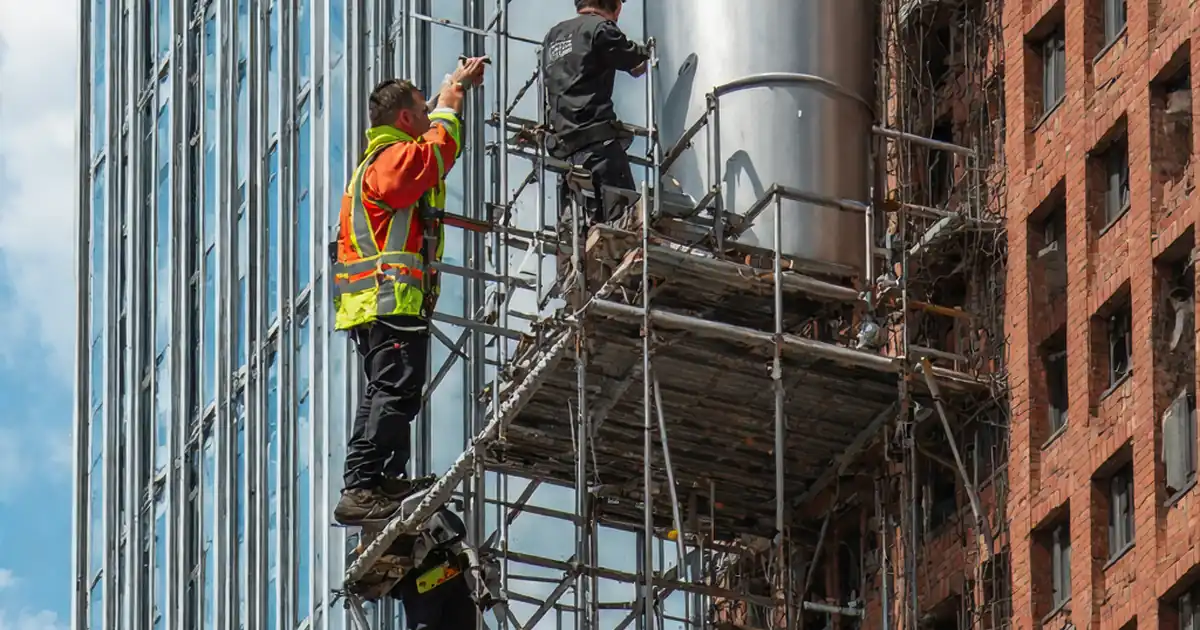
Effective sanitary sewer testing starts with precise scoping and safe isolation. Confirm permits, traffic control, and confined space requirements. Select the manhole-to-manhole reach and verify access for plugs, mandrel pulls, and the CCTV crawler. Ensure the line is cleaned and free-draining to reduce false failures. Choose plugs rated above the intended pressure and add safety restraints. Log calibration status for all gauges and timing devices so readings are defensible. Record environmental conditions—temperature and groundwater—because they affect air test stability and CCTV visibility. Establish a data structure and filename convention before starting so photos, videos, and logs align by segment and chainage. Agree on acceptance criteria per approved project specifications and authority requirements, and predefine roles for witnessing and sign-off. Careful planning reduces retests, protects workers around pressurized plugs, and delivers records that withstand review without rework.
- Define reach by manhole IDs and chainage limits
- Use plugs rated above intended pressure with restraints
- Verify instrument calibration and document certificates
- Clean the line to remove debris and standing water
- Preplan filenames, metadata, and witness roles
Execute Low-Pressure Air and Mandrel Deflection Tests
Perform the air test by stabilizing the line at the specified pressure, timing the decay across defined limits, and comparing the result to the required minimum. Temperature stabilization and proper gauge accuracy are critical to valid readings. If the segment fails, use soap solution and listening to pinpoint leaks, then repair and retest. Follow with mandrel testing after the required settlement period. Verify mandrel dimensions with calipers and document size, pipe material, and allowable deflection. Pull steadily without forcing; a free pass indicates compliance. When binding occurs, stop, record chainage, and escalate for remediation. Throughout, record evidence: start/finish pressures, elapsed time, photos of setups, mandrel measurements, and witness signatures. This disciplined approach prevents subjective calls and builds an audit-ready record for acceptance.
- Stabilize pressure, then time decay precisely
- Use soap and listening to locate leaks
- Measure mandrel dimensions with calipers
- Pull steadily; do not force or rotate
- Capture photos, times, and signatures
CCTV Survey, Acceptance Decisions, and Records Handover
CCTV confirms internal condition and ties all results to chainage. Validate the distance counter against a tape to ensure accurate defect locations. Maintain steady speed and sufficient lighting; pre-clean if visibility is poor. Code defects consistently and capture screenshots for key findings such as cracks, offsets, intruding laterals, infiltration, and sags. Compile deliverables: MP4 videos, defect logs (CSV/XLSX), and a concise acceptance report summarizing pass/fail against the approved criteria. Update as-builts with manhole IDs, reach lengths, and lateral positions. Conclude with digital sign-offs and a properly archived package featuring calibration certificates, photos, and videos. Organised records speed authority approvals and reduce callbacks.
- Calibrate and verify the distance counter
- Maintain steady travel and proper lighting
- Code defects with chainage and clock position
- Provide MP4, logs, and a summary report
- Archive with consistent filenames and metadata
How to Use This Sanitary Sewer Testing Checklist
- Preparation: Gather calibrated gauges, pneumatic plugs with restraints, mandrel and calipers, CCTV crawler with counter, jet/vac, thermometer, tape, PPE, permits, and approved acceptance criteria.
- Preparation: Define the segment by manhole IDs, confirm access, cleaning status, and safety arrangements; brief the team on roles, hazards, and documentation requirements.
- Using the Interactive Checklist: Start interactive mode, tick each step as completed, and add comments with photos, readings, and chainage references for traceability.
- Using the Interactive Checklist: Attach calibration certificates, CCTV files, and defect logs; use tags for segment ID, date, and instrument IDs to keep records searchable.
- Export: Generate an export as PDF/Excel that includes checkmarks, comments, embedded links to media, and a QR code to the full record bundle.
- Sign-Off: Capture digital signatures from contractor, inspector, and owner; distribute the export to stakeholders and archive the QR-authenticated package in the project repository.
Call to Action
- Start Checklist Tick off tasks, leave comments on items or the whole form, and export your completed report to PDF or Excel—with a built-in QR code for authenticity.
- Download Excel - Sanitary Sewer Testing: Air, Mandrel, CCTV
- Download PDF - Sanitary Sewer Testing: Air, Mandrel, CCTV
- View Image - Sanitary Sewer Testing: Air, Mandrel, CCTV
Cite & Embed
“Sanitary Sewer Testing: Air, Mandrel, CCTV by Quollnet”
with a link to
this source page.
FAQ
Question: What is the typical sequence: air test first, mandrel, or CCTV?
Question: How do groundwater and temperature affect low-pressure air testing?
Question: How do I select the correct mandrel size for deflection testing?
Question: What should a complete CCTV deliverable package include for acceptance?
Related Articles
Broader reading and guidance connected to this checklist topic.




Eot Claim Checklist | Free Extension Of Time Submission Guide
Related Checklists
Keep the workflow moving with nearby templates chosen from similar checklist content.