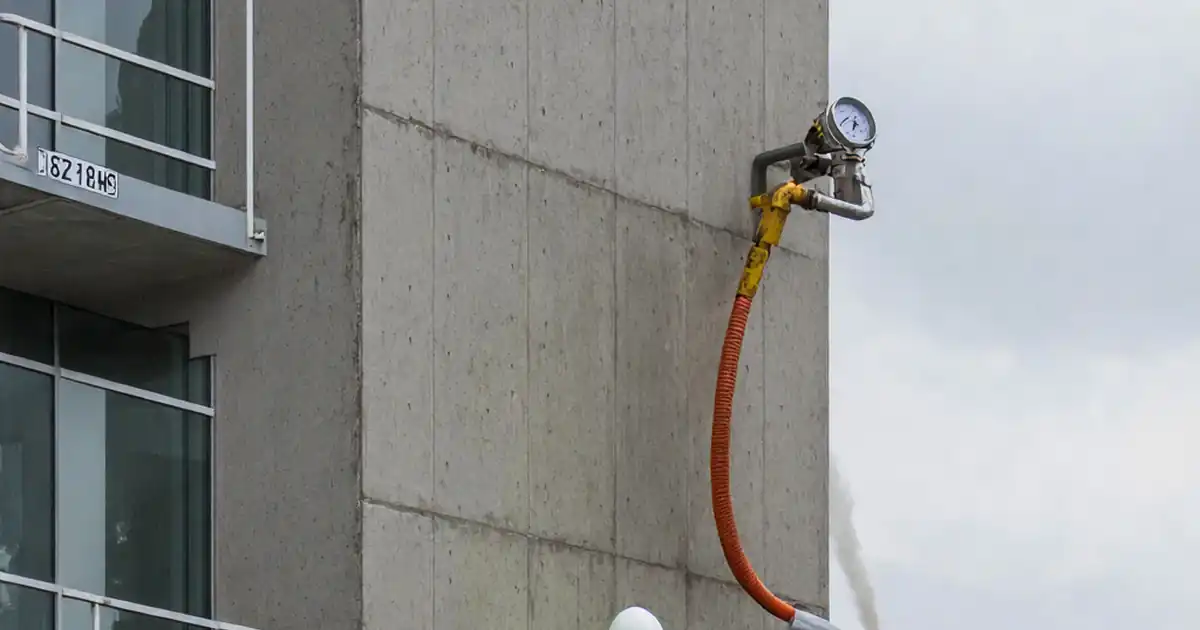
Façade Field Water Testing and Defect Recording Checklist
Definition: Inspect façade field water testing and defect recording equips site teams to run controlled spray-rack façade water tests and capture, classify, and close defects with traceable, photo-rich evidence.
- Run spray-rack tests with controlled pressure and documented conditions.
- Prevent water ingress by verifying joints, interfaces, and terminations.
- Record defects with photos, videos, and precise elevation references.
- Interactive, commentable checklist with export and QR code authentication.
Inspect façade field water testing and defect recording helps site teams execute spray-rack water penetration testing on installed façades and document any leakage for accountable closure. Within this scope, you will prepare test areas, apply controlled water spray with a defined pressure differential, and verify performance of glazing, curtain wall, and cladding interfaces. Related practices include building envelope water penetration testing and curtain wall leak testing, but this checklist focuses on a spray-rack field test with measured differential pressure rather than a free-spray hose test. By standardizing setup, environmental controls, observation, and evidence capture, you reduce rework, protect interiors, and produce defensible results per approved project specifications and authority requirements. Outcomes include reliable pass/fail determinations, clear defect coding, targeted remedial actions, and scheduled retesting. Use this interactive checklist to tick tasks, add time-stamped comments, attach photos or videos, and export to PDF/Excel with a secure QR link for verification.
- Control risk by verifying façade joints, terminations, penetrations, and frame interfaces under calibrated spray and stable pressure differential. Capture environmental conditions, equipment calibration, and steady-state readings to support defensible pass/fail outcomes and reduce repeat leaks and schedule impacts.
- Drive clear accountability with unique defect IDs, QR labels at leak points, and chain-of-custody for any removed samples. Immediate notifications and comment threads help responsible parties agree on root causes and corrective actions, accelerating closure and retest readiness.
- Interactive online checklist with tick, comment, and export features secured by QR code.
- Produce a rigorous, media-rich report: annotated elevation plans, timestamped photos and videos, moisture readings, and manometer/flow logs. Digital signatures and distribution logs provide an auditable trail for consultant reviews and authority submissions, improving compliance and stakeholder confidence.
Pre-Test Administration
Test Setup (Spray Rack and Pressure)
Environmental and Safety Controls
Execution and Monitoring
Defect Recording and Classification
Post-Test Restoration and Reporting
Scope, Method, and Boundaries for Façade Field Water Testing
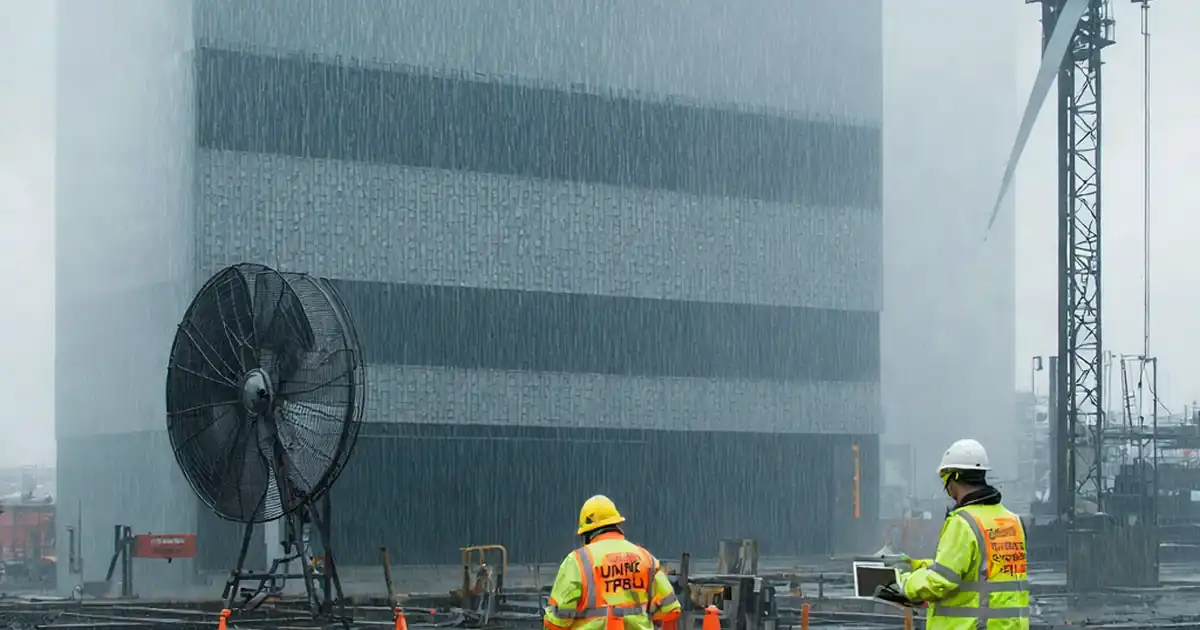
This checklist centers on a spray-rack field water test with a measured pressure differential across the façade specimen. The method suits curtain wall, window wall, punched openings, and cladding interfaces where controlled, uniform wetting and pressure are essential. It deliberately excludes free-spray hose tests, which are useful for forensic spot checks but lack repeatable coverage and pressure control. Success starts with a vetted sampling plan, verified installation completeness, and stable environmental conditions. Use a calibrated spray rack, flowmeter, and manometer to achieve and hold target values per approved project specifications and authority requirements. Protect interiors, seal unintended openings, and establish clear observation zones. Acceptance generally requires no water penetrating past the interior plane of the specimen. Document all preconditions, because wind, temperature, and setup variability can mask or mimic leaks. Thorough preparation reduces false failures, isolates true interface weaknesses, and builds a defensible record for stakeholders.
- Use a calibrated rack and manometer.
- Hold stable differential pressure throughout.
- Exclude unintended openings from exposure.
- Record weather with timestamps.
- Capture pre-test baseline moisture.
Execution Controls, Observation Strategy, and Evidence Capture
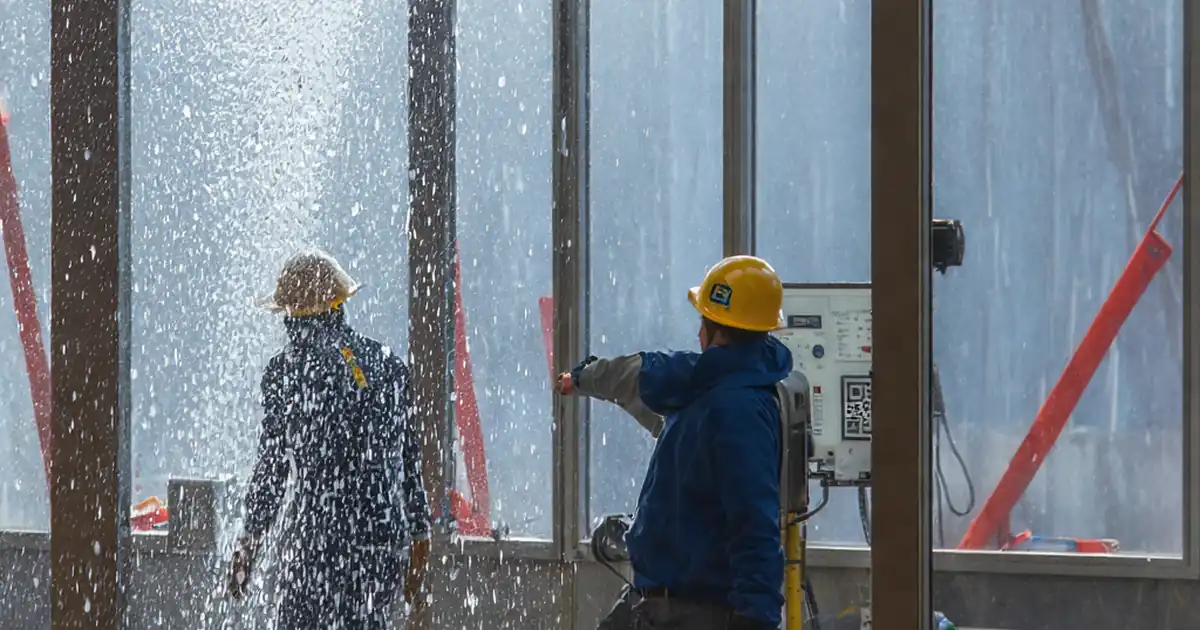
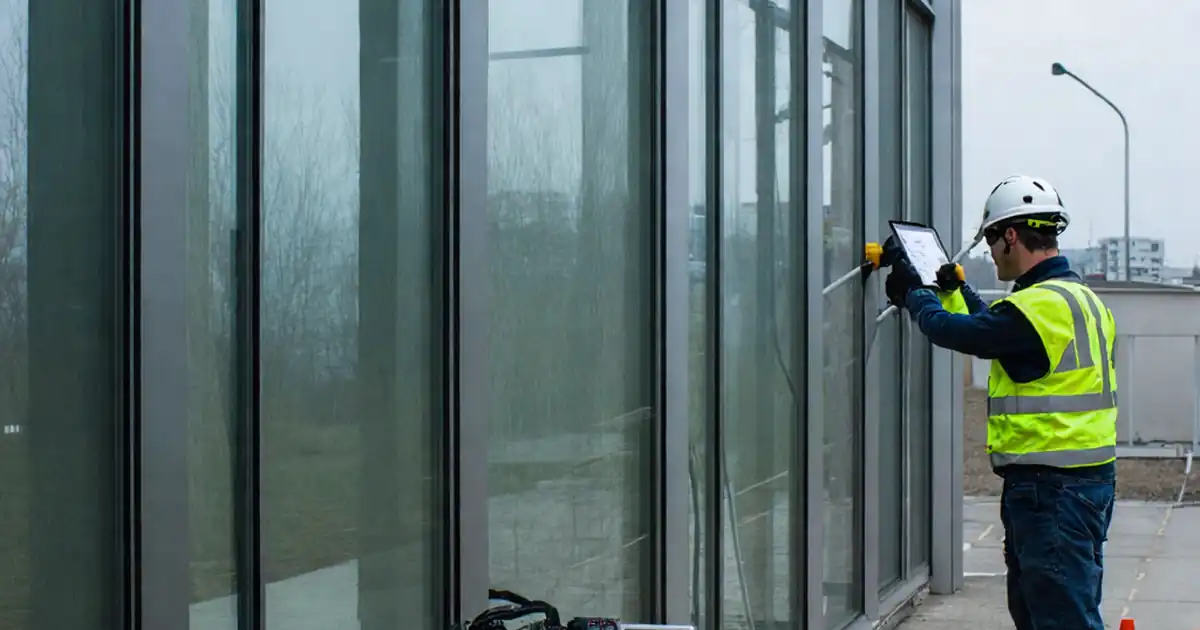
During testing, stabilize pressure before water application, then maintain uniform spray over the defined test area and perimeter. Log flow and time continuously; small fluctuations can skew results. Inside, organize a systematic observation route: corners, mullion intersections, anchors, sill/stack joints, and penetrations. Combine visual checks with moisture readings to detect hidden paths. If leakage appears, record the exact minute, rack position, and pressure reading, then capture close-up and context media. Annotate elevation plans with grid references and include a 150 mm scale in photos. When the event is documented, assign a unique defect ID and QR label on the façade for quick retrieval. This builds a traceable chain from conditions to outcomes. A clear, repeatable approach limits retest cycles, distinguishes installation issues from design gaps, and supports prompt, targeted remediation without guesswork.
- Stabilize pressure before spraying.
- Log flow rate and duration.
- Inspect high-risk joints first.
- Annotate plans with grid references.
- Include a physical scale in photos.
Defect Classification, Mitigation, Retest, and Closeout
After any leak event, assign a severity, probable cause, and responsible party. Typical classifications include sealant discontinuity, gasket misfit, blocked drainage, fastener breach, or interface detailing gap. Install temporary containment to protect interiors immediately. If samples are removed, complete chain-of-custody and store securely. Document the corrective action plan, including materials, installers, and curing needs. Schedule a retest after repairs and required cure time. In the report, present before/after media, readings, and sign-offs to verify performance restoration. Digital workflows accelerate feedback loops, reduce disputes, and create an auditable trail for consultant and authority reviews. When all defects pass retest or receive documented deferrals, archive the package with digital signatures for future maintenance reference.
- Use unique defect IDs and QR tags.
- Record root cause hypotheses.
- Protect interiors immediately.
- Retest after curing is complete.
- Close with digital signatures.
How to Use This Interactive Checklist
- Preparation: Gather spray rack, flowmeter, manometer, timer, moisture meter, PPE, protection materials, and access equipment. Confirm test areas, drawings, permits, and environmental limits per the approved test plan.
- Open the checklist and switch to interactive mode. Select your test location, scan or place a QR label, and review the required instruments, media, and acceptance criteria before starting.
- During testing, tick steps as completed, add time-stamped comments, and attach photos/videos of patterns, gauges, and observations. Use elevation grids in comments for precise locations.
- Collaborate live: mention subcontractors, assign corrective actions with due dates, and capture acknowledgments. Use defect IDs and QR tags to link physical points to records.
- Export your run to PDF/Excel for consultant review, including logs and media. Share the secure QR link so recipients can validate authenticity on-site.
- Sign-Off: Obtain digital signatures from QA lead, contractor, and consultant. Archive the final report and retest outcomes in the project document control system.
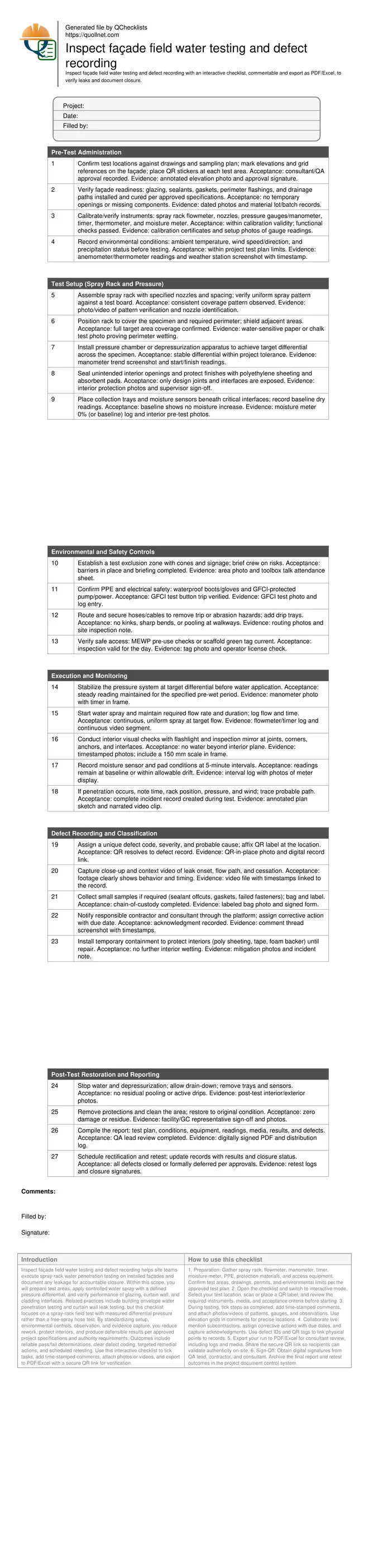
Call to Action
- Start Checklist Tick off tasks, leave comments on items or the whole form, and export your completed report to PDF or Excel—with a built-in QR code for authenticity.
- Download Excel - Façade Field Water Testing & Defect Recording
- Download PDF - Façade Field Water Testing & Defect Recording
- View Image - Façade Field Water Testing & Defect Recording
Cite & Embed
“Façade Field Water Testing & Defect Recording by Quollnet”
with a link to
this source page.
FAQ
Question: What façades and conditions are suitable for spray-rack field water testing?
Question: How many locations should be tested, and how long does each test take?
Question: What defines a failure, and what evidence should be captured?
Question: Can testing proceed during wind or light rain?
Related Articles
Broader reading and guidance connected to this checklist topic.
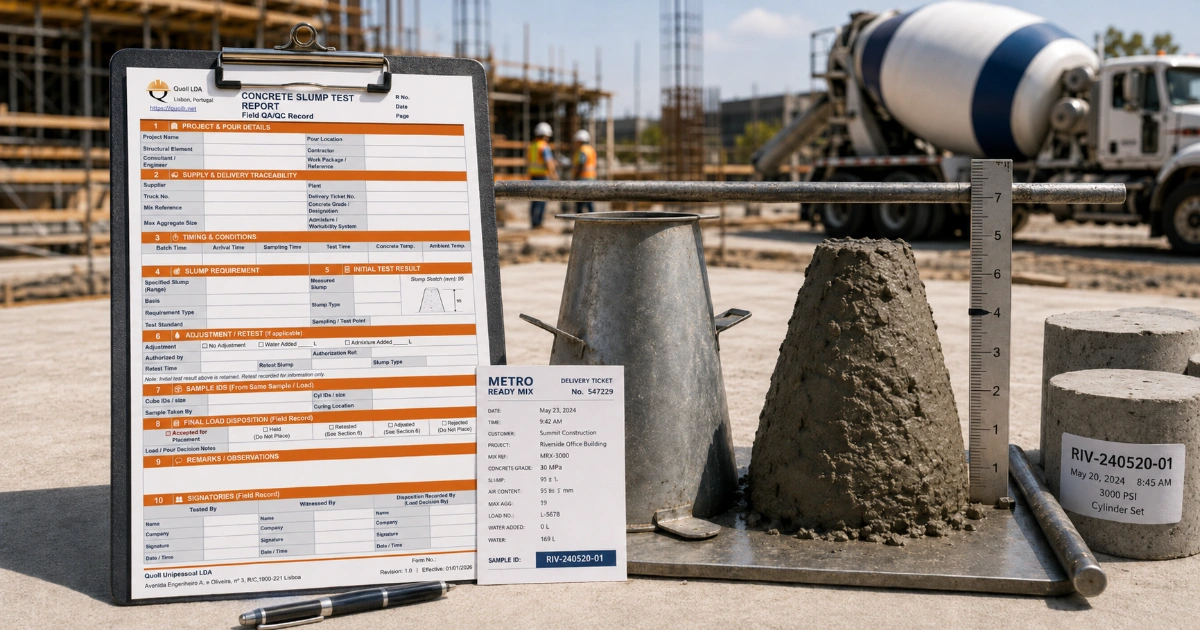
Concrete Slump Test Report Template
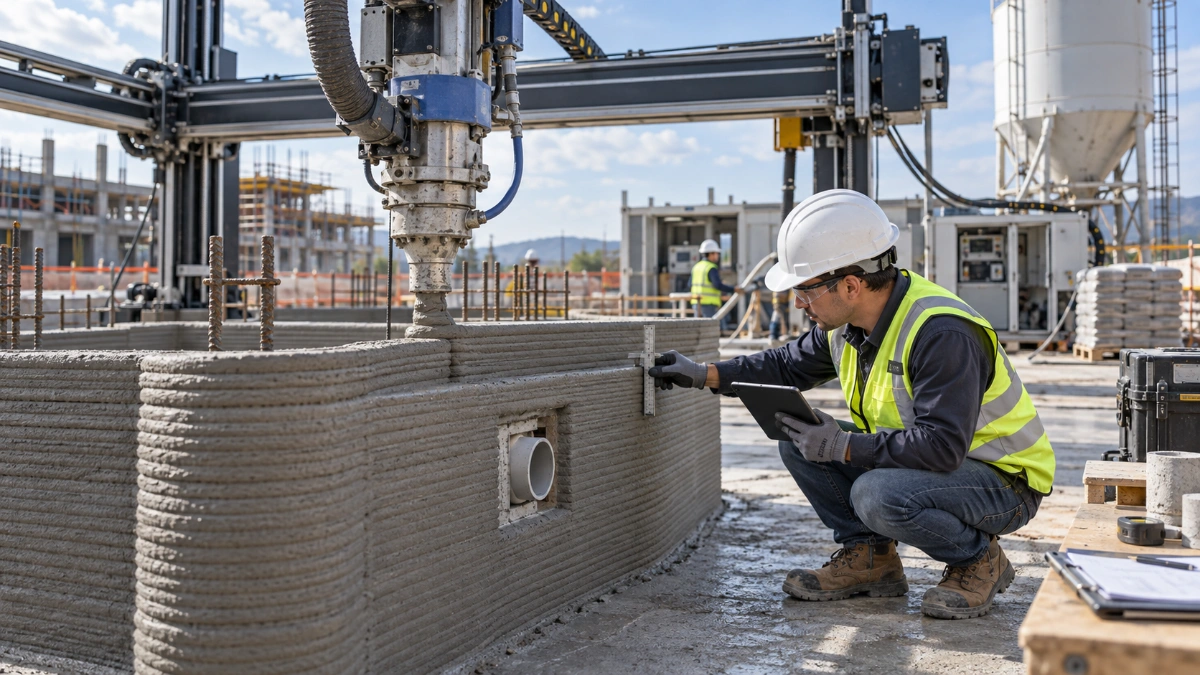
3d Printed Concrete Qa/qc: Inspection, Process Control & Acceptance


Plasticizers And Superplasticizers: How They Affect Concrete Slump

Related Checklists
Keep the workflow moving with nearby templates chosen from similar checklist content.