Louver Water Ingress and Drainage Test Checklist
Definition: Test louver assemblies for water ingress and drainage control using a structured, jobsite-ready method for façade inspectors, commissioning agents, and contractors.
- Verify water penetration resistance under controlled spray and pressure.
- Confirm drainage paths, weeps, and discharge performance without ponding.
- Document readings, photos, and videos for traceable acceptance decisions.
- Interactive, commentable checklist with export and QR code audit trail.
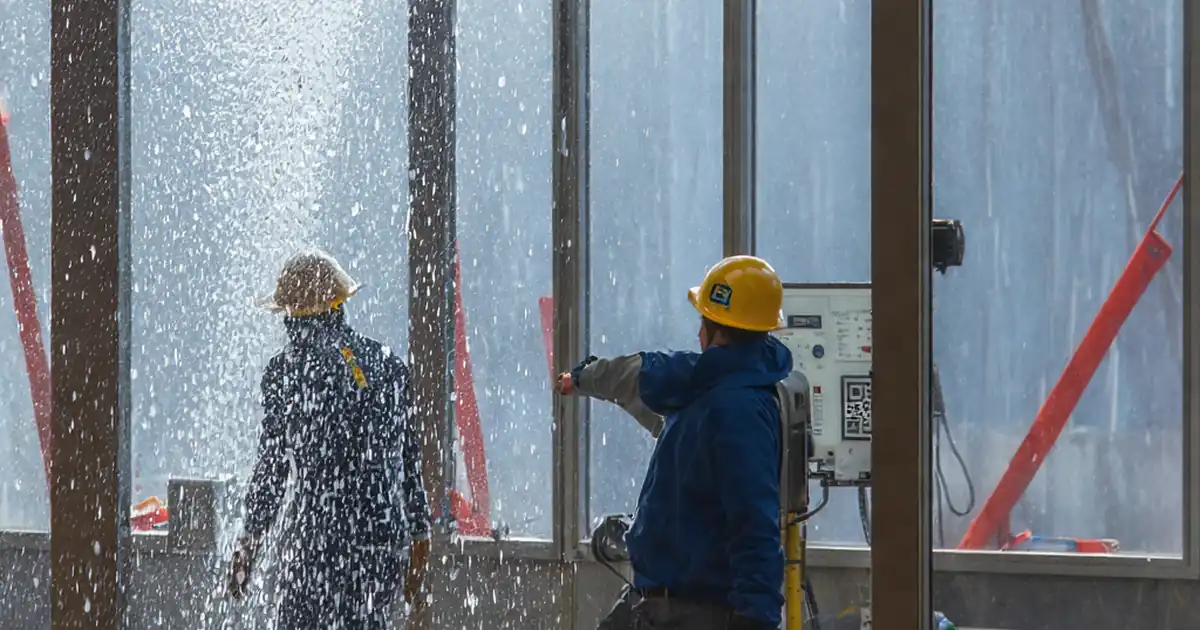
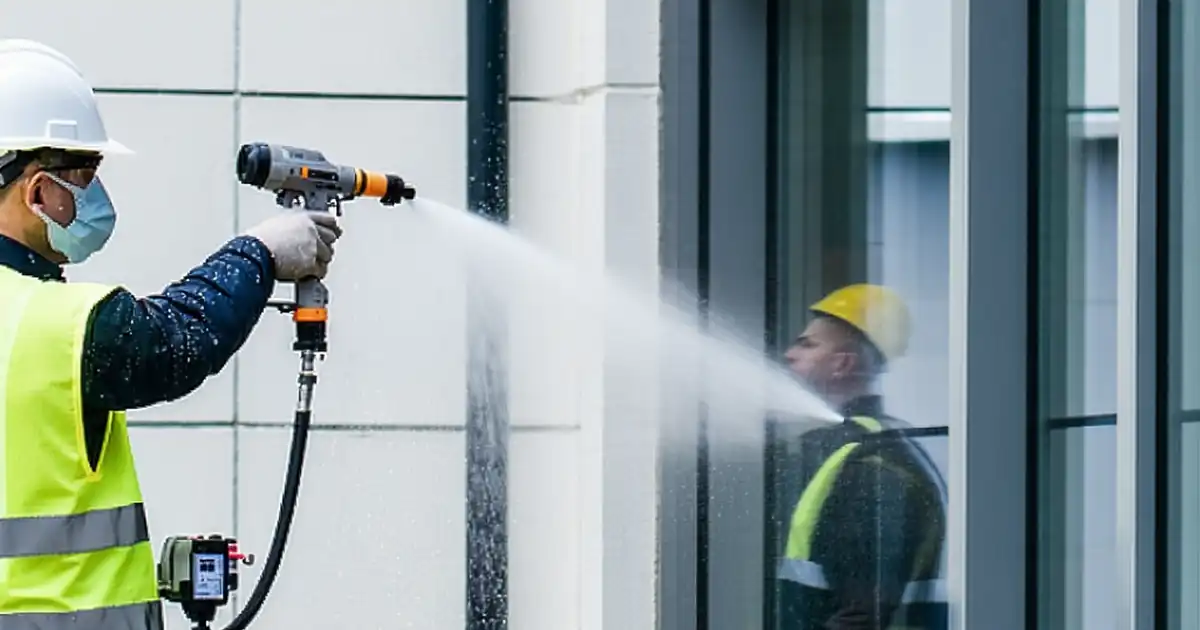
Test louver assemblies for water ingress and drainage control is a targeted, field-ready procedure for exterior, vertical, wall-mounted louvers. This checklist supports louver water penetration testing and drainage verification by guiding you through calibrated spray rack setup, controlled pressure differentials, and objective evidence capture. You will verify that no free water passes the interior plane and that all collected water drains via designed paths without ponding or backflow. The scope excludes acoustic, airflow performance ratings, or structural load testing; it focuses strictly on water entry, leakage pathways at joints and fasteners, and the effectiveness of weeps and channels. Following these steps reduces rework, protects interior finishes, and confirms workmanship against approved project specifications and authority requirements. Typical outputs include uniform spray validation, stable differential pressure logs, timed drain-down observations, and a complete photo/video record. Use this interactive checklist to tick off tasks, add comments, attach evidence, and export to PDF/Excel; a QR code secures your record for audits and handover.
- Establishes a consistent field method to evaluate louver water penetration and drainage behavior under calibrated spray rates and controlled pressure differentials, preventing ambiguous outcomes and enabling quick acceptance or targeted remediation.
- Defines practical acceptance cues: no free water beyond the interior plane, uniform spray delivery within tolerance, stable pressure, clear weep discharge, and drain-down within defined time limits, all supported by photos, videos, and logged readings.
- Delivers a defensible record set with flow, pressure, and duration tracking, mapped leak locations, and verified drain paths, aligning with approved project specifications and authority requirements while minimizing disruption to adjacent work areas.
- Interactive online checklist with tick, comment, and export features secured by QR code.
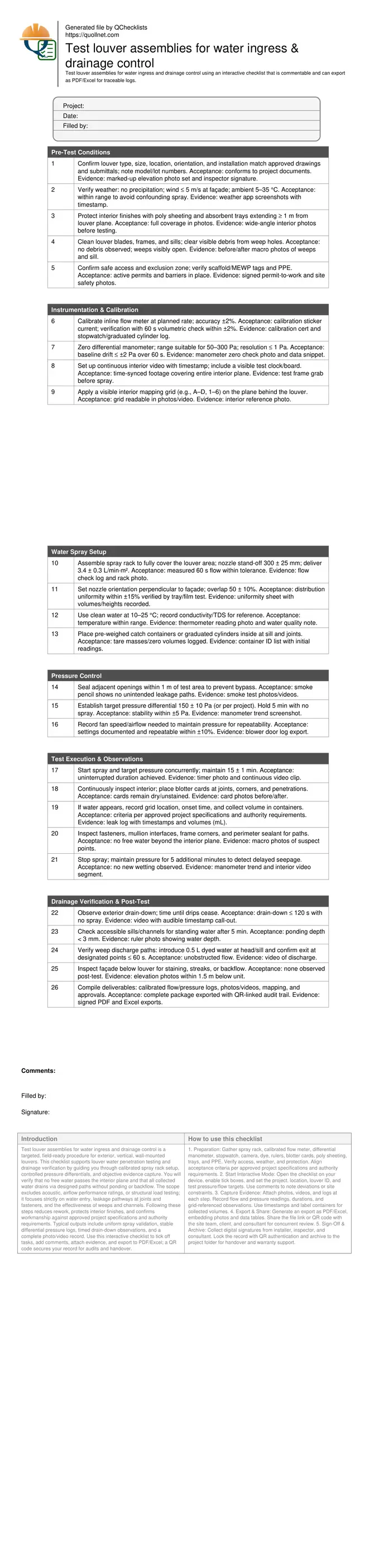
Pre-Test Conditions
Instrumentation & Calibration
Water Spray Setup
Pressure Control
Test Execution & Observations
Drainage Verification & Post-Test
Why controlled water and pressure matter for louver verification
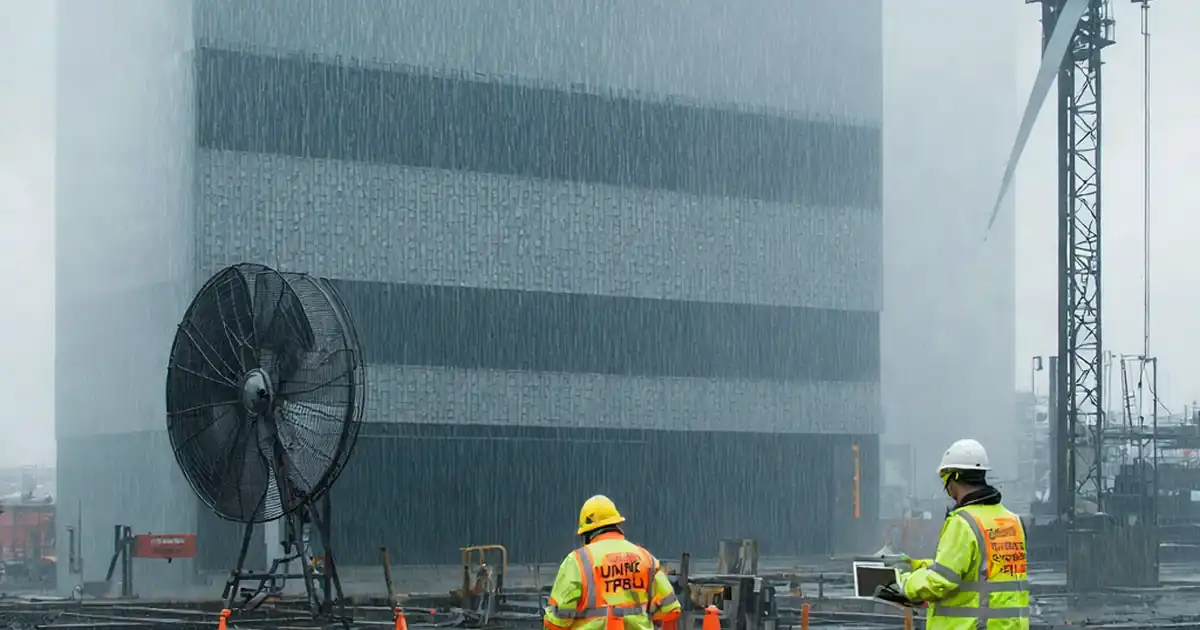
Louvers are designed to shed rain and control intake/exhaust air, but misaligned blades, blocked weeps, or poor perimeters can allow water to bypass into the building. A reliable assessment pairs a uniform spray with a measured pressure differential, simulating wind-driven rain without guesswork. This checklist standardizes setup—flow rates, nozzle overlap, stand-off distance, and temperature—so results remain repeatable across test days and teams. It also emphasizes interior protection and mapping, allowing you to pinpoint leakage pathways to fasteners, frame corners, or cladding interfaces. By collecting volumetric evidence and timestamps, you turn subjective observations into actionable data for acceptance or remediation. The process is intentionally focused on water ingress and drainage behavior only; it does not rate airflow performance or acoustics. Use the acceptance cues to decide when a unit passes: dry interior plane, compliant spray/pressure stability, and documented drain paths that clear quickly.
- Uniform spray and stable pressure produce repeatable, defensible results.
- Interior mapping grids localize leakage for targeted fixes.
- Evidence includes logs, photos, videos, and measured volumes.
- Scope excludes airflow ratings and acoustic performance.
Achieving uniform spray and trustworthy measurements on site
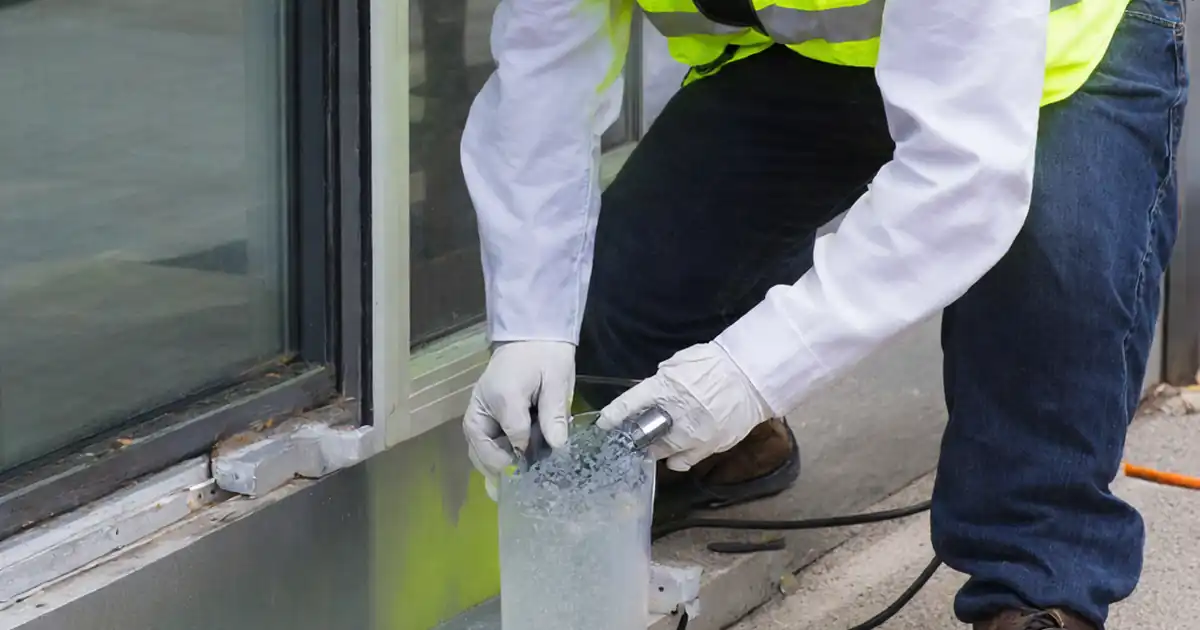
Variability in spray delivery is the most common source of disputed results. Confirm the total flow with a timed volumetric check and verify distribution uniformity using a tray or film pattern test. Keep the nozzle stand-off within tolerance and perpendicular to the façade to avoid shadowing behind blades. Temperature affects water viscosity and spray patterns; stay within the specified range. On the pressure side, zero the manometer, confirm resolution, and hold the setpoint steady. Logging the fan speed/airflow needed to maintain pressure helps you replicate conditions for retests or adjacent units. During execution, synchronize video with a visible timer and use blotter cards at risk points for quick pass/fail cues. After the spray stops, maintain pressure briefly to reveal slow seepage that appears after drain films thin out. These careful controls ensure that any recorded leakage is due to the assembly, not test artifacts.
- Flow and uniformity checks prevent false failures.
- Perpendicular nozzles reduce blade shadowing artifacts.
- Stable pressure confirms assembly-driven outcomes.
- Synchronized video and timers aid review and disputes.
Drainage behavior: weeps, channels, and acceptable dry-down
Even leak-free louvers must move incidental water safely to the exterior. Clear weep paths and well-formed channels limit retention and staining. After spray, a short observation confirms whether drips cease promptly and if any ponding persists in sills. Lightly dyed water helps visualize flow to intended discharge points without staining the façade. Where access is possible, measure residual depths with a small ruler and document with photos. Staining trails below a louver often signal intermittent overflow or misrouted discharge; note these for corrective action. Acceptance typically requires drain-down within a defined time window, minimal residual water, and zero backflow. Always align final judgments with the approved project specifications and authority requirements. Thorough drainage verification reduces callbacks, keeps façades clean, and prevents moisture accumulation that could damage adjacent materials over time.
- Drain paths should clear quickly after spray stops.
- Dyed water confirms intended discharge routes.
- Ponding depth limits indicate effective channeling.
- Document any staining or backflow for remediation.
How to Use This Interactive Checklist
- Preparation: Gather spray rack, calibrated flow meter, differential manometer, stopwatch, camera, dye, rulers, blotter cards, poly sheeting, trays, and PPE. Verify access, weather, and protection. Align acceptance criteria per approved project specifications and authority requirements.
- Start Interactive Mode: Open the checklist on your device, enable tick boxes, and set the project, location, louver ID, and test pressure/flow targets. Use comments to note deviations or site constraints.
- Capture Evidence: Attach photos, videos, and logs at each step. Record flow and pressure readings, durations, and grid-referenced observations. Use timestamps and label containers for collected volumes.
- Export & Share: Generate an export as PDF/Excel, embedding photos and data tables. Share the file link or QR code with the site team, client, and consultant for concurrent review.
- Sign-Off & Archive: Collect digital signatures from installer, inspector, and consultant. Lock the record with QR authentication and archive to the project folder for handover and warranty support.
Call to Action
- Start Checklist Tick off tasks, leave comments on items or the whole form, and export your completed report to PDF or Excel—with a built-in QR code for authenticity.
- Download Excel - Louver Water Ingress & Drainage Testing
- Download PDF - Louver Water Ingress & Drainage Testing
- View Image - Louver Water Ingress & Drainage Testing
Cite & Embed
“Louver Water Ingress & Drainage Testing by Quollnet”
with a link to
this source page.

FAQ
Question: How long does a single louver water ingress and drainage test take?
Question: What if wind or weather conditions are outside the recommended limits?
Question: Can I conduct the test from the interior only?
Question: How should I interpret minor dampness behind the louver after testing?
Related Articles
Broader reading and guidance connected to this checklist topic.

Plasticizers And Superplasticizers: How They Affect Concrete Slump

Concrete Cube Curing: Site Storage, Water Tank & Laboratory Requirements


Related Checklists
Keep the workflow moving with nearby templates chosen from similar checklist content.