Façade GRC/GFRC Panel Support and Movement Review
Definition: Review façade GRC or GFRC panel support and movement accommodation equips façade inspectors and engineers to verify brackets, anchors, subframes, and joints for safe movement, durability, and warranty-ready documentation.
- Verify load paths, fixings, and joints against movement and tolerances.
- Reduce cracking, rattling, and water ingress through documented acceptance checks.
- Use gauges, torques, and alignment tools for measurable, repeatable results.
- Interactive, commentable checklist; export PDF/Excel; secure sign-off via QR code.
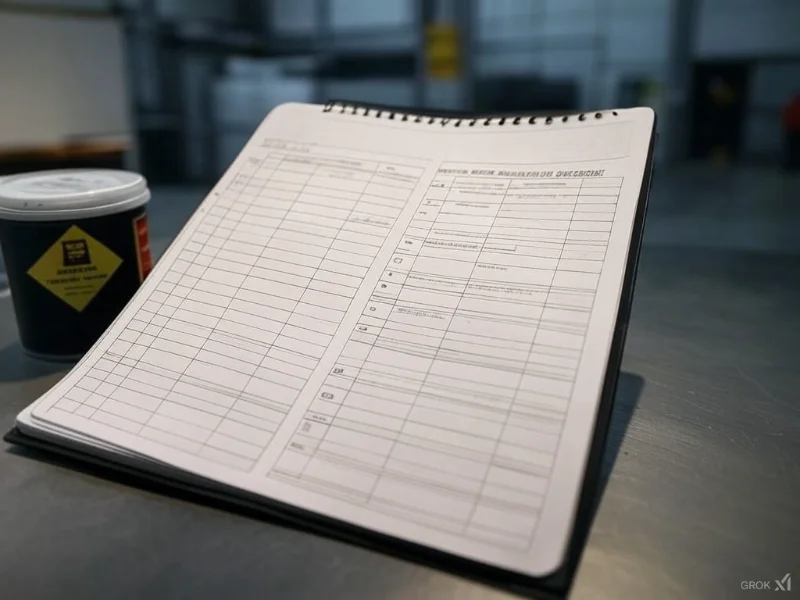
Review façade GRC or GFRC panel support and movement accommodation ensures your façade’s load paths and joints allow controlled movement without distress. This checklist focuses on GFRC/GRC fixing inspection, bracket and anchor verification, and movement joint detailing for rainscreen or cladding façades. It excludes unrelated works such as internal linings or alternate cladding systems. By validating brackets, rails, fixed and sliding points, and sealant joints, you reduce risks of cracking, spalling, rattling, water ingress, bimetallic corrosion, and warranty failures. You will confirm tolerances with lasers and gauges, verify torque with calibrated tools, and document batch numbers, cure times, and as-built surveys. The outcome is an aligned, drainable, and resilient panelized façade that accommodates thermal, creep, and building-frame movements per approved project specifications and authority requirements. Use this interactive checklist on any device: tick items, add comments and photos, and export to PDF/Excel with a QR-secured sign-off for traceable, auditable QA.
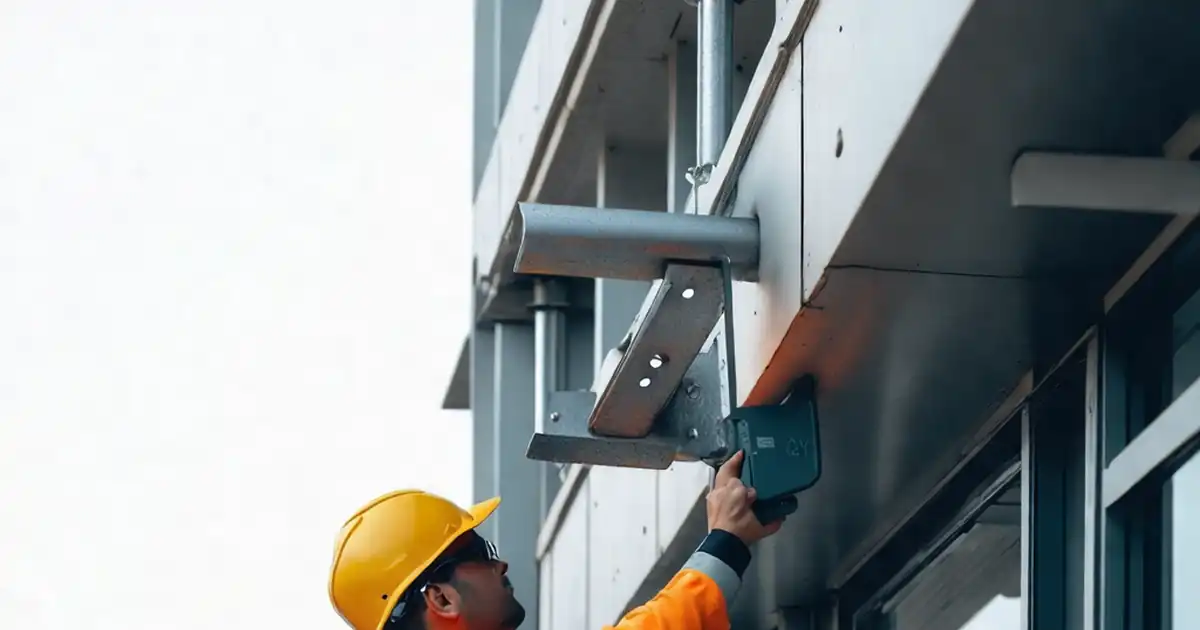
- Ensure continuous load paths from GFRC/GRC panels through brackets and rails into the primary structure. Verify anchor types, edge distances, torque, and bearing with measurable evidence, preventing overstress, slippage, and premature cracking during thermal cycles, wind events, and serviceability movements.
- Control movement by confirming fixed and sliding points, slot clearances, joint widths, and compliant sealant geometry. Correct isolation between metals and concrete mitigates corrosion, while validated weep paths and backer rods maintain pressure equalization and drainage performance across changing temperatures and humidity.
- Interactive online checklist with tick, comment, and export features secured by QR code. Add photos, measurements, torque logs, and approvals in real time, then produce PDF/Excel exports for consultants, fabricators, and authorities, improving transparency, closeout speed, and long-term maintainability.
- Achieve alignment and visual quality with laser surveys and feeler-gauge checks, holding plumb, level, and straightness tolerances. Capture as-built offsets, panel IDs, batch numbers, and calibration certificates so defects can be traced quickly and corrective actions verified without rework or program impacts.
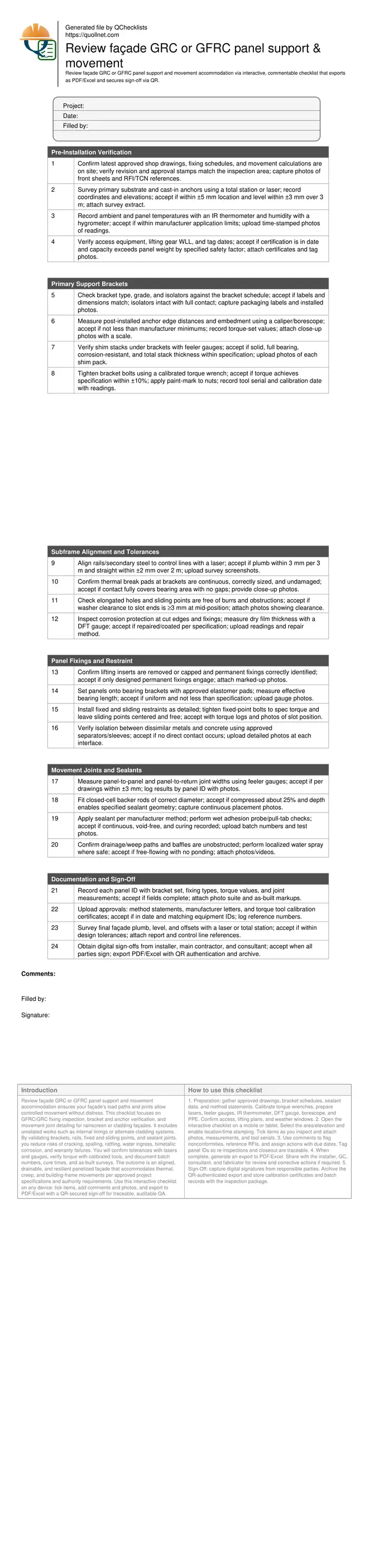
Pre-Installation Verification
Primary Support Brackets
Subframe Alignment and Tolerances
Panel Fixings and Restraint
Movement Joints and Sealants
Documentation and Sign-Off
Load Paths, Brackets, and Anchors
Reliable GFRC/GRC façades begin with verified load paths from panel to bracket, through rails, and into the structure. Each connection must be identifiable, isolated where required, and tightened to documented torque using calibrated tools. Anchor placement should respect manufacturer edge distances and embedment to avoid cone failures. Shim packs need full bearing and corrosion resistance; avoid compressible or stacked ad-hoc materials that introduce rotation. Survey rails plumb and straight with lasers before any panel touches the frame. Treat cut edges and penetrations to maintain corrosion protection. Throughout, capture photo evidence with scales, record torque readings, and log tool serials and calibration dates. These controls prevent slippage, cracked corners, and creaking noises under wind or thermal cycling, while giving consultants confidence during witness inspections and closeout.
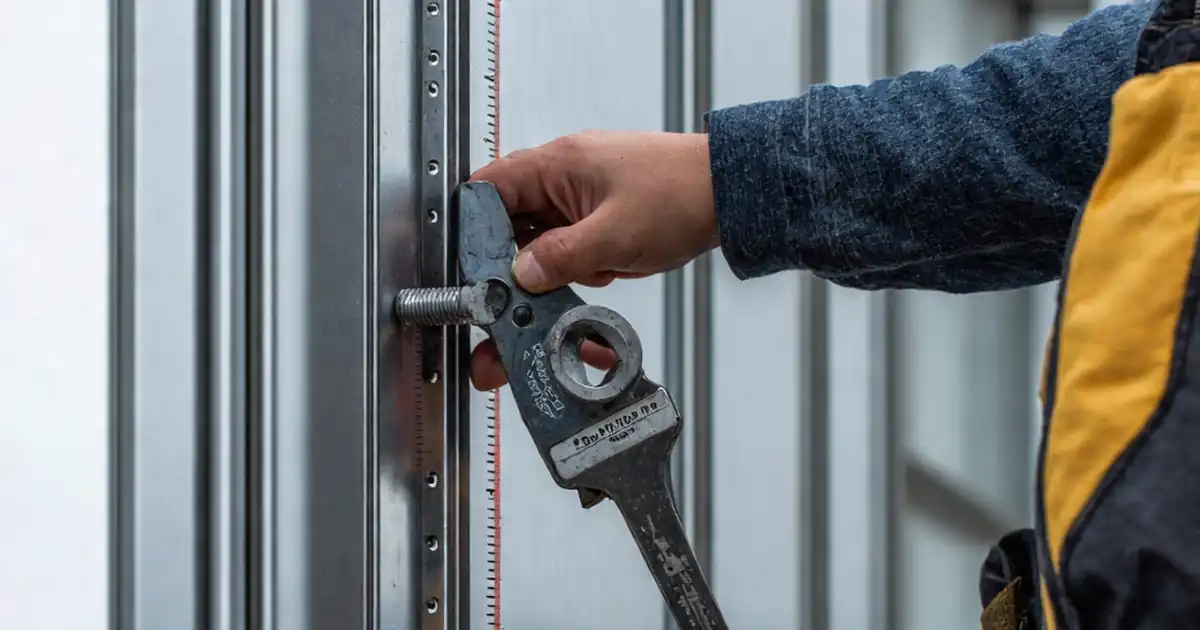
- Use calibrated torque wrenches; record readings and serial numbers.
- Maintain manufacturer edge distances and embedment for anchors.
- Shim with solid, corrosion-resistant materials in full bearing.
- Survey rails plumb within 3 mm per 3 m.
- Repair coatings at cuts; verify dry film thickness.
Fixed Points, Sliding Points, and Joint Strategy
Movement accommodation relies on a clear strategy: establish fixed points to locate the panel, then allow sliding or slotted restraints to absorb thermal and frame movements. Confirm washers and bolts do not choke slots, and check that mid-position clearances exist at installation temperature. Joint widths should match drawings, acknowledging tolerances and seasonal conditions. Backer rods set the correct sealant geometry; sealants need batch tracking, cure logs, and adhesion checks. Maintain isolation between metals and concrete to prevent galvanic corrosion and fretting. Drainage and pressure-equalization gaps must remain open; add baffles where detailed. Accurate, photographed measurements and material traceability are essential for warranty support and future maintenance planning.
- Fix one point; keep other restraints sliding and centered.
- Measure joint width with feeler gauges and document.
- Fit backer rods for consistent sealant depth control.
- Keep slots clean; avoid washer contact at slot ends.
- Maintain isolation to prevent bimetallic corrosion.
Tolerances, Surveying, and Evidence Capture
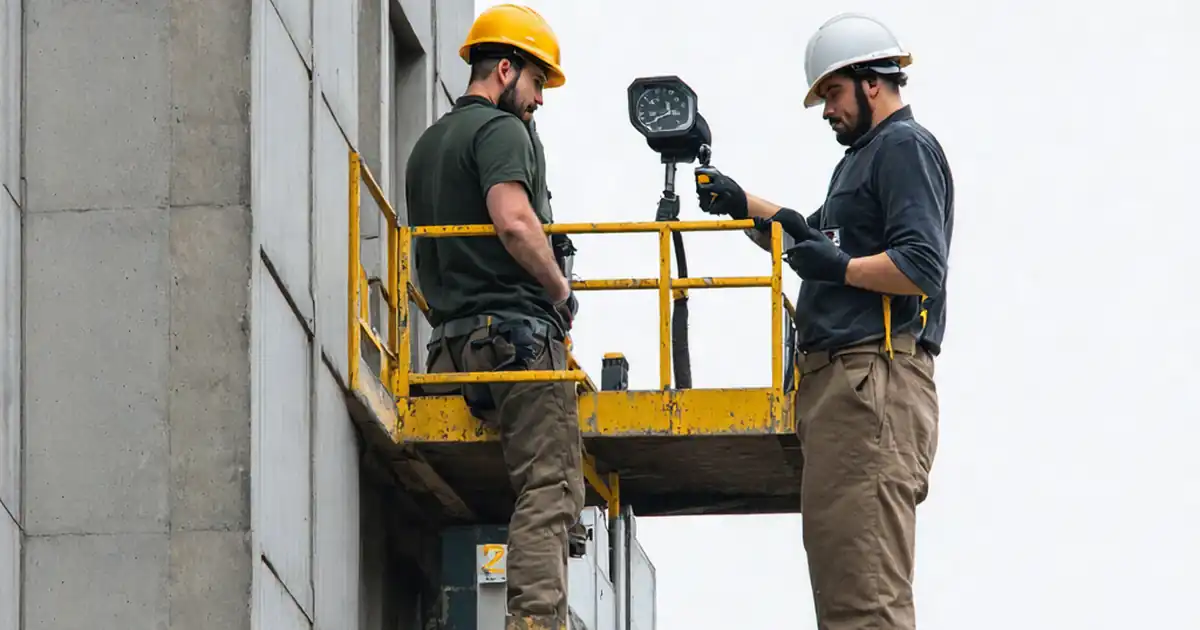
Before and after panel installation, confirm alignment with lasers or total stations. Record plumb, level, straightness, and façade offsets against control lines. Use feeler gauges for joint checks and calipers/borescopes for anchors. Environmental conditions influence sealant curing and thermal positions; log temperature and humidity to contextualize measurements. Where specifications give ranges, note the achieved value, tool used, and acceptance result. Photos should include scales and panel IDs to speed reviews. Collate torque logs, batch numbers, and inspection sign-offs into a single export. This approach limits rework, prevents program slippage, and gives clear traceability for authorities and warranty providers.
- Survey and record to defined control lines.
- Include scales and IDs in all photos.
- Log temperature and humidity during sealing.
- Export complete torque and batch records.
- Note achieved values against tolerances.
How to Use This Checklist On Site
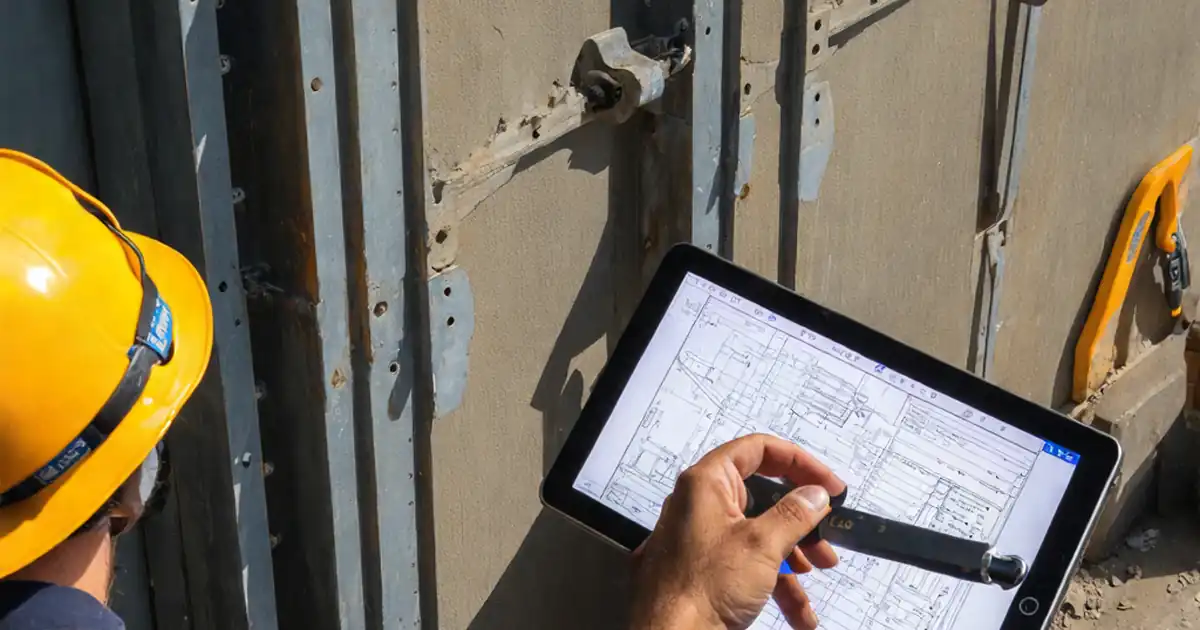
- Preparation: gather approved drawings, bracket schedules, sealant data, and method statements. Calibrate torque wrenches, prepare lasers, feeler gauges, IR thermometer, DFT gauge, borescope, and PPE. Confirm access, lifting plans, and weather windows.
- Open the interactive checklist on a mobile or tablet. Select the area/elevation and enable location/time stamping. Tick items as you inspect and attach photos, measurements, and tool serials.
- Use comments to flag nonconformities, reference RFIs, and assign actions with due dates. Tag panel IDs so re-inspections and closeout are traceable.
- When complete, generate an export to PDF/Excel. Share with the installer, GC, consultant, and fabricator for review and corrective actions if required.
- Sign-Off: capture digital signatures from responsible parties. Archive the QR-authenticated export and store calibration certificates and batch records with the inspection package.
Call to Action
- Start Checklist Tick off tasks, leave comments on items or the whole form, and export your completed report to PDF or Excel—with a built-in QR code for authenticity.
- Download Excel - Façade GRC/GFRC Panel Support & Movement Review
- Download PDF - Façade GRC/GFRC Panel Support & Movement Review
- View Image - Façade GRC/GFRC Panel Support & Movement Review
Cite & Embed
“Façade GRC/GFRC Panel Support & Movement Review by Quollnet”
with a link to
this source page.

FAQ
Question: What tolerances should I use for GFRC panel alignment and joint widths?
Question: How do I distinguish fixed points from sliding restraints on GFRC panels?
Question: Which tools are essential to verify support and movement accommodation?
Question: What documentation supports warranty and authority approvals for GFRC façades?
Related Articles
Broader reading and guidance connected to this checklist topic.


Master Construction Project Cashflow With Cashflowpot
Download Excel Format Snag List
Related Checklists
Keep the workflow moving with nearby templates chosen from similar checklist content.