Test façade movement joints for opening range and seal continuity
Definition: Test façade movement joints for opening range and seal continuity with a structured, field-ready checklist for façade inspectors and QA teams to verify movement capability, seal adhesion, and watertight continuity on mock-ups and installed sections.
- Verify design movement range with controlled displacement and measurements.
- Confirm sealant continuity, adhesion, and watertightness under spray testing.
- Capture photos, measurements, and batch data for traceable QA acceptance.
- Interactive, commentable checklist; export results with QR code verification.
Test façade movement joints for opening range and seal continuity ensures the envelope can move as designed while remaining watertight. This checklist focuses on movement capability, sealant continuity, and water tightness for façade expansion joints and curtain wall joints. You will confirm joint width, depth, backer-rod selection, and seal adhesion before controlled cycling and water-spray verification. By using calibrated tools, representative sampling, and practical field methods, teams reduce leakage risk, prevent adhesive failure, and protect finishes and interiors. The scope covers visual inspection, controlled displacement on mock-ups or accessible segments, adhesion peel checks, and targeted borescope reviews—without drifting into unrelated façade elements or structural testing. Acceptance relies on observing the design opening range without loss of continuity and no water ingress, per approved project specifications and authority requirements. Use this interactive checklist to tick tasks, add comments, attach photos and readings, and export results to PDF/Excel through a secure QR code link.
- Validate that movement joints achieve the scheduled opening range without debonding or tearing, and confirm sealant continuity under controlled cycling and water-spray. Capture dimensions, cure status, batch numbers, and defects with photo evidence for traceable quality assurance and clear acceptance decisions aligned with project specifications.
- Reduce leakage and warranty risks by verifying the complete sealant system—joint geometry, backer rod, bond-breaker tape, tooling, and adhesion—before, during, and after movement testing. Representative sampling at mid-spans, corners, and interfaces highlights worst-case conditions and improves confidence in long-term façade performance.
- Interactive online checklist with tick, comment, and export features secured by QR code.
- Close out efficiently with a structured report: calibration certificates, environmental conditions, displacement records, spray pressures, and pass/fail outcomes. Assign corrective actions with deadlines, retest evidence, and digital sign-offs so owners and consultants can archive authenticated documentation for future audits and maintenance planning.
Pre-Test Documentation and Setup
Access and Safety
Environmental and Substrate Conditions
Visual Inspection of Sealant System
Opening Range Test (Controlled Segment/Mock-up)
Seal Continuity and Water Verification
Documentation and Close-out
Why opening range and seal continuity matter
Movement joints allow façades to expand, contract, and drift without concentrating stress. If the joint cannot open and close to the design range, the sealant may tear or debond, leading to water ingress, staining, and hidden damage. Seal continuity completes the barrier; even a small void or adhesion gap can channel water into insulation or interiors. This checklist helps teams verify joint geometry, backer rod fit, sealant cure, and adhesion prior to controlled cycling. It then validates watertightness with targeted water-spray and visual/borescope checks. Acceptance hinges on achieving the specified movement without loss of continuity and no leaks, all documented with calibrated measurements and media. The result is predictable performance, fewer call-backs, and strong warranty posture for owners and contractors.
- Design movement achieved without tearing or adhesive failure.
- Uniform seal continuity; no voids, skips, or daylight paths.
- No water ingress under defined spray pressure and duration.
- Calibrated tools and recorded conditions build traceability.
Practical methods and acceptance cues in the field
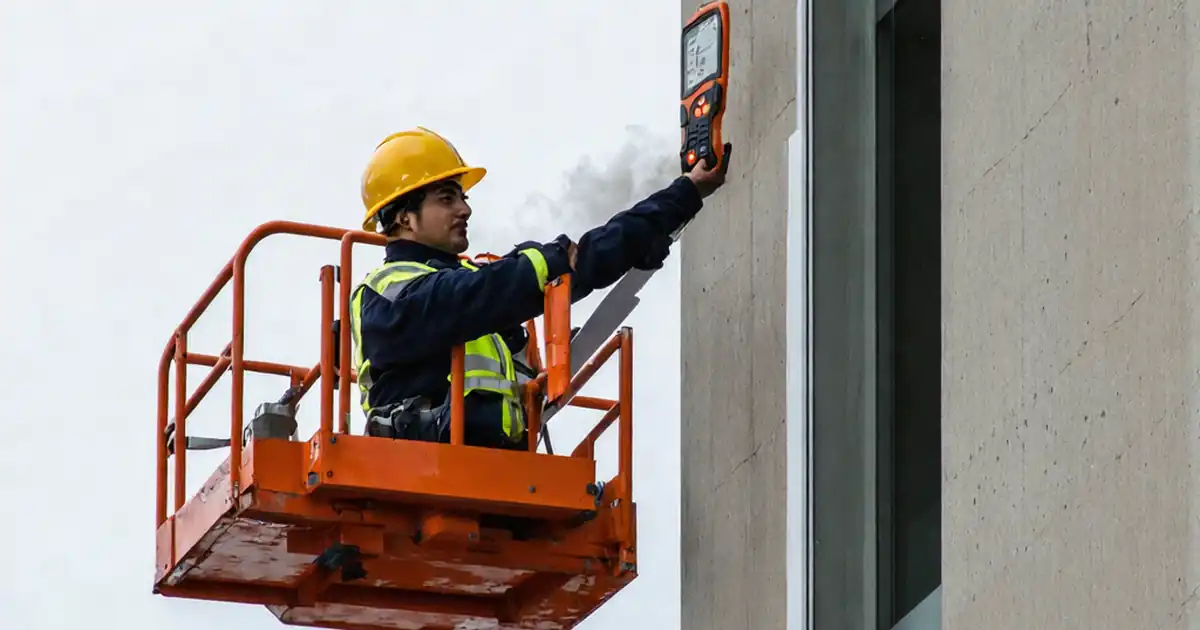
On-site testing focuses on representative joints and mock-ups where controlled cycling is safe. Use a displacement gauge with a screw jack or spreader to reach the scheduled maximum and minimum openings, holding each position to observe the seal. Record permanent set after cycling to gauge recovery. Visual checks should confirm proper depth, hourglass profile, and flank cleanliness, with backer rod size 25–30% larger than joint width. Continuity probing with a rounded spatula identifies soft spots without damaging the bead. Water-spray testing at a documented pressure and distance verifies the weather seal; observe interior faces continuously. For adhesion, a small peel test on mock-ups or sacrificial zones should produce cohesive rather than adhesive failure. Acceptance is always per the approved specification and project requirements.
- Measure widths and depth; compare against joint schedule.
- Cycle min-to-max with recorded displacement and dwell times.
- Probe continuity, then verify with controlled water-spray.
- Adhesion peel: cohesive failure is acceptable evidence.
Typical defects, their causes, and fixes
Common failures include adhesive debonds at contaminated flanks, cohesive tears from underfilled joints, and voids caused by poor gun technique or oversized beads. Excessive bulging or extrusion during compression suggests incorrect backer rod or insufficient depth. Daylight behind the bead points to discontinuities at corners or substrate steps. To fix, remove defective sealant to sound edges, clean and prime where specified, install correctly sized backer rod or bond-breaker tape, and re-apply sealant with proper tooling. Recheck cure status before retesting. Reinforce craft quality by reviewing batch numbers, expiry dates, and environmental limits. Close out only after retesting shows the design opening range is met and no water ingress occurs, with all evidence attached to the checklist and signed by responsible parties.
- Debonding: contamination or missing primer at flanks.
- Voids/pinholes: poor application or trapped debris.
- Bulging/extrusion: wrong backer rod size or depth.
- Discontinuities: corners, interfaces, or step changes.
How to use this interactive checklist
- Preparation: gather drawings/specs, joint schedule, manufacturer datasheets, and calibration certificates. Mobilize tools (calipers, displacement gauge, thermohygrometer, spray rig), access equipment, PPE, and a borescope for concealed views.
- Create test locations: assign unique IDs to mock-ups and representative joints, upload overview photos, and set acceptance criteria per approved project specifications and authority requirements.
- Switch to interactive mode: open the digital checklist, select the location, and begin logging measurements. Attach photos/videos and note environmental readings directly in the fields.
- Tick items as completed and add comments for any variance or defect. Tag responsible parties and propose corrective actions with target dates.
- Export mid-test snapshots to PDF/Excel for coordination meetings. Share the link or QR code with stakeholders for quick access to current records.
- After rectification, duplicate the test run and perform retests. Attach before/after evidence and mark items as passed when acceptance cues are met.
- Sign-Off: capture digital signatures from the inspector, contractor, and consultant. Finalize the report, archive it to the project system, and verify QR authentication on-site.
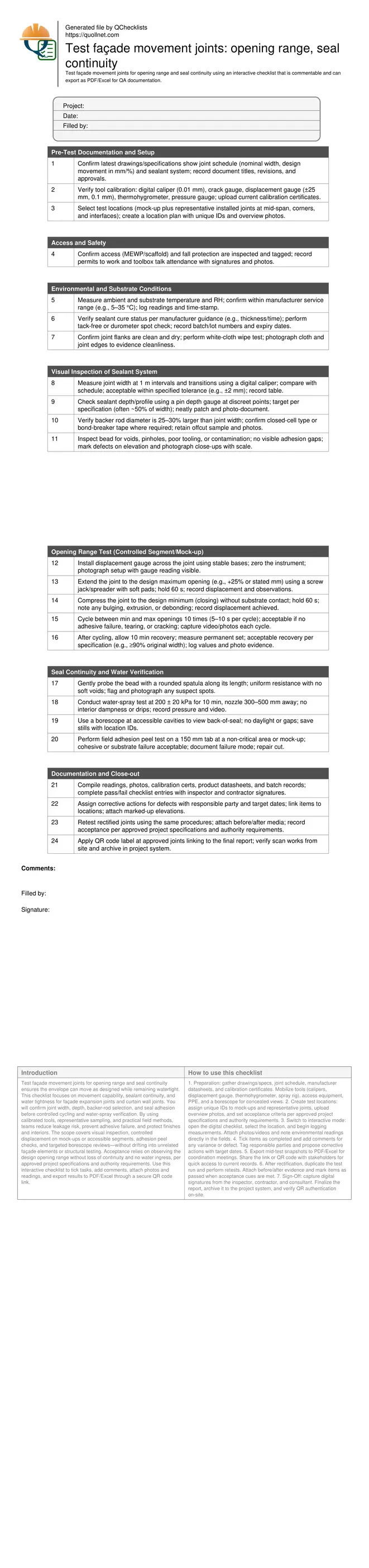
Call to Action
- Start Checklist Tick off tasks, leave comments on items or the whole form, and export your completed report to PDF or Excel—with a built-in QR code for authenticity.
- Download Excel - Façade Movement Joint Opening & Seal Continuity Test
- Download PDF - Façade Movement Joint Opening & Seal Continuity Test
- View Image - Façade Movement Joint Opening & Seal Continuity Test
Cite & Embed
“Façade Movement Joint Opening & Seal Continuity Test by Quollnet”
with a link to
this source page.

FAQ
Question: How many joints should I test to represent the façade?
Question: What if the sealant has not fully cured before testing?
Question: Can I perform movement cycling on installed façades safely?
Question: How do I verify continuity when I can’t see behind the bead?
Related Articles
Broader reading and guidance connected to this checklist topic.


Plasticizers And Superplasticizers: How They Affect Concrete Slump
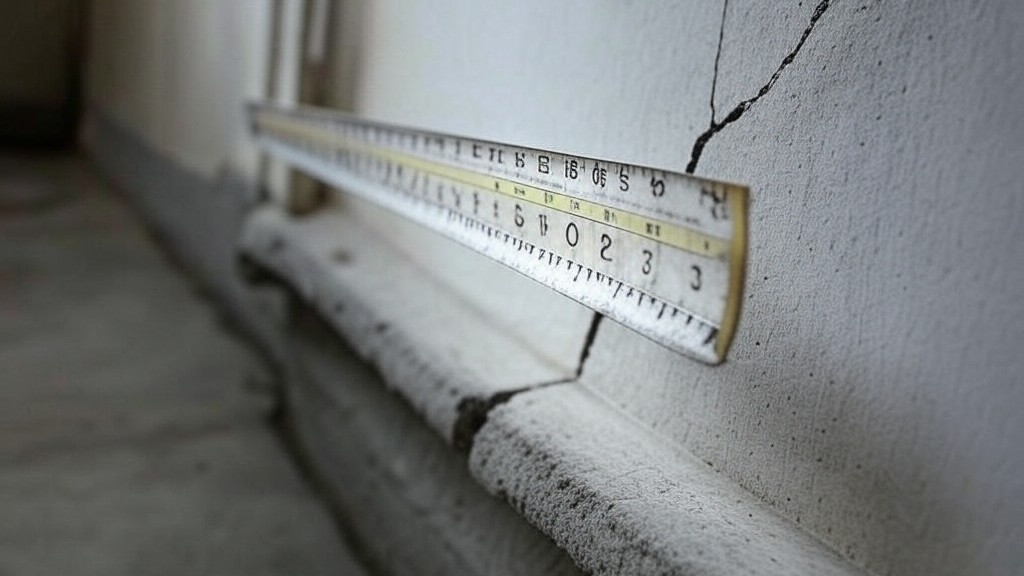
Is The Crack You See On Your Wall Serious Or Minor Cosmetic Issue?

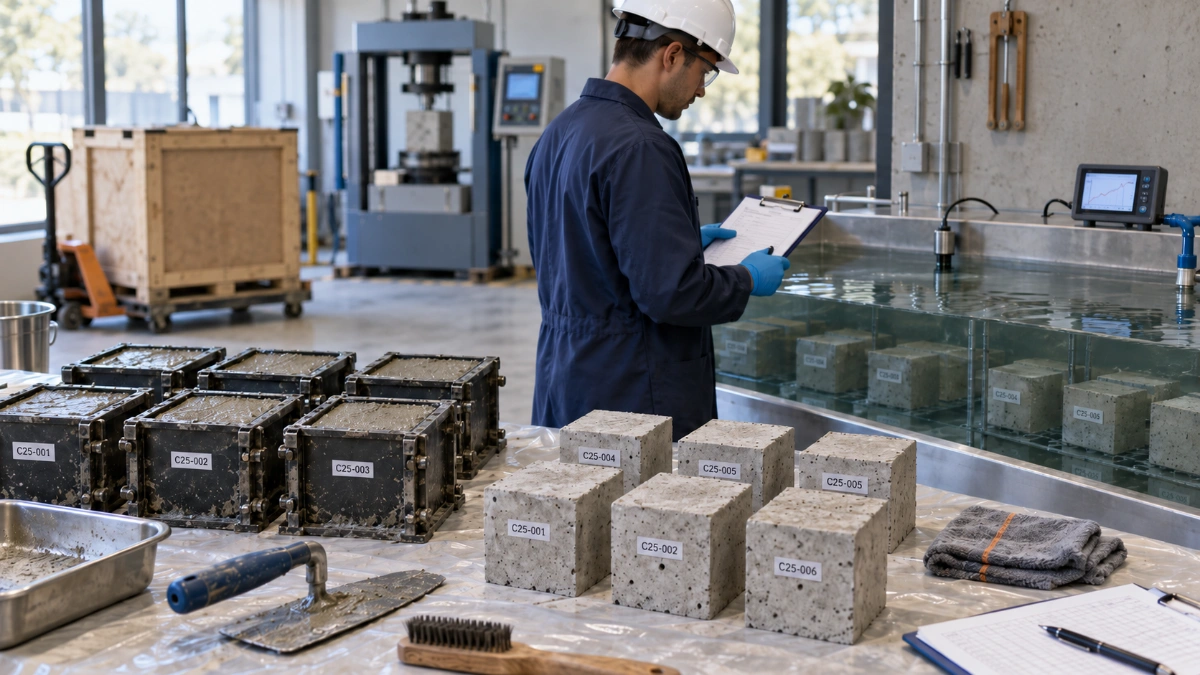
Concrete Cube Curing: Site Storage, Water Tank & Laboratory Requirements
Related Checklists
Keep the workflow moving with nearby templates chosen from similar checklist content.