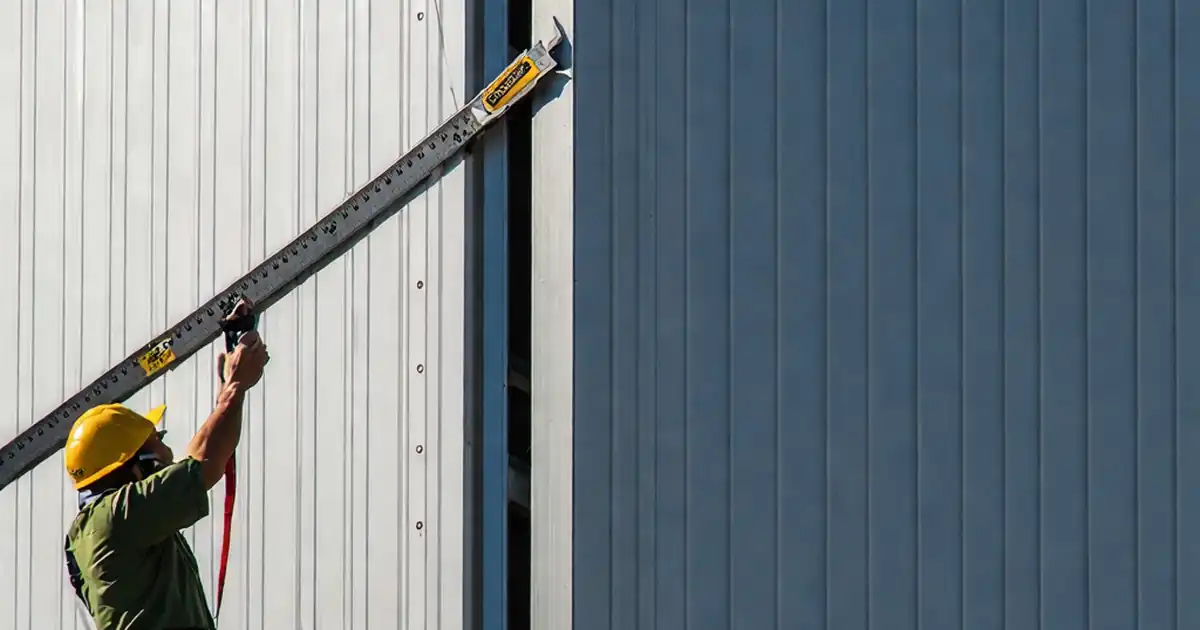
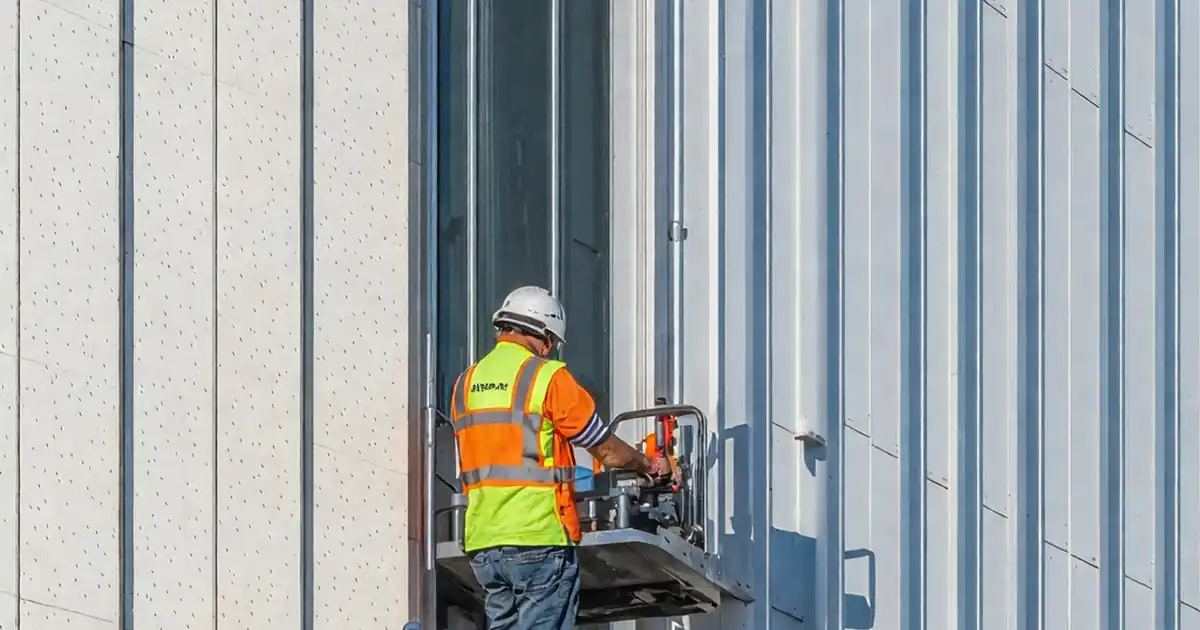
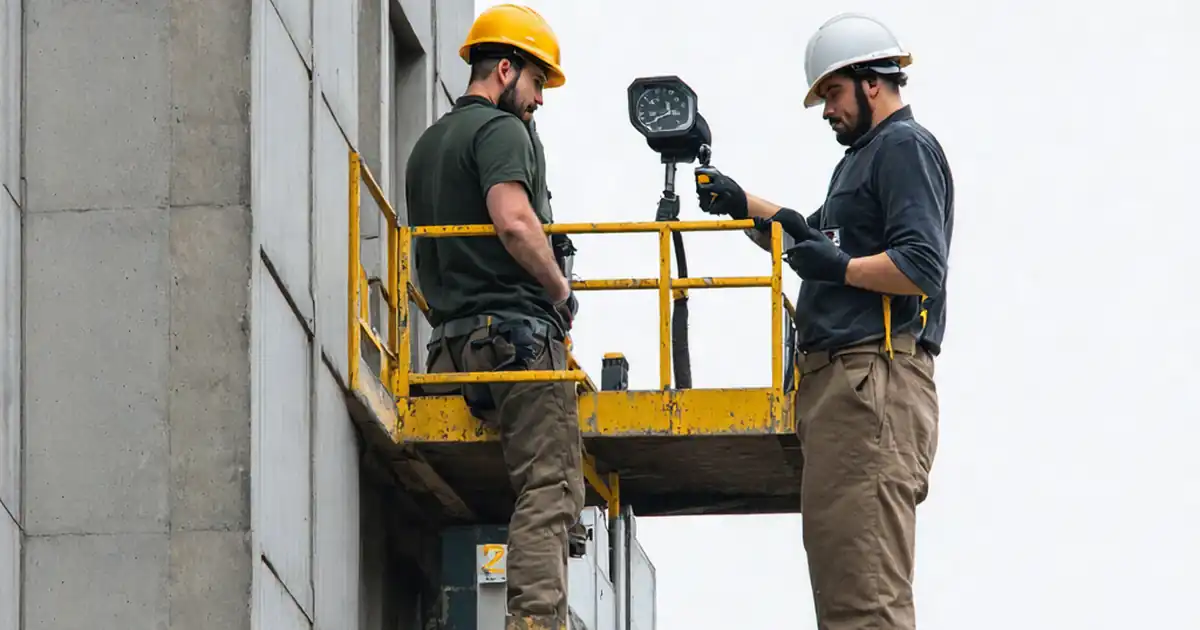
Inspect Stone Cladding Corner Returns & Edge Supports
Definition: Inspect stone cladding corner returns and edge support details guides facade inspectors to verify geometry, fixings, tolerances, sealants, and drainage so corners remain aligned, durable, safe, and compliant.
- Verify mitred or L-returns, anchors, and joints meet tolerances.
- Confirm edge supports provide bearing, restraint, and drainage paths.
- Capture torque, dimensions, photos, and approvals for traceability.
- Interactive, commentable, export-ready checklist with QR code verification.
Inspect stone cladding corner returns and edge support details to ensure aligned, durable corners and reliable load paths. This checklist focuses on natural stone facades where mitred returns, L-shaped corner units, kerf/undercut anchors, and edge restraints control movement, wind loads, and water management. You will verify shop drawings, substrate flatness, anchor positioning, bearing lengths, joint widths, sealant backer-rod depth, drainage provisions, and corrosion isolation using laser levels, gauges, torque wrenches, and calibrated tapes. By containing scope to visible corner returns and edge supports, it avoids mixing unrelated topics like mid-panel fixings or full-system testing. Executing these inspections reduces risks of cracked mitres, spalled edges, loose panels, water ingress, galvanic corrosion, and out-of-plane creep. When completed, you’ll have measurable evidence—dimensions, torque logs, batch data, and geo-tagged photos—showing conformance per approved project specifications and authority requirements. Start in interactive mode: tick items, add comments, and export PDF/Excel with a secure QR link.
- Use this focused checklist to validate stone corner returns and edge supports, including substrate flatness, anchor placement, bearing, joints, sealants, and drainage. Evidence-based steps reduce cracking, water ingress, and out-of-plane misalignment.
- Dimensioned tolerances, torque logging, and photo documentation give objective acceptance criteria. Inspectors can quickly isolate defects such as inadequate bearing, misaligned mitres, blocked weeps, or missing isolators and request targeted corrective actions.
- Interactive online checklist with tick, comment, and export features secured by QR code.
- Aligned with approved project specifications and authority requirements, this workflow captures batch data, certificates, and as-built photos, creating a traceable record for handover and warranty closeout while improving facade reliability and lifecycle performance.
Pre-Inspection Documents & Layout
Materials & Fabrication
Corner Returns Installation
Edge Support Details Installation
Alignment, Tolerances & Fixings
Sealing, Drainage & Protection
Why corner returns and edge supports matter
Corner returns and edge supports determine how stone cladding carries gravity, wind, and thermal movements where stresses concentrate. Properly detailed mitred or L-shaped returns must align planes, maintain uniform joints, and transfer loads into brackets or angles without crushing edges. Edge supports define bearing, restraint, drainage, and corrosion isolation. Poor execution leads to cracked mitres, spalled arrises, rattling panels, and water ingress. Inspectors should trace the load path: stone to anchors, brackets or rails, substrate, and finally structure. Acceptance cues include adequate bearing (often two-thirds panel thickness), correct anchor edge distances, and slip allowances for movement. Drainage paths and sealant geometry complete the weathering strategy. On site, use straightedges, lasers, torque wrenches, and gauges to measure rather than eyeball. Photograph each corner, capture torque logs, and verify materials against approvals per approved project specifications and authority requirements. This evidence-driven approach protects performance and warranties.
- Trace load paths and verify bearing with isolators.
- Measure mitre alignment and joint uniformity objectively.
- Confirm anchor positions, torque, and movement allowances.
- Ensure drainage and sealants follow approved details.
Measuring tolerances and documenting acceptance
Consistent, quantifiable tolerances remove ambiguity. Start by checking substrate flatness with a 2 m straightedge, then set datums using a calibrated laser. For corners, compare reveals and planes with a straightedge and square, limiting mismatch to a defined millimetre value. Joint widths should be sampled at multiple heights and sides using a joint gauge. Verify anchor embedment and edge distances with templates and depth gauges; log torque within the manufacturer’s tolerance window. Record sealant installation parameters—backer rod size, bead dimensions, and tack-free time—against datasheets. Always link evidence to a gridline and level, then tag the component (corner ID, panel mark). Upload batch certificates for metalwork and adhesives. Where values deviate, propose corrective actions and re-inspect after adjustment. This structured documentation builds a defensible handover package while ensuring the facade performs as designed under service loads and environmental cycling.
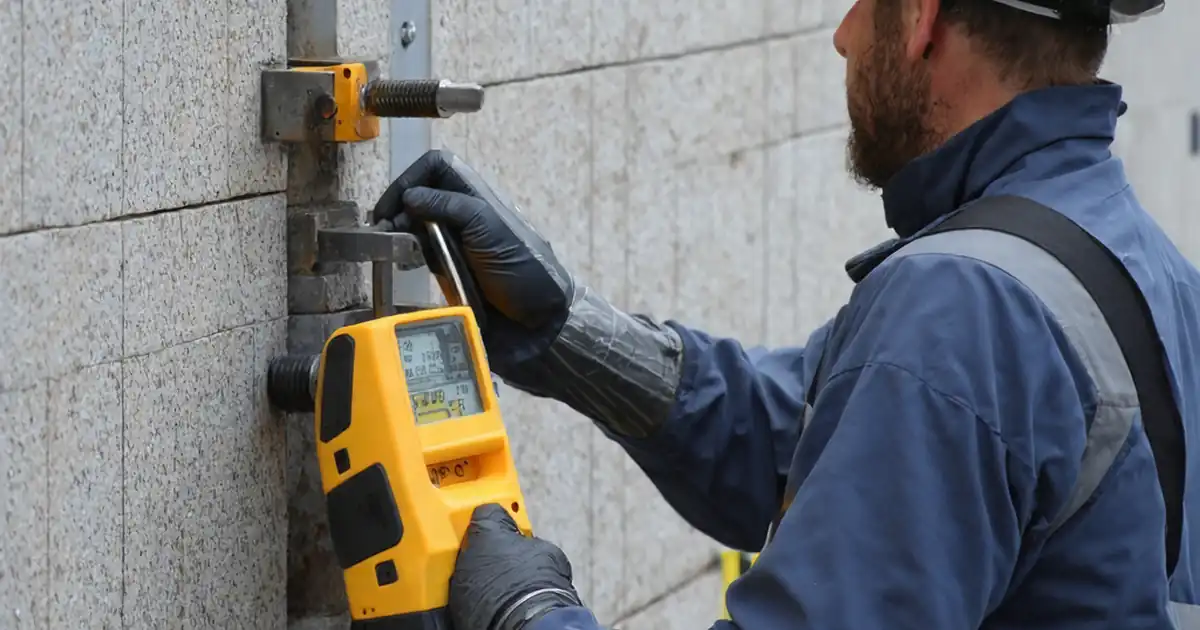
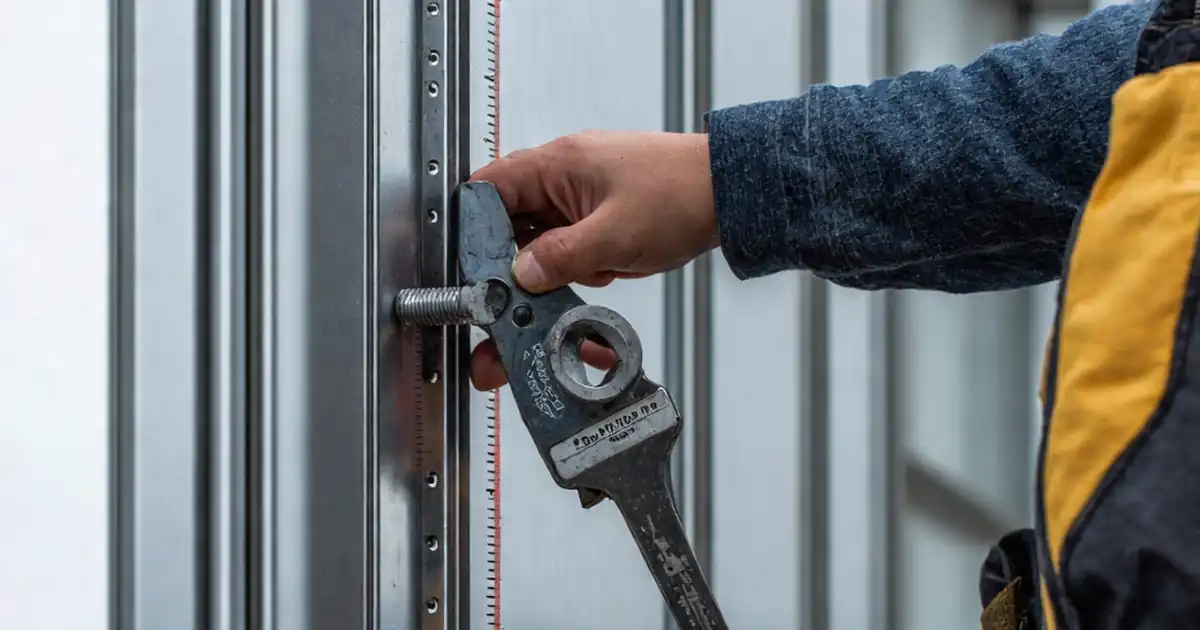
- Use lasers, gauges, and calibrated torque tools.
- Sample joints and planes at multiple elevations.
- Attach photos, logs, and certificates to grid references.
- Record corrective actions and re-inspections.
Common defects and practical prevention
Recurring defects include under-supported edges, anchors placed too close to arrises, tight joints that restrict movement, and blocked weeps that trap water. Mitred corners may open or chip if epoxy coverage is inconsistent or if handling lacks edge protection. Galvanic corrosion can start when stainless and aluminium meet without isolation. Prevent these issues by verifying bearing lengths, isolator continuity, and clearances before tightening fixings. Use templates for repeatable anchor positioning. Protect fresh corners with guards immediately after installation. Tool sealants to the correct profile and depth over a properly sized backer rod. If a defect is found—such as a 0 mm clearance behind a restraint—loosen, shim with approved materials, and re-measure before sign-off. Document before/after conditions to close the loop with stakeholders and maintain traceability in the as-built record.
- Maintain clearances for movement and avoid point loading.
- Template anchor locations; verify edge distances.
- Protect corners early to prevent handling damage.
- Keep weeps open; confirm sealant depth and profile.
How to use this interactive inspection checklist
- Preparation: Review approved drawings and submittals; bring laser level, 2 m straightedge, feeler and joint gauges, torque wrench, calipers, depth gauge, PPE, and access equipment. Confirm safe access, lighting, and weather conditions.
- Start interactive mode: Open the checklist on your device, select location (gridline/level), and enable ticking. Add notes and photos directly to each item for real-time traceability.
- Record findings: Enter dimensions, torque values, and batch data. Attach labelled photos and mark pass/fail. Raise comments for non-conformances and assign actions with due dates.
- Resolve and re-inspect: After corrective work, filter items by status, retake measurements, and upload new evidence. Update comments and close actions when acceptance criteria are met.
- Sign-Off: Capture digital signatures from contractor, consultant, and client. Export as PDF/Excel with embedded QR link for authentication. Archive with project metadata.

Call to Action
- Start Checklist Tick off tasks, leave comments on items or the whole form, and export your completed report to PDF or Excel—with a built-in QR code for authenticity.
- Download Excel - Stone Cladding Corner Returns & Edge Support Inspection
- Download PDF - Stone Cladding Corner Returns & Edge Support Inspection
- View Image - Stone Cladding Corner Returns & Edge Support Inspection
Cite & Embed
“Stone Cladding Corner Returns & Edge Support Inspection by Quollnet”
with a link to
this source page.

FAQ
Question: What qualifies as adequate edge support for stone cladding panels?
Question: How should I assess mitred corner returns versus solid L-shaped returns?
Question: What tolerances are commonly applied to joints and alignment at corners?
Question: What documentation should I capture to support final acceptance?
Related Articles
Broader reading and guidance connected to this checklist topic.

Plasticizers And Superplasticizers: How They Affect Concrete Slump

Master Construction Project Cashflow With Cashflowpot


Related Checklists
Keep the workflow moving with nearby templates chosen from similar checklist content.