Test Façade Mock-Up for Thermal Cycling and Seal Durability
Definition: Test façade mock-up for thermal cycling and seal durability provides a structured, field-ready checklist for façade engineers and lab technicians to plan, execute, and evidence environmental cycling and sealant performance outcomes.
- Defines equipment, tolerances, acceptance cues, and evidence capture.
- Coordinates lab setup, instrumentation maps, and cycle programming steps.
- Improves repeatability and traceability for consultant sign-off.
- Interactive, commentable checklist with export and QR code verification.
Test façade mock-up for thermal cycling and seal durability is a focused procedure for validating façade performance under controlled temperature extremes and repeated joint movement. This checklist supports façade performance testing on curtain wall mock-ups using an environmental chamber, linking thermal profiles to sealant adhesion, cohesion, and recovery. It concentrates on thermal cycling and seal durability only, avoiding unrelated wind, seismic, or water-penetration testing. Users will plan instrumentation, calibrate loggers, program cycles, and verify acceptance against project specifications and authority requirements. Outcomes include documented stability of temperatures, controlled ramps and dwells, quantified displacement, and objective observations of seal condition. By capturing photos, data logs, hardness readings, and adhesion pulls, teams reduce retests and deliver defensible results for approval. Use this interactive tool to assign responsibilities, timestamp evidence, and close findings efficiently. Tick, comment, and export to PDF/Excel with QR.
- Ensure chamber capability, calibrated sensors, and aligned test plans so thermal setpoints, ramp rates, and dwell times are achieved within tight tolerances. This reduces variables, improves repeatability, and gives consultants transparent evidence linking environmental conditions to sealant performance under realistic façade movements.
- Standardized instrumentation mapping, synchronized time bases, and disciplined cycle execution create a reliable dataset. Photos, logger exports, and measurement records provide traceability from baseline stabilization through final inspections, helping teams detect trends, explain anomalies, and justify acceptance decisions with objective, timestamped evidence.
- Interactive online checklist with tick, comment, and export features secured by QR code. Use role assignments, comment threads, and required evidence fields to close gaps early, drive accountability across shifts, and produce a consolidated, auditable report suitable for approvals and structured archiving.
- Focused seal durability assessments—magnified inspections, hardness deltas, adhesion pulls, and residual-set measurements—translate specification language into field-ready acceptance cues. The sequence isolates thermal cycling effects, ensuring conclusions are attributable to temperature-driven movements rather than unrelated pressures or water exposure.
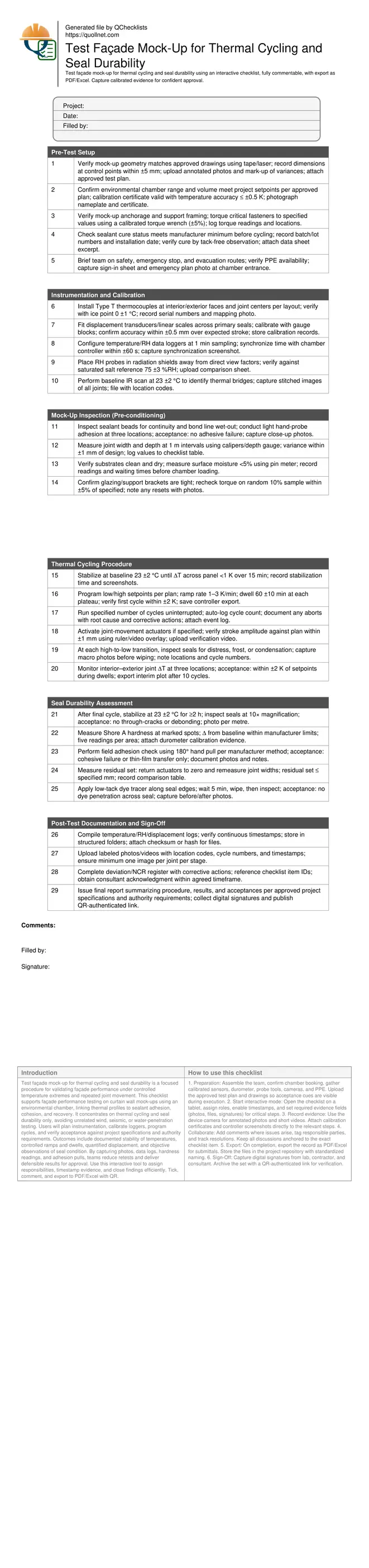
Pre-Test Setup
Instrumentation and Calibration
Mock-Up Inspection (Pre-conditioning)
Thermal Cycling Procedure
Seal Durability Assessment
Post-Test Documentation and Sign-Off
Aligning Chamber Capability, Mock-Up Geometry, and Sensors
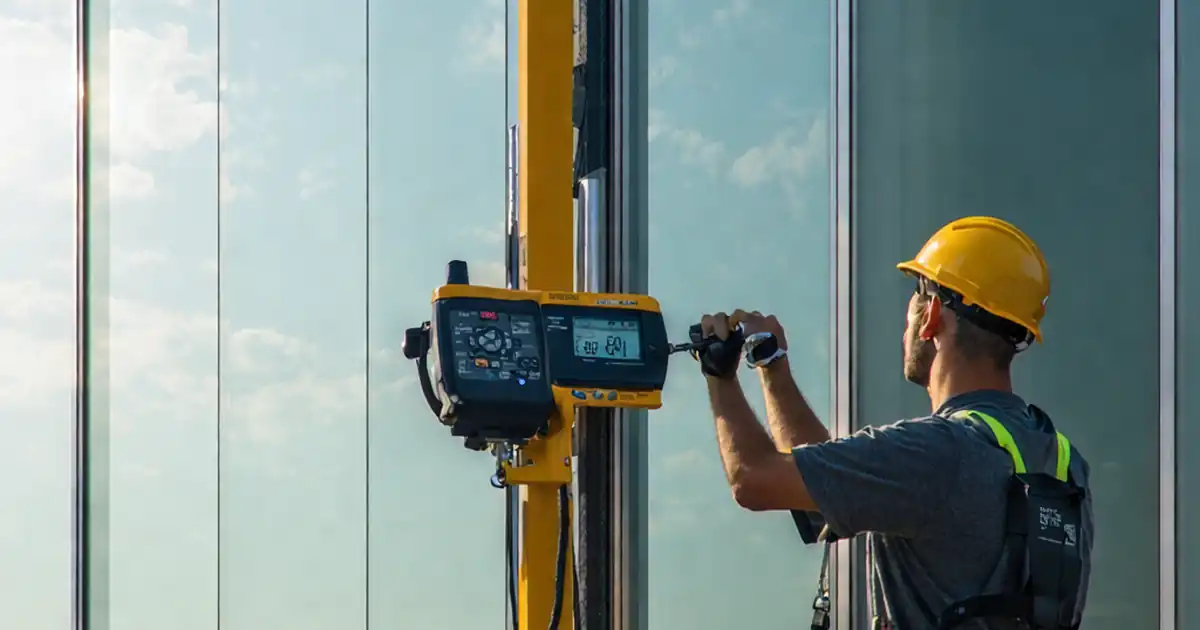
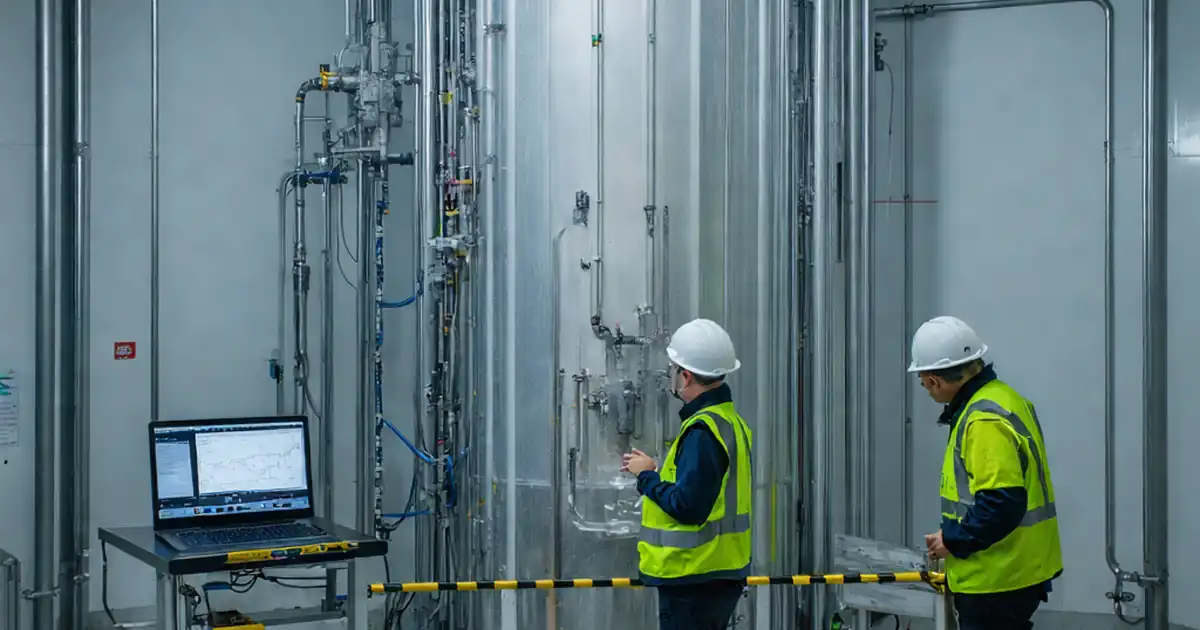
Thermal cycling success begins with matching chamber capability to the mock-up’s size and required setpoints. Confirm volume, airflow patterns, and the ability to achieve stable dwells without overshoot. Validate calibration currency and accuracy for temperature and humidity, then map thermocouples and RH probes to representative high-risk zones: corners, mullion intersections, and sealant centerlines. Displacement sensors should capture joint movement where strain concentrates. Synchronize all clocks to the chamber controller, and run a brief dry rehearsal to prove logging intervals and filenames. Before loading, inspect seal continuity, joint dimensions, torque values, and substrate dryness, documenting each with photos. Finally, establish a baseline thermal image at ambient to identify bridges that could skew readings. This front-loaded rigor reduces noise, supports repeatability across shifts, and ensures that observed seal responses truly reflect programmed thermal stress, not instrumentation error or setup gaps.
- Verify chamber range, airflow, and calibration validity.
- Map sensors to corners, joints, and mullion intersections.
- Synchronize data logger clocks within one minute.
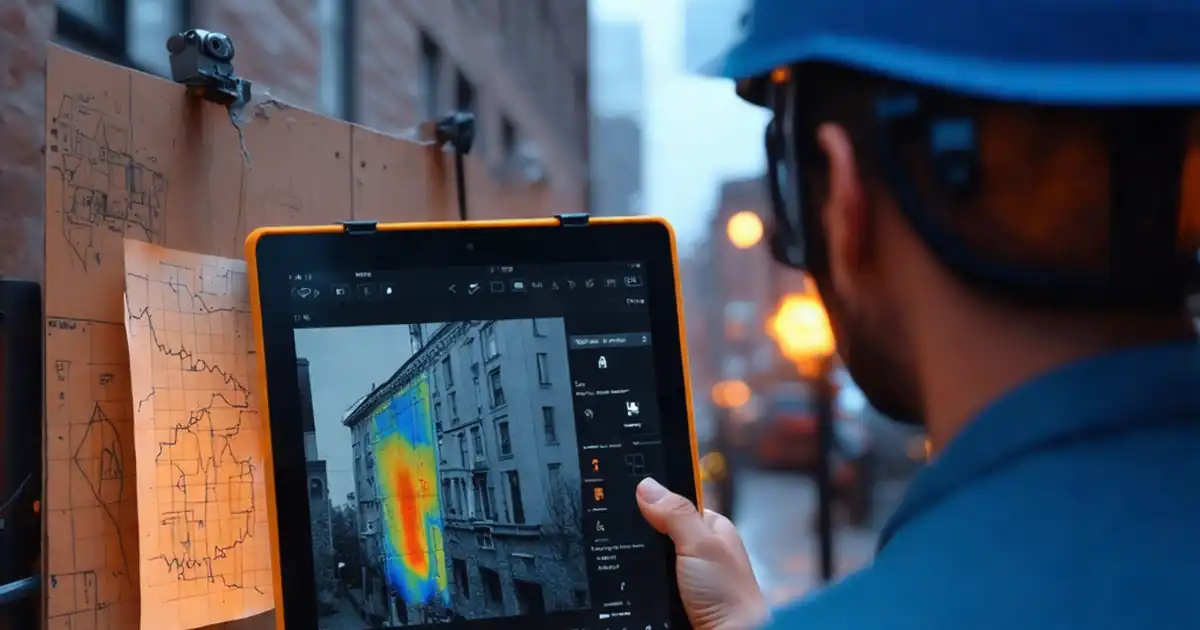
- Capture baseline IR images at ambient conditions.
- Document joints, torque, and surface moisture status.
Executing Repeatable Thermal Profiles and Controlled Movement
Program low/high setpoints, ramp rates, and dwell durations that mirror project requirements. Stabilize at ambient, then execute cycles with consistent ramps (1–3 K/min) and dwells (60 ±10 min). Validate the first cycle’s achieved temperatures within ±2 K at each plateau, and track interior–exterior ΔT across representative joints. If mechanical actuators are specified, verify stroke amplitude before and during cycling, using a video overlay or scale for evidence. Inspect seals during transitions when thermal strain peaks; photograph any frost, condensation, or early distress before cleaning. Maintain an event log for any aborts or alarms, and quantify causes with data excerpts to protect traceability. Well-controlled cycling turns a variable-heavy test into a defensible, comparable dataset that links cause (profile) to effect (seal condition) without confounding factors.
- Confirm ramp and dwell adherence within tolerance.
- Verify actuator stroke with visual evidence.
- Inspect seals at temperature transitions.
- Maintain event logs for interruptions.
- Track ΔT at chosen joint locations.
Assessing Seal Durability and Closing the Record
After the final cycle, let the mock-up equilibrate at ambient before performing detailed inspections. Use 10× magnification to find microcracks, voids, or edge lift. Measure Shore A hardness at marked locations and compare deltas to manufacturer limits. Perform a field adhesion check to confirm bond quality, and measure residual set to quantify recovery after movement. Where permitted, use a low-tack dye to reveal fine discontinuities without damaging the seal. Compile logs, photos, and acceptance comparisons into a concise report cross-referenced to checklist item IDs. Obtain digital signatures and issue a QR-authenticated link for downstream verification. This disciplined close-out converts raw measurements into an auditable record, enabling confident approvals per approved project specifications and authority requirements.
- Stabilize at ambient before inspections.
- Inspect at 10× for microcracks and lift.
- Record hardness deltas against baseline.
- Verify adhesion and recovery metrics.
- Publish a QR-authenticated final report.
How to Use This Interactive Thermal Cycling Checklist
- Preparation: Assemble the team, confirm chamber booking, gather calibrated sensors, durometer, probe tools, cameras, and PPE. Upload the approved test plan and drawings so acceptance cues are visible during execution.
- Start interactive mode: Open the checklist on a tablet, assign roles, enable timestamps, and set required evidence fields (photos, files, signatures) for critical steps.
- Record evidence: Use the device camera for annotated photos and short videos. Attach calibration certificates and controller screenshots directly to the relevant steps.
- Collaborate: Add comments where issues arise, tag responsible parties, and track resolutions. Keep all discussions anchored to the exact checklist item.
- Export: On completion, export the record as PDF/Excel for submittals. Store the files in the project repository with standardized naming.
- Sign-Off: Capture digital signatures from lab, contractor, and consultant. Archive the set with a QR-authenticated link for verification.
Call to Action
- Start Checklist Tick off tasks, leave comments on items or the whole form, and export your completed report to PDF or Excel—with a built-in QR code for authenticity.
- Download Excel - Façade Mock-Up Thermal Cycling & Seal Durability Test
- Download PDF - Façade Mock-Up Thermal Cycling & Seal Durability Test
- View Image - Façade Mock-Up Thermal Cycling & Seal Durability Test
Cite & Embed
“Façade Mock-Up Thermal Cycling & Seal Durability Test by Quollnet”
with a link to
this source page.
FAQ
Question: How many thermal cycles are typically required for a façade mock-up?
Question: What ramp rates and dwell times should we use during thermal cycling?
Question: How do we confirm sealant durability without destructive testing?
Question: What documentation is essential for consultant approval?
Related Articles
Broader reading and guidance connected to this checklist topic.
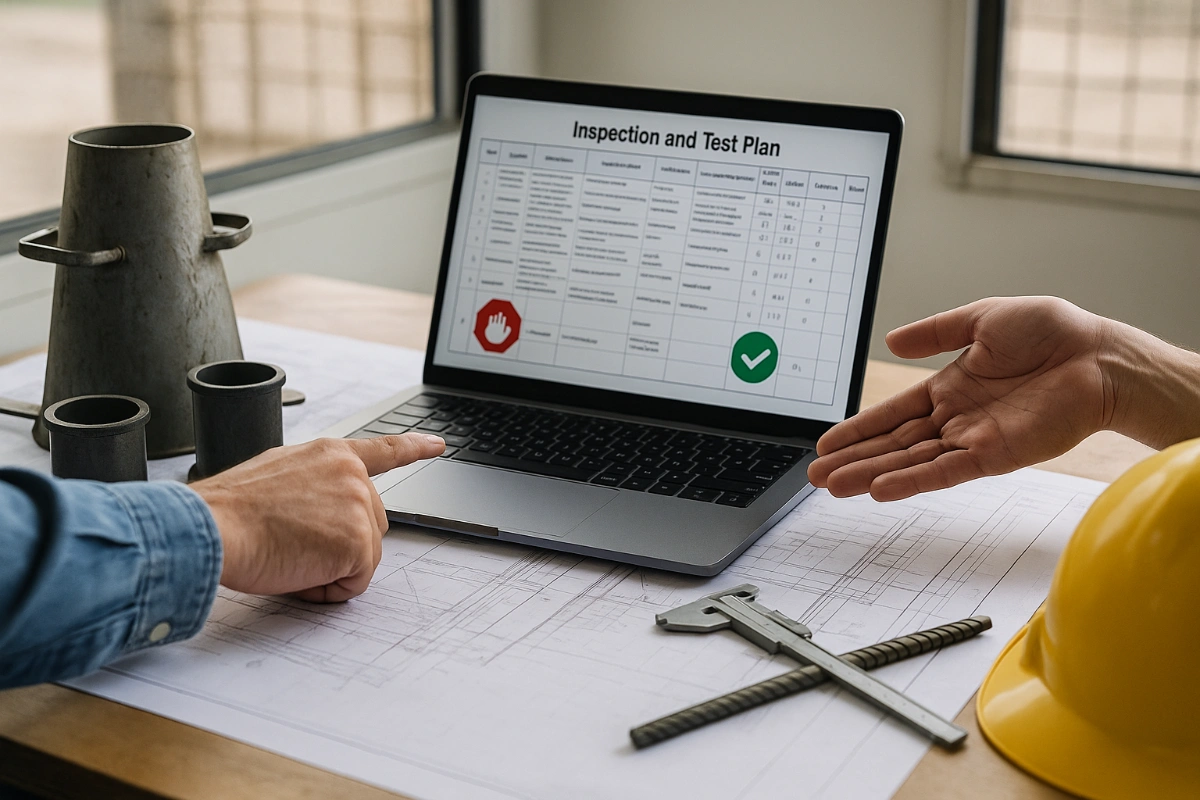
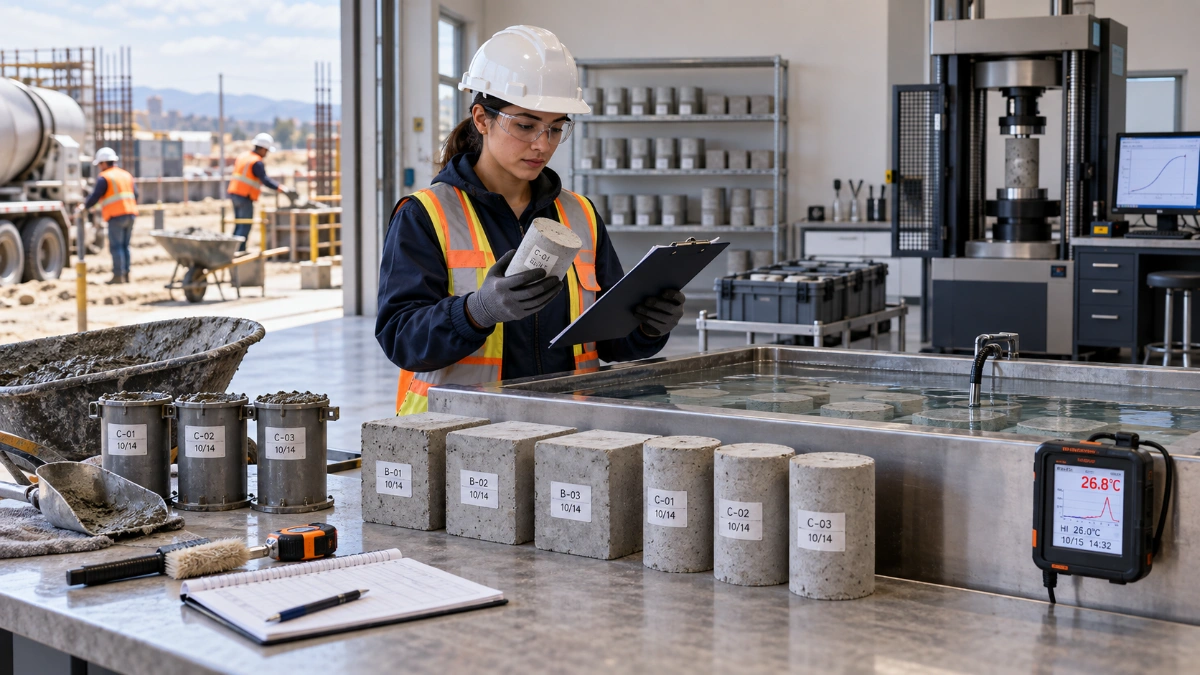
Improper Concrete Specimen Curing: Impact On Cube & Cylinder Test Strength

Advanced High-rise Fire Safety: Drones & Modern Equipment
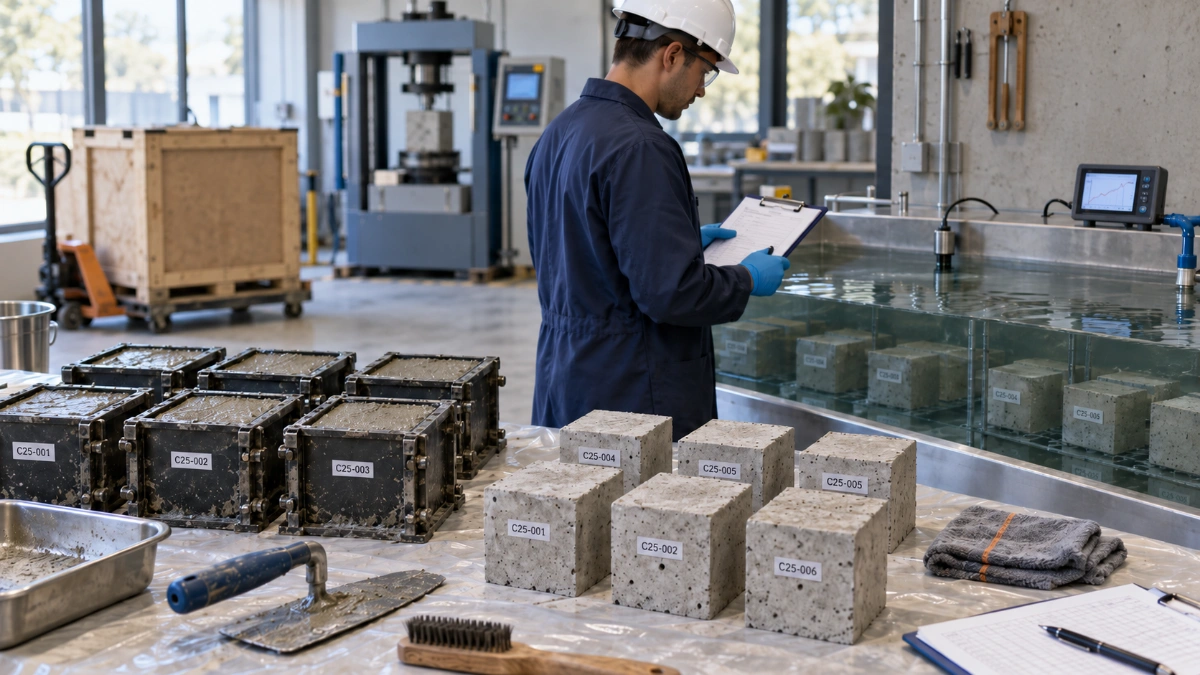
Concrete Cube Curing: Site Storage, Water Tank & Laboratory Requirements

Concrete Core Test Guide: Astm C42, Aci 318-25 & Bs En 13791
Related Checklists
Keep the workflow moving with nearby templates chosen from similar checklist content.