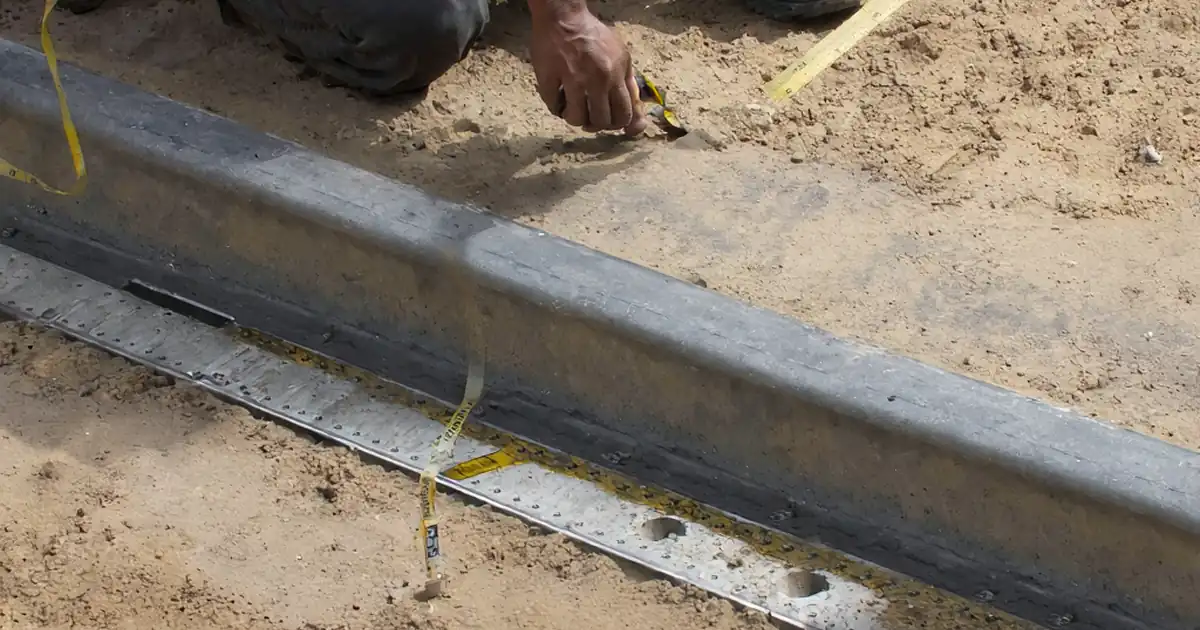
Façade Interface Review for Balconies, Terraces & Thresholds
Definition: Review façade interface with balconies, terraces, and threshold details is a field-ready checklist for designers and site teams verifying waterproofing, drainage, thermal separation, firestopping, and accessible door thresholds at junctions.
- Verify waterproofing continuity, upstands, thresholds, falls, and clear drainage paths.
- Check thermal breaks, firestopping, and acoustic isolation at façade interfaces.
- Capture photos, dimensions, test logs, and approvals linked to drawings.
- Interactive, commentable, export options with QR code verification.
Review façade interface with balconies, terraces, and threshold details ensures junctions between the external wall, exposed slabs, and door sills are durable, watertight, thermally efficient, and accessible. This checklist focuses on façade-to-balcony junctions, terrace thresholds, and door sill interfaces where most leaks, thermal bridges, and trip hazards occur. It guides you through substrate preparation, waterproofing continuity, drainage paths and falls, thermal breaks, cavity barriers, and the precise configuration of accessible thresholds. Using clear tolerances and evidence prompts, the process reduces rework, prevents hidden moisture, limits cold spots and condensation, and avoids future maintenance claims. It excludes unrelated interior finishes or full balcony structural design; instead, it concentrates on envelope connections and service penetrations within the immediate interface zone. Use this tool collaboratively during pre-cover inspections and final verification. Start interactive mode, tick items, add comments, attach photos or readings, and export your record to PDF/Excel with a QR link for traceable sign-off.
- Focuses on the critical junctions between façade systems and balconies/terraces, including door thresholds. It details waterproofing continuity, drainage falls, upstand geometry, compatible materials, and evidence requirements so teams prevent leaks, thermal bridges, and accessibility nonconformities before cover-up and handover.
- Interactive online checklist with tick, comment, and export features secured by QR code. It timestamps entries, links photos and drawings, tracks actions to closure, and provides authenticated field records for sign-off, warranty support, and audits without duplicating paperwork across multiple platforms.
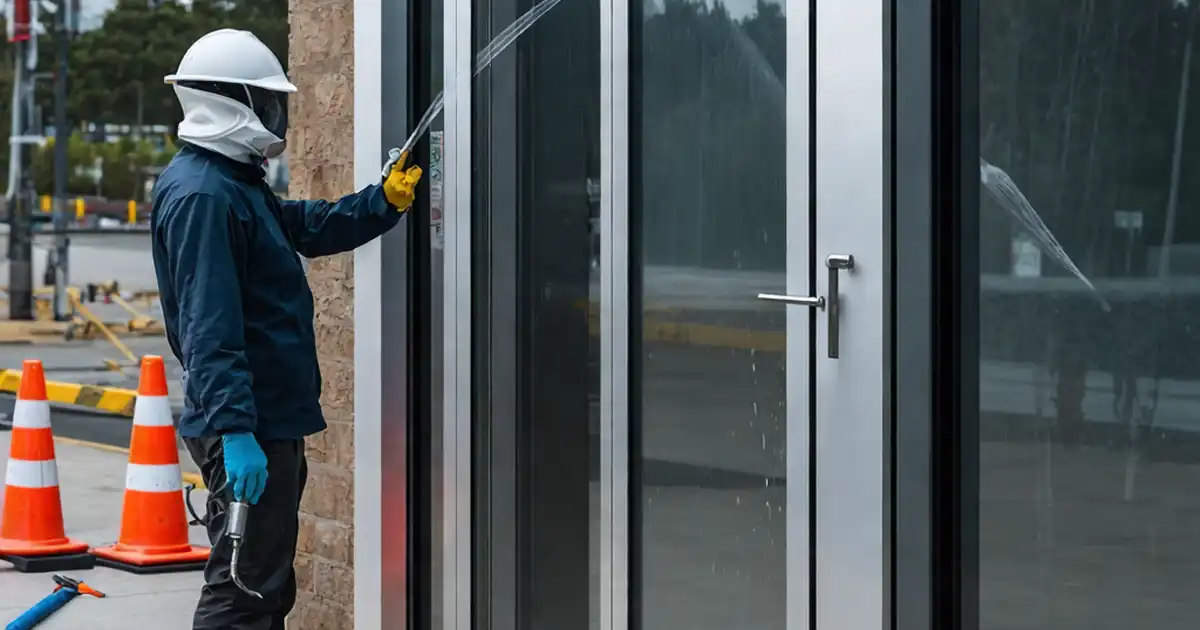
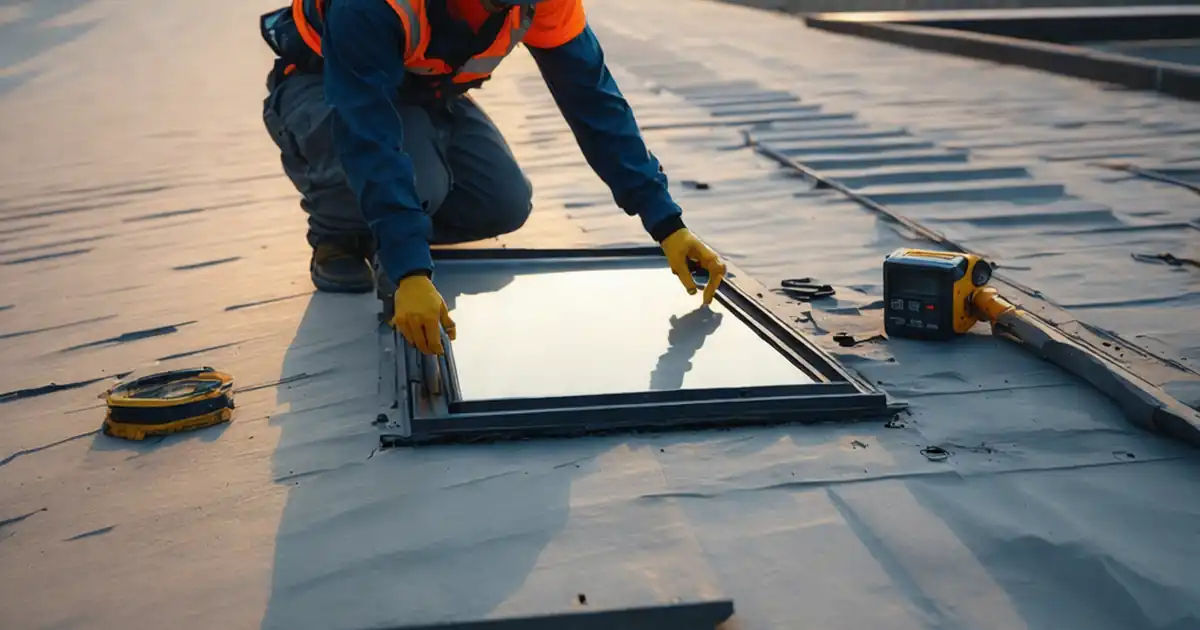
- Defines practical field methods—digital levels for falls, moisture meters for substrate readiness, hose and flood tests for water tightness, and IR imaging for thermal breaks—while stating clear acceptance cues, tolerances, and documentation to reduce ambiguity and speed approvals per project requirements.
- Aligns with approved project specifications and authority requirements by referencing submittals, manufacturer data, and hold points. It prompts capture of batch labels, installer signatures, and pre-cover photos, ensuring concealed works are documented and future diagnostics or repairs have reliable, traceable evidence.
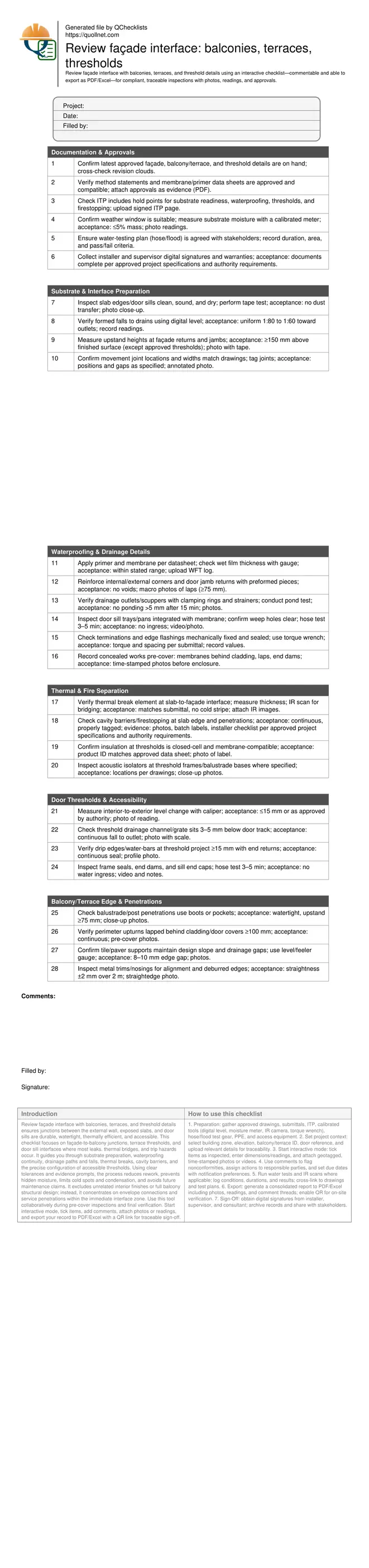
Documentation & Approvals
Substrate & Interface Preparation
Waterproofing & Drainage Details
Thermal & Fire Separation
Door Thresholds & Accessibility
Balcony/Terrace Edge & Penetrations
Waterproofing Continuity and Reliable Drainage at Interfaces
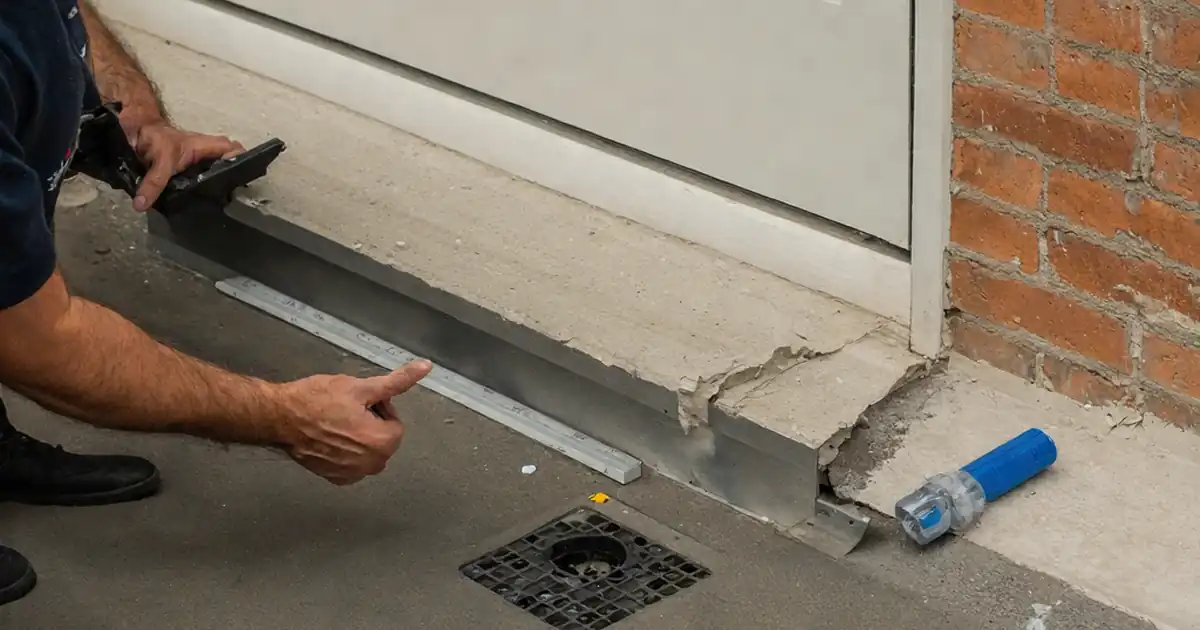
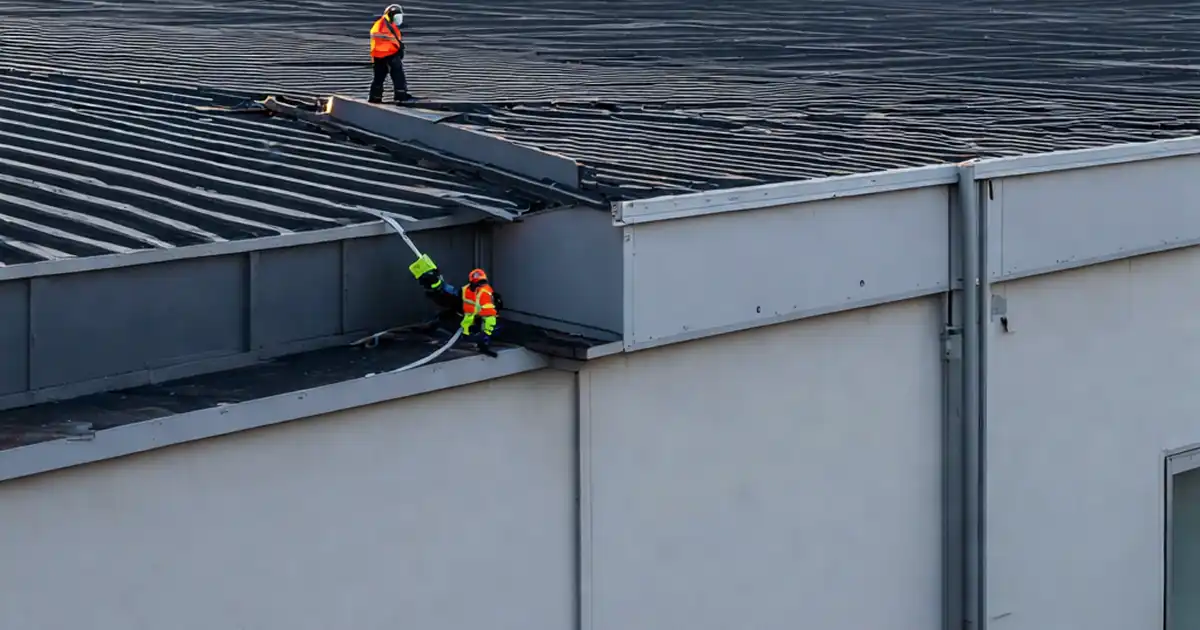
Balcony and terrace interfaces fail most often where membranes change direction or meet door thresholds. Prioritise clean, dry substrates; reinforce internal/external corners; and integrate sill trays/pans so water can escape through clear weep paths. Use a digital level to confirm uniform falls of 1:80 to 1:60 towards outlets, and confirm upstands give sufficient splash protection except at approved accessible thresholds. Terminate membranes with mechanically fixed flashings and compatible sealants, then document concealed work before cladding or finishes proceed. Conduct staged hose tests and, where acceptable, controlled pond testing to prove performance without overloading structures. Record readings, durations, and extents so future inspections and warranties remain defensible. These practices reduce ponding, capillary tracking, and wind-driven rain ingress while maintaining easy maintenance access to outlets and gratings.
- Membranes reinforced at corners and returns.
- Falls verified with a calibrated digital level.
- Upstands measured before finishes concealment.
- Outlets clamped, strainers fitted, weeps clear.
- Terminations fixed and sealed, laps photographed.
Thermal Breaks, Fire Barriers, and Material Compatibility
At slab edges, poor detailing can create cold bridges, condensation, and fire spread risk. Confirm the specified thermal break elements are present and match submittals, then use infrared imaging to reveal unwanted thermal conduction. Verify cavity barriers and firestopping around the perimeter and at balustrade or service penetrations are continuous, tagged, and installed with approved products. Check compatibility among membranes, insulation, sealants, and primers to prevent softening or debonding. Where acoustic isolation is required, ensure thresholds and balustrade bases include isolators that do not compromise waterproofing. Capture product labels, manufacturer instructions, and installer checklists to prove compliance without relying on memory or retrospective justification.
- Thermal break thickness verified and recorded.
- IR images show no cold stripes.
- Firestopping continuous and tagged.
- Materials compatible per approved submittals.
- Acoustic isolators installed where specified.
Accessible Thresholds, Movement, and Service Penetrations
Thresholds must balance weather performance and accessibility. Measure the level change from interior to exterior and confirm any drainage channels sit slightly lower than door tracks with clear paths to outlets. Provide drip edges or water-bars with end returns to prevent backflow under wind pressure. Align movement joints with structural breaks and set-out to avoid random cracking across pavers or tiles. For balustrade posts and services, use preformed boots or pockets with adequate upstands to keep water out while allowing inspection. Always document pre-cover conditions with time-stamped photos and attach readings, ensuring issues are resolved before finishes proceed. This approach reduces trip hazards, improves occupant comfort, and protects interiors from splashback and blown rain.
- Threshold step measured and photographed.
- Channels below tracks, weeps unobstructed.
- Drip edges continuous with end returns.
- Movement joints aligned to design.
- Penetrations sealed with formed boots.
How to Use This Interactive Façade Interface Checklist
- Preparation: gather approved drawings, submittals, ITP, calibrated tools (digital level, moisture meter, IR camera, torque wrench), hose/flood test gear, PPE, and access equipment.
- Set project context: select building zone, elevation, balcony/terrace ID, door reference, and upload relevant details for traceability.
- Start interactive mode: tick items as inspected, enter dimensions/readings, and attach geotagged, time-stamped photos or videos.
- Use comments to flag nonconformities, assign actions to responsible parties, and set due dates with notification preferences.
- Run water tests and IR scans where applicable; log conditions, durations, and results; cross-link to drawings and test plans.
- Export: generate a consolidated report to PDF/Excel including photos, readings, and comment threads; enable QR for on-site verification.
- Sign-Off: obtain digital signatures from installer, supervisor, and consultant; archive records and share with stakeholders.
Call to Action
- Start Checklist Tick off tasks, leave comments on items or the whole form, and export your completed report to PDF or Excel—with a built-in QR code for authenticity.
- Download Excel - Façade Interface Review: Balconies, Terraces & Thresholds
- Download PDF - Façade Interface Review: Balconies, Terraces & Thresholds
- View Image - Façade Interface Review: Balconies, Terraces & Thresholds
Cite & Embed
“Façade Interface Review: Balconies, Terraces & Thresholds by Quollnet”
with a link to
this source page.
FAQ
Question: What tolerances should I use for balcony/terrace falls and ponding control at the façade interface?
Question: How do I verify thermal breaks and avoid cold bridges at slab edges?
Question: When should hose or flood testing be performed at thresholds and balcony interfaces?
Question: What evidence is essential before covering façade-to-balcony junctions?
Related Articles
Broader reading and guidance connected to this checklist topic.

Major Construction Defects That Needs Immediate Attention

Is It Important To Customize Your Qr Code And How To Do It?

3d Printed Concrete Qa/qc: Inspection, Process Control & Acceptance


Ncr Log Template (register & Ncr Tracker) – Excel/pdf Download
Related Checklists
Keep the workflow moving with nearby templates chosen from similar checklist content.