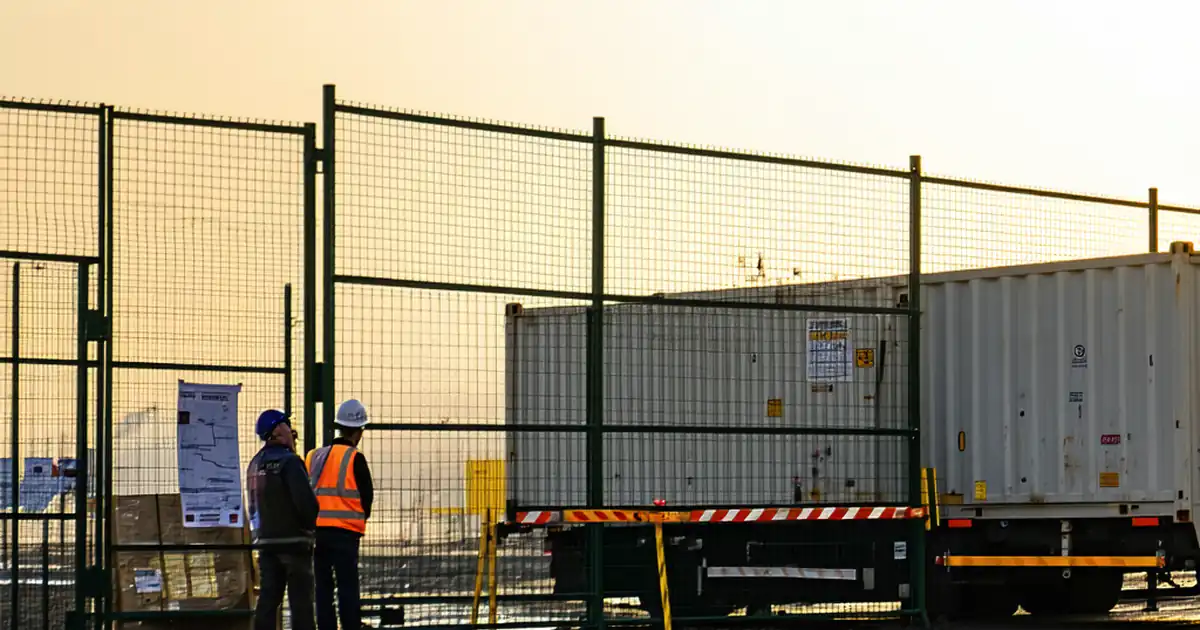
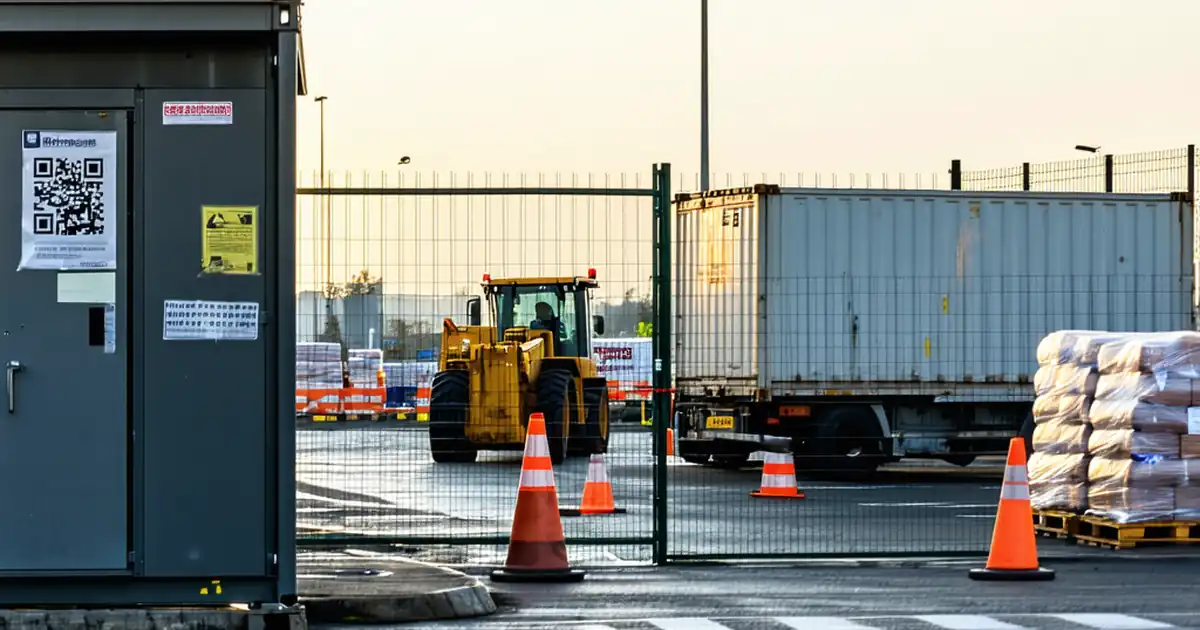
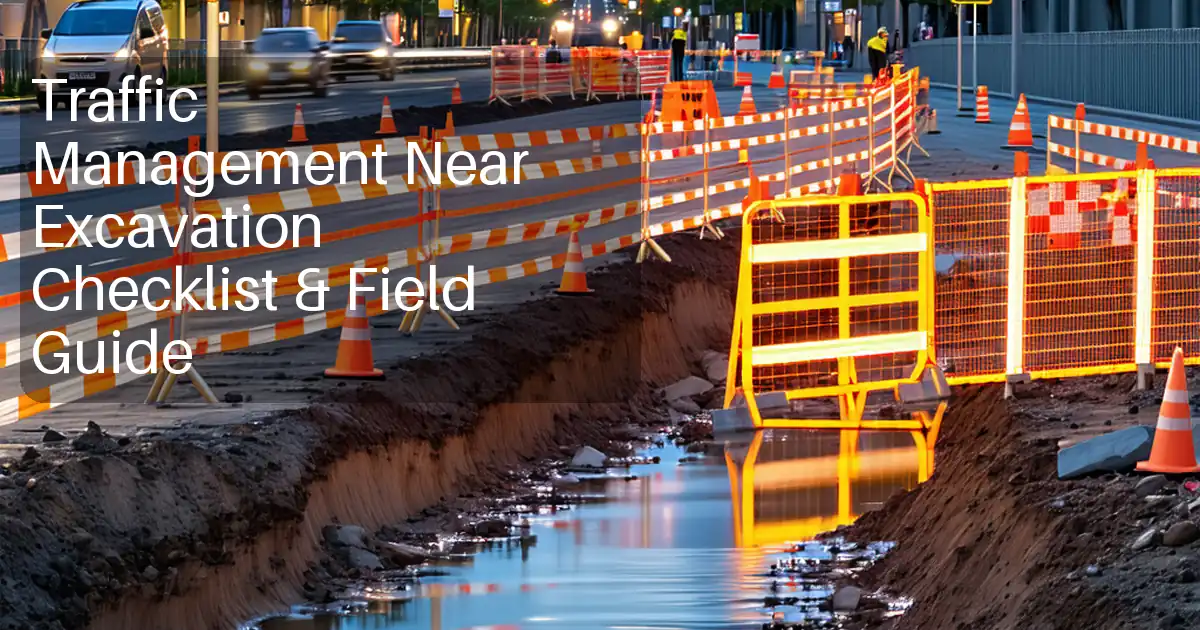
Temporary Facilities and Utilities Checklist
Definition: Temporary Facilities and Utilities Checklist for construction mobilization teams, covering contractor and employer facilities, temporary utilities, safety, welfare, and compliance to ensure fit-for-purpose setup before work ramps up.
- Verify compliant temporary offices, welfare, storage, and utilities before work ramps up.
- Plan capacity for peak workforce to prevent bottlenecks and safety lapses.
- Document evidence with readings, photos, permits, delivery notes, and signatures.
- Interactive, commentable workflow with export options and QR code verification.
Temporary Facilities and Utilities Checklist helps construction teams mobilize quickly and safely by verifying temporary site facilities, utilities, and welfare arrangements. This practical guide covers temporary site facilities, contractor and employer/engineer offices, communications, temporary power, temporary water, drainage, waste, and emergency systems. It focuses on early execution so site operations start without bottlenecks, unsafe conditions, or authority compliance risks. You will confirm that offices are functional, IT and radios work, welfare and first aid are accessible, stores and workshops are organized, and that power, water, and drainage are sized for peak workforce and peak load, not average assumptions. The checklist also embeds cleaning, maintenance, replenishment, and evidence capture so you can defend decisions in audits and progress meetings. Use it to engage supervisors, HSE, and the Engineer in one coordinated review. Start in interactive mode to tick items, add comments, assign follow-ups, and export PDF/Excel with a QR-secured record.
- Establishes a single, field-ready process to verify temporary offices, welfare, stores, workshops, and utility setups during mobilization. It emphasizes peak workforce capacity, safe access, and clean documentation so operations begin without rework, delays, or nonconformities.
- Drives compliance with approved project specifications and authority requirements by collecting hard evidence: calibrated readings, tagged photos, permits, delivery manifests, inspection logs, and digital signatures. This reduces dispute exposure and accelerates Engineer approvals.
- Interactive online checklist with tick, comment, and export features secured by QR code.
- Improves uptime and safety by validating temporary power, water, drainage, waste, and fire protection under realistic operating conditions. Teams capture lux, pressure, flow, earth resistance, and noise readings in SI units to confirm performance against the approved plans.
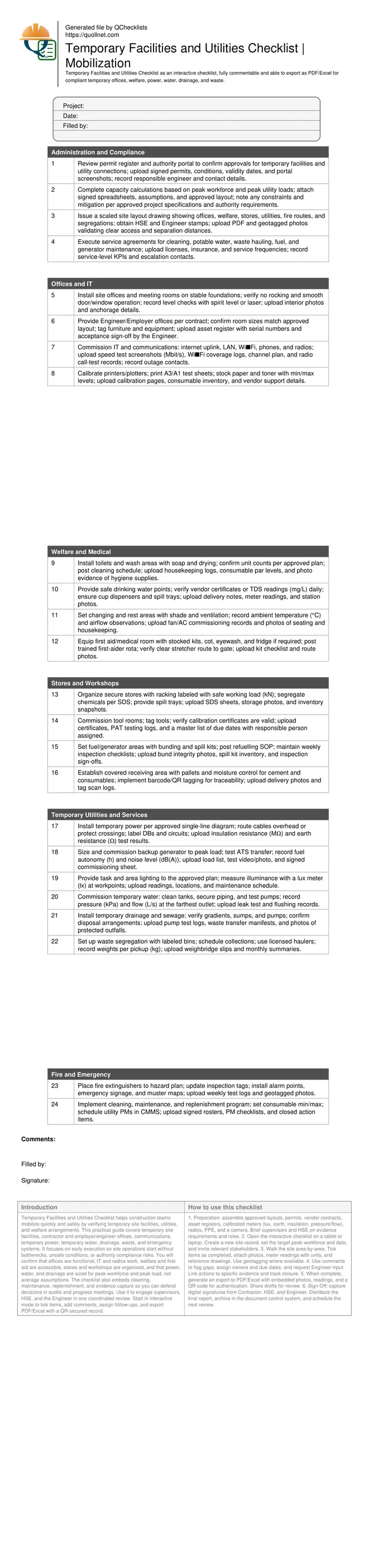
Administration and Compliance
Offices and IT
Welfare and Medical
Stores and Workshops
Temporary Utilities and Services
Fire and Emergency
Capacity and Layout Planning for Mobilization
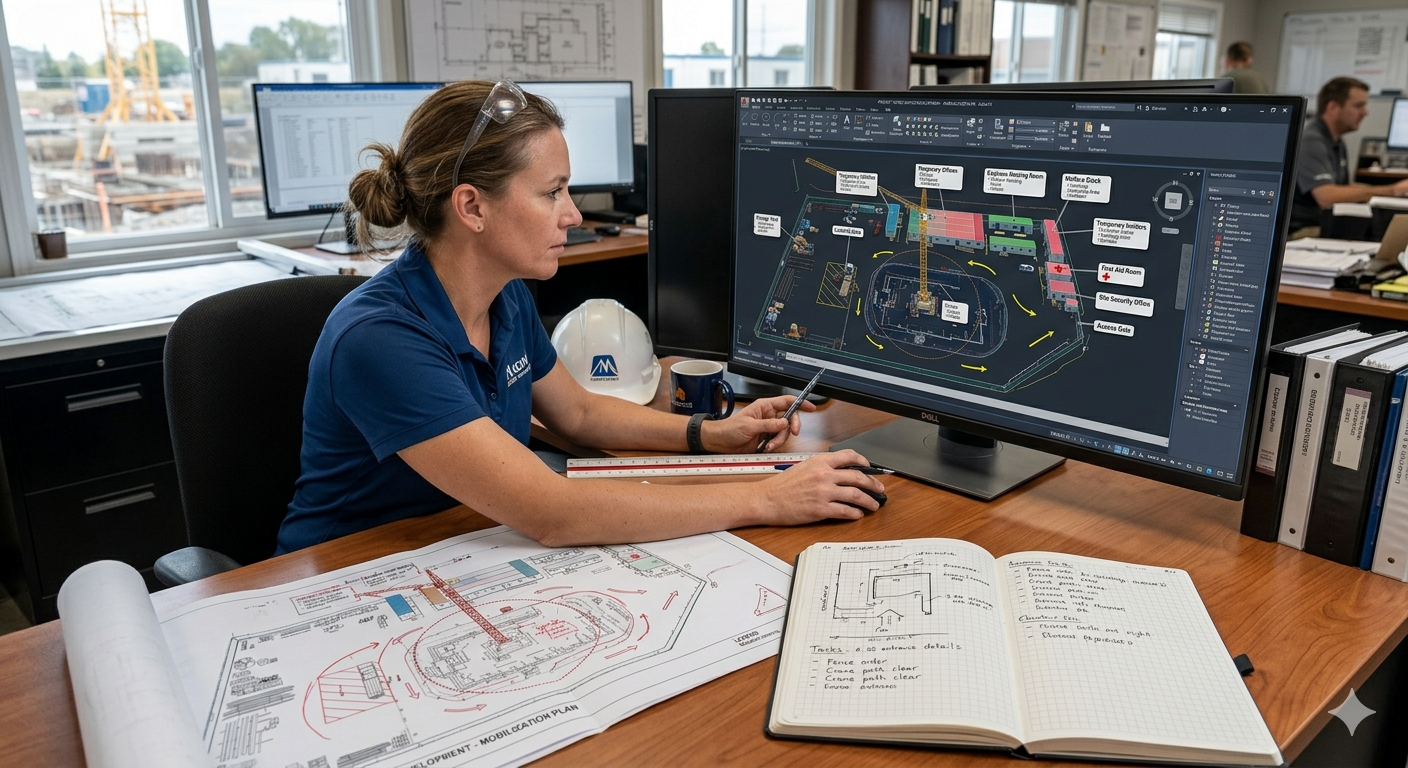
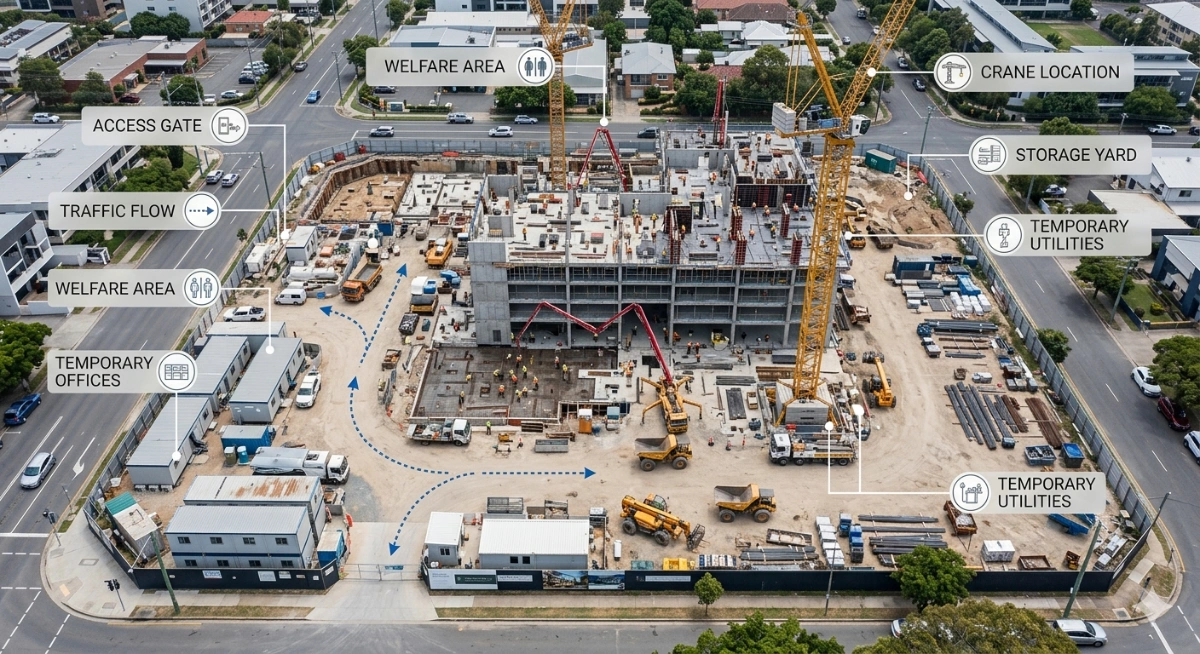
Early planning prevents bottlenecks and unsafe improvisation. Start by defining peak workforce and peak utility demands, not averages. Translate those numbers into a scaled layout showing offices, welfare amenities, stores, workshops, parking, fire lanes, pedestrian routes, and clear segregation between people, vehicles, and fuel or generators. Confirm access to gates and the medical route for stretchers. Validate your plan with HSE, construction, and the Engineer, and incorporate authority stipulations. Allocate space for delivery turning radii and crane setups to avoid blocking welfare or emergency egress. Use an asset and permit register to control ownership, validity dates, and inspections. Finally, assign service providers early and write replenishment triggers so consumables and waste pickups stay ahead of demand when crews ramp up quickly.
- Base capacity on peak workforce and peak load only.
- Show separation between people, traffic, and fuels.
- Lock permits, approvals, and expiry tracking.
- Designate protected stretcher route to gate.
Temporary Power, Lighting, Water, and Drainage
Build utilities to the approved single-line and utility plans. For power, verify cable protection at crossings, labeled DBs, correct earthing, insulation resistance, and earth resistance. Commission generators with automatic transfer and document fuel autonomy, noise, and vibration observations. For lighting, measure illuminance at representative workpoints with a calibrated meter and keep a relamping plan. For water, clean tanks, secure lines, pressure and flow test at the farthest outlet, and protect against leaks. Drainage and sewage need correct falls, working sumps, reliable pumps, and documented disposal routes. Keep all readings in SI units, with photos and locations, so you can compare against the approved project specifications and authority requirements and defend decisions in audits.
- Record test results in SI units.
- Protect cables and label every DB.
- Test ATS and document fuel autonomy.
- Flow and pressure proven at farthest point.
Welfare, Safety, Communications, and Upkeep
Worker welfare and emergency readiness determine productivity and incident rates. Confirm toilets, handwashing, changing, and shaded rest areas are clean, stocked, and accessible without detours through traffic. Ensure drinking water is certified or tested daily. Provide a staffed first aid room with a posted rota and an unobstructed stretcher route to the gate. Equip offices and the Engineer’s space with reliable internet, Wi‑Fi, printers, phones, and radios, and keep spares for high‑failure consumables. Waste segregation, licensed hauling, and regular site cleaning reduce fire loads and pests. A preventive maintenance and replenishment plan for generators, pumps, lighting, and consumables prevents outages during critical path activities. Capture all of this with tagged photos, logs, signatures, and a clear action tracker so gaps close before crews scale up.
- Post first-aider rota and emergency contacts.
- Daily drinking water checks or certificates.
- Housekeeping and waste pickups scheduled.
- Spare consumables for high-use devices.
How to Use This Temporary Facilities and Utilities Checklist
- Preparation: assemble approved layouts, permits, vendor contracts, asset registers, calibrated meters (lux, earth, insulation, pressure/flow), radios, PPE, and a camera. Brief supervisors and HSE on evidence requirements and roles.
- Open the interactive checklist on a tablet or laptop. Create a new site record, set the target peak workforce and date, and invite relevant stakeholders.
- Walk the site area-by-area. Tick items as completed, attach photos, meter readings with units, and reference drawings. Use geotagging where available.
- Use comments to flag gaps, assign owners and due dates, and request Engineer input. Link actions to specific evidence and track closure.
- When complete, generate an export to PDF/Excel with embedded photos, readings, and a QR code for authentication. Share drafts for review.
- Sign-Off: capture digital signatures from Contractor, HSE, and Engineer. Distribute the final report, archive in the document control system, and schedule the next review.
Call to Action
- Start Checklist Tick off tasks, leave comments on items or the whole form, and export your completed report to PDF or Excel—with a built-in QR code for authenticity.
- Download Excel - Temporary Facilities and Utilities Checklist
- Download PDF - Temporary Facilities and Utilities Checklist
- View Image - Temporary Facilities and Utilities Checklist
Cite & Embed
“Temporary Facilities and Utilities Checklist by Quollnet”
with a link to
this source page.
FAQ
Question: How often should temporary facilities and utilities be reviewed during construction?
Question: What evidence should I collect to satisfy the Engineer and authorities?
Question: How do I size backup power without over- or under-provisioning?
Question: What if municipal water or sewer connections are not available yet?
Related Articles
Broader reading and guidance connected to this checklist topic.



Related Checklists
Keep the workflow moving with nearby templates chosen from similar checklist content.