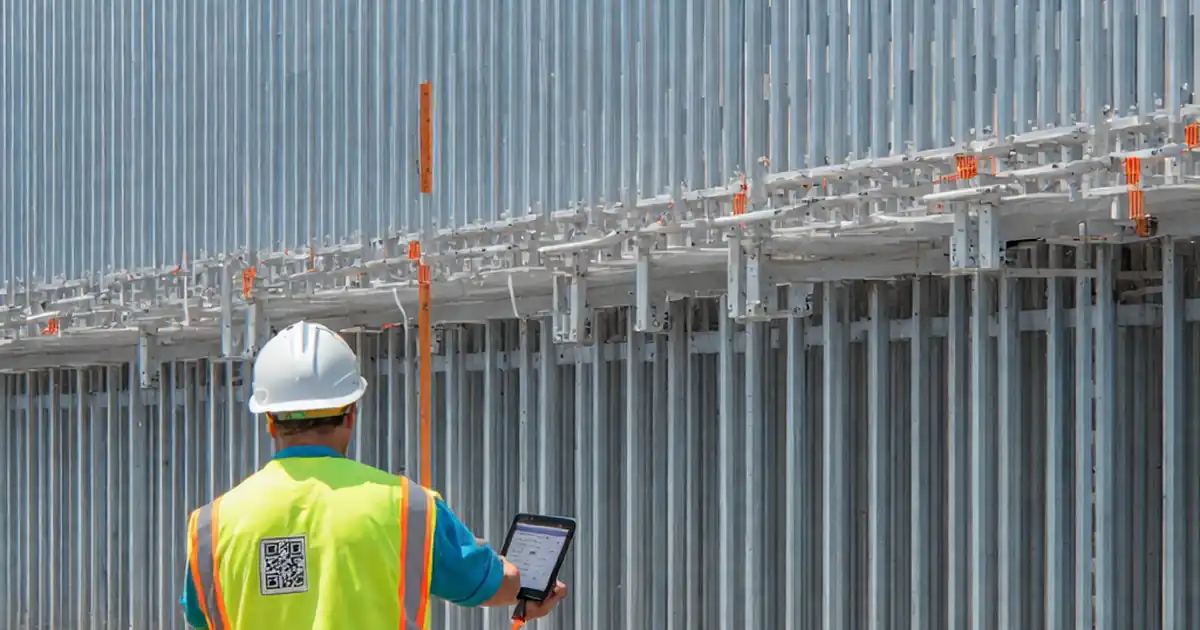
Inspect Aluminum Composite Panel Support Rails and Brackets
Definition: Inspect aluminum composite panel support rails and brackets to guide site inspectors, façade supervisors, and QA engineers through safe, compliant, and evidence-based subframe verification before panel installation.
- Verify bracket layout, rail plumb, and anchor capacity before cladding.
- Prevent misalignment, corrosion risks, and moisture traps affecting façade life.
- Follow tools-and-tolerances steps with photos, readings, and approvals.
- Interactive, commentable checklist with export and QR code verification.
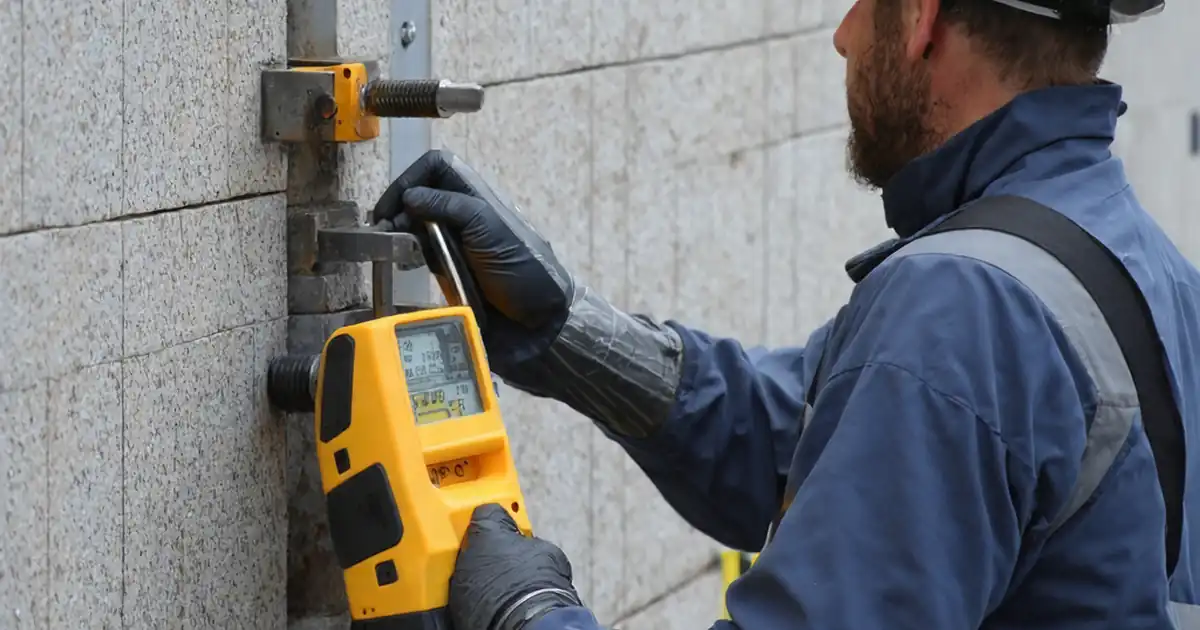
Inspect aluminum composite panel support rails and brackets with this focused, field-ready checklist designed for rainscreen subframes. It targets ACP rails, adjustable façade brackets, and anchorage into concrete or masonry substrates, ensuring alignment, durability, and structural reliability. The scope limits activities to subframe verification—no panel hanging or sealant work—so teams can zero in on bracket positioning, rail plumb, thermal breaks, and compatible fixings. By addressing key risks like anchor failure, galvanic corrosion, blocked ventilation cavities, and rail movement restraint, this checklist helps prevent costly rework and water ingress, while safeguarding long-term performance. Acceptance cues emphasize tolerances, manufacturer torque values, and approvals per approved project specifications and authority requirements. Practical outcomes include precise grid layout, verified fixings, evidenced pull-out tests, and clean documentation for sign-off. Use the interactive features to tick steps, add comments, attach photos and readings, then export to PDF/Excel with a secure QR code for traceable handover.
- Focuses on ACP subframe readiness: bracket layout, anchor installation, rail plumb and straightness, thermal breaks, and corrosion separation. Teams capture torque, pull-out results, and photos to confirm compliance with approved project specifications and authority requirements.
- Reduces rework by locking in geometry before panels arrive. Clear tolerances, sample testing, and documented evidence ensure the façade face line matches the design, ventilation paths stay open, and rails can move freely at splices and fire barrier interfaces.
- Interactive online checklist with tick, comment, and export features secured by QR code. Supervisors attach calibration certificates, batch numbers, as-built surveys, and torque logs, creating a single source of truth for closeout, audits, and future maintenance access.
- Designed for jobsite practicality: concise instructions, tool callouts, SI tolerances, and acceptance cues. The workflow scales across elevations and zones, keeping traceability of grid references, bracket IDs, and sign-offs for a robust, defensible QA record.
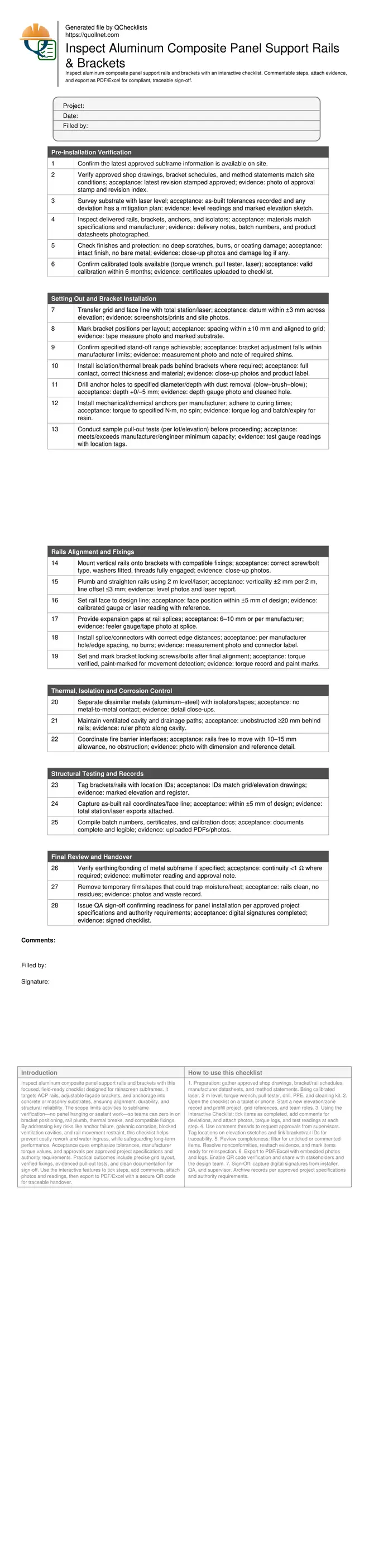
Pre-Installation Verification
Setting Out and Bracket Installation
Rails Alignment and Fixings
Thermal, Isolation and Corrosion Control
Structural Testing and Records
Final Review and Handover
Why precise rails and brackets installation matters
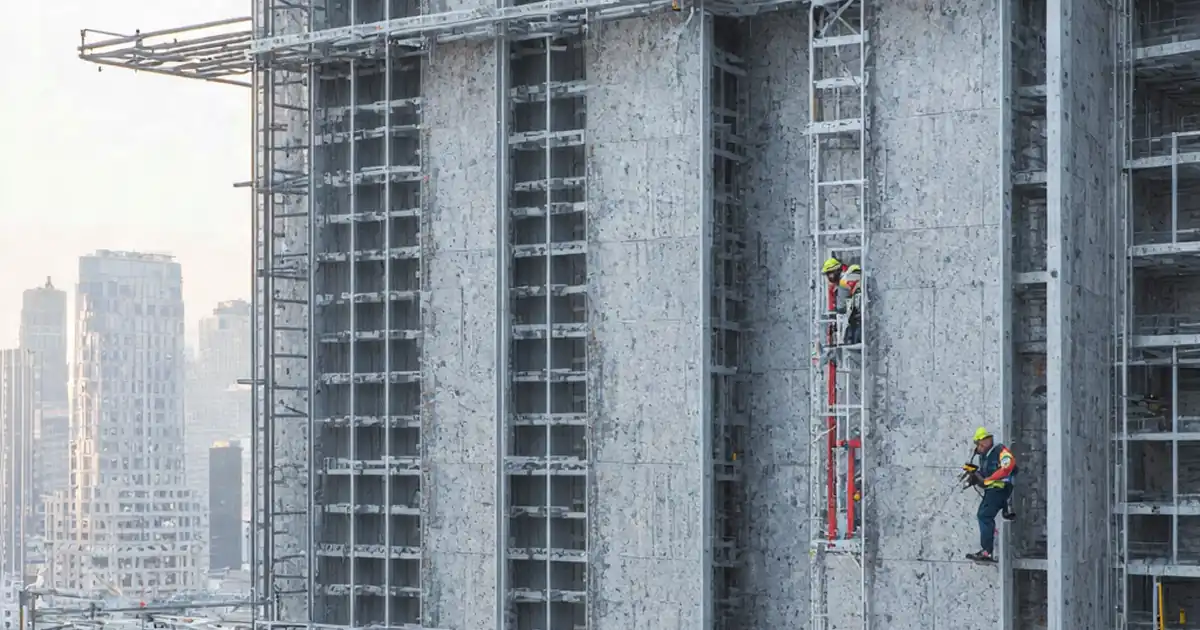
ACP subframes are the backbone of a rainscreen façade. Even small deviations in bracket layout or rail plumb can telegraph as uneven panel joints, oil canning, and water tracking behind cladding. Anchors that are under-torqued, installed in dusty holes, or missing isolation pads can reduce load capacity and accelerate corrosion. This checklist concentrates on those early, high-impact tasks: verifying the grid and face line, confirming stand-offs, and proving anchor performance. It also emphasizes thermal breaks and movement allowances at splices and fire barriers so rails don’t bind as temperatures change. Acceptance cues are kept practical—millimetre tolerances, visible paint marks on torqued bolts, and time-stamped photos. By capturing anchor pull-out readings, torque logs, and as-built coordinates, teams create a defensible quality record while avoiding rework and schedule creep.
- Small alignment errors amplify at panel joints.
- Clean, measured anchor installation preserves capacity.
- Thermal breaks limit bridging and condensation.
- Movement gaps prevent binding and noise.
- Photos and logs prove compliance.
Efficient field methods and tolerances
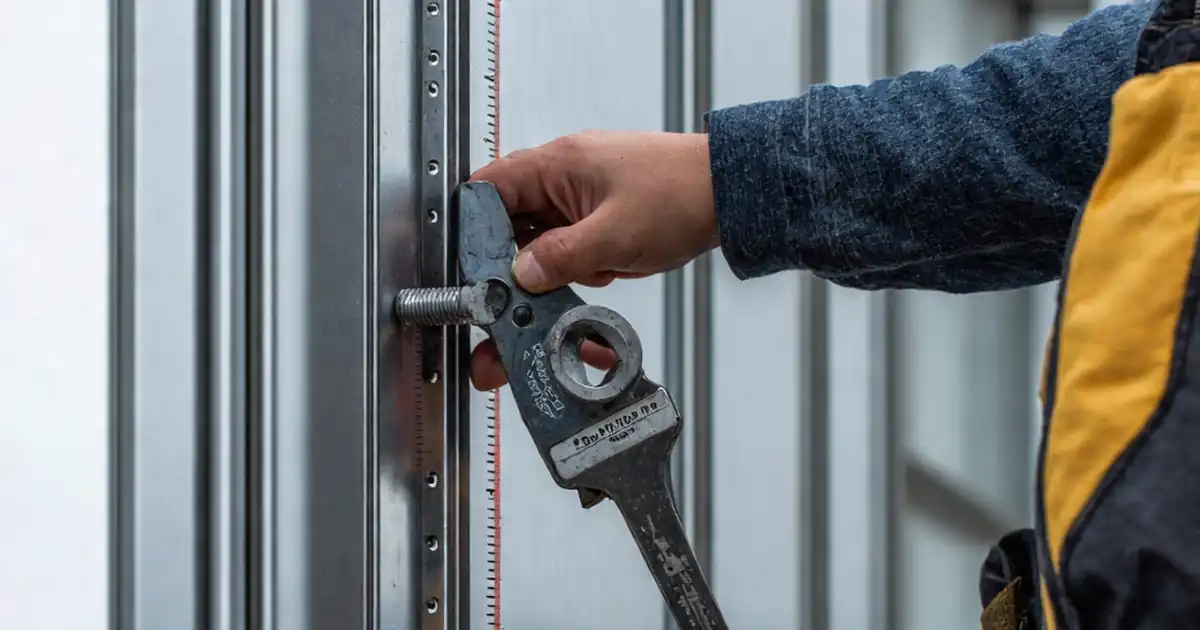
Start with a reliable datum transferred by laser or total station and confirm it with a second check. Mark bracket centres to the approved layout, then verify that the stand-off falls within the bracket’s adjustment window before drilling. Use the blow–brush–blow cycle for concrete dust removal so anchors seat correctly. Torque fasteners to the manufacturer’s values and paint-mark heads to detect post-inspection movement. Plumb rails using a 2 m level and validate with a laser for longer drops. Keep splice gaps consistent, and protect dissimilar metals with isolators or tapes. Maintain a continuous ventilated cavity to keep the rainscreen performing. Where fire barriers intersect, ensure compression seals do not clamp rails and that design movement is preserved. Document everything as you go to avoid backtracking.
- Confirm datums twice before committing holes.
- Always clean holes before anchor placement.
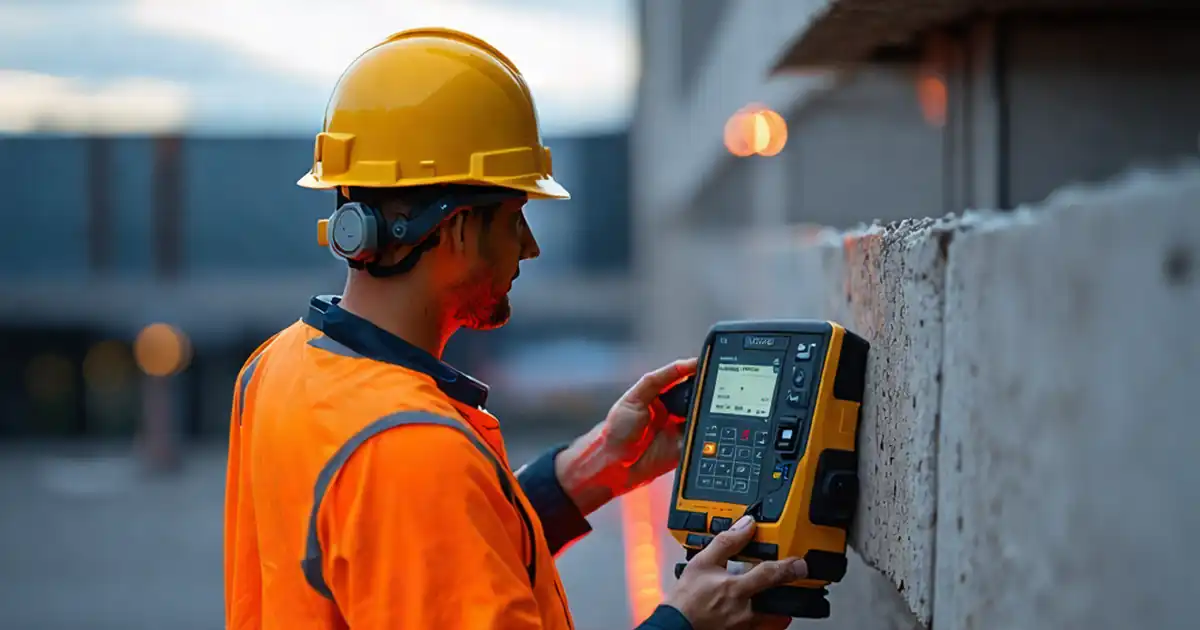
- Record torque values with tool ID.
- Keep rails within ±2 mm per 2 m.
- Photograph every splice and bracket.
Documentation and closeout that stands up to audits
Traceability is central to façade QA. Link each bracket and rail to its grid reference, anchor batch, torque reading, and any pull-out test. Store calibration certificates for torque wrenches and pull testers with the inspection record. Capture as-built coordinates to verify the façade face line before panels arrive—this is the cheapest moment to correct geometry. Ensure all nonconformities have clear corrective actions and reinspection evidence. If earthing or bonding is specified for the metal subframe, record continuity readings and approvals. At handover, export the full pack to PDF/Excel with a secure QR code so stakeholders can authenticate the dataset later. This disciplined approach reduces disputes and speeds panel installation.
- Link IDs, batches, and readings.
- Attach calibration certificates.
- Record as-built face line early.
- Close NCRs with evidence.
- Export with QR authentication.
How to Use This Interactive Rail & Bracket Inspection Checklist
- Preparation: gather approved shop drawings, bracket/rail schedules, manufacturer datasheets, and method statements. Bring calibrated laser, 2 m level, torque wrench, pull tester, drill, PPE, and cleaning kit.
- Open the checklist on a tablet or phone. Start a new elevation/zone record and prefill project, grid references, and team roles.
- Using the Interactive Checklist: tick items as completed, add comments for deviations, and attach photos, torque logs, and test readings at each step.
- Use comment threads to request approvals from supervisors. Tag locations on elevation sketches and link bracket/rail IDs for traceability.
- Review completeness: filter for unticked or commented items. Resolve nonconformities, reattach evidence, and mark items ready for reinspection.
- Export to PDF/Excel with embedded photos and logs. Enable QR code verification and share with stakeholders and the design team.
- Sign-Off: capture digital signatures from installer, QA, and supervisor. Archive records per approved project specifications and authority requirements.
Call to Action
- Start Checklist Tick off tasks, leave comments on items or the whole form, and export your completed report to PDF or Excel—with a built-in QR code for authenticity.
- Download Excel - ACP Support Rails and Brackets Inspection
- Download PDF - ACP Support Rails and Brackets Inspection
- View Image - ACP Support Rails and Brackets Inspection
Cite & Embed
“ACP Support Rails and Brackets Inspection by Quollnet”
with a link to
this source page.

FAQ
Question: What are typical tolerances for ACP support rails and brackets?
Question: How should I test and document anchor performance on site?
Question: What steps reduce corrosion risk between brackets, rails, and anchors?
Question: How do weather conditions affect bracket and rail installation?
Related Articles
Broader reading and guidance connected to this checklist topic.


Is It Important To Customize Your Qr Code And How To Do It?
Related Checklists
Keep the workflow moving with nearby templates chosen from similar checklist content.