The checklist
Material Verification
- Check the solar reflectance of installed materials meets local energy codes.
- Verify thermal emittance values are within required standards.
- Ensure all materials have proper certification labels.
Installation Inspection
- Inspect all seams for proper sealing to prevent leaks.
- Check roof slope to ensure adequate drainage.
- Review flashings and penetrations for proper installation.
- Document installation process with photos.
Maintenance Check
- Clean roof surface to maintain high reflectivity.
- Inspect for any damages from weather events.
- Ensure drainage systems are clear and functional.
- Verify no unauthorized modifications are present.
Regulatory Compliance
- Review compliance documentation against current standards.
- Ensure all paperwork is up to date with local authorities.
Preview the printable checklist
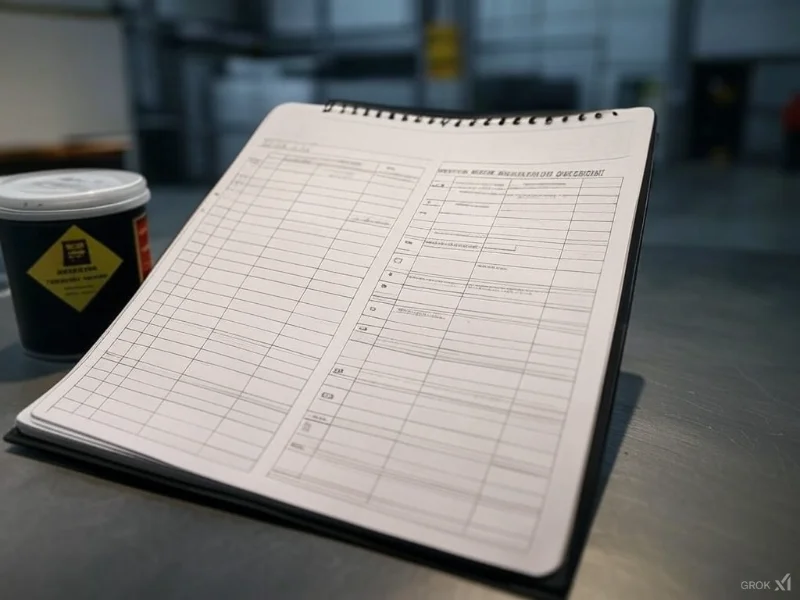
Preview page one below. Open the image or download the PDF for all pages.

At a glance
- Ensure energy efficiency by inspecting reflective roofing compliance to reduce heat absorption.
- Verify correct installation and material quality to meet cool roof standards.
- Enhance roof longevity and reduce urban heat islands through proper maintenance checks.
- Interactive online checklist with tick, comment, and export features secured by QR code.
How to Use This Checklist
- Gather necessary tools such as a ladder, tape measure, camera, and safety gear before starting the inspection.
- Click the “Use this checklist” button to launch interactive mode.
- Tick each item online as you complete it.
- Add comments on individual items or the entire checklist.
- Click Share or Download to download your completed checklist as PDF or Excel.
Understanding Cool Roofing Materials
Cool roofing materials are key to reducing a building's energy usage by reflecting more sunlight and absorbing less heat. These materials typically have high solar reflectance and thermal emittance. Understanding these properties and their application is crucial for compliance.
- High solar reflectance is essential for reducing heat absorption.
- Thermal emittance helps in dissipating absorbed heat.
- Materials should comply with local energy standards.
- Proper documentation of materials used is necessary.
- Regular updates from manufacturers ensure compliance.
Installation Best Practices
Proper installation of reflective roofing is critical to its performance. This involves not only selecting the right materials but also ensuring they are installed correctly to avoid issues such as water leaks or inefficient energy performance.
- Ensure all seams and joints are sealed properly.
- Verify substrate is clean and dry before installation.
- Check for proper slope to ensure drainage.
- Inspect flashings and roof penetrations for integrity.
- Document installation with photos and notes for records.
Maintenance and Compliance
Regular maintenance is necessary to keep reflective roofing in compliance. This includes cleaning, inspections, and immediate repairs to any damages to sustain its energy efficiency and structural integrity.
- Schedule regular cleaning to maintain reflectivity.
- Inspect for damages after severe weather events.
- Check for ponding water or blocked drains.
- Ensure no unauthorized modifications have been made.
- Review compliance with updated local regulations.