The checklist
HVAC System Inspection
- Verify that all HVAC components such as boilers, chillers, and air handling units are operational.
- Check the calibration and accuracy of temperature and humidity sensors.
- Ensure that all control valves and dampers are responsive and functioning correctly.
Lighting System Inspection
- Ensure all lighting controls are operational and configured for energy efficiency.
- Verify that occupancy sensors are correctly detecting presence and adjusting lighting accordingly.
Security System Inspection
- Test the functionality of all access control systems and ensure they are secure and reliable.
- Check that all video surveillance systems are capturing clear and reliable footage.
Energy Management System Inspection
- Review energy consumption data for any irregularities or spikes.
- Verify that energy-saving settings are correctly applied across all systems.
General System Inspection
- Ensure that all system updates and patches are applied to maintain security and functionality.
- Check the system interface for any alerts or alarms that need addressing.
- Perform a backup of all system settings and configurations.
Preview the printable checklist
Preview page one below. Open the image or download the PDF for all pages.

At a glance
- Ensure optimal BMS performance to reduce energy consumption and enhance occupant comfort.
- Identify potential issues early to avoid costly repairs and prolong equipment lifespan.
- Comprehensive inspection covering HVAC, lighting, security, and energy management systems.
- Interactive online checklist with tick, comment, and export features secured by QR code.
How to Use This BMS Inspection Checklist
- Click the 'Use this checklist' or 'Start Interactive Checklist' button to launch interactive mode.
- Tick each item online as you complete it.
- Add comments on individual items or the entire checklist.
- Click 'Share' or 'Download' to download your completed checklist as PDF or Excel.
Understanding BMS Components
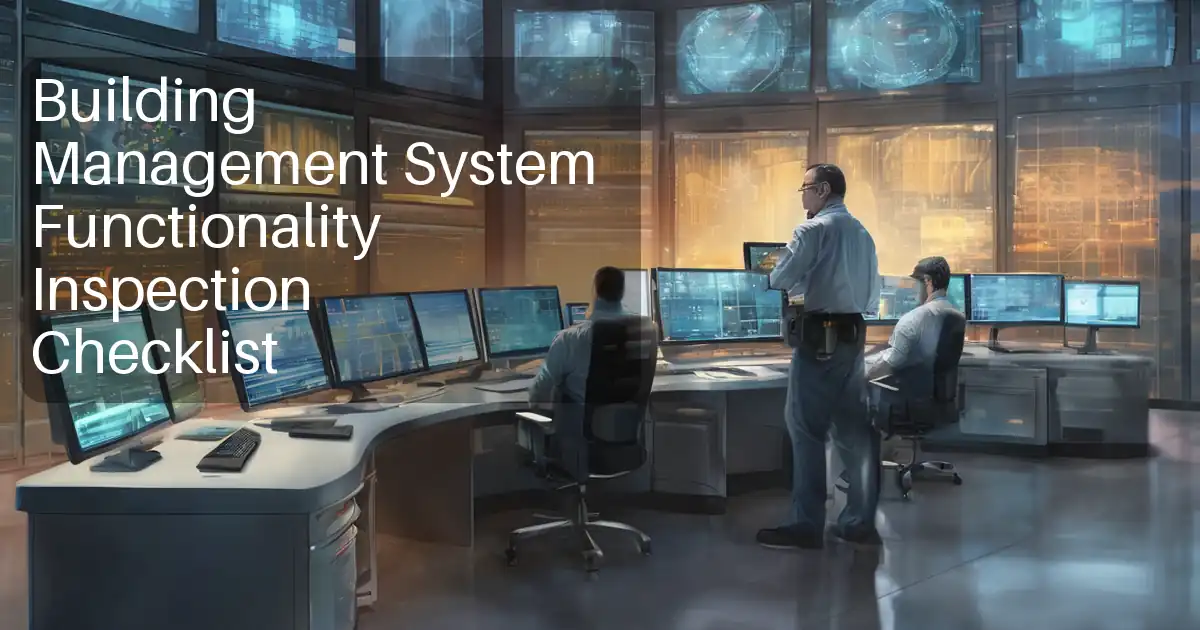
A Building Management System (BMS) integrates various building systems into a cohesive platform, allowing centralized control and monitoring. Key components include sensors, controllers, user interfaces, and communication networks. Proper functioning of these components is crucial for the efficiency and reliability of the BMS.
- Sensors collect data on environmental conditions.
- Controllers execute commands based on sensor data.
- User interfaces provide access to system settings.
- Communication networks facilitate data transfer.
The Importance of Regular BMS Inspections
Regular inspections of the BMS ensure that all systems are operating as intended. These inspections can uncover inefficiencies, prevent system failures, and ensure compliance with energy regulations. By maintaining a well-functioning BMS, buildings can achieve significant cost savings and contribute to sustainability goals.
- Identify and resolve inefficiencies.
- Prevent costly system failures.
- Ensure regulatory compliance.
- Enhance building sustainability.