The checklist
Visual Inspection
- Check for any visible damage to cables, plugs, and connectors.
- Ensure all safety labels and indicators are visible and legible.
- Inspect for signs of overheating, such as discoloration or melting.
- Verify that all covers, guards, and enclosures are securely fastened.
- Check for accumulation of dust or debris that could affect performance.
Functional Testing
- Test the operation of all switches and control buttons.
- Confirm that all indicator lights and alarms are functioning correctly.
- Verify that emergency stop functions are operational.
- Conduct a load test to ensure the equipment can handle maximum capacity.
- Check that all connections are secure and free of corrosion.
Final Testing
- Measure voltage and current levels to ensure they are within acceptable ranges.
- Record and verify all test results against baseline data.
- Ensure all protective devices are correctly set and functioning.
- Complete and file all documentation for compliance records.
- Conduct a final visual inspection to confirm no items were missed.
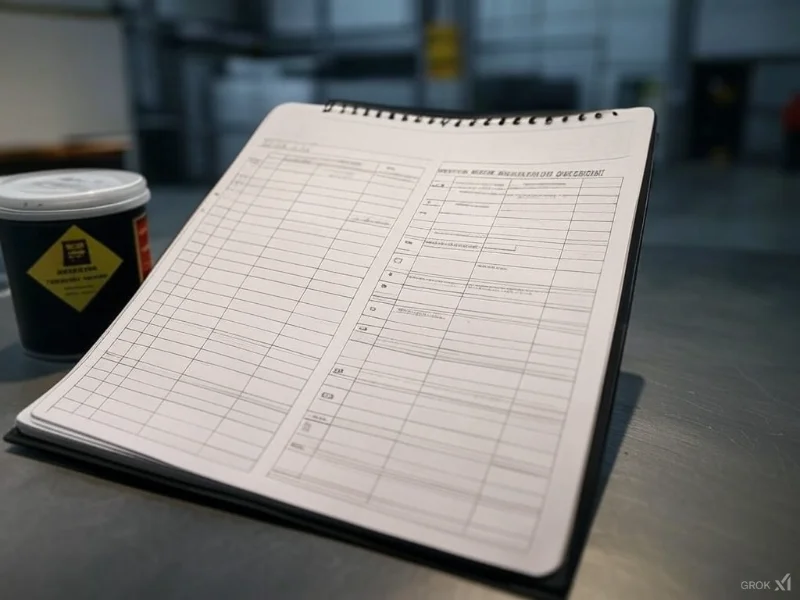
Preview the printable checklist
Preview page one below. Open the image or download the PDF for all pages.

At a glance
- Ensure safety and compliance by thoroughly inspecting and testing all electrical equipment.
- Identify potential hazards early with a detailed visual inspection protocol.
- Interactive online checklist with tick, comment, and export features secured by QR code.
- Guarantee equipment efficiency and longevity through rigorous final testing procedures.
How to Use This Interactive Checklist
- Click the 'Start Interactive Checklist' button to launch interactive mode.
- Tick each item online as you complete it.
- Add comments on individual items or the entire checklist.
- Click 'Share' or 'Download' to download your completed checklist as PDF or Excel.
Importance of Electrical Equipment Inspection
Regular inspection of electrical equipment is vital to prevent accidents and ensure operational efficiency. The inspection process involves checking for visible signs of wear, ensuring all components are securely fastened, and verifying that all safety mechanisms are functioning. These checks help in identifying issues before they lead to failure or pose safety risks.
- Prevents electrical hazards and accidents.
- Ensures compliance with safety standards.
- Identifies wear and damage early.
- Supports equipment longevity.
Executing Final Testing Procedures
Final testing is the last step in ensuring all equipment operates as intended before being put into service. This includes conducting load tests, checking voltage and current levels, and verifying that all control systems respond correctly. Proper documentation of test results is crucial for future reference and compliance.
- Conduct load and performance tests.
- Verify voltage and current levels.
- Ensure control systems function correctly.
- Document all test results.