The checklist
Sprinkler System Inspection
- Verify sprinkler head installation and positioning as per design plans.
- Check for leaks in the piping system using pressure tests.
- Ensure sprinkler activation and water flow performance are satisfactory.
Fire Door Inspection
- Confirm fire door closure mechanisms operate without obstructions.
- Inspect seals and gaskets for integrity and correct placement.
- Verify labels and certifications on fire doors and frames.
Emergency Lighting Inspection
- Test emergency lighting for immediate activation upon power failure.
- Check battery backup functionality and charge levels.
- Inspect lamp conditions and replace any faulty components.
Preview the printable checklist
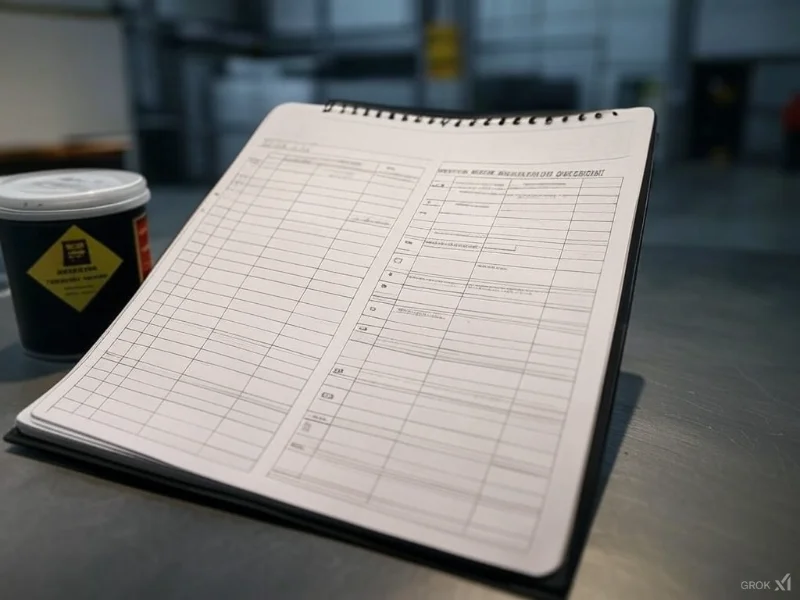
Preview page one below. Open the image or download the PDF for all pages.

At a glance
- Ensure comprehensive safety compliance with detailed inspection tasks for sprinklers, fire doors, and emergency lighting.
- Reduce risks of system failures during emergencies by verifying operational efficiency.
- Interactive online checklist with tick, comment, and export features secured by QR code.
- Facilitate precise inspections and record-keeping with structured, actionable items.
How to Use This Checklist
- Prepare necessary tools and documents, including design plans, testing equipment, and safety gear.
- Click the 'Use this checklist' or 'Start Interactive Checklist' button to launch interactive mode.
- Tick each item online as you complete it.
- Add comments on individual items or the entire checklist.
- Click 'Share' or 'Download' to download your completed checklist as PDF or Excel.
Importance of Life-Safety Systems
Life-safety systems like sprinklers, fire doors, and emergency lighting are critical in safeguarding occupants during emergencies. Proper commissioning and inspection ensure these systems activate and function as designed. Inspectors must focus on installation accuracy and system performance to meet regulatory standards. Failure to do so can result in catastrophic consequences during a real emergency.
- Verify system installation against design specifications.
- Check for compliance with local and national safety standards.
- Ensure all safety systems are fully operational.
- Identify and rectify any installation errors promptly.
Common Inspection Pitfalls
Inspecting life-safety systems can involve several common pitfalls, including overlooking minor installation errors or failing to document findings. It is essential to conduct thorough inspections with a focus on both functionality and compliance. Avoiding these pitfalls ensures the systems are reliable when needed most.
- Avoid skipping any checklist items.
- Ensure all test results are documented.
- Address any identified issues immediately.
- Consult manufacturers' guidelines when needed.