The checklist
Initial Inspection
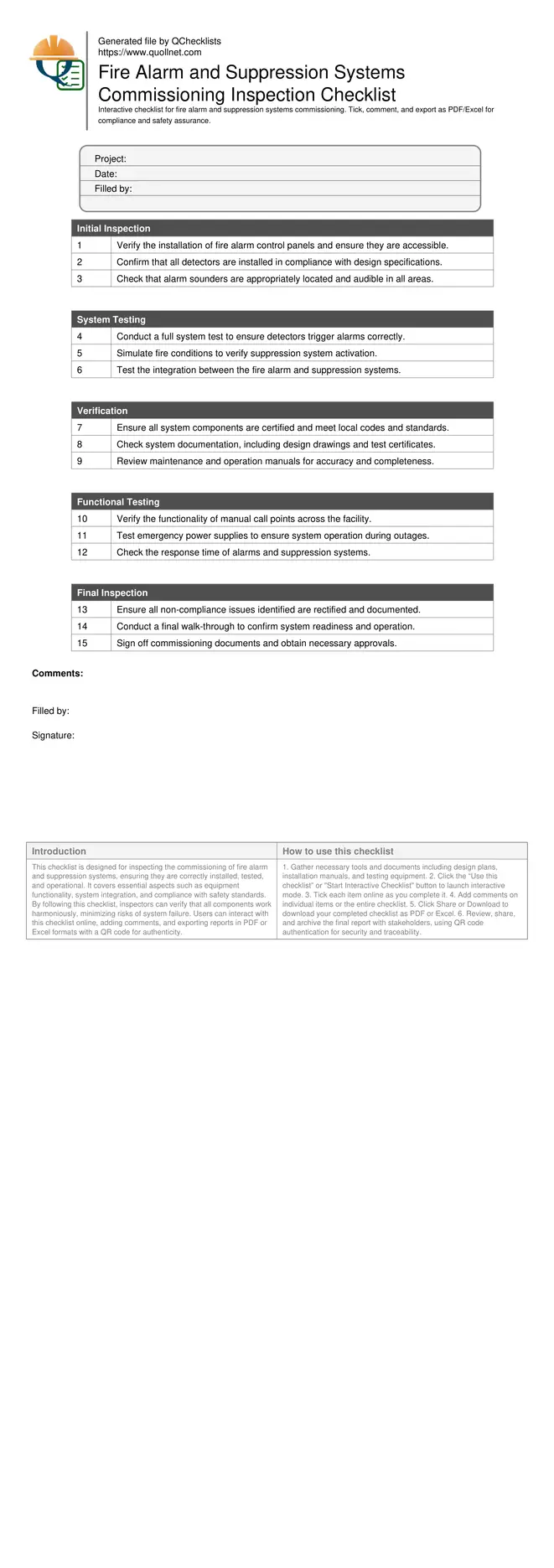
- Verify the installation of fire alarm control panels and ensure they are accessible.
- Confirm that all detectors are installed in compliance with design specifications.
- Check that alarm sounders are appropriately located and audible in all areas.
System Testing
- Conduct a full system test to ensure detectors trigger alarms correctly.
- Simulate fire conditions to verify suppression system activation.
- Test the integration between the fire alarm and suppression systems.
Verification
- Ensure all system components are certified and meet local codes and standards.
- Check system documentation, including design drawings and test certificates.
- Review maintenance and operation manuals for accuracy and completeness.
Functional Testing
- Verify the functionality of manual call points across the facility.
- Test emergency power supplies to ensure system operation during outages.
- Check the response time of alarms and suppression systems.
Final Inspection
- Ensure all non-compliance issues identified are rectified and documented.
- Conduct a final walk-through to confirm system readiness and operation.
- Sign off commissioning documents and obtain necessary approvals.
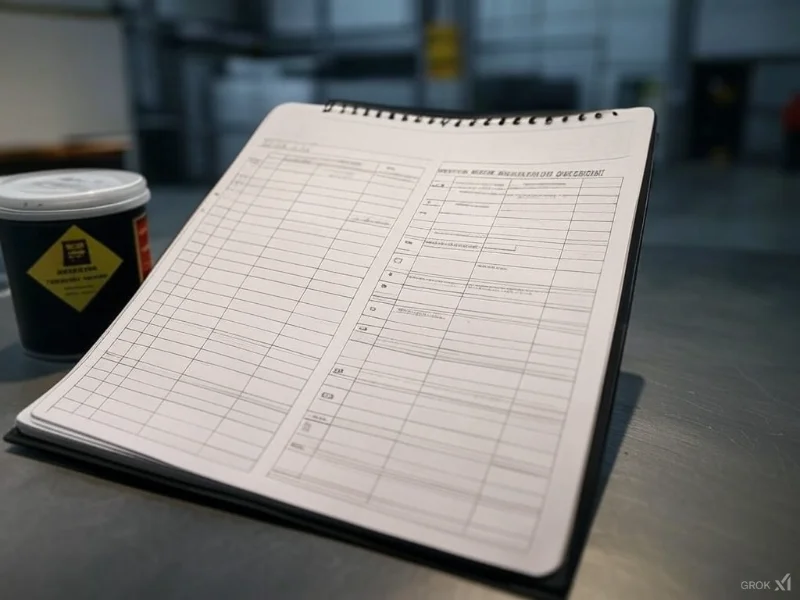
Preview the printable checklist
Preview page one below. Open the image or download the PDF for all pages.
At a glance
- Ensure fire alarm systems are correctly installed and operational, reducing risks of malfunction.
- Verify suppression systems meet safety standards, providing peace of mind for occupants.
- Check system integration for seamless operation during emergencies.
- Interactive online checklist with tick, comment, and export features secured by QR code.
How to Use This Checklist for Fire Alarm and Suppression Inspection
- Gather necessary tools and documents including design plans, installation manuals, and testing equipment.
- Click the “Use this checklist” or "Start Interactive Checklist" button to launch interactive mode.
- Tick each item online as you complete it.
- Add comments on individual items or the entire checklist.
- Click Share or Download to download your completed checklist as PDF or Excel.
- Review, share, and archive the final report with stakeholders, using QR code authentication for security and traceability.
Importance of Commissioning Inspections
Commissioning inspections ensure that fire alarm and suppression systems are not only installed correctly but are also fully operational and integrated. These checks are crucial to ensure that the system will function as intended in the event of a fire, providing maximum safety for building occupants. Regular and thorough inspections can also help in identifying potential malfunctions before they occur.
- Prevents system failures during emergencies.
- Ensures compliance with safety standards.
- Increases confidence in system reliability.
Common Issues in Fire System Installations
Even with the best planning, issues can arise during the installation of fire systems. Common problems include incorrectly positioned detectors, inadequate alarm audibility, and improper system integration. Addressing these issues during commissioning can prevent costly repairs and ensure the system functions as designed.
- Incorrect detector placement affects performance.
- Poor alarm audibility can lead to safety risks.
- Integration issues may prevent full system activation.