The checklist
Pre-Entry Checklist
- Verify confined space classification and the need for entry permits.
- Ensure all personnel have completed required safety training.
- Review emergency and rescue procedures with team members.
Safety Equipment Check
- Inspect personal protective equipment (PPE) for damage and wear.
- Calibrate and test gas detectors for functionality.
- Verify communication devices are operational and have sufficient battery life.
Entry Procedures
- Conduct a pre-entry atmospheric test to identify potential hazards.
- Ensure continuous atmospheric monitoring is in place during entry.
- Confirm that entry and exit points are clear and accessible.
Post-Entry Review
- Conduct a debrief with all team members to discuss the entry.
- Log any incidents or near misses during the entry for future reference.
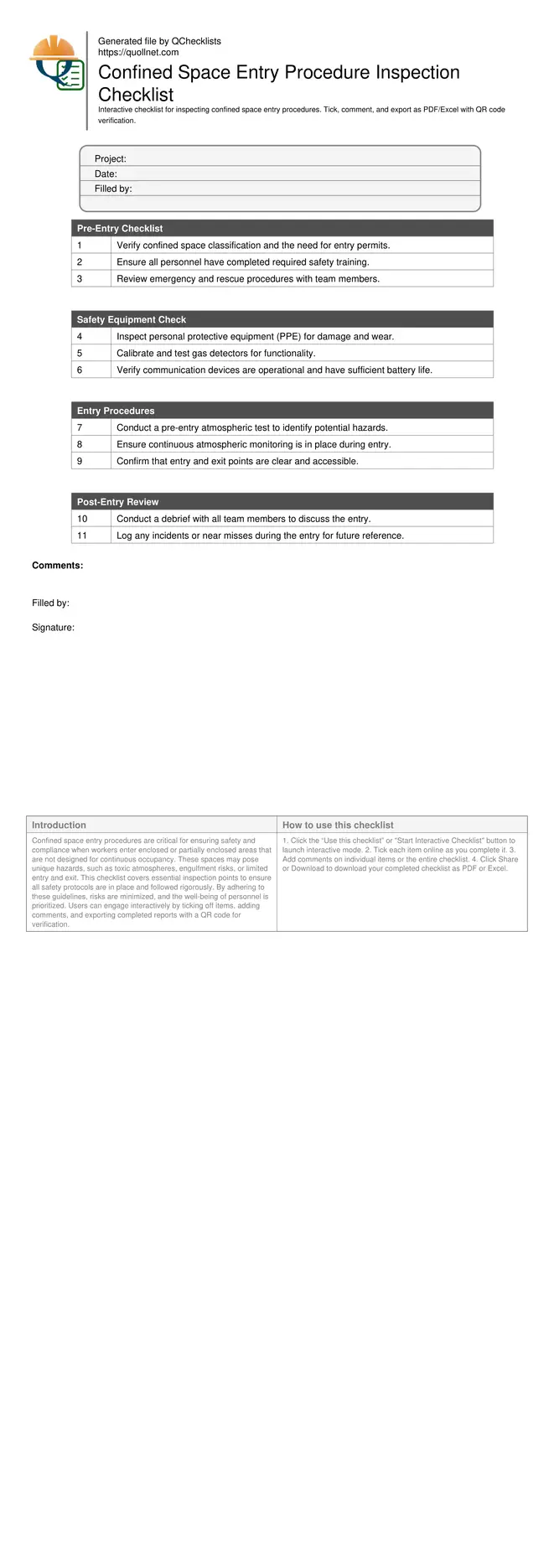
Preview the printable checklist
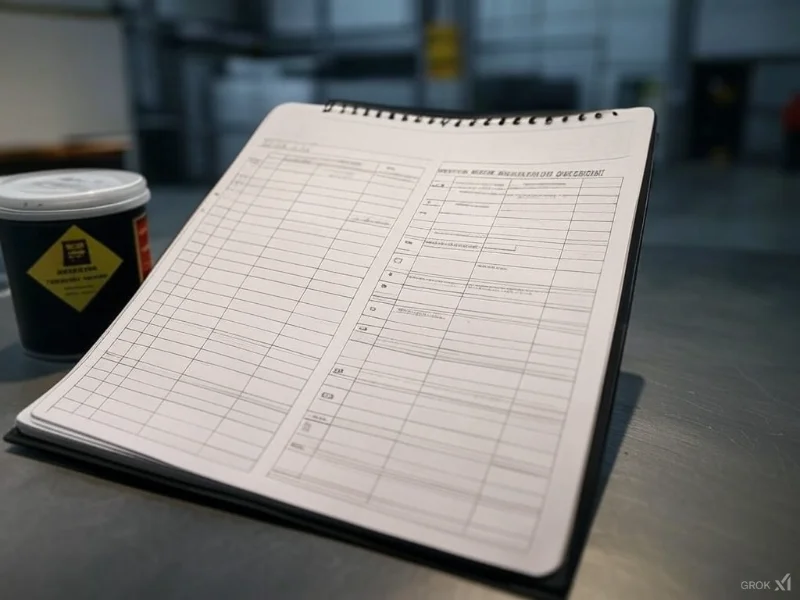
Preview page one below. Open the image or download the PDF for all pages.
At a glance
- Ensure safety and compliance by following a detailed inspection checklist for confined space entry procedures.
- Identify potential hazards like toxic atmospheres and engulfment risks before entry.
- Verify that all safety equipment and protocols are in place and functioning correctly.
- Interactive online checklist with tick, comment, and export features secured by QR code.
Using the Confined Space Entry Inspection Checklist
- Click the “Use this checklist” or "Start Interactive Checklist" button to launch interactive mode.
- Tick each item online as you complete it.
- Add comments on individual items or the entire checklist.
- Click Share or Download to download your completed checklist as PDF or Excel.
Understanding Confined Spaces
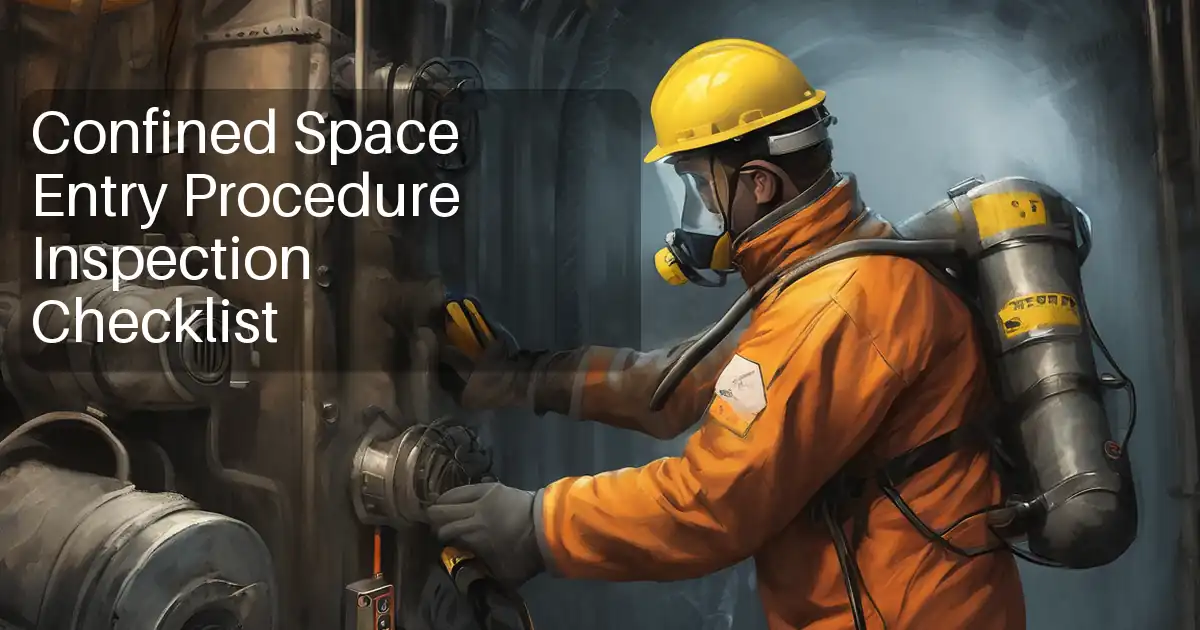
Confined spaces are areas not designed for regular occupancy but can be entered for maintenance, repair, or inspection. These spaces often have poor ventilation, increasing the risk of hazardous atmospheres. Understanding the nature of these spaces is crucial for implementing effective safety procedures. This checklist helps identify necessary precautions and equipment needed for safe entry.
- Recognize the characteristics of confined spaces.
- Identify common hazards associated with confined spaces.
- Understand the importance of proper ventilation.
- Know why confined spaces require special safety procedures.
Essential Safety Equipment
Before entering a confined space, it's essential to have the right safety equipment. This includes personal protective equipment (PPE), gas detectors, and communication devices. Ensuring that these tools are in good working order is vital for the safety of personnel. This section of the checklist focuses on verifying the readiness and condition of all necessary equipment.
- Check the availability and condition of PPE.
- Ensure gas detectors are calibrated and functional.
- Verify communication devices are operational.
- Confirm the presence of emergency rescue equipment.