The checklist
Pre-Test Preparations
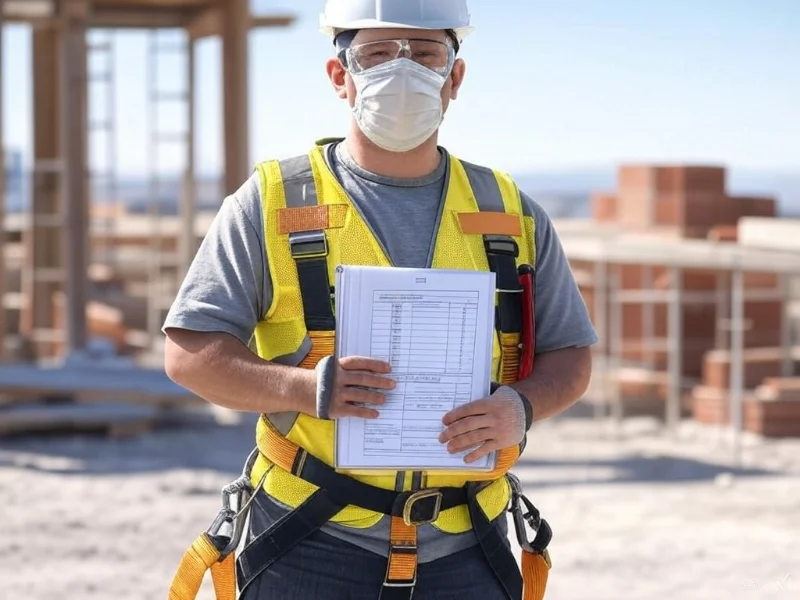
- Ensure all safety gear such as helmets and gloves are worn by personnel.
- Verify all test equipment is calibrated and functioning correctly.
- Review the manufacturer's specifications and safety standards relevant to the system.
Load Testing
- Conduct a full-load test to ensure the elevator can handle its maximum weight capacity.
- Observe the system's performance during load changes and record any anomalies.
Speed Verification
- Measure the elevator's speed under normal and full-load conditions to ensure compliance with specified limits.
- Verify escalator speed is within the safety range at both ascending and descending operations.
Emergency Systems Check
- Test the emergency brake system to ensure it activates under fault conditions.
- Verify the functionality of the emergency alarm and communication systems.
- Inspect the backup power system to ensure elevators operate during power failures.
Post-Test Procedures
- Document all findings and discrepancies noted during the testing process.
- Ensure all safety equipment and tools are accounted for and stored properly.
- Conduct a debrief with the testing team to discuss results and potential improvements.
Preview the printable checklist
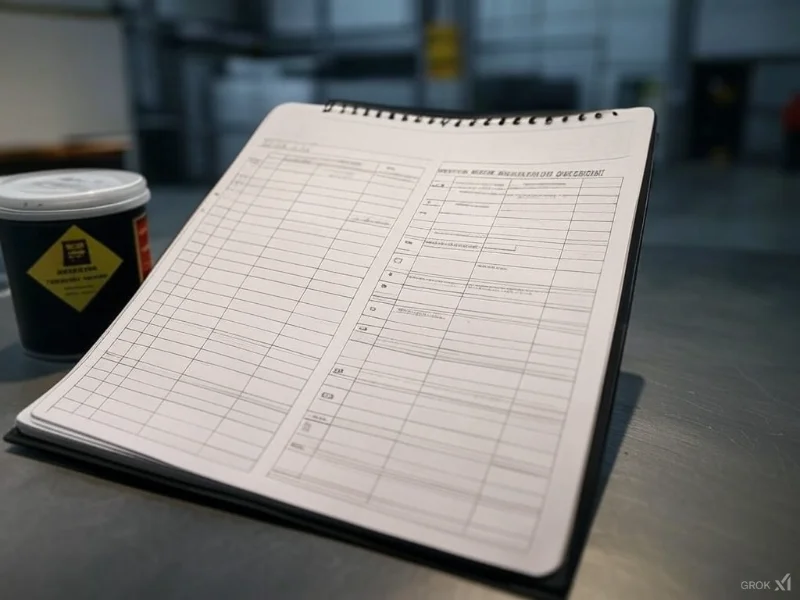
Preview page one below. Open the image or download the PDF for all pages.

At a glance
- Ensure elevator safety and reliability with comprehensive dynamic testing.
- Verify compliance with standards through precise load and speed checks.
- Interactive online checklist with tick, comment, and export features secured by QR code.
- Prevent accidents and enhance user safety with thorough system checks.
How to Use This Dynamic Testing Checklist
- Click the 'Use this checklist' or 'Start Interactive Checklist' button to launch interactive mode.
- Tick each item online as you complete it.
- Add comments on individual items or the entire checklist.
- Click 'Share' or 'Download' to download your completed checklist as PDF or Excel.
Importance of Dynamic Testing
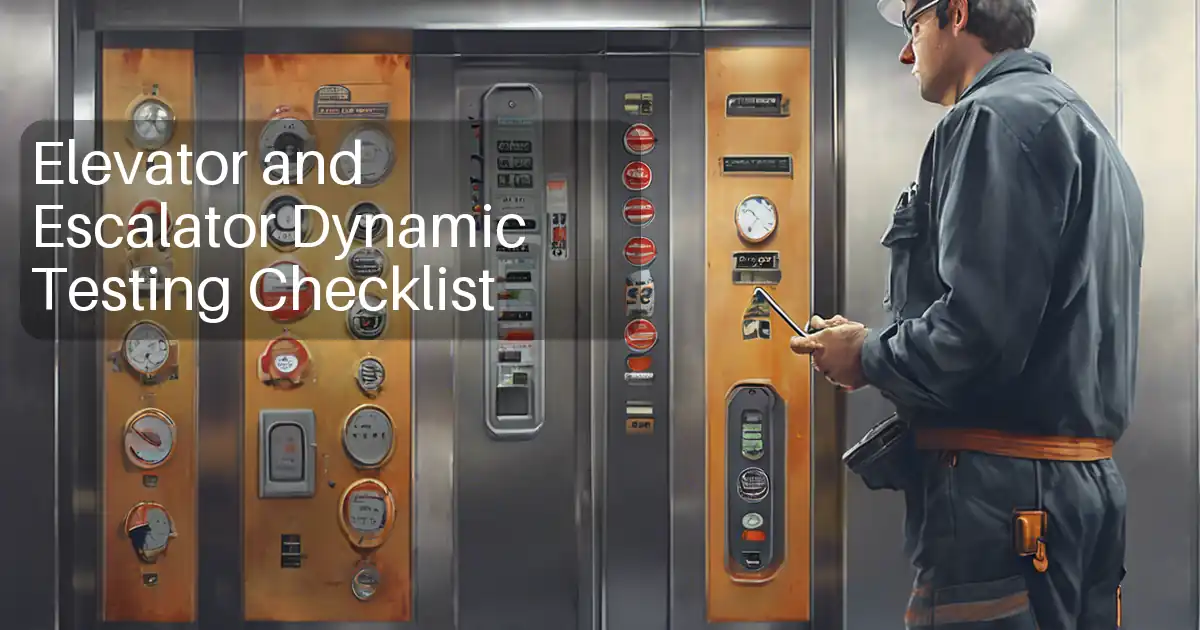
Dynamic testing for elevators and escalators is crucial in identifying potential safety hazards and ensuring that these transportation systems function correctly under various conditions. This process involves simulating real-world operational scenarios to test load capacity, speed, and emergency systems. It is essential to conduct these tests regularly to maintain high safety standards and compliance with regulations.
- Ensures operational safety and reliability.
- Identifies potential system malfunctions.
- Guarantees compliance with safety standards.
Conducting Load and Speed Tests
Load and speed tests are fundamental components of dynamic testing. Load tests verify if elevators can handle maximum weight capacities without issues, while speed tests check that both elevators and escalators operate within safe speed limits. These tests help prevent mechanical failures and ensure user safety by identifying any discrepancies or areas needing adjustment.
- Load tests verify maximum capacity handling.
- Speed tests ensure compliance with safety limits.
- Helps in identifying mechanical issues early.
Emergency System Verification
Emergency systems are vital for the safe operation of vertical transportation. Testing these systems includes checking the functionality of emergency brakes, alarms, and backup power supplies. Regular verification ensures that in the event of an emergency, the systems will function properly, providing crucial safety for users and reducing risk of injury.
- Emergency brakes must activate properly.
- Alarms and communication systems need regular checks.
- Backup power systems should be reliable.