The checklist
Pre-Inspection Preparation
- Gather all necessary tools and safety gear before starting the inspection.
- Review previous inspection reports and maintenance records.
Damper Inspection
- Visually inspect all dampers for physical damage or obstructions.
- Check damper operation by manually opening and closing each unit.
- Verify electrical connections are secure and free from corrosion.
Fan Inspection
- Inspect pressurization fans for any signs of wear or damage.
- Test fan operation under normal and emergency conditions.
- Ensure all fan speed controls are functioning correctly.
System Testing
- Simulate a fire condition and monitor system response.
- Record all findings and discrepancies during the test.
Post-Inspection Review
- Compile and review the inspection report for any necessary actions.
- Distribute the report to relevant stakeholders for follow-up.
Preview the printable checklist
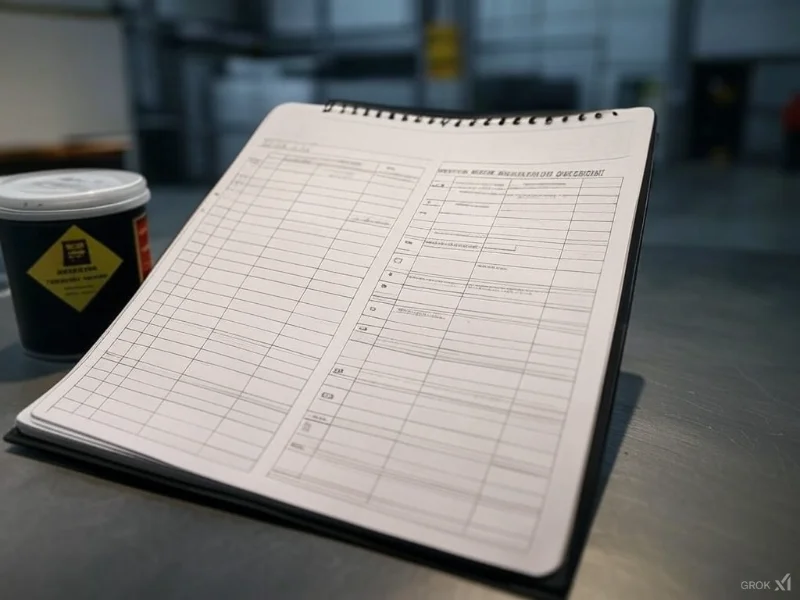
Preview page one below. Open the image or download the PDF for all pages.

At a glance
- Ensure operational readiness of smoke control dampers and fans, preventing smoke spread during a fire.
- Verify mechanical and electrical components for compliance with safety standards.
- Interactive online checklist with tick, comment, and export features secured by QR code.
- Maintain building fire protection systems efficiently and effectively.
Using the Smoke Control System Inspection Checklist
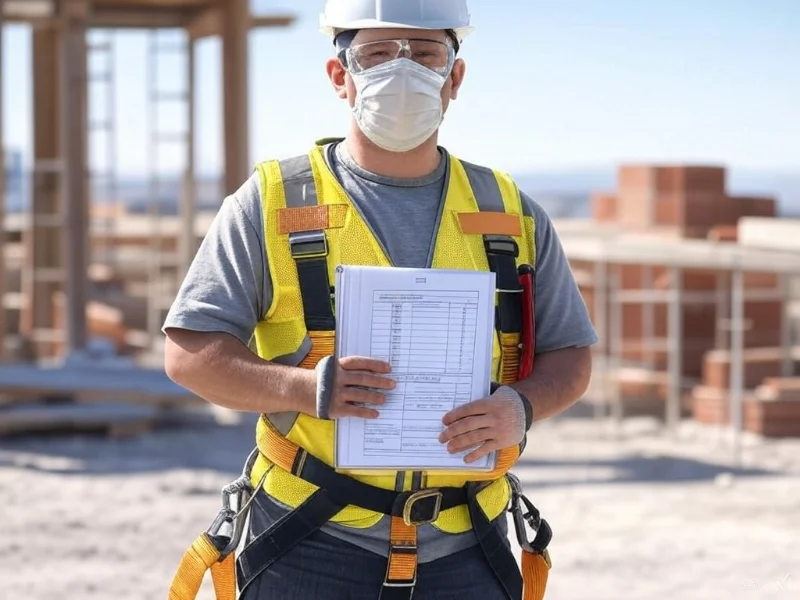
- Prepare necessary tools such as a multimeter, smoke generator, and personal protective equipment.
- Click the “Use this checklist” button to launch interactive mode.
- Tick each item online as you complete it.
- Add comments on individual items or the entire checklist.
- Click Share or Download to download your completed checklist as PDF or Excel.
- Review and archive the final report, ensuring to distribute it to stakeholders. Use the QR code for authentication and traceability.
Understanding Smoke Control Systems
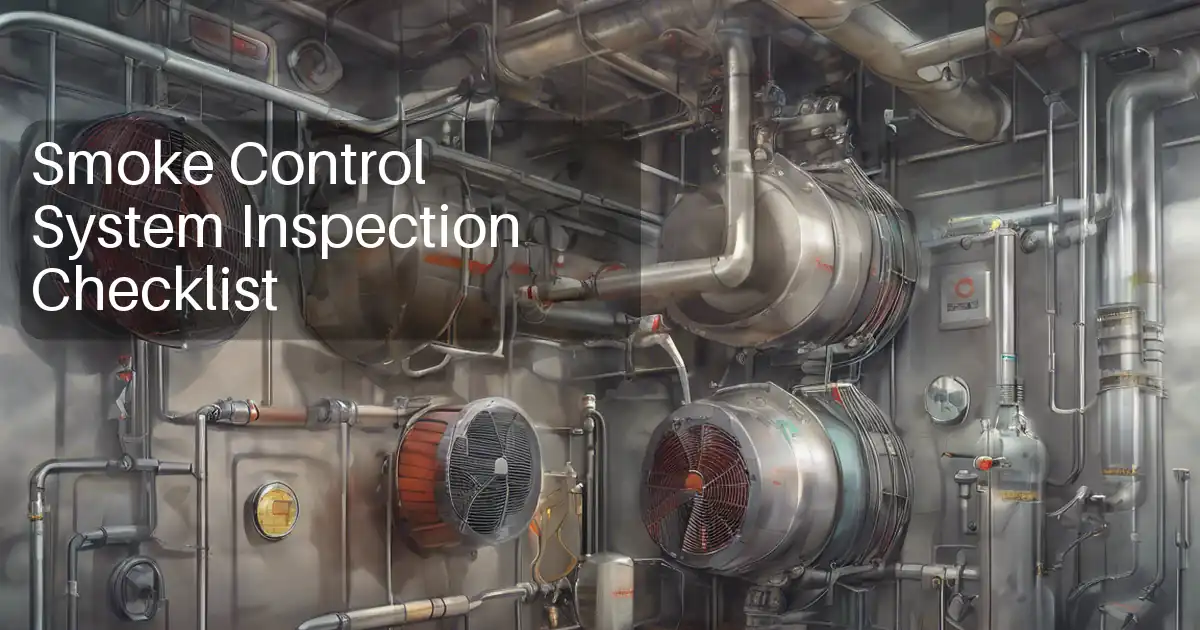
Smoke control systems are designed to keep escape routes clear of smoke, ensuring safe evacuation during a fire. These systems include components such as dampers and pressurization fans that work together to manage smoke flow and maintain air quality. Proper inspection and maintenance are vital to ensure these systems function correctly during an emergency. This checklist provides a detailed guide for inspecting these critical components.
- Dampers control smoke movement across different zones.
- Pressurization fans maintain positive pressure in escape routes.
- Regular inspections ensure system reliability and safety.
Inspection Standards and Best Practices
Following industry standards and best practices is essential when inspecting smoke control systems. This involves adhering to guidelines like NFPA 92 and regular performance testing to identify any defects or operational issues. Employing a methodical approach to inspections can prevent costly repairs and ensure compliance with local regulations.
- Adhere to NFPA 92 guidelines for smoke control systems.
- Conduct performance tests to identify potential issues.
- Regular inspections minimize system downtime and defects.