The checklist
Pre-Inspection Preparation
- Review installation plans and system specifications.
- Gather necessary tools and safety equipment.
- Ensure all personnel are briefed on safety protocols.
Pipework and Connections
- Inspect all pipe connections for signs of leaks.
- Verify all pipes are properly labeled according to gas type.
- Ensure all pipes are securely fastened and supported.
Pressure and Flow Testing
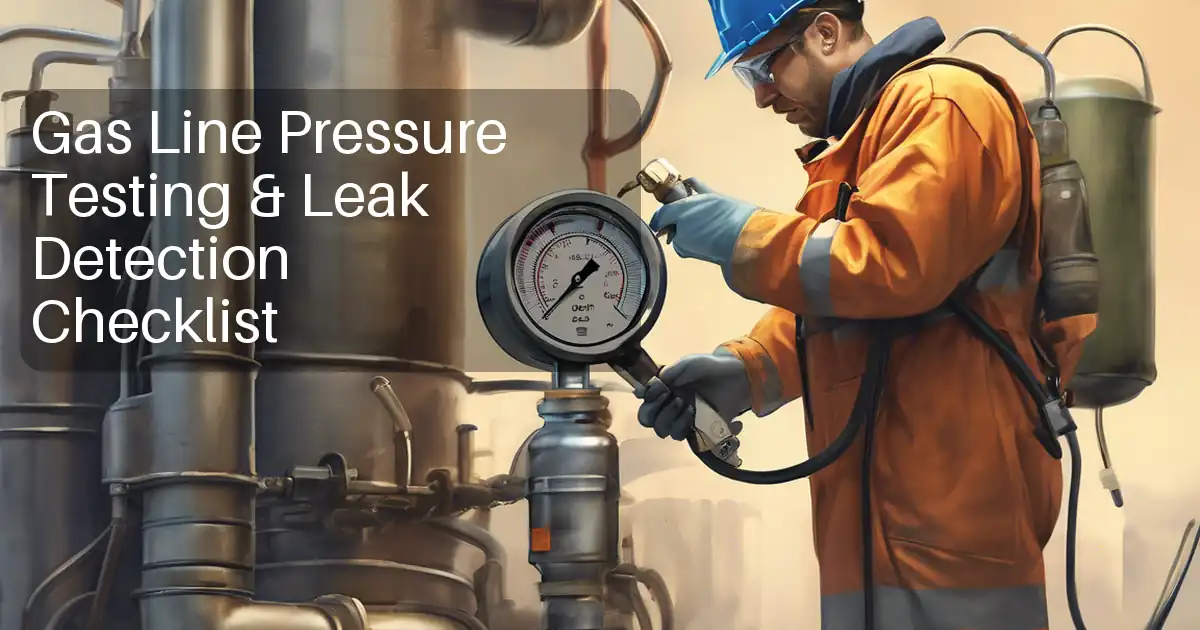
- Measure system pressure at designated test points.
- Check for consistency in gas flow rates across outlets.
- Confirm pressure gauges are calibrated and functional.
Alarm and Monitoring Systems
- Test alarm systems for functionality and response time.
- Verify monitoring systems are accurately reporting data.
- Ensure backup power systems are operational.
Documentation and Compliance
- Review all installation documents for completeness.
- Ensure compliance with relevant health and safety regulations.
- Record all inspection results and discrepancies.
Preview the printable checklist
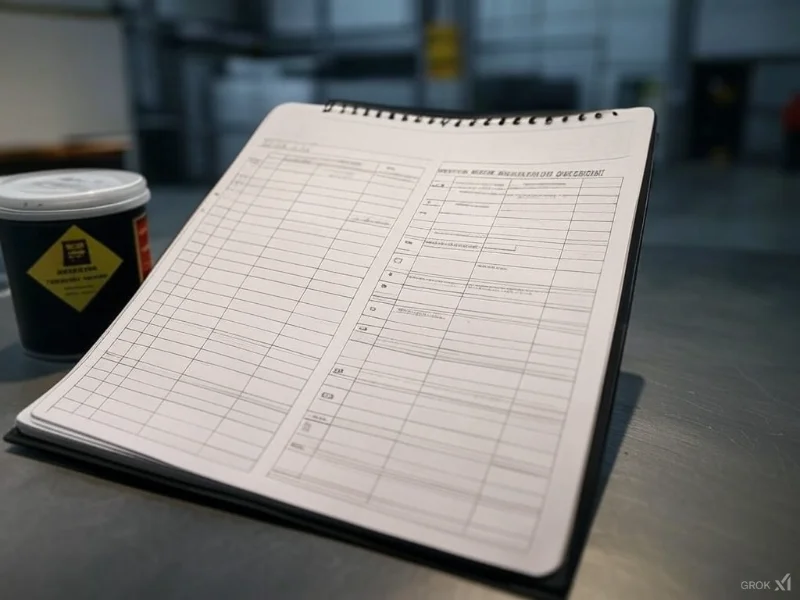
Preview page one below. Open the image or download the PDF for all pages.

At a glance
- Ensure safety and compliance of medical gas systems in healthcare facilities.
- Verify installation meets regulatory and operational standards.
- Identify potential issues early to prevent operational disruptions.
- Interactive online checklist with tick, comment, and export features secured by QR code.
How to Use This Medical Gas System Inspection Checklist
- Prepare your tools and safety gear, including pressure gauges, leak detection fluid, and personal protective equipment.
- Click the 'Use this checklist' button to launch interactive mode.
- Tick each item online as you complete it.
- Add comments on individual items or the entire checklist.
- Click 'Share' or 'Download' to download your completed checklist as PDF or Excel.
- Review, sign, and share the final report with stakeholders, utilizing the QR code for authentication.
Why Inspection Matters
Proper inspection of medical gas systems during installation is crucial for patient safety and compliance with health regulations. These systems deliver life-saving gases directly to patients, and any fault can lead to severe consequences. An effective inspection process helps identify issues that could disrupt service or cause regulatory non-compliance.
- Ensures operational efficiency and safety.
- Compliance with health and safety standards.
- Prevents costly post-installation fixes.
Common Inspection Areas
When inspecting medical gas systems, focus on critical areas such as pipe connections, pressure levels, and alarm systems. Ensure that all components are correctly installed and meet the necessary specifications. Regular inspection and maintenance can help avoid future operational failures.
- Check pipe connections for leaks.
- Verify pressure levels are within specified ranges.
- Ensure alarm systems are fully operational.