The checklist
Equipment Functionality
- Check refrigeration units for proper temperature settings (below 40°F for refrigerators, 0°F or below for freezers).
- Inspect ovens and stoves for even heat distribution and operational safety features.
- Verify that dishwashers reach required temperatures for sanitization (at least 180°F).
Sanitation Protocols
- Ensure all food contact surfaces are cleaned and sanitized after each use.
- Check for proper waste disposal methods and ensure bins are regularly emptied and cleaned.
- Verify that all staff adhere to personal hygiene practices, including wearing gloves and hairnets.
Maintenance
- Schedule regular maintenance checks for all major equipment to prevent breakdowns.
- Keep an inventory of spare parts and ensure quick replacements when necessary.
Compliance
- Ensure all equipment has up-to-date inspection stickers and records are maintained.
- Review local health department regulations to ensure compliance with all sanitation standards.
Preview the printable checklist
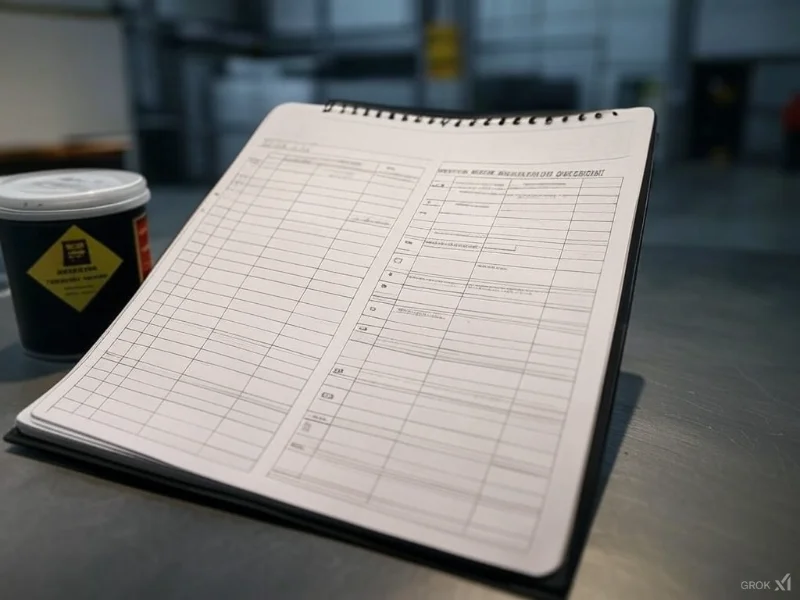
Preview page one below. Open the image or download the PDF for all pages.

At a glance
- Ensure compliance with health standards and reduce risks with this comprehensive inspection checklist.
- Identify issues early to prevent equipment failures and ensure sanitation standards are met.
- Interactive online checklist with features to track progress, add comments, and export results.
- Maintain high levels of food safety and hygiene through consistent inspection practices.
Using the Interactive Food Service Inspection Checklist
- Prepare necessary tools such as thermometers, cleaning agents, and personal protective equipment (PPE) before starting the inspection.
- Click the “Use this checklist” or "Start Interactive Checklist" button to launch interactive mode.
- Tick each item online as you complete it.
- Add comments on individual items or the entire checklist.
- Click Share or Download to download your completed checklist as PDF or Excel.
- Review the final report, apply digital signatures, and distribute it to stakeholders. Archive the document with QR code authentication for security and traceability.
Importance of Equipment Functionality
Properly functioning equipment is vital for maintaining food safety. Regular inspections help identify potential failures and ensure that all machinery operates efficiently. This reduces downtime and prevents contamination risks. Focus on critical areas like temperature control and mechanical integrity.
- Regularly check temperature settings and calibration.
- Inspect mechanical parts for wear and tear.
- Ensure all equipment operates without leaks or unusual noises.
- Verify that safety features are functioning correctly.
Sanitation Protocols and Practices
Sanitation is a cornerstone of food safety. Effective cleaning and disinfecting routines prevent bacterial growth and contamination. This section outlines essential practices for maintaining sanitation standards, focusing on critical areas that require frequent attention.
- Ensure all surfaces are cleaned and sanitized regularly.
- Use approved cleaning agents and follow manufacturer instructions.
- Check for proper waste disposal and drainage.
- Verify that staff follow hygiene protocols, including handwashing.