The checklist
Grounding System Inspection
- Verify the ground rods are installed to the appropriate depth and securely connected.
- Check that grounding conductors are of the correct gauge and securely fastened.
- Ensure the grounding system has a resistance of 10 ohms or less.
Conductors Inspection
- Inspect all conductors for any signs of damage, wear, or corrosion.
- Verify that conductors are appropriately routed and secured according to standards.
- Check that conductor connections are tight and free from corrosion.
Air Terminals Inspection
- Confirm that air terminals are installed at the correct height and location.
- Ensure air terminal tips are sharp and free of any blockages.
- Verify air terminals are firmly attached to prevent movement or detachment.
Surge Protection Devices Inspection
- Check that surge protection devices are installed at entry points of electrical services.
- Ensure surge protectors are rated for the system's voltage and current requirements.
- Verify that surge protection devices are functioning correctly and are not expired.
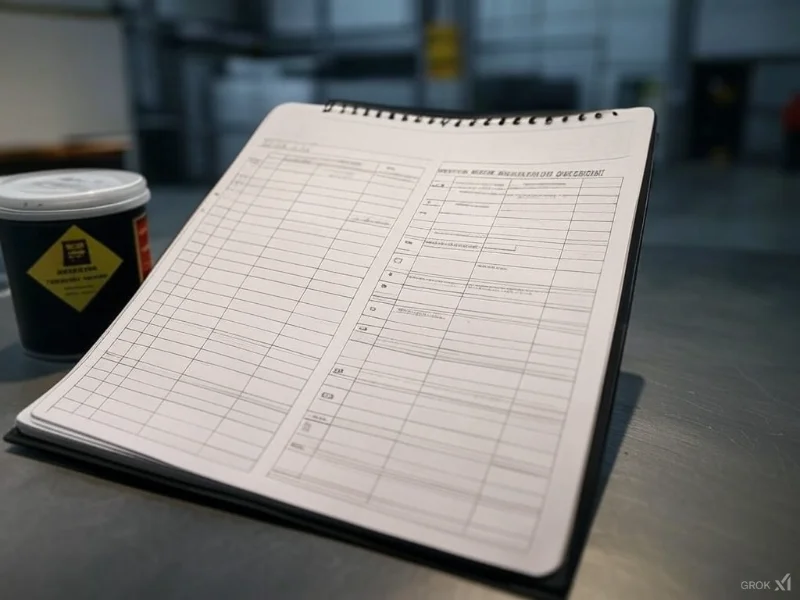
Preview the printable checklist
Preview page one below. Open the image or download the PDF for all pages.

At a glance
- Ensure all components of the lightning protection system are installed correctly to prevent damage and ensure safety.
- Use this checklist to verify compliance with safety standards for lightning protection systems.
- Interactive online checklist with features to tick, comment, and export your inspection report, secured by QR code.
- Identify potential installation errors and rectify them before they cause issues.
- Protect property and lives by ensuring the effective operation of the lightning protection system.
How to Use the Lightning Protection System Inspection Checklist
- Gather necessary tools such as multimeters, inspection mirrors, and safety gear before starting.
- Click the “Use this checklist” button to launch interactive mode.
- Tick each item online as you verify it during the inspection.
- Add comments on individual items if further action or clarification is needed.
- Click 'Share' or 'Download' to export your completed checklist as PDF or Excel.
- Review your completed inspection report, sign it digitally, and distribute it to stakeholders. Use the QR code for secure authentication and traceability.
Importance of Grounding in Lightning Protection
Grounding is the foundation of a lightning protection system. It dissipates electrical energy into the earth, preventing damage to structures. Proper grounding ensures the system functions effectively and safely. Inspecting the grounding system involves checking the installation depth of ground rods, conductors' gauge, and ensuring low resistance.
- Ground rods must be deep enough to reach moist soil.
- Conductors should be of the correct gauge for safety.
- Low resistance is crucial for effective grounding.
Air Terminals and Their Role in Protection
Air terminals, often called lightning rods, capture lightning strikes and direct them safely to the ground. Their correct installation and positioning are vital. They must be sharp, unobstructed, and at appropriate heights to function efficiently.
- Install air terminals at the highest points of the structure.
- Ensure they are sharp and free of blockages.
- Firm attachment prevents detachment during storms.
Maintaining Surge Protection Devices
Surge protection devices safeguard electrical systems from voltage spikes due to lightning strikes. Regular checks on their installation and functionality are crucial to prevent electrical damage. Ensure they are rated correctly and replace them before expiration.
- Install at entry points of electrical services.
- Devices should match voltage and current requirements.
- Regular checks ensure functionality and safety.