The checklist
Pre-Inspection Preparation
- Ensure all plumbing plans and specifications are on site for reference.
- Gather necessary tools: tape measure, level, flashlight, and camera.
- Ensure the site is clean and accessible for inspection.
Pipe Installation
- Check that all water supply lines are correctly sized and properly aligned.
- Verify that all pipes are securely fastened and appropriately spaced.
- Inspect for any visible leaks or damage in the piping.
Drain and Vent Inspection
- Ensure that all drain lines maintain proper slope for drainage.
- Verify vent pipes are correctly installed and free of obstructions.
- Check that drain and vent connections are properly sealed.
Fixture Placement
- Confirm all fixture locations match the approved plans.
- Verify that rough-in dimensions for fixtures are correct.
Pressure Testing
- Conduct pressure tests on water lines to check for leaks.
- Document test results and any anomalies found.
Final Review
- Review all findings and ensure any issues are addressed.
- Compile a final report with notes and photographs.
Preview the printable checklist
Preview page one below. Open the image or download the PDF for all pages.

At a glance
- Ensure accurate placement of pipes and fixtures before walls are sealed.
- Identify potential issues early to prevent costly repairs.
- Verify compliance with building codes and standards.
- Interactive online checklist with tick, comment, and export features secured by QR code.
How to Use This Plumbing Rough-In Inspection Checklist
- Click the “Use this checklist” button to launch interactive mode.
- Tick each item online as you complete it.
- Add comments on individual items or the entire checklist.
- Click Share or Download to download your completed checklist as PDF or Excel.
Understanding Plumbing Rough-In
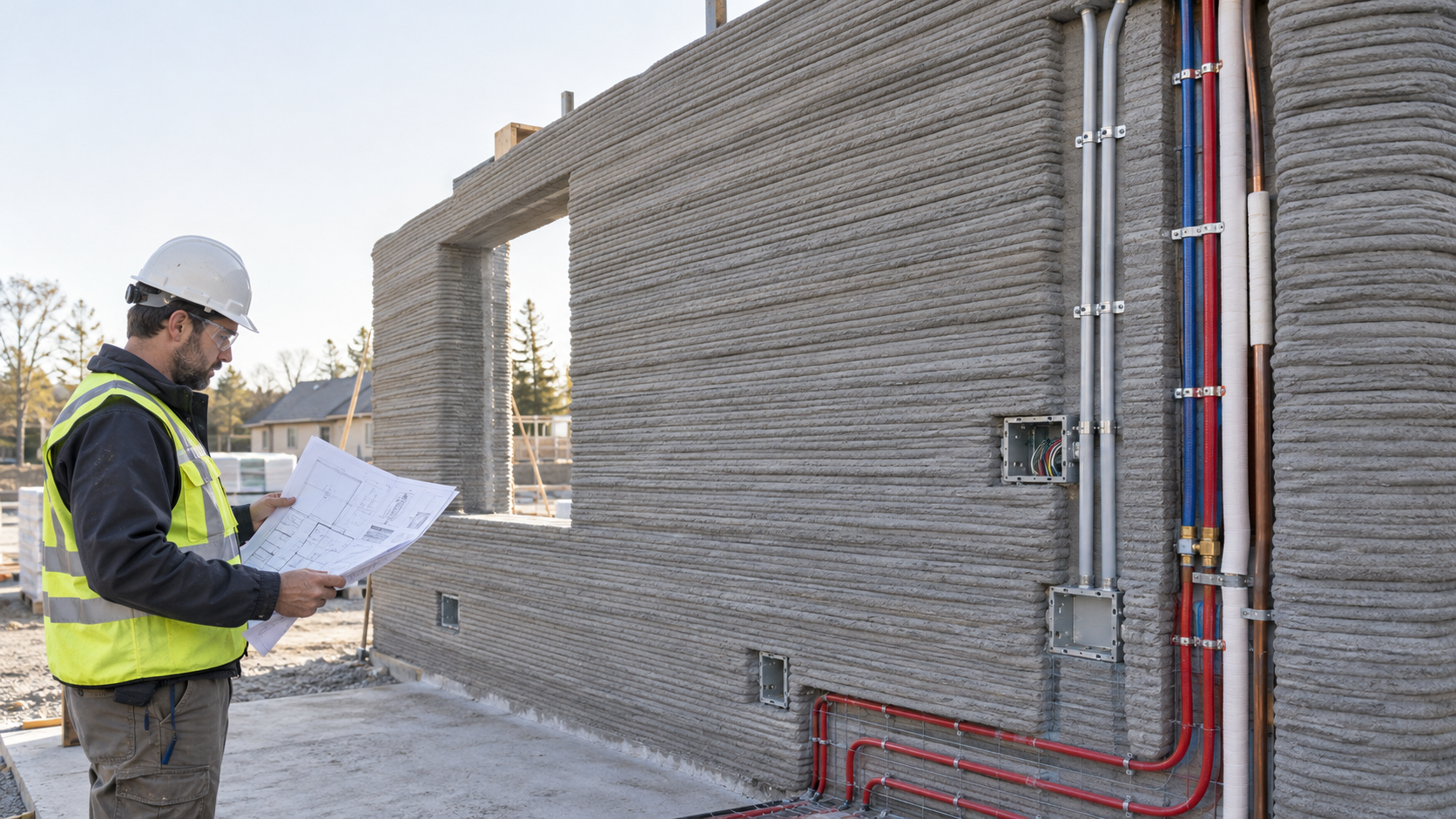
Plumbing rough-in refers to the phase in construction where all pipes and lines are installed but not yet connected to fixtures. This stage is crucial for ensuring that plumbing systems are correctly placed and ready for final hookups. It typically includes installing water supply lines, drains, and vents according to the blueprint.
- Ensures correct placement and alignment of plumbing systems.
- Integral for compliance with building codes.
- Prevents future disruptions and costly repairs.
Importance of Thorough Inspection
Conducting a thorough plumbing rough-in inspection is essential to identify potential issues early. By verifying that all installations meet the required standards, you can prevent future leaks and structural damage. This inspection ensures that projects remain on schedule and budget.
- Identifies issues before they become costly problems.
- Ensures all installations meet regulatory standards.
- Helps maintain project timelines and budgets.