The checklist
Plant Selection
- Verify that plant species are suited to the local climate and soil conditions.
- Ensure plants are healthy, free from pests and diseases.
- Check that the quantity and size of plants meet project specifications.
Soil Condition
- Test soil pH and nutrient levels to ensure suitability for planting.
- Verify soil drainage and aeration for optimal root growth.
- Ensure soil amendments are properly mixed and distributed.
Irrigation System
- Inspect irrigation system for leaks and coverage.
- Ensure timers and controllers are set according to the watering schedule.
- Check that water pressure is appropriate for system performance.
Planting Practices
- Verify planting depth and spacing are correct for each species.
- Ensure mulch is applied to conserve moisture and suppress weeds.
- Check that staking and supports are properly installed.
Maintenance
- Inspect regular maintenance schedule for pruning and fertilization.
- Verify that pest control measures are in place and effective.
- Ensure records of maintenance activities are kept up-to-date.
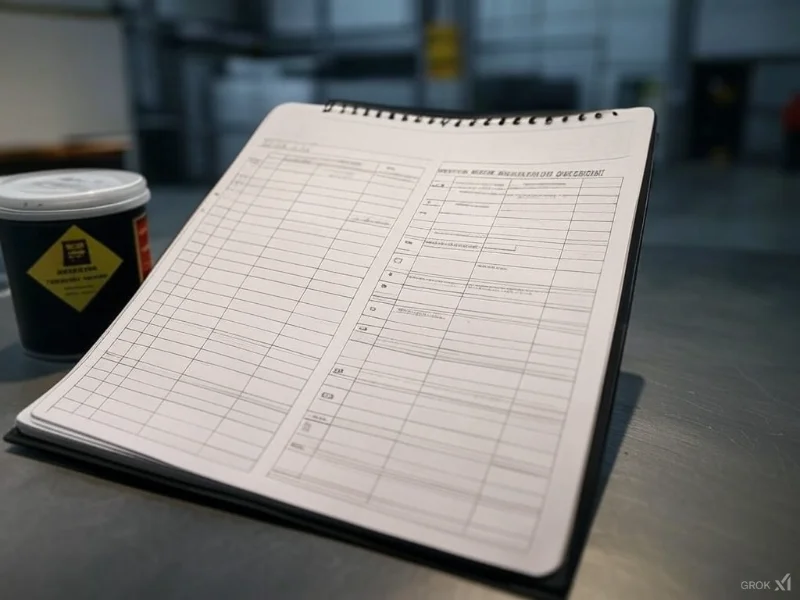
Preview the printable checklist
Preview page one below. Open the image or download the PDF for all pages.

At a glance
- Ensure plant selection meets project specifications and environmental standards.
- Verify soil condition and preparation for optimal plant growth.
- Inspect irrigation systems for efficiency and coverage.
- Interactive online checklist with tick, comment, and export features secured by QR code.
How to Use the Landscaping and Planting Inspection Checklist
- Click the “Use this checklist” or "Start Interactive Checklist" button to launch interactive mode.
- Tick each item online as you complete it.
- Add comments on individual items or the entire checklist.
- Click Share or Download to download your completed checklist as PDF or Excel.
Ensuring Quality in Plant Selection
Choosing the right plants is crucial for the success of any landscaping project. Inspectors must confirm that the plants selected are not only aesthetically pleasing but also suitable for the local environment. This includes checking for resilience to local pests, diseases, and climatic conditions. Ensuring plants are healthy at the time of planting reduces the likelihood of future issues.
- Select plants appropriate for the climate zone.
- Check for signs of disease or pest infestation.
- Confirm plant specifications match project requirements.
Soil Preparation and Testing
The condition of the soil directly affects plant health and growth. Proper soil preparation includes testing for pH and nutrient levels, as well as ensuring good drainage and aeration. Amendments may be required to improve soil quality. Inspectors should verify that these steps have been taken to create the best possible conditions for plant establishment.
- Conduct soil pH and nutrient tests.
- Check for adequate drainage and aeration.
- Ensure amendments are properly incorporated.
Efficient Irrigation Systems
An efficient irrigation system ensures that plants receive the right amount of water without waste. Inspectors need to check for leaks, verify coverage, and ensure that timers and controllers are correctly set. Proper system setup prevents overwatering or underwatering, which can stress plants and lead to poor growth.
- Inspect system for leaks and full coverage.
- Verify correct timer and controller settings.
- Check water pressure is suitable for the system.