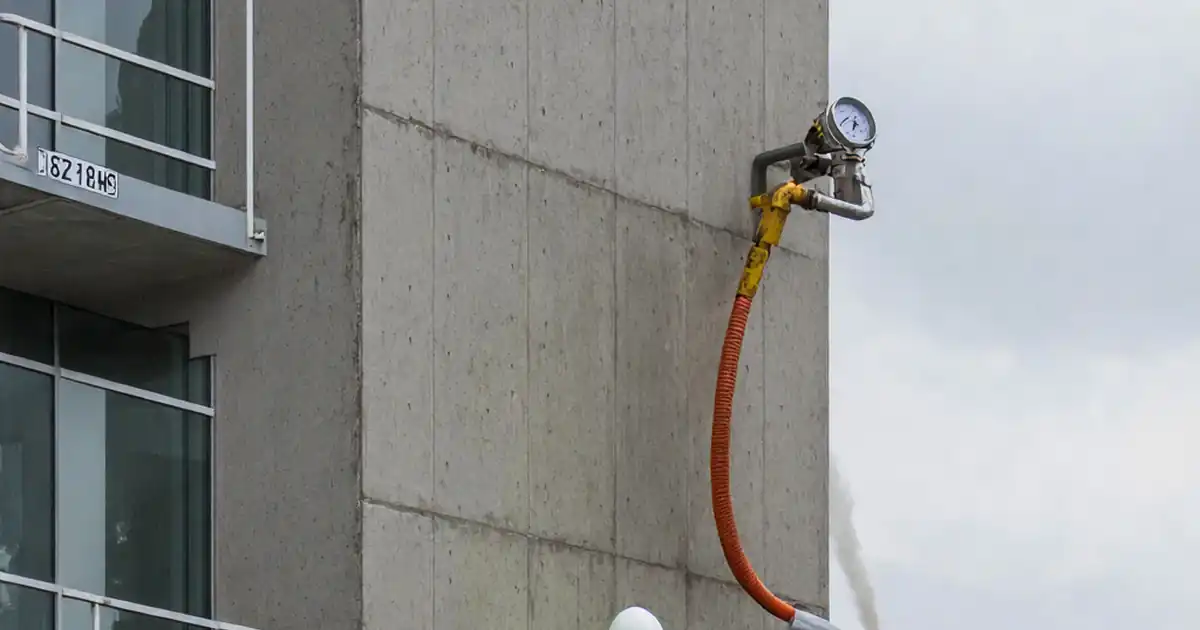
Marine/Corrosive Encapsulation Jacket Installation Checklist
Definition: Encapsulation jacket installation (marine/corrosive) guides contractors to seal joints, inject annulus if specified, and inspect jackets around piles or members in aggressive environments for durable corrosion mitigation and life extension.
- What: stepwise jacket fitting, joint sealing, optional annulus injection, inspection.
- Why: reduce corrosion, water ingress, and impact, extending asset service life.
- How: controlled surface prep, leak testing, measured injection, documented acceptance.
- Interactive, commentable checklist; export reports with QR code authentication.
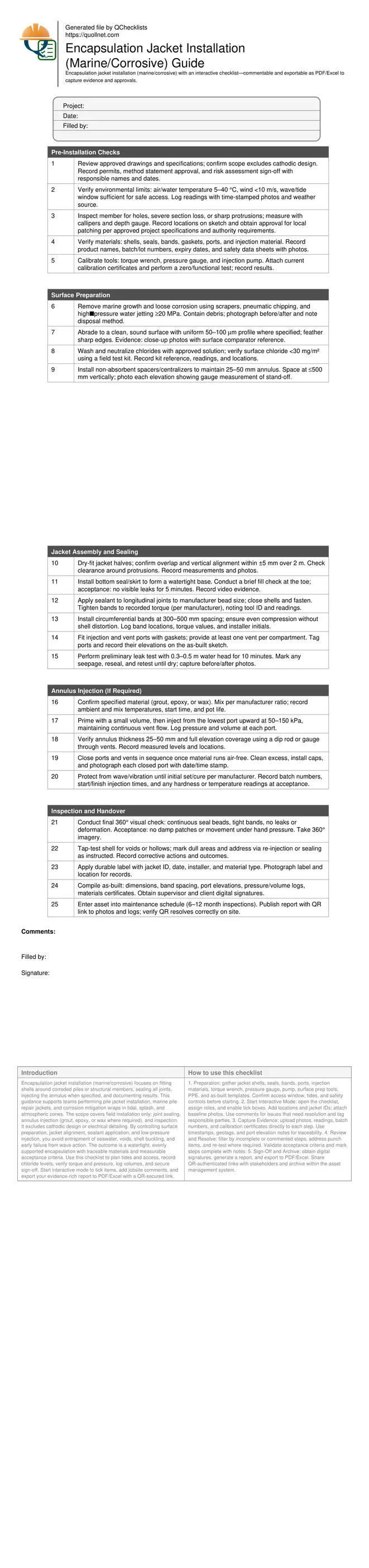
Encapsulation jacket installation (marine/corrosive) focuses on fitting shells around corroded piles or structural members, sealing all joints, injecting the annulus when specified, and documenting results. This guidance supports teams performing pile jacket installation, marine pile repair jackets, and corrosion mitigation wraps in tidal, splash, and atmospheric zones. The scope covers field installation only: joint sealing, annulus injection (grout, epoxy, or wax where required), and inspection. It excludes cathodic design or electrical detailing. By controlling surface preparation, jacket alignment, sealant application, and low-pressure injection, you avoid entrapment of seawater, voids, shell buckling, and early failure from wave action. The outcome is a watertight, evenly supported encapsulation with traceable materials and measurable acceptance criteria. Use this checklist to plan tides and access, record chloride levels, verify torque and pressure, log volumes, and secure sign-off. Start interactive mode to tick items, add jobsite comments, and export your evidence-rich report to PDF/Excel with a QR-secured link.
- Control corrosion by sequencing surface preparation, dry-fitting, and joint sealing before any annulus injection. Plan around tides, verify environmental limits, and confirm materials, tools, and calibration. Document chloride reductions, surface profile, and alignment so jackets seat uniformly and seals maintain integrity under wave and splash impacts.
- Execute leak testing with a small water head and fix any seepage before injection. Inject from the lowest port upward at controlled pressure, maintain vent flow, and track batch numbers, temperatures, volumes, and pressures. Close ports sequentially, protect curing, and capture 360° photos for final acceptance.
- Interactive online checklist with tick, comment, and export features secured by QR code. Use it to assign actions, attach photos and readings, capture signatures, and instantly produce PDF/Excel deliverables. Standardized evidence strengthens approvals, handover, and future maintenance, while QR links simplify retrieval during periodic inspections.
Pre-Installation Checks
Surface Preparation
Jacket Assembly and Sealing
Annulus Injection (If Required)
Inspection and Handover
Plan Tides, Prepare Surfaces, and Control Chlorides
Successful marine encapsulation begins with access planning around tides, wave climate, and visibility. Establish a safe window to complete surface preparation to clean, sound metal or concrete, removing growth and loosely bound rust. A uniform profile helps sealant bond and prevents point loading of the shell. Chloride contamination undermines adhesion and can draw moisture, so washing and testing are critical. Use an approved wash and verify surface chloride below the project’s acceptance threshold, recording kit readings and locations. Install spacers to hold a consistent annulus—too tight can starve fill; too wide increases material use and buoyancy forces. Dry-fit jackets and confirm alignment before sealant is committed. Photographs and simple gauges (feelers, rulers) provide quick, auditable evidence of readiness and tolerances.
- Time work for low tide and minimal swell conditions.
- Achieve a uniform 50–100 μm surface profile where specified.
- Confirm chloride levels below 30 mg/m² before sealing.
- Maintain 25–50 mm annulus with non-absorbent spacers.
- Capture before/after photos with scale references.
Seal Joints and Bands; Prove Watertightness Before Injection
Jacket performance hinges on joint detailing. Precut seals, dry-fit to confirm overlap, and apply the manufacturer’s bead size continuously. Bands should compress without distorting the shell; record torque values to demonstrate consistency across elevations. A preliminary leak test using a small water head will expose missed pinholes or discontinuities. Mark seep points, reseal, and retest until dry. Pay special attention where shells bridge irregularities, weld beads, or bolt heads—add local bedding as needed. Clear vent and injection paths now; blocked ports complicate injection and can trap voids. The goal is a proven watertight envelope that accepts fill uniformly and resists wave pumping.
- Record band torque and joint closure measurements.
- Use 0.3–0.5 m water head for 10 minutes.
- Reseal and retest until no visible seepage remains.
- Bed irregular spots to avoid shell rocking.
- Tag and map all ports before injection.
Low-Pressure Injection, Monitoring, and Documented Acceptance
When specified, inject from the lowest port upward at low, steady pressure while maintaining an open vent to purge air. Track volumes per port to flag anomalies that might indicate voids or leaks. Temperature influences viscosity and cure: record ambient and mix temperatures, plus start/finish times. Verify annulus thickness and final level with simple gauges through vents or transparent windows where provided. Close ports sequentially, clean up, and protect the assembly from waves and vibration until initial set. Finish with a thorough inspection, tap-test, labels, and a complete as-built package linking materials, pressures, volumes, and photos to each jacket ID.
- Inject at 50–150 kPa with continuous venting.
- Log pressure, volume, and port sequence.
- Measure final fill elevation and annulus thickness.
- Protect from disturbance until initial set.
- Compile signed as-built with traceable evidence.
How to Use This Interactive Checklist
- Preparation: gather jacket shells, seals, bands, ports, injection materials, torque wrench, pressure gauge, pump, surface prep tools, PPE, and as-built templates. Confirm access window, tides, and safety controls before starting.
- Start Interactive Mode: open the checklist, assign roles, and enable tick boxes. Add locations and jacket IDs; attach baseline photos. Use comments for issues that need resolution and tag responsible parties.
- Capture Evidence: upload photos, readings, batch numbers, and calibration certificates directly to each step. Use timestamps, geotags, and port elevation notes for traceability.
- Review and Resolve: filter by incomplete or commented steps, address punch items, and re-test where required. Validate acceptance criteria and mark steps complete with notes.
- Sign-Off and Archive: obtain digital signatures, generate a report, and export to PDF/Excel. Share QR-authenticated links with stakeholders and archive within the asset management system.
Call to Action
- Start Checklist Tick off tasks, leave comments on items or the whole form, and export your completed report to PDF or Excel—with a built-in QR code for authenticity.
- Download Excel - Encapsulation Jacket Installation (Marine/Corrosive)
- Download PDF - Encapsulation Jacket Installation (Marine/Corrosive)
- View Image - Encapsulation Jacket Installation (Marine/Corrosive)
Cite & Embed
“Encapsulation Jacket Installation (Marine/Corrosive) by Quollnet”
with a link to
this source page.
FAQ
Question: What jacket and fill materials are suitable in marine splash zones?
Question: How thick should the annulus be and how do I maintain it?
Question: Do I always need to inject grout or epoxy into the jacket?
Question: How do I test for leaks before committing to injection?
Related Articles
Broader reading and guidance connected to this checklist topic.
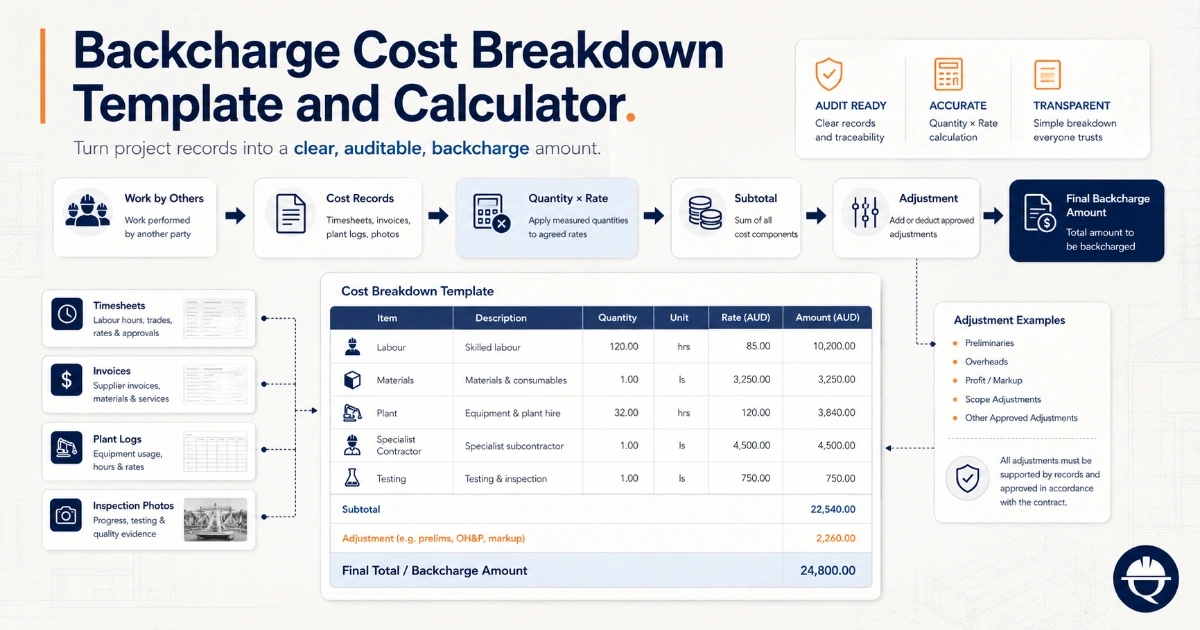
Backcharge Cost Breakdown Template And Calculator


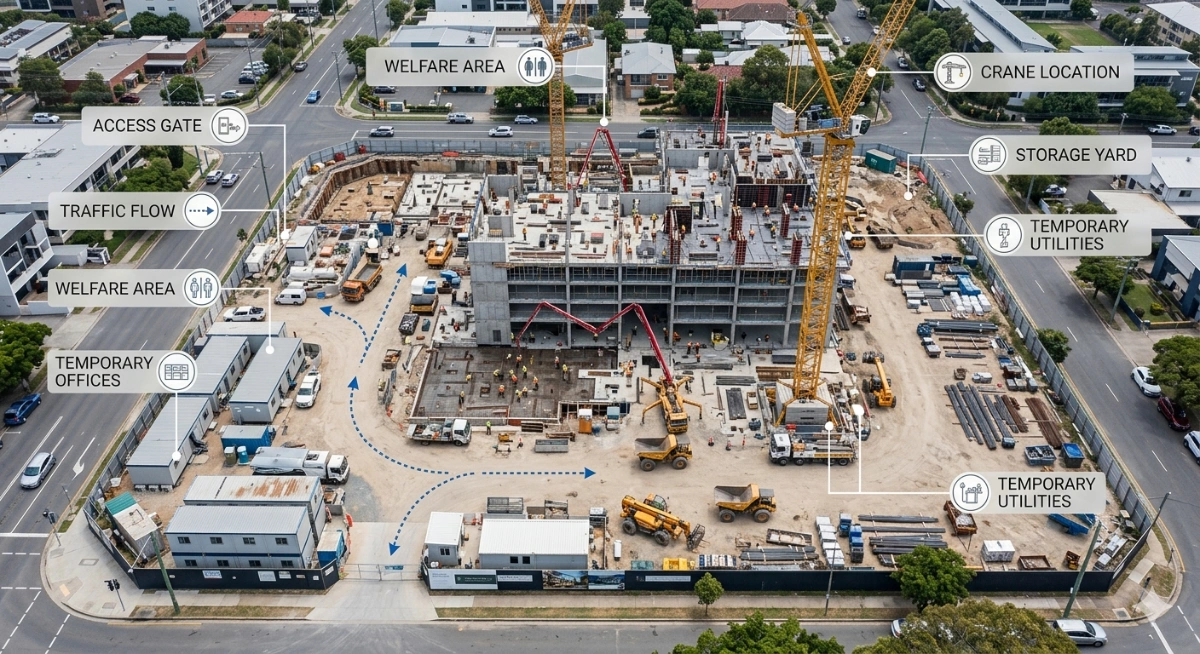
How To Review a Contractor’s Mobilization Plan
Related Checklists
Keep the workflow moving with nearby templates chosen from similar checklist content.